Jef Vandemeulebroucke is a researcher at the Department of Electronics and Informatics , Vrije Universiteit Brussel (VUB) , specializing in medical imaging, computer vision, and augmented reality applications in healthcare. His work bridges artificial intelligence with radiology and biomechanics , focusing on automated segmentation, predictive modeling, and real-time surgical navigation systems. Research interests include: Medical image analysis for disease prognosis (e.g., COVID-19 severity , neurosurgical drains ) Development of MedShapeNet , a 3D medical shape dataset for computer vision Augmented reality systems in orthopedic and neurosurgical interventions AI-driven fluorescence endoscopy and dynamic CT for joint kinematics Key trends in his 140+ publications emphasize deep learning , image registration , and 4D-CT applications . Supervised theses include brain age prediction and chest radiography automation. Active in 38 projects (e.g., AI-NIMO , TumorScope ), he collaborates with institutions like the Universitair Ziekenhuis Brussel (UZB) and FWO (Fund for Scientific Research-Flanders).
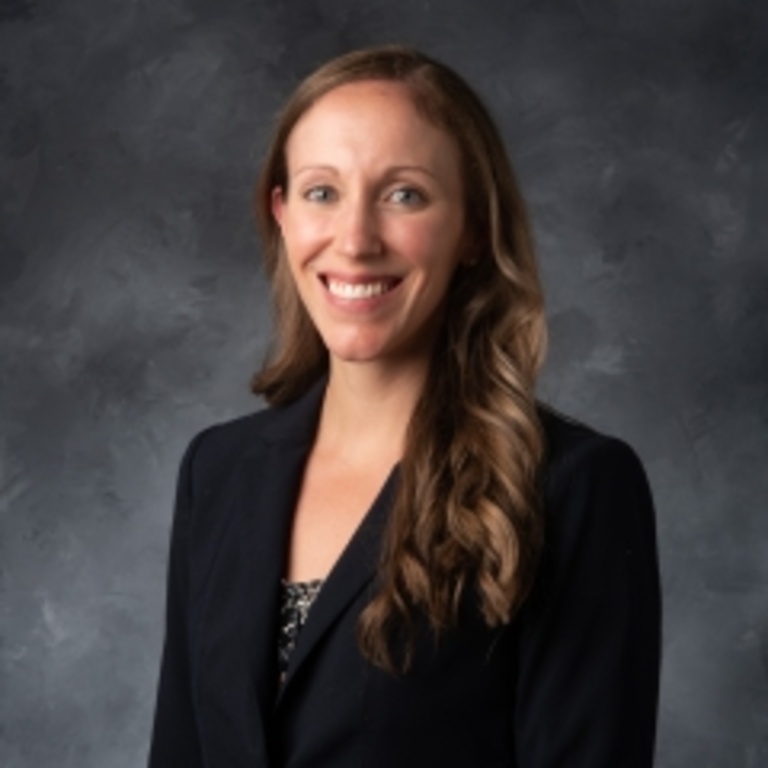
Kara M. Whitaker serves as Associate Professor and Director of Graduate Studies in the Department of Health and Human Physiology within the College of Liberal Arts and Sciences at the University of Iowa. Her research focuses on modifiable lifestyle behaviors including sedentary behavior, physical activity, and sleep patterns across diverse populations. Her primary research interests include physical activity epidemiology , sedentary behavior epidemiology , sleep epidemiology , maternal and child health , cardiovascular disease , and health disparities , with particular emphasis on at-risk groups including pregnant/postpartum women, rural populations, and marginalized communities. The Physical Activity and Women's Health Lab (PAWH) under her direction investigates determinants and health effects of lifestyle behaviors to inform behavioral interventions. Dr. Whitaker's recent work demonstrates strong trends in pregnancy epidemiology (Pregnancy 24/7 cohort), postpartum cardiovascular health , and health equity applications . Her publications increasingly integrate objective activity monitoring with clinical outcomes, focusing on sedentary behavior reduction strategies and cardiovascular risk assessment in vulnerable populations. Mid-Career Faculty Scholar Award (2025) NIH-NHLBI R01 grant for Offspring Study (2023) American Heart Association special issue guest editor (2024) She mentors multiple doctoral students and postdoctoral researchers including Lisa VanWiel, Jackie Dziewior, and Jacob Gallagher. Her lab has secured significant NIH funding including diversity supplements for the Pregnancy 24/7 Offspring Study. Current research initiatives include the Pregnancy 24/7 cohort examining 24-hour activity patterns, the Postpartum 24/7 study, and the Offspring Study tracking cardiovascular outcomes in children.
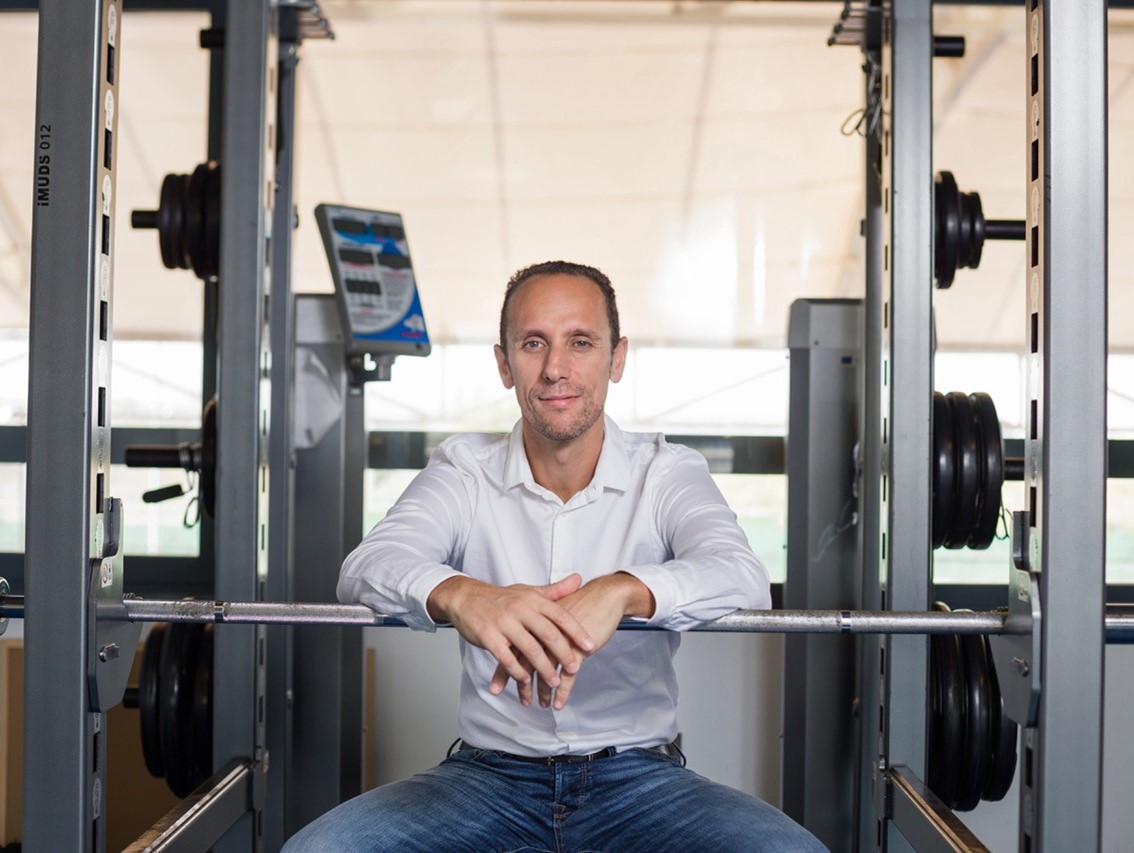
Francisco B. Ortega (Fran) is a Full Professor at the Faculty of Sports Sciences of the University of Granada, Spain . He serves as co-director of the PROFITH research group and co-heads the Physical Activity and Health Promotion Research Unit at the Joint University Institute of Sport and Health (iMUDS). His academic journey includes dual PhDs in Exercise Physiology (University of Granada) and Medical Sciences (Karolinska Institute) and postdoctoral work in Sweden and the USA. PhD, Exercise Physiology - University of Granada PhD, Medical Sciences - Karolinska Institute His research focuses on: Physical fitness assessment and accelerometry Exercise effects on cardiovascular, mental, and brain health Wearable technology applications in sports science Obesity prevention via physical activity Longitudinal health outcomes from adolescent fitness Recent publications highlight trends in global fitness norms , exercise interventions for coronary patients , pediatric obesity prevention through VR , and brain-cognition relationships in children . He received the prestigious Ramón y Cajal Research Fellowship and has led high-impact studies like the ActiveBrains and AGUEDA trials.
Christine P. Hendon is an Associate Professor of Electrical Engineering at Columbia University's School of Engineering and Applied Science, where she also serves as Vice Dean for Engagement and Provost's Senior Faculty Teaching Scholar. She directs the Structure-Function Imaging Laboratory, which develops biomedical optics technologies for clinical applications. Her research focuses on developing optical coherence tomography (OCT) and near infrared spectroscopy (NIRS) systems for structure-function analysis of biological tissues, with particular emphasis on cardiac electrophysiology applications. The laboratory creates integrative optics and therapeutic probes to improve treatment of cardiac arrhythmias, developing platform optical imaging systems to enable structure-function analysis of biological organ systems. Professor Hendon's recent publications show expansion into women's health applications, with work on uterine tissue mechanics. Her research consistently bridges engineering innovation with clinical practice through collaborations with medical professionals. Presidential Early Career Award for Scientists and Engineers (PECASE) 2017 NSF CAREER Award NIH New Innovator Award Forbes' 30 under 30 in Science and Healthcare MIT Technology Review's 35 under 35 Innovators Fellow of Optica, SPIE, and AIMBE Elected to Optica Board of Directors (2025-2027) Professor Hendon maintains an active research program with multiple ongoing grants, as evidenced by her prestigious awards and recent patent issuances. She mentors a diverse group of students across electrical engineering, biomedical engineering, computer science, applied physics, and mechanical engineering disciplines. Her Structure-Function Imaging Laboratory provides students with opportunities to work on clinically relevant technologies from concept through to potential commercialization, with several patents recently issued from laboratory work. The laboratory maintains strong clinical partnerships that provide students with exposure to real-world medical challenges. Professor Hendon's laboratory develops optical imaging platforms that correlate tissue microstructure to electrical conduction and mechanical contraction, with the main clinical driver addressing unmet needs in cardiac electrophysiology. The lab has produced innovative therapeutic catheters and algorithms for improved guidance and monitoring of arrhythmia therapy.
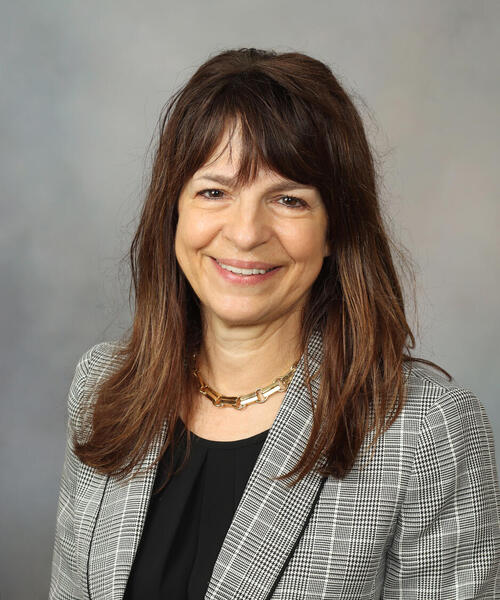
Julie G. Allickson, Ph.D., serves as Associate Professor of Regenerative Medicine at Mayo Clinic College of Medicine and Science. She holds multiple leadership roles including Consultant in the Division of Transfusion Medicine within the Department of Laboratory Medicine and Pathology, and Director of the Mayo Clinic Center for Regenerative Medicine. Dr. Allickson also serves as the Otto Bremer Trust Director of Biomanufacturing and Product Development for the Center for Regenerative Biotherapeutics (2021-present) and previously held the position of Michael S. and Mary Sue Shannon Family Director of the Center for Regenerative Biotherapeutics (2021-2024). Dr. Allickson joined Mayo Clinic from Wake Forest Institute for Regenerative Medicine where she was Chief Manufacturing Development Center Officer. With over 25 years of experience in clinical translation of cellular therapies and regenerative medicine products, she brings extensive expertise in regulatory affairs, strategic planning, project management, and team building to her role. Her research interests focus on addressing unmet patient needs, particularly for top-of-the-pyramid care, executing biomanufacturing strategies for novel cures, engaging with industry to commercialize discoveries, and facilitating translation of regenerative medicine products including cell therapy, tissue engineering, biomaterials, and devices. Dr. Allickson promotes collaboration with Mayo Clinic's Department of Laboratory Medicine and Pathology, Center for Individualized Medicine, and Comprehensive Cancer Center to develop and deliver regenerative biotherapies. Dr. Allickson's publication record demonstrates consistent contributions to regenerative medicine, with recent work focusing on biomanufacturing capacity, stem cell therapy development, and clinical translation of regenerative technologies. Her research portfolio spans from fundamental stem cell biology to clinical applications, with particular emphasis on mesenchymal stromal cells, pluripotent stem cell therapies, and manufacturing considerations for clinical applications. Vice chair, Cord Blood Association Quality Standards Committee (2017-present) Scientific advisor, Regenerative Outcomes Foundation (2016-present) Editorial board, CellR4 (2015-present) Technical advisory board, Tissue Engineered Products, International Council for Commonality in Blood Banking Automation (2015-present) International Society for Cell and Gene Therapy: Commercialization Committee (2014-present), Founding member (1992-present) American Association of Blood Banks: Member (1989-present), Board of directors (2016-2020) Dr. Allickson has directed enterprise-wide biomanufacturing strategy at Mayo Clinic with the goal of introducing new regenerative therapeutics into clinical practice, particularly for rare and complex conditions requiring specialized, best-in-class care. Her work focuses on making new regenerative treatments available to patients worldwide, including those in underserved communities, through strategic alliances with academia, industry, and government agencies.
Matthew A. Franchek is a Professor in the Department of Mechanical and Aerospace Engineering at the University of Houston, where he has served since 2002. His career spans over three decades, including prior roles as Professor and Chair at the University of Houston (2002–2009), Director of the Biomedical Engineering Program (2002–2009), and faculty positions at Purdue University from 1992 to 2002. He earned his Ph.D. (1991), M.S. (1988), and B.S. (1987) in Mechanical Engineering from Texas A&M University and the University of Texas at Arlington, respectively. Dr. Franchek’s research focuses on Dynamic Systems, Measurement and Control , with expertise in linear/nonlinear system identification, multivariable control theory, diagnostics/prognostics, and adaptive control. His engineering applications span internal combustion engines , exhaust after-treatment , noise/vibration control , and health prognostics for cardiovascular/respiratory systems . His recent publications highlight applications in superconductor manufacturing, aeroelastic stability, magnetic actuators, and subsea engineering. 2002 Best Paper Award, ASME Journal of Dynamic Systems, Measurement and Control 2001 ASME Dynamic Systems and Control Division Young Investigator Award 1997 CASA/SME University Lead Award 1997 Feddersen Faculty Fellow, Purdue University Multiple teaching awards at Purdue University (1994–2001) and Texas A&M University (1991) He has served as an Associate Editor for the ASME Journal of Dynamic Systems, Measurement and Control, held leadership roles in ASME and IEEE, and organized symposia on nonlinear control and robust control at international conferences. His professional activities include advisory roles at Cummins Incorporated and reviewing for NSF and numerous journals.
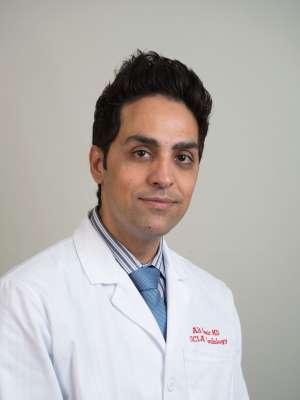
Ali Nsair, MD, is a Clinical Professor at the David Geffen School of Medicine, University of California, Los Angeles (UCLA). He serves as the Director of the Heart Transplantation and Mechanical Circulatory Support Program at UCLA and is a key member of the Interventional and Structural Cardiology program. Nsair received his MD from the University of Alberta Faculty of Medicine in 2002, followed by Internal Medicine residency and Cardiology fellowship at the University of Alberta Hospital, with advanced training in Advanced Heart Failure and Interventional Cardiology at UCLA Medical Center and post-doctoral fellowship in regenerative therapies. His clinical focus spans heart transplantation, mechanical circulatory support, interventional cardiology, and sports cardiology.
Dr. John P. Ansah is a researcher at the Department of Population and Quantitative Health Sciences, Case Western Reserve University. His work focuses on system dynamics modeling of social determinants of health (SDoH) to address cardiovascular disease (CVD) outcomes and health equity. He collaborated with community health experts to validate a conceptual SDoH model and received a pilot grant from the ACHIEVE GREATER trial (P50 MD017351; PI: Levy) to support this research. The developed system dynamics model explores feedback mechanisms linking education, employment, neighborhood conditions, and healthcare access to CVD incidence and mortality. Key subfields include neighborhood interventions, differential exposure/susceptibility, and health literacy. Simulations demonstrate that neighborhood-focused strategies yield the most significant reductions in CVD risk factors compared to isolated interventions. Scientific awards: Pilot grant from ACHIEVE GREATER trial His methodology integrates group model building (GMB) techniques with synthetic data parameterization to evaluate long-term population health impacts of SDoH programs. The model highlights the interplay between physical environment, socioeconomic factors, and community cohesion in shaping health outcomes.
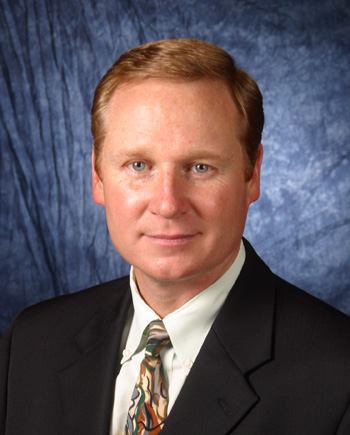
James M. Brown is a Professor in the Department of Surgery at the University of Maryland School of Medicine. He serves as Vice President and Medical Director of the Heart and Vascular Institute for the University of Maryland Capital Region Health (UMCRH), Director of Cardiac Integration, and Interim Chief of the Division of Cardiac Surgery. He practices at Paca Pratt 7th Floor and can be contacted via email at jmbrown@som.umaryland.edu or phone at 410-328-5842. His educational background includes: Episcopal Academy, Philadelphia, PA (1973-1977) B.S. in Biology (with Honors) from Trinity College (1977-1981) M.D. from the University of Pennsylvania School of Medicine, Philadelphia, PA (1981-1985) Dr. Brown completed his postgraduate training at the University of Colorado Health Sciences Center, including an internship and residency in General Surgery, cardiovascular research, and a thoracic surgery residency. He developed the cardiac surgery program at UM Capital Region Medical Center to provide world-class cardiac care to Prince George's County residents. His surgical expertise includes aneurysm repair, atrial fibrillation surgery, coronary artery bypass grafting (CABG), heart valve repair and replacement, trans aortic valve replacement (TAVR), and ventricular assist device implantation. Dr. Brown designed the state-of-the-art cardiac surgery operating room at UM Capital Region Medical Center. His surgical team consistently achieves excellent patient outcomes and has been awarded the top national rating for excellence in CABG surgery by the Society of Thoracic Surgeons. Patients recover in the dedicated Cardiovascular Care floor of the UM Capital Region Heart & Vascular Institute.
Martin O'Flaherty is Professor of Epidemiology and Head of the Department of Public Health and Policy at the University of Liverpool. He leads the Modelling Group in the Non-Communicable Disease (NCD) Prevention and Food Policy Research Team, focusing on reducing disease burden through structural interventions. His research integrates epidemiological modelling with policy analysis to address cardiovascular diseases and health inequalities. Research interests include: Cardiovascular disease epidemiology and mortality trends Health policy development for diet and nutrition interventions Microsimulation modelling of population health outcomes Social determinants of health inequalities Global applications of epidemiological methods in diverse settings His publications demonstrate consistent focus on policy-relevant microsimulation studies, with recent work examining food environment interventions, cardiovascular risk forecasting, and health system responses to ageing populations. Methodologically sophisticated papers consistently integrate real-world policy scenarios with disease burden projections. Major research grants include: NIHR Global Health Research Group on Clean Energy (2018-2022) QUEST: QUantifying Equitable Solutions To prevent NCDs (MRC, 2018-2026) Economic Analyses of Policy Strategies to Improve Diet (NIH, 2016-2020) Vascular Risk and Functional Decline in Old Age (BHF, 2017-2020) He leads the NCD Prevention Modelling Group and maintains extensive collaborations including the UK National Cardiovascular Disease Prevention System Leadership Forum, American Heart Association committees, and international research consortia across Europe and North America.
Paula Carroll is a Senior Lecturer and Researcher at South East Technological University (SETU) in the School of Health Sciences, Department of Sport and Exercise Science. She co-leads the MA in Advanced Facilitation Skills for Health and Well-Being and lectures across undergraduate and postgraduate programs since 2003. As a health promotion specialist, her work focuses on men's health, emotional intelligence, and community-based physical activity interventions. Co-Course Leader, MA in Advanced Facilitation Skills Member, Centre for Health Behaviour Research Group Associate Researcher, Centre for Men’s Health (IT Carlow) Her research expertise spans men's health promotion , facilitation skill development , community-based physical activity , and behavior change strategies . Key projects include the Men on the Move program, Football Cooperative , and On Feirm Ground farmer wellbeing initiative. She has published extensively in journals like the European Journal of Public Health , American Journal of Men’s Health , and Health Promotion International . Scientific Awards : Royal Academy of Medicine in Ireland, Donegan Medal (2001) National Postgraduate Conference Project of Most Impact (2016) HEPA Europe Early Career Research Prize (2017) Chambers Ireland Excellence in Local Government Health Award She supervises postgraduate research students at MA and PhD levels and has collaborated with institutions including the University of Aberdeen, University of Stirling, and the Health Services Research Unit. Her work appears in 47 research outputs, including 18 peer-reviewed articles and 3 book chapters.
Professor Will Shu at the Department of Biomedical Engineering , University of Strathclyde, is a leading expert in 3D bioprinting and biofabrication technologies. His research focuses on creating functional tissue constructs using microfluidic systems , hydrogels , and nanoparticle engineering , with applications in bone repair , cardiovascular models , and infectious disease treatment . Key research areas: 3D Bioprinting , Biomaterials , Microfluidics , Tissue Engineering , Biomechanics Notable innovations: degradable DNA biolubricants , self-healing triboelectric nanogenerators , carbon dots for bone infection His 2025-2023 publications demonstrate expertise in fluorescence-based nanometrology , precision cancer surgery simulation , and biofilm modeling . Current work includes digital twin surgery and biofabrication standardization . Scientific Awards : Recipient of 11 unspecified prizes (including Scopus citations and policy references ) As an active PhD supervisor , he leads projects in bioprinting , tissue regeneration , and medical device development , evidenced by 99 research outputs and 25 projects listed on Scopus.
Michael Neidlin is a Senior Researcher in the Department of Cardiovascular Engineering at the Helmholtz-Institute for Biomedical Engineering , RWTH Aachen University. His work focuses on numerical modeling of biological systems for cardiovascular and cardiopulmonary applications. Current Position: Oberingenieur (Senior Engineer), Modeling & Simulation Research Field (2020–present) Past Positions: Postdoctoral Fellow at National Technical University of Athens and Universitat Pompeu Fabra (2017–2020) Education: Dr. rer. medic. (2013–2016) and M.Sc./B.Sc. in Mechanical Engineering (RWTH Aachen) His research spans continuum biomechanics , systems-level modeling , and data-driven approaches to develop translational models for clinical and industrial applications. He specializes in: Multiscale modeling of cardiovascular hemodynamics In-silico evaluation of ventricular assist devices (LVADs) Computational tools for osteoarthritis drug screening Fluid-structure interaction studies in cardiopulmonary bypass
Isaac T Schiefer is a Professor in the Department of Medicinal and Biological Chemistry at the University of Toledo College of Pharmacy and Pharmaceutical Sciences. He serves as Director of the Center for Drug Design and Development (CD3) and Associate Director of the Shimadzu Laboratory for Pharmaceutical Research Excellence. Research Focus : Neuropharmacology, drug design, nitric oxide mimetics, zebrafish models, and gut-brain axis interactions Key Techniques : Photoaffinity labeling, LC-MS metabolomics, neurobehavioral analysis His recent work examines: Allosteric modulation of M1 receptors in zebrafish neurotoxicity Impact of gut bacterial short chain fatty acids on cardiovascular function Hybrid NO mimetics for neurodegenerative diseases SPC toxicity mechanisms using zebrafish models Pharmacokinetics of brain-penetrant compounds Publications demonstrate expertise in: Drug metabolism via sulfotransferases Neuroprotective agent development Pharmaceutical microbiome interactions Calpain inhibition for Alzheimer's disease
Francis Alenghat is an Associate Professor in the Department of Medicine-Cardiology at the University of Chicago . His research bridges macrophage biology , inflammatory pathways , and cardiovascular disease , with a focus on atherosclerosis and integrin-mediated mechanotransduction. Dr. Alenghat combines clinical expertise in cardiovascular medicine with translational research to uncover mechanisms linking inflammation to cardiovascular health. Education: S.B. in Engineering (Harvard College), Ph.D. in Biophysics (Harvard Graduate School), M.D. (Harvard Medical School) Research Interests encompass: Macrophage polarization in atherosclerosis Integrin signaling and cytoskeletal dynamics Extracellular matrix biology in vascular disease AI-driven cardiovascular risk stratification tools Lipid-lowering therapies and plaque characterization Inflammatory biomarkers in heart failure His selected publications highlight work on mechanotransduction in macrophages (2021-2024) AI applications for cardiovascular diagnostics (2021) clinical trial data generalizability (2019) Scientific Awards include the Howard Hughes Predoctoral Fellowship, Thomas W. Smith Fellowship, and Fellow of the American College of Cardiology (FACC). Dr. Alenghat has secured NIH funding for projects like "Determinants of Regulatory Macrophage Function in Coronary Artery Disease" (R03HL154292, 2020-2022). His lab employs techniques such as mouse models of atherosclerosis immunohistochemistry quantitative confocal microscopy to investigate mechanistic links between inflammation and cardiovascular disease , mentoring future physicians-scientists toward improved clinical outcomes.