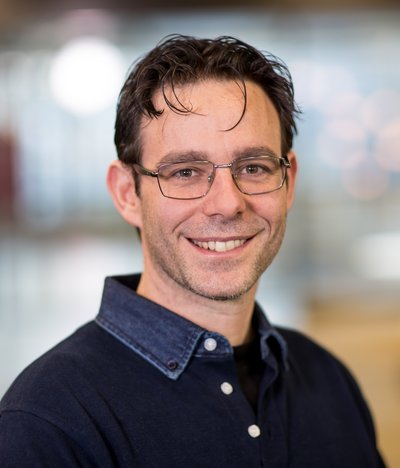
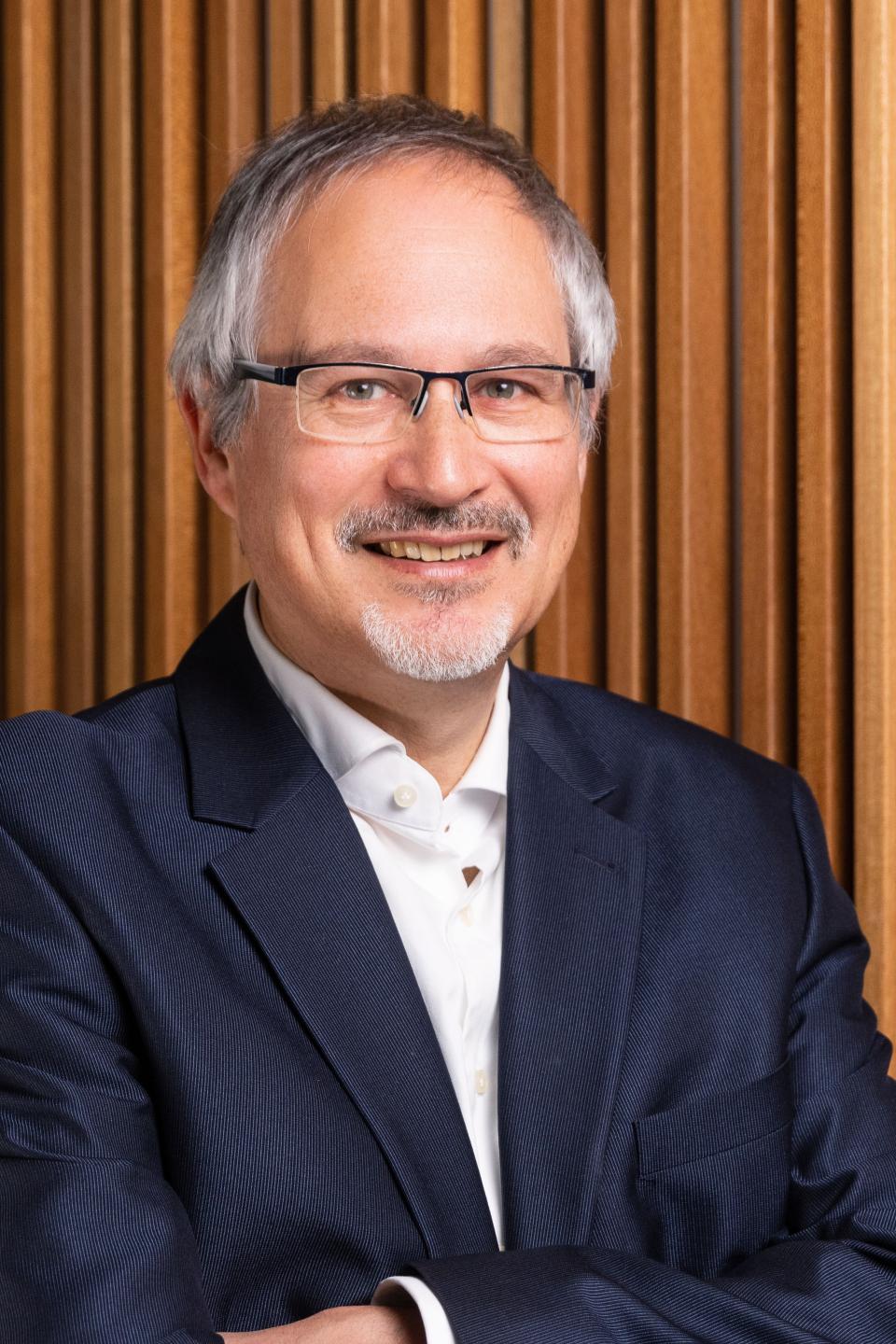
Rik Crutzen is a Full Professor at the Faculty of Health, Medicine and Life Sciences, Maastricht University, specializing in health promotion and digital interventions. His research focuses on leveraging technology to improve health behaviors across diverse populations, including adolescents, older adults, and immigrant communities. He leads projects in the CAPHRI research group for Promoting Health & Personalised Care. Research trends include: Digital health innovations (e.g., helplines, apps, algorithms) Chronic disease management (post-COVID-19, dementia risk) Health equity in immigrant populations (cervical cancer, maternal care) Behavioral interventions (physical activity, sleep, STI prevention) Systematic reviews and mixed-methods studies He has supervised 22 academic works and contributed to datasets on activity patterns and sleep-activity correlations. His work spans public health policy, health education, and technology integration.
Massimo Mischi is a Full Professor at the Faculty of Electrical Engineering of the Eindhoven University of Technology (TU/e) and chairs the Signal Processing Systems (SPS) Division , the largest division at TU/e with over 250 researchers. He founded the Biomedical Diagnostics (BM/d) Lab in 2012, which now includes 180 researchers and clinical/industrial advisors, focusing on biomedical signal processing for diagnostics and monitoring.
Dr. Peter J.F. Lucas is a Full Professor specializing in Datamanagement & Biometrics with over 35 years of experience in artificial intelligence, probabilistic graphical models, and clinical decision support systems. His research spans intelligent systems, machine learning, and eHealth, with a focus on applying Bayesian networks and probabilistic logic to medical and non-medical domains.
Qian Tao is an Assistant Professor at the Department of Imaging Physics , Faculty of Applied Sciences , Delft University of Technology . She previously worked at the Division of Image Processing, Department of Radiology, Leiden University Medical Center from 2009 to 2020. Academic Background: BSc in Electrical Engineering (Fudan University), MSc in Biomedical Engineering (Fudan University), PhD in Biometric Authentication (University of Twente) Research Interests: Focus on trustworthy AI methodologies for critical healthcare applications, including medical imaging for patient diagnosis and clinical intervention. Specializes in cardiac MRI analysis, image-guided interventions for cardiac arrhythmias, and AI in Radiology. Publication Trends: Recent work emphasizes motion correction in cardiac MRI, deep learning for image registration, and novel techniques like TRAFF2 mapping. Keywords include Medical Imaging , Machine Learning , Cardiac MRI , and Quantitative Analysis . Contact: Email: Q.Tao@tudelft.nl
Owen O'Donnell is a Full Professor of Applied Economics at the Erasmus School of Economics and Erasmus School of Health Policy & Management , Erasmus University Rotterdam. He is a Research Fellow at the Tinbergen Institute and an Editor of the Journal of Health Economics . Education: DPhil, University of York (UK) Research Interests: His work focuses on health economics, including health inequality, health insurance, financial protection, and labor economics, with applications in low-, middle-, and high-income countries. He employs cross-sectional analyses, equity-sensitive frameworks, and global health policy evaluation. Publications & Collaborations: He has published extensively in top journals like Lancet , PLOS Medicine , and Demography , addressing cardiovascular disease, hypertension screening, and healthcare access in India, Philippines, and Sub-Saharan Africa. His recent research emphasizes equity-sensitive welfare weights and treatment gain inequality. Professional Activities: He has served as an Editor for the Journal of Health Economics since 2007 and is actively involved in peer-review and editorial work until 2026.
Mathias Funk is an Associate Professor in the Industrial Design department at Eindhoven University of Technology (TU/e), leading the Things Ecology lab. His research focuses on designing with data and systems behavior, particularly in IoT and medical technology contexts. He co-founded UXsuite GmbH and developed the OOCSI communication framework. With a PhD in Electrical Engineering from TU/e (2011), Funk has held academic roles since 2013, including postdoctoral positions in Electrical Engineering and Industrial Design. He teaches courses like 'Data-enabled design' and supervises projects on AI, data foundry, and OOCSI applications. His work bridges engineering and design, addressing sustainability and human values through systemic design approaches. Education: PhD in Electrical Engineering, TU/e (2011) Computer Science background from RWTH Aachen Postdoc at TU/e's Electrical Engineering and Industrial Design departments Research Interests: Data-driven design methodologies, IoT systems, medical technology innovation, sustainable design practices, and interactive systems for musical expression. Recent work emphasizes telemonitoring efficacy in heart failure care and federated learning applications. Awards: Best Paper Award (2014) Honorable Mention (2021) Grants/Projects: Leading initiatives like MEDICAID (medtech solutions), ACACIA (interpretable AI), and Data-Driven Servitizing in Professional Printing. Active in clinical workflow prototyping and cardiovascular disease detection projects. Lab Activities: Manages the Things Ecology lab, focusing on systemic design challenges in smart ecosystems. Collaborates internationally through spin-offs and visiting lectureships.
Lieuwke Kranenburg is an Assistant Professor at the Faculty of Veterinary Medicine , Utrecht University , specializing in Equine Internal Medicine . She provides patient care at the University Equine Clinic and teaches Master's courses in equine digestion , infectious diseases , and skin problems . Research Focus: Equine internal medicine, digestive diseases, infectious pathogens, metabolic disorders Professional Certifications: EBVS® European Veterinary Specialist in Equine Internal Medicine International Collaboration: Trained Chinese veterinarians at Heilan Equestrian Centre Publications highlight her work on equine gastric disease management, diagnostic imaging, infectious disease epidemiology, and metabolic research. She contributes to equine clinical research through peer-reviewed journals and conference abstracts. Professional Involvement: Former board member of the Equine Medicine Group and current GGP representative for FEEVA, maintaining professional networks and advancing equine veterinary practice.
Dr. Vera Deneer is an Associate Professor of Clinical Pharmacology at the Utrecht Institute for Pharmaceutical Research (UIPS) within the Faculty of Science at Utrecht University, specializing in the Division of Pharmacoepidemiology and Clinical Pharmacology since 2019. She also serves as a hospital pharmacist and clinical pharmacologist at the University Medical Center Utrecht (UMC Utrecht) at the Department of Clinical Pharmacy since 2017. Dr. Deneer holds significant leadership positions including Vice-Chair of the Medicines Evaluation Board (MEB-CBG) since 2019 and Chair of the Dutch Pharmacogenetics Working Group (DPWG). Dr. Deneer received her PharmD from Utrecht University in 1991 and her PhD from Groningen University in 2003, with research focused on clinical pharmacology and pharmacokinetics of antiarrhythmic drugs in atrial fibrillation. She completed clinical training in hospital pharmacy in 1994 and clinical pharmacology training in 1998. Prior to her current positions, she served as Head of the Pharmacogenetics, Pharmaceutical and Toxicological Laboratory at St. Antonius Hospital, Nieuwegein/Utrecht from 1998 to 2017. Her research focuses on personalized medicine through the study of biomarkers including genetic variants, patient characteristics, and clinical parameters to optimize drug treatment efficacy and safety. Her work primarily targets cardiovascular disease, lung cancer, and immune-mediated inflammatory diseases. She also investigates clinical reasoning and decision-making by pharmacists to improve medication management in clinical practice. Dr. Deneer serves as principal investigator for multiple research projects funded by The Netherlands Organisation for Health Research and Development. Dr. Deneer's recent publications demonstrate her leadership in pharmacogenetics guidelines development, with numerous Dutch Pharmacogenetics Working Group (DPWG) guidelines published in 2023-2025 covering gene-drug interactions for various medication classes including antidepressants, antipsychotics, anti-epileptics, and cardiovascular medications. Her work spans both clinical implementation research and educational aspects of pharmacy practice. Among her significant appointments, Dr. Deneer serves as Vice-Chair of the Medicines Evaluation Board (MEB-CBG) and Chair of the Dutch Pharmacogenetics Working Group (DPWG). She previously chaired a medical research ethics committee from 2012-2017 and serves on multiple national and hospital committees related to pharmacotherapy and drug safety. Dr. Deneer has been actively involved in mentoring pharmacy students and professionals, with recent publications focusing on clinical decision-making education for pharmacists. Her work bridges the gap between pharmacogenetic research and clinical implementation, with particular emphasis on optimizing drug treatment strategies for individual patients while minimizing adverse drug reactions.
Carine J.M. Doggen is a Full Professor in Health Technology & Services Research at the TechMed Centre, University of Twente. She also serves as Scientific Director at Rijnstate Hospital since October 2017. Her academic career includes previous positions as Senior Researcher at Leiden University Medical Center (2000-2009), University of Washington, Seattle (2002-2003), and Sanquin Blood Bank (2006-2009). Her research focuses on evaluating healthcare innovations, particularly technologies enabling the transition of care from hospitals to home settings. Dr. Doggen specializes in assessing the implementation, reliability, and effectiveness of new medical technologies including wearable sensors and remote monitoring systems. Her work examines measurement validity and incorporates perspectives from both healthcare providers and patients. Analysis of her recent publications reveals strong expertise in cardiovascular technology evaluation, digital health interventions, and quality of life assessment. Her research shows particular strength in randomized clinical trials of medical devices, health technology assessment methodologies, and post-COVID health outcomes research. Dr. Doggen has presented her work at numerous conferences, with recent oral presentations including 'Towards personalised medicine: the potential of intensive longitudinal data to assess the interplay of chronic diseases' (2024) and 'Prognostic markers for acute heart failure in Chronic Obstructive Pulmonary Disease' (2021). She has also contributed to media discussions about healthcare innovations through the Rijnstate Collegetour series.
Dr. Wouter Huberts is an Associate Professor in Cardiovascular Biomechanics at Eindhoven University of Technology. His research develops multiscale computational models of cardiovascular systems, with applications in fetal physiology, valve mechanics, and uncertainty quantification. Focus areas include fetal gas transport modeling, cardiac valve biomechanics, and sensitivity analysis for medical AI applications. Collaborates with clinical partners on perinatal innovations through e/MTIC. Recent publications advance fetal circulation modeling and AI-driven heart failure prediction. Research integrates engineering principles with clinical cardiology challenges. No awards reported. Leads the Medical Innovation and Research Advancing Clinical Learning project. Teaches courses on cardiovascular fluid dynamics and clinical technology modules. Developed open-source datasets (ValveValid) for cardiovascular modeling validation.
Rob Willemsen is an Associate Professor in the Department of Clinical Genetics at Erasmus MC, a leading academic medical center in the Netherlands. His research is centered on the molecular and genetic basis of neurodevelopmental and inherited disorders, with a focus on fragile X syndrome and related conditions. He employs advanced models such as zebrafish and in vivo systems to investigate gene regulation, methylation dynamics, and disease mechanisms. His research interests span clinical genetics , molecular genetics , neurodevelopmental disorders , epigenetic regulation , and rare genetic diseases . Using zebrafish models, he explores gene function and pathogenic variants associated with conditions like pediatric cardiomyopathy, hereditary spastic paraplegia, and refractive errors. His work often bridges basic science with translational applications, including drug testing in preclinical models. The trends in his recent publications indicate a strong focus on gene discovery , functional genomics , and therapeutic intervention for monogenic disorders. His studies frequently involve international collaborations and multidisciplinary teams, leveraging high-throughput sequencing, transcriptomics, and animal modeling to validate candidate genes from GWAS and clinical findings. Rob Willemsen has supervised 14 research projects, indicating an active role in mentoring students and junior researchers. He has received significant attention for his work, with mentions in news outlets and citations in major journals, though specific grants or funding sources are not detailed in the text. His collaborations span multiple institutions and countries, reflecting a broad scientific network. His research is conducted within the Clinical Genetics department at Erasmus MC, where he contributes to both fundamental research and potential clinical applications. While no specific lab name is mentioned, his work involves molecular and cellular analysis, animal models, and collaboration with clinical teams to translate findings into patient care.
Ralf Peeters is a Full Professor in Mathematics of Knowledge Engineering at Maastricht University's Faculty of Science and Engineering , Department of Advanced Computing Sciences. He serves as Vice-Dean of Research and Director of the STEM Graduate School, while leading the university's team at the inter-university research school DISC and co-chairing the Mathematics Centre Maastricht. Education: PhD in Mathematics (Free University, Amsterdam, 1994) Technical Mathematics (Delft University of Technology, 1988) Research Interests span applied mathematics, systems and control theory, signal/image processing, artificial intelligence, and biomedical engineering applications. His work bridges mathematical techniques with real-world challenges in healthcare and industrial systems. Recent Publications highlight advancements in deep learning for cardiac signal reconstruction, tensor-based signal decomposition, and recurrence plot analysis. These works integrate machine learning with clinical diagnostics, particularly in electrocardiographic imaging and arrhythmia characterization. Key Collaborations: Mathematics Centre Maastricht Dutch Mathematics Platform Dutch Institute of Systems and Control Leadership Roles: Vice-Dean of Research (FSE), Director of STEM Graduate School, Head of DISC-affiliated team, and Co-Chair of Mathematics Centre Maastricht. He has supervised over 25 PhD projects, emphasizing applied research across health and industrial domains.
Job J.A.M. van der Palen is a Full Professor in Cognition, Data and Education at University of Twente, with a long-standing external position as Clinical Epidemiologist at Medisch Spectrum Twente (MST) since June 1, 1993. His academic career spans over three decades with substantial research output including 528 publications, 16,222 citations, and an h-index of 60. He maintains an active research profile with 13 publications already in 2025, demonstrating continued scholarly engagement. Dr. van der Palen's research interests focus on chronic respiratory diseases, particularly Chronic Obstructive Pulmonary Disease (COPD) and asthma management. His work extends to eHealth interventions, randomized controlled trials methodology, and more recently, breast cancer research and delirium detection in elderly cardiac patients. His fingerprint analysis reveals strong expertise in Patient Medicine and Dentistry (100%), Inpatient Medicine (53%), COPD (50%), and Obstructive Lung Disease (37%). His recent publications (2024-2025) demonstrate a clear trend toward interdisciplinary research combining medical domains with data science approaches. There's a notable focus on personalized medicine through intensive longitudinal data analysis, AI-supported systematic reviews, and eHealth interventions for chronic disease management. His work bridges clinical practice with data-driven approaches, particularly evident in studies on COPD exacerbation action plans, pediatric asthma management, and advanced detection methods for postoperative complications. Best oral presentation MST Wetenschapsdag 2023 (as contributor) Dr. van der Palen has supervised 20 students' work according to institutional records, with recent activities including program committee membership for the Medisch Spectrum Twente Wetenschapsdag 2023. His research network spans multiple institutions, with significant collaborations in the Netherlands and internationally, particularly in respiratory medicine and clinical epidemiology. He has contributed to numerous randomized controlled trials and cohort studies focusing on chronic disease management and patient outcomes. His current research activities involve multiple teams working on COPD management (RE-SAMPLE cohort study), pediatric asthma (CIRCUS study), and breast cancer research. The Brain Pro-TCT study demonstrates his involvement in innovative approaches to postoperative care for elderly patients. His work with AI-supported screening methods indicates engagement with cutting-edge data analysis techniques in medical research.
Prof. A.C.G. (Toine) Egberts is a Professor of Clinical Pharmacoepidemiology and Clinical Pharmacy at Utrecht University's Faculty of Medicine. He leads the Department of Pharmacoepidemiology & Clinical Pharmacology and serves as Director of Doctoral Education at the Graduate School of Life Sciences. His career includes roles as Chief Pharmacist at UMC Utrecht and Board Member of Pharmacy Division. He earned a PharmD from the University of Groningen and a PhD from Utrecht University, specializing in clinical epidemiology. Egberts focuses on reducing drug-related harm through research in adverse effects, sustainable pharmacy practices, and optimizing medication use. With over 500 publications, he sits on editorial boards and committees like CCMO and EPHOR. His work bridges drug development and patient outcomes, emphasizing translational research. Research interests include clinical pharmacology, pharmacoepidemiology, drug sustainability ('green pharmacy'), and innovations in prescribing/monitoring. Key projects like the ROAD study address medication waste reduction, published in JAMA Oncology . Awards include the Senior Jan Glerum Award (2016) and Huizinga Penning for clinical pharmacy contributions. Teaching and mentorship are central: guided over 70 PhD students, emphasizing education in hospital pharmacy. Grants and collaborations span clinical trials, adverse event detection, and AI applications in healthcare. Active in Dutch medicines policy through advisory roles and public media engagement.
Frans N. van de Vosse is a full Professor at the Department of Biomedical Engineering , Eindhoven University of Technology. He leads the Cardiovascular Biomechanics research group, focusing on computational and experimental analysis of cardiovascular systems, medical devices, and clinical applications. Academic Background: MSc in Applied Physics (1982), PhD in Numerical Carotid Artery Flow Analysis (1987) from TU/e Professional Affiliations: Full Professor (since 2001), Lecturer in Fluid Mechanics (1987–2001) Research Interests span cardiovascular biomechanics, including Blood in Motion , Heart at Work , and Vessels under Stress . His work emphasizes computational models, experimental techniques, and medical devices for clinical diagnosis and intervention. Key Article Trends include fetal hemodynamics, virtual patient cohorts for coronary disease, abdominal aortic aneurysm progression, and fluid-structure interaction studies in heart valves. Many publications align with UN Sustainable Development Goals related to health and well-being. Media and Public Engagement highlights his contributions to artificial womb technology discussions and clinical device validation studies. His research has been featured in Professional Commentary and PR Activities in cardiovascular engineering.