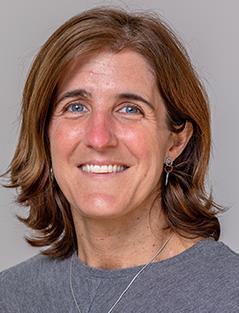
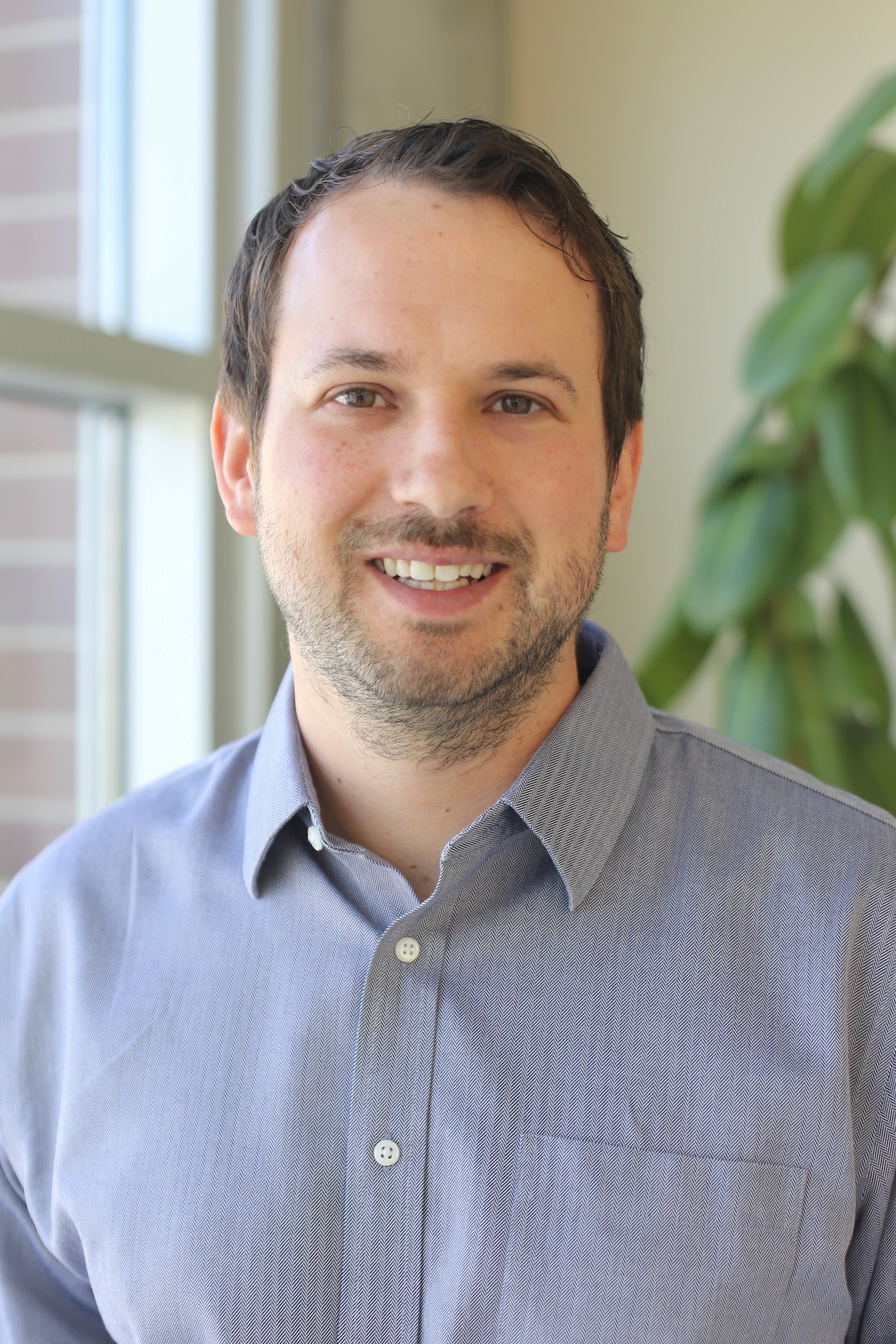
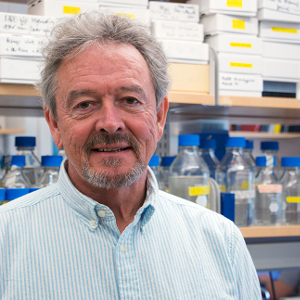
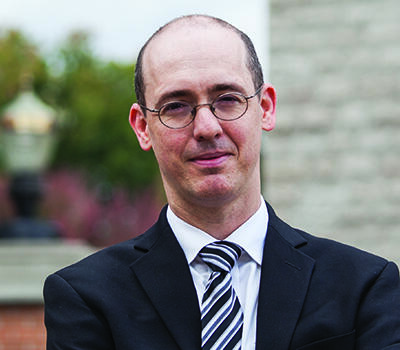
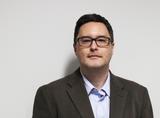
Pilar Alcaide is a Professor of Immunology at Tufts University School of Medicine. Her research focuses on understanding molecular mechanisms of T lymphocyte trafficking in inflammatory heart diseases, particularly heart failure. She combines immunology, vascular biology, and cardiac physiology to investigate immune-cardiac interactions using mouse models and advanced microscopy techniques. Education: Ph.D. and M.S. in Immunology from Universidad Autónoma de Madrid (Spain) Dr. Alcaide's lab explores how T cell-endothelial interactions contribute to cardiac pathophysiology, with translational goals toward developing immune-based therapeutics. Key areas include: STING signaling in microglial-neuronal interactions Myeloid fatty acid metabolism in HFpEF CXCR3 blockade for immunotherapy myocarditis Her work has been funded by NIH grants (e.g., mechanisms of T cell activation in cardiac fibrosis). Notable awards include the ASIP Cotran Early Career Investigator Award.
Prof. Dr. Sebastian Zimmer holds a professorship at the Medical Faculty of the University of Bonn , affiliated with the Department of Medical Clinic and Polyclinic II at the University Hospital Bonn. He serves on the Steering Committee of the Transdisciplinary Research Area (TRA) Life and Health , focusing on cardiovascular research. His research investigates danger signaling pathways in cardiovascular diseases, particularly atherosclerosis and aortic disease . Key contributions include studies on macrophage reprogramming in atherosclerosis regression and the development of disease models for aortic valve stenosis. Notable publications include work on cyclodextrin therapy (2016), murine aortic valve models (2019), and endothelial TLR3 signaling (2011). His research bridges immunology, vascular biology, and translational medicine.
Prof. Dr. Karsten Niehaus serves as Head of the Proteome and Metabolome Research Group at the Center for Biotechnology (CeBiTec) and Faculty of Biology, University of Bielefeld. His research focuses on proteomics and metabolomics applications in plant-microbe interactions, bacterial stress responses, and disease model systems. His laboratory employs advanced mass spectrometry imaging and cell phenotyping technologies to investigate molecular responses in crops like sugar beet and grapevines under abiotic stress conditions, as well as in cancer models where differentiation therapy impacts tumor malignancy. The group also explores microbial biotechnology through Xanthomonas campestris studies on xanthan production and stress adaptation. Selected publications highlight innovations in 3D microfluidics for biomarker detection and bioinformatics platforms like MetHoS for metabolomics data analysis. His work appears in journals covering Frontiers in Plant Science , Scientific Reports , and Journal of Experimental Botany . Contact: kniehaus@cebitec.uni-bielefeld.de | Office: UHG W7-117
Gregory Ducker is an Assistant Professor of Biochemistry at the University of Utah , specializing in cancer metabolism, cardiovascular disease, and lipidomics. His research integrates mass spectrometry with genetic engineering to quantify metabolic fluxes in vivo. Education : B.A. from Carleton College, Ph.D. from University of California, Berkeley. Research interests include: Metabolic reprogramming in liver cancer and diabetes Role of mitochondrial pyruvate and serine metabolism in disease Chemical biology approaches to target metabolic vulnerabilities His recent publications focus on one-carbon metabolism , mitochondrial transporters (e.g., SLC7A5, MPC), and metabolic crosstalk between organs. While no explicit student lists or awards are mentioned, his lab emphasizes interdisciplinary science at the intersection of chemical biology and human disease.
Malcolm Maden is a Professor in the Department of Biology, College of Liberal Arts and Sciences at the University of Florida. He is based in Bartram Hall and the Cancer & Genetics Research Complex in Gainesville, Florida. Research Interests Developmental and regenerative biology of limb, lung, skin, and nervous system Retinoic acid signaling in pattern formation and regeneration Comparative regeneration using axolotls and spiny mice (Acomys cahirinus) Scar-free wound healing and multi-tissue regeneration in mammals His overarching hypothesis is that regeneration recapitulates development and can be enhanced by re-activating embryonic signaling pathways, especially those mediated by retinoic acid. Publication Trends From 2020 to 2025 Maden has published extensively on the spiny mouse as a novel mammalian model for regeneration. His articles explore spinal cord recovery, cardiac repair, skin and appendage regeneration, neural stem cell abundance, and aging-related changes. A consistent theme is the comparison between scar-forming (mouse) and scar-free (spiny mouse) responses, illuminating molecular targets for therapeutic intervention. Laboratory & Affiliations Principal Investigator, Maden Laboratory, University of Florida Affiliate, Cancer & Genetics Research Complex Member, College of Liberal Arts and Sciences
Mark Crabtree is a University Research Lecturer and British Heart Foundation Intermediate Basic Science Research Fellow at the University of Oxford, leading the Channon Group focused on cardiovascular functional genomics and redox signaling. His research integrates metabolomic and proteomic approaches to study nitric oxide mechanisms in cardiovascular disease models. Education: BSc (Hons) from the University of Surrey (2001), followed by a collaborative PhD at the University of Surrey and Weill Medical College of Cornell University. Postdoctoral training under Professor Keith Channon began in 2006, supported by a BHF Centre of Research Excellence Transition Fellowship (2012–2015). Research interests include nitric oxide delivery systems for cardiovascular therapies, redox signaling in cardiac injury, and tetrahydrobiopterin's role in metabolic regulation. His work bridges nanomaterials development (e.g., graphene-based NO-releasing coatings) with clinical applications in ischemia-reperfusion injury and atherosclerosis. Notable contributions include advancements in pH-sensitive NO delivery systems and mechanistic insights into myocardial nitroso-redox imbalance post-cardiac surgery. He chairs the 2018 International Nitric Oxide Society Conference and serves on the society's council. Scientific awards: British Heart Foundation Intermediate Basic Science Research Fellowship. Active grants include BHF funding for redox signaling studies. His lab collaborates internationally, with recent publications spanning NO-based therapies, metabolic reprogramming in macrophages, and vascular biology.
Stephen Ramsey, an Associate Professor at Oregon State University, holds dual appointments in the School of Electrical Engineering and Computer Science (College of Engineering) and the Department of Biomedical Sciences (Carlson College of Veterinary Medicine). With a PhD in Physics from the University of Maryland, his postdoctoral training in computational genomics at the University of Washington, and professional experience at the Institute for Systems Biology and Center for Infectious Disease Research, Ramsey bridges computational methods with biomedical applications. Education : Ph.D., Physics, University of Maryland; M.S., Physics, University of Maryland; Sc.B., Mathematical Physics, Brown University Ramsey specializes in computational systems biology , focusing on bioinformatics , biomedical knowledge graphs , and precision medicine . His research integrates machine learning , gene regulatory network modeling , and multi-omics data analysis to address challenges in rare disease diagnostics , drug monitoring , and inflammatory disease mechanisms . Current work includes AI-driven biomedical translation and electrochemical biosensor development for non-invasive diagnostics . Recent publications highlight knowledge graph applications in translational biomedicine , causal network inference in clinical-environmental data integration , and cross-species cancer transcriptomics . His team develops tools like RTX-KG2 and PloverDB to standardize biomedical data sharing and semantic reasoning . Scientific Awards : 2019 Zoetis Award (Carlson College of Veterinary Medicine) 2016 NSF CAREER Award 2016 PhRMA New Investigator Award 2010 NIH K25 Mentored Quantitative Research Award Ramsey advises in computational biology courses (CS 446/546) and contributes to biomedical AI through projects like mediKanren for rare disease diagnostics . His NSF-funded research explores gene expression noise and regulatory network dynamics , while NIH and PhRMA grants support his translational medicine initiatives. He leads the Ramsey Laboratory , which develops graph-based reasoning tools for biomedical data translation and multi-omics integration . The lab's work spans comparative oncology models, electrochemical biosensors , and knowledge graph infrastructure for clinical decision support .
Joseph L. Ransdell is an Assistant Professor at Miami University, affiliated with the Biology department, Cell, Molecular and Structural Biology Graduate Program, and the Center for Neuroscience and Behavior. His lab focuses on understanding how neuronal electrical activity supports brain function and contributes to neurological disorders. Research combines electrophysiology, molecular genetics, and computational methods to study Purkinje neuron excitability and its role in autism spectrum disorder. Education: Ph.D. from the University of Missouri. His research has led to over 9 peer-reviewed publications since 2010, with recent work emphasizing sodium channel regulation and motor coordination deficits. He teaches courses in Human Physiology and Cell Biology. Current projects investigate how mutations disrupting Purkinje neuron firing lead to behavioral disorders. The Ransdell Lab is located in Pearson Hall, emphasizing translational research bridging basic neuroscience and clinical applications.
Dr. Eva Kaufmann is an Assistant Professor in the Department of Biomedical and Molecular Sciences at Queen's University, cross-appointed to the Translational Institute of Medicine (TIME). Her research focuses on trained immunity mechanisms in infection, vaccination, and asthma, with additional interests in public health and hospital infection control. Education: DVM (2006-2012), Justus-Liebig-University Giessen, Germany PhD in Immunology (2012-2016), Paul Ehrlich Institute & Justus-Liebig-University Giessen Postdoctoral Fellowship (2016-2022), McGill University Research Interests: Trained immunity in infection and vaccination Host-pathogen interactions in tuberculosis BCG vaccination cross-protection Immune tolerance mechanisms Inflammatory responses in chronic diseases Public health systems improvement Key Research Trends: Her work bridges basic immunology with clinical applications, emphasizing how innate immune training shapes resistance to pathogens like Mycobacterium tuberculosis and influenza. Recent studies highlight vaccination-induced protective memory and metabolic pathways governing disease tolerance. Work on SARS-CoV-2 revealed limitations of BCG cross-protection but identified obesity's role in impaired antiviral defense. Lab Team: Supervises six researchers including Gabriella Stefan, Vidthiya Jeyanathan, and Conrad Pietrzak. Collaborates on Duchenne muscular dystrophy immunology and diaphragm macrophage dynamics.
Moses S.S. Chow is a Professor at the College of Pharmacy, Western University of Health Sciences. He holds a PharmD from the University of California, San Francisco (1972), and an AA from the City College of San Francisco (1968). His research spans over five decades, focusing on pharmacotherapy, pharmacokinetics, and drug delivery innovations such as nasal/sublingual formulations. He has pioneered AI integration in healthcare and contributed to prostate cancer treatment strategies. Dr. Chow is a Fellow of the American College of Clinical Pharmacy (FCCP, 1985) and the American College of Clinical Pharmacology (FCP, 1988). Education: AA, 1968, City College of San Francisco PharmD, 1972, University of California, San Francisco His research interests include cardiovascular medications, anticancer treatments, drug delivery systems, and leveraging AI to enhance healthcare. Notably, he served as Director of the Pharmacy School at the Chinese University of Hong Kong and founded the Asian Association of Schools of Pharmacy. Dr. Chow has authored/co-authored over 300 publications, including clinical studies on drug interactions (e.g., Ginkgo Biloba and Omeprazole) and pharmacokinetic modeling. Recent work explores AI’s role in pharmacy practice and personalized prostate cancer therapies via organoid models. Awards: FCCP 1985 (American College of Clinical Pharmacy) FCP 1988 (American College of Clinical Pharmacology) His career highlights include advancing sublingual drug absorption models (e.g., Propranolol) and nasal formulations (e.g., Vardenafil). He has also collaborated internationally, fostering Asian pharmacy education networks through leadership roles.
Dr. Vivek Bajpai is an Assistant Professor in the Department of Sustainable Chemical, Biological and Materials Engineering at the University of Oklahoma. He leads the Bajpai Lab, focusing on interdisciplinary research at the intersection of Engineering, Biology, and Medicine. His work integrates genome editing, stem cell biology, and systems biology to develop interventions for human health and environmental challenges. Education: Ph.D. in Chemical Engineering, University at Buffalo-SUNY, 2015 M.S. in Biological Sciences & Bioengineering, Indian Institute of Technology Kanpur, 2008 M.B.B.S. in Medicine & Surgery, Maharani Laxmi Bai Medical College, 2005 Research Interests: Dr. Bajpai’s lab explores genome engineering, CRISPR-based screening, functional genomics, and pluripotent stem cell applications. Key areas include disease modeling, biomarker discovery, and synthetic biology approaches to address challenges in regenerative medicine and drug development. The lab combines cutting-edge technologies like microfluidics and systems biology to study cellular processes and develop novel therapies. Recent Research Trends: Publications highlight advancements in CRISPR screening for pigmentation determinants, cross-species embryo engineering using iPSCs, and microfluidic assays for cancer metastasis prediction. These studies underscore his lab’s focus on translational applications of stem cells and genetic tools. Awards & Recognition: 2024: Research & Creative Activity Award, University of Oklahoma 2023: NIH Maximizing Investigator Research Award (MIRA) 2018: Mansour Award, Stanford University Advising & Grants: Dr. Bajpai has secured grants from NIH and the Oklahoma Center for Adult Stem Cell Research. His lab collaborates on projects involving stem cell engineering, drug discovery, and tissue regeneration. He mentors students in biomedical engineering and molecular biology. Labs & Teams: The Bajpai Lab is part of the Sarkeys Energy Center and collaborates with institutions like Stanford University and the University of California. Research initiatives include projects on melanogenesis, skeletal evolution, and microfluidic diagnostic tools.
Dr. Michael Drozd is an Academic Clinical Lecturer in the School of Medicine at the University of Leeds, part of the Faculty of Medicine and Health. He is affiliated with the Leeds Institute of Cardiovascular and Metabolic Medicine, where he conducts translational research in cardiology with a focus on cardiometabolic diseases and infection. His work bridges clinical practice and scientific investigation, particularly in understanding how metabolic conditions like diabetes influence cardiovascular and infectious disease outcomes. Position: Academic Clinical Lecturer Institution: University of Leeds School: School of Medicine Research Institute: Leeds Institute of Cardiovascular and Metabolic Medicine Email: M.Drozd@leeds.ac.uk Dr. Drozd holds a BSc, MBChB (with honors), and PhD. He is a member of the Royal College of Physicians (MRCP) and the European Society of Cardiology (FESC), reflecting his clinical and academic credentials. His research interests center on cardiometabolic disease and infection , with a strong emphasis on translational approaches. Key areas include: Mechanisms linking diabetes, obesity, and cardiovascular disease Infection-related mortality in metabolic disorders Endothelial signaling in vascular dysfunction Biomarker discovery in heart failure Hypoxia and innate immune training Inflammation as a driver of cardiovascular risk His recent publications, spanning from 2017 to 2025, demonstrate a consistent output in high-impact journals such as Diabetes Care , Cardiovascular Research , The Lancet , and J Infect . These works often utilize large cohort data (e.g., UK Biobank) and molecular techniques to explore causal relationships and novel pathways. A recurring theme is the intersection of metabolic health, immune response, and cardiovascular outcomes. Dr. Drozd is actively involved in medical education, supervising MBChB students and academic foundation doctors, and delivering cardiovascular teaching across multiple years of the medical curriculum. He is also passionate about widening participation in medicine, contributing to equity in medical education. His scientific contributions include: Investigating plasma MERTK as a causal biomarker for infection mortality Identifying novel transcriptomic biomarkers (Erbb3, Hspa2) in diabetic heart failure Elucidating IGF-1 signaling in endothelial barrier function and atherogenesis Mapping comorbidity trajectories in heart failure Exploring mentorship challenges in cardiology training Dr. Drozd collaborates extensively with leading researchers such as Professor Mark T. Kearney, Dr. Ryan M. Cubbon, and Professor Stephen B. Wheatcroft. He is not listed as retired, deceased, or former staff, and there is no indication of part-time status. His ongoing research and teaching activities confirm his active role in academic medicine.
Dr. Narasimman Gurusamy is an Assistant Professor at the Barry and Judy Silverman College of Pharmacy, Nova Southeastern University, specializing in Pharmaceutical Sciences. He holds a Ph.D. in Pharmaceutical Sciences from Niigata University of Pharmacy and Applied Life Sciences (Japan) and completed postdoctoral training at UConn Health Center, Harvard Medical School, and University of Tennessee Health Science Center. Education: M.Pharm (Tamil Nadu Dr. MGR Medical University, India), Ph.D. (Niigata University, Japan) Research Focus: Epigenetic mechanisms in cardiac diseases, non-coding RNA regulation, exosome therapy, stem cell biology, and gene-environment interactions His work explores how long non-coding RNAs and epigenetic modifiers influence cardiac repair, particularly through induced mesenchymal stem cells and their exosomal signaling . Current projects investigate dietary and environmental impacts on epigenetic changes in the heart. Recent publications highlight advancements in RNA-based therapies and metabolic interventions for cardioprotection. Scientific Awards: American Heart Association Career Development Award, Young Research Scientist Award, Travel Awards Dr. Gurusamy serves as Grant Reviewer for the American Heart Association, Associate Editor for Frontiers in Cardiovascular Medicine , and Vice-Chair for the Communication Committee of the Society for South Asian Heart Research (SAHR). His lab employs in-vitro, in-vivo, and clinical trial approaches, utilizing PCR, ELISA, flow cytometry, and genomic repository analyses.
Edward B. Thorp serves as the Frederick Robert Zeit Professor of Pathology at Northwestern University's Feinberg School of Medicine, where he leads research in experimental pathology with a focus on immunobiology and inflammation in cardiovascular systems. His work bridges basic science and clinical applications through translational research. Education PhD: Loyola University Chicago (2004) Postdoctoral Fellow: Columbia University, Molecular Biology (2008) Research Focus Dr. Thorp's laboratory investigates immune mechanisms in cardiovascular diseases, specializing in macrophage and neutrophil dynamics during cardiac injury, transplantation, and inflammatory conditions. His team employs advanced spatial immunology techniques to uncover how immune cell metabolism influences heart failure, transplant rejection, and vascular inflammation, with particular emphasis on efferocytosis pathways and tissue repair mechanisms. Publication Trends His 2024-2025 publications reveal a concentrated exploration of immune cell behavior across cardiovascular and gastrointestinal contexts. Key themes include metabolic reprogramming of myeloid cells in heart failure, spatial organization of neutrophils in inflamed tissues, and receptor-mediated pathways in transplant tolerance. These studies consistently integrate molecular biology with clinical outcomes, demonstrating translational potential for therapeutic interventions. Awards Dean's Teaching Award, Feinberg School of Medicine (2024) APS Cardiovascular Section Fellow, American Physiological Society (2018) Fellow of the American Heart Association (FAHA) (2014) Professional Activities Dr. Thorp directs an active research laboratory while serving on editorial boards for Circulation Research (2015-present) and ATVB (2023-present), and as Consulting Editor for JCI (2024-present). His research is supported through affiliations with Northwestern's Center for Human Immunobiology and Comprehensive Transplant Center, with recent leadership in a $15 million AHA inflammation initiative. Research Infrastructure The Thorp Lab (thorplab.com) operates within Northwestern's pathology department with access to core facilities across multiple institutes, including NUCATS for clinical translation and the Simpson Querrey Institute for epigenetics research. His team collaborates extensively with cardiologists and transplant specialists through the Robert H. Lurie Cancer Center and diabetes metabolism center.
Lisa Heather is an Associate Professor and British Heart Foundation (BHF) Intermediate Fellow at the University of Oxford's Department of Physiology, Anatomy, and Genetics (DPAG) within the Medical Sciences Division. Her research focuses on cardiac metabolism in health and disease, particularly in diabetes and heart failure. She holds dual expertise in molecular mechanisms of metabolic dysfunction and translational cardiovascular research. Dr. Heather earned a Bachelor's degree in Medical Biochemistry from the University of Surrey and conducted doctoral research on cardiac hypertrophy's metabolic origins. Her postdoctoral work explored mitochondrial dysfunction in diabetic cardiomyopathy. Key career milestones include a Diabetes UK RD Lawrence Fellowship (2011) and a BHF Intermediate Fellowship (2018), supporting her investigations into lipid metabolism and hypoxia signaling in diabetic hearts. Her research interests span mitochondrial bioenergetics, fatty acid trafficking, hypoxia responses, and metabolic reprogramming in disease. She employs advanced techniques like hyperpolarized MRI and metabolomics to study real-time metabolic changes, with recent breakthroughs identifying novel roles for fatty acids in disrupting hypoxia signaling and cardiomyocyte function. Her publications (e.g., Diabetes , Physiological Reviews , JCI Insight ) highlight interdisciplinary approaches to metabolic disease. She leads the Heather Group, advancing therapies targeting metabolic pathways in heart failure and diabetes. Her work bridges basic science and clinical applications, emphasizing metabolic interventions for cardiovascular health.