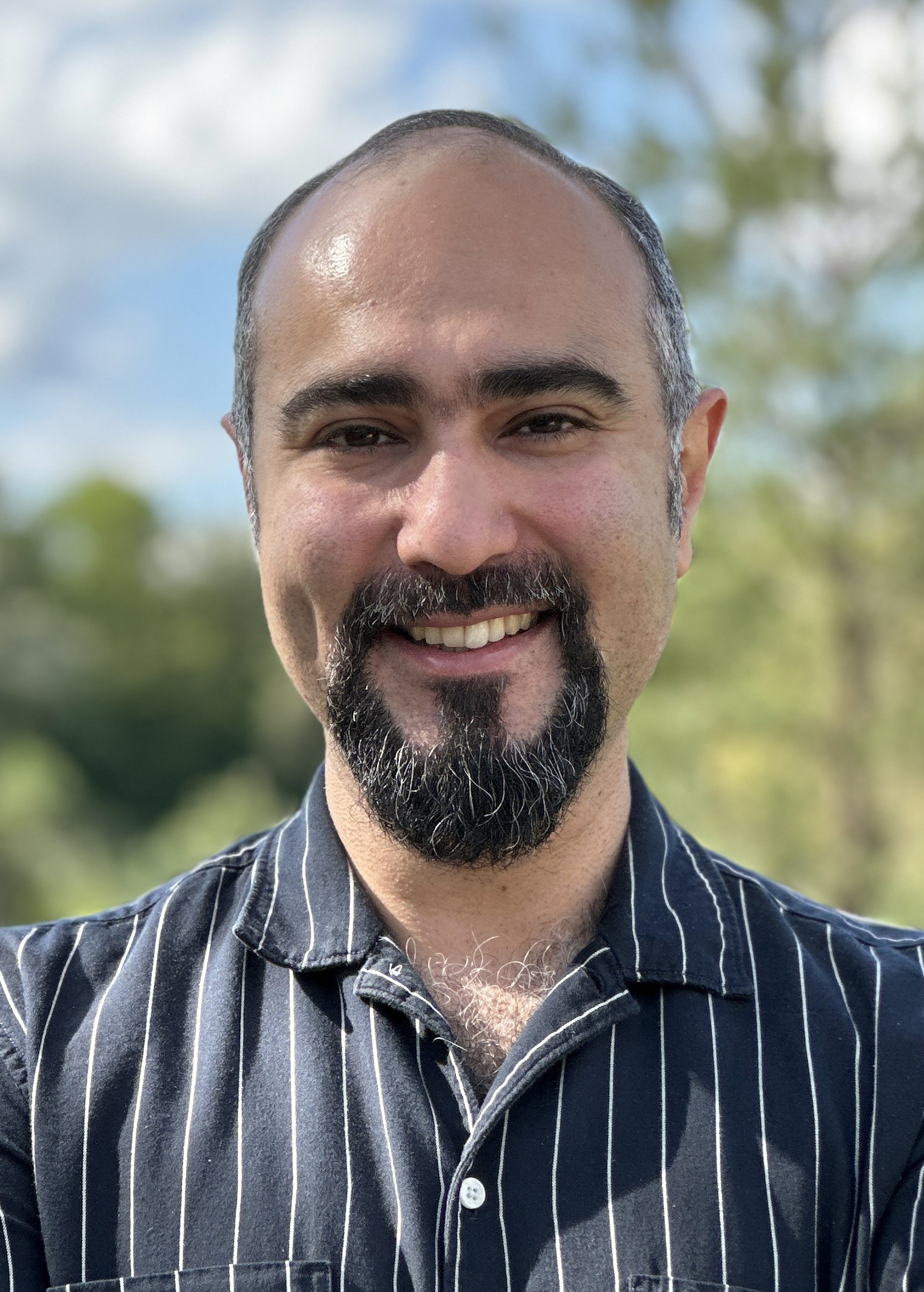
Academic Profile Dr. Hassan Fazilaty is a Research Associate at the University of Zurich's Institute of Molecular Life Sciences, where he investigates embryonic gene reactivation in cancer and regeneration. Previously, he held postdoctoral positions at the University of Zurich and Spain's Instituto de Neurociencias CSIC-UMH. He earned his PhD from Universidad Autonoma de Madrid and an MSc in Human Genetics from Tehran University of Medical Sciences. Research Focus His research integrates developmental biology and oncology, emphasizing: Oncoembryonic Programs : How embryonic genes drive cancer progression. Epithelial-Mesenchymal Transition (EMT) : Mechanisms enabling metastasis. Tissue Regeneration : Embryonic pathways in wound healing and disease. Scientific Recognition Key awards include: Ernst Hadorn Transitional Fellowship (2026–2028) 3RCC Grants for alternatives to animal testing (2021–2025) Santiago Grisolia Fellowship (2014–2017) Lab & Resources He works in Prof. Konrad Basler's lab, which focuses on Wnt signaling and developmental pathways in disease. His projects leverage single-cell genomics and in vivo models, supported by Swiss and EU funding.
Sanna Barrand is a Research Fellow at Deakin University's School of Health and Social Development under the Faculty of Health. Her work bridges molecular biology, epigenetics, and clinical sciences to explore the developmental origins of health and disease. Research Focus: Epigenetic mechanisms in stem cells, maternal diet impacts on offspring organ development, and transgenerational inheritance patterns. Key Collaborations: Works with teams studying cardiovascular and renal health programming, including collaborations with researchers like Davis JA, Collas P, and Wood-Bradley RJ. Publications: Recent studies examine in utero dietary effects on kidney and cardiac development, hypothalamic transcriptome changes, and epigenetic regulation in stem cells.
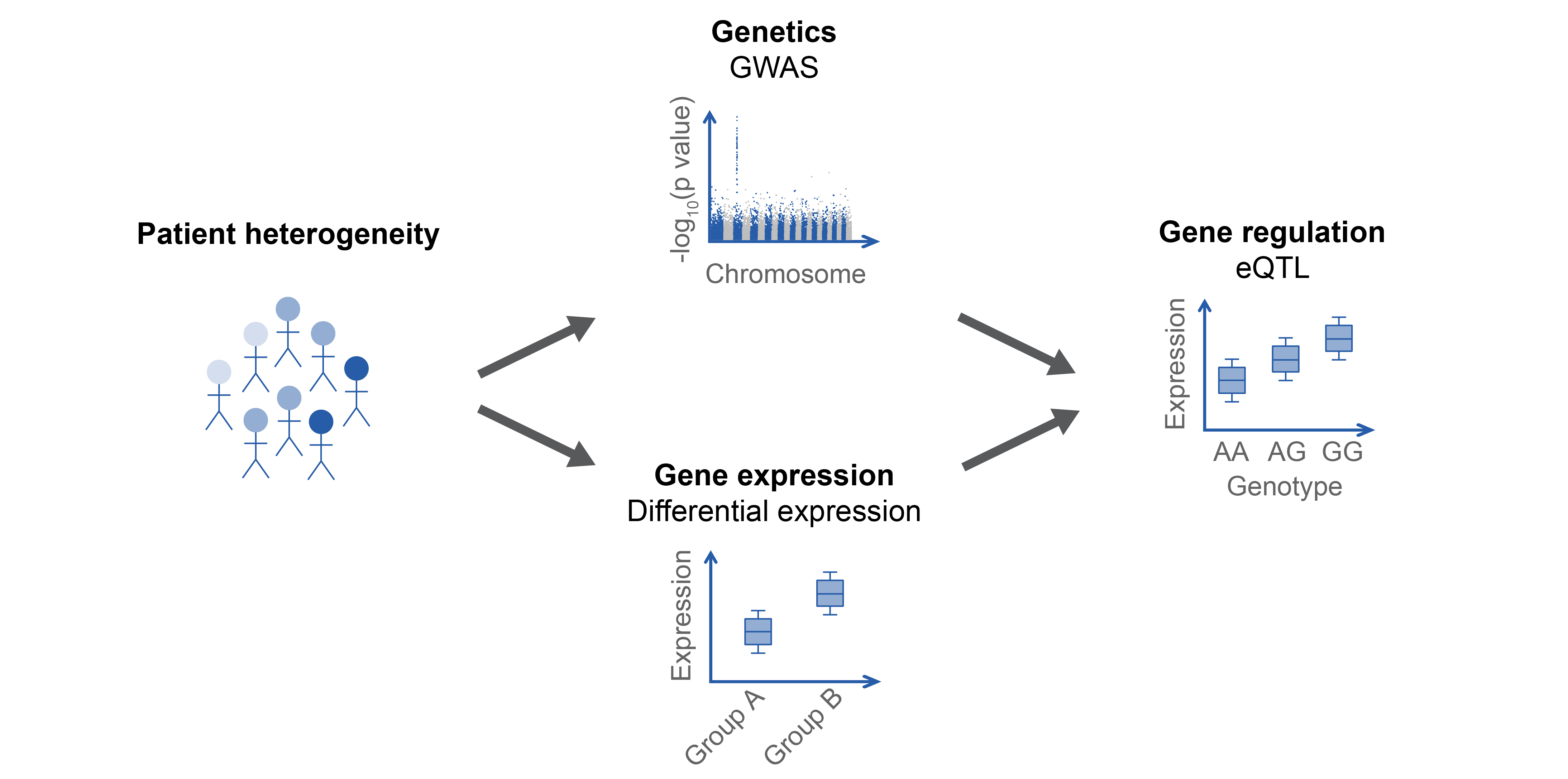
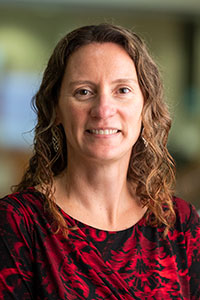
Dr. Emma Davenport is a Group Leader at the Wellcome Sanger Institute within the Human Genetics Programme, where she leads the Davenport Group focused on Functional Genomics of Variation in Disease Response. She joined the Sanger Institute in October 2018 after completing postdoctoral research at Harvard Medical School in Professor Soumya Raychaudhuri's lab at Brigham and Women's Hospital and the Broad Institute. Her research integrates functional genomics and clinical data to understand how genetics contributes to patient-to-patient heterogeneity in disease severity and treatment response. Dr. Davenport's primary research interests focus on diseases involving systemic inflammation such as sepsis and systemic lupus erythematosus (SLE). Her work employs sophisticated analytical methods to analyze functional genomics data from hundreds of patient cohorts, integrating this with clinical information. She specializes in transcriptomic profiling to stratify patients and understand individual responses to infections and autoimmune conditions. Her group investigates expression quantitative trait locus (eQTL) interactions to uncover how environmental factors modulate genetic regulatory effects on gene expression. Analysis of Dr. Davenport's publication record reveals a strong focus on patient stratification through transcriptomic signatures, particularly in sepsis where her group identified the Sepsis Response Signature (SRS) endotypes. Her research spans multiple areas including host-pathogen interactions, drug response variability, and single-cell eQTL mapping in autoimmune diseases. Recent work has expanded into multi-omics approaches, integrating genomic, transcriptomic, and proteomic data to understand the molecular basis of disease heterogeneity. Dr. Davenport has successfully mentored numerous PhD students and postdoctoral fellows who have contributed significantly to her research program. Her group collaborates extensively with clinical partners through initiatives like the Genomics Advances in Sepsis (GAinS) study and the Bioresource for Adult Infectious Diseases (BioAID), applying genomic approaches to improve diagnosis and treatment of infectious diseases.
Melissa Skala, Ph.D., is the Carol Skornicka Chair of Biomedical Imaging at the Morgridge Institute for Research and a full Professor of Biomedical Engineering & Medical Physics at the University of Wisconsin–Madison. Her laboratory pioneers label-free optical imaging technologies—most notably fluorescence-lifetime microscopy and optical coherence tomography—to quantify metabolic heterogeneity in cancer, immune cells and engineered tissues, with direct translation to cell-therapy manufacturing and personalized cancer medicine. Education Ph.D. Biomedical Engineering, 2007, Duke University M.S. Biomedical Engineering, 2004, University of Wisconsin–Madison B.S. Physics, 2002, Washington State University Research Focus The Skala lab develops and applies cutting-edge photonics platforms—including autofluorescence lifetime imaging, optical redox ratio mapping, second-harmonic generation, and light-sheet microscopy—to interrogate metabolic states of single cells and organoids in vitro and in vivo . Major thrusts include: Cancer metabolism and immunotherapy response Immune cell activation and exhaustion Stem-cell and CAR-T manufacturing quality control Micro-physiological disease models Machine-learning–driven image analysis Publication Trends Across >250 peer-reviewed papers since 2004, she has progressed from foundational studies on NAD(P)H/FAD redox imaging in epithelial tissues to recent landmark reports defining metabolic biomarkers for T-cell activation, immune-cell subtyping, and patient-derived cancer organoid drug response. A 2025–2024 cluster emphasizes label-free metabolic monitoring of stem-cell-derived cardiomyocytes, neutrophil functional states, and collagen remodeling during immunotherapy. Scientific Honors Fellow, OSA, SPIE, AIMBE (2019) Carol Skornicka Chair, Morgridge Institute (2022) Daniel M. Albert Chair, Retina Research Foundation (2021) Stand Up To Cancer – Sharp Collaboration Award (2017) NSF CAREER Award (2016) NIH/NCI Pathway to Independence Award (K99/R00) (2010) Grants & Team Mentorship Dr. Skala directs multiple active NIH grants (R01, R35, P30) totaling several million dollars, focusing on metabolic imaging for cancer immunotherapy, stem-cell manufacturing, and infectious disease models. The Skala Laboratory actively recruits and mentors graduate students and post-doctoral researchers, fostering interdisciplinary collaborations across engineering, oncology and immunology. Laboratory & Infrastructure The Skala Lab is equipped with custom-built multimodal optical systems, high-throughput microfluidic platforms, and dedicated animal-imaging suites. Core capabilities include time-correlated single-photon counting, hyperspectral imaging, and AI-driven single-cell analytics.
Noël JM Raynal is an Associate Professor in the Department of Pharmacology and Physiology at the University of Montreal's Faculty of Medicine and a Principal Investigator at the Azrieli Research Center at CHU Sainte-Justine. He serves as Director of the Chemical Molecule Screening Platform at the research center. Dr. Raynal leads a research laboratory focused on epigenetic pharmacology of cancer and drug discovery through molecular screening systems. Dr. Raynal's research expertise lies in developing 3D cell culture models that better reproduce cancers in the laboratory, which his team characterizes at epigenetic and pharmacological levels. His laboratory focuses on both pediatric cancers (including leukemia, neuroblastoma, and sarcomas) and adult cancers (such as lung cancer and triple-negative breast cancer). His work combines epigenetic drugs targeting DNA methylation and histone modifications with other therapeutic approaches to identify synergistic anticancer interactions. Analysis of Dr. Raynal's recent publications reveals a strong focus on drug repurposing strategies, particularly applying existing medications to new cancer indications. His research demonstrates expertise in epigenetic mechanisms including DNA methylation, histone acetylation, and CDK9 inhibition, with applications across multiple cancer types. A notable trend is his laboratory's work on translating basic epigenetic discoveries into potential therapeutic applications, particularly for difficult-to-treat pediatric malignancies. Scientific Awards: Bourse de chercheur-boursier Senior du FRQS (2024-2028) Bourse de chercheur-boursier Junior 2 du FRQS (2020-2024) Bourse IRICOR-ONCOPOLE pour l'Entreprenariat en Sciences de la Vie (2020-2021) Bourse de chercheur-boursier Junior 1 du FRQS (2016-2020) CIHR-New Principal Investigator Award (2015) Bourse de transition, Fondation Cole (2013-2016) Dr. Raynal has successfully mentored numerous graduate students and postdoctoral fellows who have contributed to his research program. His laboratory has secured substantial grant funding from multiple sources including FRQS and CIHR, supporting innovative research in epigenetic pharmacology. Dr. Raynal collaborates extensively with clinicians and researchers at CHU Sainte-Justine and other institutions to translate basic discoveries into potential therapeutic applications. His laboratory at the Azrieli Research Center at CHU Sainte-Justine includes master's students, postdoctoral fellows, and research assistants working together on various aspects of cancer epigenetics and drug discovery. The team utilizes advanced molecular screening systems and 3D cell culture models to investigate cancer biology and identify promising therapeutic approaches.
Han Seong-rim is a Professor at the Department of Food and Nutrition, College of Human Ecology, Seoul National University. With a PhD from Tufts University, her research focuses on immunonutrition and clinical nutrition, particularly examining how vitamins and obesity influence immunometabolism, immune cell function, and chronic disease prevention. Her laboratory investigates: The impact of genetic information awareness on dietary and health behaviors Vitamin D’s role in immunometabolism across metabolic diseases Obesity’s influence on vitamin D metabolism and immune function Dr. Han’s 2024-2025 publications reveal a consistent focus on vitamin D’s immunomodulatory effects in diabetic and obese mouse models, with emphasis on dendritic cells, T cells, and adipose tissue. Her work appears in journals like Nutrition Research , Nutrients , and Journal of Nutritional Biochemistry . Notable scientific awards include: JLA Excellence Award (2023) Minister of Health and Welfare Commendation (2019) NRP Most Cited Award (2019) Korean Society of Community Nutrition Academic Award (2012) She has served as President of the Korean Nutrition Society (2023) and Korean Society of Clinical Nutrition (2021), and delivered invited lectures at international symposia including ICoLA2024 and APPSPGHAN 2023 .
Thomas Moritz is a Professor at the University of Copenhagen, Faculty of Health and Medical Sciences, Department of Biomedical Sciences, where he leads the Moritz Group focused on metabolic research. His work bridges basic science with clinical applications in metabolic disorders. His research interests span metabolomics, lipidomics, skeletal muscle metabolism, adipocyte biology, and circadian regulation of metabolism. Dr. Moritz employs multi-omics approaches to investigate metabolic pathways in obesity, inflammatory bowel disease, and inherited metabolic disorders. His work often focuses on how cellular metabolism responds to environmental factors like exercise timing and nutritional interventions. Dr. Moritz's recent publications demonstrate significant contributions to understanding metabolic regulation across multiple physiological systems. His work shows particular strength in integrating metabolomics with other 'omics' technologies to reveal novel insights into metabolic diseases. His research has been widely disseminated, with 233 research outputs including 229 journal articles, 2 conference abstracts, 1 comment/debate, and 1 review. Metabolomics and diagnostic algorithms for metabolic disorders Adipocyte biology and obesity-related inflammation Skeletal muscle metabolism and exercise physiology Circadian regulation of metabolic processes Lipidomics in inflammatory diseases His research has garnered significant attention across academic and social media platforms, with mentions across X (Twitter), Bluesky, Mendeley, news outlets, and scientific blogs, indicating substantial impact in the metabolic research community.
Tristan P. Driscoll, Ph.D. is an Assistant Professor in the Department of Chemical and Biomedical Engineering at the joint Florida A&M University–Florida State University College of Engineering (FAMU-FSU CoE). He leads the Driscoll Lab , which investigates molecular-scale force transmission and mechanosensing in the context of tissue stiffness homeostasis, fibrosis, and regenerative medicine. Education & Training Postdoctoral Fellowship, Cardiovascular Medicine, Yale University, 2020 Ph.D., Bioengineering, University of Pennsylvania, 2015 B.Bm.E., Biomedical Engineering, University of Minnesota, 2009 Research Interests Dr. Driscoll’s research integrates biophysics, biomaterials, and cell biology to understand how cells sense and respond to mechanical cues. Core themes include: Mechanotransduction Across Networks: dissecting how forces propagate from the extracellular matrix (ECM) through integrins, focal-adhesion adaptors, and the cytoskeleton to the nucleus via the LINC complex. Directional Mechanosensing: studying durotaxis, contact guidance, and mechanical polarization in development and disease. Dynamic Forces in Mechanosensing: using quantitative live-cell imaging and molecular tension sensors to capture transient molecular-scale events. Fibrosis & Tissue Homeostasis: identifying microRNA-mediated feedback loops that maintain ECM stiffness and developing antifibrotic miRNA therapeutics. Publications Overview Since 2011, Dr. Driscoll has authored >30 peer-reviewed articles spanning biophysical modeling, integrin mechanobiology, stem-cell mechanosensitivity, biomaterial design, and fibrotic disease pathways. Highlights include seminal work on integrin conformational deformation, nuclear softening during migration, and miRNA regulation of tissue stiffness. Recent 2024–2025 contributions continue to advance therapeutic hydrogel design, organoid-derived extracellular vesicles, and nanoparticle-cell interactions. Scientific Awards & Honors No specific awards are listed in the provided text. Research Team & Mentorship Dr. Driscoll currently mentors six Ph.D. candidates, one M.S. student, and five undergraduate researchers. Former trainees include six B.S. and two M.S. alumni, many earning Honors in the Major or co-authoring publications. Laboratory & Infrastructure The Driscoll Lab is housed in the state-of-the-art Chemical & Biomedical Engineering building (Room B333). The lab is equipped for molecular biology, live-cell fluorescence microscopy, traction-force microscopy, microfluidic fabrication, and electrospinning of aligned nanofibrous scaffolds.
Gregory M. Palmer is an Associate Professor in the Department of Radiation Oncology at Duke University Medical Center and a member of the Duke Cancer Institute. His research focuses on developing optical imaging techniques to study cancer progression and therapeutic response, with emphasis on diffuse reflectance and fluorescence spectroscopy for tissue characterization during radiation therapy. Education: B.S. in Biomedical Engineering, Marquette University, 2000 Ph.D. in Biomedical Engineering, University of Wisconsin, Madison, 2005 Dr. Palmer's research program centers on quantitative optical imaging methodologies to characterize tumor functional and molecular responses to radiation and chemotherapy. He pioneered model-based approaches for extracting absorber and scatterer properties from tissue measurements and has advanced intravital microscopy techniques to monitor therapy-induced changes in tumor metabolism, hypoxia, and vascular function. His engineering-driven oncology work bridges fundamental biophysics with clinical translation for improved cancer treatment monitoring. Analysis of his recent publications reveals dominant themes in radiation oncology and cancer biology, with strong emphasis on tumor hypoxia imaging, metabolic reprogramming during therapy, and novel combination approaches involving spatially fractionated radiation with immunotherapy. His work increasingly incorporates nanotechnology platforms and computational modeling to address metastasis mechanisms in inflammatory breast cancer and optimize therapeutic combinations. Awards: Jack Fowler Award from the Radiation Research Society Dr. Palmer directs substantial grant funding from NIH (NIBIB, NHLBI), DoD, American Cancer Society, and industry partners including SonoVol and Midatech Pharma. Current projects span metabolic imaging of tissue heterogeneity (2019-2028), preventing inflammatory breast cancer metastases through stress signaling interruption (DoD 2020-2025), plasmonic nanoparticle immunotherapies (NIH 2022-2024), and developing small animal radiation systems (NC Biotech 2022-2023). He teaches Medical Physics courses including Advanced Radiation Biology and Independent Study. The Palmer Lab (https://radonc.duke.edu/research-education/research-labs/radiation-and-cancer-biology/palmer-lab) operates within Duke's Radiation and Cancer Biology program, utilizing advanced optical imaging platforms to investigate tumor microenvironment responses to therapy. The lab maintains strong collaborations across the Duke Cancer Institute for translating preclinical findings into clinical applications, particularly in breast cancer and radiation response biomarkers.
Liming Pei, Ph.D., serves as Associate Professor of Pathology and Laboratory Medicine at the University of Pennsylvania's Perelman School of Medicine and Children's Hospital of Philadelphia (CHOP), where he directs a research program focused on inter-organ communication in metabolic homeostasis. His laboratory investigates how the heart functions as an endocrine organ, employs single-cell multiomics to decode cardiac development and disease, and elucidates cell-type-specific metabolic regulation through nuclear receptors like ERRγ. Dr. Pei earned his B.S. from the University of Science and Technology of China (2000) and Ph.D. from UCLA (2006), followed by postdoctoral training at the Salk Institute. He joined CHOP/UPenn in 2013 as Assistant Professor before promotion to Associate Professor. His research spans three synergistic domains: (1) Cardiac endocrinology, where his team discovered GDF15 as a heart-derived hormone regulating body growth and liver metabolism, explaining failure-to-thrive in pediatric heart disease; (2) Single-cell multiomics, pioneering snRNA-Seq in cardiac research to build human heart atlases through NIH HuBMAP and study Fontan-associated liver disease; (3) Mitochondrial metabolism, identifying ERRγ as a master regulator of cell-type-specific energy pathways essential for cardiac, neuronal, and renal function. His work employs proximity labeling, single-nucleus sequencing, and transgenic models to uncover fundamental mechanisms with therapeutic implications. Recent publications reveal his lab's dominance in cardiac multiomics, with 2024-2025 studies on Fontan physiology, mitochondrial heteroplasmy, and ERRγ-targeted heart failure therapies appearing in Science Translational Medicine and Nature Cell Biology. His work demonstrates consistent innovation in linking molecular mechanisms to clinical metabolic and cardiac disorders. Funded by multiple NIH grants and Department of Defense awards, Dr. Pei actively mentors postdoctoral fellows and graduate students through CHOP/UPenn training programs. His lab offers rotation projects in cardiac hormone discovery, single-cell atlas development, and mitochondrial disease modeling, emphasizing computational and experimental integration. The Pei Lab operates within CHOP's Center for Spatial and Functional Genomics, collaborating with UPenn's Institute for Diabetes Obesity and Metabolism and the Cardiovascular Institute. Current initiatives include developing ERRγ-based therapies for kidney disease and expanding the understanding of heart-liver metabolic crosstalk through clinical-translational partnerships.
Ronghu Wu is a Professor in the School of Chemistry and Biochemistry at the Georgia Institute of Technology , where he leads the Wu Lab focused on cutting-edge mass spectrometry-based proteomics. His research integrates analytical chemistry, chemical biology, and biomedical sciences to understand protein post-translational modifications (PTMs), cell signaling, and cancer metabolism. Education M.S. and Ph.D. in Analytical Chemistry, University of Science and Technology of China Postdoctoral Fellow, Harvard Medical School (2009–2012) Research Interests Professor Wu’s group develops and applies novel liquid chromatography–mass spectrometry (LC-MS) strategies to investigate protein PTMs—especially glycosylation—protein dynamics, and their roles in disease. A major focus is on quantitative glycoproteomics to map the cell-surface glycoproteome (surfaceome) and to elucidate how aberrant glycosylation drives cancer metastasis and metabolic reprogramming. Complementary projects explore how protein modifications regulate cell signaling, stress responses, and therapeutic drug effects, with the ultimate goal of identifying new biomarkers and drug targets for personalized medicine. Scientific Awards ASMS Research Award (2016) NSF CAREER Award (2015) Blanchard Assistant Professorship (2014) Alexander von Humboldt Research Fellowship (2002–2004) Grants & Funding His research has been continuously supported by the U.S. National Science Foundation (NSF CAREER) and other competitive grants, enabling the development of innovative chemoproteomic tools and their application to clinically relevant problems. Laboratory & Team Professor Wu directs the Wu Lab located in the Engineering Biosystems Building (EBB 4011) at Georgia Tech. The multidisciplinary team comprises graduate students, postdoctoral researchers, and collaborators across chemistry, biology, and biomedical engineering departments.
Paschalis-Thomas Doulias is Associate Professor of Organic Chemistry and Biochemistry in the Department of Chemistry at the University of Ioannina, Greece. His laboratory, located in Ioannina Campus building X3-106D, investigates the molecular mechanisms governing mitochondrial fatty-acid β-oxidation and their translational exploitation for rare inherited disorders of long-chain fatty-acid oxidation. Research Interests His research spans two tightly integrated themes: Basic Research: Elucidating post-translational redox modifications—particularly S-nitrosylation, acetylation and succinylation—that regulate key enzymes of mitochondrial fatty-acid oxidation. Work uses genetically modified mouse models (Sirt-3 -/- , Sirt-5 -/- , eNOS -/- and VLCAD Cys238Ala knock-in) complemented by cellular mutagenesis to dissect how energetic demand is coupled to enzymatic flux. Translational Research: Developing nitric-oxide-based therapies for long-chain fatty-acid oxidation disorders (LC-FAODs). The group pioneered the concept that augmenting NO signalling restores catalytic efficiency of mutant VLCAD, and is currently validating FDA-approved NO donors and proprietary hybrid NO-plus-substrate molecules in patient-derived cells and a humanised VLCAD-deficient mouse. Publication Landscape (2020-2025) Over the past five years, Doulias and collaborators have generated 15 high-impact articles that collectively map redox-proteomic landscapes in cardiovascular, neurodegenerative and metabolic disease contexts. Recurring keywords include S-nitrosylation, TCA-cycle compromise, mitochondrial energetics, HFpEF, ALS and Alzheimer’s disease, underscoring a unifying theme of redox-metabolic crosstalk. Scientific Awards & Recognition While specific honours are not enumerated, the consistent citation of his work (H-index 30, 3571 citations) attests to significant peer recognition. Funding & Collaborations Active translational projects include medicinal-chemistry optimisation of NO-donating compounds and in vivo efficacy testing in humanised mouse models of VLCAD deficiency, implying sustained competitive funding and multi-disciplinary partnerships. Laboratory & Team The group operates within the Department of Chemistry core facilities, leveraging state-of-the-art proteomics, metabolomics and transgenic animal resources to advance both basic and pre-clinical goals.
Magdaléna Harakalová is an Assistant Professor at the Department of Cardiology and a member of the Regenerative Medicine Utrecht (RMU) center at Utrecht University Medical Center (UMCU). Her research focuses on molecular mechanisms of inherited cardiomyopathies and personalized medicine strategies. Strategic Programs: Circulatory Health, Regenerative Medicine & Stem Cells Research Group: Inherited Heart Disease (Cardiogenetics) Harakalová investigates how DNA mutations affect cardiomyopathy progression across multi-omics levels (DNA/chromatin/RNA/protein) and cellular/tissue/organism scales using human cardiac tissue and patient-derived iPSC-cardiomyocyte models. Her work aims to redefine cardiomyopathy diagnosis and treatment through next-generation sequencing , bioinformatics , and high-resolution imaging . Recent publications span topics including sex-based proteomic differences , HFrEF subphenotyping , and lipid metabolism targeting , reflecting interdisciplinary approaches to cardiovascular disease mechanisms. Her research aligns with UMCU's Circulatory Health and Regenerative Medicine strategic programs.
Dr. Sarah Konze is a researcher at the Institute of Molecular and Cell Physiology at Hannover Medical School (MHH), where she leads her own research group (AG Konze) since December 2021. Her academic journey began with a biochemistry degree from Leibniz University Hannover (2004-2010), followed by doctoral studies in the 'Regenerative Medicine' program of the REBIRTH excellence cluster, culminating in her PhD on the proteome of human pluripotent stem cells. Prior to her current position, she completed a DFG-funded postdoctoral fellowship at Radboud UMC in the Netherlands. Dr. Konze's research focuses on modeling hypertrophic cardiomyopathy using human induced pluripotent stem cell-derived cardiomyocytes carrying mutations in cardiac myosin-binding protein C. Her work investigates how contractile imbalances among neighboring cardiomyocytes might contribute to the development of heart tissue abnormalities in HCM patients. Her publication record demonstrates significant contributions across multiple disciplines including stem cell biology, proteomics, and cardiovascular disease modeling. The most recent publications focus on glycomics and proteomic analysis of stem cell-derived cardiomyocytes, reflecting her lab's interdisciplinary approach combining molecular biology, biochemistry, and advanced imaging techniques. Notable recognitions include: Travel Award from the Biophysical Society (2019) Young Investigator Award, 1st place at European Muscle Conference (2017) Travel grant from the German Physiology Society (2015) Dr. Konze actively supervises students at various levels, currently mentoring medical student Henrietta Scholz and Master's student Fiona Söhngen, following successful supervision of Sven Schwebe (Bachelor, 2024) and Luqman Eljurnazi (Master, 2024). Her research is supported by ongoing DFG funding and conducted in collaboration with other research groups at MHH, particularly PD Dr. Robert Zweigerdt's laboratory for stem cell-derived cardiomyocyte generation. Her laboratory team consists of multiple researchers and technical staff, creating a collaborative environment focused on advancing our understanding of cardiac disease mechanisms through innovative stem cell approaches.
Professor Jules Griffin is Director of the Rowett Institute at the University of Aberdeen and holds a professorship in the School of Medicine, Medical Sciences and Nutrition. An internationally recognized leader in metabolomics and lipidomics, his research focuses on metabolic diseases, nutrition interactions, and the biochemical mechanisms of lipid dysfunction. Previously, he held the Chair of Biological Chemistry at Imperial College London (2019-2021) and served as Programme Leader at MRC Human Nutrition Research/University of Cambridge (2011-2019). Education includes a D.Phil. in Biochemistry from the University of Oxford, with postdoctoral training at Harvard Medical School/Massachusetts General Hospital and Imperial College London. His research program spans: Development of high-throughput metabolomics/lipidomics platforms Mechanistic studies of metabolic syndrome using cellular, animal and human models Population-level nutrition assessment through metabolic phenotyping Mass spectrometry imaging of tissue metabolism Genome-scale metabolic reconstructions Research focuses on lipid metabolism in cardiometabolic diseases (NAFLD, diabetes, heart failure) and neurodegeneration. Recent publications demonstrate strong emphasis on: Lipidomics in disease mechanisms and exercise interventions Metabolic adaptations to nutritional interventions Multi-omics integration for disease subtyping Methodological advances in mass spectrometry Translational applications in clinical nutrition Honors include: Trapnell Research Fellowship, King's College Cambridge (2003-2007) Agilent Thought Leader Award (2016) Fellowship of the Royal Society of Chemistry Former President, Metabolomics Society (2016-2020) Honorary Professor, Imperial College London (2022-present) Visiting Professorships at University of Cagliari, Italy Directs the Rowett Institute with extensive collaborations including UK Consortium on Metabolic Phenotyping. Currently accepting PhD students in Nutrition and Health. Editorial board member for Genome Medicine and Metabolites.