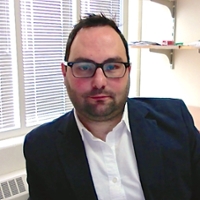
Anton Baysa is a Senior Lecturer at the University of Oslo's Department of Pathology within the Faculty of Medicine. His research focuses on cardiovascular pathophysiology, particularly mechanisms of inflammation, mitochondrial dysfunction, and cellular repair following myocardial infarction and ischemia-reperfusion injury. He has published extensively on topics including Toll-like receptor signaling, mitochondrial DNA-induced inflammation, and the role of adaptor proteins in cardiac healing. His work integrates molecular biology, immunology, and clinical cardiology to understand and mitigate cardiac damage. Collaborative projects include studies on extracellular vesicles in surgery-related complications and growth factor pathways in myocardial repair. Key Research Themes: Cardiac inflammation mechanisms, mitochondrial damage responses, post-infarction healing, oxidative stress mitigation Recent Projects: Investigating p66ShcA protein signaling, nucleolin inhibition effects, and BMP-mediated cardiac remodeling
Remy Robert is an Associate Professor in Physiology at Monash University, affiliated with the Monash Biomedicine Discovery Institute. His primary role is in the Department of Molecular Biology and Biochemistry, focusing on therapeutic antibody development and antibody engineering. He holds a PhD from the University of Bordeaux and completed a postdoctoral fellowship at CSIRO, followed by a research fellowship at Monash University under Professor Charles Mackay. Dr. Robert’s research spans translational medicine, aiming to convert academic discoveries into antibody therapies. His expertise includes protein engineering, autoimmune disease mechanisms, and inflammation modulation. Key projects include the development of bispecific antibodies for cancer immunotherapy, chemokine-targeted therapeutics, and preclinical studies on CCR6-mediated autoimmune diseases. His research outputs emphasize antibody engineering techniques, mouse models of atopic dermatitis, and the role of receptors like GPR109A and CXCR1 in immune regulation. Collaborations involve institutions like CSIRO and global networks in immunology. He leads grants on cancer immunotherapy and has contributed to patents related to antibody technologies. Dr. Robert’s work aligns with UN Sustainable Development Goals focused on good health and well-being. His lab actively pursues innovations in therapeutic antibodies, with a focus on translational applications in oncology and autoimmune diseases.
Zulfiya Orynbayeva, PhD, is an Assistant Professor in the Department of Surgery at Drexel University College of Medicine. Her research focuses on mitochondria pathophysiology and nanomedicine, particularly investigating energy metabolism in cancer, neurodegeneration, and reproductive system pathologies. Education: MSc and PhD in Biophysics from Tashkent State University (1984-1993). Research Interests : - Mitochondrial dysregulation in tumors and its role in metabolic adaptation - Development of anti-cancer therapies targeting mitochondrial energy pathways - Oocyte competence and mitochondrial energy requirements - Single-cell array nanotechnologies for metabolic analysis Techniques : Oxygraph-2K for mitochondrial screening, optical spectroscopy, amperometric methods, and nanoscale probes. Patent : A method and apparatus for measuring biological activity with single-cell resolution (US10253289, 2015). Contact: zulfiya.orynbayeva@drexelmed.edu | Department of Surgery, Drexel University College of Medicine.
Helen Murphy is Professor of Psychology at John Carroll University and co-founder of the Neuroscience Concentration program. She earned her PhD in Physiological Psychology from Illinois Institute of Technology following NSF Predoctoral Fellowship support. Research focuses on neuroendocrine bases of behavior through rodent models investigating: Circadian rhythm disruptions under constant light conditions Psychotropic drug effects on behavior and physiology Stress-induced cardiomyopathy models Publications in Physiology & Behavior and Nutritional Neuroscience demonstrate consistent focus on psychopharmacology, chronobiology, and stress physiology. Student researchers under her mentorship have won 31 consecutive Excellence awards at the Eastern Colleges Science Conference. Awards include the Distinguished Faculty Award (1980) and major grants from Johnson & Johnson. An anonymous $100,000 donation established the Murphy-Wideman Neuroscience Suite recognizing her program development contributions.
Nuria Fernández Monsalve is a Professor in the Department of Physiology at the Faculty of Veterinary Medicine, Universidad Autónoma de Madrid. She earned her doctorate from Complutense University of Madrid in 1994 with a thesis on the function of nitric oxide in cerebral circulation regulation. Her research focuses on vascular physiology, particularly examining cerebral and coronary circulation responses to various vasoactive substances. She has extensively studied endothelin-1 effects, ischemia-reperfusion injury, and vascular responses in diabetic and hypertensive conditions. Her work often investigates gender differences in vascular reactivity and the role of nitric oxide and prostanoids in vascular regulation. Analysis of her publication history reveals a consistent research trajectory spanning over two decades, with recent work focusing on the long-term effects of early overnutrition on cardiac function and the role of the renin-angiotensin system. Her studies typically employ animal models including goats, rats, and rabbits to investigate vascular responses under controlled experimental conditions. Dr. Fernández Monsalve's research demonstrates significant contributions to understanding vascular pathophysiology, particularly in the contexts of diabetes, hypertension, and ischemic conditions. Her work has been published consistently in reputable physiology and pharmacology journals, reflecting her standing in the cardiovascular research community.
Hattie Chung is an Assistant Professor of Medicine and Molecular, Cellular and Developmental Biology at Yale University, affiliated with the Cardiovascular Research Center. She holds appointments in multiple departments including Internal Medicine, Molecular Cell Biology, and the Yale Center for Research on Aging. Her research focuses on cellular heterogeneity and tissue organization using cutting-edge single-cell and spatial genomics technologies, addressing ovarian aging, cardiovascular disease, and drug perturbation modeling. Education: PhD in Systems Biology (Harvard University, 2016); BS in Biological Engineering (MIT, 2011). Postdoctoral training at the Broad Institute of MIT/Harvard. She leads an interdisciplinary team developing novel computational and experimental methods for genomic analysis. Research Interests: Systems biology approaches to cellular organization, single-cell genomics, spatial transcriptomics, translational medicine for cardiovascular diseases, and aging mechanisms. Her lab integrates computational models with experimental data to predict therapeutic responses and study disease mechanisms. Lab affiliations include the Yale Cardiovascular Research Center (YCVRC), Yale Center for Research on Aging (Y-Age), and the Program in Physical and Engineering Biology. Teaching includes MCDB 370: Biotechnology.
Rui Chang is an Associate Professor at Yale University School of Medicine , jointly appointed in the Department of Neuroscience and Department of Cellular and Molecular Physiology . His research focuses on organ-to-brain circuits and neurocardiology with specific interest in Parkinson's disease . He completed his B.S. in Biological Sciences at Tsinghua University (2005) Ph.D. in Neuroscience at University of Southern California (2011) Postdoctoral training in the lab of Stephen Liberles at Harvard Medical School (2017) Research Highlights: The Chang lab employs single-cell gene expression profiling , virus-based anatomical mapping , and optogenetics to investigate vagal interoceptive systems and their roles in cardiovascular regulation and gut-brain axis dysfunction in neurodegenerative diseases. Their work has revealed a multidimensional coding architecture for visceral sensory signals. Notable Scientific Awards: McKnight Neurobiology of Brain Disorders Award (2021) NIH Director’s New Innovator Award (2019) Kavli Faculty Innovative Research Award (2019) NIH K01 Mentored Research Scientist Award (2017) Keystone Symposia Future of Science Scholarship (2016) Collaborative Network: Chang collaborates with experts in neurodegeneration (David A. Hafler, MD), biostatistics (Hongyu Zhao, PhD), and neural imaging (Le Zhang, PhD). His work intersects with the Stephen & Denise Adams Center for Parkinson’s Disease Research and Kavli Institute for Neuroscience .
Erik C. Johnson is Professor and Chair of the Department of Biology at Wake Forest University, College of Arts and Sciences. He holds a Ph.D. and B.A. from the University of Maine and leads a research program focused on neurobiology, molecular signaling, and physiology in Drosophila melanogaster . His work bridges molecular mechanisms with organismal behavior and metabolic regulation. B.A., University of Maine, 1992 Ph.D., University of Maine, 2000 Dr. Johnson's research centers on the neural control of physiology and behavior, with emphasis on neurotransmitter and neuropeptide signaling, biological oscillators, and stress responses. He investigates how G-protein-coupled receptors (GPCRs) regulate neuronal physiology and shape behaviors through receptor desensitization and signaling dynamics. His lab uses Drosophila due to its powerful genetic tools and relevance to conserved biological mechanisms. The recent publications (2010–2023) reflect a strong focus on metabolic regulation, circadian control, neuroendocrine signaling, and sensory biology. Key themes include adipokinetic hormone signaling, AMPK-mediated energy sensing, TRP channel function, and GPCR dimerization. These studies integrate molecular, cellular, and behavioral approaches to dissect conserved physiological pathways. Dr. Johnson has contributed to major reference works such as Hormones, Brain and Behavior and has published in high-impact journals including Cell , PLoS ONE , Journal of Experimental Biology , and Frontiers in Physiology . While no formal awards are listed, his sustained publication record and leadership role indicate significant scholarly recognition. He has mentored numerous students and collaborators, including J.T. Braco, M.J. Rizzo, C.J. Saunders, and others who appear as co-authors on key studies. His research has been supported by internal and external grants, though specific funding sources are not detailed in the text. His lab continues to explore the intersection of neural signaling, metabolism, and behavior. The research is conducted in a molecular and cellular physiology lab within the Department of Biology, utilizing Drosophila genetics, biochemical assays, and behavioral analyses. The team investigates conserved mechanisms of neuronal signaling with implications for human metabolic and neurological disorders.
Albert Erives is an Associate Professor in the Department of Biology at the University of Iowa , specializing in regulatory genomics, evolutionary genomics, and the evolution of metazoans. His research focuses on decoding gene regulatory logic in DNA sequences, particularly during animal embryogenesis, using comparative genomics to identify regulatory modules driving phylogenetic transitions. PhD from University of California, Berkeley His work spans eukaryotic gene regulation, integrating biochemistry, molecular genetics, and computational biology to uncover principles of organismal evolution. Recent studies include viral nucleosome structure, Notch signaling pathway evolution, and enhancer organization in model organisms like Drosophila and Ciona . Notable scientific awards include the NSF CAREER Award (2012, 2010) . He actively seeks graduate students and postdoctoral researchers for his laboratory, which utilizes core facilities such as the Carver Center for Genomics.
Martin Lohse is a Professor for Pharmacology and Toxicology at the University of Würzburg since 1993. He currently serves as Vice President for Research (since 2009) and Executive Director for Graduate Schools (since 2003). His career includes leadership roles at the Rudolf-Virchow-Center for Experimental Biomedicine and foundational research at institutions like Duke University and the Max-Planck-Institute for Biochemistry. Research Focus: Lohse's work centers on receptor physiology and pharmacology, particularly the molecular biology of G-protein-coupled receptors (GPCRs), intracellular signaling, desensitization, and advanced fluorescence microscopy techniques. His studies explore receptor dynamics in cardiac systems and signaling persistence through internalized receptors. Scientific Awards: Gottfried Wilhelm Leibniz-Prize (1999) Ernst-Jung-Prize for Medicine (2000) ERC Advanced Investigator Grant (2008) Bavarian Order of Merit (2006) German Federal Cross of Merit (2002) Leadership & Grants: He initiated the Collaborative Research Center 478 on Regulatory Membrane Proteins and chairs the Rudolf-Virchow-Center funded by the German Research Foundation. His work has secured significant grants, including the 2008 ERC Advanced Investigator Grant.
Howard Nusbaum is a Professor in the Psychology Department within the Social Sciences Division at the University of Chicago. His research has focused since 1986 on perceptual learning, attention, and working memory, with significant contributions to understanding speech perception, auditory processing, and more recently, the science of wisdom. His laboratory employs a wide range of methods including high-density EEG, fMRI analysis, auditory brainstem recordings, and sophisticated speech analysis tools. Education: BA in Computer Science and Psychology from Brandeis University (1976) PhD in Cognitive Psychology from State University of New York at Buffalo (1981) Postdoctoral training in Speech, Hearing, and Sensory Communication from Indiana University (1984) Nusbaum's research investigates how humans learn and process speech and other auditory information, with particular emphasis on the role of attention, working memory, and sleep in perceptual learning. His laboratory has made groundbreaking contributions, including the first scientific evidence for sleep consolidation of generalized learning, the first behavioral evidence for functional effects of sleep consolidation in songbirds, and the discovery that adults can learn perfect pitch with this learning dependent on working memory capacity. His recent work has expanded to explore the cognitive neuroscience of wisdom, investigating how self-transcendent experiences contribute to wise reasoning. Nusbaum's publication record demonstrates consistent high-impact research across cognitive neuroscience, with recent work spanning from basic mechanisms of speech perception to broader questions about wisdom and decision-making. His research shows an evolving trajectory from foundational work on perceptual learning and speech processing toward more complex questions about higher cognitive functions and their neural underpinnings, with publications extending into 2025. Scientific Awards: 2018 Stella M. Rowley Professor of Psychology 2014 Fellow, The Psychonomic Society 2012 Llewellyn John and Harriet Manchester Quantrell Award for Excellence in Undergraduate Teaching 2009 Fellow, Association for Psychological Science 2007 Future Faculty Mentorship Award Nusbaum has successfully mentored numerous graduate students and postdoctoral trainees who have gone on to become tenured faculty at prestigious institutions worldwide. His NIH-funded research on 'Structure and Process in Speech Perception' has supported his work for many years. His laboratory provides comprehensive training in behavioral research methods, signal processing, statistical analysis, human electrophysiology, and computational modeling. The APEX (Attention, Perception, and Executive-function eXperience) lab at the University of Chicago, which Nusbaum directs, is equipped for high-density EEG measurements, fMRI data analysis, auditory brainstem recordings, and a wide range of speech analysis tools. The lab conducts research with human participants, including nap studies with polysomnography. Nusbaum also contributes to the UChicago Center for Practical Wisdom, reflecting his expanding research interests into the cognitive neuroscience of wisdom.
Dr. Ralf Herwig is a computational biologist at the Max Planck Institute for Molecular Genetics in Berlin, Germany. His work focuses on statistical methods for integrative analysis of gene expression, proteomics, and metabolomics data to model biological processes in human diseases like cancer and diabetes. He develops tools such as ConsensusPathDB for molecular interaction networks and IsoTools for long-read RNA-seq analysis. Education: Diploma in mathematics (Free University of Berlin), PhD in mathematics/statistics (FU Berlin) on clustering algorithms and information-theoretic methods. Research Interests include computational network biology, multi-omics data integration, machine learning for cancer survival predictions, and alternative splicing analysis. His group pioneered network propagation frameworks to explain drug toxicity and black-box ML models. Key Publications cover deep learning in drug combinations, long-read sequencing for cancer isoforms, and systems biology approaches to metabolic disorders. Tools developed by Herwig's lab are widely cited (~2,500 citations for ConsensusPathDB). Labs & Collaborations: Leads the Herwig Lab, collaborating on projects involving cancer, diabetes, and cardiotoxicity. The lab maintains critical computational resources for the biomedical community.
Jonathan Nelson is an Assistant Professor in the Division of Nephrology & Hypertension at the University of Southern California (USC) Keck School of Medicine. He holds a PhD in Molecular and Medical Genetics from Oregon Health & Science University (OHSU), where he also completed clinical training in Anesthesiology, Cardiovascular Medicine, and Nephrology. His research focuses on vascular biology and the renin-angiotensin system's role in kidney microvasculature regulation, with funding from the NIH, American Heart Association, and Collins Medical Trust. Education: Bachelor’s degree in Biochemistry, University of Washington PhD in Molecular and Medical Genetics, Oregon Health & Science University Research interests include understanding how angiotensin II signaling impacts kidney and cardiovascular health, particularly in hypertension and microvascular dysfunction. His work bridges molecular mechanisms with clinical implications, leveraging mouse models to study renal physiology and disease pathways. Publications highlight his focus on renal transporters, endothelial signaling, and angiotensin system dynamics. Recent work explores ACE2 filtration in kidneys and COP9 signalosome roles in renal injury. Grants & Funding: NIH, American Heart Association, Collins Medical Trust. Labs/Teams: His research is conducted within the USC Keck School of Medicine’s Division of Nephrology & Hypertension, collaborating with cardiovascular and renal biology experts.
Maud Frieden is an Associate Professor at the Department of Cell Physiology and Metabolism, University of Geneva. Her lab focuses on skeletal muscle regeneration mechanisms using human stem cell models. Key research areas include muscle satellite cell activation, calcium signaling pathways, and the molecular basis of muscle diseases like myopathies. Research Interests: Frieden’s work investigates how muscle stem cells (satellite cells) repair damaged muscle tissue. Recent projects explore store-operated calcium entry (SOCE) pathways in muscle differentiation and the role of mitochondrial dysfunction in muscle atrophy. Advanced in vitro models are used to study human myotube maturation and disease mechanisms. Lab Team: Current members include PhD students Jessica Brunetti and Julie Perroud, postdoc Axel Tollance, and lab technician Olivier Dupont. The team collaborates with experts in proteomics (e.g., Eckhardt et al., 2023) and cardiac physiology (Rusiecka et al., 2023). Publications: Recent work highlights ER stress-IRE1 interactions in muscle regeneration (Carreras Sureda et al., 2023) and TRPC channel roles in myogenesis (Antigny et al., 2013-2022). Over 30 peer-reviewed articles span muscle biology, calcium signaling, and stem cell research.
Dr. Corey Tomczak is an Associate Professor in the Department of Kinesiology at the University of Saskatchewan. His research focuses on cardiovascular physiology, cardiac rehabilitation, and exercise intolerance in chronic conditions such as heart failure and congenital heart disease. He holds a PhD in Rehabilitation Medicine and has extensive postdoctoral training in the field. His work integrates clinical and physiological approaches to improve outcomes in patients with cardiovascular disorders. Affiliations: University of Saskatchewan, College of Kinesiology Research Themes: Health Aging and Management of Chronic Conditions, Child and Youth Health and Development Dr. Tomczak's research examines mechanisms underlying exercise limitations in heart failure and congenital heart disease, including autonomic regulation, vascular function, and skeletal muscle metabolism. He has trained numerous graduate students and mentors future researchers in cardiovascular physiology. His lab, the Russ Kisby Physical Activity and Health Promotion Laboratory, collaborates with clinical partners at the Royal University Hospital. Key areas of investigation include cerebrovascular responses during exercise, muscle metaboreflex modulation of cardiac function, and the impact of exercise training on cardiovascular outcomes. Recent work highlights impaired vascular function in heart failure and sex-based differences in exercise capacity.