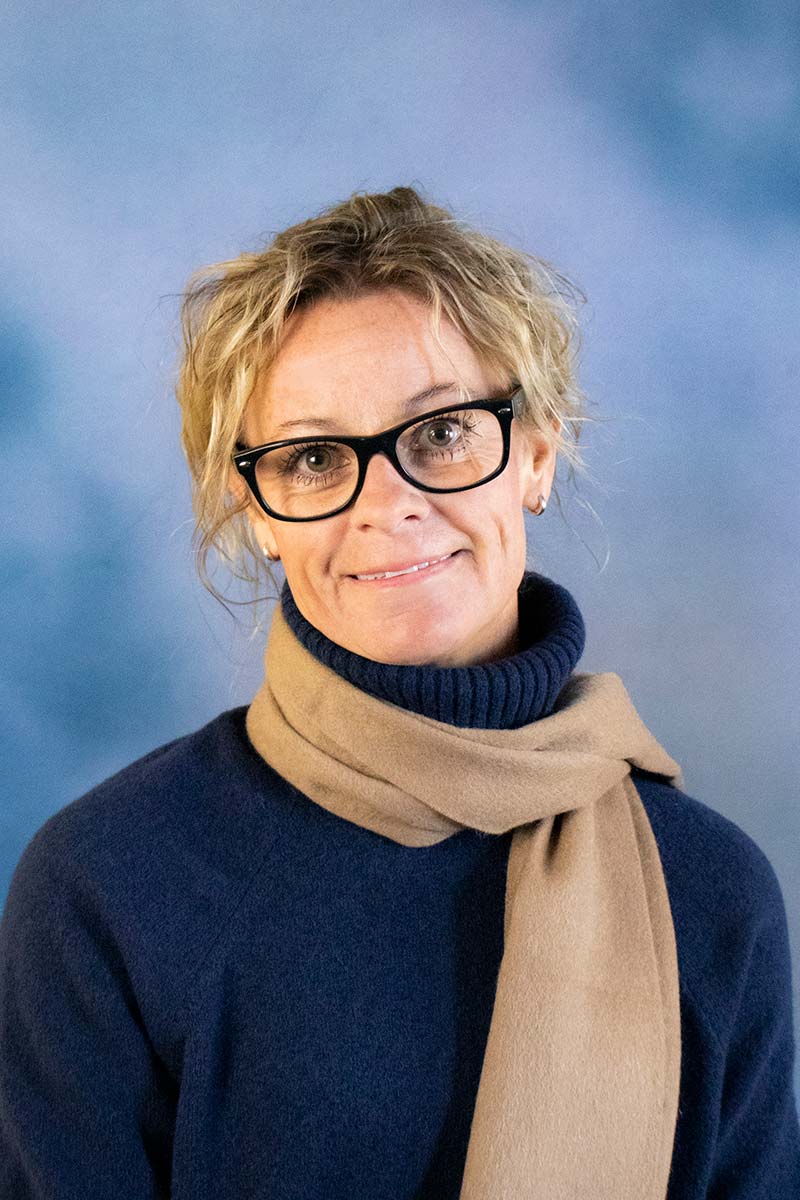
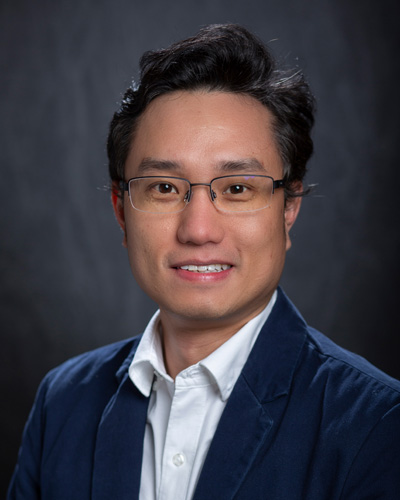
Gretchen Oliver is a full Professor and Director of the Sports Medicine & Movement Laboratory at Auburn University's School of Kinesiology. She specializes in injury prevention and performance enhancement for youth baseball and softball athletes, with a focus on biomechanics of windmill pitching and kinetic chain analysis. Her research integrates clinical and practical approaches to reduce shoulder and elbow stress in overhead athletes. President of the American Baseball Biomechanics Society Executive Board Member of the International Shoulder Group Executive Board Member of the International Society of Biomechanics in Sports Dr. Oliver's work explores biomechanical efficiency, workload management, and body composition effects on pitching mechanics. Recent studies investigate scapular kinematics, trunk energy flow, and hip-shoulder linkages to optimize youth athlete development. Her publications highlight trends in pitching-related injuries and performance metrics, emphasizing standardized terminology and field-testing protocols for early intervention strategies. Scientific awards include leadership roles in global biomechanics and shoulder health societies, reflecting her expertise in clinical reasoning and injury prevention frameworks.
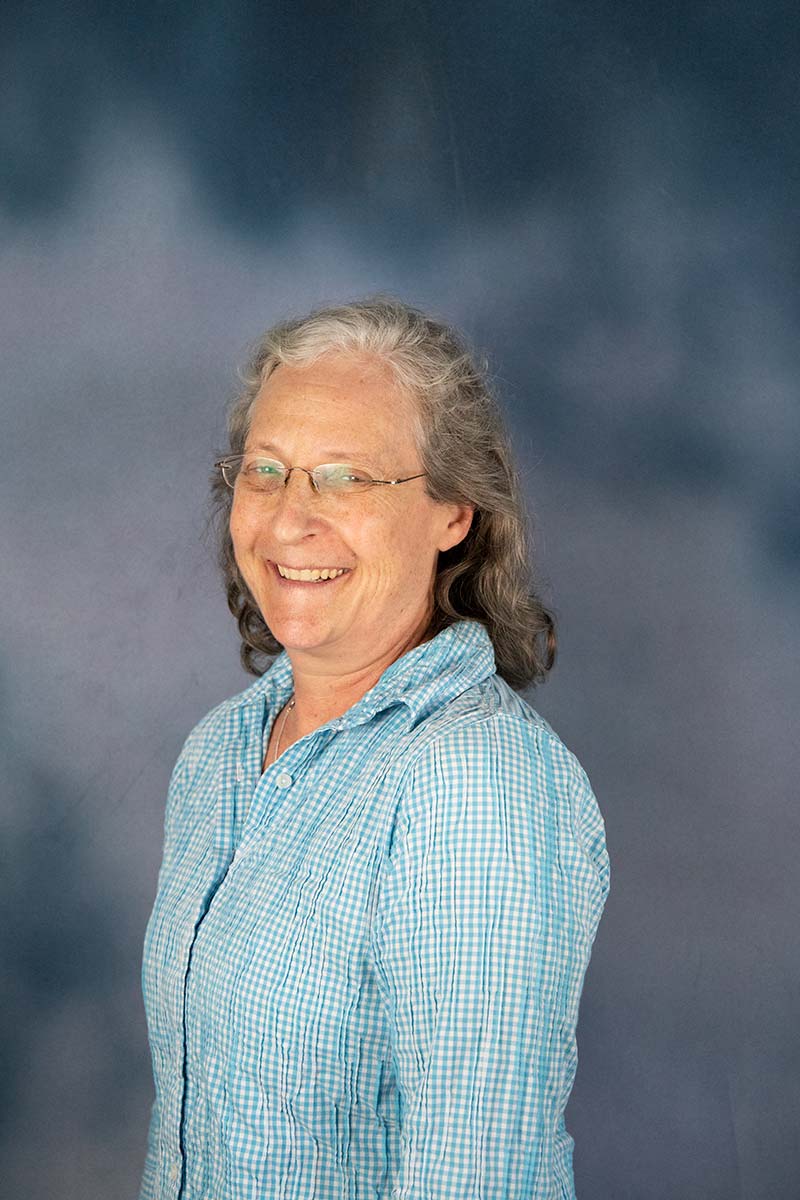
Wendi Weimar is a Professor and Director of the Sport Biomechanics Laboratory at the School of Kinesiology, College of Education, Auburn University . With over two decades of research experience, she specializes in lower extremity mechanics, gait analysis, and footwear effects on human and animal locomotion. Her work spans athletic performance optimization, injury risk assessment, and surface interaction studies. PhD in Kinesiology/Biomechanics from Auburn University Director of Sports Biomechanics Laboratory Her research focuses on gait kinematics across footwear types (flip-flops, sneakers, non-slip socks), surface effects on performance and injury rates, and coordination variability in athletes and individuals with chronic ankle instability. Recent studies analyze NFL turf transitions, inter-segmental coordination, and emotional influences on movement dynamics. Notable collaborations include consulting with professional teams like the Texas Rangers and Baltimore Orioles. While her recent publications emphasize biomechanical analysis of sports surfaces and footwear, her broader work includes outreach programs introducing children to kinesiology concepts through sports science.
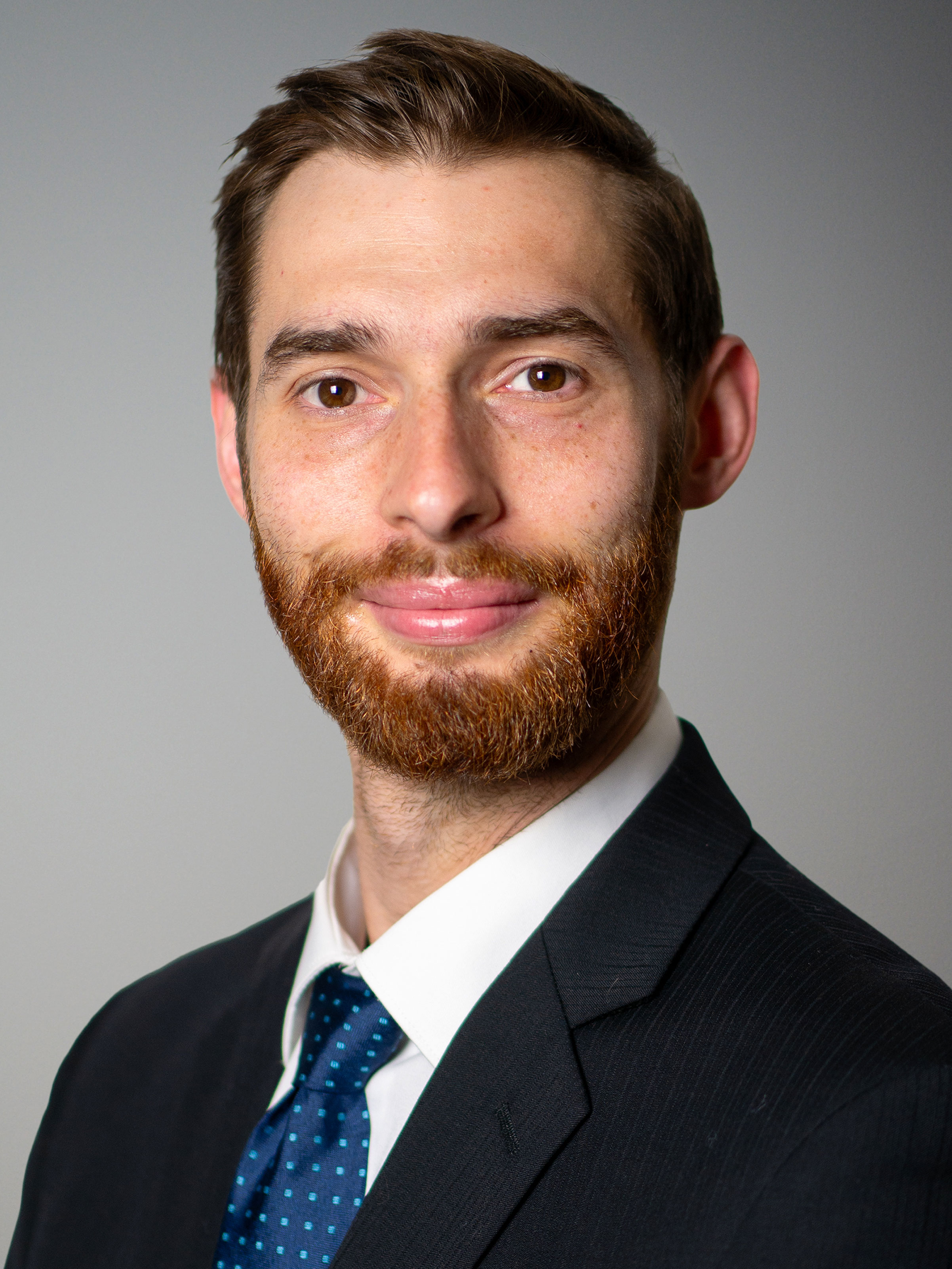
Daniel Grindle is an Assistant Teaching Professor in the Bioengineering department at Northeastern University, part of the College of Engineering. He holds a PhD in Engineering Mechanics from Virginia Tech (2023). His research focuses on biomechanics and mechanobiology, particularly using finite element modeling to investigate pedestrian-vehicle collision dynamics and injury mechanisms. Education: PhD in Engineering Mechanics from Virginia Tech (2023). Research interests include traffic safety engineering, computational biomechanics, and automotive safety. His work employs advanced simulation techniques to analyze injury risks and improve pedestrian protection systems. Recent publications emphasize finite element modeling of human body responses during collisions and gait-related injury dynamics. Collaborations include projects with industry and academic partners to validate biomechanical models for real-world applications. While no scientific awards are explicitly listed, his contributions to pedestrian safety research are notable. He advises students on capstone projects, such as the Flextab healthcare innovation developed with the Roux Institute. No grants are explicitly mentioned, but his research aligns with Northeastern’s emphasis on applied engineering solutions.
Professor Tim Aitman serves as Chair of Molecular Pathology and Genetics and Director of the Centre for Genomic and Experimental Medicine within the University of Edinburgh’s Institute of Genetics and Cancer, holding an Honorary Consultant Physician position with NHS Lothian. He leads the Scottish Genomes Partnership and founded the One Health Genomics Edinburgh network with over 600 researchers. His affiliations extend to the CRUK Edinburgh Centre and BioCaptiva, a spinout company developing cell-free DNA capture technology. His research integrates classical genetics with cutting-edge genomic technologies to investigate rare and common human disorders. Key focus areas include: Genetic basis of insulin resistance syndromes and autoimmune diseases like systemic lupus Next-generation sequencing for rare disease diagnosis (familial hypercholesterolemia, Ehlers-Danlos, nephrotic syndrome) Liquid biopsy development for cancer stratification using cell-free DNA analysis Evolutionary genomics through rat genome sequencing projects His work has pioneered methods for identifying complex trait genes and demonstrated copy number variation’s role in immune diseases. Professor Aitman’s publication portfolio shows strong emphasis on translational genomics, with recent articles focusing on liquid biopsy applications in prostate cancer radiotherapy, acute aortic syndromes, and oropharyngeal cancer. His research consistently bridges basic genomic discovery with clinical implementation, particularly in cancer diagnostics and rare disease genomics. His scientific recognition includes: Fellowship in the Royal Colleges of Physicians of London and Edinburgh Fellowship in the Academy of Medical Sciences Senior Fellowship at the PHG Foundation Specialist Adviser for the House of Lords Science and Technology Committee As principal investigator, he has secured over £30 million in research funding from major bodies including MRC, ERC, CRUK, and AstraZeneca. His leadership extends to the BioCaptiva spinout (£3M+ investment) and the University of Edinburgh’s COVID-19 testing program (TestEd). Current projects focus on cell-free DNA biomarkers for radiotherapy adaptation and acute disease monitoring. He directs the Centre for Genomic and Experimental Medicine at Edinburgh’s Western General Hospital campus, fostering collaborations across the Institute of Genetics and Cancer. His One Health Genomics network integrates veterinary and human genomic research, while partnerships with CRUK Edinburgh Centre and NHS Lothian drive clinical translation of genomic technologies.
Crystal Cooper is a Research Fellow and microbiology/microscopy specialist at the Centre for Microscopy, Characterisation & Analysis (CMCA) at The University of Western Australia . She serves as Deputy Director of the WA Microscopy Australia facility and holds an NCRIS-funded Cryo-Electron Microscopy Research Fellowship since 2022. Education: BSc Microbiology, University of Western Australia MSc Zoological Science (marine flatworm characterization) PhD Marsupial Parasitology (UWA & Murdoch University) Her research focuses on advanced microscopy techniques addressing complex biological questions through optical, electron, x-ray, and ion-beam technologies at room and cryogenic temperatures. Key areas include parasitology, dentin microstructure, and volume imaging. Recent publications analyze 3D parasite imaging , antiviral textile engineering, and age-related dentin changes . Crystal has received two major awards: Microscopy Australia Staff Shadowing Scheme (2024) and JEOL SEM Image Contest Grand Prize (2022). Professional Leadership: Founding committee member & secretary, Volume Imaging Australia (AMMS special interest group) AMMS Newsletter editor (2021-2024) Organizer of Volume Imaging Symposium 2024 Speaker at 13th Asia Pacific Microscopy Congress (2025)
Dr. Dimitar Epihov is an Early Career Fellow in Nature-Based Climate Solutions at the School of Biosciences, University of Sheffield . His work bridges microbial ecology, biogeochemistry, and climate change mitigation through innovative soil-based technologies. Research focuses on enhanced rock weathering (ERW), iron/sulfur cycling, and microbiome-driven carbon capture. Key contributions include the MagPI methodology for soil weathering analysis and synthetic chelator formulations to modulate soil microbiomes. Active in tropical and temperate forest systems, he investigates legume-microbiome interactions for accelerated weathering and nutrient cycling. Scientific Awards : £12,000 Early Career Fellowship (University of Sheffield) £580,000 CTRF-funded project (Co-Investigator) £136,000 Cascade Climate Grant for enhanced weathering research Research Trends : Recent publications emphasize ERW scalability, microbial mechanisms for carbon sequestration, and crop-type dependencies in CO2 removal. His work spans environmental biotechnology, soil microbiology, and climate-resilient agriculture, with applications in the US Midwest and tropical reforestation. PhD Students : Derek Bell: Microbial enzyme activators for carbon capture Issi Steeley: ERW in cocoa farming sustainability
Sarah Woolner is a Research Fellow in the Division of Cell Matrix Biology & Regenerative Medicine at the University of Manchester, where she established her own laboratory after receiving a prestigious Wellcome Trust/Royal Society Sir Henry Dale Fellowship in July 2012. Her academic journey began with a Biological Sciences degree from the University of Edinburgh (2000), followed by a PhD at UCL under Paul Martin, a postdoctoral position at the University of Wisconsin-Madison with Bill Bement (2006), and subsequent research at the University of Manchester with Nancy Papalopulu. Dr. Woolner's research centers on understanding how cell division orientation shapes tissues and determines cell fate at the cellular level. Her laboratory investigates the mechanisms by which cells read their external environment to orient division, with particular focus on how extracellular matrix cues influence mitotic spindle positioning. Her work addresses fundamental questions about how molecular forces are balanced inside cells to position the mitotic spindle and how these internal mechanisms coordinate with the external cellular environment across tissues. Her research spans Cell Biology, Developmental Biology, and Biophysics, with significant implications for understanding embryonic development failures and cancer progression. Analysis of her recent publications reveals a strong focus on tissue mechanics, cell division orientation, and the biophysical aspects of cellular organization. Dr. Woolner's scientific contributions have been recognized through several prestigious fellowships including the Beit Memorial Fellowship, Stepping Stones Fellowship, and the Wellcome Trust/Royal Society Sir Henry Dale Fellowship. She has supervised 6 research students and is currently involved in multiple research projects including 'Laser capture dissection for spatially-resolved -omics analysis' (2024-2025) and 'Multi-modal high throughput live cell system to track biomechanical properties' (2023-2024), where she serves as a Co-Investigator.
Professor Kelly Mackintosh is a distinguished academic in the Faculty of Science and Engineering at Swansea University, specializing in Sports and Exercise Sciences. She holds a prominent position as a Professor with extensive research experience in children's physical activity, health interventions, and clinical applications of exercise science. Her work bridges engineering, computational science, and health disciplines through innovative collaborations. Professor Mackintosh's research interests center on children's physical activity and health, with particular emphasis on school-based interventions. Her work focuses on measuring physical activity, behavior change mechanisms, and developing sustainable physical activity programs for young people. She has developed notable projects including the Children's Health, Activity, and Nutrition: Get Educated! (CHANGE!) initiative, military-style interventions like Commando Joes across 150 UK schools, and technology-enhanced approaches such as 'Mission Possible' that utilize social goal sharing technology. Her clinical work extends to cystic fibrosis and asthma populations, where she collaborates closely with healthcare professionals to evaluate physical activity levels and develop targeted interventions. Analysis of Professor Mackintosh's recent publications reveals a strong focus on clinical populations, particularly cystic fibrosis and asthma, with increasing attention to technology-based interventions and measurement methodologies. Her research spans from fundamental measurement science (accelerometry, activity recognition algorithms) to applied clinical interventions across diverse populations including children, adolescents, adults with chronic conditions, and older adults. The integration of wearable technology, machine learning approaches, and innovative intervention designs represents a clear trajectory in her scholarly work. Early Career Research Star award recipient Speaker at HEPA Europe conference in Belfast (2016) Contributor to European Cystic Fibrosis Society position statements Lead researcher on multiple funded projects including PREVIEW European project and Commando Joes initiative Professor Mackintosh actively supervises postgraduate students and collaborates with multidisciplinary teams across Swansea University and internationally. Her work with computational scientists and engineers has been instrumental in developing innovative technology-based interventions. Current projects include large-scale implementation studies across school systems, advanced measurement techniques for physical activity assessment, and specialized interventions for clinical populations. Her research program demonstrates strong translational potential, moving from laboratory-based measurement validation to real-world implementation across multiple settings.
Elizabeth S. Chen, PhD, FACMI serves as Interim Director of the Brown Center for Biomedical Informatics (BCBI), Associate Professor of Medical Science, and Associate Professor of Health Services, Policy & Practice at Brown University. She leads the Clinical Informatics Innovation and Implementation (CI3) Laboratory and directs the Advance RI-CTR Biomedical Informatics, Bioinformatics, and Cyberinfrastructure Enhancement (BIBCE) Core. Her work focuses on leveraging electronic health data and health information technology for biomedical discovery and healthcare delivery. Education: PhD in Biomedical Informatics, Columbia University MPhil in Biomedical Informatics, Columbia University MA in Biomedical Informatics, Columbia University BS in Computer Science, Tufts University Dr. Chen's research centers on clinical documentation, clinical decision support, health information needs, standards and interoperability, natural language processing (NLP), and data mining and machine learning. Her CI3 Laboratory innovates in EHR use for primary and secondary purposes, implements digital solutions within clinical systems, and inspires the next generation of clinical informaticians. Current projects focus on mental health informatics and pediatric informatics, using data and computational approaches to improve patient care. Analysis of Dr. Chen's recent publications reveals a strong focus on NLP applications in clinical settings, mental health informatics, and EHR data utilization. Her work spans multiple domains including suicide risk assessment, pediatric autism spectrum disorder comorbidities, and clinical note analysis, demonstrating consistent application of machine learning and data mining techniques to solve real-world clinical problems. Scientific Awards: FACMI (Fellow of the American College of Medical Informatics) Dr. Chen actively mentors high school, undergraduate, graduate, and medical students as well as junior faculty. She co-directs the Scholarly Concentration in Biomedical Informatics for medical students and co-instructs biomedical informatics and data science courses. Her grant activities include leadership of the BIBCE Core, which makes EHR and other data accessible for clinical and translational research in Rhode Island. As leader of the CI3 Laboratory, Dr. Chen oversees research focused on innovating EHR use, implementing digital solutions, and training future clinical informaticians. The lab's three-fold mission directly impacts how electronic health data is leveraged for both patient care and research purposes across multiple healthcare domains.
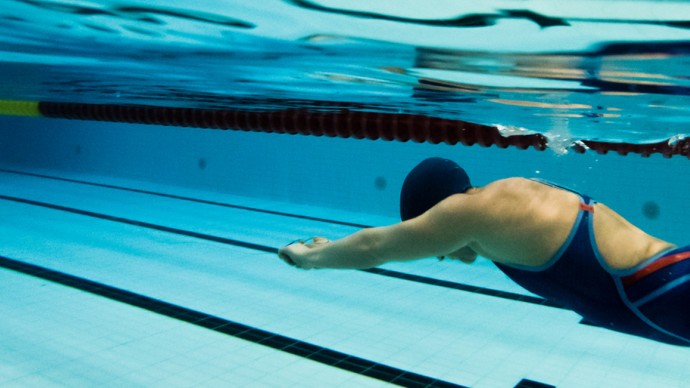
Professor Carl Payton is a Professor of Sports Biomechanics at the Institute of Sport, Manchester Metropolitan University. His research focuses on enhancing performance in disabled athletes, particularly in swimming biomechanics and Para Swimming classification systems. He leads projects applying computational fluid dynamics and motion analysis to improve classification objectivity and athlete performance. Key contributions include studies on limb deficiency impact, motor coordination testing, and passive drag measurement in Para swimmers. Research Interests: His work integrates biomechanical analysis with disability sports science, emphasizing evidence-based classification systems, swimming performance optimization, and gait analysis in conditions like achondroplasia. He employs advanced techniques such as 3D motion capture and visual hull algorithms to quantify movement patterns. Articles Overview: His recent publications (2023-2018) explore Froude efficiency in amputee swimmers, psychological impacts of muscular dystrophy, and age-related performance modeling in Para athletes. These studies highlight trends in evidence-based classification validation and technological applications in sports science. Advising & Grants: While specific student names and grant details are not documented here, his research indicates substantial collaborative work with sports organizations and medical institutions. He contributes to World Para Swimming classification reforms and athlete performance optimization initiatives. Labs/Teams: Affiliated with Manchester Met’s Institute of Sport research group, focusing on disability sports biomechanics and applied sports science. Collaborates with national swimming bodies and medical research centers on classification systems and athlete adaptation strategies.
Elizabeth O’Hare is a Clinical Associate Professor at the Department of Biological Sciences , Towson University. Her academic journey includes a B.S. in Molecular Genetics/Plant Biotechnology from the University of Illinois at Urbana-Champaign, a Ph.D. in Genetics from the University of California Davis, and a Postdoctoral Fellowship at the University of Maryland School of Medicine focusing on the genetic etiology of complex traits. Education B.S. in Molecular Genetics/Plant Biotechnology, University of Illinois at Urbana-Champaign Ph.D. in Genetics, University of California Davis Postdoctoral Fellowship in Genetic Etiology of Complex Traits, University of Maryland School of Medicine Her research expertise spans Molecular and Developmental Genetics , Biotechnology , and Model Organisms (zebrafish and chick) , with a focus on understanding genetic mechanisms underlying human diseases and developmental disorders. She has contributed to studies on craniofacial-limb syndromes, lipid metabolism, β-cell mass deficits, and telomere biology. Dr. O’Hare teaches courses such as Introductory Biology for Health Professions , Biotechnology , and Applied Biotechnology , emphasizing active learning and interdisciplinary connections. Her publications highlight collaborations with institutions like the University of California Davis, University of Maryland School of Medicine, and Towson University, addressing topics in genetics, medicine, and developmental biology. While no explicit scientific awards are listed, her work on genetic etiology and contributions to journals like Journals of Heredity , Circulation , and Hepatology underscores her academic impact. She utilizes zebrafish and chick models to bridge molecular genetics with human health applications.
Greig Shearer is a Lecturer in Inorganic Chemistry at the Department of Chemistry, University of Bath. He is actively engaged in research and is currently accepting doctoral students. His work bridges synthetic inorganic chemistry with advanced materials science, focusing on functional porous materials. Research Interests: Dr. Shearer's research lies at the intersection of inorganic and supramolecular chemistry, with a strong emphasis on metal–organic frameworks (MOFs). His work explores the design, synthesis, and functionalization of MOFs for applications in biomolecule immobilization, controlled release of semiochemicals, and defect engineering. He investigates how pore architecture and chemical functionality influence host–guest interactions and material performance. Publication Trends: His publications over the past decade reveal a sustained focus on MOF chemistry, particularly the UiO-66 family. Research themes include defect control, modulated synthesis, postsynthetic modification, and the interaction of biomolecules within porous matrices. His work combines experimental characterization with computational modeling, demonstrating a multidisciplinary approach to materials development. Scientific Awards: No awards explicitly mentioned in the provided text. Advising and Grants: Dr. Shearer is accepting PhD students, indicating active supervision. While specific grants are not listed, his consistent publication output in high-impact journals suggests sustained research funding. His collaborations span computational modeling, spectroscopy, and biological applications, reflecting a networked research approach. Labs and Teams: Although specific lab names or team structures are not provided, his research is conducted within the Department of Chemistry at the University of Bath, likely involving interdisciplinary collaboration given the breadth of techniques and applications in his work.
Dr. Zachary Paul Alcorn is an interdisciplinary reservoir engineer and geoscientist at the Department of Physics and Technology at the University of Bergen, where he serves as Research Director for the Norwegian Petroleum Research Center, NCS2030 (National Center for Sustainable Subsurface Utilization of the Norwegian Continental Shelf). His research bridges laboratory observations with field performance, focusing on multiphase fluid flow during CO2 injection processes in subsurface reservoirs. He teaches courses PTEK 211 and ENERGI 365 while leading multiple research projects including 'Optimizing CO2 Foam Mobility Control for Field Pilots' and 'In-situ Quantification of CO2 Flow and Mobility Control for Improved Carbon Utilization and Storage'. Dr. Alcorn's research interests center on CO2 foam applications for enhanced oil recovery (EOR) and carbon storage. He has developed expertise in special core analysis, reservoir characterization, geologic and reservoir modeling, numerical simulation, and field pilot design. His work specifically focuses on CO2 foam mobility control, investigating how foam can reduce gas mobility, improve CO2 utilization, and decrease gas-oil ratios in heterogeneous reservoirs. His research spans from pore-scale phenomena to field-scale implementation, with particular attention to how geological heterogeneity affects fluid flow behavior. His publication record shows a strong focus on CO2 foam technology, with research progressing from fundamental pore-scale investigations to field-scale implementation. The articles demonstrate an evolving research trajectory from basic foam characterization to practical field applications, with increasing attention to monitoring techniques and integration with carbon capture, utilization, and storage (CCUS) frameworks. Recent work emphasizes the relationship between rock properties and foam performance, surfactant formulations for challenging reservoir conditions, and methods for monitoring and interpreting field pilot results. Dr. Alcorn leads the NCS2030 research center and has been involved in multiple significant projects related to CO2 utilization and storage. His work has resulted in numerous field pilot implementations, particularly in heterogeneous carbonate reservoirs, with a focus on integrating laboratory findings with practical field applications. He actively collaborates with researchers across institutions and regularly presents findings at major industry conferences including SPE events and specialized CCUS conferences. His laboratory work focuses on pore-scale and core-scale investigations of CO2 foam behavior under reservoir conditions. He has developed methodologies for monitoring foam performance through pressure measurements and other techniques. His team works extensively with various rock types, particularly heterogeneous carbonates, to understand how geological properties affect foam generation, stability, and mobility control. Current research directions include nanoparticle-stabilized foams, surfactant formulations for high-salinity environments, and methods to quantify foam effects on CO2 storage capacity.
Martin Dahl is a researcher at the Department of Ecology, Environment and Plant Sciences, Stockholm University, Sweden. He is actively engaged in marine ecological research with a focus on seagrass ecosystems, carbon cycling, and the impacts of grazing and environmental stressors on coastal habitats. His work integrates field observations, experimental studies, and literature synthesis to address critical knowledge gaps in blue carbon dynamics and ecosystem services. University: Stockholm University Department: Department of Ecology, Environment and Plant Sciences Email: martin.dahl@sh.se ORCID: 0000-0003-2016-4857 His research interests include marine ecology, seagrass physiology, sediment stability, carbon sequestration, hydrodynamic exposure, and the cascading effects of overgrazing by herbivores such as sea urchins and green turtles. He investigates how disturbances impact blue carbon storage, greenhouse gas emissions, and coastal protection functions of seagrass meadows. His studies span temperate, subtropical, and tropical regions, contributing to global understanding of seagrass resilience and vulnerability. The analysis of Martin Dahl’s recent publications reveals a strong thematic focus on the interplay between biological disturbances (especially grazing) and physical factors (hydrodynamics, sediment type) in determining carbon sink capacity and sediment stability. His work frequently employs experimental manipulations and meta-analyses to quantify erosion, carbon loss, and ecosystem recovery trajectories. A recurring emphasis is placed on policy-relevant outcomes for coastal management and climate change mitigation. Scientific awards and honors are not mentioned in the provided text. Martin Dahl has contributed to significant research on seagrass ecosystem functioning, often in collaboration with Mats Björk and Martin Gullström. He has secured research funding and played key roles in study design, data analysis, and manuscript preparation. While no formal advising relationships or student names are listed, his leadership in research projects suggests mentorship activities. His work supports broader efforts in marine conservation and blue carbon accounting. He is involved in research conducted at field sites across Europe, the Caribbean, and East Africa, particularly focusing on Zostera marina and Thalassia testudinum meadows. His team utilizes flume experiments, sediment coring, and remote sensing to assess ecological impacts. Future research priorities include defining spatial and temporal scales of carbon erosion, assessing belowground biomass degradation, and estimating greenhouse gas emissions following seagrass loss.
Luan D. Vu, Ph.D., is an Assistant Professor in the Department of Molecular Microbiology and Immunology at the University of Texas at San Antonio (UTSA), within the College of Sciences. His research focuses on viral immunopathogenesis, particularly how early-life viral infections such as RSV and SARS-CoV-2 impact long-term respiratory immunity in infants and pregnant women. Dr. Vu earned his Ph.D. in Medical Sciences from the University of Sydney, with a specialization in viral immunopathogenesis. His educational journey was supported by prestigious scholarships including the Australian Awards Scholarship, Japanese MEXT Scholarship, and JSPS Fellowships. His research interests center on: Early-life immune development and long-term consequences of viral infection Maternal-fetal immunity during respiratory infections Epigenetic reprogramming of innate immune cells (e.g., ILC2s) Trained immunity in infant immune responses Transplacental antibody transfer and environmental impacts (e.g., PM2.5) Development of novel diagnostics for respiratory viruses Dr. Vu's recent publications reveal a strong trend in understanding immune mechanisms in RSV and COVID-19, utilizing multi-omics, machine learning, and advanced imaging. His work bridges basic science with clinical translation, focusing on biomarker discovery, disease severity prediction, and therapeutic development. Key themes include the role of IL-1β, IL-33, and ST2 signaling in immunopathology, and the application of biosensors for rapid antigen detection. Honors and awards include: Parker B. Francis Fellowship in Pulmonary Research (2024–2027) Leveraging Innovation for Technology Transfer (LIFT2) Grant Australian Awards Scholarship Young Investigator Award from the International Network of Pasteur Institutions Recognition as a Notable Young Investigator by NIH Multiple journal highlights in AJRCCM and Experimental Biology and Medicine Dr. Vu actively mentors the next generation of scientists. He advises graduate students and postdoctoral fellows, fostering a collaborative lab environment focused on discovery and innovation. His lab has received multi-institutional collaborative grants, including support from LSU and UTSA, and he has been involved in technology transfer initiatives. He leads research projects on trained immunity, nanobody development, and organoid models of human nasal epithelium. His laboratory is equipped with state-of-the-art tools including the Cytek Aurora spectral flow cytometer, 10x Genomics Single-Cell System, Element Biosciences AVITI sequencer, and Nanostring Digital Spatial Profiler, enabling high-resolution immune profiling and spatial transcriptomics.