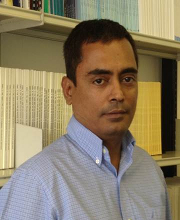
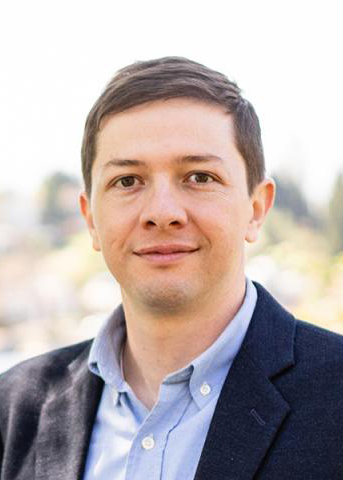
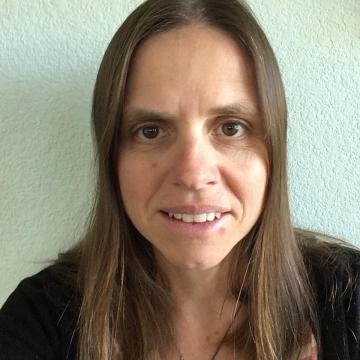
Dr Juan Ye is a Reader in the School of Computer Science at the University of St Andrews. He holds a PhD from University College Dublin and BSc/MSc degrees from Wuhan University. His research focuses on adaptive pervasive systems, sensor-based human activity recognition, and overcoming challenges in real-world sensor data analytics. He teaches modules on component technologies and machine learning, and supervises PhD students and research internships. His research addresses the limitations of classical machine learning by developing continual-learning frameworks for long-term, real-world applications. Key interests include sensor fusion, context awareness, ontologies, and uncertainty reasoning. He has contributed to projects on gaze tracking, animal density estimation, and robust gaze interaction methods. Dr Ye collaborates with interdisciplinary teams and has published extensively on topics like continual learning, gaze estimation, and ecological monitoring. His work aligns with UN Sustainable Development Goals through applications in environmental and assistive technologies.
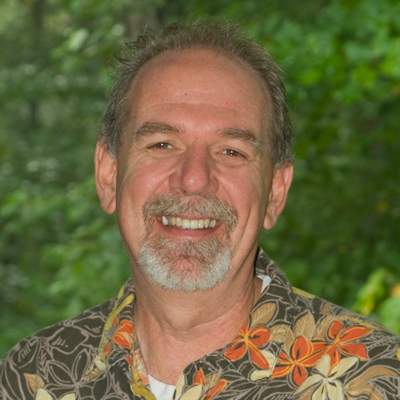
Andrew Derocher is a Professor in the Department of Biological Sciences at the University of Alberta, specializing in Arctic ecology and conservation biology. His research focuses on polar bears and large carnivores, particularly their response to climate change and human activities. He has been studying polar bears in western Hudson Bay for over four decades, contributing to conservation policies and management strategies. His work integrates field studies, telemetry, and population modeling to understand ecological dynamics and threats to Arctic species. Education: PhD in Zoology, University of Alberta (details not explicitly provided in text). His research spans ecology, conservation genetics, and wildlife management, with a strong focus on Arctic ecosystems. He collaborates with government agencies and international organizations like the IUCN/SSC Polar Bear Specialist Group. Research Interests: Ecology and conservation of polar bears and other Arctic mammals Climate change impacts on Arctic habitats and species Behavioral ecology of large carnivores Human-wildlife interactions and conservation policy Advising and Grants: Supervised numerous graduate students, including Nick Paroshy (MSc), Anna Jovtoulia (MSc), and Camille Jodouin (MSc). Involved in projects funded by Canadian government agencies and international collaborations, focusing on polar bear population monitoring and ecosystem dynamics. Labs/Teams: Leads a research group at the University of Alberta, collaborating with institutions globally on polar bear and Arctic conservation initiatives.
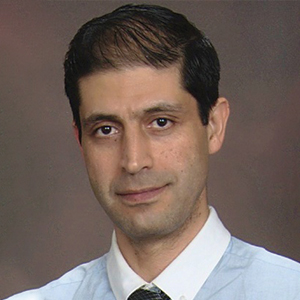
Fazil Baksh is a Lecturer in the Department of Mathematics and Statistics at the University of Reading, part of the School of Mathematical, Physical and Computational Sciences. He holds key administrative roles including School Director of WIDE, PhD Coordinator for Statistics, and DStat Admissions/Programme Director. His research focuses on statistical methodologies in genetics, bioinformatics, and medical statistics, with emphasis on genome-wide association studies, gene-environment interactions, and Bayesian modeling of biological systems. Teaching responsibilities include advanced statistical courses such as Methods of Machine Learning (ST3MML/ST4MML), Mathematics and Statistics for Data Science (CSMMS), and Advanced Statistical Modelling (ST3ASM). His work has addressed critical areas like snakebite epidemiology, psychiatric treatment efficacy, and genomic sequence analysis, with notable contributions to statistical bioinformatics and public health research. Research affiliations include the university’s Applied Statistics group. His methodological innovations span statistical genetics (e.g., efficient score tests for association studies) and healthcare economics (e.g., cost analyses of snakebite treatments). While no formal awards are listed, his publications reflect impactful contributions to both theoretical and applied statistical research. Advising and grant activities remain unspecified, though his interdisciplinary teaching and research suggest active involvement in training the next generation of statisticians and data scientists.
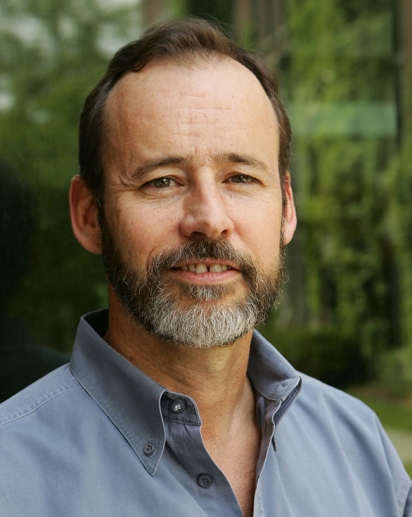
Dr. Robert Cooper is a Professor of Wildlife Ecology and Biometrics at the University of Georgia's School of Forestry and Natural Resources, holding the Dennis and Sara Carey Distinguished Professorship. His research focuses on wildlife ecology, climate change impacts, quantitative ecology, and tropical ecosystems. He leads the Cooper Lab, advising students like Ryan Chitwood (PhD candidate studying songbird population dynamics) and Abby Sterling (PhD alumna on shorebird conservation). Education: PhD, West Virginia University: Wildlife Biology MS, University of Georgia: Forest Resources BS, University of Georgia: Wildlife Research Interests: Ecosystem management emphasizing biodiversity preservation Climate change effects on avian populations and habitat Quantitative approaches to wildlife conservation Tropical ecology, including agroecosystems and cloud forest studies His work integrates adaptive management and rigorous statistical methods, with notable projects on Black-throated Blue Warblers and shorebird monitoring in Georgia. Awards: Dennis and Sara Carey Distinguished Professorship in Forestry and Natural Resources Education Grants & Advising: Funded by NASA and the Georgia Ornithological Society Advises students on topics like climate-driven demographic shifts and shorebird habitat conservation Labs/Teams: Cooper Lab focuses on quantitative ecology and conservation, collaborating with institutions like UGA Costa Rica and the Maquipucuna Foundation in Ecuador.
Louise Marston is Professor of Clinical Trials Statistics at University College London's Department of Primary Care and Population Health, affiliated with Priment Clinical Trials Unit where she serves as lead statistician. Her career includes positions at St George's University of London and Brunel University, progressing from Research Statistician to Professor at UCL since 2008. Education: BSc Population Studies, University of Southampton (1997) MSc Social Statistics, University of Southampton (1999) PhD, Brunel University (2007) Research focuses on clinical trials methodology applied to mental health, neurology, and gerontology. Key areas include: randomized controlled trial design; statistical analysis of complex health interventions; dementia epidemiology; frailty management in older adults; functional neurological disorders; and mental health service evaluation. Her work combines applied statistics with implementation science to address public health challenges. Publication analysis reveals strong emphasis on: clinical trial methodologies (35%), mental health interventions (25%), geriatric care models (20%), neurological rehabilitation (15%), and health economic evaluations (5%). Recent work demonstrates increasing focus on personalized interventions for complex conditions and pandemic-related service disruptions. Awards and Recognition: Fellow, Higher Education Academy (2009) Fellow, Royal Statistical Society (2002) Advising and Mentorship: Supervised 8 PhD students to completion Currently supervising 5 PhD candidates PhD examiner for UCL and other UK universities Professional Activities: Leads postgraduate module 'IEHC0046 Basic Statistics' and contributes to UCL's clinical trials research infrastructure through Priment CTU.
GK Balasubramani is a Research Professor in the Department of Epidemiology at the University of Pittsburgh, contributing to the Epidemiology Data Center and Clinical and Translational Science Institute. His work focuses on vaccine effectiveness, epidemiological methods, and respiratory disease burden estimation. Bachelor of Science, Statistics - Presidency College, India (1984) Master of Science, Statistics - University of Madras, India (1986) Master of Philosophy, Statistics - University of Madras, India (1987) Doctor of Philosophy, Statistics - University of Madras, India (1992) Post-Doctoral Training, Actuarial Statistics - University of Western Ontario, Canada (1995) His research spans influenza vaccine effectiveness, respiratory syncytial virus (RSV) burden analysis, and epidemiological methods. Key projects include CDC-sponsored HAIVEN trials, Sanofi-funded studies on recombinant influenza vaccines, and Merck-supported RSV cohort research. Recent articles highlight collaborative work on influenza and RSV epidemiology, advanced statistical methods like capture-recapture, and clinical trials in ophthalmology. Trends include test-negative design applications, comparative effectiveness analysis, and population-based burden estimation. Collaborations with Richard Zimmerman (Department of Family Medicine), Mary Patricia Nowalk, and Dr. Realini (West Virginia University) on NIH-funded glaucoma studies demonstrate interdisciplinary partnerships. Methodological innovations in causal mediation and latent profile analysis further his impact.
Paul Acker is an evolutionary ecologist at the Norwegian University of Science and Technology (NTNU), focusing on how biodiversity responds to environmental change. His work integrates empirical studies with conceptual frameworks to understand interactions between natural selection, phenotypic plasticity, and genetic variation in wild populations. Affiliation: Department of Biology, NTNU Projects: Spatio-Seasonal Eco-Evolutionary Dynamics (ERC-funded), Early-life eco-evolutionary dynamics of migration (NFR-funded), Centre for Biodiversity Dynamics (CBD) Research interests center on eco-evolutionary responses to environmental variability, with key traits including: Seasonal migration Survival and reproduction strategies Phenotypic plasticity in discrete traits Quantitative genetic analysis of threshold traits Population dynamics under climate change His methodology combines Bayesian statistics, capture-recapture models, and quantitative genetics to analyze long-term ecological monitoring data. Teaching includes PhD courses on: Quantitative genetics in wild populations (BI8091) Natural selection analysis via Bayesian capture-recapture models Plasticity in adaptive evolution (BI8083) He previously taught capture-recapture methodologies at the University of Aberdeen. Supervision involves co-guiding five PhD students across institutions in Western Britanny, NTNU, and Montpellier, focusing on migration phenology, plumage trait selection, and metapopulation dynamics. He has supervised eight past master's students. Scientific awards include ERC Advanced Grant (via Prof. Jane Reid) SQUID Student Fellowship ESEB Hewitt Mobility Award Mobility grants from UBO and ISBLUE Collaborations span institutions in UK (University of Aberdeen), France (Montpellier SupAgro), and Norway (NTNU, CBD). He contributes to EURING, ESEB, and BOU conferences.
Nezamoddini-Kachouie Nezamoddin is an Associate Professor in the Department of Mathematics and Systems Engineering at Florida Institute of Technology , with an affiliate appointment in the Department of Electrical Engineering and Computer Science , both within the College of Engineering and Science . Since joining Florida Tech in 2012, he has built an interdisciplinary research program bridging engineering, medicine, and biology. Education & Training BASc – Electrical & Computer Engineering MASc – Systems Design Engineering, University of Waterloo, 2008 PhD – Biomedical Engineering Postdoctoral Fellow – Harvard Medical School & Harvard School of Public Health, 2010-2012 Research Interests Dr. Kachouie’s work sits at the confluence of statistical modeling , machine learning , artificial intelligence , image processing , pattern recognition , and biostatistics . He leverages these tools to tackle grand challenges in cancer research , public health , and climate change , producing actionable insights from complex, high-dimensional data. Publication Trends With more than 120 peer-reviewed papers spanning 2003-2025, his recent output emphasizes deep learning (U-Net, CNNs), Bayesian spatiotemporal models , and generalized additive models applied to glacier recession , wildlife population monitoring , sea-level rise , and cancer genomics . These works collectively advance both methodological innovation and high-impact societal applications. Student Mentorship & Grants He has mentored 80+ undergraduates who presented at venues such as NCUR, JSM, and AMS. Seven PhD students have graduated under his supervision and now hold academic positions. He has served as PI of the NSF REU Site “Statistical Models with Applications to Geoscience” (2020-2024) and as mentor for the NSF Biomath REU Site (2015-2017). Currently, his group comprises 2 post-docs, 6 PhD, 2 Master’s, and 7 undergraduate researchers. Contact & Resources Email: nezamoddin@fit.edu Office: Crawford 335 (inside 328) Phone: (321) 674-7485 Profiles: Google Scholar , Research Website
Douglas Thomas Bolger is a Professor of Environmental Studies and Adjunct Professor of Biological Sciences at Dartmouth College, serving as Director of the Environmental Studies Africa Foreign Studies Program. His educational background includes: B.S. from Rutgers University Ph.D. from University of California at San Diego An ecologist and conservation biologist, Bolger investigates human land-use impacts on plant and animal populations through research on residential development in southern California's coastal sage scrub ecosystem and agricultural intensification near African national parks. His work integrates field ecology with computational methods to address biodiversity conservation challenges in human-altered landscapes. His publication record reveals a consistent focus on African wildlife conservation, particularly ungulate population dynamics using photographic mark-recapture techniques. The research demonstrates interdisciplinary integration of ecological fieldwork, spatial analysis, and computational innovation to address conservation bottlenecks and habitat connectivity issues in savanna ecosystems. Scientific Awards: No awards mentioned in source material. Advising and Grants: Source text provides no details regarding graduate student mentorship or research funding. Bolger leads field research teams in Tanzania's Tarangire-Manyara Ecosystem studying giraffe and wildebeest populations, and developed Wild-ID software for photographic mark-recapture analysis, establishing a research infrastructure for non-invasive wildlife monitoring.
Herman Sprenger is a medical researcher at the University of Groningen's Faculty of Medical Sciences, specializing in HIV/AIDS research with a focus on clinical management and long-term complications. His work significantly contributes to understanding HIV treatment beyond viral suppression and its associated comorbidities. His primary research interests include: HIV infection and treatment optimization Cardiovascular complications in HIV patients TB-HIV co-infection epidemiology Antiretroviral therapy efficacy and simplification Cytomegalovirus infections in immunocompromised patients Dr. Sprenger's research demonstrates a strong emphasis on clinical outcomes and practical healthcare implications. His work on skin advanced glycation end products established a novel biomarker for cardiovascular risk prediction in HIV patients, while his TB-HIV co-infection research improved understanding of disease prevalence through innovative capture-recapture methodology. His publications span clinical research, epidemiological studies, and randomized controlled trials, reflecting a comprehensive approach to HIV medicine that bridges laboratory findings with clinical practice. His research contributes to the UN Sustainable Development Goals related to good health and well-being, particularly in addressing infectious diseases and improving healthcare outcomes for vulnerable populations. Dr. Sprenger has collaborated extensively with Dutch medical institutions, particularly with colleagues at the University Medical Center Groningen, and his work has been cited in academic literature and referenced in policy discussions regarding HIV management in the Netherlands.
Albert Fernandez Chacon is a Research Fellow at the Department of Natural Sciences, University of Agder, Norway, where he has been working since 2019. His research focuses on quantitative ecology and animal population dynamics, particularly in aquatic environments. Prior to his current position, he worked as a Quantitative Ecologist at Bretagne Vivante in France (2018-2019), and held postdoctoral positions at the University of Oviedo, Spain (2016-2018) and the Institute of Marine Research, Norway (2013-2015). Dr. Fernandez Chacon specializes in the statistical modeling of individual-based ecological data, with expertise in capture-recapture and occupancy models. His primary research interests include animal population dynamics (abundance, growth, survival, dispersal), ecology of aquatic species in marine and freshwater environments, effects of marine protected areas on population dynamics, and eco-evolutionary impacts of conservation measures. His work spans disciplines from zoology to biogeography and evolutionary ecology. His publication record demonstrates a consistent focus on how protection measures affect marine populations, with particular attention to Atlantic cod and other commercially important species. Recent work examines juvenile shark survival, amphibian responses to disease, and the effectiveness of lobster reserves. His research at the Centre for Coastal Research (CCR) focuses specifically on coastal fish and lobster populations within and outside marine protected areas in the Skagerrak region. The analysis of his 15 most recent publications reveals a strong methodological emphasis on statistical modeling combined with practical conservation applications. Dr. Fernandez Chacon has established extensive international collaborations across Europe, contributing to interdisciplinary studies that bridge ecology, conservation, and fisheries management. His work consistently combines field data collection with sophisticated statistical approaches to address pressing conservation questions, particularly regarding the effectiveness of marine protected areas and sustainable fisheries management.
Alison Coulter is an Assistant Professor in the Department of Natural Resource Management at South Dakota State University. She teaches courses including WL 367/367L Ichthyology and Lab, WL 412/412L Principles of Fisheries Management and Lab, NRM 230 Natural Resource Management Techniques, and WL 792 Movement Ecology. Her office is located in Room 141B of the Edgar S. McFadden Biostress Laboratory. Education: B.S. from Michigan State University M.S. from Central Michigan University Ph.D. from Purdue University Research Focus: Her work integrates ecological science with practical natural resource management solutions. Primary research themes include: Fish movement ecology and habitat utilization patterns Sportfish population management and conservation strategies Invasive species prevention, containment, and impact mitigation Angler behavior analysis and engagement methodologies Fish stocking program efficacy and optimization Publication Trends: Recent articles (2024-2025) demonstrate a strong emphasis on invasive carp ecology, fisheries management techniques, and human dimensions of conservation. Work frequently employs advanced statistical modeling, telemetry data, and stakeholder surveys to address pressing issues in freshwater ecosystems under climate change pressures. Laboratory: Leads research operations at the Edgar S. McFadden Biostress Laboratory, focusing on field-based studies and data-driven resource management solutions.
Mauricio Sadinle is a **Clinical Assistant Professor** in the Department of Biostatistics and an **Adjunct Assistant Professor** in the Department of Statistics at the **University of Washington**. He holds affiliations with the **Center for Statistics and the Social Sciences** and the **Center for Studies in Demography and Ecology**. His research focuses on statistical methods for record linkage, missing data, Bayesian biostatistics, and applications in epidemiology and public health. Sadinle has a **PhD and MSc in Statistics** from Carnegie Mellon University and a **BSc in Statistics** from the National University of Colombia. He teaches advanced courses like **BIOST 570: Advanced Regression Methods for Independent Data** and has received NSF funding for developing tools to combine datasets with missing information. His work spans **methodological advancements** in capture-recapture, duplicate detection, and population size estimation, with applications to public health crises like opioid overdose mortality and humanitarian challenges like estimating modern slavery. He emphasizes rigorous statistical foundations while addressing real-world data integration challenges. Notable contributions include **Bayesian propagation of record linkage uncertainty** and **sequential modeling of nonignorable missing data**. His research bridges theory and practice, often collaborating with public health agencies and leveraging interdisciplinary collaborations across demography, epidemiology, and computer science.
Dr Nicola J. Quick is an Adjunct Assistant Professor at the Nicholas School of the Environment and a Lecturer in Marine Conservation at the University of Plymouth, UK. She holds a PhD in animal behavior and acoustics from the University of St Andrews (2006). Her research focuses on marine mammal acoustic behavior and anthropogenic noise impacts, with applications in conservation policy and industry mitigation strategies. Education: PhD, University of St Andrews, United Kingdom (2006) Research Focus: Dr Quick investigates cetacean behavioral responses to environmental stressors using advanced statistical modeling, satellite telemetry, and acoustic monitoring. Her work bridges marine conservation, animal movement ecology, and anthropogenic disturbance studies, particularly in deep-diving species. Primary domains include: Marine mammal diving physiology and foraging plasticity Development of telemetry and acoustic analysis methodologies Conservation frameworks for noise-impact mitigation Publication Trends: Her recent articles (2020-2024) demonstrate strong emphasis on: Statistical modeling of animal movement and disturbance responses Innovative cetacean monitoring technologies (satellite tags, aerial surveys, deep learning) Physiological adaptations in extreme marine environments Grants & Collaborations: Atlantic Behavioral Response Study (HDR, Inc.) - Multi-year project on cetacean disturbance responses EOWDC Bottlenose Dolphin Movements (SMRU Consulting) - Habitat use analysis North Atlantic Right Whale Tagging (HDR, Inc.) - Migration and behavior study She partners with military, energy, and government sectors globally to translate research into policy.
David M. Kline is an Associate Professor and Interim Vice Chair in the Department of Biostatistics and Data Science within the Division of Public Health Sciences at Wake Forest University School of Medicine. He holds secondary faculty appointments in the Department of Epidemiology and Prevention and is an Affiliate Faculty member in the Department of Statistical Sciences. Additionally, he is a Full Member of the Center for Addiction Research and the Maya Angelou Research Center for Healthy Communities, and co-leads the Spatial and Environmental Statistics in Health (SESH) Lab. Dr. Kline earned his BA in Mathematics from Messiah College in 2010, followed by an MS in Statistics from The Ohio State University in 2012, and completed his PhD in Biostatistics from The Ohio State University in 2015. Prior to joining Wake Forest in 2021, he served as an Assistant Professor in the Department of Biomedical Informatics and was a member of the Center for Biostatistics at The Ohio State University College of Medicine. His research focuses on developing advanced biostatistical methodologies to address challenges in public health surveillance, with particular emphasis on multivariate Bayesian hierarchical models for spatio-temporal disease mapping. Dr. Kline specializes in leveraging multiple data sources to tackle complex public health problems, most notably the opioid epidemic. His methodological expertise includes small area estimation, spatio-temporal methods, multivariate modeling, and Bayesian statistics. He actively collaborates with subject matter experts across various health disciplines to apply these methods to pressing scientific questions. Dr. Kline's recent publications demonstrate a strong focus on opioid misuse estimation, spatio-temporal modeling of disease patterns, and public health surveillance methods. His work spans multiple domains including infectious disease tracking, substance use disorders, and healthcare access analysis. The publications reveal a consistent application of sophisticated statistical techniques to address real-world public health challenges with spatial and temporal dimensions. 2024 Emerging Leader Award, Wake Forest University School of Medicine 2023 & 2022 Top 10 Research Paper, Wake Forest University School of Medicine Division of Public Health Sciences 2020 Excellence in Teaching Award, The Ohio State University Department of Biomedical Informatics 2015 CSP Best Student Poster Runner-up, American Statistical Association 2014 Lester R. Curtin Award, American Statistical Association Dr. Kline serves as Principal Investigator on multiple NIH-funded research projects, including R21DA045236 and R01DA052214 focused on spatio-temporal methods for surveillance of the opioid syndemic. He mentors several trainees, including F31 and F30 recipients. His collaborative work spans numerous interdisciplinary projects addressing health disparities, infectious disease surveillance, and substance use disorders. Currently, he serves on the Editorial Board for the journal Epidemiology, reflecting his standing in the field. As co-leader of the Spatial and Environmental Statistics in Health Lab, Dr. Kline directs research that bridges biostatistics, spatial analysis, and public health. His lab focuses on developing innovative methods for analyzing health data with spatial and temporal components, particularly for problems involving small area estimation and multi-source data integration. This work has significant implications for public health policy and practice, especially in addressing the opioid crisis and health disparities.