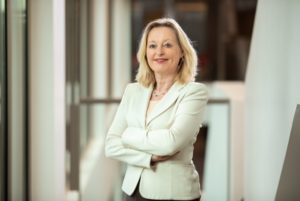
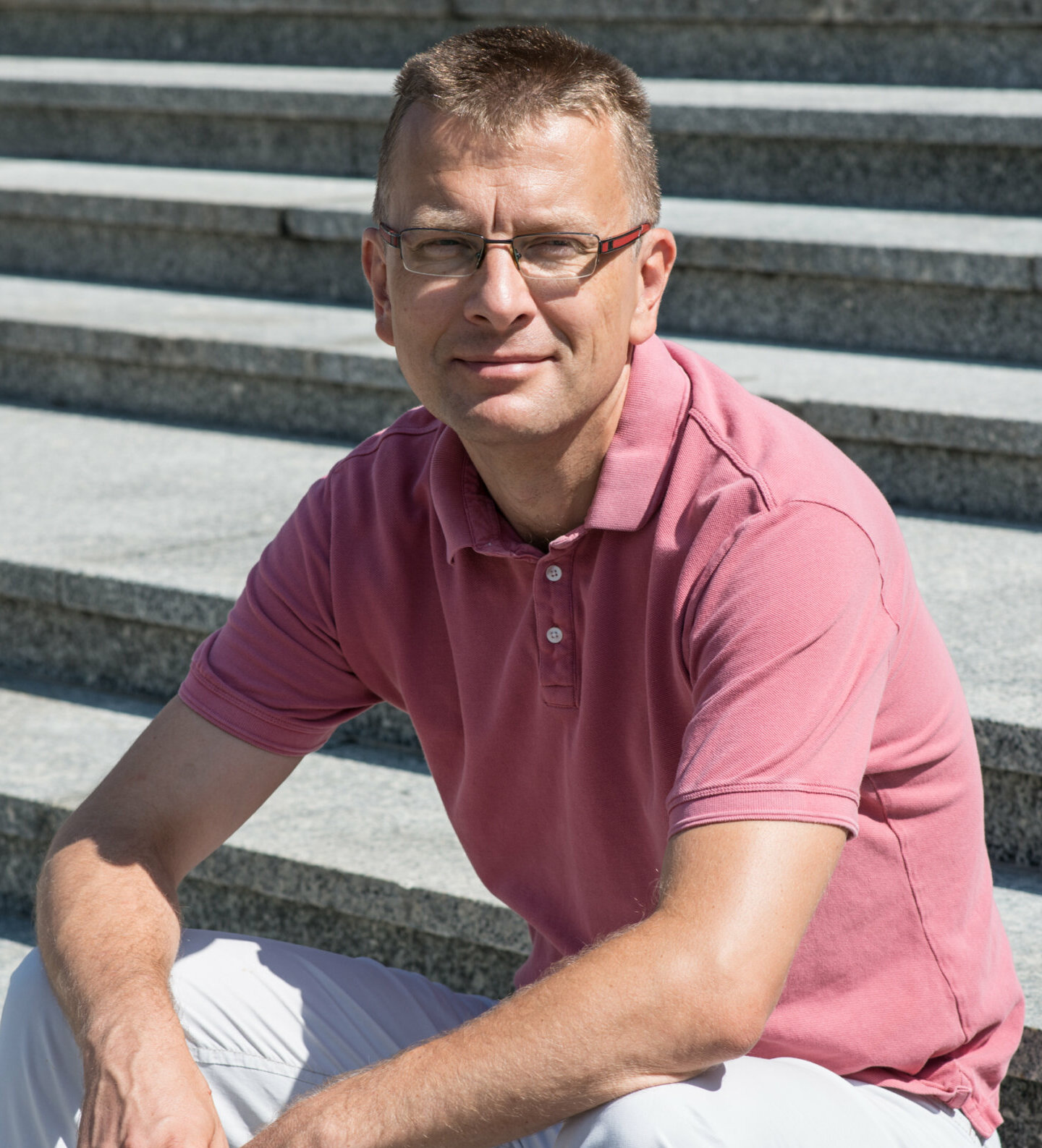
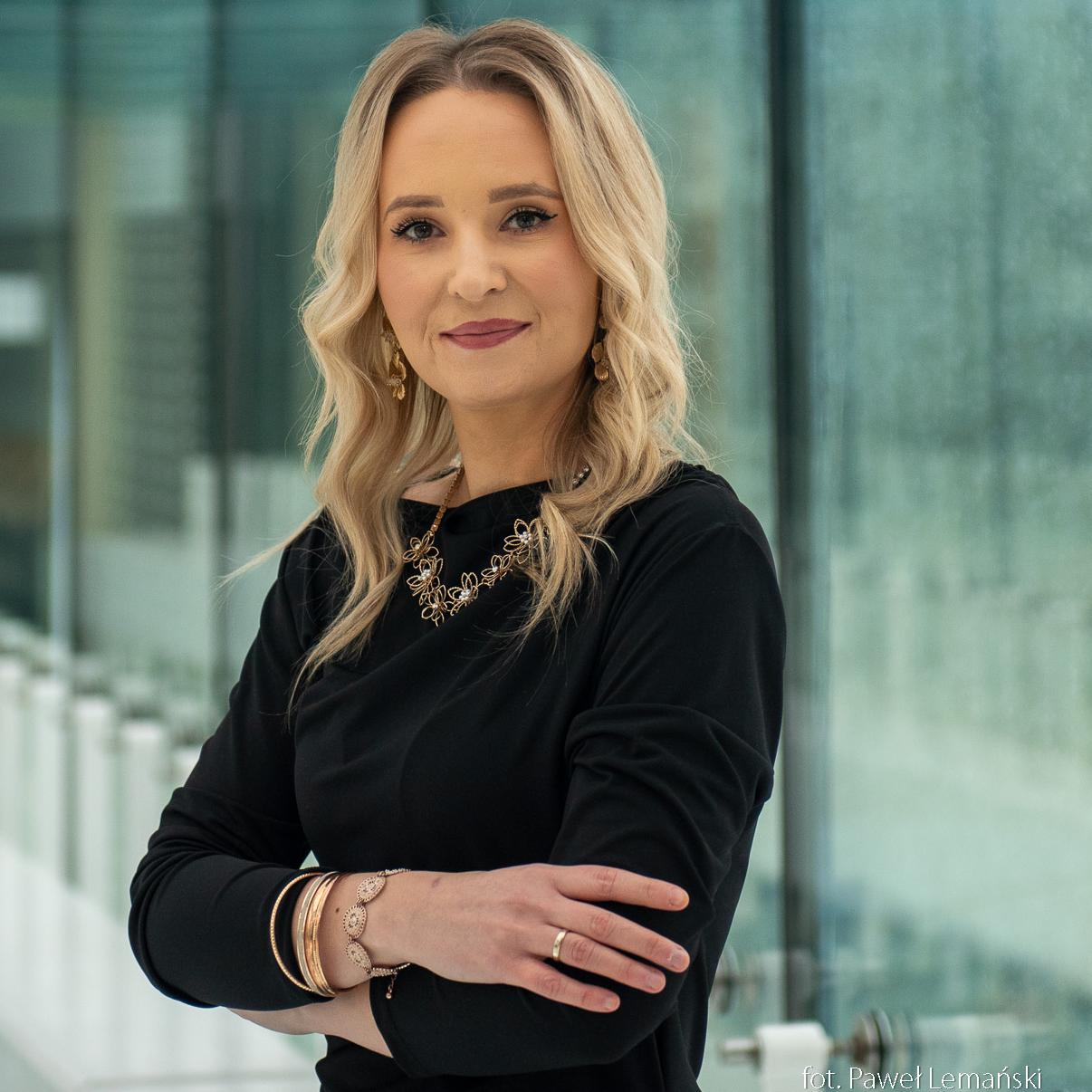
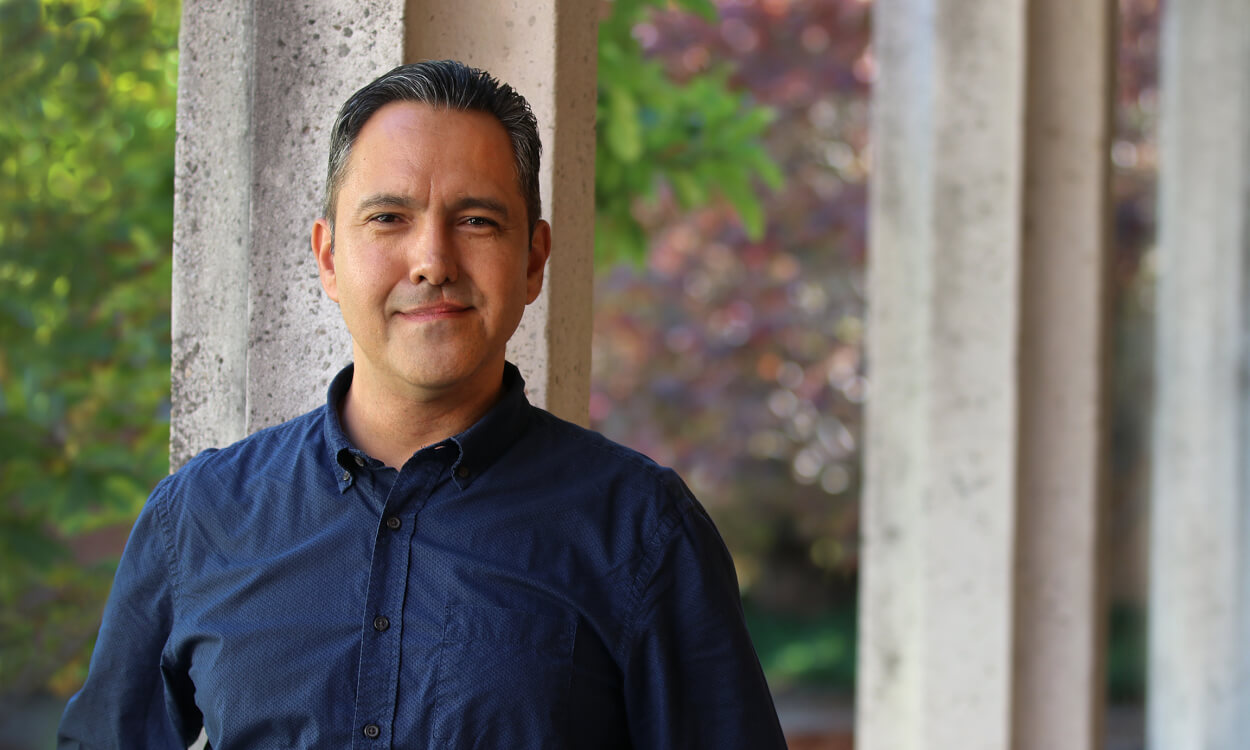
Jet Bussemaker is Professor of Policy, Science and Societal Impact at Leiden University Medical Center and Faculty of Governance and Global Affairs. Her interdisciplinary work bridges health policy, administrative science, and equity frameworks, drawing on ministerial experience in Education/Culture and Public Health. Research examines capability approaches in healthcare, intersectional health disparities, and informal/formal care integration. Publications address creative governance solutions for complex societal challenges in healthcare systems. Current leadership includes chairing the Council for Public Health & Society. The book 'Ministerie van Verbeelding' analyzes political ideals in governance practice.
Erin Black is an Assistant Professor in the Department of Earth and Environmental Sciences at the University of Rochester. She earned her PhD from the Massachusetts Institute of Technology and Woods Hole Oceanographic Institution. Her research focuses on marine carbon cycling, particularly the biological carbon pump, using isotope geochemistry and uranium-thorium series radionuclides. Her group investigates mechanisms controlling carbon export in the Arctic, iron availability in global oceans, and manganese scavenging in the Pacific. Dr. Black is constructing a radioisotope facility at UR with alpha, beta, and gamma counting capabilities, primarily for analyzing uranium-thorium decay series isotopes. This lab supports collaborations involving short-lived cosmogenic isotopes (e.g., beryllium-7) and anthropogenic radionuclides (e.g., cesium, plutonium). Her work bridges geochemical analysis with climate modeling, aiming to improve predictions of oceanic carbon sequestration under modern climate change. Key research themes include: 1) Arctic Ocean biogeochemistry and mercury export fluxes, 2) trace metal cycling (iron, cadmium, cobalt) in the Southeast Pacific, and 3) hydrothermal scavenging dynamics in the South Pacific. Recent studies have explored dust-derived iron delivery to high-nitrate low-chlorophyll regions and the role of hydrogen sulfide in trace metal sequestration. Notable collaborations include the GEOTRACES program, Arctic Ocean expeditions, and Pacific Basin radioisotope analyses. Her lab’s multidisciplinary approach integrates field measurements, laboratory isotope analyses, and numerical modeling to address critical questions in marine biogeochemistry.
Tiffany-Rose Sikorski is an Associate Professor in the Department of Curriculum and Pedagogy at the Graduate School of Education and Human Development, The George Washington University, with a courtesy appointment in the Department of Physics. She is a leading researcher in science education, focusing on how learners construct coherent scientific understanding through collaborative reasoning and discourse. Ph.D., Curriculum and Instruction (Science Education), University of Maryland, College Park M.A.T., Secondary Education (Physics), Boston University B.A., Physics and Astronomy, Boston University Her research centers on coherence seeking —the process by which learners build connections between ideas and resolve inconsistencies in science. This framework informs the design of assessments, curricula, and learning progressions that support authentic scientific inquiry. She emphasizes asset-based approaches that recognize and build on learners' diverse capabilities. Her recent publications span informal science education, teacher development, physics education, and engineering education. Key themes include museum-based learning, limiting case analysis in physics, social innovation in engineering, and equity-oriented pedagogy. Her work often bridges theory and practice, aiming to transform classroom and informal learning environments. Morton A. Bender Teaching Award Member, GW Academy of Distinguished Teachers Dr. Sikorski has secured over $5 million in research funding, including NSF-supported projects on STEM teacher preparation in high-need schools and service-learning in engineering education. She advises graduate students in curriculum and instruction and has developed programs such as the GW Learning Assistant Program. Her professional service includes peer review for top journals in the field and leadership in national education initiatives. She is actively involved in interdisciplinary research teams focused on improving science and engineering education across K-12, higher education, and informal settings. Her lab and collaborative networks emphasize innovation, equity, and civic engagement in STEM.
Giuseppe Pellegrini Masini is an Associate Professor in the Department of Teacher Education at NTNU, part of the Faculty of Social and Educational Sciences. His research focuses on environmental sociology, energy justice, and the social dimensions of sustainable energy systems. He holds a PhD from Heriot-Watt University (UK) and has held academic positions in Italy, the UK, and Norway. His work emphasizes community engagement in renewable energy projects, equitable energy policies, and interdisciplinary research frameworks. Affiliations : NTNU, ENEA (Italy), and multiple EU-funded projects (ACCTING, SMARTEES, ENTRANCES). Education : PhD in Social Science from Heriot-Watt University (2017), prior academic credentials in environmental studies. His research interests include energy communities, public acceptance of renewable energy, energy poverty, and climate justice. Notable contributions include his 2020 monograph Wind Power and Public Engagement , cited in IPCC reports. He has authored over 50 peer-reviewed articles and contributed to policy reports for the EU Commission and EERA. Key projects involve analyzing barriers to energy equality, designing just energy transition frameworks, and evaluating community ownership models for wind energy. His work bridges social science theory with practical policy solutions, emphasizing interdisciplinary collaboration.
Dr May Hu is an Associate Professor of Finance at RMIT University's School of Economics, Finance and Marketing. She holds a PhD in Finance from Monash University (2015). Her research focuses on banking and corporate finance, including banking competition, ownership structures, corporate cash holdings, stock market liquidity, and policy uncertainty. She has also contributed to studies on digital transformation, AI in mobility, and sustainability in information systems. Dr Hu's work bridges financial theory and practical challenges, with notable contributions to understanding financial inclusion through meta-analysis and exploring AI's role in urban mobility ecosystems. She has secured competitive grants and won best paper awards at international conferences. Her recent studies address space cybersecurity, fintech ecosystems in Africa, and MaaS adoption through behavioral and digital platform analyses. Education: PhD in Finance (Monash University, 2015) Research Themes: Banking Efficiency, Policy Uncertainty, Digital Skills Frameworks, AI in Transportation Awards: Best Paper Awards (various conferences), Academic/Industry Grants Her research emphasizes interdisciplinary approaches, combining finance, technology, and policy. Recent articles highlight innovation in mobility ecosystems, fintech evolution in Africa, and digital adaptability for small businesses.
Dr Andrew Pressey is a Reader in Marketing and Deputy Head of the Department of Marketing at the University of Birmingham's Birmingham Business School. He has held previous leadership roles including Head of Department (2012–2015) and Research Director, and has academic experience at the University of East Anglia and Lancaster University Management School. His research focuses on three interconnected areas: business-to-business marketing, the intersection of marketing and competition law/antitrust, and consumer behavior in virtual worlds. His recent work has expanded into ethical issues in service contexts, including deceptive practices in tourism and digital addiction. His 15 most recent publications reflect a strong interdisciplinary approach, combining marketing with psychology, law, and information systems. Key themes include dark tourism, smartphone 'zombie' behavior, service worker deception, and network learning in B2B contexts, demonstrating a trend toward understanding consumer and organizational behavior in complex, ethically charged environments. Emerald Management Reviews Citation of Excellence British Academy of Marketing Award (Dublin, 2005) British Academy of Marketing Award (Southampton, 2012) Forum on Service Award (Capri, 2009) Reviewer of the Year (2014), Journal of Historical Research in Marketing Andrew Pressey has secured research funding from the British Academy and Nottingham SPARK. He supervises PhD students, including Fredah Mwiti, and plays a significant role in academic service as Associate Editor of the Journal of Marketing Management and on editorial boards of Industrial Marketing Management and Journal of Historical Research in Marketing . He is also active in the British Academy of Marketing, serving as Deputy Chair of the B2B track. He is affiliated with the ESRC Centre for Competition Policy and has collaborated extensively with colleagues there on antitrust-related research.
Piotr Maciej Majewski is a Professor at the Faculty of History, University of Warsaw, where he is affiliated with the Department of 20th Century History. His academic career has been deeply rooted in the institution, earning his PhD in 2000 and habilitation in 2008, before being appointed full professor in 2020. His research focuses on the modern history of Central and Eastern Europe, particularly Czechoslovakia and Czech-German relations in the 20th century. He also explores the foreign policy of the People’s Republic of Poland, forced migrations, and the contemporary politics of memory. His work bridges academic and public history, having served as Deputy Director of the World War II Museum in Gdańsk from 2009 to 2017, where he played a key role in developing the museum’s core exhibition. His publications reveal a sustained interest in diplomatic and military crises preceding World War II, especially the 1938 crisis surrounding Czechoslovakia’s defense options. These works demonstrate a transnational approach, drawing on Polish, Czech, and German sources to analyze decision-making and strategic choices during pivotal moments in European history. While no formal list of awards or students is provided, his scholarly output and institutional leadership indicate a significant contribution to historical research and public engagement with the past. He has been involved in major historical projects, most notably the World War II Museum in Gdańsk, where his leadership helped shape a national narrative on the war’s origins and consequences. His interdisciplinary methodology combines political, military, and cultural history to understand the complexities of 20th-century Europe.
Dr. Kinga Karpińska is an Assistant Professor at the Department of Political Economy within the Faculty of Economics and Finance at the University of Białystok. Her research focuses on innovation economics, structural employment changes, and R&D sector dynamics. She has conducted extensive studies on innovation drivers in industries like confectionery, regional development in Podlaskie Voivodeship, and university-business cooperation models across Europe. Key areas include analyzing the impact of technological investments on labor markets and evaluating the efficiency of R&D expenditures in Poland and the EU. Her work bridges theoretical economic frameworks with practical policy recommendations, emphasizing the interplay between innovation, institutional frameworks, and socioeconomic outcomes. Notable contributions include comparative analyses of innovation barriers in SMEs and the role of patent legislation in fostering technological sovereignty. Kinga Karpińska’s research often employs advanced methodologies like Data Envelopment Analysis (DEA) and integrates statistical data from regional and EU-level sources. Her interdisciplinary approach addresses contemporary challenges such as post-pandemic innovation resilience, energy crisis impacts, and the digital revolution’s influence on organizational learning.
Javier Gonzalez-Sanchez is an Assistant Professor in the Department of Computer Science and Software Engineering at the College of Engineering, California Polytechnic State University (Cal Poly). His work bridges software engineering and human-computer interaction, focusing on creating intelligent systems capable of understanding and responding to human emotions and cognitive states. His research interests lie at the intersection of affective computing, software engineering, and interactive technologies. He aims to develop adaptive systems that enhance user experiences in education, healthcare, manufacturing, and entertainment by leveraging physiological signals such as brain activity, eye movements, and biometric data. His approach involves using cutting-edge tools including brain-computer interfaces, eye-tracking devices, and virtual/augmented reality platforms. The absence of publication data prevents detailed analysis of article trends; however, his research direction suggests strong interdisciplinary engagement with psychology, education, and health sciences. He actively involves students in hands-on research, blending teaching with innovation. Javier contributes significantly to diversity, equity, and inclusion through participation in programs such as the Learning Aligned Employment Program (LEAP), Engineering Possibilities in College (EPIC), and the Summer Undergraduate Research Program (SURP). He also supports K-12 outreach in partner schools through robotics and computational thinking initiatives funded by the Office of University Diversity and Inclusion. Additionally, he mentors Hispanic undergraduate students pursuing graduate education through the Society of Hispanic Professional Engineers (SHPE). He is involved in grant-funded projects aimed at expanding educational pipelines for underrepresented communities. While specific grants are not listed, his engagement with university diversity grants and outreach programs highlights his commitment to inclusive engineering education. Javier leads or participates in research teams focused on empathetic computing and intelligent tutoring systems, though specific lab names or team structures are not mentioned in the text.
Haizhong Wang is a Professor in the Department of Civil and Construction Engineering at Oregon State University, affiliated with the College of Engineering. He holds a Ph.D. in Civil Engineering from the University of Massachusetts Amherst (2010), an M.S. in Applied Mathematics from the same institution (2010), and earlier degrees from Beijing University of Technology and Hebei University of Technology in China. His research focuses on transportation systems, disaster resilience, and intelligent infrastructure solutions. Education: Ph.D., Civil Engineering, UMass Amherst, 2010 M.S., Applied Mathematics, UMass Amherst, 2010 M.S., Civil Engineering, Beijing University of Technology, 2006 B.S., Civil Engineering, Hebei University of Technology, 2003 Dr. Wang's research integrates traffic flow modeling, agent-based systems, and interdisciplinary approaches to address challenges in emergency evacuation logistics, autonomous vehicle impacts, and climate-resilient infrastructure. He explores topics such as tsunami preparedness, wildfire evacuation behavior, and optimization of electric vehicle networks. His work emphasizes data-driven methodologies for enhancing transportation safety, efficiency, and disaster response capabilities. Recent studies highlight his contributions to understanding evacuation decision-making under time-critical scenarios, optimizing multi-modal transportation networks, and assessing infrastructure vulnerability to cascading disasters. Collaborative projects include developing frameworks for cooperative logistics systems and interdisciplinary models linking natural, built, and social systems for community resilience. His grants and collaborations focus on disaster preparedness, smart work zones, and connected vehicle technologies. He advises on transportation safety and serves on research initiatives addressing climate adaptation and emergency management. Current efforts include refining agent-based models for vertical evacuation strategies and evaluating the societal impacts of automated vehicles on urban mobility.
Professor Sharon Todd is a Professor of Education at Maynooth University since 2014, affiliated with the School of Education within the Faculty of Social Sciences. Previously, she held a professorship at Stockholm University (2004–2014), focusing on Internationalisation and Interculturalism. Her interdisciplinary work bridges humanities and social sciences, emphasizing concrete societal change through education. Key research interests include embodied pedagogy, ethics in education, climate education, and aesthetic-sensory learning. Education: B.A. in Art History (McGill University, 1987) Dip.Ed. in Later Childhood Education (Concordia University, 1988) M.A. in Philosophy of Education (Concordia University, 1992) Ph.D. in Humanities (Concordia University, 1996) Research Focus: Todd’s work explores the intersection of education with cultural diversity, ethics, and environmental challenges. She advocates for pedagogies rooted in embodied experience, sensory engagement, and relational aesthetics. Recent themes include climate sorrow, intercultural dialogue, and reimagining educational practices beyond instrumentalism. Publications: Her scholarship spans peer-reviewed journals, edited volumes, and special issues. Notable contributions address topics like touch in pedagogy, climate emergency education, and the ethics of educational transformation. Over 50 scholarly outputs since 2001 reflect her commitment to interdisciplinary inquiry. Advising & Grants: While specific grant details are not listed, Todd’s extensive editorial work (e.g., special journal issues, book chapters) underscores her leadership in shaping educational discourse. No student advisees are explicitly named in the provided texts. Labs/Teams: Not explicitly detailed, but her research collaborations (e.g., with Marit Hoveid, Elin Langmann) suggest involvement in transnational educational networks.
Susan Anyango Oginah is a Postdoctoral Researcher at the Department of Environmental and Resource Engineering, Technical University of Denmark (DTU), specializing in quantitative sustainability assessment with focus on life cycle assessment and ecotoxicity modeling. Her work directly contributes to UN Sustainable Development Goals for life below water and life on land. She earned her PhD from DTU in February 2024 with the dissertation "Integrated risk assessment: from exposure through AOPs to ecosystem services" under primary supervision of Professor Peter Fantke, with co-supervision from Michael Zwicky Hauschild, Leo Posthuma, and Ratka Vokurkova. Dr. Oginah's research centers on developing advanced methodologies for environmental impact assessment, particularly in chemical pollution and biodiversity loss. Her expertise spans freshwater and terrestrial ecotoxicity, species sensitivity distributions, and in silico prediction models integrated within life cycle assessment frameworks. She pioneers approaches linking chemical exposure pathways to ecosystem service impacts through adverse outcome pathways (AOPs). Analysis of her recent publications reveals a strong trajectory in advancing chemical impact characterization methods, with emphasis on high-throughput screening of thousands of chemicals, mixture toxicity modeling, and empirical validation of biodiversity loss predictions. Her work bridges laboratory toxicity data with real-world ecosystem impacts, significantly enhancing life cycle impact assessment's predictive capabilities for chemical pollution. Dr. Oginah actively contributes to major international research initiatives including TerraChem (2023-2026) as Co-Investigator focusing on terrestrial biodiversity assessment, UNEP-GLAM (2013-2028) developing global life cycle assessment guidance, and PRORISK (2020-2024) addressing environmental risk assessment under global change. These projects involve collaboration with leading institutions across Europe and Thailand. As a core member of DTU's Quantitative Sustainability Assessment research group, she develops decision-support tools for sustainable production systems and participates in SETAC Europe working groups advancing chemical risk assessment methodologies for policy applications.
Lukasz (Luke) Ziarek serves as Associate Dean for Academic Affairs and Associate Professor in the Department of Computer Science and Engineering at the University at Buffalo's School of Engineering and Applied Sciences. His work bridges theoretical computer science with practical systems engineering, focusing on real-time capabilities in distributed environments and safety-critical applications. His educational foundation includes a PhD in Computer Science from Purdue University (2011) and a BS in Computer Science from the University of Chicago (2003). Ziarek's research centers on formal verification of distributed protocols , real-time systems engineering , and mobile/embedded computing . He pioneers session type theory for IoT security, develops real-time variants of Android (RTDroid) and Standard ML (RTML), and investigates UAV software reliability. His work consistently addresses the tension between theoretical guarantees and practical system constraints in concurrency, timing, and security. Recent publications (2022-2025) reveal three dominant trajectories: formal methods for rate-based session types in IoT protocols, performance analysis of visual SLAM systems for robotics, and security vulnerabilities in embedded platforms like ARM TrustZone. These threads converge on ensuring correctness and timeliness in resource-constrained distributed systems. His scientific accolades include the IEEE Region One Technological Innovation Award (2023) and NSF CAREER Award (2018), reflecting dual excellence in research and education. IEEE Region One Technological Innovation (Academic) Award, 2023 President Emeritus and Mrs. Meyerson Award for Distinguished Undergraduate Teaching and Mentoring, 2022 NSF CAREER Award, 2018 SEAS Early Career Teacher of the Year, 2016 Halstead Award for Outstanding Research in Software Engineering, 2009 Intel Fellowship, 2008 GAANN Fellowship, 2004 Ziarek directs significant research initiatives including a $900K NSF UAV infrastructure project (as PI) and a $1.7M MRI grant for connected vehicle testing. His funding portfolio spans real-time systems, compiler design, and pocket-scale data management, emphasizing collaborative, interdisciplinary approaches to software reliability. CRI:CI-New UAV Infrastructure ($900K, PI 31%) NSF CAREER: Real-time Object-Oriented Systems ($500K, PI 100%) MRI: iCAVE2 Vehicle Testing ($1.7M, co-PI 14%) III: Just-in-Time Data Structures ($499K, co-PI 50%) II-EN: MLton Compiler Research ($606K, PI 63%) He leads an open-source ecosystem including RTDroid (real-time Android), Multi-MLton (parallel SML compiler), and BlueSeal (Android security analyzer), fostering community-driven advances in systems software.
Mohsen Khadem serves as a Reader in Robotics at the School of Informatics, University of Edinburgh, where he directs the Surgical and Interventional Robotics Group. He holds dual affiliations with the Institute for Perception, Action and Behaviour and the Center for Inflammation Research and the Institute of Regeneration and Repair. As a UKRI Future Leaders Fellow, his work bridges engineering and clinical medicine through the development of advanced robotic systems for surgical interventions. His research focuses on continuum robotics with primary applications in surgical and interventional robotics. Key areas include surgical robotics and image-guided therapies, computer vision and medical image processing, mechanics-based modeling and simulation, and applications of control theory in robotics. Khadem's approach emphasizes solving clinical problems first, working closely with surgeons to develop appropriate robotic solutions, whether new hardware designs or novel algorithms. His recent publications demonstrate a strong trajectory toward medical robotics applications, particularly in bronchoscopy navigation and surgical skill assessment. The work combines computer vision techniques with robotic control systems to address clinical challenges in minimally invasive procedures, showing increasing sophistication in both image processing and robotic manipulation capabilities. UKRI Future Leaders Fellow Khadem actively supervises multiple PhD students including Balint Thamo (focusing on concentric tube robots), Emile Makute (specializing in machine learning for continuum robots), Alex Adams (working on spectroscopy for cancer diagnosis), and Zhaoxing Deng (researching surgical skill assessment). His major projects include leading the Cyber-Physical System for Unified Diagnosis and Treatment of Lung Diseases and participating in the EPSRC-funded MicroTex research hub. Based at the Bayes Centre and IRR South facilities, Khadem's Surgical and Interventional Robotics Group operates as a cross-institutional research team with strong connections to clinical partners. The lab focuses on developing therapeutic and diagnostic robotic instruments through close collaboration with surgeons and clinicians to identify optimal solutions for specific medical challenges.
Jean Gabin Ntebutse is a Professor at the Faculty of Education , Université de Sherbrooke , with a focus on pedagogical methods , learning and development , and digital competence in education . He has held leadership roles including Director of the Bachelor's Program in Secondary Education (2025–present) and Director of the Center for Studies and Research on Transitions and Learning (CÉRTA) (2019–2023). Ph.D. in Education (2009), Université de Sherbrooke Postdoctoral Certificate (2010), Université du Québec à Montréal Master of Arts in Education (2003), Université de Sherbrooke Licence in Psychology (1997), Université de Sherbrooke Diplôme des Candidatures (1994) His research explores digital equity , sociocritical approaches to education , and school resilience , particularly in marginalized contexts. Recent projects include grants from the Fonds de recherche du Québec - Société et culture (FRQSC) and the Canadian Social Sciences and Humanities Research Council (SSHRC) for studies on digitally excluded populations and digital agripreneurship for refugee resilience . Scientific awards include the 50th Anniversary Medal , African Excellence Merit , and Immigrant Merit Recognition (REMI) . He has supervised numerous grants and chairs, including the Quebec Chaire-réseau on Youth Education (2018–2025) and the CSRS Chair on Student Engagement (2017–2022). His work bridges digital technology and educational justice , emphasizing critical perspectives on inequality and holistic teacher training .