Prof. Dr.-Ing. Achim Kampker is a faculty member at RWTH Aachen University , serving as the Chair of Production Engineering of E-Mobility Components and Head of Battery Technology & Life Cycle . He is affiliated with the Production Engineering Laboratory (PEM) at Bohr 12, Aachen (52072). Kampker specializes in production engineering, battery technology, and electric mobility, with a focus on sustainable manufacturing systems, fuel cell applications, and life cycle assessment of energy storage solutions. His work integrates Industry 4.0 principles into factory planning and production data science. His research themes include: Battery manufacturing optimization, recycling, and supply chain resilience Electric motor design and thermal management systems Simulation-based process control and defect detection in production Data-driven approaches to second-life battery applications Recent publications analyze fuel cell truck economics, solid-state battery modeling, sodium-ion recycling challenges, and AI applications in battery production. He has contributed to standardization efforts in battery manufacturing and explores dynamic capability frameworks for electric mobility solutions. Contact: a.kampker@pem.rwth-aachen.de
Assoc. Prof. PhD Petya Tsoneva Ivanova is a distinguished academic at the Department of English and American Studies within the Faculty of Modern Languages at St. Cyril and St. Methodius University of Veliko Tarnovo. With extensive scholarly contributions spanning migration studies, postcolonial literature, and creative writing, she maintains active research collaborations through 2025 in projects focused on translation studies, literary reception, and student integration into research initiatives. Her research interests concentrate on migration and border crossing phenomena as reflected in literary responses, Middle Eastern studies, colonial and postcolonial literatures, modern French and contemporary English/Anglophone literature, alongside poetry translation and creative writing. This interdisciplinary approach bridges cultural studies, comparative literature, and translation theory, with particular attention to Bulgarian literary representation in global contexts. Analysis of her recent publications reveals a consistent trajectory exploring border studies, migration narratives, and postcolonial perspectives across English and Bulgarian literary traditions. Her scholarly output demonstrates growing engagement with eco-translation concepts, theatrical adaptations of colonial literature, and the complex interplay between national identity and diaspora experiences in contemporary writing. Dr. Ivanova actively participates in multiple research projects including "Integration of Students and Doctoral Candidates into Research Initiatives," "Intercultural Dialogues: Translation and Literary Reception" (as team leader), and ongoing editorial work with the VTU Review: Studies in the Humanities and Social Sciences. Her project involvement spans curriculum development, international conference organization, and fostering student research capabilities.
Daniel Plesch is a Professor in the Department of Politics and International Studies at SOAS University of London, where he has established himself as a leading scholar on United Nations history, international law, and global governance. His academic career spans multiple decades with continuous scholarly output from 2005 through 2024, demonstrating sustained engagement with critical issues in international relations. His research interests focus on the historical development of international institutions, particularly the United Nations system, with specialized expertise in war crimes prosecution, disarmament frameworks, and the intersection of gender with international peace and security. Plesch's scholarly approach combines archival research with contemporary policy analysis, bridging historical understanding with current global challenges. His publication record reveals a consistent trajectory examining the evolution of international legal frameworks, from his 2017 monograph Human Rights After Hitler: The Lost History of Prosecuting Axis War Crimes to the 2021 edited volume Women and the UN: A New History of Women's International Human Rights , and continuing with 2024 research on gender approaches to disarmament. This body of work demonstrates thematic continuity while adapting to evolving global governance challenges. Plesch has supervised doctoral research at SOAS, including recent theses on UN executive leadership and Britain's role in UN creation, indicating active mentorship of the next generation of international relations scholars. His REF 2021 impact case studies document how his historical research has informed contemporary policy discussions on war crimes, global feminism, and disarmament.
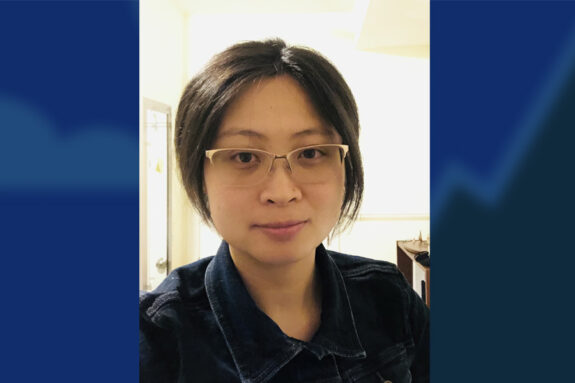
Wanying Kang is an Assistant Professor of Earth and Planetary Sciences at the Massachusetts Institute of Technology (MIT), where she holds the Homer A. Burnell Career Development Professorship. She joined the Department of Earth, Atmospheric and Planetary Sciences (EAPS) faculty in 2022 after serving as an EAPS Lorenz-Houghton Distinguished Postdoctoral Fellow working with John Marshall and Sara Seager. Dr. Kang's research focuses on geophysical fluid dynamics of planetary atmospheres and oceans, with particular interest in: Icy ocean worlds like Saturn's Enceladus and Titan Terrestrial exoplanets and their climate systems Lava worlds and their atmospheric dynamics Planetary climate evolution and habitability Her work applies climate science tools developed for Earth to address planetary science questions, with the goal of understanding planetary habitability and potential biosignature detection. She uses theoretical approaches and numerical modeling to investigate atmospheric and oceanic dynamics on Earth and other planetary bodies, with implications for understanding ancient conditions on Earth and other planets. Dr. Kang is preparing for next-generation observational capabilities that will provide more detailed data on exoplanets, aiming to identify observable consequences through her numerical simulations. Her notable scientific achievements include: Homer A. Burnell Career Development Professor EAPS Lorenz-Houghton Distinguished Postdoctoral Fellowship Dr. Kang collaborates with researchers across multiple disciplines to advance our understanding of planetary climates. Her publication record demonstrates expertise in icy moon dynamics, exoplanet atmospheric escape, and polar phenomena. She maintains an active research presence through publications in high-impact journals and contributes to the scientific community through her work with the MIT-WHOI Joint Program. Her research bridges Earth science and planetary science, creating new opportunities for cross-disciplinary investigation of climate systems across the universe.
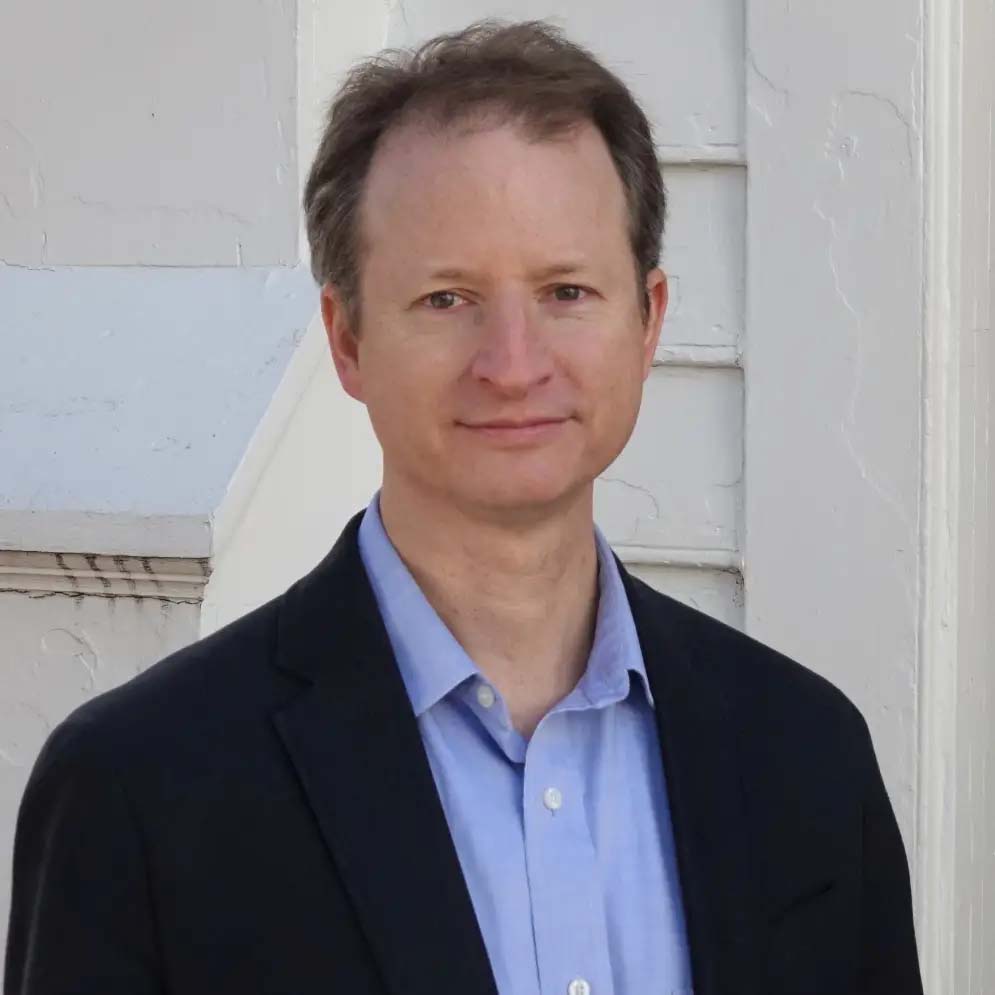
Kevin W. Linderman is a Professor and Department Chair in the Department of Supply Chain & Information Systems at Pennsylvania State University's Smeal College of Business. Previously, he held the Curtis L. Carlson Professorship at the University of Minnesota's Carlson School of Management. He holds a Ph.D. in Operations Research/Operations Management from Case Western Reserve University (1998), along with MS degrees in Management Science (Case Western Reserve, 1996) and Mathematics (Miami University, 1989), and a BA in Mathematics/Philosophy from Minnesota State University Moorhead (1987). His research focuses on process improvement methodologies (e.g., Six Sigma, Lean), environmental management, innovation, and supply chain resilience. He collaborates with prominent firms like 3M, Cargill, and Alibaba through NSF grants and case studies. His work has been published in top journals such as Management Science , Manufacturing & Service Operations , and Production and Operations Management . Key Awards: 2020 Decision Science Journal Top 10 Scholar 2016 Academy of Management Operations Management Scholar Award Multiple Carlson School of Management Research Awards Teaching & Mentorship: Notable for the 2018 Supply Chain Teaching Award (student-nominated) and co-advising doctoral dissertations recognized by the Elwood S. Buffa Award. Grants & Industry Partnerships: NSF-funded projects with 3M, Cargill, and others, focusing on operational efficiency and sustainability. Linderman's research bridges academia and practice, emphasizing actionable insights for organizational challenges. His recent work explores post-M&A supply chain strategies, metacognitive approaches to innovation, and telehealth adoption dynamics.
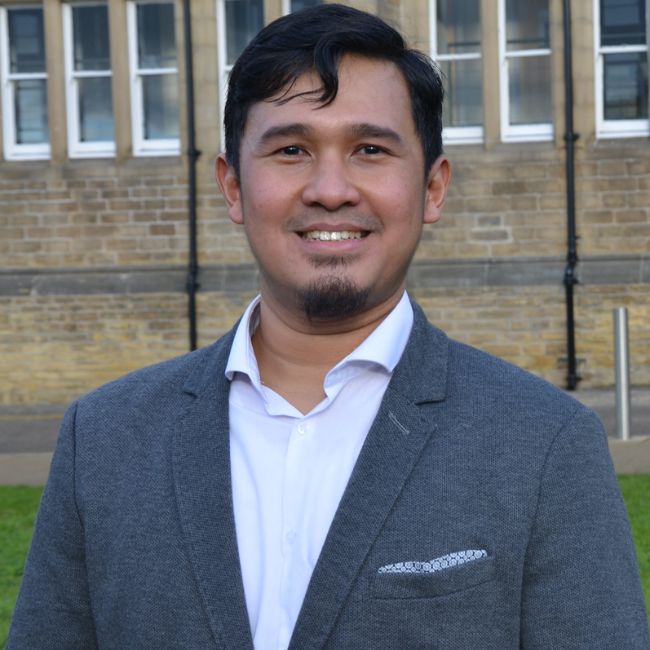
Dr. Muhammad Anindita is a Lecturer in Business, Management, and People at Sheffield Business School (Sheffield Hallam University), affiliated with the Social and Economic Research Institute. He holds a PhD in Entrepreneurship from Sheffield University Management School and an MBA from Leeds University Business School. His expertise spans strategic management, entrepreneurship, and SME internationalisation. Previously, he served as Senior Business Analyst at a major South-East Asian energy firm, advising on corporate strategy. Teaching focuses on MBA and undergraduate programs, including modules like Strategic Management and Contemporary Business. Research emphasizes SME resilience, internationalisation strategies, and institutional impacts on small businesses. Methodologically, he employs mixed-method approaches. Professional memberships include AMBA, BAM, and ISBE. Key research trends show a focus on institutional asymmetries in emerging markets, resilience mechanisms for SMEs, and policy implications for SME internationalisation. Collaborates with academics and practitioners in the UK and Southeast Asia. Currently supervises DBA student Nayla Shamas. Labs/teams: Active in the Social and Economic Research Institute, exploring socio-economic dynamics affecting small businesses.
Vasanth Sarathy is a Research Assistant Professor of Computer Science at Tufts University, specializing in the intersection of Artificial Intelligence and Natural Language Processing. His work combines neuro-symbolic machine learning techniques with social and cognitive sciences to develop socially-competent and safe AI systems. Education: Ph.D. in Computer Science and Cognitive Science, Tufts University (2020) Juris Doctor (J.D.), Boston University School of Law (2010) M.S. in Electrical Engineering and Computer Science, MIT (2005) B.S. in Electrical Engineering, University of Arkansas (2003) His research spans three interconnected themes: Social NLP, Reasoning with Social Norms, and Sense-making and Problem-Solving. Through Social NLP, he develops computational methods to uncover patterns in human social behavior using qualitative texts. His work on Reasoning with Social Norms focuses on building AI architectures that can understand and apply social norms in reasoning and language interpretation. His Sense-making research explores how humans and AI systems simplify complex worlds for efficient problem-solving. His recent publications demonstrate a growing trend toward integrating Large Language Models with symbolic reasoning for more trustworthy AI. His work spans applications including automated writing assistance, intelligent tutoring, fact-checking, social media content moderation, and embodied social robots. His research shows particular strength in developing methods that combine neural and symbolic approaches to address complex social reasoning tasks that neither approach could solve alone. Previously, Dr. Sarathy worked as a Senior Researcher of AI at Smart Information Flow Technologies, collaborating with the U.S. Department of Defense and Intelligence Community. Before his AI career, he practiced intellectual property law at Ropes and Gray for nearly a decade. His unique interdisciplinary background bridges technology, law, and cognitive science. He advises students in AI, NLP, and cognitive systems, with research supported by grants from DARPA and other government agencies. His work has applications in human-robot interaction, social media analysis, and educational technologies. Outside academia, he creates single-panel cartoons, practices martial arts, plays chess, and designs puzzle video games. His interdisciplinary journey from law to AI has been featured in a BU Law article.
John Nicholson is a Professor of Strategy at the Huddersfield Business School , part of the University of Huddersfield. He serves as Head of the Department of Management and is a Member of the Northern Productivity Hub. His career includes roles as a Lecturer at Hull University and a Reader in Strategic Management at Sheffield Hallam University. Research Interests: Focus on business-to-business strategy, industrial marketing, and economic geography. Key areas include SME internationalization, innovation ecosystems, and emerging markets such as Vietnam, Pakistan, Nigeria, China, Libya, and Egypt. He explores topics like recombinant innovation in peripheral regions and the interplay between local and international business strategies. Research Trends in Articles: Recent work emphasizes value co-creation in international education, innovation ecosystems in B2B contexts, and dynamic capabilities in open business models. His studies often bridge theory and practice, addressing practical challenges in SMEs and emerging economies. Grants & Supervision: Actively supervises PhD students and has led projects on entrepreneurial ecosystems, open innovation, and internationalization processes. His work contributes to UN Sustainable Development Goals related to sustainable cities, responsible consumption, and economic growth. Labs/Teams: Collaborates with interdisciplinary teams on projects like the Northern Productivity Hub, focusing on regional economic development and strategic partnerships.
Dr. Bin Zhang is an Associate Professor in the Department of Electrical Engineering at the Molinaroli College of Engineering and Computing, University of South Carolina. With over 20 years of experience in prognostics and health management, intelligent systems and control, and robotics, he has established himself as a leading researcher in battery management systems, power electronics, and fault-tolerant control systems. Dr. Zhang's educational background includes: Ph.D. in Electrical Engineering from Nanyang Technological University, Singapore M.E. in Mechanical Engineering from Nanjing University of Science and Technology, China B.E. in Mechanical Engineering from Nanjing University of Science and Technology, China His research focuses on active approaches to achieve intelligent smart systems with self-situational-awareness and self-adapting capabilities. Primary interests include prognostics and health management (PHM), which covers fault detection and isolation, failure prognosis, and fault tolerance; robotics and unmanned systems; intelligent systems and control; and dynamic systems design, modeling, simulation and control. His work integrates physics-based models with data-driven techniques and computational intelligence, including pattern recognition and machine learning. Analysis of Dr. Zhang's recent publications reveals a strong emphasis on battery modeling (particularly lithium-ion batteries), power electronics control (including fractional order delay and virtual variable sampling techniques), and deep learning methods (including graph neural networks, deep residual convolutional neural networks, and deep belief networks). His research spans multiple application domains including power grids, batteries, aircraft, helicopters, and manned/unmanned vehicles. Dr. Zhang serves as Associate Editor for prestigious journals including IEEE Transactions on Industrial Electronics, IEEE Transactions on Systems, Man, and Cybernetics: Systems, and Neurocomputing. He is a Senior Member of IEEE and a member of ASME. As director of the Resilient Systems Laboratory, Dr. Zhang advises numerous graduate students working on cutting-edge research in battery technology, power cable insulation, and control systems. His lab is equipped with advanced facilities including an 8-channel ARBIN BT-Smart battery testing system, power electronics control systems, cable/wire testing systems, rotating machinery testing systems, and unmanned vehicles including quadrotors and hexacopters.
Dr. Salihu Ibrahim Dasuki serves as a Senior Lecturer in Business Information Systems at Manchester Metropolitan University Business School within the School of Operations, Technology, Events and Hospitality Management. His research critically examines digital technology's socioeconomic impacts in developing regions with emphasis on Nigeria and Saudi Arabia. Educational Background: PhD in Information Systems, Brunel University, London MSc in Information Systems Management, Brunel University, London BSc (First Class) in Information Technology, Eastern Mediterranean University, North Cyprus His scholarly work applies the capability approach to investigate how ICT interventions affect marginalized communities, particularly focusing on gender empowerment, social inclusion of internally displaced persons, and digital governance. Methodologically, he combines qualitative frameworks with critical theory to analyze technology's role in human development across African and Middle Eastern contexts. Recent publications (2020-2025) demonstrate concentrated expertise in ICT4D, revealing mobile technology's transformative potential in humanitarian crises, women's political participation through m-government, and emergency education systems. His research consistently bridges theoretical rigor with practical development frameworks. Dr. Dasuki has secured significant research funding including: Solar Power Home for Gender Inclusion in Nigeria (2021-2022, £8,000) Mobile Phones for Social Inclusion of Internal Displaced Persons in Nigeria (2019-2021, £800) Financial Sustainability of Nigerian Higher Education (2019-2020, £12,000) Mobile Phones and Social Integration of IDPs in Nigeria (2018-2019, £15,000) As a Senior Fellow of the Higher Education Academy, he teaches Strategy Enterprise Information Systems and Business Intelligence courses while supervising doctoral research on ICT for development in resource-constrained environments.
Zara Whysall is Associate Professor of Business Psychology at Nottingham Business School, Nottingham Trent University. A Chartered Psychologist with over twenty years of consultancy experience, her research examines talent management, organisational culture transformation, and presenteeism. She currently serves as Research & Impact Director at Kiddy & Partners and has led multiple Knowledge Transfer Partnerships focused on organisational growth. Research focuses on: Organisational behavior and sustainable culture change Presenteeism decision-making and health/performance optimization Leadership development in changing environments Diversity management implementation challenges Whysall's extensive publication record includes influential studies on UK organisational culture patterns, presenteeism biases, and SME transformation frameworks. Her 2024 research reveals significant mismatches between organizational policies and employee behaviors in UK workplaces.
Ryan K. Smith is a Professor of History at Virginia Commonwealth University specializing in U.S. History, Material Culture, and Historic Preservation. He holds a Ph.D. in American Civilization from the University of Delaware and an M.A. in History from the College of William and Mary. His research focuses on American religious history, public history projects like historic lighthouse restoration, and the cultural significance of burial grounds through race-based lenses. Education: Ph.D. in American Civilization, University of Delaware M.A. in History, College of William and Mary Research Interests: Material culture analysis of Shaker furniture and antebellum architecture Urban cemetery preservation and Confederate memory reclamation Interdisciplinary approaches to historic landscapes (e.g., body-snatching landscapes) Architectural biography of Founding Fathers like Robert Morris Anti-Catholicism's impact on 19th-century church design Notable Projects: "Death and Rebirth in a Southern City" (2020) – Richmond burial grounds study "Robert Morris's Folly" (2014) – Revolutionary-era architectural failures Public history collaborations with institutions like the Library of Virginia and Winterthur Museum Student Collaboration: Website development for Richmond cemeteries project involving undergraduates Co-author of digital project "The Judah Will" with students
James Young is a Professor in the Department of Computer Science at the University of Manitoba, within the Faculty of Science. He holds a PhD and specializes in Human-Computer Interaction (HCI) and Human-Robot Interaction (HRI). His work focuses on designing socially intelligent robots, trust calibration in HRI, and ethical implications of robotic systems. He leads the HCI Lab, collaborating closely with Japanese robotics researchers, and has pioneered projects like the SnuggleBot companion robot and frameworks for robot capability labeling. Education: PhD in Computer Science Research interests include social robotics, teleoperation systems, and human-robot collaboration. He has explored applications in mental health support, disability inclusion, and cultural reconciliation through virtual reality. His lab emphasizes interdisciplinary approaches, combining engineering, psychology, and design principles. Current research includes designing anti-bullying interventions using robots, privacy-friendly robot interfaces, and exploring the societal impact of AI systems. He actively mentors graduate students in HCI and robotics, with funding opportunities for exceptional candidates. His work has been showcased in venues like HRI conferences and ACM publications, emphasizing both technical innovation and ethical considerations. Collaborations extend to international partnerships and industry applications in healthcare and education.
Dr. Andrea Werner is an Associate Professor of Business Ethics at Middlesex University's Faculty of Business and Law, based in the Strategy, Leadership & Operations Department. She has been with the university since 2008 and co-leads the cross-disciplinary Business Ethics, Accountability and Governance research cluster. Her work focuses on business ethics in SMEs, the Living Wage, sustainable fashion entrepreneurship, and corporate governance. Prior to her academic role, she worked as a Researcher at the Institute of Business Ethics in London. Teaching responsibilities include leading and tutoring the MGT3023 Business Ethics and MGT4804 Cross-cultural Management and Ethics modules. She actively supervises doctoral research, with completed projects including Simon Dwight's study on homelessness charities and Hermann Högel's analysis of German cooperative banks. Current supervision includes Safia Minney’s work on public policy and Mike Kelly's research on justice administration reforms. Research interests span ethics in SMEs, sustainable fashion innovation, and cross-national CSR dynamics. Her publications explore topics like Living Wage implementation in hospitality and social care sectors, circular economy strategies in fashion enterprises, and stakeholder management in global value chains. Andrea’s lab teams and collaborations emphasize interdisciplinary approaches to business ethics, fostering connections between academic research and real-world ethical challenges in contemporary industries.
Thomas Grisold is an Assistant Professor of Organizational Design and Business Process Management at the Institute of Information Systems (IWI-HSG) within the University of St. Gallen. His research focuses on process dynamics , business process management , routine dynamics , and computational theorizing . He explores how organizations adapt to continuous change through innovative approaches like process mining, digital trace data analysis, and unlearning frameworks. His work bridges theory and practice, addressing challenges in digital transformation, human-AI collaboration, and organizational agility. Research Themes: Process Mining for sense-making and organizational decision-making Design theory for human-AI ecologies Unlearning mechanisms to enable organizational innovation Managing emergent dynamics in digital ventures Metaverse implications for virtual organizing Recent contributions include frameworks for process mining context analysis, guardrails for human-AI systems, and typologies of organizational unlearning. His work emphasizes interdisciplinary approaches to study socio-technical change and digital infrastructure evolution. Teaching & Engagement: Develops curricula integrating business process management with routine dynamics. Involved in workshops like the 1st International Workshop on Business Process Management and Routine Dynamics (BPM&RD 2021) . Advises practitioners on leveraging process mining capabilities and agile BPM strategies.