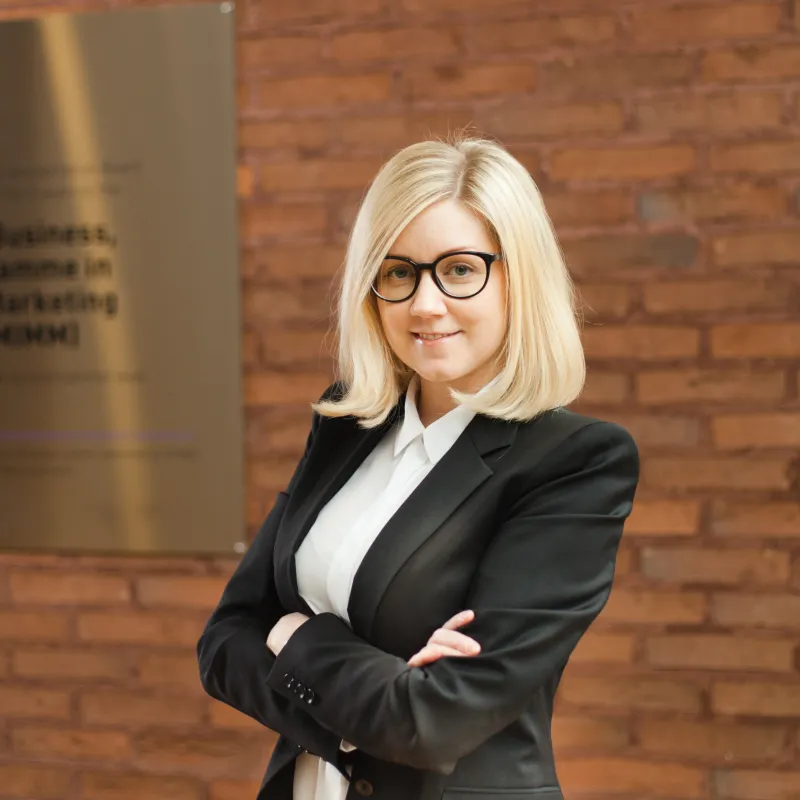
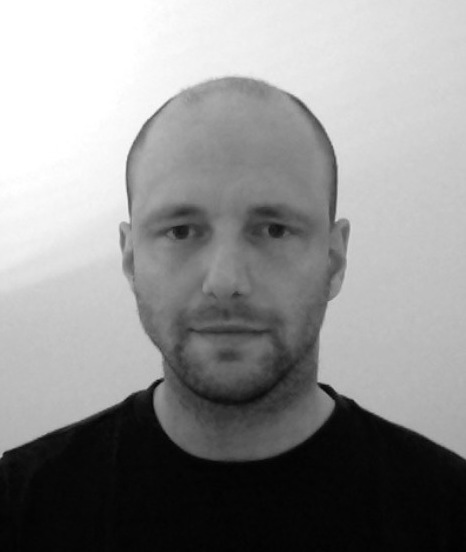
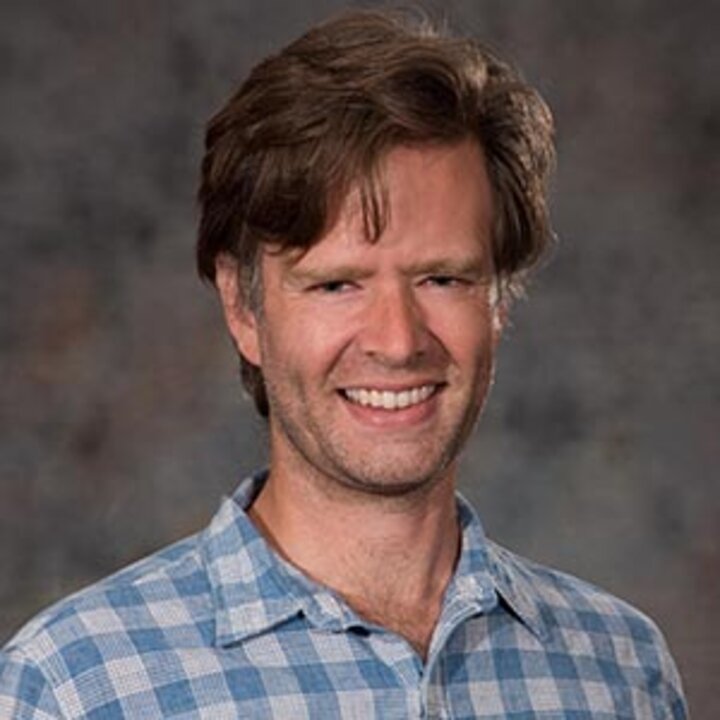
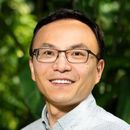
Xin Zhao is an Associate Professor at the Fluid Dynamics Division within the Department of Mechanics and Maritime Sciences at Chalmers University of Technology. His research focuses on multidisciplinary design and analysis of aircraft propulsion systems and air traffic management, including conventional, hybrid, electric, and hydrogen propulsion systems, aviation noise and emissions modeling, and thermal management systems for aero engine applications. Dr. Zhao's primary research interests include: Advanced propulsion technologies for sustainable aviation Noise prediction and abatement techniques Flight procedure optimization using meteorological data Boundary layer ingestion aerodynamics Environmental impact assessment of aviation systems Thermal management in aero engines His recent publications demonstrate a strong focus on sustainable aviation solutions, with emphasis on noise reduction techniques, flight procedure optimization, and hybrid-electric propulsion systems. The research consistently addresses both theoretical modeling and practical applications in aircraft design and operations. Dr. Zhao leads and contributes to numerous research projects funded by the European Commission, Swedish Transport Administration, and Swedish Energy Agency, including: HOPE (2023-2027): Hydrogen Optimized multi-fuel Propulsion system NEFAT (2023-2025): Noise Exposure in Future Air Traffic IMOTHEP (2020-2023): Hybrid Electric Propulsion technologies SUBLIME (2019-2022): Boundary Layer Ingesting Model Experiment STATMET (2019-2022): Statistical Meteorological database for flight procedures
Jan Kaslin is a researcher at Life Sciences University specializing in zebrafish models to investigate neural regeneration, spinal cord injury recovery, and related biological processes. With a publication record spanning from 2016 to 2021, Dr. Kaslin's work focuses on understanding the mechanisms of neuronal circuit regeneration and functional recovery following injury. Dr. Kaslin's research interests center around zebrafish biology as a model system for studying human neurological conditions. Key areas include neural regeneration mechanisms, inflammation responses in neural repair, precursor neuron migration, spinal cord injury recovery, and molecular pathobiology of genetic disorders like Sanfilippo syndrome. The research employs advanced molecular and cellular techniques to unravel the complex processes underlying neural circuit formation and repair. Analysis of Dr. Kaslin's publications reveals a clear research trajectory focused on leveraging zebrafish's remarkable regenerative capabilities to understand neural repair mechanisms. The work spans developmental biology, neural regeneration, and disease modeling, with particular emphasis on how inflammation triggers precursor neuron migration to facilitate circuit regeneration. This research has significant implications for developing therapeutic approaches for spinal cord injuries and neurodegenerative conditions. Dr. Kaslin actively collaborates with researchers across multiple institutions, as evidenced by the co-authorship patterns in publications. The research has garnered substantial attention in the scientific community, with multiple papers receiving significant citation counts and media coverage. Current work appears focused on translating findings from zebrafish models to potential applications in human neural repair and regeneration. Dr. Kaslin's laboratory likely focuses on zebrafish neurobiology and regeneration, utilizing this powerful model organism to investigate fundamental questions about neural circuit formation, injury response, and repair mechanisms. The research program integrates molecular biology, genetics, and behavioral analysis to provide comprehensive insights into neural regeneration processes.
Heidi Olander is a Researcher at LUT University's School of Economics in Lahti, Finland, specializing in organizational dynamics within knowledge-intensive work environments. Her academic profile centers on the intersection of human behavior, strategic management, and technological innovation, with documented research spanning from 2007 to 2025. Her research interests focus on three core domains: Organizational Behavior and Human Resources Management (examining psychological factors like locus of control and social competence), Strategy and management (analyzing competitive dynamics in digital ecosystems), and Technology and innovation management (investigating knowledge worker innovativeness and digital transformation challenges). She particularly explores how individual traits—including creativity, resilience, and self-efficacy—drive entrepreneurial intentions and innovation outcomes in contemporary workplaces. Analysis of her publication trajectory (2016-2025) reveals consistent thematic evolution toward digital work arrangements, with increasing emphasis on pandemic-era remote work tensions, platform economy dynamics, and the psychological foundations of knowledge worker performance. Her methodological approach combines empirical studies of subjective worker perspectives with organizational performance metrics, often highlighting contradictions in knowledge management practices. No scientific awards were documented in the source materials. While her publications indicate extensive collaboration in knowledge management research, the provided information does not specify formal student supervision or grant funding details. Her work demonstrates strong institutional alignment with LUT University's focus on technological innovation and business ecosystem dynamics.
Victor BALEDENT is an Assistant Professor in the Department of Physics at Paris-Saclay University. His research focuses on experimental solid-state physics, particularly quantum materials where strongly correlated electrons produce remarkable properties. He is based at the Solid State Physics Laboratory (Laboratoire de Physique des Solides) and maintains affiliations with the SOLEIL synchrotron (GALAXIES beamline) and the Léon Brillouin Laboratory at CEA Saclay. His research interests center on the coexistence and competition of multiple orders in quantum materials, encompassing metal-insulator transitions (Mott physics), unconventional superconductivity, frustrated magnetism, and multiferroics. He employs advanced experimental techniques including X-ray scattering (XRD, XAS, XES, and RIXS), neutron scattering (diffraction, INS), and infrared and Raman spectroscopy under extreme conditions of low temperature, high pressure, and high magnetic fields. His work spans several key material systems: RMn 2 O 5 multiferroics, BaM 2 X 3 quasi-1D systems, gold nanoparticles under pressure, and clay structures under pressure. Dr. BALEDENT has developed specialized X-ray diffraction capabilities for high-pressure and low-temperature measurements on both powders and single crystals. His publication record shows consistent output in top journals with recent work focusing on spin states under extreme pressure, magnetic interactions in complex materials, and structural transformations in nanoscale systems. The publications demonstrate a strong emphasis on materials characterization under non-ambient conditions and reveal patterns connecting structural changes to electronic and magnetic properties. He actively mentors PhD students working on diverse projects including orbital imaging in quantum materials, magnetism in Kagome materials, spin ladder superconductors, and spectroscopy of frustrated systems. His teaching portfolio includes condensed matter physics courses at multiple levels, covering structural and electronic properties of solids, quantum solid-state physics, and crystallography. Dr. BALEDENT is involved in research infrastructure development, having contributed to the GALAXIES beamline at SOLEIL synchrotron. His experimental approach bridges fundamental physics with potential applications in novel electronic and magnetic materials, with particular emphasis on understanding how extreme conditions can tune material properties and reveal new physical phenomena.
Professor Catherine Manathunga is a historian and Professor of Education Research at the University of the Sunshine Coast (UniSC), where she co-directs the Indigenous and Transcultural Research Centre. With over 30 years of experience in Australian and Aotearoa New Zealand universities, she specializes in decolonial and transcultural approaches to doctoral education, academic identity, and the history of international student programs, particularly the Colombo Plan. Her work bridges historical, sociological, and cultural studies to reimagine higher education through Indigenous knowledge systems. Education: BA (First Class Hons), PhD (History) from The University of Queensland; Postgraduate Certificate in Higher Education from Queensland University of Technology. Her research interrogates neoliberalism in academia, focusing on transcultural supervision pedagogies , epistemic justice , and decolonization of curricula . Collaborative projects span South Africa, China, and South America, emphasizing First Nations and CALD community engagement. She employs postcolonial and poststructural frameworks to address systemic inequities. Recent publications analyze power dynamics in water governance , multilingual doctoral education , and resisting neoliberalism through collegial practices . Her work also explores time mapping as a method to integrate Indigenous and non-Indigenous temporal philosophies into doctoral pedagogy. Scientific Awards: Australian National Carrick Institute Award (2006), AAUT Award (2004), UQ Awards for Enhancing Student Learning (2005, 2004), Promoting Women Fellowship (2004), Irish Studies Scholarship (1992), United Nations Graduate Study Program (1992), Irish Studies Prize (1989). Grants: Australian Research Council Discovery Project (2021-2024), DFAT Australia-China Council (2018-2021), Ako Aotearoa (NZ), HERDSA, and industry partnerships. She supervises doctoral students in transcultural and Indigenous education, including Annette Dupont (2025), Lisa McIlwain (2024), and Kairen Call (2024). Her leadership roles include Chair of the Community of Associate Deans of Research in Education (2021-2024) and advisory contributions to educational reform.
Ruth Fielding is Associate Professor of Languages and TESOL Education at Monash University's School of Curriculum Teaching & Inclusive Education. She specializes in multilingualism, language education, and identity studies, with a focus on intercultural approaches and bilingual program development. Current Chief Investigator for 'Voices from the Margins: Linguistic Discrimination in Higher Education' (SSHRC-funded, 2025-2030) Lead ARC Discovery project 'Teacher Capabilities in Superdiversity' (2021-2025) Founded Bilingualism Matters @Monash Education (2023) Her research has appeared in International Journal of Bilingual Education , Foreign Language Annals , and multiple edited volumes. Key publications include: Multilingualism in the Australian Suburbs (Springer, 2015) Multilingualism, Identity and Interculturality in Education (Springer, 2022) Teacher Education for Content-Language Integration (Multilingual Matters, 2024) Scientific awards include: Michael Clyne Prize for best bilingualism thesis (2010) ALAA Travel Scholarship (2007) University Postgraduate Award (2008) Trevor Miller Memorial Fund Scholarship (2008) Excellence in Teaching Award (2011) Professional engagements: CLIL Theme Co-Leader, Research in Primary Languages Network (2020–) Consultant for AITSL, NSW Department of Education, and French Embassy
Prof. Dr.-Ing. Achim Kampker is a faculty member at RWTH Aachen University , serving as the Chair of Production Engineering of E-Mobility Components and Head of Battery Technology & Life Cycle . He is affiliated with the Production Engineering Laboratory (PEM) at Bohr 12, Aachen (52072). Kampker specializes in production engineering, battery technology, and electric mobility, with a focus on sustainable manufacturing systems, fuel cell applications, and life cycle assessment of energy storage solutions. His work integrates Industry 4.0 principles into factory planning and production data science. His research themes include: Battery manufacturing optimization, recycling, and supply chain resilience Electric motor design and thermal management systems Simulation-based process control and defect detection in production Data-driven approaches to second-life battery applications Recent publications analyze fuel cell truck economics, solid-state battery modeling, sodium-ion recycling challenges, and AI applications in battery production. He has contributed to standardization efforts in battery manufacturing and explores dynamic capability frameworks for electric mobility solutions. Contact: a.kampker@pem.rwth-aachen.de
Assoc. Prof. PhD Petya Tsoneva Ivanova is a distinguished academic at the Department of English and American Studies within the Faculty of Modern Languages at St. Cyril and St. Methodius University of Veliko Tarnovo. With extensive scholarly contributions spanning migration studies, postcolonial literature, and creative writing, she maintains active research collaborations through 2025 in projects focused on translation studies, literary reception, and student integration into research initiatives. Her research interests concentrate on migration and border crossing phenomena as reflected in literary responses, Middle Eastern studies, colonial and postcolonial literatures, modern French and contemporary English/Anglophone literature, alongside poetry translation and creative writing. This interdisciplinary approach bridges cultural studies, comparative literature, and translation theory, with particular attention to Bulgarian literary representation in global contexts. Analysis of her recent publications reveals a consistent trajectory exploring border studies, migration narratives, and postcolonial perspectives across English and Bulgarian literary traditions. Her scholarly output demonstrates growing engagement with eco-translation concepts, theatrical adaptations of colonial literature, and the complex interplay between national identity and diaspora experiences in contemporary writing. Dr. Ivanova actively participates in multiple research projects including "Integration of Students and Doctoral Candidates into Research Initiatives," "Intercultural Dialogues: Translation and Literary Reception" (as team leader), and ongoing editorial work with the VTU Review: Studies in the Humanities and Social Sciences. Her project involvement spans curriculum development, international conference organization, and fostering student research capabilities.
Daniel Plesch is a Professor in the Department of Politics and International Studies at SOAS University of London, where he has established himself as a leading scholar on United Nations history, international law, and global governance. His academic career spans multiple decades with continuous scholarly output from 2005 through 2024, demonstrating sustained engagement with critical issues in international relations. His research interests focus on the historical development of international institutions, particularly the United Nations system, with specialized expertise in war crimes prosecution, disarmament frameworks, and the intersection of gender with international peace and security. Plesch's scholarly approach combines archival research with contemporary policy analysis, bridging historical understanding with current global challenges. His publication record reveals a consistent trajectory examining the evolution of international legal frameworks, from his 2017 monograph Human Rights After Hitler: The Lost History of Prosecuting Axis War Crimes to the 2021 edited volume Women and the UN: A New History of Women's International Human Rights , and continuing with 2024 research on gender approaches to disarmament. This body of work demonstrates thematic continuity while adapting to evolving global governance challenges. Plesch has supervised doctoral research at SOAS, including recent theses on UN executive leadership and Britain's role in UN creation, indicating active mentorship of the next generation of international relations scholars. His REF 2021 impact case studies document how his historical research has informed contemporary policy discussions on war crimes, global feminism, and disarmament.
Christopher Gustafson is a Professor in the Department of Agricultural Economics at the University of Nebraska-Lincoln, housed within the College of Agricultural Sciences and Natural Resources (CASNR). His office is located at Filley Hall (FYH) 314A, Lincoln, NE 68583-0922, with contact via phone (402-318-5712) or email (cgustafson6@unl.edu). His research bridges agricultural economics, behavioral science, and public health through rigorous experimental methodologies. Professor Gustafson's work centers on consumer decision-making processes in food and health contexts. He investigates how information exposure, health prompts, and environmental messaging influence nutritional choices, portion size selection, and responses to food fraud. His experimental approach employs economic tools like auctions and discrete choice experiments to quantify behavioral responses, with particular focus on cognitive processes during food selection, pandemic-driven dietary shifts, and interventions for healthier eating. Key themes include information avoidance during health crises, personalized nutrition strategies, and the impact of socioeconomic factors on healthcare access. Analysis of his recent publications (2023-2025) reveals consistent emphasis on experimental validation of behavioral interventions. His research demonstrates how point-of-decision prompts increase attention to health attributes without altering time preferences, how personalized product sets improve dietary choices, and how information framing affects valuation of sustainable products. Methodologically, he combines laboratory experiments with real-world applications, particularly examining honey fraud responses, plant-based meat adoption, and pandemic-related consumption changes through causal inference frameworks. No scientific awards were mentioned in the provided text. The provided documentation contains no details regarding Professor Gustafson's student advising activities or grant funding history. His professional focus appears centered on experimental research design and publication rather than mentorship documentation in the available materials. While specific laboratory facilities aren't described, his research methodology consistently employs experimental economics techniques including incentivized choice tasks, discrete choice experiments, and cognitive process tracking. This suggests involvement with behavioral economics labs capable of conducting controlled food choice experiments, though no named research teams or collaborative groups are specified in the source material.
Prof. Lynne Y NAKANO is a Professor and Chair of the Department of Japanese Studies at The Chinese University of Hong Kong. She also serves as Co-Director of the Gender Research Centre at the Hong Kong Institute of Asia Pacific Studies and Guest Professor at Osaka University. Ph.D. in Anthropology, Yale University (1998) MPhil in Anthropology, Yale University BA from Carleton College Her research examines contemporary Japanese society with a focus on gender , family structures , marriage trends , and disability/special education . She conducts comparative ethnographic studies across East Asian societies. Recent publications analyze cross-cultural patterns of single women's autonomy , marriage markets , and financial literacy programs . Her work bridges social theory with practical applications, including the launch of the WEFL Ambassador Programme. Faculty of Arts Outstanding Teaching Award (2022) Vice Chancellor’s Exemplary Teaching Award nomination (2022) Exemplary Teaching Award in General Education (2007-2008) She actively contributes to academic leadership as Councillor-Elect for the Society for East Asian Anthropology (2025-2027).
Simon Werrett is Professor of the History of Science in the Department of Science and Technology Studies at University College London (UCL), where he has been employed since 2012, first as a Lecturer/Senior Lecturer and then as Professor from 2019 onward. Previously, he was faculty at the University of Washington, Seattle, where he served as Assistant Professor (2002-2009) and Associate Professor (2009-2012) in the History Department. Werrett's educational background includes: Doctor of Philosophy from University of Cambridge (2000) Master of Philosophy from University of Cambridge (1996) Bachelor of Arts (Honours) from University of Leeds (1994) Professor Werrett's research explores interactions between the arts and sciences from the sixteenth to nineteenth centuries, with particular focus on what he terms "thrifty science" - an experimental approach to natural inquiry that emphasizes re-use, adaptation, repair and exchange. His work spans several key areas including the history of experimentation, material culture studies, environmental history of science, and Russian/Soviet scientific traditions. Werrett has made significant contributions to understanding historical practices of resourcefulness in scientific work, examining how scientists throughout history have creatively managed limited materials. His scholarly output reveals consistent themes across centuries of scientific practice, with particular attention to material economies in experimental settings, the role of repair and maintenance in scientific work, and cross-cultural exchanges in scientific knowledge. Werrett's publications demonstrate expertise in both Western European and Russian scientific traditions, with notable work on fireworks history, exploration voyages, and gendered knowledge production networks. Among his professional recognitions, Werrett received the Paul Bunge Prize in 2020 from the German Chemical Society. He has served as External Examiner at the University of Cambridge's Department of History and Philosophy of Science (2019-2021) and held an editorial role with the British Journal for the History of Science Themes (2017-2022). At UCL, Werrett teaches across History and Philosophy of Science and Science and Technology Studies at both undergraduate and graduate levels. His teaching encompasses the history of science in ancient and early modern worlds, Russian and Soviet science history, and global perspectives on scientific development. With language skills in Russian, French, Spanish, and German, he brings multilingual capabilities to his historical research.
Prof. Dr. Jian Peng is a W3 Professor for Hydrology and Remote Sensing at the University of Leipzig and Head of the Remote Sensing Department at the Helmholtz Centre for Environmental Research (UFZ) since January 2020. He holds a joint appointment between these institutions and serves as Editor-in-Chief of the Geoscience Data Journal for the Royal Meteorological Society. His academic career spans prestigious institutions including the University of Oxford, University of Munich, and the Max Planck Institute for Meteorology. Education: Postgraduate Certificate in Teaching and Learning in Higher Education, University of Oxford (2018-2020) PhD in Earth Science, Max Planck Institute for Meteorology (2010-2013) Professor Peng's research focuses on the intersection of hydrology, remote sensing, and climate science. His work centers on the quantitative extraction of land surface parameters from remote sensing data, assimilation of this data into climate and land surface models, understanding land-atmosphere interactions, and quantifying climate change impacts on water resources. He has particular expertise in estimating high-resolution land surface water and energy fluxes from satellite observations and investigating hydrological and climatic extremes. His research employs both process-based modeling and data-driven approaches to address critical questions in Earth system science. Professor Peng's recent publications (2021-2025) demonstrate a strong focus on soil moisture monitoring, drought assessment, climate extremes, and land-atmosphere interactions. His work increasingly integrates multi-source satellite data with advanced modeling techniques to produce high-resolution environmental datasets. A significant portion of his research addresses the impacts of climate change on water resources and agricultural systems, with particular attention to regional studies in China and global applications. His collaborative approach is evident in the extensive co-authorship networks spanning multiple continents and disciplines. Scientific Awards and Recognition: 2019 Remote Sensing Young Investigator Award, MDPI Featured as 'promising future leader in climate science' by the World Climate Research Programme (WCRP) Professor Peng leads an active research group within the Remote Sensing Department at UFZ, supervising PhD candidates through programs like MoDEV and mentoring early-career researchers. His team has secured funding from major organizations including the EU and the German Research Foundation (DFG). The group maintains strong international collaborations, particularly with institutions in China, the UK, and the US. Current research directions include developing high-resolution environmental monitoring systems, improving drought prediction capabilities, and understanding the complex interactions between climate change, water resources, and ecosystem functioning. Professor Peng's research group, part of the Remote Sensing Department at UFZ, includes researchers such as Daniel Doktor, Almudena García-García, Maximilian Lange, Anne Reichmuth, Andreas Schmidt, Elisabeth Rahmsdorf, Mohammad Hajeb, and Xueying Li. The department is embedded within UFZ's broader research framework focusing on 'Smart Models / Monitoring' and contributes to multiple interdisciplinary research units including Ecosystems of the Future, Water Resources and Environment, and Compound Environmental Risks. The team operates within the Remote Sensing Center for Earth System Research (RSC4Earth), which facilitates cutting-edge Earth observation research.
Álvaro Heredia Lidón serves as an Associate Professor in the Department of Engineering at Universitat Ramon Llull, specializing in Human-Environment Research with a focus on advanced computational methods for medical applications. His academic position bridges engineering, computer science, and clinical research, with particular emphasis on developing accessible diagnostic tools through innovative image analysis techniques. Dr. Heredia Lidón's research centers on the development and application of computer vision and deep learning methodologies for 3D facial biomarker analysis in medical diagnostics. His work addresses critical challenges in rare genetic disorders, particularly Turner syndrome and Down syndrome, through advanced facial phenotyping techniques. He has pioneered approaches for automated 3D landmarking of anatomical structures, orientation detection of head reconstructions, and the extraction of diagnostic biomarkers from various imaging modalities including MRI and smartphone-based 3D reconstructions. His publication portfolio reveals a strong trend toward creating low-cost, accessible diagnostic solutions that can be deployed in resource-limited settings. The research demonstrates significant interdisciplinary collaboration between engineering, genetics, and clinical medicine, with particular focus on translating computational advances into practical clinical applications. His work on multi-view consensus networks and geometric morphometric methodologies represents cutting-edge innovation in the field of medical image analysis. Dr. Heredia Lidón has secured substantial research funding, including serving as Principal Investigator for the FI-2022 Joan Oró grant for predoctoral researcher training (2022-2025) from the Catalan Department of Research and Universities. He is actively involved in multiple collaborative research projects, most notably the BeNeXT project which uses Turner syndrome as a model for developing biomarker-enhanced diagnostic tools for rare disorders. His laboratory work focuses on the Human-Environment Research group at Universitat Ramon Llull, where he collaborates with an extensive interdisciplinary team including medical researchers, geneticists, and computer scientists. This collaborative environment fosters innovation at the intersection of engineering and healthcare, with particular emphasis on making advanced diagnostic capabilities more widely accessible through cost-effective imaging solutions and automated analysis pipelines.
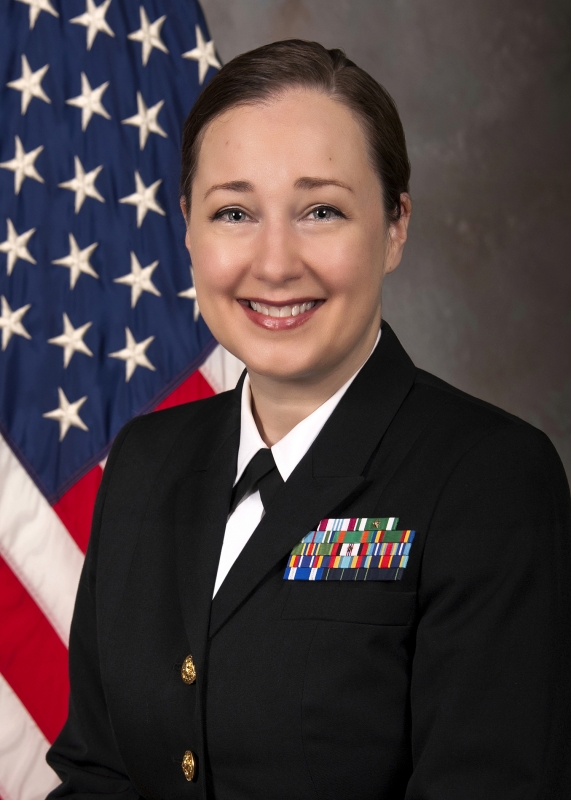
CAPT Tamara J. Worlton, M.D., serves as Professor of Surgery and Director of Global Surgery at the Uniformed Services University of the Health Sciences (USU) School of Medicine, where she also directs Surgical Operations at the Center for Global Health Engagement. A U.S. Navy Captain, she bridges military medical capabilities with civilian global health initiatives to address trauma disparities worldwide. Her educational foundation includes: B.S. in Biology from New Mexico State University M.D. from Uniformed Services University of the Health Sciences General Surgery residency at National Naval Medical Center MIS/Bariatric Fellowship at Cleveland Clinic, Ohio Graduate Certificate in Global Health and Global Health Engagement from USU Worlton's research pioneers military-civilian trauma system integration through the IMPACT Study (Integrated Military Partnerships and Civilian Trauma), focusing on scalable solutions for low-resource settings. Her work spans global surgery capacity building , disaster response innovation , and ethical frameworks for military medical engagements , with field experience across 12+ countries including deployments to Afghanistan, Djibouti, and humanitarian missions aboard USNS Comfort and Mercy. Her recent publications (2020-2024) reveal three critical trends: (1) Systematic analysis of naval hospital ship deployments as models for civilian disaster response, (2) Development of ethical protocols for military-civilian trauma partnerships, and (3) Technology-driven approaches like robotic-assisted surgery to enhance global surgical capacity. These works consistently target trauma system strengthening in Asia, Africa, and the Americas. Her recognition includes: Fulbright Alumni Ambassador (2024) Stepping Strong Innovator Award for IMPACT Study (2022) Fulbright Scholar to Sri Lanka (2022) As co-chair of the American College of Surgeons HOPE Education Committee, Worlton mentors military fellows through Harvard Medical School's Program for Global Surgery and Social Change while securing Fulbright and Stepping Strong grants. Her leadership in the IMPACT Study collaboration drives $1.2M+ in research funding focused on trauma system integration. Current initiatives include expanding the IMPACT model to Southeast Asia and developing standardized curricula for global surgery training in military medical education. She directs USU's Global Surgery Division and leads the IMPACT Study research team, collaborating with Harvard Medical School, the American College of Surgeons, and international partners across 8 countries to implement trauma system improvements through the Center for Global Health Engagement.