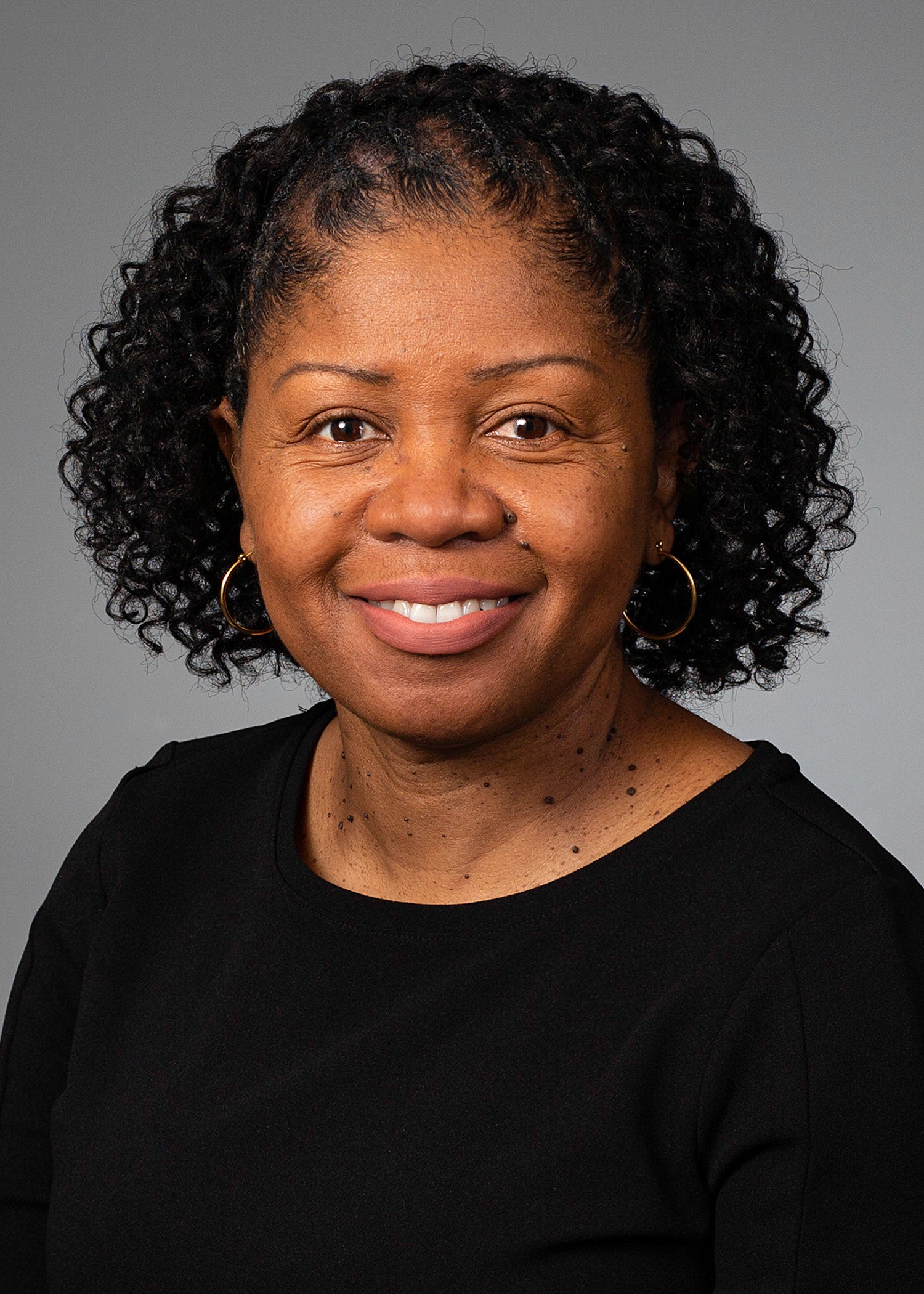
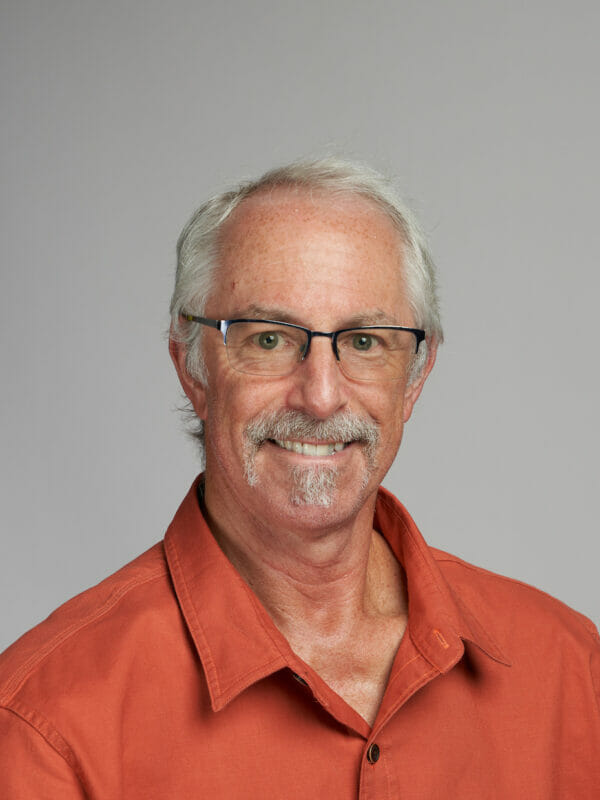
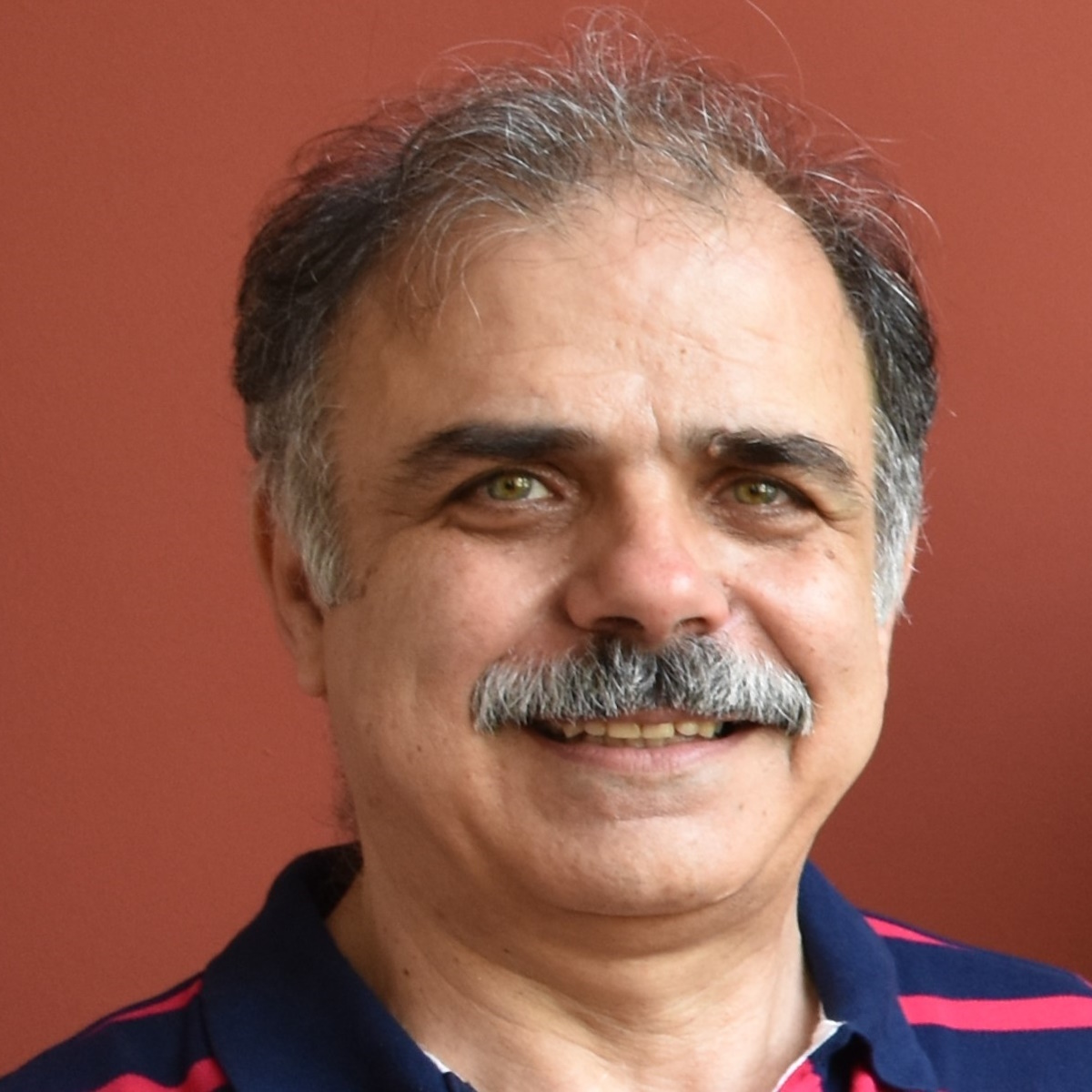
Rukiyah T. Van Dross-Anderson is an Associate Professor and Director of Graduate Programs in the Pharmacology & Toxicology Concentration at East Carolina University's Brody School of Medicine . She holds an Adjunct Professor position in the Department of Chemistry and serves as Advisor for the Summer Biomedical Research Program . Her research focuses on the chemotherapeutic potential of cannabinoids and endocannabinoid metabolites in targeting skin cancer and colorectal cancer through ER stress and oxidative stress pathways. She leads a lab with graduate students, medical students, and research specialists. Education: B.S. in Chemistry, Alabama State University Ph.D. in Molecular and Cellular Pharmacology, Rutgers University/UMDNJ-RWJMS Post-doctoral Fellowship, Vanderbilt-Ingram Cancer Center and University of Kansas Medical Center Her work explores CB1/CB2 receptor-independent mechanisms of endocannabinoids , with a focus on 15dPMJ 2 as a selective antitumor agent. Articles demonstrate its role in DAMP signaling , apoptosis induction , and mitochondrial dysfunction in melanoma and non-melanoma skin cancer. Scientific awards include grants from Golfer’s Against Cancer and East-West Grant . She collaborates with researchers from the Department of Chemistry and Department of Statistics at ECU.
Maria Cascio is a Research Fellow at the University of Aberdeen, currently serving as Senior Equality, Diversity and Inclusion Partner within the Directorate of People. She holds a PhD in Pharmaceutical Chemistry from the University of Fisciano, Salerno, Italy (2006) and has been based at the University of Aberdeen since 2007. Her academic journey includes significant research contributions in cannabinoid pharmacology and medicinal chemistry. PhD in Pharmaceutical Chemistry, 2006, University of Fisciano, Salerno, Italy Master in Chemistry and Pharmaceutical Technologies, 2002, University of Palermo, Italy Maria Cascio's primary research interests lie in the pharmacology and therapeutic potential of plant cannabinoids, with a focus on the endocannabinoid system in health and disease. Her work spans medicinal chemistry, allosteric modulation of cannabinoid receptors, and the development of novel CB1 and CB2 receptor ligands. She also investigates the anti-proliferative effects of omega-3 fatty acids and their derivatives in prostate cancer. Her research combines biochemical, pharmacological, and cell-based assays to characterize cannabinoid activity. Her recent publications reflect a strong trend in methodological development for cannabinoid receptor assays, pharmacological characterization of phytocannabinoids like THCV and CBD, and exploration of their therapeutic applications in inflammation, cancer, and neurological disorders. The work often involves interdisciplinary collaboration and synthetic chemistry approaches to probe receptor mechanisms. Maria Cascio is actively involved in university governance and inclusion initiatives, serving on multiple committees including the University Race Equality Strategy Group, the Equality, Diversity and Inclusion Committee, and as a Social Bias Observer in Promotions Committees. She has supervised both undergraduate and PhD students and has secured research funding from diverse sources including NIDA, NHS Grampian, Tenovus Scotland, and the University of Aberdeen. Her collaborations span institutions in the UK, Italy, and the US, reflecting the international scope of her research. She also contributes to the scientific community as a peer reviewer, book reviewer, and former Guest Associate Editor for Frontiers in Neuropharmacology. Maria Cascio leads and participates in several research teams focused on cannabinoid pharmacology, prostate cancer, diabetic nephropathy, anticonvulsant effects, and analgesia. Her work is supported by internal collaborators such as Dr Iain Brown, Professor Matteo Zanda, and Dr Mirela Delibegovic, and external partners across Europe and the United States.
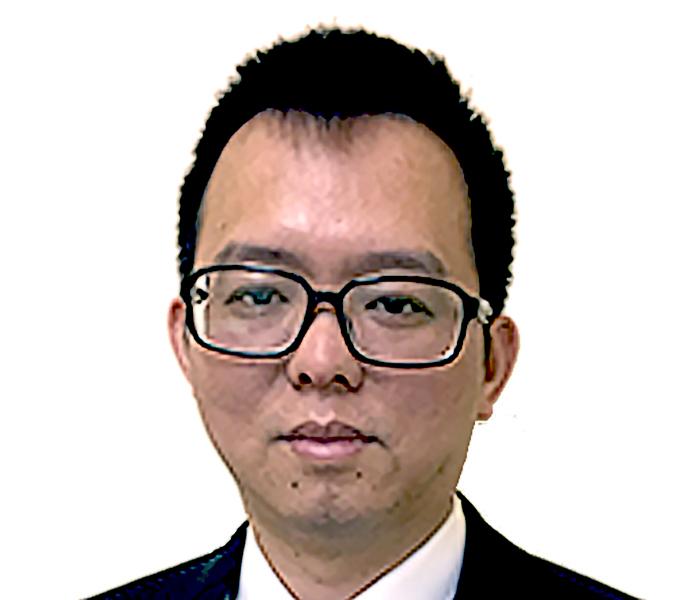
Zhiwei Feng is an Assistant Professor at the School of Pharmacy, University of Pittsburgh , serving as Assistant Director of the Computational Chemical Genomics Screening Center (CCGS). He holds a PhD in Computational Chemistry/Materials from China and completed postdoctoral training at the University of Pittsburgh. With over 20 years of experience in drug discovery tools, his expertise includes computer-aided drug design (13 years), antibody drug discovery (6 years), and virtual reality apps for scientific visualization (7 years). Education: PhD in Computational Chemistry/Materials (2013), China MS and BS in Computer Sciences (2010 and 2007, respectively) Research Focus: AI-driven drug design (antibodies, small molecules) ML/DL-based chemogenomics platforms (e.g., Pain-CKB, Virus-CKB) Targeted therapies for pain, cancer, and stem cell expansion Systems pharmacology and PK/PD modeling His work emphasizes computational tools for drug repurposing, GPCR modulation, and anti-SARS-CoV-2 drug discovery. Key Achievements: Developed IsAb computational antibody design protocol Co-inventor of U.S. Patent 10,899,702 (TRPV1-based pain treatment) Over 65 publications in top journals like Cell , Nature Communications , and ACS Chemical Neuroscience . Lab & Collaborations: CCGS integrates computational and experimental methods for drug discovery Active collaborations in structural biology, systems pharmacology, and clinical data analysis
Prof. Dr. Antonella Di Pizio (born 1984) is an Associate Professor for Chemoinformatics and Protein Modelling at the Department of Molecular Life Sciences within the TUM School of Life Sciences at the Technical University of Munich. Since 2018, she has led the Molecular Modeling group at the Leibniz Institute of Food Systems Biology at TUM in Freising, Germany. Her academic journey includes a PhD in Pharmaceutical Sciences from the University of Chieti, Italy (2012), followed by research at Philipps University in Marburg, Germany, and a postdoc position at the Hebrew University of Jerusalem, Israel. Prof. Di Pizio's research focuses on computational approaches to understanding chemosensory G protein-coupled receptors (GPCRs), particularly taste and smell receptors. Her work combines molecular modeling, chemoinformatics, and structural bioinformatics to investigate the molecular basis of ligand recognition and activation mechanisms. Her group develops predictive models for screening and designing bioactive compounds relevant to food reformulation and therapeutic applications. Analysis of Prof. Di Pizio's publication record reveals a strong focus on bitter taste receptors, particularly TAS2R family members, and odorant receptors. Her research spans computational modeling of receptor-ligand interactions, development of predictive algorithms for taste compound identification, and investigation of the structural basis of chemosensory perception. Recent work demonstrates increasing integration of machine learning approaches with traditional molecular modeling techniques. Scientific Recognition: Leibniz Best Minds Programme for Women Professors (2022) Platinum Manfred Rothe Excellence Award in Flavor Research (2019) Bernardo Nobile doctorate award VIII Edition (2013) Keystone Symposia Future of Science Fund Fellowship (2017) Prof. Di Pizio serves on the editorial board of Frontiers in Molecular Biosciences and is a Working Group Leader and Management Committee member of the ERNEST Cost Action CA18133. She teaches courses including 'Modeling and simulations of Biological Macromolecules' and 'Drug and Protein Design' at TUM. Her Molecular Modeling group collaborates extensively with other research groups at the Leibniz-LSB@TUM on interdisciplinary projects focused on food systems biology. The Molecular Modeling group, established relatively recently at the institute, investigates food-relevant molecules and their interactions using computational tools including molecular docking, molecular dynamics simulations, pharmacophore modeling, QSAR, machine learning, and virtual screening. Their work aims to develop next-generation methodologies for food design that address current challenges in the food system.
Brenda Gannon, Ph.D., is an Assistant Professor in the Department of Pharmacology and Toxicology at the University of Arkansas for Medical Sciences (UAMS), within the College of Medicine. Her research focuses on the abuse-related effects of novel psychoactive substances (NPS), including synthetic cannabinoids, cathinones, and opioids. She also investigates regulatory policy and drug-drug interactions. Dr. Gannon’s work employs behavioral pharmacology techniques such as intravenous self-administration, drug discrimination, and telemetry-based physiological monitoring. Education: Ph.D., Interdisciplinary Toxicology, UAMS (2015) Graduate Certificate in Regulatory Sciences, UAMS (2014) Postdoctoral Fellowship at University of Texas Health Science Center-San Antonio (2015–2018) Research Interests: Dr. Gannon’s research bridges preclinical pharmacology and regulatory science, with emphasis on understanding the neurochemical and behavioral profiles of emerging drugs. Her lab evaluates abuse liability, polypharmacology, and translational strategies for drug development. Key areas include synthetic cathinones, psychedelics, and opioid alternatives. Grant Activity: She serves as Lab Manager (Co-Investigator equivalent) on NIH-funded projects (IDs 15DDHQ24A00000020 and 15DDHQ24A00000027) investigating hallucinogens and stimulants’ abuse potential using in vivo assays. Labs/Teams: Her laboratory focuses on translational drug research, combining behavioral and neurochemical analyses to inform regulatory policy and therapeutic design.
Robert J. Doerksen is Professor of Medicinal Chemistry in the Department of BioMolecular Sciences at the University of Mississippi School of Pharmacy , Associate Dean of the Graduate School , and Research Professor in the Research Institute of Pharmaceutical Sciences . Since 2004 he has combined computational chemistry with experimental collaborations to advance drug discovery, particularly in glycoscience and cannabinoid research. Education: B.S. (Double First Class Honours) in Mathematics & Physics, University of New Brunswick, 1986 Graduate Diploma in Christian Studies, Regent College, Vancouver, 1996 Ph.D. in Chemistry, University of New Brunswick, 1998 (Advisor: Prof. Ajit Thakkar) Postdoctoral Fellow, UC Berkeley (with Prof. Martin Head-Gordon) Postdoctoral Fellow, University of Pennsylvania (with Prof. Michael Klein) Research Interests: Dr. Doerksen’s laboratory develops and applies computational medicinal chemistry approaches spanning chemoinformatics , molecular dynamics , virtual screening , and machine learning to understand how small molecules interact with proteins. Central themes include: Glycoscience : lectin–glycan interactions, glycosyltransferase regulation, glycomimetic design. Cannabinoids : CB1/CB2 receptor allosteric modulation, cannabidiol pharmacology, synthetic cannabinoid SAR. Neglected & Infectious Diseases : malaria, hepatitis B, tuberculosis, SARS-CoV-2, urinary-tract infections. Drug Delivery & Formulation : nanoparticle coatings, pharmacokinetic optimization, bioavailability enhancement. Publications Trend: Over 2023–2025 his 15 most recent papers reveal intense activity at the intersection of AI-driven discovery , glycobiology , and cannabinoid pharmacology , with emphasis on anti-infective, anticancer, and CNS-active agents. Key contributions include first-in-class MraY inhibitors for TB, cannabinoid-inspired antivirals against SARS-CoV-2, and glycomimetic antagonists of bacterial adhesins for UTI prevention. Scientific Awards & Honors: UM School of Pharmacy Faculty Service Award (2015–2016) UM School of Pharmacy Faculty Service Award (2010–2011) Editorial Boards: Molecules , AIMS Biophysics , Pharmaceutical Sciences , Perspectives in Medicinal Chemistry Repeated NIH, DoD, NSF, Wellcome Trust, and international grant-review panels (2010–present) Guest Editor for multiple special issues in Molecules and Frontiers journals Advising & Mentoring: As Associate Dean, Dr. Doerksen oversees University-wide graduate programs, chairs the Graduate Recruiting Fellowship and Scholarship Committee, and mentors students across disciplines. Faculty advisor for the UM chapters of the Christian Pharmacists Fellowship International (since 2005) and Taiwanese Student Association (2022–2025). He actively participates in PhD and MS thesis committees worldwide and has delivered NSF GRFP information sessions to support trainee funding. Laboratories & Teams: He directs research within the Computational Chemistry and Bioinformatics Research CORE (CCBRC) , fostering collaborative projects involving medicinal chemists, structural biologists, pharmacologists, and data scientists. The group leverages high-performance computing resources at the University of Mississippi to perform large-scale virtual screening, AI/ML model development, and integrative structural biology studies.
Dr. Katherine Beck is an NIHR Clinical Lecturer at King’s College London’s Institute of Psychiatry, Psychology & Neuroscience and an Honorary Consultant Psychiatrist at South London and Maudsley NHS Foundation Trust. She completed her PhD on neuroimaging in psychosis funded by Rosetrees Trust and Royal College of Psychiatrists. Her research focuses on schizophrenia neurobiology, glutamate systems, and treatment-resistant psychosis. Education: PhD (King’s College London), Medical Degree. Research interests include neuroimaging techniques (PET/MRI), glutamate dysregulation in schizophrenia, and novel drug development targeting neural circuits. She leads studies on NMDA receptors, clozapine efficacy, and psychedelic drugs’ psychiatric implications. Key awards include Royal Society of Medicine and Schizophrenia International Research Society recognitions. She developed a specialized service for treatment-resistant schizophrenia patients and collaborates internationally across 15 countries.
Dr. Giulia Mazzoccanti is a Research Fellow at the Department of Chemistry and Drug Technologies, Sapienza University of Rome. She holds a PhD in Pharmaceutical Sciences from Sapienza University of Rome (2018) and an MSc in Pharmaceutical Chemistry and Technology (2015) with top honors. Her academic appointments include her current position as Research Fellow (2021-present), Postdoctoral Researcher at Sapienza University of Rome (2019-2021), and upcoming Visiting Researcher position at CIC biomaGUNE, Spain (Oct 2024-Mar 2025). Dr. Mazzoccanti's research focuses on: Chirality and stereochemistry in natural and synthetic compounds Chiral stationary phases: synthesis and application in UHPLC, UHPSFC Absolute configuration assignment and stereostability of chiral systems Separation and profiling of cannabinoids (CBC, Δ⁹-THC) Functionalized nanomaterials (carbon nanodots) Epimeric peptide impurities in pharmaceutical products Her work demonstrates a strong integration of theoretical and experimental approaches to solve complex problems in separation science and stereochemistry. She has developed advanced techniques for unraveling the complexity of natural substances, ranging from small chiral molecules to large proteins, with particular emphasis on chiral separations using innovative stationary phases. Dr. Mazzoccanti has published 43 peer-reviewed articles (2016-2024) with an H-index of 12 and 506 citations (Scopus, April 2024). Her research has appeared in high-impact journals including Journal of Organic Chemistry, Chirality, Journal of Natural Products, TrAC, Analytical Chemistry, and ChemCatChem. Her publication record shows a consistent trajectory of scholarly output with increasing impact in the fields of chiral separations, natural products chemistry, and pharmaceutical analysis. She has received recognition through invitations to speak at international conferences including HANDS 2024 – International School on Chirality (Como, Italy), Extreme Chromatography Workshop (CNR Rome, 2023), and Global Summit on Catalysis and Chemical Engineering (Rome, 2023). Her scientific service includes: Topic Editor for MDPI journals: Molecules, Biomolecules, Metabolites, Separations Reviewer for journals: RSC Advances, Cannabis and Cannabinoid Research, etc. Member of the Local Scientific Committee – Chirality 2023, Rome Dr. Mazzoccanti is actively involved in research funding as Principal Investigator of two research agreements (2023, 2024) with Fresenius Kabi iPSUM, focused on stereoselective high-performance separations. She also participates in university-funded major research projects such as MACbyMOCC (asymmetric catalysis in flow). Her teaching activities include: Organic Chemistry (in English), 6 CFU, BSc in Molecular Biology, Medicinal Chemistry and Computer Science for Pharmaceutical Applications (48 hours) Organic Chemistry and Natural Products Chemistry, 5 CFU of 9, BSc in Applied Pharmaceutical Sciences (40 hours) Lecture on chiral selector design for enantiodiscrimination for PhD in Chemistry, University of Milan Teaching module titled "Advanced techniques in separation science for unraveling the complexity of natural products and (bio)pharmaceuticals" for PhD in Molecular Design and Characterization for Health
Ed Wagner, PhD Ed Wagner is a Professor of Physiology at the College of Osteopathic Medicine of the Pacific (COMP) at Western University of Health Sciences. He joined the institution in 2001 and has held roles including Director of the MSBS Program since 2018. His academic career spans over three decades, with postdoctoral training at Oregon Health Sciences University and faculty appointments in Pharmacology, Neuroscience, and Physiology. Education Dual Ph.D. in Pharmacology & Toxicology/Neuroscience, Michigan State University (1994) B.S. in Psychobiology, UCLA (1986) Orange Coast College (1983) Research Focus Wagner’s work centers on sex differences in cannabinoid regulation of energy homeostasis and gonadal steroid modulation of hypothalamic circuits. Key areas include: Cannabinoid effects on feeding behavior Sex-specific responses to CB1 receptor agonists/antagonists Estrogen’s role in attenuating cannabinoid-induced effects Neuroendocrine control of energy balance via POMC and SF-1 neurons His lab employs optogenetic, chemogenetic, and molecular approaches, with NIH funding since 2017. Awards & Recognition Provost’s Distinguished Scholar Award (2018) WesternU College of Osteopathic Medicine Distinguished Faculty Award (2015) Invited speaker at conferences including the International Congress on Steroids and the Nervous System (multiple years) Grants & Funding NIH R15 Grant (2017–2020): Investigating sex differences in cannabinoid regulation of energy homeostasis. Prior grants include NIDA K01 and NICHD R01 support. Labs & Collaborations Leads a research group focusing on neuroendocrine mechanisms, collaborating with institutions like UCLA and University of North Texas. Active in mentoring students in the MSBS Program.
Nazzareno D'Avanzo is an Accredited Professor in the Department of Physiology at the University of Montreal's Faculty of Medicine. His research focuses on ion channel physiology, particularly exploring the regulation of HCN (hyperpolarization-activated cyclic nucleotide–gated), Kir (inward rectifier potassium), and other ion channels by lipids, endocannabinoids, and pharmacological agents. He investigates molecular mechanisms underlying channel function, including lipid interactions, drug binding, and mutations' effects on channel behavior. His work spans biophysics, neuroscience, and pharmacology, with notable studies on cannabinoid effects on membrane dynamics, norquetiapine's inhibition of HCN channels, and phosphoinositide regulation of potassium channels. Computational modeling complements experimental approaches, as seen in studies using molecular dynamics simulations to predict lipid-channel interactions. Key research themes include channel-drug interactions (e.g., antipsychotic metabolites), lipid regulation of membrane proteins, and the structural basis of channel selectivity. His contributions advance understanding of neurological disorders linked to ion channel dysfunction and inform drug development strategies.
Andreas Kastellakis serves as Associate Professor of Psychophysiology at the University of Crete's Department of Psychology since 1992, with prior affiliation as Associate of the Pharmacology Laboratory at the School of Medicine (1993-2021). His academic foundation includes a Biology degree from the University of Patras (1976-1980) followed by a PhD in Physiology (1981-1986) investigating thyroid hormone uptake mechanisms in rat brain. His research program centers on dopaminergic system interactions with thyroid hormones, somatostatin, opioids, and psychostimulants. Employing in vivo microdialysis , immunohistochemistry, HPLC, and behavioral assays, he examines neurochemical, anatomical, and pharmacological parameters in rodent models. Key focus areas include receptor pharmacology in basal ganglia pathways and neurobiological mechanisms of reward processing. Analysis of his 15 most recent publications (2000-2020) reveals persistent investigation into somatostatin receptor subtypes (sst1-sst4), cannabinoid systems, and dopaminergic modulation of motor activity and addiction. His work consistently bridges molecular neuropharmacology with behavioral outcomes, particularly in Parkinson's disease models, substance reinforcement, and stress-neuroendocrine interactions. Dr. Kastellakis has secured significant research funding including the THALES project on Parkinson's pathogenesis (2012-2015), Special Account for Research Grants projects on thyroid hormones (2000-01) and somatostatin (1994-95), and Region of Crete equipment grants (1996, 1999). He teaches undergraduate courses in Neurobiology-Genetics, Behavioral Physiology II, Comparative Psychology, and Stress-Neuroendocrine-Immune Relations, while co-teaching graduate coursework in Neurobiology and Psychopharmacology of Addiction. His laboratory (A1.104, Building A1) operates within the Department's Behavioral Neuroscience facility.
Stephanie Borgland is a Professor at the University of Calgary and a member of the Hotchkiss Brain Institute . Her research integrates cellular physiology , pharmacology , and behavioral neuroscience to explore the neurobiological underpinnings of addiction , obesity , and motivational disorders . She leads a laboratory that uses brain slice electrophysiology , optogenetics , and immunohistochemistry to study synaptic plasticity and neuropeptide signaling in dopaminergic circuits. Research Interests: Neuropeptide modulation of synaptic plasticity in reward circuits Dopamine signaling in the ventral tegmental area (VTA) Obesity and compulsive eating behavior Drug addiction and reward processing Neuroadaptations following chronic drug exposure Her recent work has focused on how cannabis exposure during development affects metabolism and behavior, how orexin and dynorphin modulate dopamine neurons, and how diet-induced obesity alters decision-making and reward circuits. Her studies span from molecular mechanisms to behavioral outcomes, often incorporating sex differences and developmental perspectives . Contact & Support: Email: s.borgland@ucalgary.ca Office: HSC2107, University of Calgary Phone: 403-220-6967 Administrative Assistant: Dolma Dejikhangsar ( dolma.dejikhangsar@ucalgary.ca ) She maintains an active publication record with over 100 peer-reviewed articles indexed in PubMed and Google Scholar, reflecting her leadership in translational neuroscience research.
Lesley Howell is a Professor of Pharma and Medicinal Chemistry and Director of Education at Queen Mary University of London's School of Physical and Chemical Sciences. She holds a Queen Mary Academy Fellowship (2021-2024) focused on advancing pedagogical strategies like Peer Led Team Learning (PLTL), which enhances student engagement and reduces attainment gaps. Her research spans two core areas: medicinal chemistry targeting protein-protein interactions (PPIs) in GPCRs and chemical education initiatives emphasizing outreach, diversity, and decolonizing STEM curricula. She collaborates with the McCormick Group on GPCR heteromer projects and Dr. Tippu Sheriff on BAME scientist contributions to chemistry. Her work also explores mixed-reality laboratory environments to improve educational outcomes. In teaching, she leads modules such as Foundations of Practical Chemistry and Advanced Pharmaceutical Chemistry. Her supervisory roles include mentoring PhD students Zara Farooq and Christos Matsingos. Research highlights include developing stapled peptides to disrupt GPCR oligomers and identifying cannabinoid receptor modulators. She advocates for inclusive education through projects like 'Does chemistry outreach influence university choices?' and 'Effective outreach evaluation.'
Matthew Gill is an Associate Professor in the Department of Genetics, Cell Biology and Development within the College of Biological Sciences at the University of Minnesota, Twin Cities. He leads the Gill Lab as part of the Masonic Institute on the Biology of Aging and Metabolism and the Medical Discovery Team on Aging, focusing on translational aging research since their 2017 founding. Dr. Gill's research employs C. elegans to dissect fundamental aging mechanisms through genetic, chemical, and biochemical approaches. His lab discovered a novel alternatively spliced insulin receptor (DAF-2B) that acts as a decoy to sequester insulin ligands and modulate aging, alongside identifying an endocannabinoid signaling system in nematodes. Current work investigates DAF-2B's splicing regulation and mammalian conservation, bridging developmental processes like dauer formation with lifespan extension pathways. Analysis of his publication record (2014-2023) reveals consistent focus on insulin signaling dynamics, alternative splicing events, and lipid-based neuromodulation in aging. His work demonstrates how conserved pathways—particularly insulin/IGF-1 signaling and stress responses—can be targeted to influence longevity, with implications for age-related metabolic disorders and neurodegenerative conditions. Scientific Awards: No specific awards were mentioned in the provided sources. Dr. Gill advises PhD students including Tom Hodder (co-advised with Chad Myers), who develops geroprotector screening methods, and mentors postdoctoral researchers like Bryan Martinez studying DAF-2B regulation. His research is institutionally supported through the Masonic Institute and Medical Discovery Team on Aging, indicating sustained funding for mechanistic aging studies. Current grants focus on insulin receptor splicing mechanisms and cross-species conservation of aging pathways. The Gill Lab operates from Nils Hasselmo Hall, leveraging C. elegans genetics to explore therapeutic targets for human aging. Ongoing projects examine how environmental stressors interact with genetic factors to influence aging, with future work directed toward mammalian validation of decoy receptor mechanisms and drug discovery for age-related decline.
Thomas Keck is an Associate Professor and Department Chair at Rowan University’s College of Science & Mathematics, Biological & Biomedical Sciences. His research focuses on pharmacology, neuroscience, and biochemistry, specifically targeting dopamine D4, µ opioid, and TAAR1 receptors for neuropsychiatric disorder treatments including Alzheimer’s, schizophrenia, ADHD, anxiety, and drug addiction. BS (Biomedical-Biochemical Engineering), University of Southern California PhD (Physiology & Pharmacology), Oregon Health & Science University Postdoctoral (Medication development for drug addiction), NIDA-IRP (NIH) Keck’s work integrates molecular and behavioral pharmacology with medicinal chemistry to develop novel drug-like molecules. His lab prioritizes dopamine D4 receptor-targeted compounds, bioisosteric triazole-linked analogs, and pharmacokinetic optimization strategies for addiction therapies. Recent publications highlight advancements in opioid analgesia, dopamine receptor ligand design, and sigma receptor purification for drug screening. Key areas include Dopamine receptor pharmacology , Opioid therapeutic window expansion , Triazole-based bioisosteres , and Transcriptomic effects of antidepressants . Scientific awards : 2017 Maharaj Ticku Memorial Travel Fellowship 2015 Frances R. Lax Faculty Development Award 2013 NIH Mentoring Awards 2013 NIH Fellows’ Award for Research Excellence Keck’s research bridges academic and translational studies, emphasizing collaboration with medicinal chemists and behavioral pharmacology teams to address substance use disorders and neuropsychiatric conditions.