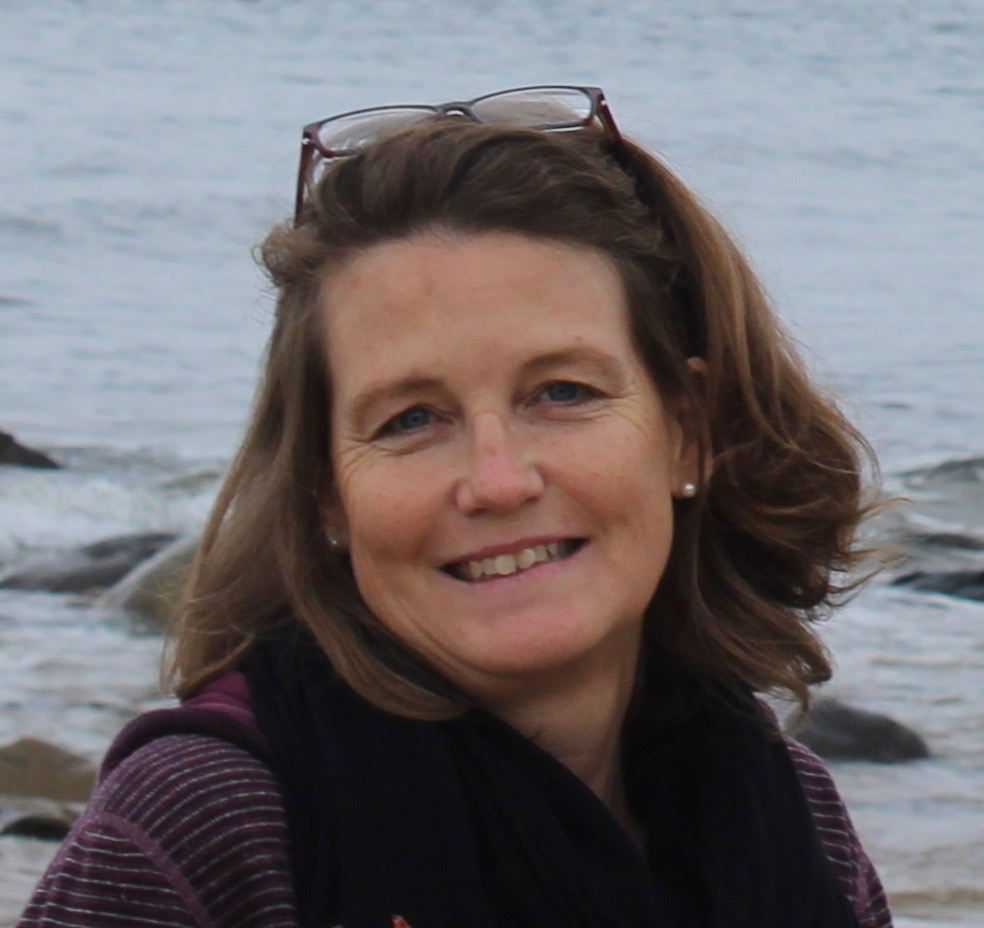
Nicola PayneView profile
Associate Professor
Dr Nicola Payne is an Associate Professor in Psychology at Middlesex University's Faculty of Science and Technology, Department of Psychology. She holds dual professional registrations as a Health and Care Professions Council (HCPC) Registered Practitioner Health Psychologist and a Chartered Psychologist with the British Psychological Society (BPS). Her research focuses on health psychology topics such as fertility treatment experiences, chronic illness management (e.g., sickle cell disease), workplace well-being, and behavior change interventions. Dr Payne leads postgraduate research in the Department of Psychology, oversees the MSc Clinical Health Psychology and Wellbeing program, and teaches modules on health psychology applications and research methodologies. Education: BSc (Hons) Psychology (Hertfordshire), MSc Health Psychology (City University), PhD (Hertfordshire), and a Postgraduate Certificate in Higher Education (Middlesex University). Her work spans interdisciplinary collaborations, including studies on healthcare chaplains' workplace integration, skin cancer patients' psychotherapy experiences, and socioeconomic predictors of cooperative social behavior. Research interests include exploring temporalities of fertility treatment, health-related quality of life in pediatric populations, and the impact of workplace environments on employee health behaviors. She has published widely on topics such as firefighter well-being, midwifery stress, and the role of gamified applications in promoting healthy lifestyles. Current projects investigate long-term counseling outcomes for women in low-income communities and the psychological impact of fertility treatment cessation during the pandemic. Teaching responsibilities include mentoring over a dozen PhD students across diverse topics such as work-life balance in different family structures, workplace bullying dynamics, and cognitive behavioral therapy practitioner competence development. She has received grants for studies on diabetes-stress-depression relationships and has contributed to policy discussions on public sector austerity and work-life balance in the UK. Notable contributions include evaluating long-term counseling services for marginalized women and assessing the impact of the pandemic on Reiki practitioners. Her work emphasizes translating research into practical interventions for clinical and occupational health settings.