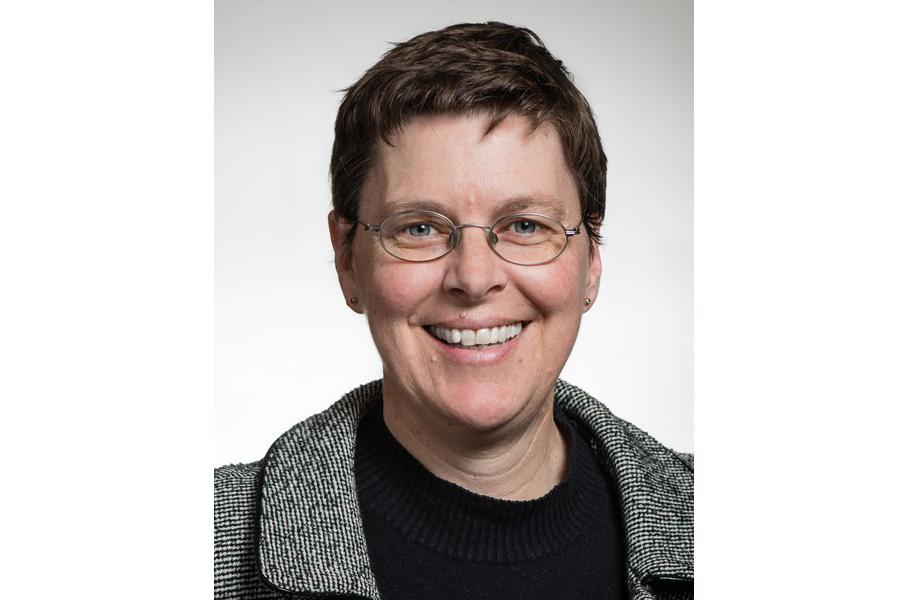
Randi L. Wolf is the Ella McCollum Vahlteich Professor of Human Nutrition at Teachers College, Columbia University, where she directs the Program in Nutrition. She is affiliated with Health Studies & Applied Educational Psychology and Health Promotion and Education. B.S., Cornell University M.P.H., Ph.D., University of Pittsburgh Randi Wolf’s scholarly work focuses on developing dietary assessment tools, measuring school lunch consumption via digital photography, and evaluating nutrition interventions for celiac disease and early childhood caries. Her research emphasizes practical, cost-effective strategies for urban minority populations. Her publications span colorectal cancer screening, dietary assessment methodologies, renal nutrition, and health education tools. Key themes include public health disparities, behavioral nutrition, and technology-driven dietary interventions.
Dr. Nadia Zainuddin is a Senior Lecturer in the School of Business at the University of Wollongong, specializing in behavior and social change research. Her work focuses on leveraging marketing principles to drive social and behavioral change, particularly for marginalized groups such as women, older adults, people with disabilities, and culturally diverse communities. She is a mixed-methodologist with expertise in value theory, exploring frameworks for value creation and destruction across healthcare, wellness, and transportation contexts. Dr. Zainuddin has extensive collaboration experience with government and industry partners, including the Australian Research Council, Queensland Health, and the Australian Red Cross Blood Service. She holds leadership roles in academic governance, serving as President of the Australian Association of Social Marketing and chairing major conferences like the World Social Marketing Conference. Her editorial contributions include roles at the Journal of Social Marketing and Journal of Services Marketing . Her research interests span decolonizing market systems, intersectional approaches to marginalization, and the application of social marketing for societal well-being. She has undertaken visiting fellowships at the University of Glasgow and the University of Coventry’s Centre for Business in Society, furthering her global academic impact. Dr. Zainuddin’s teaching spans undergraduate and postgraduate levels, covering Marketing Principles, Social Marketing, Consumer Behavior, and Marketing Research. She actively supervises higher-degree research students, contributing to the next generation of scholars in these fields.
Cheryl Knott is Professor in the Department of Behavioral and Community Health at the University of Maryland School of Public Health and Associate Director of Community Outreach and Engagement at the University of Maryland Greenebaum Comprehensive Cancer Center. As an inaugural MPower Professor, she directs the Community Health Awareness, Messages, and Prevention (CHAMP) research lab and serves as Editor-in-Chief of Translational Behavioral Medicine. Dr. Knott's research focuses on implementation science approaches to cancer control interventions, particularly addressing disparities affecting African Americans. She develops and evaluates community-based cancer communication strategies and examines multi-level influences on cancer prevention behaviors. Her social epidemiology work investigates neighborhood-level factors in cancer control through community-engaged approaches. Recent publications demonstrate her focus on neighborhood disadvantage impacts on cancer outcomes, global cancer prevention initiatives in Nigeria, and methodological advances in community-engaged basic science. Her work frequently employs retrospective cohort designs to examine socioeconomic impacts on cancer treatment and survival.
Professor Niamh Moran is a leading academic at the Royal College of Surgeons in Ireland (RCSI), serving as a Professor in the School of Pharmacy and Biomolecular Sciences and a member of the Molecular & Cellular Therapeutics department. Her academic roles have included Academic Director of the HEA Postgraduate Training Programme (2001–2007) and Head of the School of Postgraduate Studies (2013–2017). She holds a BSc (1983) and PhD (1987) from University College Dublin. Her research focuses on thrombosis, platelet biology, and vascular diseases, with contributions to integrin activation mechanisms, bioactive peptide delivery systems, and platelet secretome analysis. Key areas include understanding arterial thrombosis, platelet modulation in clinical scenarios like stroke and pregnancy, and cancer-cell-induced platelet activation. Her work aligns with the UN Sustainable Development Goal 3 (Good Health and Well-Being). Recent studies explore platelet activation in COVID-19, vaccine-induced thrombocytopenia, and the role of platelets in cancer metastasis. Over 97 publications and numerous grants highlight her impact, including funded projects on platelet function in cardiovascular systems and collaborations across disciplines. Professor Moran has supervised multiple PhD theses, including projects on vitamin D’s role in platelet function and cancer-cell-induced platelet secretion. She has pioneered educational initiatives, such as a unique PhD program in Biomedical Sciences and a Science Art initiative. Her lab and teams are integral to RCSI’s research ecosystem.
Oluwasegun Akinyemi, MD, MSc, PhD (expected 2025), is a Senior Research Fellow at the Clive O Callender Outcomes Research Center, Howard University College of Medicine, and a Graduate Research Assistant at the University of Maryland School of Public Health. His academic journey includes foundational medical training in Nigeria, residency in Obstetrics and Gynecology, and advanced public health degrees focused on health services research. Education highlights: MBBS in Medicine and Surgery, Obafemi Awolowo University (2007) Residency in Obstetrics and Gynecology, Nigerian Postgraduate Medical College (2017) MSc in Public Health, Western Illinois University (2020) PhD in Health Services Research, University of Maryland (ongoing) Akinyemi's research explores critical intersections of healthcare disparities, public health, and clinical outcomes. His work spans maternal-neonatal health, cancer survival inequities, firearm violence epidemiology, mental health crises, and policy impacts like the Affordable Care Act. Using large databases (SEER, NEDS), his studies reveal systemic inequities affecting minority populations and propose data-driven interventions. His publications emphasize three themes: (1) socioeconomic drivers of health outcomes (e.g., firearm injuries linked to community deprivation), (2) structural barriers in healthcare access (e.g., racial disparities in cancer survival), and (3) clinical-public health interventions (e.g., policy impacts on bariatric surgery utilization). Awards and honors: Western Illinois University Graduate Research Conference recognition Drew Walker Symposium presenter, National Medical Association Southeastern Surgical Congress commendation Akinyemi mentors medical students and residents, coordinating journal clubs and research collaborations. He develops educational programs on research methodology and public health topics. He leads projects at the Clive O Callender Outcomes Research Center, focusing on health disparities affecting underserved communities. Future work includes expanding studies on Medicaid policy impacts and global health equity.
Helen Maddock is a Professor at Coventry University where she leads the Centre for Sport, Exercise and Life Sciences. Her research focuses on cardiovascular biology with particular expertise in cardiac contractile dysfunction, mitochondrial function, drug-induced cardiotoxicity, and cardioprotective therapies. She holds a PhD in Cardiovascular Pharmacology from Cardiff University and has held postdoctoral positions at the Hatter Cardiovascular Institute, UCL. Her research program spans basic and translational cardiovascular science, including the development of human cardiac tissue models for drug safety assessment and mechanisms of myocardial stress adaptation. Her work has received funding from the British Heart Foundation, Heart Research UK, Innovate UK, and pharmaceutical industry partners. Her publication record demonstrates consistent focus on cardiac safety pharmacology, particularly the mechanisms and prevention of drug-induced cardiotoxicity from cancer therapies. Recent work explores COVID-19 cardiovascular sequelae and ventricular assist device effects on myocardial function.
Gabriel Picone is a Professor of Economics and Chair of the Department of Economics at the University of South Florida , where he leads academic initiatives in health economics, applied econometrics, and development economics focusing on Sub-Saharan Africa. His career spans decades of research and teaching excellence. Academic Background: Ph.D. in Economics, Vanderbilt University (1993) Research Focus: Health Economics: Analyzing disease prevention, healthcare utilization, and policy impacts Applied Econometrics: Developing statistical models for health and economic outcomes Sub-Saharan Africa Development: Investigating economic growth, health interventions, and demographic trends Industrial Organization: Studying retail market behaviors and alcohol industry economics Publication Trends: Over 25 years, his work spans diverse fields including malaria prevention economics, healthcare policy analysis, econometric methodology, alcohol consumption patterns, and pharmaceutical market regulation. Geographic focus remains strongly on Sub-Saharan Africa with parallel research in U.S. and EU health systems.
Dr. Mirna Becevic is Assistant Professor in Dermatology at University of Missouri, focusing on telemedicine applications to improve healthcare access for rural and underserved populations. As lead evaluator for Show-Me ECHO, she develops virtual learning networks for primary care providers. Education includes doctoral training in health informatics. Research evaluates telehealth implementations for dermatology, pediatric care, and chronic disease management. Recent projects examine AI applications for skin lesion classification and telehealth impacts on opioid prescribing patterns. Awards include Ann K. Covington mentoring award (2021) and MU Top Faculty Achiever (2017). Research outcomes inform telehealth policy and implementation frameworks for improving specialty care access.
Dr. Donna Turner serves as Associate Professor in the Department of Community Health Sciences at the University of Manitoba's Max Rady College of Medicine and holds the position of Chief of Population Oncology at CancerCare Manitoba since 2007. In this dual role, she oversees the Department of Epidemiology, Manitoba Cancer Registry, Prevention and Screening programs, System Performance Unit, Quality & Patient Safety initiatives, and Cancer Standards while leading the Manitoba Tomorrow Project as Scientific Lead. Her educational credentials include: Doctor of Philosophy in Epidemiology from the University of Alberta (1997) Master of Science in Community Health Sciences (Epidemiology focus) from the University of Calgary (1991) Bachelor of Science in Health Information Science from the University of Victoria (1988) Dr. Turner's research centers on population-based cancer data analysis for cancer control, utilizing provincial cancer registries and linked administrative databases. Her work spans cancer surveillance, etiology, prevention, screening, and outcomes with emphasis on translating epidemiological findings into health services improvements. She actively contributes to national cancer strategy through affiliations with the Research Institute of Oncology and Hematology (RIOH), Canadian Cancer Society's Cancer Statistics Publication Committee, and Canadian Partnership Against Cancer (CPAC). Professional leadership roles include: President Elect of the International Association of Cancer Registries (IACR) Member of Canadian Council of Cancer Registries Member of North American Association of Central Cancer Registries Scientific Lead for Manitoba Tomorrow Project within CanPath Cohort Consortium Though currently not accepting new graduate students despite welcoming Masters and PhD candidates historically, her research program continues to shape Manitoba's cancer control landscape through epidemiological leadership and health systems research.
Professor Daniel Frings is an academic and practicing psychotherapist affiliated with London South Bank University , where he serves as Associate Dean for Research and Enterprise in the School of Applied Sciences . He earned his PhD in Social Psychology from the University of Kent in 2008, followed by a visiting researcher role at the University of California, Santa Barbara. Education : PhD in Social Psychology (2008), University of Kent. Frings’ research spans social identity processes, addiction, mental health, psychophysiology, and AI-driven healthcare solutions . His work often intersects with commercial mental health product development, including apps and online platforms, and has been funded by entities such as the Economic and Social Research Council and Cancer Research UK . Recent studies focus on AI applications in cardiac care, identity dynamics in addiction recovery, and the psychological impact of dietary identities like veganism. His academic contributions include over 98 research outputs, with recent emphasis on AI-driven appointment systems, problematic social media use, and alcohol/vaping cessation . He also maintains a private psychotherapy practice in Faversham, UK, integrating person-centered therapy and Acceptance Commitment Therapy for clients dealing with anxiety, depression, and trauma.
Sadanandan E. Velu is a tenured Professor of Chemistry at the University of Alabama at Birmingham (UAB) , with co-appointments at the O’Neal Comprehensive Cancer Center and other UAB research institutes. His career spans over two decades at UAB, including promotions from Assistant (2004) to Full Professor (2020). Education : PhD in Organic Chemistry (University of Madras, 1993), Postdoctoral training (University of Alabama, Clemson University). Research : Focuses on drug discovery for cancer and infectious diseases , targeting voltage-gated ion channels , biofilm formation , and marine-derived therapeutics . Funded by NIH, AHA, and other agencies. Awards : Recipient of the National Award for Excellence in Teaching (2010). Serves on NIH/AHA study sections and journal editorial boards. Teaching : Offers courses in Organic Chemistry , Medicinal Chemistry , and Cancer Biology , and co-directs UAB’s Undergraduate Program in Cancer Biology . Lab : Trains PhD, MS, and undergraduate students in medicinal chemistry , organic synthesis , and drug development , with projects on biofilm inhibitors , marine alkaloids , and ion channel blockers .
Prof. Cornelia Lee-Thedieck holds the Chair of Cell Biology at the Leibniz University Hannover's Faculty of Natural Sciences. She serves as Executive Director of the Institute of Cell Biology and Biophysics, leading the Department of Cell Biology. Her academic career includes roles at the Karlsruhe Institute of Technology (KIT) and the Max Planck Institute for Intelligent Systems. She earned her Ph.D. (Dr. rer. nat.) from the University of Tübingen in 2007, focusing on cadherins in kidney research. Research Interests: Her work centers on Stem Cell-Material Interactions , particularly hematopoietic stem cells and their niche environments. She develops 3D biomaterial models to study cellular therapies and tissue engineering, with applications in bone marrow analogs and biocompatible hydrogels. Key themes include nanostructured substrates, biofunctionalized surfaces, and in vitro models of stem cell niches. Awards & Grants: Recipient of the ERC Starting Grant (2018–2023) and BMBF NanoMatFutur funding (2013–2019). Recognized for her Ph.D. thesis (MoBBEL Prize) and early-career contributions via the Schlieben-Lange Program. Teaching & Leadership: Teaches Cell Biology courses. Active in editorial roles (Scientific Reports, Biointerphases) and peer review for high-impact journals. Oversees institutional roles, including compliance with GenTSV regulations and lab safety.
Assoc Prof Lim Sierin is an Associate Professor at the School of Chemistry, Chemical Engineering and Biotechnology, Nanyang Technological University (NTU), Singapore. She holds dual roles as Principal Investigator leading the Bioengineered and Applied Nanomaterials (BeANs) Lab and Molecular & Cellular Bioengineering (MCBe) Lab, and as Associate Dean of Global Partnerships at NTU Graduate College. Her research focuses on bioengineered nanomaterials, protein cage engineering, and sustainable biotechnology solutions for healthcare and environmental challenges. Education: B.S. in Chemical Engineering (UCLA), Ph.D. in Biomedical Engineering (UCLA), Postdoc in Chemical Engineering & Materials Science (UC Irvine). Awards include the L'Oréal-UNESCO Women in Science Fellowship (2013) and Singapore 100 Women in Tech (2020). She champions women in STEM, founding Women@NTU (2018), Society of Women Engineers Singapore (2021), and co-founding the Promotion of Women in Engineering, Research, and Science (POWERS) program (2020). Research highlights include protein cage-based drug delivery systems, bacterial cellulose biomedical applications, and enzyme engineering for plastic upcycling. Innovations from her lab have generated multiple patents, with four issued in the US/EU. Current projects explore nanocapsule imaging contrast agents, photosynthetic energy systems, and extremophile biotechnology. Grants and partnerships include collaborations with Molecular Frontiers (Tropical Molecules project) and participation in global initiatives like the Singapore Center on Environmental Life Sciences Engineering (SCELSE). Her labs engage in interdisciplinary work spanning biomaterials, synthetic biology, and nanomedicine, with over 50 peer-reviewed publications to date.
Bridget Quinn, MD is an Attending Physician in the Orthopedics and Sports Medicine Department at Boston Children's Hospital, where she serves as Company Physician for the Boston Ballet and Lead Consulting Physician for Dean College Palladino School of Dance & Performing Arts. She holds an academic appointment as Assistant Professor of Orthopedics at Harvard Medical School, contributing to medical education while maintaining an active clinical practice focused on performing artist athletes. Dr. Quinn completed her undergraduate education and medical degree at the University of Vermont, followed by Emergency Medicine residency at Emory University and Sports Medicine fellowship at Boston Children's Hospital. She is board certified by the American Board of Emergency Medicine, providing a strong foundation for her specialized work with dancers and other performing artists. Her educational background reflects a progression from general medical training to highly specialized sports medicine expertise. Dr. Quinn's research and clinical practice centers on the unique medical needs of performing artists, particularly dancers. Her work addresses dance-specific injuries like hallux sesamoid injuries, the effects of intensive training on growing dancers, and the relationship between body composition and menstrual health in female dancers. She has developed specialized assessment protocols for dancers' strength, flexibility, and functional performance during intensive training periods. Her expertise bridges traditional sports medicine with the specific physiological and psychological demands of dance performance, recognizing that dancers face unique injury risks and recovery challenges. Analysis of Dr. Quinn's publication record reveals a clear evolution from early cancer research (2014-2015) to her current focus on dance and sports medicine. Her most impactful recent work examines quality of life metrics in pre-professional dancers, sport specialization effects, and dancer-specific injury patterns. She has conducted comparative studies on Crossfit-related injuries and published important findings on the relationship between BMI and menstrual patterns in dancers. Her research consistently addresses the holistic needs of performing artists, considering physical, psychological, and nutritional factors that influence performance and injury risk. While specific scientific awards are not documented in the available information, Dr. Quinn's professional recognition is evident through her leadership roles with prestigious organizations including the Boston Ballet and Dean College. Her expertise is sought after for providing medical coverage during major performances and tours, demonstrating the trust placed in her specialized knowledge by the performing arts community. Through her academic appointment at Harvard Medical School, Dr. Quinn mentors medical students, residents, and fellows interested in sports medicine and orthopedics. Her clinical work involves comprehensive care for young athletes and performing artists, with emphasis on injury prevention, safe return to performance, and long-term health maintenance. She collaborates with physical therapists, athletic trainers, nutritionists, and mental health professionals to address the multidimensional needs of her patients, recognizing that optimal performance requires attention to all aspects of health. Dr. Quinn is an integral part of Boston Children's Hospital's Performing Artist Athletes Program and The Micheli Center for Sports Injury Prevention. These specialized programs provide comprehensive, multidisciplinary care addressing the unique medical needs of dancers and other performing artists, including nutrition counseling, bone health monitoring, endocrine evaluation, psychological support, and rehabilitation tailored to performance demands. Her work in these programs has helped establish standards of care for performing artist athletes that are now recognized nationally.
Dr. Michael Potter is a Professor in the School of Medicine at the University of California San Francisco (UCSF). He serves as Director of the San Francisco Bay Area Collaborative Research Network (SFBayCRN) and Associate Director for Practice-Based Research in the CTSI Community Engagement and Health Policy Program. His work focuses on interventions to increase cancer screening rates, improve self-management for chronic illnesses like diabetes and sickle cell disease, and address healthcare disparities through implementation science. Dr. Potter co-chairs the National Colorectal Cancer Roundtable's Professional Education task group and leads initiatives for colorectal cancer screening in Mexico. He has collaborated on global health projects, including a U.S.-Argentina dissemination training program. Research Interests: Cancer screening strategies, chronic disease management (diabetes, sickle cell disease), implementation science, healthcare equity, mHealth interventions, and healthcare policy. His work spans primary care optimization, community health center operations, and global health initiatives in Latin America. Advising & Grants: Dr. Potter has extensive experience in collaborative research networks and securing funding for large-scale public health initiatives. His labs/teams include SFBayCRN and the Colorectal Cancer Task Group of the San Francisco Cancer Initiative. Recent work emphasizes leveraging technology (e.g., mobile health apps) to improve medication adherence and screening rates in underserved populations.