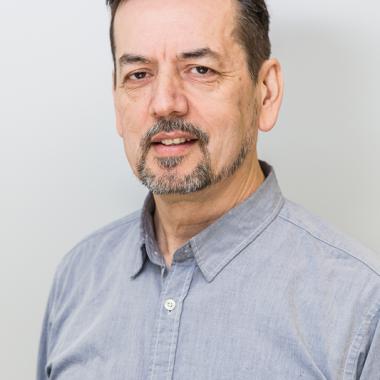
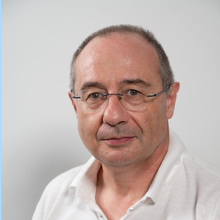
Clinical Professor Paul Roach is affiliated with the University of Sydney's Northern Clinical School, specializing in Medical Imaging. His research focuses on diagnostic imaging techniques (e.g., PET/CT, SPECT/CT) applied to neuroendocrine tumors, thyroid cancer, and oncology. He has contributed to advancements in theranostic approaches, biomarker development, and radiation therapy protocols. Key research interests include: Peptide receptor radionuclide therapy (PRRT) efficacy and safety PET/CT imaging for neuroendocrine neoplasms Prognostic biomarkers like NETPET score Thyroid cancer management and radioactive iodine practices Recent articles highlight innovations in dual modality imaging, PRRT outcomes, and biomarker validation. His work has been published in journals like Journal of Nuclear Medicine and Theranostics . Collaborative grants include studies on nasal mesh nebulizers and thyroid cancer management. Notable projects include the TROG 18.06 glioblastoma trial and the Australasian consensus on hormonal crises during PRRT. His clinical expertise bridges molecular imaging with oncological treatment strategies.
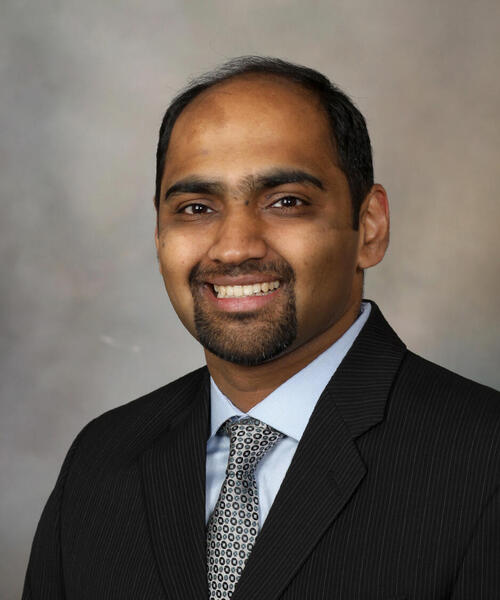
Dr. Christopher Yu is a Clinical Lecturer at the Nepean Clinical School, part of the Sydney Medical School within the University of Sydney's Faculty of Medicine and Health. His research focuses on cardiovascular health, cardio-oncology, and medical imaging, particularly addressing cardiac complications from chemotherapy and improving diagnostic techniques for heart conditions. He has contributed to studies like the REDUCE trial (sonothrombolysis in myocardial infarction) and the AGILE-echo trial (AI-guided echocardiography in remote settings). His work bridges clinical practice and innovation, with recent publications exploring anthracycline cardiotoxicity, coronary artery imaging via AI (TQGDNet), and the role of cardiac MRI in diagnosing MINOCA (myocardial infarction with non-obstructive coronary arteries). He has also evaluated Australia’s cardio-oncology landscape and long-term outcomes of cardiac device-related complications. Key collaborations include studies on prophylactic strategies to mitigate cancer therapy-induced cardiac damage and optimizing pharmacotherapy cessation post-chemotherapy recovery. His research emphasizes translating advanced imaging and AI tools into clinical applications for better patient outcomes.
Professor Jimmy Bell at the University of Westminster leads the Research Centre for Optimal Health, focusing on mechanisms of phenotypic flexibility, metabolic dysfunction, and accelerated ageing. His interdisciplinary research integrates quantum biology, metabolic phenotyping, and AI-driven analytics. As Principal Investigator for the UK Biobank Enhanced Phenotyping study, he develops novel assessment technologies for metabolic health. Research interests span mitochondrial function, adipose tissue biology, obesity pathogenesis, and metabolic disorders. His work bridges quantum-scale biological processes with population-level health outcomes, emphasizing technological innovation in health assessment. Publications demonstrate strong focus on metabolic imaging, genetic epidemiology, and computational modeling. Recent work utilizes deep learning for disease prediction, MRI-based phenotyping, and targeted cancer therapies. Longitudinal analyses in cohort studies reveal mechanisms linking adiposity to chronic diseases. Professional activities include grant review for major UK research councils, PhD examination internationally, and leadership in large-scale biobank operations. Leads multidisciplinary teams at the Research Centre for Optimal Health and collaborates with Health Data Science groups to develop novel assessment frameworks for metabolic health.
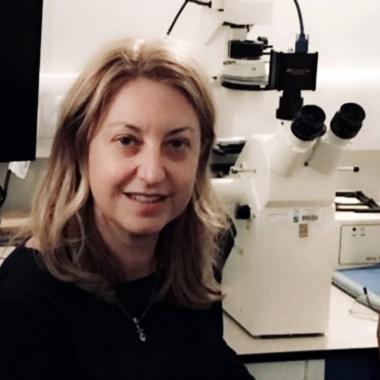
Emanuela Volpi is a Professor in the School of Life Sciences at the University of Westminster, affiliated with the College of Liberal Arts and Sciences. She holds a PhD in Evolutionary Biology from the University of Rome ‘La Sapienza’ and has extensive postdoctoral experience at Cancer Research UK and the Wellcome Trust Centre for Human Genetics. Her expertise spans medical molecular genetics, genome functional organization, nuclear architecture, and cancer biomarker research. She leads research on genome-environment interactions and their health impacts, with high-impact publications in journals like Science and Nature Communications . Teaching roles include Module Leader for L5 Genetics in Medicine and L7 Post-Graduate Project , and co-Course Leader for the Master’s in Biomedical Sciences. Her research focuses on genomic instability in obesity, CD180 signaling in cancers, and translational biomarkers. She is Editor-in-Chief of Molecular Cytogenetics and chairs the European Cytogeneticists Association’s ‘Chromosome Stability, Integrity and Dynamics’ working group. Key awards include Fellowships from the Royal Society of Biology and the Higher Education Academy. Her advisory roles span national and international committees, emphasizing her leadership in medical genetics and education. Current projects explore precision medicine, AI regulation in healthcare, and pediatric obesity biomarkers, with a focus on early intervention strategies.
Dr Arron Lacey is a Senior Lecturer in Health Data Science and Natural Language Processing at Swansea University Medical School. He has been based at the SAIL Databank since 2011. His academic background includes a BSc in Physics, MSc in Computer Science, and a PhD in Healthcare Studies from Swansea University. Education: BSc Physics, Swansea University MSc Computer Science, Swansea University PhD Healthcare Studies, Swansea University Research Interests: Focuses on applying health data science and natural language processing (NLP) to healthcare challenges. Key areas include clinical data extraction from unstructured records, cardiovascular epidemiology, epilepsy outcomes analysis, and genomic data integration. His work emphasizes population-level data linkage and translational research. Recent Research Trends: Recent publications highlight NLP applications in extracting structured data from clinical letters, cardiovascular disease management post-intervention, and epilepsy mortality during the pandemic. His work bridges computational methods with real-world healthcare data to improve diagnosis, treatment monitoring, and public health policy. Grants & Collaborations: Led grants including HDR UK-funded NLP implementation projects (2017). Collaborates with multidisciplinary teams on initiatives like MedGATE for scalable NLP healthcare frameworks. Labs/Teams: Core member of the SAIL Databank, part of Swansea University's health data science ecosystem. Involved in the Center for Doctoral Training in Computation.
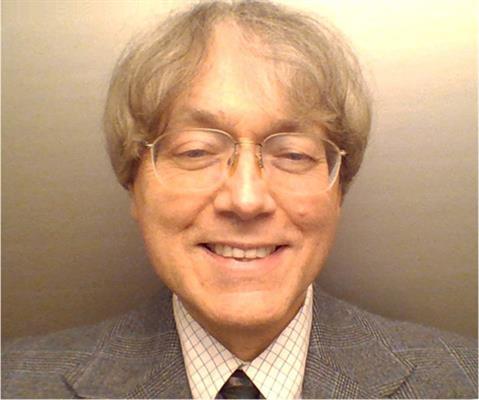
Peter Geck, M.D., is an Assistant Professor in the Department of Medical Education at Tufts University School of Medicine. He holds a Doctor of Medicine from Semmelweis Medical University (1975) and completed postdoctoral research at the University of Massachusetts. Dr. Geck's research integrates molecular biology, oncology, and anatomy, with a focus on viral/hormonal cancers, metastasis detection, and stem cell differentiation. He has developed patented technologies including novel restrictases and a blood test for cancer metastasis. His research interests include: Molecular mechanisms of cancer metastasis and microchimerism Stem cell differentiation in cancer progression Development of diagnostic tools for early cancer detection Molecular anatomy of human development Dr. Geck's recent publications (2011-2023) demonstrate a consistent focus on cancer biology, neuropeptide research, and diagnostic innovation. His work frequently explores tumor spheroids, metastasis biomarkers, and neuroprotective mechanisms, utilizing methods ranging from flow cytometry to in vivo modeling. Professional activities include memberships in the American Society of Clinical Oncology (since 2008) and the American Association for Cancer Research (since 1994). He has received research funding from the U.S. Department of Defense for projects on fetal/maternal stem cells in breast cancer (2008-2010). At Tufts, Dr. Geck teaches Clinical Anatomy to medical, dental, and physician assistant students and has held research faculty positions since 1995. He maintains laboratories focused on molecular oncology and anatomical sciences.
Shi-Yi Wang , MD, PhD, is an Associate Professor and Senior Research Scientist at the Yale School of Public Health , with affiliations to the Cancer Outcomes, Public Policy and Effectiveness Research (COPPER) Center and Public Health Modeling Concentration. His work integrates outcomes research , decision science , and health policy through systematic reviews, data analysis, and simulation modeling. Education: PhD in Epidemiology (University of Minnesota, 2012), MD (Taipei Medical College, 1992) Research Focus: Cancer epidemiology, end-of-life care, genomic profiling, health economics, and clinical decision-making frameworks His recent publications analyze genomic testing patterns in lung cancer, frailty risk models for colorectal survivors, and cost disparities in myeloma care. He has secured funding from the National Cancer Institute , AHRQ , and PCORI . Notable awards include the Population Science Research Prize (Yale Cancer Center, 2017) and the Distinguished Student Mentor Award (YSPH, 2016). His collaborations span institutions like Yale Cancer Center and National Comprehensive Cancer Network.
Carlo Gaetan is a Full Professor at the Department of Environmental Sciences, Informatics and Statistics at Ca' Foscari University of Venice. His research focuses on statistical modeling for environmental applications, including extremes in climate data, spatial-temporal analysis, and environmental risk assessment. He contributes to editorial roles, such as Associate Editor of the Journal of the Royal Statistical Society, Series C. His work spans environmental statistics, spatial modeling, and applications in climate change and health. Gaetan is actively involved in projects like the Venice 2021 climate scenario initiative and collaborates on studies assessing air pollution impacts and disease modeling. His teaching includes office hours for students, emphasizing accessibility and academic guidance.
Prof. Zeyuan Qiu is a Professor of Environmental Science and Policy at the New Jersey Institute of Technology (NJIT), affiliated with the College of Science and Liberal Arts. He holds a Ph.D. in Agricultural Economics from the University of Missouri-Columbia (1996), an M.S. in Land Management from Renmin University of China (1989), and a B.S. in Land Use Planning from Central China Agricultural University (1986). His research focuses on environmental policy, water quality management, GIS applications, and agricultural sustainability, with a particular emphasis on nonpoint source pollution control, hydrologically sensitive areas, and climate change adaptation strategies. Prof. Qiu has received notable awards including the 2020 Associate Editor Excellence Award from the Soil and Water Conservation Society and the 2016 Distinguished Research Award from NJIT's College of Science and Liberal Arts. His work integrates interdisciplinary approaches, combining hydrological modeling, machine learning, and socio-economic analysis to address complex environmental challenges. Key areas of expertise include precision agriculture, urban-suburban watershed management, and policy evaluation for sustainable resource use. His research also explores the intersection of technology adoption in rural economies (e.g., smartphone impacts on pesticide use in China) and health-related environmental issues (e.g., lymphedema detection using machine learning). Prof. Qiu collaborates actively with governmental agencies like the New Jersey Department of Environmental Protection and leverages tools such as SWAT modeling, fuzzy Borda count, and Bayesian inference for decision-making in environmental management.
Professor Catherine Bennett is a Deakin Distinguished Professor and Chair in Epidemiology at Deakin University, affiliated with the Faculty of Health, School of Health and Social Development, and the Institute for Health Transformation. She is a leading expert in quantitative infectious diseases epidemiology, public health, and pandemic response, with a strong focus on research, teaching, and leadership. Doctor of Philosophy, La Trobe University Master of Applied Epidemiology, Australian National University Bachelor of Science, La Trobe University Her research spans infectious disease transmission, public health policy, digital health, and risk communication. She leads major international collaborations such as the C-MOR Research Consortium on excess mortality and works with Denmark’s Staten Serum Institute on Staphylococcus genomics. She also investigates mis/disinformation using AI and leads studies on pelvic pain in youth and pandemic quarantine systems. Her recent publications highlight trends in excess mortality, pandemic communication, digital health tools, and health equity, reflecting a multidisciplinary and globally relevant research agenda. Her work combines epidemiological rigor with policy impact and innovative methodologies. Journal of Public Health Research and Practice Excellence Awards - Highly Commended in Best Paper Category (2022) Conferred Alfred Deakin Professor (2019) Vice-Chancellor's Award for Outstanding Contribution to Student Wellbeing and Safety, Deakin University (2019) Australian Community Leadership Award, Unisport Australia (2018) Strategic Achievement Award, CAPHIA (2017) Vice Chancellor’s Award for Student and Staff Wellbeing, Deakin (2015) David White Award for Excellence in Teaching, University of Melbourne (2008) Australian Award for University Teaching (2008) Professor Bennett actively supervises PhD and Masters students across diverse topics including pandemic quarantine, oral cancer in India, and bravery award impacts. She has secured significant grant funding from NHMRC, DFAT, and industry partners. Her leadership includes founding CAPHIA and driving Deakin’s smoke-free and alcohol culture change initiatives. She is involved in multiple research teams, including the C-MOR Research Consortium and collaborations with Deakin’s AI specialists and the Murdoch Children’s Research Institute, advancing interdisciplinary public health innovation.
Benjamin Ee is an Adjunct Lecturer at the Lee Kong Chian School of Business , Singapore Management University. His teaching includes courses like Quantitative Finance , and he actively contributes to research in digital transformation, AI integration in accounting, and machine learning applications across industries. His work spans optimizing public transport systems, enhancing SME digital capabilities, and improving healthcare symptom management through real-time analytics. Research interests include leveraging AI and data analytics to transform traditional sectors, addressing challenges in microfinance, and fostering future-ready talent through experiential digital projects. His publications highlight innovative university-industry partnerships and case studies on business digitization in diverse sectors like insurance, publishing, and seafood industries. Recent work involves predictive symptom trajectory modeling for cancer patients and pharmacist-driven symptom monitoring systems. He also explores ethical AI frameworks and forensic analytics to detect data anomalies. No awards or grants are explicitly mentioned in the provided texts.
Heather C Beckwith is an Associate Professor in the Department of Medicine - Hematology, Oncology, Transplant at the University of Minnesota, School of Medicine. She is actively involved in clinical and translational research focused on breast cancer, particularly in neoadjuvant therapy, targeted treatments, and cardio-oncology. Her work is supported by multiple grants from major pharmaceutical sponsors, and she serves as Principal Investigator on several national clinical trials. Her research interests include: Breast cancer therapeutics and biomarkers Neoadjuvant and endocrine therapy HER2-positive and HR+ advanced breast cancer Cardiovascular effects of cancer treatments Patient outcomes and risk stratification Recent publications highlight her role in the I-SPY2 and I-SPY SURMOUNT trials, evaluating novel agents such as datopotamab-deruxtecan and ARX788. The research trends show a strong emphasis on adaptive trial design, combination therapies, and personalized treatment approaches in early and advanced breast cancer. Scientific contributions include: Phase II and III clinical trials in breast cancer Studies on biomarkers and treatment response Investigations into cardiovascular toxicity in survivors Dr. Beckwith leads multiple externally funded research projects and collaborates with national consortia. She has contributed to datasets such as the 'COVID-19 Concerns among Physicians who treat cancer' survey, reflecting broader engagement in oncology policy and practice. She is also affiliated with multi-center teams focused on improving outcomes in high-risk and metastatic disease settings.
Arjun P. Athreya, Ph.D., M.S., is an Associate Professor at Mayo Clinic's Department of Molecular Pharmacology and Experimental Therapeutics , specializing in Artificial Intelligence and Digital Health for precision medicine. With a background in Electrical and Computer Engineering, he bridges engineering ecosystems with clinical practice to optimize treatment selection and management through data integration from genomics , wearables , and electronic health records . Ph.D., University of Illinois Urbana-Champaign (Electrical and Computer Engineering) M.S., Carnegie Mellon University (Computer Software Engineering and Electrical and Computer Engineering) B.E., RV College of Engineering, VTU (Electrical and Telecommunication Engineering) His research spans precision care for chronic conditions like major depressive disorder and bipolar depression , digital health technologies for pediatric mental health , and provider well-being solutions. He leads projects on multi-omic biomarker discovery for diseases such as primary sclerosing cholangitis and pancreatic ductal adenocarcinoma , integrating AI with clinical workflows. Dr. Athreya’s work emphasizes participatory design in decentralized digital health studies and ethical AI applications. Current projects include National Institute of Nursing Research -funded studies on smartwatch adherence for burnout prediction and National Science Foundation initiatives to implement patient-specific therapy profiles in EHRs for genomic medicine. His research team collaborates with psychiatrists, gastroenterologists, and bioethicists across Mayo Clinic. Scientific Awards: American Society for Clinical Pharmacology and Therapeutics Presidential Trainee Award (2017-2019) Jason Morrow Memorial Award (2017) IEEE Best Paper Awards (2016, 2017) Rambus Computer Engineering Fellowship (2017) Carnegie Mellon Dean’s Fellowship (2011-2013)
Mary Beth Spitznagel is a Professor in the Department of Psychological Sciences at Kent State University. Her research focuses on veterinary psychology, human-animal interaction, caregiver burden, burden transfer, occupational distress, stress, and burnout. She maintains the Pet Caregiver Burden Science Blog and conducts research on burden transfer in veterinary medicine. Ph.D. in Clinical Psychology from Ohio University (2003) Her research explores how emotional and psychological stress manifests in veterinary healthcare teams and pet owners, particularly through concepts like burden transfer and burnout. She has developed and validated assessment tools such as the Burden Transfer Inventory–Abbreviated to measure these phenomena across veterinary settings. Recent publications (2023–2017) demonstrate her expertise in veterinary psychology, stress management, and human-animal interaction, with applications in dermatology, oncology, and general caregiving. These works often examine interventions like acceptance and commitment training to mitigate burnout in veterinary teams.
Tolga Tasdizen is a Professor in the Department of Electrical & Computer Engineering and an Adjunct Professor at the School of Computing, University of Utah. His research bridges computer vision, machine learning, and interdisciplinary applications in medical imaging, nuclear forensics, and urban health. Primary affiliation: Department of Electrical & Computer Engineering, University of Utah Secondary affiliation: School of Computing, University of Utah Research Interests Developing novel deep learning frameworks for histopathological image analysis and medical signal processing Applying computer vision to characterize built environments and examine public health outcomes Advancing nuclear forensic techniques through material morphology and machine learning Exploring biases in AI models for clinical and epidemiological applications Creating explainable AI workflows for medical diagnostics Analyzing urban infrastructure impacts on traffic safety and chronic disease prevalence Article Trends demonstrate expertise in: Medical imaging (histopathology, ECG analysis, chest X-rays) with applications in Alzheimer's disease and cancer diagnostics Urban health studies using Google Street View data to assess built environments' impacts on obesity, diabetes, and traffic injuries Nuclear forensics through SEM image analysis of uranium oxides and actinide materials Robust AI training techniques (contrastive learning, domain adaptation) for clinical and environmental datasets Collaborative Networks span radiology, cardiology, epidemiology, and nuclear engineering disciplines. His work often involves multi-institutional teams and emphasizes scalable data collection methods like eye-tracking and computer vision.