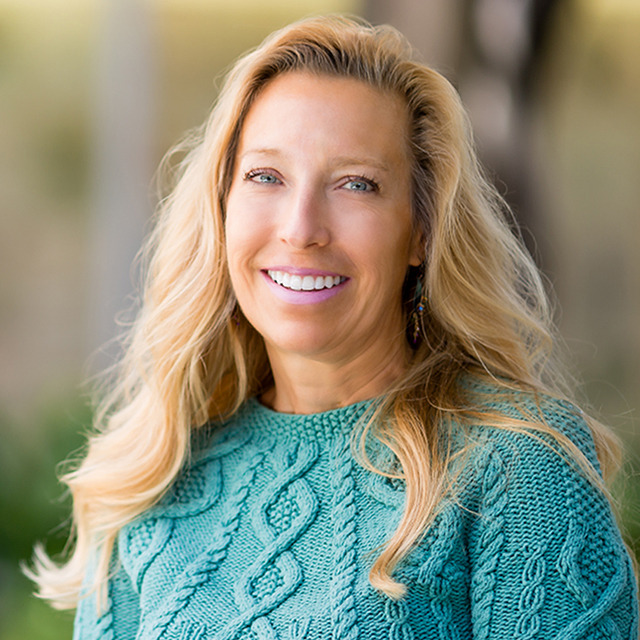
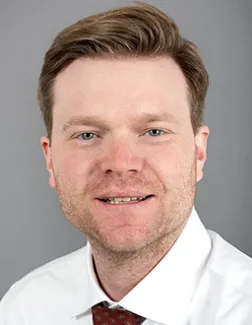
Yu Huang is an Associate Professor of Instruction in the Department of Chemistry and Biochemistry at the University of Texas at Dallas (UTD), affiliated with the School of Natural Sciences and Mathematics. Her research focuses on nanoparticle interactions with biological systems, particularly in renal physiology and drug delivery applications. She investigates mechanisms governing nanoparticle transport in kidney tissues, renal clearance pathways, and the design of biocompatible nanomedicines for noninvasive imaging and cancer therapy. Her work spans advancements in gold nanoparticle synthesis, surface functionalization strategies, and their application in photothermal therapy. Key themes include understanding how surface charge, size, and ligand density influence nanoparticle behavior in healthy and diseased states, with implications for improving drug delivery precision and reducing off-target effects. Publications highlight innovations in renal-clearable nanocarriers, hepatic glutathione biomarker monitoring, and hybrid nanomaterial sensor technologies. Huang’s research integrates principles from chemistry, materials science, and biomedical engineering to address challenges in nanomedicine and diagnostic tool development.
Dr. Irosha Nawarathne is an Associate Professor of Chemistry at Lyon College, located in Batesville, Arkansas. She earned her Bachelor's degree (First Class Honors) in Chemistry from the University of Colombo, Sri Lanka, and her PhD in Bioorganic Chemistry from Michigan State University. Her research focuses on drug discovery, particularly targeting multi-drug resistant Mycobacterium tuberculosis and lung cancer therapies. She leads an undergraduate research team developing novel rifamycins and exploring naphthoquinone derivatives for cancer treatment. Education: BSc (University of Colombo), PhD (Michigan State University) Grants: Funded by NIH/NIGMS (P20 GM103429), Arkansas INBRE, and FutureFuel Chemical Company Key Projects: Rifamycin modifications, lung cancer therapeutics, food chemistry analysis Publications: Over 15 peer-reviewed manuscripts and multiple conference presentations Research interests include biocatalytic methods for natural product modification, antibiotic development, and applying organic chemistry to biomedical challenges. Her lab emphasizes undergraduate involvement in drug discovery, with students contributing to publications and winning awards at regional and national conferences. She is a coordinator for Lyon's Science Outreach Program and advises the Order of the Tartans Mortar Board Chapter. Her work is supported by grants totaling over $700,000, enabling state-of-the-art instrumentation and student participation in conferences.
Dr. Barbara Safiejko-Mroczka is an Associate Professor in the Department of Zoology at the University of Oklahoma. Her research focuses on cellular mechanisms of wound healing, particularly the role of cytoskeleton dynamics and extracellular matrix interactions in fibroblast behavior under normal and diabetic conditions. She investigates how hyperglycemic environments impair wound healing and studies bacterial products' impact on periodontal tissues. She has developed advanced microscopy techniques for visualizing cytoskeletal proteins and cell structures. Her teaching responsibilities include courses such as Cellular Pathology (ZOO 4113/5113), Histology (ZOO 4244), and Cell Biology (ZOO 3113). These courses emphasize the molecular and cellular basis of disease, cell structure, and metabolism. She has collaborated on interdisciplinary projects involving microbiology, materials science, and oncology. Her work bridges basic cell biology with clinical applications, addressing translational challenges in wound healing and infectious diseases. She has pioneered protocols for imaging macromolecular structures using fluorescence and electron microscopy, contributing to both research and diagnostic methodologies.
Ajay Anand is a Professor of Data Science and Deputy Director of the Goergen Institute for Data Science and Artificial Intelligence. He oversees data science education programs, industry collaboration through capstone courses, and curriculum development. His 12+ years of industry experience at Carestream Health and Philips Research focused on medical ultrasound and biomedical signal processing, resulting in over 40 patents and 35+ publications. Education: PhD and MS in Electrical Engineering, University of Washington MS in Biomedical Engineering, University of Texas Research interests span machine learning applications in healthcare, biomedical signal processing, and predictive modeling. His work bridges theoretical data science with clinical challenges, emphasizing time-series analysis and ultrasound-based diagnostics. Recent publications highlight innovation in AI-driven healthcare analytics (e.g., symptom clustering in oncology patients) and medical imaging technologies like ultrasonic thermometry for thermal ablation monitoring. He also explores public health trends through social media analysis, such as pandemic-related mental health and vaccine sentiment. No scientific awards explicitly mentioned. Advising and grants: No formal student advisees listed, though he oversees collaborative industry projects. No grant details provided. Labs/Teams: Leads the Goergen Institute’s data science education initiatives and collaborates with external organizations in capstone projects.
Tadahide Izumi, PhD, is an Associate Professor in the Department of Toxicology and Cancer Biology at the University of Kentucky. His research focuses on DNA damage and mutagenesis caused by reactive oxygen species (ROS) and exogenous agents like ionizing radiation and chemotherapy drugs. Central to his work is understanding how cellular defenses and DNA repair pathways, particularly base excision repair (BER), contribute to genomic integrity and cancer therapy resistance. Dr. Izumi’s lab investigates the regulation of APE1, a critical BER enzyme, through post-translational modifications such as oxidation/reduction and ubiquitination. This research aims to uncover mechanisms underlying cancer’s resistance to treatments, with potential applications in improving organ preservation therapies. He is also affiliated as Joint Faculty in Toxicology. No specific scientific awards or student advisees are listed in the provided information. His research highlights the dual role of BER in both maintaining genomic stability and enabling cancer resistance, emphasizing the complexity of molecular carcinogenesis.
Hongbo Pang is an Associate Professor in the Department of Pharmaceutics at the University of Minnesota's College of Pharmacy. Their research focuses on cellular mechanisms of cancer and advanced drug delivery systems. Current NIH-funded projects (NIGMS, NCI, Biomedical Imaging) Active collaborations with Dehm, Antonarakis, and Drake in CRPC research Research spans nanotechnology applications in medicine, including: Nanoparticle uptake mechanisms Bystander effect in drug delivery Peptide-guided therapeutic systems Obesity-related pharmacokinetics Glucocorticoid delivery optimization Recent publications demonstrate expertise in: 2025: PEGylation for respiratory disease treatment 2024: Peptide targeting in autoimmune disorders 2023: Nanomaterials in tumor delivery 2022: Transportan peptide applications 2021: Macropinocytosis exploitation Key methodologies include: Bystander-activated delivery systems Cell-penetrating peptide engineering Macropinocytosis pathway manipulation Tumor-targeted nanocarriers Therapeutic index optimization
Mayo Clinic College of Medicine and ScienceUnited States
Alexandre G. Maia, Ph.D., is an Associate Professor in the Department of Laboratory Medicine and Pathology and Assistant Professor of Pharmacology at Mayo Clinic in Rochester, Minnesota. He serves as Senior Associate Consultant II-Research in the Division of Experimental Pathology and Laboratory Medicine and is the Associate Director of the Epigenomics Program at the Center for Individualized Medicine. Dr. Maia leads the Functional Epigenomics Laboratory, focusing on cutting-edge research in cancer and stem cell biology. Education: Postdoctoral Fellowship in Chromatin Biology, Icahn School of Medicine at Mount Sinai Ph.D. in Molecular Biology, University of Coimbra Predoctoral Research Fellow, University of California at San Francisco (UCSF) B.S. in Aquatic Sciences, ICBAS, University of Porto Undergraduate Studies, University of Rome (La Sapienza) Dr. Maia's research is centered on understanding the epigenomic regulation of cancer stem cells, particularly in ovarian cancer. His work integrates single-cell sequencing technologies such as ATAC-seq and RNA-seq to profile enhancer elements and transcriptional dependencies. He employs advanced model systems including 3D organoids, patient-derived xenografts, and liquid biopsies to study tumor heterogeneity. His lab utilizes CRISPR/Cas9 for functional validation and microfluidic devices for drug combination testing. Bioinformatic analysis of multi-omics data is a key component of his research. The recent publications reflect a strong trend in functional genomics, epigenetics, and personalized cancer therapy. His work spans multiple myeloma, clonal hematopoiesis, post-translational modifications, CAR T cell exhaustion, and personalized drug testing in pancreatic cancer. The recurring themes include single-cell multiomics, enhancer biology, and translational applications in oncology. Scientific Awards and Honors: Career Enhancement Program Award, Breast SPORE, Mayo Clinic (2022–2024) Early-Career Investigator, Ovarian Cancer Academy, U.S. Department of Defense (2021–2025) Regenerative Sciences Curriculum Development Award, Mayo Clinic (2020) Career Enhancement Program Award, Ovarian SPORE, Mayo Clinic (2019–2020) Career Development Award, Department of Laboratory Medicine and Pathology (2018) NYSCF-Druckenmiller Fellowship (2014–2017) Postdoctoral Recognition Award, Icahn School of Medicine (2014) Ph.D. Fellowship, Science and Technology Foundation, Portugal (2003–2007) Dr. Maia has received substantial grant support from prestigious programs including the Department of Defense Breast and Ovarian Cancer SPOREs, and has been recognized with multiple early-career awards. He mentors research trainees and contributes to curriculum development in regenerative sciences. His laboratory actively collaborates across disciplines to advance epigenomic technologies and their clinical applications. Dr. Maia leads the Functional Epigenomics Laboratory and plays a key role in the Epigenomics Program at the Center for Individualized Medicine. His team integrates wet-lab experimentation with computational biology to develop novel approaches for cancer diagnosis and therapy.
Mayo Clinic College of Medicine and ScienceUnited States
Nathan P. Staff, M.D., Ph.D., is a Professor of Neurology at Mayo Clinic College of Medicine and serves as a Consultant and Chair of Neurology Research in the Department of Neurology at Mayo Clinic, Rochester, Minnesota. His work bridges laboratory research and clinical trials, focusing on peripheral nervous system disorders. Education: Ph.D. in Neuroscience, Northwestern University M.D., Northwestern University Feinberg School of Medicine B.Sc. in Biology, University of Minnesota Residencies and Fellowships in Neurology and Neuromuscular Disorders at Mayo Clinic Dr. Staff’s research centers on the pathogenesis and treatment of peripheral neuropathies. His primary focus areas include: Chemotherapy-Induced Peripheral Neuropathy (CIPN): Investigating molecular mechanisms of neurotoxicity using in vitro models and developing protective strategies. Amyotrophic Lateral Sclerosis (ALS): Leading clinical trials using autologous adipose-derived mesenchymal stem cells delivered intrathecally to slow disease progression. Post-Surgical Inflammatory Neuropathies: Demonstrating immune-mediated mechanisms in nerve injuries following surgery and exploring immunomodulatory treatments. His recent publications span from 2016 to 2025, showing sustained research activity in neurotoxicity, regenerative therapies, and clinical neurology. Articles highlight collaborations in stem cell therapy, iPSC models, and autoimmune neuropathies. Trends indicate a strong emphasis on translational neuroscience, with a growing focus on molecular diagnostics and personalized treatment approaches. Scientific Awards: No specific awards listed in the provided text. Dr. Staff leads multiple federally funded research projects, including grants from the National Cancer Institute and the National Institute of Neurological Disorders and Stroke. He mentors researchers and collaborates across disciplines, particularly in regenerative medicine and neuroimmunology. He is actively involved in the Mayo Clinic NeuroNEXT Clinical Research Site and leads initiatives in neurotherapeutics. His laboratory work integrates human iPSC models, organoid cultures, and clinical trial design, positioning him at the forefront of translational neurology. Dr. Staff is affiliated with key research centers including the Mayo Clinic Comprehensive Cancer Center and the Center for Regenerative Biotherapeutics. His team focuses on discovery and translation of novel therapies for debilitating neurological conditions.
Eberechukwu Onukwugha is a Professor in the Department of Pharmaceutical Health Services Research at the University of Maryland School of Pharmacy, where she also serves as the Executive Director of the Pharmaceutical Research Computing center and Program Director of the PhD program in PHSR. She holds a PhD in Economics from Virginia Tech and completed a postdoctoral fellowship in pharmacoeconomics at the University of Maryland. University: University of Maryland School of Pharmacy School: School of Pharmacy Department: Department of Pharmaceutical Health Services Research Academic Rank: Professor Her research focuses on pharmacoeconomics, health disparities, medical decision-making, and cost-effectiveness analysis, particularly in oncology and cardiovascular disease. She employs advanced statistical and econometric methods to evaluate healthcare interventions and disparities in treatment access and outcomes. The most recent articles demonstrate a strong trend in health economics, observational study methodology, and disparities research, particularly in cancer care. Her work frequently uses large datasets like SEER-Medicare to assess treatment patterns, costs, and survival outcomes. Key themes include the economic burden of chronic diseases, pharmacogenetics, and the impact of social determinants on health outcomes. Contributed Research Award: Best New Investigator Podium Presentation, ISPOR 2006 Contributed Research Award: Best Podium Presentation, ISPOR 2009 Best Student Podium Presentation, ISPOR 2013 Lee B. Lusted Student Prize, Society for Medical Decision Making, 2013 Foreword: Big Data and Health Disparities Research, 2017 Dr. Onukwugha has successfully mentored PhD students including Candice Yong and Jinani Jayasekera, and has secured significant research funding as Principal Investigator from the American Cancer Society, AHRQ, NIH, and pharmaceutical partners. Her editorial roles at PharmacoEconomics and Ethnicity & Disease reflect her leadership in the field. She is actively involved in professional service, including advisory roles and program leadership within the School of Pharmacy. She leads the Pharmaceutical Research Computing center, which supports data-intensive health services research, and her work bridges economics, epidemiology, and clinical practice to inform policy and improve patient care.
Beckman Research Institute of City of HopeUnited States
Parisa Malekzadeh, M.D. serves as Assistant Clinical Professor in the Department of Surgery at City of Hope, with clinical locations in Corona and Upland, California. She specializes in surgical oncology with expertise in skin cancer, stomach cancer, gastrointestinal cancers, and breast cancers, emphasizing minimally invasive techniques and patient-centered collaborative care. Her educational background includes: M.D. from University of Arizona College of Medicine (2013) Complex General Surgical Oncology Fellowship at Memorial Sloan Kettering Cancer Center (2024) Surgical Oncology Fellowship in Tumor Immunobiology at National Cancer Institute (2019) Surgery Residency at Eastern Virginia Medical School (2015-2022) Dr. Malekzadeh's research focuses on advancing cancer immunotherapy through T cell therapies and novel clinical trial designs. Her work bridges surgical oncology with tumor immunobiology, particularly investigating neoantigen recognition and adoptive cellular therapies for solid tumors. She maintains active clinical research in gastrointestinal malignancies and breast cancer. Her publication portfolio demonstrates significant contributions to immunotherapy mechanisms, with recurring themes in p53 neoantigen targeting, T cell engineering, and biomarker discovery across gastrointestinal, breast, and neuroendocrine cancers. The research spans translational studies from bench to clinical application. Awards and professional recognition include: Society of Surgical Oncology 2019 Award Harvey Baker Traveling Fellow Award Multiple academic scholarships and leadership awards during medical training Ongoing membership in Association of Women Surgeons and Society of Surgical Oncology Dr. Malekzadeh actively participates in clinical teams for Breast Cancer, Stomach Cancer, and Gastrointestinal Cancers at City of Hope. Her clinical practice integrates cutting-edge surgical techniques with participation in immunotherapy trials, maintaining strong connections to research institutions like Memorial Sloan Kettering and National Cancer Institute where she completed advanced training.
Beckman Research Institute of City of HopeUnited States
Jessica Cheng, M.D. is an Assistant Clinical Professor in the Department of Supportive Care Medicine at City of Hope Orange County . She specializes in Cancer Rehabilitation Medicine , focusing on optimizing function and independence for cancer patients across all stages of their treatment journey. Doctor of Medicine , Boston University School of Medicine (2017) Internal Medicine Internship and PM&R Residency , Loma Linda University Health (2017–2021) Cancer Rehabilitation Fellowship , University of Texas MD Anderson Cancer Center (2021–2022) Dr. Cheng's research and clinical practice center on Musculoskeletal and Neurological Conditions in Oncology , Non-Opioid Pain Management , and Assistive Devices . Her work emphasizes a holistic body-mind-spirit approach to rehabilitation, integrating targeted therapy prescriptions, exercise, and spasticity management for cancer patients. Recent publications highlight her expertise in Head and Neck Cancer rehabilitation, including systematic reviews on lymphedema interventions and functional outcomes. She also contributes to Integrative Oncology research and educational case studies on chemotherapy-induced peripheral neuropathy and aromatase inhibitor effects. At City of Hope, Dr. Cheng collaborates with oncologic teams and supportive care specialists to deliver cohesive care plans. Fluent in Spanish and Mandarin , she advocates for patient-centered care while balancing family time and creative physical activities.
University of California, San FranciscoUnited States
Dr. Michelle E. Melisko is a Clinical Professor at the University of California, San Francisco (UCSF) School of Medicine and a practicing medical oncologist specializing in breast cancer care at the UCSF Breast Care Center. With expertise in chemotherapy combinations, biological therapies, and immunotherapies, she focuses particularly on treating breast cancer that has metastasized to the brain. Wake Forest University School of Medicine (MD, 1997) Stanford Medicine (Internal Medicine Residency, 1998) UCSF (Hematology & Oncology Fellowship, 2003) Her research emphasizes clinical trial innovation, including system-level approaches to boost patient enrollment and digital health implementation for early-stage breast cancer. Recent publications highlight her work in optimizing antibody-drug conjugate sequencing for HER2-low metastatic cases and advancing patient-reported outcome systems in adaptive platform trials. Dr. Melisko actively promotes patient participation in clinical trials as a pathway to accelerated therapeutic breakthroughs. As a triple board-certified specialist (Medical Oncology, 2003; Hospice & Palliative Medicine, 2012), she combines clinical expertise with compassionate care, as evidenced by her 5.0 patient rating across 145 reviews. Her practice locations include: UCSF Breast Care Center - San Francisco (1825 Fourth St., Third Floor) UCSF Cancer Center San Mateo (218 DeAnza Blvd.)
Dr. Robert Hoffman is a researcher and clinician in the Division of Emergency Medicine at Boston Children's Hospital, with a focus on point-of-care ultrasound (POCUS) in pediatric critical care. He actively contributes to clinical research, education, and ultrasound program development. Research Interests: Dr. Hoffman's work centers on the application of lung and cardiac ultrasound in diagnosing pediatric emergencies such as asthma-related pneumonia and sepsis. He also investigates nutritional assessment using ultrasound and bioimpedance in critically ill children. His research bridges clinical innovation with medical education. Publication Trends: His recent publications (2021–2025) emphasize emergency ultrasound and pediatric critical care, while earlier works (2014–2017) explore cancer metabolism, suggesting a shift in research focus over time. The interdisciplinary nature of his work reflects both clinical and translational expertise. Education and Training Role: He is actively involved in training pediatric and emergency medicine residents, contributing to curriculum design and ultrasound credentialing for fellows and attending physicians. Advising and Grants: While no specific students or grants are listed, his leadership in educational programs and research units indicates a mentoring role within the institution. Labs and Teams: Dr. Hoffman is a member of the Ultrasound Subdivision within the Division of Emergency Medicine, where he collaborates on research, education, and clinical implementation of POCUS technologies.
Dr. Kimberly Perez is an Assistant Professor of Medicine at Harvard Medical School and a Clinical Investigator at the Hale Family Center for Pancreatic Cancer Research. She serves as a Senior Physician in Medical Oncology at the Dana-Farber Cancer Institute and an Associate Physician at Brigham and Women’s Hospital. Dr. Perez co-directs the DFCI Gastrointestinal Clinical Trials program and is actively involved in both patient care and clinical research focused on gastrointestinal cancers and inherited cancer syndromes. Research Interests: Dr. Perez specializes in gastrointestinal oncology, with a strong focus on pancreatic adenocarcinoma and neuroendocrine tumors. Her work integrates clinical trials with translational research to develop novel therapies. She leads multi-institutional trials and contributes to national therapeutic guidelines. Her research spans hereditary cancer syndromes, precision oncology, and the genomic characterization of advanced cancers. The recent publications highlight her leadership in clinical and translational research in pancreatic cancer, emphasizing genomic profiling, perioperative strategies, and novel drug combinations. Her work increasingly integrates germline genetics, somatic mutation analysis, and real-time genomic characterization to advance precision medicine. Scientific Awards: Advising and Grants: While formal advisees are not listed, Dr. Perez leads and collaborates on multiple investigator-initiated and multi-institutional clinical trials. She has been instrumental in securing research support through institutional and collaborative grants, particularly within the Hale Family Center for Pancreatic Cancer Research. Her role as co-Director of the GI Clinical Trials program underscores her leadership in trial design and execution. Labs and Teams: Dr. Perez is a key member of the Dana-Farber Cancer Institute/Harvard Cancer Center Gastrointestinal Oncology and Cancer Genetics and Prevention disease centers. She works closely with interdisciplinary teams including molecular biologists, geneticists, surgeons, and data scientists to advance pancreatic cancer research and treatment.
Dr. Brandon Huffman, MD is a Clinical Investigator at the Hale Family Center for Pancreatic Cancer Research and a member of the DF/HCC Gastrointestinal Oncology Disease Center. He is affiliated with the Department of Medical Oncology at the Dana-Farber Cancer Institute and holds the academic rank of Instructor in Medicine at Harvard Medical School. Education and Training: Undergraduate and Medical Degrees: University of Missouri, Columbia, MO Internal Medicine Residency: Mayo Clinic, Rochester, MN (served as Chief Medical Resident) Medical Oncology Fellowship: Dana-Farber Cancer Institute / Mass General Brigham (served as Chief Fellow) Dr. Huffman is a translational and clinical researcher focused on advancing novel therapeutics for pancreatic cancer. His work emphasizes the design and execution of innovative clinical trials, particularly in second-line treatment settings. He has led pivotal studies involving gemcitabine and nab-paclitaxel after FOLFIRINOX failure and is exploring targeted agents like WEE1 and CHK1 inhibitors in combination with chemotherapy. His research bridges preclinical insights with clinical applications, aiming to improve outcomes in pancreatic adenocarcinoma. His recent publications demonstrate a strong focus on targeted therapies, DNA repair inhibition, and immunotherapeutic combinations in pancreatic cancer. These works reflect a trajectory toward biomarker-driven and mechanism-based clinical trial design. Scientific Awards and Honors: Dr. Huffman serves as Principal Investigator on clinical trials and collaborates closely with laboratory scientists at the Hale Center. While no formal advisees are listed, his leadership roles as chief resident and chief fellow, along with his PI status, indicate active mentorship and grant-supported research. He is embedded in a multidisciplinary team advancing pancreatic cancer therapeutics.