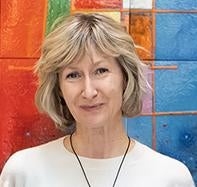
Madeleine Lowery is a Professor in the School of Electrical and Electronic Engineering at University College Dublin. She leads the Personal Sensing research group, focusing on engineering approaches to study the human nervous system in health and disease, with applications in therapies for impaired motor function. Her interdisciplinary research integrates neural engineering, electromyography, and biomedical signal processing. Specializes in neuromuscular systems and neural control of movement Develops myoelectric control systems for artificial limbs Designs high-density electrode systems for neural activity recording Investigates deep brain stimulation mechanisms in Parkinson’s disease models Her research spans neurodegenerative disorders (ALS, Huntington’s disease) and rehabilitation technologies , including wearable sensors for gait and sleep analysis. Key methodologies involve computational modeling , adaptive control systems , and biomedical signal analysis .
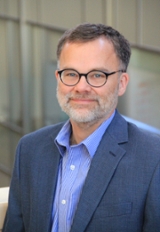
David C. Sheridan is an accomplished Associate Professor and Department Chair within the Department of Biology & Earth Science at Otterbein University. With a strong academic foundation in physiology and psychology, he teaches a range of courses in human and animal anatomy & physiology. His professional profile reflects a deep commitment to both education and research in the physiological sciences. Dr. Sheridan's educational journey is marked by advanced degrees from prestigious institutions. He earned his Ph.D. and M.S. in Physiology from The University of Wisconsin, complemented by dual Bachelor of Arts degrees in Psychology and History from The University of Minnesota. This diverse academic background informs his interdisciplinary approach to physiology. His research program is centered on integrative physiology, with two primary thrusts: investigating reaction times across sensory modalities and examining physiological adaptations during exercise. These interests are deeply rooted in neuroscience, particularly sensory systems, and extend to molecular mechanisms of muscle function as evidenced by his publication record. Dr. Sheridan employs a variety of experimental techniques to unravel complex physiological processes. A review of his scholarly output indicates a sustained focus on the molecular underpinnings of excitation-contraction coupling in skeletal muscle. His work frequently appears in high-impact journals such as Biophysical Journal and Proceedings of the National Academy of Sciences, demonstrating expertise in calcium channel function, protein topology, and neural circuit dynamics. The interdisciplinary nature of his research bridges biophysics, neuroscience, and exercise physiology. In his role as an educator and department chair, Dr. Sheridan mentors undergraduate students in research projects, fostering the next generation of scientists. While specific grant details are not publicly enumerated, his publication history suggests successful research funding. His leadership extends to shaping the academic direction of the Biology & Earth Science department at Otterbein University.
Denise J. Cai, PhD, is an Associate Professor at the Icahn School of Medicine at Mount Sinai, serving as Co-Director of the Computational and Systems Neuroscience Center and Chief of the Affective Neuroscience division in the Nash Family Department of Neuroscience. She maintains active memberships in the Friedman Brain Institute, Center for Neurotechnology and Behavior, Ronald M. Loeb Center for Alzheimer’s Disease, and Lipschultz Center for Cognitive Neuroscience. Education: BS in Psychology, University of California, San Diego (2004) PhD in Psychology & Behavioral Neuroscience, University of California, San Diego (2010) Postdoctoral Fellow, University of California, Los Angeles (2010-2017) Research Interests: Dr. Cai's work centers on memory processing mechanisms, trauma responses, sleep-dependent memory consolidation, and aging-related cognitive decline, with neuroanatomical focus on hippocampal-amygdala circuits. Her lab pioneers in vivo calcium imaging, chemogenetic/optogenetic manipulations, and closed-loop neurotechnology systems while developing open-source tools. She actively integrates diversity, equity, and inclusion principles into neuroscience research frameworks. Scientific Awards: NIH Director’s New Innovator Award (2019-2024) McKnight Memory and Cognitive Disorders Award (2019-2023) One Mind Rising Star Award (2019-2022) Klingenstein-Simons Fellowship Award (2018-2021) Allen Institute Next Generation Leader (2017-2020) BBRF Young Investigator Award (2019-2021) Advising and Grants: Dr. Cai serves on 15 PhD thesis committees across Mount Sinai labs (Kiraly, Goate, Nicolas-Harony, Russo, Schiller, Slesinger, Shaefer) and co-mentored K99/R00 awardees including Dr. Sarah Stern (Max Planck) and Dr. Kirstie Cummings (University of Alabama). Her research is funded by the NIH, McKnight Foundation, Brain and Behavior Research Foundation, and One Mind Institute, supporting both basic science and translational trauma research. Labs and Teams: She leads the Cai Lab within the Nash Family Department of Neuroscience, collaborating extensively with the Computational and Systems Neuroscience Center and Friedman Brain Institute. Her team develops open-source neurotechnology tools while maintaining active partnerships with Cold Spring Harbor Laboratory, Max Planck Institutes, and international research centers for miniscope and closed-loop system development.
Lars-André Tokheim is a Professor of Process Technology at the University of South-Eastern Norway (USN), specifically within the Faculty of Technology, Natural Sciences and Maritime Sciences at the Porsgrunn campus. He holds a PhD in Combustion from NTNU (1999) and has a BSc/MSc in Chemistry/Industrial Environmental Technology from Telemark University College. Academic roles since 2016: Professor at USN Previous roles: Associate Professor (2006-2015), Process Engineer (1998-2002) and Process Development Manager (2002-2006) at Norcem Brevik His research focuses on CO2 capture in cement production, electrification of industrial processes , and alternative fuel substitution . He supervises PhD and Master's students on projects like electrified calciners, calcium looping, and waste heat utilization. Recent publications address electrified calciner design for direct CO2 capture, fluidized bed technology for cement processes, and techno-economic analysis of CO2 capture systems. He collaborates with companies like Norcem, Heidelberg Materials, and Skagerak Energi. Key projects include: ELSE2: Electrical calciner systems for CO2 capture FIRCC: Fluidized bed particle classification Calcium looping with indirect heat transfer He also contributes to cultural projects through the Neil Young tribute band Harvest Moon and authored a book on Langesund's rock music history.
Vedran Đerek serves as an Associate Professor in the Department of Experimental Physics at the Faculty of Science, University of Zagreb. His research spans bioelectronics, optoelectronic cell control, and nanostructured materials development. His laboratory ( dereklab.phy.hr ) focuses on creating advanced interfaces between biological systems and electronic devices. Dr. Đerek's research interests center on developing bioelectronic interfaces that enable precise communication with biological systems. His work in optoelectronic cell control utilizes light to modulate electrophysiological properties of cells with millisecond precision, enabling new approaches in biomedical research. His expertise in nanostructured and hybrid materials drives innovation in photodetectors and optoelectronic devices, while his spectroscopy work applies high-resolution optical techniques to study material properties and interactions. Numerical modeling using tools like COMSOL Multiphysics forms a critical component of his research methodology for simulating complex bioelectronic systems. His recent publication trend (2018-2024) reveals a strong focus on organic photocapacitors and photovoltaic devices for neural and cardiac stimulation. Key themes include wireless optoelectronic nerve stimulation, chronic neural interfaces, and the fundamental mechanisms of photocapacitive versus photofaradaic stimulation. His work bridges materials science, neuroscience, and biomedical engineering to develop next-generation bioelectronic interfaces with applications in medical devices and fundamental biological research. Dr. Đerek teaches courses in atomic and molecular physics at both undergraduate and doctoral levels, including "Atomska i molekulska fizika" (Atomic and Molecular Physics), "Osnove atomske i molekulske fizike" (Fundamentals of Atomic and Molecular Physics), and doctoral-level "Spektroskopske metode u proučavanju molekulskih vibracija" (Spectroscopic Methods in Molecular Vibration Studies).
Konstantin Denessiouk is an active researcher specializing in protein structural biology and enzymology with 39 documented publications spanning 1998-2025. His work primarily focuses on catalytic mechanisms across diverse protein superfamilies including serine proteases, acid proteases, and SGNH hydrolases. Research interests center on structural organization of catalytic triads , nucleophile-oxyanion networks , and evolutionary conservation of protein folds . His fingerprint analysis reveals dominant expertise in Nucleophile (100%), Catalytic Triad (64%), and Structural Organization (57%) with significant contributions to understanding SGNH Hydrolase mechanisms (50%) and Protein Superfamily classification (55%). Recent publication trends (2023-2025) demonstrate concentrated investigation into structural catalytic cores across protease families, comparative analyses of subtilisin-like vs. trypsin-like systems, and precise mapping of active site architectures in hydrolase proteins. His work consistently bridges computational structural biology with experimental enzymology. Supervision activities include at least one mentored research project as indicated by "Supervised Work (1)" in publication metadata, though specific student details are not provided. Research collaborations show international networking with prominent scientists including Vladimir Uversky and Mark Johnson across multiple institutions.
Tingting Gu, PhD is an Assistant Professor at the University of Oklahoma’s School of Biological Sciences. Her research focuses on neuronal plasticity mechanisms and advanced light microscopy techniques. She obtained her PhD from the University of Oklahoma and is a skilled microscopist with expertise in Neuroscience, Developmental Biology, and Genetics. Her work includes hormonal regulation studies of neuroendocrine cell plasticity and the development of protocols for whole-animal tissue clearing and light-sheet imaging. She co-led the acquisition of a Zeiss 780 inverted confocal microscope for the Samuel Roberts Noble Microscopy Laboratory (SRNML), enhancing imaging capabilities for OU researchers. Gu teaches the Advanced Light Microscopy course (BIOL/MBIO/PBIO 5394) and contributes to the SRNML’s educational and outreach initiatives. Her research integrates molecular biology with advanced imaging technologies, emphasizing 3D/4D whole-system imaging applications across diverse tissues, including mouse brains, pig heart valves, and whole fish specimens. She collaborates on projects involving biomechanical tissue analysis and microscopy education.
Pietro Bareschino is an Associate Professor in the Department of Engineering at University of Sannio. His research spans chemical looping combustion (CLC), CO2 capture and utilization, methanation, and fluidized bed reactor technology. He has contributed extensively to studies on sustainable energy systems, including bioenergy with carbon capture, solar PV lifecycle analysis, and coal fragmentation dynamics. His recent work includes a 2024 publication on bioenergy with carbon capture, where he analyzed integrated torrefaction–CLC–methanation using solar-dried biomasses. In 2023, he developed reduced-order models for methane reactors and evaluated solar PV systems in Pakistan, focusing on energy payback periods and environmental impacts. Earlier, he studied chemical looping combustion configurations (2020), tobacco stem biofuels (2020), and desiccant wheel performance (2013). His collaborations include researchers like Erasmo Mancusi, Francesco Pepe, and Claudio Tregambi. While no specific awards are mentioned, his work appears in journals like Applied Energy and Powder Technology , with conference contributions to Engineering Conferences International and AIDIC . He has explored innovative reactor designs, such as dual fluidized beds with internal/external solids circulation (2017), and techno-economic analyses of supercritical coal-fired power systems (2024).
Daniela Rotin is a Professor at the University of Toronto, affiliated with the Temerty Faculty of Medicine, and holds appointments in the Department of Biochemistry and the Department of Physiology. She is a senior scientist in the Cell Biology Program at The Hospital for Sick Children (SickKids) in Toronto, where her research focuses on ubiquitin ligases, particularly the Nedd4 family, and their roles in cellular regulation, epithelial physiology, and disease. Her research interests include cell biology, physiology, ubiquitylation, endocytosis, cystic fibrosis, autophagy, epithelial biology, ion channel regulation, and protein trafficking. She has made significant contributions to understanding the regulation of the epithelial sodium channel (ENaC) by ubiquitin ligases such as Nedd4-2, and the discovery of primate-specific splice isoforms like Nedd4-1(NE), which regulates autophagy in response to nutrient availability. Her recent publications highlight a strong trend in molecular mechanisms of ubiquitin ligase activity, stress signaling (e.g., p38-MAPK, WNK kinases), and cellular responses to osmolarity and ion imbalances. Her work integrates cell biology, biochemistry, and physiology to uncover novel regulatory pathways in health and disease, with implications for cystic fibrosis, hypertension, epilepsy, and cancer. Dr. Rotin has not been noted to have received specific scientific awards in the provided text, but her high citation metrics (h-index 33, i10-index 48, over 4,700 citations) reflect significant scholarly impact. She collaborates extensively with researchers at SickKids, the University of Toronto, and international institutions. She advises a research team studying ubiquitin-mediated proteostasis, and her lab has secured funding for projects on ENaC regulation, autophagy, and organoid models of epithelial disease. She leads a research group that utilizes advanced techniques including CRISPR-Cas9, proteomics, and iPSC-derived organoids. Dr. Rotin is actively involved in research through her laboratory at SickKids, where she investigates the molecular basis of protein trafficking, cellular stress responses, and the pathophysiology of epithelial disorders. Her team includes postdoctoral fellows, graduate students, and research associates working on ubiquitin ligases and their roles in development and disease.
Hari Arthanari is an Associate Professor in the Department of Biological Chemistry and Molecular Pharmacology at Harvard Medical School . His research focuses on protein-protein interactions and transcriptional Regulation in disease contexts, utilizing NMR spectroscopy , biophysical assays , and cell-based models . He operates the Arthanari Laboratory at Dana-Farber Cancer Institute, with a lab size of 5-10 members. Develops novel NMR methods for fragment screening and metabolite analysis Investigates transcriptional condensates and translation machinery dysregulation in cancer Applies integrative structural biology to therapeutic target discovery Research trends in his publications highlight therapeutic targeting of protein interactions across diverse diseases including cancer and viral infections . His work spans method development for NMR experiments, metabolomics marker identification , and structural characterization of both viral and human proteins. Articles frequently employ techniques like fluorine NMR , 15N TROSY experiments , and computational screening for drug candidate discovery. Scientific awards or formal recognition were not explicitly mentioned in the provided texts. His lab's publications emphasize collaborative multi-institute research and open-source drug discovery platforms , though no specific student advising or grant details were extracted. The Arthanari Lab (website: artlab.dana-farber.org) maintains focus on structural and functional characterization of proteins involved in disease mechanisms, particularly through NMR-derived metabolomics data and protein-ligand interaction identification .
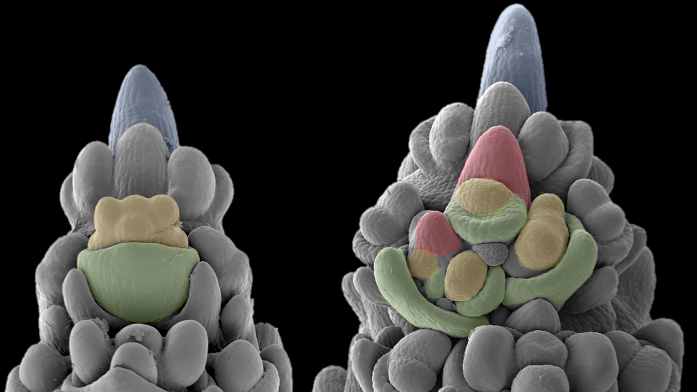
Prof. Dr. Rüdiger Simon serves as Research Professor at the Institute of Developmental Genetics, Heinrich Heine University Düsseldorf, where he leads investigations into intercellular signaling pathways governing plant shoot and root meristem development. His work centers on how meristems—harboring stem cells that determine growth capacity, organ generation, and root architecture—utilize regulatory networks for plant architecture control and plasmodesmata-mediated cytoplasmic communication. Simon's research spans four integrated scientific concepts: RA1 optimizing plant performance through development-metabolism interfaces; RA2 plant-microbiota metabolic networks in soil adaptation; RA3 synthetic and reconstruction biology approaches; and RA4 theoretical plant biology with data science integration. His group employs specialized facilities including the Plant Metabolism and Metabolomics Facility and Imaging Platform, contributing to CEPLAS Data resources and public toolsets for the plant science community. Analysis of his 30-year publication record reveals persistent focus on Arabidopsis thaliana stem cell regulation, with recent expansion into proteomics (2023 plasmodesmata proteome study) and data science. Key recurring themes include CLE peptide signaling pathways, receptor kinase complexes, and calcium-mediated cell fate determination—demonstrating evolution from foundational work on CLV3 feedback loops (Science 2000) to current systems-level investigations of meristem communication networks. As part of CEPLAS (Cluster of Excellence on Plant Sciences), Simon maintains active research programs supported by ongoing funding cycles beyond the archived 2013-2018 period, evidenced by 2023 publications and operational facilities. His work bridges molecular genetics, cell biology, and computational approaches to address fundamental questions in plant development.
Dr. Dobrawa Napierala is an Associate Professor in the Department of Oral and Craniofacial Sciences at the University of Pittsburgh School of Dental Medicine, with a joint appointment in the Department of Periodontics and Preventive Dentistry. She also serves as a faculty member of the Center for Craniofacial Regeneration and the McGowan Institute for Regenerative Medicine, and co-directs the Pittsburgh Center for Interdisciplinary Bone and Mineral Research. Dr. Napierala holds a PhD in Biochemistry from the Institute of Bioorganic Chemistry, Polish Academy of Sciences, and conducted postdoctoral training in molecular and human genetics at Baylor College of Medicine. Her research focuses on understanding molecular mechanisms underlying mineralization processes in skeletal and dental tissues, including phosphate signaling, TRPS1 transcription factor regulation, and matrix vesicle biogenesis. Key interests include diseases linked to defective endochondral ossification, tooth formation defects, and ectopic mineralization. Her work bridges basic science and translational medicine, aiming to develop therapies for bone and dental tissue regeneration. Dr. Napierala has been recognized with the ASBMR Esteemed Award and has contributed to numerous grants and collaborations. Her lab integrates genetic models, biochemical analysis, and advanced imaging to study mineralization pathways, with recent findings on TRPS1's role in cementogenesis and osteogenic cell function.
Dr. David Miller is a Senior Lecturer in Biological Chemistry and Director of Postgraduate Taught (PGT) Programmes at the School of Chemistry, Cardiff University. With over two decades of academic experience, he leads research at the intersection of synthetic organic chemistry and biological systems, focusing on enzyme mechanisms and applications in drug discovery. MA in Chemistry with Supplementary Quantum Chemistry, Oriel College Oxford (1989-1993) PhD, Southampton University under Prof. T. D. H. Bugg (1993-1997) Dr. Miller's research centers on applying synthetic organic chemistry to solve biological problems and vice versa. His work explores how small organic molecules can probe the function of biological macromolecules like proteins and DNA. His primary research areas include: Inositol monophosphatase : Studying this enzyme's mechanism as a target for bipolar disorder treatments mu-Calpain research : Developing inhibitors for autoimmune diseases like rheumatoid arthritis and osteoarthritis Terpenoid biosynthesis : Investigating how terpene cyclases generate diverse natural products from common precursors Analysis of Dr. Miller's recent publications reveals a strong focus on enzyme engineering, particularly with terpene synthases. His work combines computational modeling, structural biology, and synthetic chemistry to manipulate enzyme function. A significant trend is the exploration of enzyme plasticity to create novel catalytic activities and non-natural products. His research bridges fundamental enzymology with practical applications in drug discovery and biocatalysis. Dr. Miller is a Member of the Royal Society of Chemistry (MRSC), reflecting his contributions to the field of chemical sciences. As Director of Postgraduate Taught Programmes, Dr. Miller oversees curriculum development and student supervision. He teaches across multiple levels, from foundational organic chemistry to specialized courses in biocatalysis and drug development. His research group receives funding for projects exploring enzyme mechanisms and their applications in therapeutic development. Dr. Miller's laboratory focuses on the structural and mechanistic aspects of enzyme catalysis, with particular emphasis on terpene synthases and calpain proteases. His team combines synthetic organic chemistry, protein engineering, and structural biology approaches to unravel complex biochemical processes.
Thomas Fisher is a Professor and Department Head of Anatomy, Physiology and Pharmacology at the University of Saskatchewan. With a research focus on neuroendocrine physiology, he investigates osmotic regulation of ion channels, Ca 2+ channel targeting in neurosecretion, and gliotransmitter mechanisms. His work bridges molecular neuroscience and systems physiology. Academic Affiliation: University of Saskatchewan Research Themes: Neuroendocrine Ion Channels, Osmoregulation, Glia-Neuron Interactions Research Trends across his publications highlight: Evolution of Ca 2+ and K + channel studies in hypothalamic neurons Integration of molecular force spectroscopy and live-cell imaging Translational focus on water balance and vasopressin secretion Methodological contributions to immunocytochemical channel visualization Grants & Collaborations include NSERC, CIHR, and Heart & Stroke Foundation funding (2005-2014). His lab trained numerous students and pioneered techniques for studying channel dynamics in neuroendocrine systems.
Britt-Marie Steenari is a researcher at Chalmers University of Technology, specializing in resource recovery from waste materials through advanced thermal and hydrometallurgical methods. Her work focuses on metals extraction from electronic scrap, paint residues, and municipal solid waste ash using techniques like pyrolysis, solvent extraction, and thermodynamic modeling. She also investigates biomass combustion and waste gasification, particularly the behavior of minerals and metal compounds during these processes. Her research emphasizes sustainable resource management, including the recycling of lithium-ion batteries, solar cell waste, and metal oxide varistors. She employs spectroscopic methods (e.g., XANES) and leaching processes to characterize and recover valuable metals such as copper, zinc, rare earth elements, and antimony. Key applications include waste-to-resource strategies for construction materials and energy systems. Britt-Marie has contributed to projects on phosphorus recovery in the Baltic Sea region and the use of fly ash in cement. Her work bridges environmental engineering, metallurgy, and materials science to address global challenges in circular economy and pollution control.