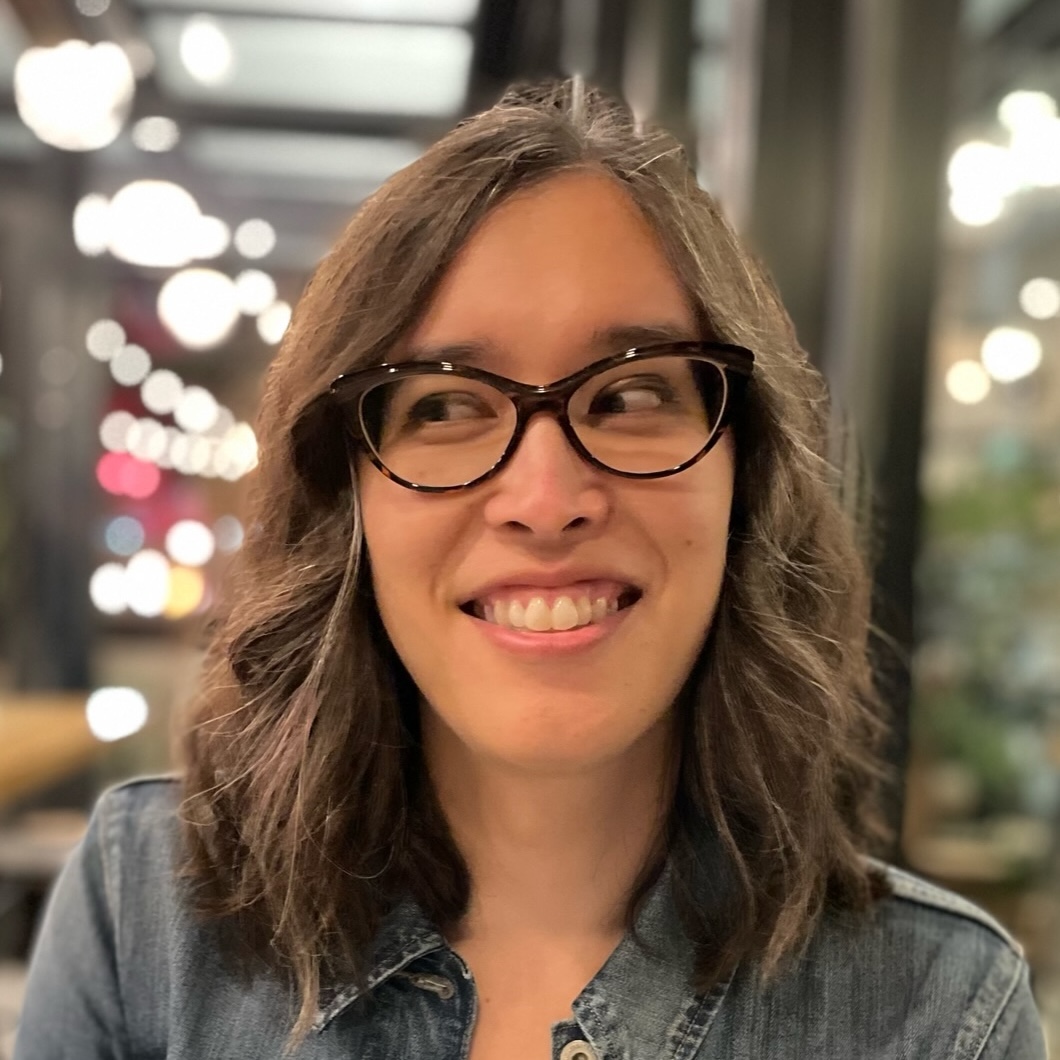
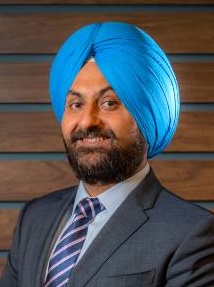
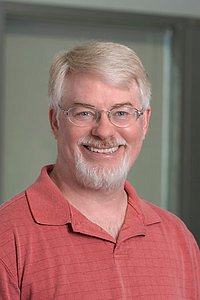
Kevin Webb is an Associate Professor in the Computer Science Department at Swarthmore College . He earned his Ph.D. in Computer Science in 2013 from the University of California, San Diego (UCSD) , advised by Alex Snoeren and Ken Yocum. His academic journey includes a Master of Science (2010) and Bachelor of Science (2007) in Computer Science from UCSD and Georgia Tech, respectively. Research Interests: Networks , Distributed Systems , Cloud Computing , Operating Systems , Parallel Computation , and Computer Science Education Research (focusing on assessment and interactive teaching methods). Publications: His work spans topics like topology switching, tenant segregation in cloud networks, concept inventories for data structures, and tools like Blender and ParaVis. He is a co-author of the open-access textbook Dive into Systems , which introduces computer architecture and systems to students with only a CS1 background. Teaching: He has taught courses such as CS31: Introduction to Computer Systems , CS45: Operating Systems , and CS43: Computer Networks at Swarthmore. At UCSD, he served as a teaching assistant and instructor for courses on distributed systems and operating systems. Contact: Kevin is reachable at kwebb@cs.swarthmore.edu .
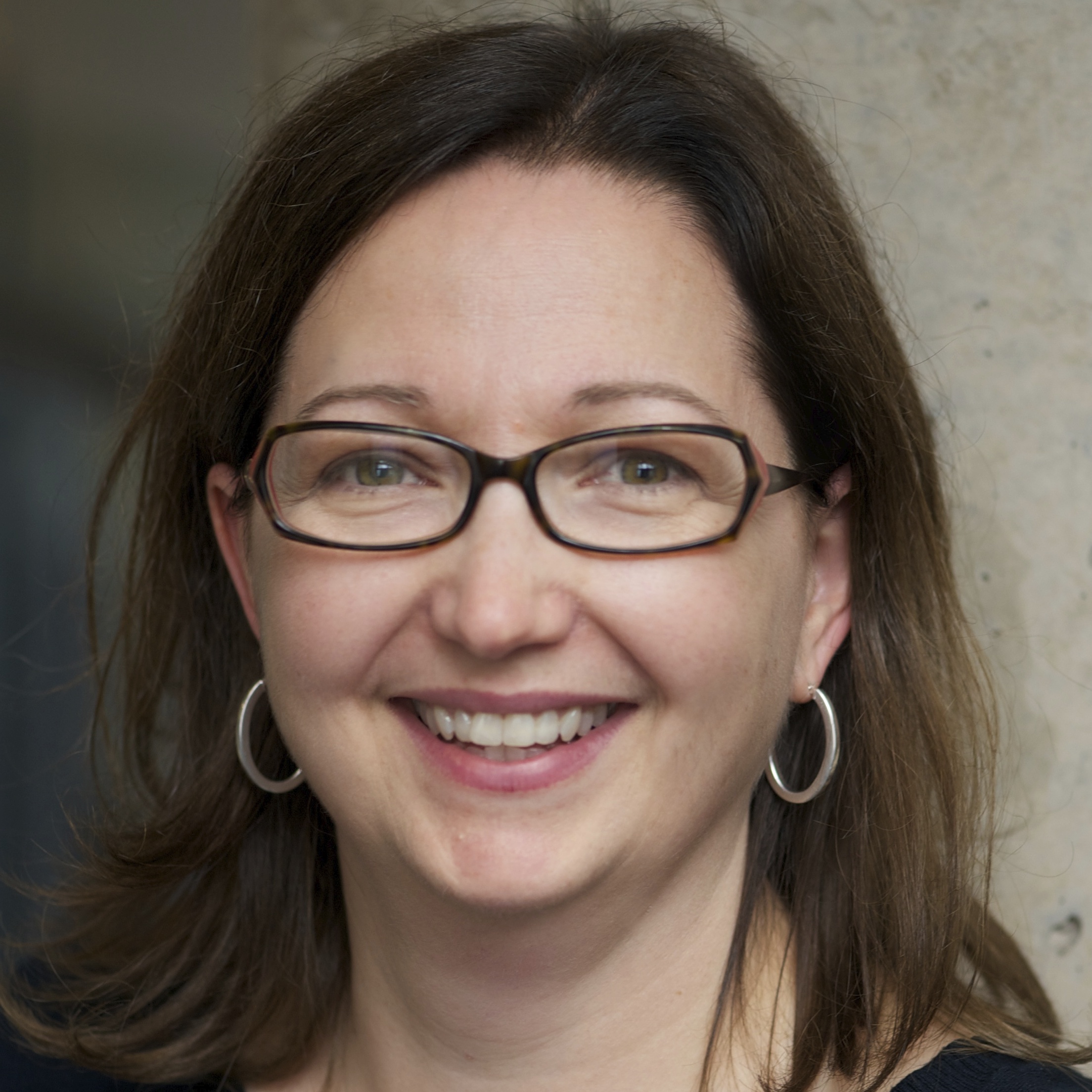
Dr. Cruz Izu is a Lecturer in the School of Computer and Mathematical Sciences at the University of Adelaide. She holds a BSc (Hons) in Computer Science and a PhD in Computer Architecture from the University of the Basque Country, along with a Graduate Certificate in Online Learning from the University of Adelaide. Her research focuses on two primary areas: interconnection network design for parallel systems and computer science education methodologies. Research Interests: Interconnection networks in parallel systems and Network-on-Chip architectures Computer Science Education, including program comprehension, code quality assessment, and pedagogical strategies for novice programmers Computational thinking and problem-solving in early university education Teaching Contributions: Coordinator for Masters of Computing and Innovation program Lead developer of Systems, Programming, and Problem Solving courses Former coordinator of the Google-funded Educators PD program (2011-2020) Collaborations: International partnerships with institutions in Spain, Italy, and Australia Contributions to the design of the SACE Digital Technologies curriculum Professional Activities: Editor of Informatics in Education (2021 Special Issue on Abstraction) PC member for SIGCE and ITiCSE conferences
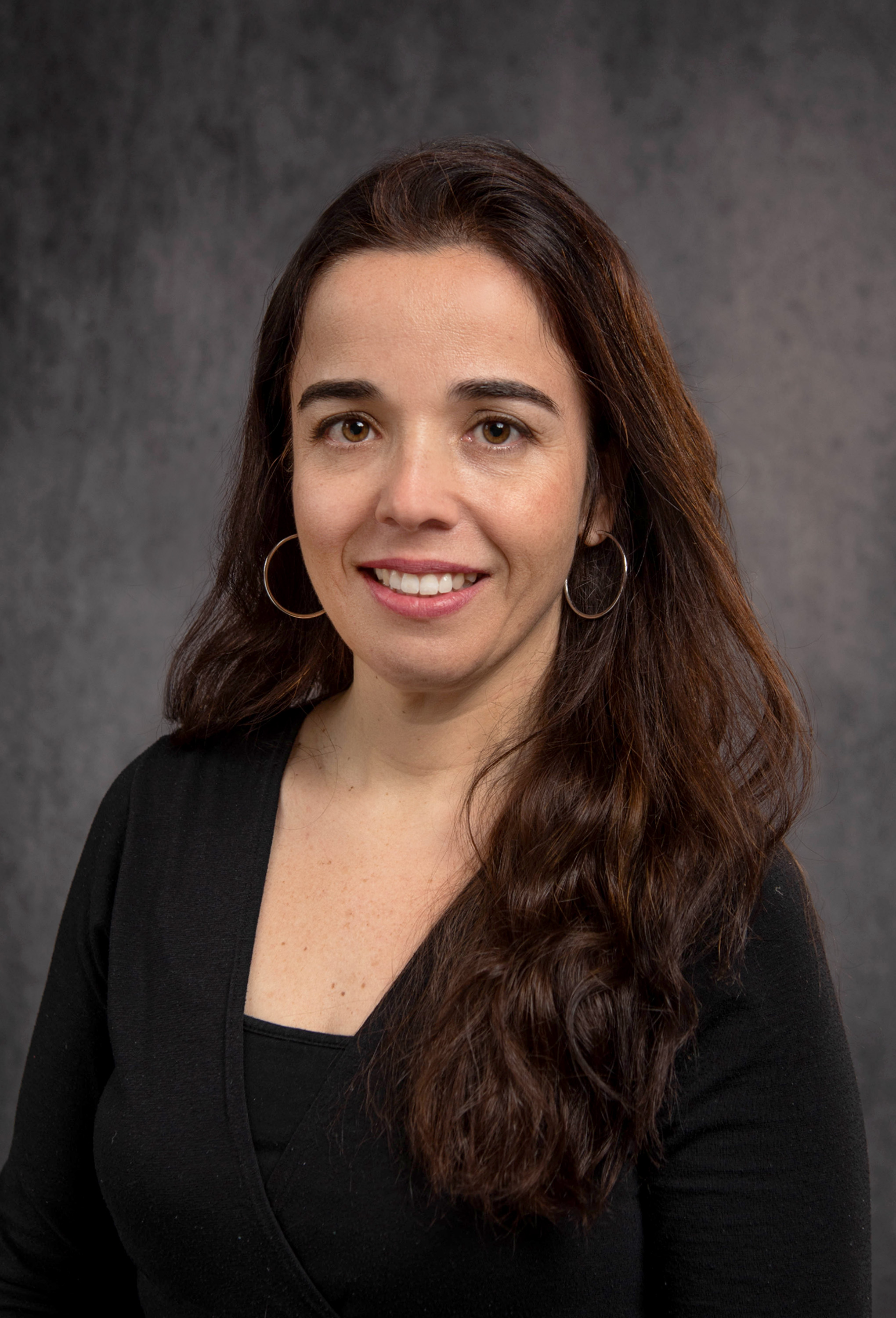
Amy J. Ko is a Professor and Associate Dean for Academics at the Paul G. Allen School of Computer Science & Engineering and The Information School at the University of Washington, Seattle . She serves as Editor-in-Chief of ACM TOCE , co-directs Reciprocal Reviews and CS for All Washington , and leads the CENSOR Research Lab . Her work prioritizes equitable, liberatory computing education , bridging human-computer interaction and social justice . Research Focus: Equity in CS education, AI literacy, inclusive design, developer productivity, and ethical technology use Awards: Best Paper Award (2024, 2022) Diversity + Inclusion Award (2024) Most Influential Paper Honorable Mention (2014) Honorable Mention (2024, 2023) Publications: Over 184 works spanning program comprehension, assessment design, ethical pedagogy, and democratizing computing education Books: Foundations of Information , Critically Conscious Computing , and Teaching Accessible Computing Her Google Scholar profile reflects citations under her deadname, which she advocates to correct. She emphasizes student agency and community collaboration , particularly with marginalized groups in computing spaces.
Scott Grissom is a Professor at Grand Valley State University’s College of Engineering and Computing , specifically within the Computer Science and Information Systems Department . His work focuses on transforming traditional lecture-based computer science education into interactive, student-centered environments through pedagogies like peer instruction , active learning , and collaborative learning . He has led multi-institutional studies on instructional practices and contributed to national discussions on evidence-based teaching methods in CS classrooms. Dr. Grissom’s research interests revolve around enhancing student engagement via algorithm visualization, digital libraries, and interactive pedagogical tools . His studies on peer instruction (e.g., “A Multi-institutional Study...”) and error analysis in recursive algorithms have significantly influenced CS2 curriculum design. He also explores the integration of mobile application development (e.g., iPhone curriculum adaptations) into traditional CS topics. His publications span journals like ACM Transactions on Computing Education and SIGCSE proceedings , with a focus on student-centered learning , instructional practices , and NSF grant opportunities . He has conducted workshops on funding competitive NSF proposals , emphasizing systematic strategies for converting ideas into successful grants. His collaborations include renowned figures like Renée McCauley , Laurie Murphy , and Leo Porter .
James H. Cross II is a Professor in the Department of Computer Science and Software Engineering at Auburn University's College of Engineering, with prior affiliations at the University of Nevada Las Vegas' Business School and Drexel University's College of Medicine. His research focuses on software engineering education, program visualization, reverse engineering, and educational technology. Key Roles : Software Engineering Educator, Java Pedagogy Innovator, Program Visualization Researcher His work emphasizes enhancing code comprehension through dynamic data structure visualizations (e.g., jGRASP IDE), reverse engineering methodologies, and interdisciplinary applications in software maintenance and curriculum development. Recent trends in his publications (2019–2024) include FAIR data principles, ontological frameworks, and token-based incentives for scholarly contributions. Notable collaborations include T. Dean Hendrix, Larry A. Barowski, and David A. Umphress. Affiliated with institutions like Auburn University, University of Nevada Las Vegas, and Drexel University's College of Medicine, his career spans software engineering research, educational tool development, and academic leadership.
Dr. Diane Horton is a Teaching Professor in the Department of Computer Science at the University of Toronto. She co-leads the Embedded Ethics Education Initiative, a cross-disciplinary effort integrating ethics into computer science curricula. Her research focuses on educational pedagogy, particularly in ethics integration and online learning effectiveness. Leadership roles include: Former Associate Chair, Undergraduate (Department of Computer Science) Acting Director, University of Toronto Centre for Teaching Support and Innovation Co-chair, President's Teaching Academy Research highlights include: Longitudinal studies on embedded ethics education impact Co-designer of the Blocky game-based learning assignment Investigations into inverted classroom models and online CS education Awards include the 2015 President's Teaching Award (UofT's highest teaching honor), 2016 OCUFA Teaching Award, and 2024 Northrop Frye Team Award for the Embedded Ethics Initiative. She co-hosts the In the Loop podcast for CS undergraduates. Current projects include: Leadership in the Schwartz Reisman Institute for Technology and Society Development of ethics modules for CS curricula Professional development programs for educators
Mariana Silva is a Teaching Associate Professor at the Siebel School of Computing and Data Science , University of Illinois Urbana-Champaign, and CEO of PrairieLearn Inc. She holds a Ph.D. in Theoretical and Applied Mechanics from UIUC (2009). Her research focuses on leveraging educational technologies, such as Large Language Models (LLMs), to enhance computer-based assessments and scalable teaching practices. Silva has taught over 11 courses to 9,000+ students, emphasizing innovations in STEM education. She has pioneered adaptive testing tools and randomized question generators to improve equity and accessibility in large-scale courses. Education : Ph.D., Theoretical and Applied Mechanics, UIUC (2009) M.S., Mechanical Engineering, Federal University of Rio de Janeiro (2003) B.S., Mechanical Engineering, Federal University of Rio de Janeiro (2001) Research Interests : Silva’s work centers on technology-driven education , including automated grading using LLMs, design of adaptive assessment systems, and fostering collaborative learning. She has developed tools like PrairieLearn to streamline teaching workflows while maintaining educational rigor. Awards & Recognition : Scott H. Fisher Computer Science Teaching Award (2022) Rose Award for Teaching Excellence (2022) Multiple “List of Teachers Ranked as Excellent” (2009–2017) Engineering Council Outstanding Advising Award (2014–2019) Labs & Teams : Co-founder of PrairieLearn Inc., which provides open-source platforms for STEM education. She collaborates with interdisciplinary teams to advance educational technologies and testing infrastructure.
Jennifer Wong-Ma is an Associate Teaching Professor at the University of California, Irvine (UCI), affiliated with the Donald Bren School of Information and Computer Sciences and the Computer Science Department. She joined UCI in 2018, previously serving as teaching faculty at Stony Brook University. Her roles include Vice Chair of Undergraduate Studies and advisor for organizations like Women in Information and Computer Sciences (WICS). She holds a Ph.D. in Computer Science from UCLA, with prior research focused on wireless systems and hardware IP protection. Education: Ph.D., Computer Science, University of California, Los Angeles, 2006 Research & Teaching Interests: Development of learning and teaching tools for CS education Alternative assessment strategies and pedagogical innovation CS education equity and retention initiatives Integration of theater techniques in classroom engagement Key Contributions: Co-founded the Coffee Meets Teaching program to foster faculty collaboration Member of UCI’s inaugural Faculty Academy for Teaching Excellence (FATE) Advocate for women in technology through WIT@UCI and WICS mentorship Awards: CS Department Award for Undergraduate Education (2012) CS Department Award for Major Contributions to Undergraduate Education (2016) Honored at 2023 ICS Awards Celebration Her work emphasizes community-building in education, bridging academia and industry, and leveraging technology to enhance student success. Current projects include optimizing grading infrastructure and predictive modeling for academic retention.
Noelle Brown is an Assistant Professor and Lecturer at the University of Utah, focusing on innovative approaches to integrating ethics and responsible computing into computer science education. Her work emphasizes design empathy for people with disabilities, pedagogical strategies for ethics integration, and curriculum development in human-computer interaction (HCI). She holds a PhD in Computing Education and has conducted extensive research on teaching methodologies in CS1/CS2 courses. Her research interests span computer ethics, HCI education, and disability-inclusive design, with a focus on bridging technical instruction with ethical considerations. Recent studies include evaluating micro-insertion techniques for responsible computing education and leveraging social media data to build design empathy for disabled populations. She actively explores challenges in creating ethically-integrated assignments and measuring learning outcomes in ethics-focused curricula. Dr. Brown has published 12 peer-reviewed articles between 2019-2025, covering topics from AI ethics assignments to postsecondary education retention strategies. Her work consistently bridges theoretical frameworks with practical pedagogical applications, emphasizing the importance of human-centered values in computing education. Her advising and grant activities are not detailed in the provided information, though her research suggests involvement in curriculum development and educational policy initiatives. No scientific awards are listed in the current data.
John P. Dougherty is a Teaching Professor of Computer Science at Haverford College, PA. His primary affiliation is with the Department of Computer Science within the College of Arts and Sciences. Dougherty has collaborated with institutions like Drexel University and has been actively involved in computing education research since at least 2002. Focus areas include CS1 curriculum design, pedagogy for non-majors, and the integration of music/theatre into computing education. Contributed to debates on mathematics requirements for CS majors and the role of peer code review. Published extensively in Journal of Computing Sciences in Colleges and SIGCSE proceedings. Research Interests Explores innovative teaching methodologies, including project-based learning and interdisciplinary approaches. Specializes in understanding how foundational disciplines like mathematics impact student success in computing. Active in national conversations about the future of computing education through workshops and collaborative reports. Notable Contributions Lead author on influential papers addressing: Music-based concept reinforcement (2022) Mathematics perceptions in CS undergraduates (2023) Decadal trends in computing education research (2022 co-authored)
Udayan Das is a Professor in the School of Science at Saint Mary's College of California, with research spanning computer science education, computational biology, and spectrum analysis. His academic work focuses on innovative approaches to programming education, particularly with Python, and interdisciplinary collaborations in bioinformatics. His research interests center on improving computing education through accessible curriculum design, ethical frameworks for technology development, and interdisciplinary applications of computer science. Das has pioneered approaches to reducing barriers in introductory programming courses and developed question-based frameworks for integrating ethics into computing education. His work with James Pesavento demonstrates strong cross-disciplinary collaboration in applying computational methods to biological problems, particularly in algal gene expression analysis. Analysis of his recent publications reveals a strong focus on practical educational tools and methodologies, with significant contributions to open educational resources through the OpenStax Python textbook. His research spans both theoretical frameworks for computing education and practical software development like pyMS-Vis for mass spectrometry data visualization. Das has received recognition through multiple scholarly publications but no specific awards were mentioned in the source material. He actively mentors students, with Megan Bindra identified as a mentee in computational biology research. His work demonstrates commitment to both research and educational innovation, with particular emphasis on making computing education more accessible and ethically grounded. Das collaborates extensively with colleagues in the School of Science, particularly with James Pesavento on bioinformatics projects that bridge computer science and molecular biology. His recent work demonstrates strong interdisciplinary connections across scientific domains at Saint Mary's College.
Sergio Gago-Masague is a Teaching Professor at the University of California, Irvine (UCI), where he serves in the Department of Computer Science within the School of Information and Computer Sciences. He directs the Engaging Technology and Application Design Lab, focusing on cross-disciplinary research in assistive and educational technologies. Previously, he worked as a Research Scientist at UCI’s California Institute for Telecommunications and Information Technology and lectured in informatics before transitioning to his current role in 2018. His research spans health informatics, human-computer interaction, software engineering, and computer science education. Key projects include developing the Pain Buddy mHealth tool for pediatric cancer pain management, the Maestro platform for teaching AI robustness, and predictive models for improving CS student retention. He has pioneered the use of gamification in education and embedded systems for health monitoring. Education: Ph.D. in Product Engineering, Universitat Politècnica de Catalunya Recent work emphasizes ethical AI in music industry applications, bias mitigation in student admissions algorithms, and leveraging large language models (LLMs) in post-pandemic education. His articles reflect trends in wearable health tech (e.g., transdermal alcohol prediction via hyperdimensional computing) and CS education innovations like customized student-project matching in capstone courses. Recipient of the 2024 UCI Celebration of Teaching Award and a 2023 ICS Awards honoree, Gago-Masague has also contributed to institutional initiatives like the HSI Project for early academic interventions. His lab fosters collaborations across disciplines to design socially impactful technologies.
Kriangsiri Malasri is an Associate Professor of Teaching and Undergraduate Advising Coordinator in the Department of Computer Science at the University of Memphis. He holds an MS in Computer Science from the same institution (2007). His teaching focuses on foundational courses (CS0/CS1/CS2) and discrete mathematics. Since 2011, he has coordinated academic advising for undergraduate students. Malasri has been actively involved in recruitment and outreach initiatives including the Cyber Ambassadors Tech Camp, Creative Game Design Camp, GenCyber Boot Camps, and 100 Girls of Code. He collaborates with Memphis-based nonprofit CodeCrew on teacher training and curriculum development. Notably, he has received multiple awards: College of Arts and Sciences Teaching Excellence (2014, 2024), Alumni Association Distinguished Teaching Award (2017), and Advising Excellence recognition (2015). His professional contributions include NSF-funded Tri-P-LETS project work (2007) improving high-school CS curricula. He serves as a bridge between academia and K-12 education through innovative outreach programs targeting underrepresented groups in STEM.
Dr. Gursimran Walia serves as Professor and Associate Dean for Academic Affairs in the School of Computer and Cyber Sciences at the University of Georgia. Their academic background includes a Ph.D. and Master of Science in Computer Science from Mississippi State University (2009 and 2006). They hold administrative roles in both the Department of Computer & Cyber Sciences and The Graduate School. Dr. Walia's academic contributions span multiple institutions and interdisciplinary initiatives. Educational Background Ph.D., Computer Science, Mississippi State University (2009) M.S.C., Computer Science, Mississippi State University (2006) Research Focus Dr. Walia's work centers on software engineering education, programming pedagogy, and human factors in software development. They develop novel tools like the Testing Tutor platform and Non-intrusive Classroom Attention Tracking System (NiCATS) . Their research emphasizes improving student learning outcomes through active learning strategies, gamification, and AI-driven education technologies. Key themes include: Software requirements engineering and error taxonomy development Classroom attention tracking using machine learning and eye-tracking Curriculum design for software testing and database systems Addressing industry-education gaps in CS graduate preparedness Professional Service Dr. Walia actively contributes to academic service through: Curriculum development initiatives Educational research funding proposals Reviewing for conferences and journals in software engineering education Innovation & Labs Their work involves: Designing cyberlearning environments for CS education Developing the WReSTT (Web-based Repository of Software Testing Tutorials) Advancing NiCATS classroom monitoring systems
Jeff Offutt is a Professor and Chair of the Department of Computer Science at the University at Albany, part of the College of Nanotechnology, Software, & Engineering. Previously, he was a Full Professor with Tenure in Software Engineering at George Mason University, where he led the MS in Software Engineering program and developed numerous courses in software testing, web engineering, and software analysis. His research has significantly influenced both academia and industry in software testing and engineering education. His research interests span software testing, mutation testing, model-based testing, automatic test data generation, web application testing, and software engineering education. He has pioneered techniques such as bypass testing and model-based testing, with applications embedded in tools like Selenium. His work emphasizes practical, impactful research—what he calls "science fiction"—with a clear path to real-world use by software engineers. His recent publications reflect a strong trend in cost-effective mutation testing, model-based testing strategies, educational innovations like self-paced learning models (e.g., SPARC), and security aspects of web applications. The keywords across his work include software testing, empirical studies, automation, and education, with subfields such as fault localization, test oracles, input partitioning, and scalable pedagogy. John Toups Presidential Medal for Excellence in Teaching (2020) George Mason University Faculty Member of the Year (2020) Virginia Outstanding Faculty Award (2019) George Mason Teaching Excellence Award (2013) 10-year Most Influential Paper Award, MODELS 2020 Best Paper Award, ICST 2021 Most Influential Paper, ISSRE (2019) Jeff Offutt has advised numerous students and collaborated internationally, including at Swedish universities. He has led major educational initiatives such as the NSF-funded SPARC project, aimed at improving scalability and diversity in introductory CS courses. He has also been actively involved in curriculum development, including co-authoring IEEE/ACM guidelines for software engineering programs. His leadership extends to founding and chairing major conferences like IEEE ICST and serving as Editor-in-Chief of Software Testing, Verification and Reliability . He leads research projects on smart test automation, minimal mutation, and K–5 computer science integration. His work has resulted in widely used tools including muJava, Mothra, and SpecTest. He frequently gives keynote talks on testing, education, and research methodology, and is known for his popular talk "How to Get Your Paper Rejected."