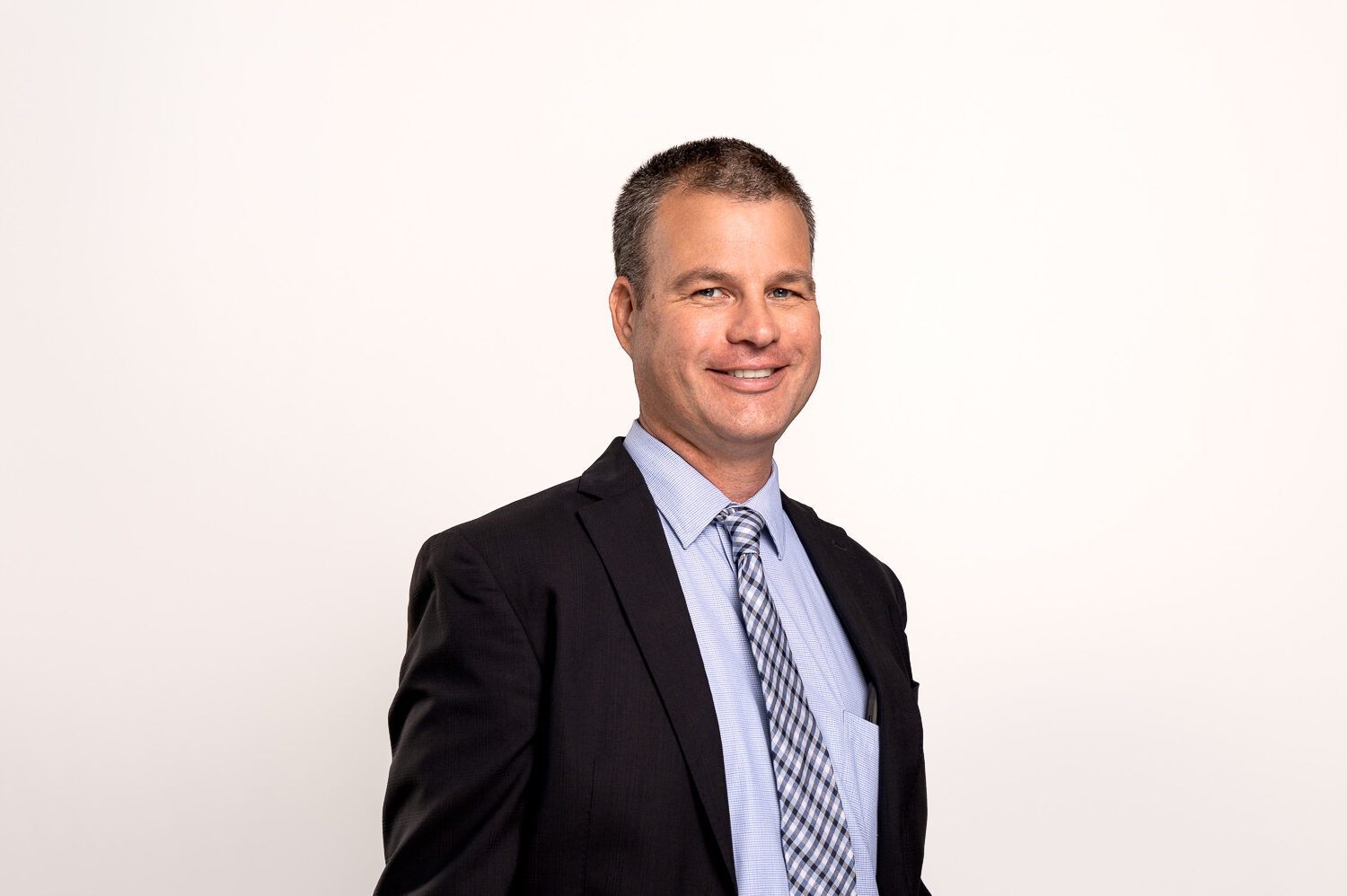
Prof. Dr. André Bardow is a Full Professor in Energy and Process Systems Engineering at ETH Zurich , leading research at the intersection of thermodynamics, machine learning, and sustainable energy systems. Previously, he held professorships at RWTH Aachen University (2010-2020) and TU Delft (2007-2010). He also served as part-time director at Forschungszentrum Jülich (2017-2022) and visiting professor at UC Santa Barbara (2015/16). His work focuses on energy systems optimization , computer-aided molecular design , and CO2 capture & utilization . PhD from RWTH Aachen University Current ETH Zurich affiliation Former roles at RWTH Aachen, TU Delft, Jülich Research Center His research integrates machine learning with thermodynamic modeling to optimize processes like crystallization and electrochemical cooling . Recent publications demonstrate advancements in solvent design, CO2 transport LCA, and ORC working fluid optimization. He chairs the VDI Technical Committee for Thermodynamics (2016-2024) and has received multiple awards including the Covestro Science Award and Arnold-Eucken-Award . Current projects address carbon circular economies , electrified chemical production , and AI-driven process optimization . His lab at ETH Zurich develops cutting-edge technologies like ML-CAMPD frameworks for sustainable separation processes and photoacid-based CO2 capture systems. Funding from the H2020 Systemic Expansion of Circular Ecosystems (grant 101036854) supports these initiatives. 2024 Clarivate Highly Cited Researcher 2022 Inaugural Lecture: "To sustainability and beyond: A computer-animated story on energy & chemicals" Recipient of multiple teaching and research excellence awards
Prof. Dr. Taner Akbay is a faculty member at Yeditepe University, Faculty of Engineering , Department of Materials Science and Nanotechnology Engineering. He has held academic positions at institutions including Kyushu University, Oita University, and Imperial College London. Education: PhD in Materials Engineering (1993, Imperial College London); Master’s (1989) and Bachelor’s (1986) degrees from Middle East Technical University. His research spans Materials Engineering , Metallurgy , and Solid Oxide Fuel Cells (SOFCs) , with a focus on oxide ion conductivity, laser surface treatment, and phase transformations. Recent work explores photocatalysis , anion intercalation , and CO2 reduction using computational and experimental approaches. Key article trends include SOFC optimization (2004–2009), strain effects on catalysts (2015–2020), and dual-carbon battery technology (2016–2020). His work bridges fundamental metallurgy and advanced energy materials . Scientific Awards: Postdoctoral Research Sponsorship Award (EPSRC, UK) JSPS Fellowship (Japan) Daiwa Adrian Prize (2016, UK) PhD Studentship at Imperial College (European Commission) He has supervised multiple PhD and Master’s theses, including projects on dual-carbon batteries , microwave absorption nanocomposites , and rare earth recovery . Administrative roles include Head of Department (2020–2021). Non-University Experience: Worked with Mitsubishi Materials Corporation (2001), Çolakoğlu Metalurji (2010), and National Research Council Canada (2009).
Richard D. Noble is a Research Professor in the Department of Chemistry at the University of Colorado Boulder. His research focuses on advanced membrane technologies for gas and liquid separations, with particular expertise in ionic liquids, liquid crystals, and the application of external fields for selective separations. He maintains an active laboratory in Cristol Chemistry (room 357) and collaborates extensively with Professor Doug Gin on many research projects. Noble received his BE and ME from Stevens Institute of Technology in 1968 and 1969 respectively, followed by a Ph.D. from the University of California, Davis in 1976. His educational background in engineering has provided a strong foundation for his research in chemical engineering and materials science. Professor Noble's research program centers on three interconnected areas. His primary focus is on ionic liquids for gas separations , where he evaluates various ionic liquids and complexation chemistry to tailor material properties to specific feed mixtures. He explores composite polymer/IL structures and incorporation of complexation chemistry and zeolites, and has developed specialized apparatus to measure gas solubility and diffusivity in ionic liquids. This work is conducted in collaboration with Professor Doug Gin. His second research thrust involves the use of external fields for selective separations . Noble studies how electric or light energy can enhance separation processes by changing binding affinity of complexing agents. His notable achievement is an electrochemical pump with no moving parts that produces pressures exceeding 20 atm, with applications in lab-on-a-chip and micro-scale devices. He also develops charged polymer structures for membrane separators with wide temperature and chemical stability. His third major area focuses on liquid crystals organized to form nanostructured polymer network films. These cross-linked stable films are evaluated for nanofiltration applications, particularly in water filtration including treatment of water from fracking operations. This work often intersects with his ionic liquids research, creating composite structures with potential applications in electrochemical pumps. Noble's publication record from 2017-2019 shows consistent focus on membrane technologies for separation processes, with increasing sophistication in membrane design incorporating ionic liquids, liquid crystals, and novel materials like pillar[5]arenes. His work demonstrates a clear trend toward addressing practical industrial challenges, particularly in natural gas purification (CO 2 /CH 4 separation) and environmental applications (treatment of fracking wastewater). His collaborations have produced high-impact work published in top journals including Nature Materials , Journal of Membrane Science , and Angewandte Chemie . Professor Noble has received numerous prestigious awards recognizing his contributions: AIChE Institute Service to Society Award (2005) Alfred T. and Betty E. Look Professor of Chemical Engineering (2005-present) Multiple Outstanding Graduate Teaching Awards from the Chemical Engineering Department (2006-2008) ACS Industrial & Engineering Chemistry Division Fellow (2007) CU Boulder Inventor of the Year (2008) Barrer Lecture at Penn State University (2008) Fellow at the Renewable and Sustainable Energy Institute (2009-2012) Robert L. Stearns Award from CU Alumni Association (2010) Chair d'Excellence Pierre de Fermat at Paul Sabatier University, Toulouse (2010) AIChE Institute Excellence in Industrial Gas Technology Award (2010) And numerous others through 2015 While specific grant details aren't provided, Noble's extensive publication record with multiple co-authors suggests active research mentoring and well-funded projects. His work on sophisticated apparatus and high-quality publications indicates substantial research support. His collaborations, especially with Doug Gin, suggest a strong research group environment focused on membrane science and separation technologies. Professor Noble's research operates at the intersection of chemistry, chemical engineering, and materials science. His laboratory includes facilities for membrane fabrication, gas separation testing, and characterization of novel materials. The development of specialized apparatus for measuring gas properties in ionic liquids suggests dedicated equipment for fundamental property measurements. His work on electrochemical pumps indicates capabilities in microfluidics and device fabrication, with the collaborative nature of his research suggesting a team approach to tackling complex separation challenges.
Mohammad Peydayesh is a Lecturer and Senior Researcher at the Department of Health Sciences and Technology , ETH Zürich. He works in the Food and Soft Material Laboratory , focusing on sustainable materials derived from food waste and agri-food byproducts. PhD in Chemical Engineering (2018, Iran University of Science and Technology) Postdoctoral Fellow at ETH Zürich under Prof. Dr. Mezzenga Senior Assistant at ETH Zürich since 2021 His research spans soft matter , self-assembly phenomena , and amyloid fibril applications in: Environmental engineering (water purification, heavy metal removal) CO2 conversion and storage Smart packaging and bioplastics development Biorefinery concepts and circular economy Nanomaterials for waste valorization Recent publications highlight trends in amyloid-based hybrid materials for: Metal recovery from e-waste and contaminated water CO2 capture and conversion Bioplastic production from agricultural waste Antiviral and detoxification applications Water desalination and purification Photonic and catalytic materials He contributes to the Laboratory of Food & Soft Materials , advancing sustainable solutions through interdisciplinary material science.
Dr. Michael J. Katz is a Professor in the Department of Chemistry at Memorial University in St. John's, Newfoundland and Labrador, Canada. He leads an active research group focused on porous materials, particularly metal-organic frameworks (MOFs), with applications in gas storage, chemical separation, and catalysis. His work is well-recognized in the field of materials chemistry, with numerous publications in high-impact journals spanning from 2005 to 2025. Dr. Katz's primary research interests lie in the synthesis, properties, and applications of porous materials. His work specifically focuses on: Metal-Organic Frameworks (MOFs) design and synthesis Gas storage technologies, particularly low-pressure methane storage Chemical separation processes including removal of harmful molecules from air Catalysis using porous materials Adsorption properties of various porous frameworks Environmental applications of porous materials Analysis of Dr. Katz's publication record from 2017-2025 reveals a strong emphasis on zirconium-based MOFs, particularly the UiO-66 family. His research spans fundamental characterization techniques like NMR spectroscopy to practical applications in carbon capture, gas separation, and environmental remediation. A notable trend is the increasing focus on real-world implementation of MOFs, including biochar-based materials for CO 2 capture and frameworks for air pollutant removal such as nitrous acid. His work demonstrates a progression from fundamental materials science toward practical environmental applications. Dr. Katz actively supervises graduate students and postdoctoral researchers in his research group. His laboratory at Memorial University is equipped for the synthesis and characterization of novel porous materials, with particular expertise in metal-organic framework development. His research is supported by various grants that enable the exploration of structure-property relationships in porous materials and their practical applications.
Matthew Green is a tenured Professor in the Department of Chemical Engineering at Arizona State University , where he has been since 2014. He serves as Director of the Center for Negative Carbon Emissions and Associate Director of the Biodesign Center for Sustainable Macromolecular Materials and Manufacturing . Director, Center for Negative Carbon Emissions Associate Director, Biodesign Center for Sustainable Macromolecular Materials and Manufacturing Research Focus : Design of ion-containing polymers for water purification , CO2 capture , and nanocomposites , with emphasis on electrostatic interactions, microstructure control, and stimuli-responsive materials. Key thrusts include membrane technology , epoxy thermosets , nanoparticle templating , and electrospun fibers . Publication Trends : Recent work spans zwitterionic polymers for anti-scaling membranes, phosphonium-based DAC systems , silica nanocomposites , and biomaterials for immunotherapy , reflecting interdisciplinary expertise in polymer chemistry , environmental engineering , and materials science . Awards & Grants : 2019 NSF CAREER Award 2018 NASA Early Career Faculty Award 2022 Sloan Foundation Grant DOE DAC Pre-Commercial Technology Prize (2023) Multiple DURIP grants Email : mdgreen8@asu.edu
Swiss Federal Institute of Technology in LausanneSwitzerland
Kumar Varoon Agrawal is an Associate Professor at École Polytechnique Fédérale de Lausanne (EPFL), holding the Gaznat Chair for Advanced Separations. He is affiliated with the School of Basic Sciences (SB), the Institute of Chemical Sciences and Engineering (ISIC), and the Laboratory of Advanced Separations (LAS) in Sion, Switzerland. Additionally, he contributes to the Swiss Doctoral School in Chemical and Bioengineering (SCGC) and serves as Vice President of the Confédération des Chimistes et des Génie Chimique (CCE). Research Focus: Material Chemistry & Engineering at the Ångström scale for high-performance inorganic and hybrid membranes, emphasizing energy-efficient molecular separations. Teaching: Courses include Fundamentals of separation processes , Diffusion and mass transfer , and Chemical engineering product design . Scientific Contributions: His 15 most recent publications (2025-2020) span topics like graphene pore engineering , 2D material synthesis , carbon capture , and gas separation membranes , with keywords such as Nanotechnology , Materials Science , and Molecular Transport . Subfields include Atomic-Scale Pores , Membrane Stability , and Industrial Scalability . Students and Collaborations: He advises 10 current PhD students and has mentored 9 past PhD candidates in areas like graphene membranes , ion separation , and MOF films . He is an Academic Referent for the EPFL Carbon Team and a committee member for the EDCH Doctoral Program in Chemistry and Chemical Engineering.
André Bardow is a Full Professor at the Department of Mechanical and Process Engineering, ETH Zürich. His research focuses on energy systems optimization, life cycle assessment, computer-aided molecular design, and CO2 capture/utilization. Professor (ETH Zürich, 2020–present) Head of Institute of Technical Thermodynamics (RWTH Aachen University, 2010–2020) Visiting Professor (University of California, Santa Barbara, 2015/16) Part-time Director (Forschungszentrum Jülich, 2017–2022) Associate Professor (TU Delft, 2007–2010) Research Interests: His work spans energy and process systems engineering, with emphasis on sustainable technologies. Key areas include: Computer-aided molecular and process design Machine learning for chemical engineering Carbon capture and utilization (CCU) Life cycle assessment (LCA) of industrial processes Thermo-economic modeling of energy systems Multiphase equilibrium analysis Publication Trends: Recent articles focus on integrating machine learning with process design, optimizing CO2 capture in steel production, and advancing electrochemical cooling technologies. Subfields include sustainable plastics, ORC working fluids, and solvent mixture design. Scientific Awards: Fellow of the Royal Chemical Society Recent Innovative Contribution Award (EFCE, 2019) PSE Model-Based Innovation Prize (2018) Covestro Science Award (first recipient) Arnold-Eucken-Award (VDI-GVC) Highly Cited Researcher (Clarivate, 2024) Advising and Grants: Professor Bardow mentors students in process optimization and leads projects like Systemic expansion of territorial CIRCULAR Ecosystems for end-of-life FOAM (Grant 101036854, EC).
Michael John Janik is a Professor in the Department of Chemical Engineering at Pennsylvania State University, with significant affiliation to the Institute of Energy and the Environment (IEE). His academic profile demonstrates exceptional research productivity with 270 research outputs, 25 funded projects, and substantial scholarly impact reflected in 17,238 citations and an h-index of 61. His research expertise centers on computational chemistry with particular focus on Density Functional Theory applications to catalysis and electrocatalysis. The fingerprint analysis of his work reveals strong concentrations in Density Functional Theory (76%), Oxidation Reactions (36%), Carbon Dioxide research (29%), Adsorption phenomena (27%), and First Principles Chemistry (22%). His work significantly contributes to UN Sustainable Development Goals related to clean energy and climate action. Analysis of his recent publications (2020-2025) reveals a strong research trajectory in electrocatalysis, particularly examining cation effects on CO 2 reduction mechanisms, intermetallic catalyst design, and computational modeling of electrochemical systems. His work bridges fundamental computational chemistry with practical applications in sustainable energy conversion. h-index of 61 17,238 total citations Multiple high-impact publications in journals including Nature Catalysis, Journal of the American Chemical Society, and Science Advances Professor Janik actively leads and collaborates on numerous research projects, particularly with Dr. Rioux and other colleagues, focusing on advanced catalyst development and electrochemical energy conversion systems. His current research portfolio includes multiple active NSF-funded projects extending through 2027 that address critical challenges in electrocatalysis, CO 2 reduction, and intermetallic catalyst design. His research group maintains strong connections with the Institute of Energy and the Environment, positioning his work at the intersection of fundamental computational chemistry and applied energy solutions. Current projects include combining DFT with classical simulations to predict solvation effects, developing high-entropy alloys for catalysis, and studying oxide overlayers in CO 2 reaction systems.
Dr. Claudia Fernandez Martin is a Senior Lecturer (Associate Professor) in Chemical Engineering at the University of Aberdeen, School of Engineering. She is actively involved in research and teaching, with a focus on carbon capture technologies and sustainable materials. She serves as Coordinator of Level 5 and Coordinator of the Environmental & Biodiversity Theme in the School of Engineering, and as Champion of the Circular Economy Theme at the Centre for Energy Transition. Dr. Fernandez Martin's educational background includes: PhD in "Microporous adsorbents from organic polymers. Application in precombustion CO 2 capture processes" (2011) from the University of Oviedo, Spain (Summa Cum Laude) MSc in Research in Technology, Diversification, Quality and Energy Saving (2009) from the University of Oviedo, Spain MEng in Environmental Sciences, 1st Class (2000-2005) from the University of Granada, Spain Her research interests focus on materials and gas separation processes for carbon capture, including the synthesis of advanced materials for CO 2 capture, characterization of adsorbents, enhancement of CO 2 recovery through novel regeneration technologies, and recycling of polymeric waste. She has developed expertise in microwave-assisted technologies for carbon capture intensification and plastic waste conversion into valuable materials. Dr. Fernandez Martin's recent publications demonstrate a strong focus on sustainable solutions for carbon capture and waste valorization. Her work spans from developing novel adsorbents from waste materials to exploring microwave-assisted processes for more energy-efficient carbon capture. She has made significant contributions to understanding transfer hydrogenation of CO 2 and the conversion of plastic waste into functional materials for environmental applications. Her scientific achievements have been recognized through several awards: Fellow of the Higher Education Academy (Advance HE) - 2020 Santander Mobility Award - 2017 ETP-PECRE Award - 2017 Santander Mobility Award - 2016 PhD Scholarship 'JAE-PreDoc' funded by the Spanish Research Council (CSIC) - 2007-2011 As an educator, Dr. Fernandez Martin teaches courses including Environmental Engineering (EA4027), Air & Water Pollution Control (EX501U), and supervises individual and group design projects at both undergraduate and postgraduate levels. She is also the General Secretary of AMPERE (Association for Microwave Power in Europe for Research and Education), highlighting her leadership in microwave research applications. She actively supervises PhD students and welcomes new PhD candidates interested in her research areas, particularly in engineering with a focus on carbon capture, sustainable materials, and waste valorization technologies.
Prof. Paul Wright is a Professor of Chemistry at the University of St Andrews, leading the Physical Chemistry Teaching program. He holds a PhD from the University of Cambridge and has held roles at Shell R&D, the Royal Institution, and St Andrews since 1994. His research focuses on nanoporous solids, including zeolites and MOFs, with applications in catalysis and carbon capture. He has pioneered methods for synthesizing novel materials and pioneered synchrotron-based structural analysis techniques. Awards include the RSC/SCI Barrer Prize and ICI Readership. He supervises PhD students in advanced materials and catalysis, and teaches courses in thermodynamics, kinetics, and heterogeneous catalysis. Education: PhD in Chemistry, University of Cambridge (1986) Research Interests: Prof. Wright’s work spans five core areas: (1) Designing zeolite templates for novel structures, (2) Developing MOFs with unique properties, (3) Optimizing zeolites/MOFs for CO₂ adsorption, (4) Investigating catalytic applications of microporous solids, and (5) Advanced structural characterization using synchrotron techniques. Recent breakthroughs include understanding ‘sentinel’ cations in zeolites for selective adsorption and developing tandem catalysts combining MOFs with metal nanoparticles. Publications Trends: His articles emphasize structure-property relationships in porous materials, with 2011–2015 papers focusing on scandium-based frameworks, CO₂ capture mechanisms, and catalytic performance of SAPOs and MOFs. Collaborations with institutions like Edinburgh University and European projects highlight applied energy solutions. Awards: RSC/SCI Barrer Prize (1999) ICI Readership (2002–2004) Teaching & Grants: Leads Physical Chemistry courses at all levels, including a 5th-year Masters course in Heterogeneous Catalysis. Active in placement student monitoring via CH4441. Grants include European projects on mixed matrix membranes for CO₂ separation. Labs/Teams: Heads a research group investigating nanoporous solids, collaborating with institutions like Aberdeen University on synchrotron-based catalysis studies.
Dr. Joshua Brinkerhoff is an Associate Professor in Mechanical Engineering at the University of British Columbia Okanagan Campus. He serves as the Associate Director for Research & Industrial Partnerships in the School of Engineering and leads the UBC-Okanagan Computational Fluid Dynamics Laboratory. His research spans computational fluid dynamics, turbomachinery, multiphase flows, hydrogen safety, wind energy, and biofluid mechanics. He teaches courses in mechanics of materials, alternative energy systems, turbulence, computational fluid dynamics, and aircraft design. PhD, Aerospace Engineering (Carleton University, Ottawa, ON) BEng, Aerospace Engineering (Carleton University) Dr. Brinkerhoff’s research interests include: Computational Fluid Dynamics (CFD) for laminar-to-turbulent transition and instability analysis Wind energy systems and turbine aerodynamics Hydrogen storage and safety protocols for transportation Biofluid mechanics for respiratory diseases and aneurysm modeling Multiphase flows in industrial and environmental contexts His publications focus on CFD simulations for: Aerosol dispersion and mitigation in indoor environments Wind farm interactions and atmospheric gravity waves Cavitation and phase transitions in cryogenic and LNG systems Heat transfer optimization in industrial and thermal systems Instability dynamics in buoyancy-driven and swept flows Turbulent structures in fluidized beds and reactors Dr. Brinkerhoff has no listed scientific awards in the provided data but has extensive contributions to renewable energy, hydrogen safety, and medical fluid dynamics. His laboratory develops open-source tools like TOSCA for large-eddy simulations and investigates practical applications in urban air quality, dental aerosol control, and turbine wake modeling.
Norwegian University of Science And TechnologyNorway
Nadia Shardt is an Associate Professor in the Department of Chemical Engineering at the Norwegian University of Science and Technology (NTNU). Her research focuses on interfacial thermodynamics, particularly in systems with nanoscale curvature, with applications spanning atmospheric science, biomedical cryopreservation, and industrial process optimization. She contributes to teaching courses such as TKP4580 - Chemical Engineering Specialization Project and KP3100 - Chemical Engineering . PhD in Chemical Engineering (University of Alberta, 2019) BSc in Chemical Engineering (University of Alberta, 2015) Postdoctoral researcher at ETH Zurich (2020-2022) Her work addresses fundamental challenges in phase behavior under curvature constraints, combining microfluidic experimentation , Gibbsian thermodynamic modeling , and machine learning techniques to study systems like CO 2 storage media, cloud microphysics, and food emulsions. Recent publications emphasize surface tension modeling for complex multi-component systems and cryoprotectant loading efficiency. Scientific awards include the ETH Postdoctoral Fellowship Natural Sciences and Engineering Research Council of Canada (NSERC) Postdoctoral Fellowship Outstanding Academic Fellows Programme 2024-2028
Prof. Roland A. Fischer is a Full Professor at the Chair of Inorganic and Metal-Organic Chemistry at Technical University of Munich (TUM). Previously, he held a Full Professorship at Ruhr University Bochum (1997–2015). His research focuses on multifunctional metal-organic frameworks (MOFs), clusters, and composites for energy conversion, catalysis, gas storage, and environmental applications. He leads the Catalysis Research Center and has pioneered advancements in MOF-based catalytic systems and stimuli-responsive materials. Education: 1981–1986: Diplom in Chemistry (TUM) 1989: PhD, Dr. rer. nat. (TUM) 1995: Habilitation (TUM) Research Interests: His work integrates molecular and extended catalytic systems, including: - Design of MOFs for photocatalytic fuel production - Nanoparticle encapsulation in robust frameworks - Redox-switchable materials and photochromic systems - Cluster chemistry and superatom complexes - Applications in energy storage, environmental remediation, and biomedical technologies. Major Achievements: Over 680+ publications, h-index 101 (Scopus 2025) Coordinator of EU projects (SURMOF, ENHANCE, DEFNET) Recipient of Heinz-Maier-Leibnitz Award (1993) and Alfried Krupp Award (1996) Editorial roles: Angewandte Chemie , Chemical Vapour Deposition Grants & Teams: He has secured major grants including DFG Priority Programs (CVD-Materials, COORNETs) and led interdisciplinary teams in EU initiatives. His lab collaborates globally, including visiting professorships at Kyoto University and IIT Bombay. Labs & Facilities: His research uses advanced facilities like the Catalysis Research Center and contributes to platforms such as the Munich Catalysis Alliance. Key tools include atomic layer deposition, in situ characterization, and MOF-based device fabrication.
Dr. Paul G. O'Brien is an Associate Professor in the Department of Mechanical Engineering at York University, Canada, affiliated with the Lassonde School of Engineering. His research focuses on interdisciplinary clean energy solutions, including energy storage, thermophotovoltaic systems, decarbonization of buildings, and life cycle assessments. He leads the Advanced Materials for Sustainable Energy Technologies (AM-SET-Lab) and has authored over 50 journal articles. His work spans materials science, photonic crystal engineering, and radiative cooling technologies. Research interests include optimizing thermal energy storage systems, photonic crystal-based filters for solar applications, and CO2 capture via direct air capture systems. His lab develops materials for passive cooling, solar-thermal integration, and advanced photocatalytic CO2 reduction. Dr. O’Brien collaborates across engineering disciplines to address global energy challenges. Recent publications highlight innovations in ellipsoidal optical cavities for thermophotovoltaics, radiative cooling materials, and techno-economic assessments of carbon capture technologies. His work bridges fundamental material science with applied engineering solutions for sustainable energy systems.