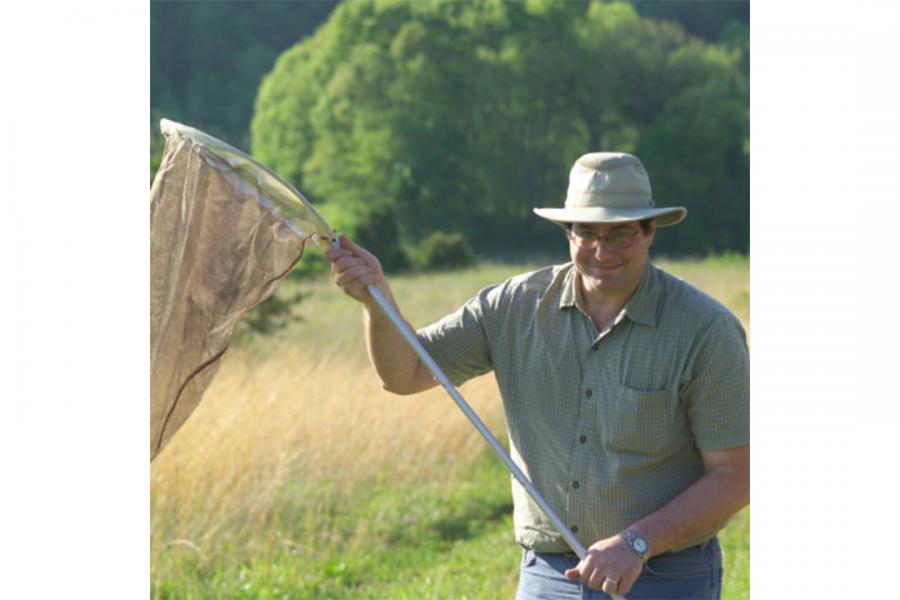
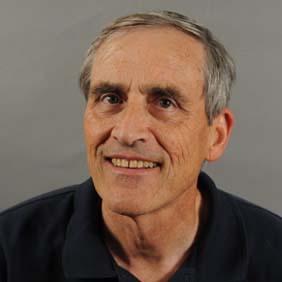
Jeffrey M. Marcus is Professor and Associate Head Undergraduate (Student Experience) in the Department of Biological Sciences at the University of Manitoba. His research focuses on the genetic and developmental basis of phenotypic variation, primarily using colour pattern formation in butterflies and moths as a model system. Education: Ph.D. in Zoology, Duke University (2002) M.Phil. in Genetics, University of Cambridge (1996) B.A. in Honors Ecology and Evolutionary Biology, Cornell University (1995) Research employs diverse approaches including genomics, molecular phylogenetics, transgenics, immunohistochemistry, and computational biology to study evolutionary developmental mechanisms.
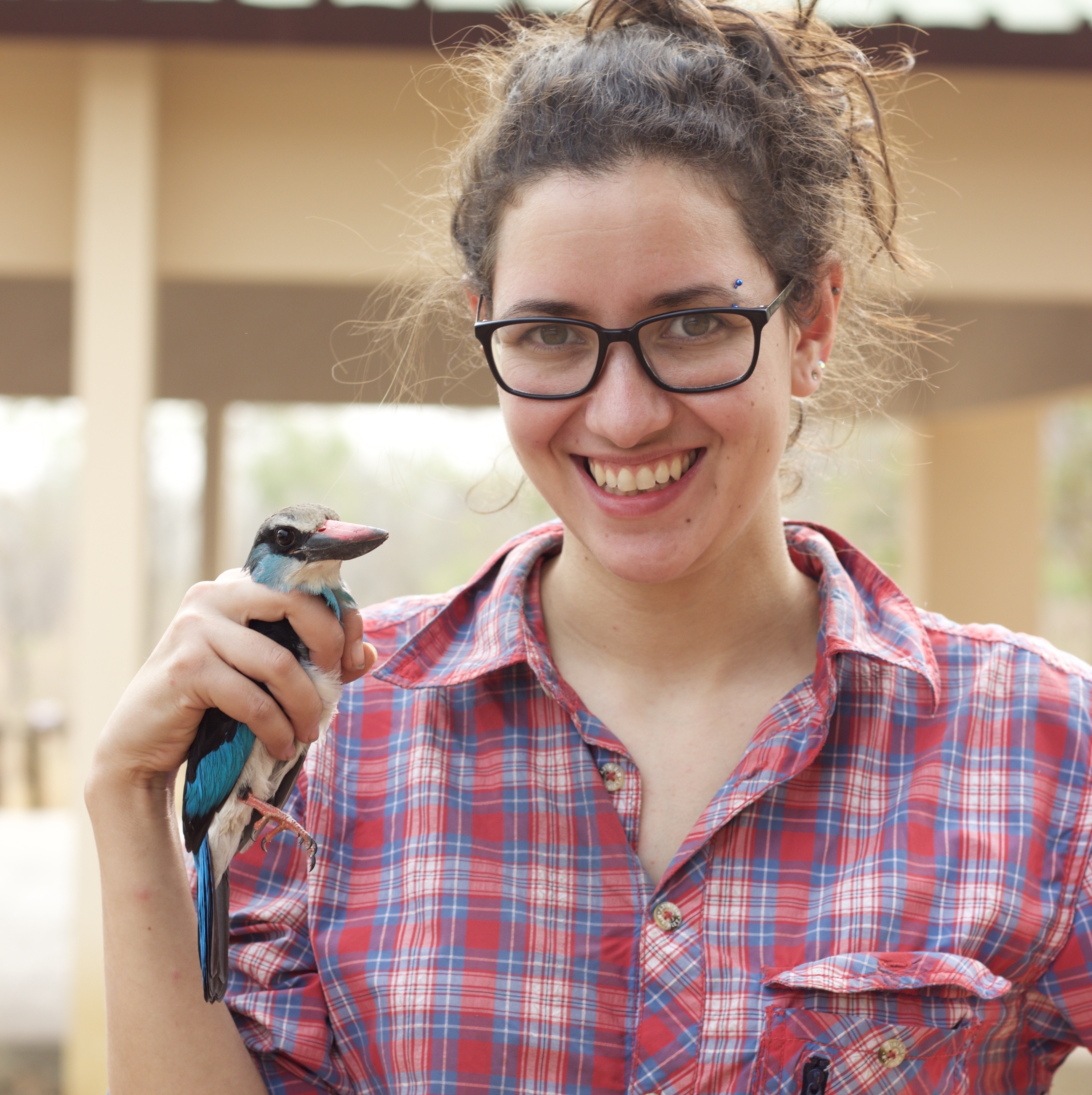
Megan E. Kobiela is an Assistant Professor of Biology at Sweet Briar College, located in Guion A104. She holds a B.S. from the University of Virginia, an M.S. from the College of William & Mary, and a Ph.D. from the University of Minnesota. Her research focuses on how animals navigate toxic environments, particularly investigating evolutionary and behavioral responses to plant defenses, heavy metals, pesticides, and anthropogenic toxins using butterflies as model organisms. She teaches courses including BIOL 111 (Introduction to Organisms), BIOL 210 (Evolution), BIOL 324 (Ecology), BIOL 337 (Ornithology), and a core course on data-driven decision-making (CORE 170). Her work emphasizes ecological adaptation, toxin tolerance mechanisms, and conservation implications of environmental pollutants. Publications highlight her exploration of neonicotinoid pesticide tolerance in butterflies, zinc toxicity effects, and transgenerational responses to nickel exposure. Recent studies also examine road salt impacts on monarch butterflies and sodium-driven ecological changes. Her research bridges evolutionary biology, ecotoxicology, and conservation, often involving undergraduate co-authors. Professional affiliations include the Society for the Study of Evolution, Animal Behavior Society, and the American Society of Naturalists. Though no specific grants or awards are listed, her work reflects sustained contributions to understanding organismal resilience in toxic environments.
Benito Wainwright is a Research Fellow within the School of Biology at the University of St Andrews. His work focuses on understanding the evolutionary and ecological mechanisms driving visual and neural adaptations in butterflies, particularly in mimetic species. He holds a Doctor of Philosophy degree from the University of Bristol, awarded in December 2023, where his thesis explored 'Patterns of visual adaptation in tropical mimetic butterflies.' Benito’s research interests center on the intersection of neurobiology, ecology, and evolutionary biology. He investigates how traits like coloration, camouflage, and neural structures evolve in response to environmental pressures, mutualistic relationships, and predation risks. His studies emphasize the role of genetic and plastic responses in shaping adaptive divergence across butterfly communities, especially in Heliconius and Ithomiini species. His publications examine diverse topics including leaf masquerade synergy, neural plasticity in mimicry systems, and the impact of light microhabitats on sensory convergence. These works highlight trends in exploring functional traits, ecological interactions, and evolutionary trade-offs in insect sensory systems. No scientific awards have been explicitly mentioned in the provided texts. Benito has no recorded advisees or grants in the available information. He is affiliated with the Biomedical Sciences Research Complex at the University of St Andrews and contributes to the broader research ecosystem of the School of Biology without specific lab or team names listed.
Ryan Range is an Associate Professor in the Department of Biological Sciences at Auburn University, where he leads the Range Lab focused on evolutionary and developmental biology. His research investigates the molecular mechanisms underlying embryonic axis formation, particularly in deuterostomes such as sea urchins and acorn worms. Ph.D., Developmental Biology, Duke University Postdoctoral Fellow, National Institutes of Health Postdoctoral Fellow, Sorbonne Universities/Université de Pierre and Marie Curie B.A., Biology, University of Texas at Austin Dr. Range’s research centers on gene regulatory networks and signaling pathways—especially Wnt signaling—that control early embryonic patterning. His lab employs molecular manipulations, high-throughput assays, and classical embryology to study how the anterior neuroectoderm is specified and how the anterior-posterior axis is patterned. A major focus is the conserved Wnt signaling network involving canonical and non-canonical pathways that regulate neuroectoderm restriction. His work bridges developmental biology with evolutionary insights, suggesting deep conservation of these mechanisms across deuterostomes, including vertebrates. The recent publications (2014–2024) reflect a consistent focus on Wnt signaling, gene regulatory networks, and embryonic patterning in sea urchins and hemichordates. Key themes include the role of sFRP proteins, Ror and Ryk receptors, and the integration of multiple Wnt pathways in axis formation. The lab has also expanded into comparative studies of developmental timing using Antarctic sea urchins, revealing evolutionary adaptations in gene regulatory dynamics. Dr. Range has mentored several graduate students and postdoctoral researchers, including Sujan Gautam, Marina Martínez-Bartolomé, and Jennifer Fenner. His lab collaborates with institutions such as Stanford University (Lowe Lab) and conducts fieldwork at the Marine Biological Laboratory in Woods Hole. While no formal scientific awards are listed in the provided texts, his sustained publication record in high-impact journals such as Development , PLoS Biology , and Science underscores his scientific contributions. The Range Lab maintains active research in both temperate and Antarctic echinoderm models, utilizing RNA-seq, ATAC-seq, and functional perturbations to dissect gene regulatory networks. Current projects include studying receptor tyrosine kinases (Ror, Ryk), TIKI modulators, and the evolution of developmental timing. The lab fosters an interdisciplinary environment integrating molecular biology, systems biology, and evolutionary perspectives.
Tom Sherratt is a Professor in the Department of Biology at Carleton University, Faculty of Science. He holds a B.Sc. from the University of Edinburgh and a Ph.D. from the University of Dundee. His research focuses on three main themes: predator-prey interactions, the evolution of aging, and animal cooperation and conflict. He employs theoretical and experimental approaches, collaborating on studies such as the behavior of northern gannets and dragonflies, and the use of tropical butterflies as ecological indicators. Recent research includes artificial life systems to study warning signal evolution and neural network models for mimicry analysis. Sherratt has authored influential books, including *Avoiding Attack* (Oxford University Press), and has been recognized with awards like the CU Research Achievement Award and University Teaching Achievement Award. His lab has mentored numerous students, including Megan, Katherine, and Karl, who have received accolades for their work. Education: B.Sc., University of Edinburgh Ph.D., University of Dundee Labs/Teams: Sherratt Lab (focusing on behavioral and evolutionary ecology) Sherratt’s publications span topics from mimicry evolution to ecological dynamics, reflecting his interdisciplinary approach to understanding biological systems.
Eryn McFarlane is an Assistant Professor in the Department of Biology at York University, part of the Faculty of Science. Her research focuses on anthropogenic hybridization, combining fieldwork, genetics, and statistical modeling to study hybridization processes in wild animals such as deer in Scotland and deer mice in Canada. She also develops simulation-based approaches to explore evolutionary genetics questions. Dr. McFarlane holds a postdoctoral background from the University of Wyoming (2021–2023) and the University of Edinburgh (2019–2021). Her work bridges empirical and computational methods, emphasizing the interplay between genetic variation, environmental factors, and hybridization outcomes. She is committed to teaching about genetic variation and its complex interactions with phenotypic traits. Her research has addressed topics such as locus-specific introgression, metabolic rate in hybrid zones, and the genetic basis of speciation. She collaborates with institutions like Josephine Pemberton’s lab at the University of Edinburgh and Alex Buerkle’s team at the University of Wyoming. Current projects include hybridization between deer mice and white-footed mice in Canada and genomic analyses of hybrid zones. McFarlane’s publications span evolutionary genetics, conservation biology, and statistical methodology. She has contributed to discussions on postdoctoral mental health and workforce development through collaborative consortia models.
Roger Santer is a Lecturer in Zoology at the Department of Life Sciences, Aberystwyth University, within the Institute of Biological, Environmental and Rural Sciences (IBERS). He holds a BSc in Zoology (Newcastle University, 1999) and a PhD in Invertebrate Neuroethology (Newcastle University, 2003). Prior to joining IBERS in 2010, he held postdoctoral positions at Newcastle University (2003–2006) and the University of Nebraska-Lincoln (2006–2008), followed by a lectureship in Biology at the University of Limerick (2008–2010). His research focuses on animal behavior and the neural mechanisms underlying it, particularly visually-guided behavior in insects and arachnids. Techniques include electrophysiology, behavioral studies, and computational modeling. His work aligns with UN Sustainable Development Goals related to biodiversity conservation and sustainable ecosystems. He led the project Conservation of butterflies under natural and modified illumination conditions (2017–2020), funded by the Welsh European Funding Office. Media coverage highlights his research on insect visual perception, including why biting flies are attracted to blue objects and the role of UV lighting in butterfly behavior. Collaborations span institutions like the University of Nebraska-Lincoln and international partners, with datasets and open-access publications emphasizing pest control strategies and arthropod sensory biology.
Professor Innes Cuthill is a faculty member at the University of Bristol's School of Biological Sciences, specializing in Behavioral Ecology. He holds a M.A. (Cantab.) and a D.Phil. (Oxon.). His research focuses on camouflage mechanisms, animal signaling, and ecological adaptations, with particular emphasis on predator-prey interactions and the evolution of protective coloration. His work combines experimental and computational approaches, such as genetic algorithms and generative adversarial networks (GANs), to study how organisms adapt to environmental challenges. Recent studies include investigations into habitat geometry's impact on visibility, olfactory communication in birds, and welfare issues in captive parrots. He has contributed to high-impact projects like the ARRIVE guidelines for reporting animal research and the Camouflage Machine framework for optimizing protective coloration. His interdisciplinary approach bridges biology, computer science, and environmental science. Education: M.A. (Cantab.) - University of Cambridge D.Phil. (Oxon.) - University of Oxford Research Interests: Camouflage evolution and effectiveness Animal communication and aposematism Ecological and evolutionary adaptations Animal welfare in captivity Computational modeling of biological systems Publications Trends: Recent articles highlight advancements in understanding camouflage strategies, the role of habitat complexity in predator detection, and welfare challenges in captive animals. His work frequently intersects with applied fields like conservation biology and military technology (e.g., dazzle camouflage). Grants and Advising: While specific grants are not listed, his active research program suggests involvement in collaborative projects. No student advisees are explicitly mentioned. Labs/Teams: Affiliated with the School of Biological Sciences, collaborating with researchers like Professors Nick Scott-Samuel (Experimental Psychology) and William Browne (Education).
David Outomuro is an Assistant Professor in Biological Sciences at the University of Pittsburgh's Dietrich School of Arts and Sciences. As a behavioral ecologist, he studies micro/macroevolutionary processes promoting diversity, particularly through: Evolution of color signals and vision Flight morphology adaptations Behavioral interactions in arthropods Using an integrative approach combining field/lab studies with advanced statistics, his model organisms include dragonflies, damselflies, butterflies and spiders. Research spans signal evolution, sensory ecology, and phenotypic adaptation.
Hein Leertouwer serves as a Guest Researcher in the Evolutionary Biophysics group within the Faculty of Science and Engineering at the University of Groningen. His research focuses on optical signaling mechanisms in biological systems, particularly involving animal coloration and structural color phenomena. Affiliated with the Van der Kooi lab, he collaborates extensively with Prof. Doekele Stavenga and Dr. Casper van der Kooi on interdisciplinary projects bridging physics, biology, and materials science. Leertouwer's research interests center on biophotonics and animal coloration mechanisms, with specialization in structural color, pigment analysis, and optical signaling in Lepidoptera and avian species. His work examines melanin distribution, pterin-based pigmentation, feather microstructure, and wing scale optics using advanced techniques like microspectrophotometry and electron microscopy. Key themes include visual signaling evolution, thermoregulatory functions of coloration, and polarization effects in animal communication. Analysis of his 27 research outputs reveals consistent focus on optical properties of biological materials, with recent publications (2020-2023) emphasizing butterfly wing translucence, polarized iridescence in bees, and pigment polymorphism in island butterfly populations. His work demonstrates interdisciplinary integration of physics principles with biological systems, particularly in understanding how structural features generate functional optical properties. Leertouwer actively collaborates on the Scales and facets: Optical signaling and sensing in flies and butterflies project (2023-2027), investigating pollinator vision, compound eye optics, and oviposition signaling. His media coverage includes contributions to the 2025 feature In een lab vol zelfgebouwde instrumenten onderzoekt Doekele Stavenga (83) het geheim van iriserende dierenkleuren , highlighting experimental approaches using custom-built optical instruments.
Brian A. Counterman is an Associate Professor in the Department of Biological Sciences at Auburn University, where he conducts research at the intersection of genomics, evolution, and developmental biology. His work focuses on understanding the genetic and developmental mechanisms underlying adaptation and speciation, particularly in butterfly wing patterns. Education: Postdoctoral Researcher – Genetics, North Carolina State University (2007–2010) Ph.D. – Biology, Duke University (2007) B.S. – Ecology and Evolution, University of California, Santa Barbara (2000) Dr. Counterman's research integrates genomics, developmental biology, and evolutionary ecology to study how novel traits and species arise. His lab primarily investigates Heliconius and Zerene cesonia butterflies, leveraging their diverse wing patterns and genomic tractability. His work explores topics such as mimicry, phenotypic plasticity, enhancer evolution, and the genomic architecture of adaptation. He teaches undergraduate and graduate courses in genetics and human genetics, emphasizing molecular and evolutionary principles. His recent publications reveal a strong focus on the genetic basis of wing pattern evolution, with studies appearing in top journals like Science , Nature Ecology & Evolution , and PNAS . Themes across his work include the role of gene regulation, structural variation, introgression, and developmental constraints in shaping adaptive phenotypes. His development of the R package patternize highlights his contribution to open science and quantitative tools for morphological analysis. Dr. Counterman has not been mentioned as receiving specific scientific awards in the provided text. He advises students in evolutionary genetics and genomics, though specific names are not listed. His lab likely supports graduate and undergraduate researchers involved in genomic and developmental studies of butterflies. He has secured research funding through collaborative and independent grants that support genome sequencing, experimental evolution, and developmental analyses. His lab is located in Funchess Hall at Auburn University, equipped for molecular and genomic work. His research team collaborates widely with international experts in butterfly genetics, including researchers from Duke, UC Santa Barbara, and institutions in South America and Europe. The lab combines wet-lab techniques with bioinformatics to address fundamental questions in evolutionary biology.
Johanna Sunde is a researcher at the Department of Biology and Environmental Science, Faculty of Health and Life Sciences, Linnaeus University. Her work focuses on evolutionary ecology, biodiversity conservation, and climate change impacts on ecosystems. Research areas: Genetic differentiation, forest ecology, butterfly conservation, and aquatic species adaptation Key collaborations: The Bridge (Södra, IKEA, Linnaeus University) Centers: Linnaeus University Centre for Ecology and Evolution in Microbial Model Systems (EEMiS) Her research spans genetic responses to climate change in pike populations, biodiversity dynamics in oak forests, and movement patterns of threatened butterflies. Recent work includes DNA metabarcoding methods for insect identification and latitudinal gradients in conservation planning. Scientific awards and honors are not explicitly mentioned in available texts. She supervises no listed students but contributes to interdisciplinary projects with industry and academic partners.
Thibault Pierre is a Full Professor at the Department of Physics, University of Trieste, specializing in Physics for Life Sciences, Environment, and Cultural Heritage. He serves as a member of the Department's Board and Boards of Studies for Physics programs SM20 and SM23. His academic work is centered within the Optimal Imaging and Tomography research group under the Interdisciplinary and Applied Physics and Technology strand. Professor Pierre's research interests span Physics for Life Sciences, Environmental Physics, Cultural Heritage Physics, Imaging Techniques, Tomography, and X-ray Physics. His work bridges fundamental physics with practical applications in biological systems, environmental studies, and cultural heritage preservation. His expertise lies particularly in developing and applying advanced imaging methodologies to solve complex problems across these disciplines. His recent publication record demonstrates a strong focus on cutting-edge X-ray imaging techniques, particularly speckle-based methods, tensor tomography, and phase-contrast imaging. These techniques are applied across diverse domains including biomedical research (human placenta, cerebellum imaging), cultural heritage (archaeological skeletal remains analysis), and materials science (composite materials, carbon fiber characterization). His work shows a consistent trajectory toward higher resolution, faster acquisition, and more comprehensive multi-modal imaging capabilities. Professor Pierre is actively involved in the 'Beyond Bones: Applying Innovative Scientific Approaches to Paleontology and Archaeology to Reveal the Secrets of Dietary Habits' research project as a Scientific Actor. This project exemplifies his interdisciplinary approach, applying physics-based imaging techniques to archaeological questions. He is a key member of the Optimal Imaging and Tomography research group, which appears to be associated with the newly established OPTIMATO (OPTimal IMAging and TOmography) laboratory mentioned in his 2024 publication. His work with the Unified Modulated Pattern Analysis (UMPA) model suggests leadership in developing computational frameworks for advanced imaging data analysis.
Markus Franzén is a researcher at Linnaeus University's Faculty of Health and Life Sciences , affiliated with the Department of Biology and Environmental Science and the Linnaeus University Centre for Ecology and Evolution in Microbial model Systems (EEMiS) . His work focuses on ecological and evolutionary interactions across diverse ecosystems, particularly oak forests, coastal habitats, and agricultural landscapes. Key research areas include climate change impacts on biodiversity , drought-grazing interactions , insect dispersal patterns , and urban adaptation of nocturnal species . Major projects: Carbon flows in coastal ecosystems , Adaptation of forest ecosystems , and Drought cascading effects on farmland biodiversity . Recent publications highlight his expertise in saproxylic beetles (2025), moth phenology shifts (2025), butterfly conservation (2024), and long-term insect trait analysis (2023). His work integrates DNA metabarcoding and phenotypic trait studies to address ecological generalization and climate-smart conservation strategies.
Robert Stevenson serves as an Associate Professor in the Biology Department at the University of Massachusetts Boston, where his work bridges physiological ecology and biodiversity informatics with direct conservation applications. His academic foundation includes: PhD in Biology from the University of Washington (1983) MS in Biology from the University of Washington (1979) BS in Biology from Tufts University (1974) Stevenson's research program operates at two critical intersections: conservation physiology focused on butterfly and hawkmoth biomechanics/energetics, and biodiversity informatics for citizen science applications. His physiological work examines feeding behavior, time budgets, and develops field instrumentation for flight pattern analysis in migratory species. The informatics arm, developed with Computer Science's Robert Morris, constructs electronic field guides using object-oriented databases and XML frameworks. Key innovation areas include Citizen Science data validation , trust management systems , and Humboldt Extension standards for ecological inventories. Analysis of his 2016-2023 publications reveals a pronounced shift toward citizen science infrastructure, with 80% of recent work addressing biodiversity data standards, trust frameworks, and iNaturalist validation. Earlier research (pre-2010) centered on insect physiology, particularly butterfly energetics and flight mechanics. The most impactful contributions emerge at the nexus of data interoperability and community science engagement , where his team develops practical solutions for biodiversity monitoring. Stevenson maintains active collaborations with Robert Morris (Computer Science) on electronic field guide development, and partners with institutions like BioCollect for habitat restoration monitoring. His laboratory has secured support for projects including Gigapan technology applications in ecological education and biodiversity informatics standardization initiatives through the Citizen Science Association. The Stevenson Lab operates as a dual-focus unit: the physiological ecology team conducts field studies on insect energetics and conservation physiology, while the informatics team develops data management frameworks. Current projects include the Humboldt Extension implementation for ecological inventories and trust management systems for citizen science biodiversity data.