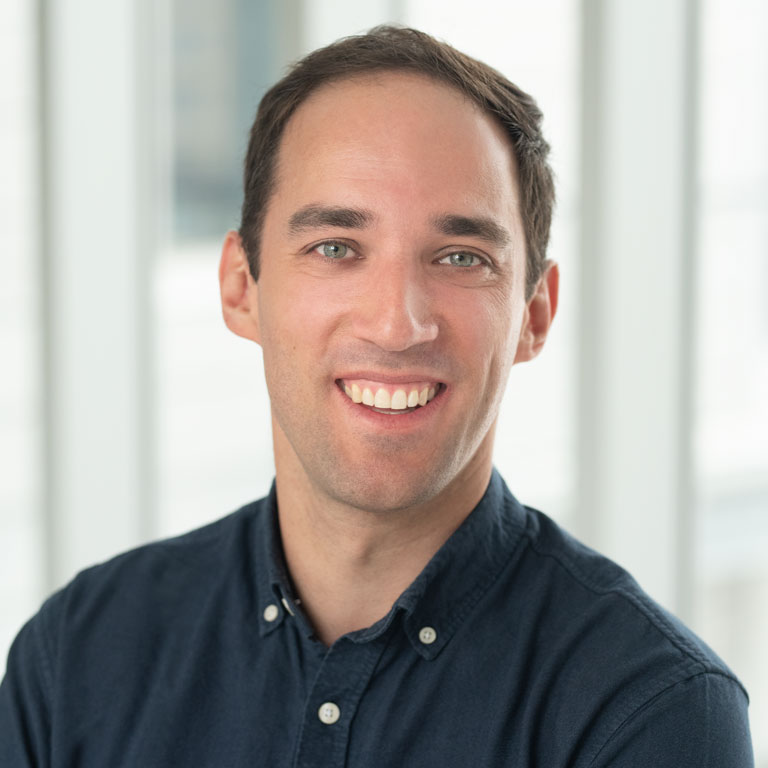
Laurent Charlin is an Associate Professor at HEC Montréal and holds an adjunct appointment in Computer Science at Université de Montréal. His research focuses on machine learning for decision-making with applications in recommender systems, reinforcement learning, and optimization.
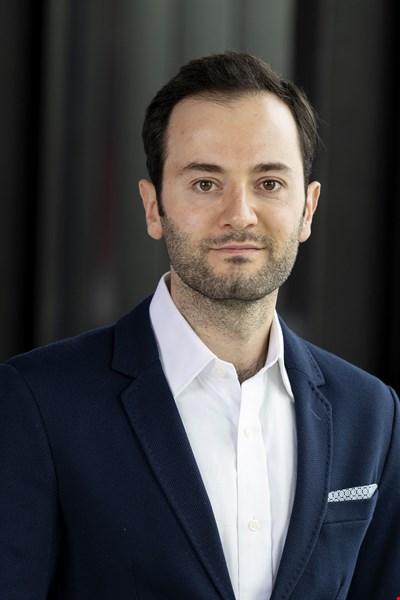
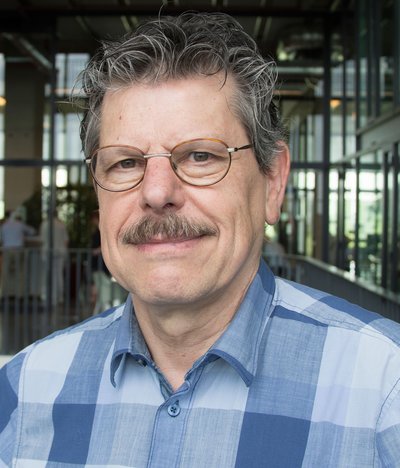
PD Dr. Thomas F. Mentel serves as Senior Scientist at Jülich Research Centre, one of Europe's largest interdisciplinary research institutions. He holds dual leadership positions as Head of the "Aerosols" department and Head of the "Heterogeneous Reactions" research group within the Institute of Climate and Energy Systems (ICE), specifically in the Troposphere division (ICE-3). Dr. Mentel's research specializes in atmospheric particle dynamics with particular expertise in: Aerosol formation and physicochemical characterization Heterogeneous chemical reactions occurring on atmospheric particles Climate-relevant properties of atmospheric aerosols Gas-particle interactions in the troposphere Atmospheric new particle formation processes His work bridges fundamental laboratory investigations with climate system implications, examining how aerosols influence cloud formation, radiation balance, and air quality. As department head, Dr. Mentel oversees experimental infrastructure including aerosol chambers and advanced analytical instrumentation for atmospheric simulation studies. Based at the Jülich campus in Germany, Dr. Mentel maintains active collaborations with international atmospheric research networks and contributes to major European climate research initiatives. His research group operates from Building 05.2, Room 3027 at the research center.
Dr. Ali Badiei serves as Senior Lecturer in Building Services and Renewable Energy at Brunel University's College of Engineering, Design and Physical Sciences, within the Mechanical and Aerospace Engineering department. His expertise bridges academic research and practical engineering solutions for sustainable building systems. His educational background includes: PhD in Building Energy Research, Loughborough University (2018) MSc with Distinction in Low Carbon Building Design and Modelling, Loughborough University (2013) BSc (Hons) in Mechanical Engineering, Middle East Technical University (2012) Badiei's research centers on decarbonizing the built environment through innovative energy systems. Key focus areas include solar-assisted heat pumps, building-integrated renewable technologies, and low-carbon cooling solutions. His work combines dynamic energy modeling with experimental validation to address real-world challenges in energy efficiency and climate resilience, particularly emphasizing practical implementation in residential and commercial buildings. Current investigations explore AI-enhanced forecasting for dew point coolers and thermal storage optimization using nanomaterials. His publication portfolio demonstrates consistent advancement in building energy systems, with recent articles emphasizing data-driven approaches to thermal management, hybrid renewable systems, and climate-responsive design. Notable trends include increasing integration of machine learning for performance prediction and a strategic shift toward circular economy principles in energy system design. Professional recognitions include: Fellow of Chartered Institution of Building Services Engineers (FCIBSE) Fellow of Higher Education Academy (FHEA) Chartered Engineer (CEng) status As Course Director for MSc Renewable Energy Engineering, Badiei supervises PhD research in domestic decarbonization, Passivhaus analysis, and smart energy technologies. His funded projects span multiple continents with support from BEIS, InnovateUK, EU, and EPSRC, including patented solar-thermal innovations and large-scale field trials of heat pump systems. Current initiatives focus on retrofit solutions for social housing and modular data center cooling. His leadership extends to the Centre for Sustainable Energy Technologies, where he directs experimental validation of novel HVAC systems and collaborates with industry partners on technology commercialization through B2B channels.
Professor Simon J E Taylor is a Professor of Computer Science and Vice Dean Research at the College of Engineering, Design and Physical Sciences, Brunel University London. He is Co-Director of the Modelling and Simulation Research Group and Adjunct Director of the Smart Technology Advancements for Health and Rehabilitation (STAHR) Centre. Research Interests: Modelling & Simulation Digital Infrastructures and Services Cloud Computing International Development Open Science His research focuses on high-performance simulation infrastructures, AI-based optimization, and open science applications in healthcare and industry. He has led international projects improving digital infrastructure across Africa and contributed to standards in simulation interoperability. Scientific Contributions & Leadership: Co-founder and former Editor-in-Chief of the Journal of Simulation Chair of ACM SIGSIM (2005–2008) General Chair, IEEE/ACM 2025 Winter Simulation Conference Executive Chair, Simulation Exploration Experience (SEE) Member, Computer Simulation Archive steering committee PhD Supervision & Teaching: Professor Taylor has supervised over 20 doctoral students and examined more than 25 PhDs globally. He leads modules in distributed computing and has developed several postgraduate degrees. He is actively involved in undergraduate and postgraduate teaching, including NATCOR courses, and supports student internships. Research Grants & Projects: Framework Development of Simulation-Augmented Many Objective Optimization for Sustainable Supply Chains (MITRE Corporation, 2023) HIDALGO: HPC and Big Data Technologies for Global Systems (EU, 2018–2021) COLA: Cloud Orchestration at the Level of Application (EU, 2017–2019) CloudSME: Cloud-based simulation platform for manufacturing (EU, 2013–2015) Sci-GalA: Science Gateways and e-Infrastructures in Africa (EU, 2015–2017)
Alan Kabanshi is an Associate Professor in Energy Systems at the Department of Building Engineering, Energy Systems and Sustainability Science, University of Gävle. His research focuses on resource-efficient ventilation strategies, cognitive psychology of climate change, and occupant energy behavior in sustainable built environments. Key Research Areas: Energy efficiency in buildings Air distribution and ventilation systems Airborne infection transmission modeling Cognitive biases in climate change perception His work includes experimental and computational studies on confluent jets, diffuse ceiling ventilation, and sustainable energy systems. Recent publications highlight advancements in ventilation efficiency, infection risk models, and renewable energy integration. Scientific Awards: Royal Skyttean Society Prize for Younger Researcher (2020) Kabanshi actively investigates occupant behavior, thermal comfort, and energy-saving technologies, with a strong international collaboration network.
Carlos de Lara Vences is an Assistant Professor at the School of Law, Universidad de Burgos, specializing in the Department of Private Law. His research focuses on Horizontal Property regimes, Sustainable Development, and Legal Education, with a particular emphasis on financial obligations, urban planning, and pedagogical innovation. Research Trends: His recent publications (2025-2024) analyze: Community debt enforcement and limitation periods in Horizontal Property Legal frameworks for housing rights and accessibility Educational methodologies like role-playing and simulation Comparative studies between Spanish, Portuguese, and Colombian law Integration of Sustainable Development Goals (particularly ODS 7) into property law Labs & Teams: He is affiliated with the ORDITER research group dedicated to Land Planning, Urban Design, Environment, and Sustainable Development.
Jean-Philippe Saucier is a Master Lecturer and Undergraduate Coordinator at the McEwen School of Architecture, Laurentian University. With over a decade of experience in sustainable design, his practice integrates scientific rigor with artistic exploration through teaching, architectural practice, and artistic installations. Education M.Arch., Université Laval B.Sc.Arch., Université Laval His research focuses on building sciences, passive design, energy simulation, and the artistic dimensions of architecture, particularly thermal comfort optimization in northern climates. Current teaching includes Design for Climate Change and Structures 3: Building Systems . Notable projects include collaborations at Coarchitecture on large-scale buildings like Ubisoft Québec and Place de Bourgogne , and co-founding the architectural art collective PLUX.5 , responsible for acclaimed installations such as 2367, l’Odyssée Collective and Ma cour dans ta cour . Scientific Awards Teaching Excellence Award (2022, Laurentian University) Canadian Council for Advancement of Education Silver Award (2018) Les Mérites d’Architecture (2017)
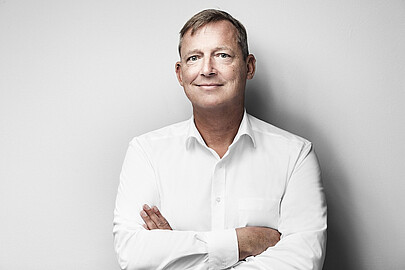
Prof. Dr.-Ing. Andreas Reuter serves as Managing Director at both the Institute for Wind Energy Systems (LUH) and the Fraunhofer Institute for Wind Energy Systems IWES . Affiliated with the Faculty of Civil Engineering and Geodetic Science at Leibniz University Hannover, his work focuses on wind turbine design, structural reliability, and renewable energy systems. PhD in Wind Turbine Fatigue (Technical University Berlin) Executive Director positions since 2010 Co-founder roles in multiple wind energy companies His research explores innovative wind turbine concepts , smart rotor blade design , fatigue load analysis , and technology assessment in wind energy. Recent publications emphasize aerostructural optimization , active load management , and offshore wind turbine modeling . Publications trends include multi-megawatt turbine evaluation , swept blade aerodynamics , and sensor technology integration for energy systems. His work spans mechanical engineering , renewable energy , and structural dynamics sub-fields. Courses taught include Rotor Blade Design for Wind Turbines , Wind Energy Technology series, and supervision of student projects/theses.
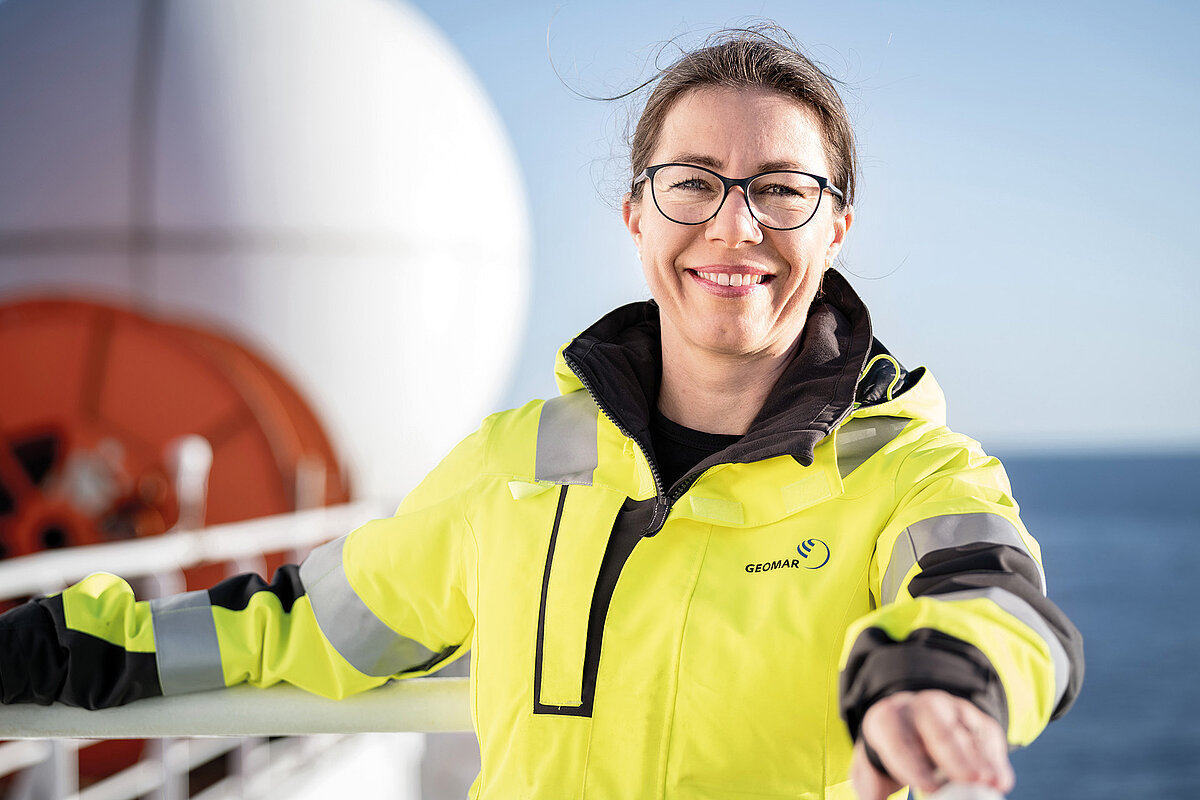
Katja Matthes serves as Director of the GEOMAR Helmholtz Centre for Ocean Research Kiel and holds a W3 Professorship in Atmospheric Physics at both GEOMAR and Kiel University. Her leadership spans multiple research areas including ocean circulation, climate dynamics, and atmospheric physics, with significant contributions to international climate research initiatives. Director of GEOMAR Helmholtz Centre for Ocean Research Kiel (since October 2020) W3 Professor at GEOMAR and Kiel University (since 2012) Head of Working Group 'Physics of the Atmosphere' Co-author of the 6th IPCC Assessment Report (2019) Member of multiple international scientific committees including POGO, EMB, and IOC-UNESCO Dr. Matthes' research focuses on the complex interactions between the atmosphere, ocean, and climate system. Her work particularly emphasizes stratosphere-troposphere-ocean modeling, climate-chemistry interactions, and the role of solar variability in climate change. She investigates decadal climate variability mechanisms and contributes to international model intercomparison projects that advance our understanding of natural and anthropogenic climate influences. Her expertise in middle atmosphere dynamics and sun-climate interactions has positioned her as a leading voice in climate science. Analysis of her recent publications reveals a strong focus on ocean-based climate solutions, with particular emphasis on carbon sequestration mechanisms, marine heatwaves, and the role of ocean circulation in climate predictability. Her work increasingly addresses policy-relevant questions about the ocean's contribution to achieving climate targets and developing sustainable ocean management strategies. The integration of physical oceanography with atmospheric science characterizes her interdisciplinary approach to understanding Earth's climate system. Co-author of the 6th IPCC Assessment Report (WG I, Chapter 2) Member of AcademiaNet (2010), recognizing excellence in female scientists Recipient of the Ernst Reuter Prize from Free University of Berlin (2004) Selected participant in Helmholtz Mentoring Program for Women (2009-2010) Prize for young scientists from Foundation for Environment and Damage Prevention (2001) Professor Matthes leads significant research initiatives including the Helmholtz KLIMA Steering Board and serves as Vice President for the Helmholtz Research Field Earth and Environment. Her leadership extends to numerous international collaborations, particularly through the Partnership for Observation of the Global Ocean (POGO) and the European Marine Board. As Director of GEOMAR, she oversees Germany's premier marine research institution with a strategic focus on the UN Ocean Decade goals and sustainable ocean management. Her work with the German Alliance for Marine Research shapes national marine science policy while her international committee memberships influence global ocean governance frameworks.
Milan Marjanović is an Assistant Professor at the Department of Mechanical Engineering, Faculty of Technical Sciences in Čačak, University of Kragujevac. Holding an M.Sc. in Mechanical Engineering, he teaches Thermodynamics, Applied Thermodynamics, Renewable Energy Sources, and Machine Elements. His research focuses on Thermal Engineering, Thermoenergetics, and Renewable Energy systems. Born 1990 in Užice Completed primary/secondary education in Požega Faculty of Mechanical Engineering and Civil Engineering, Kraljevo (2012) Master's in Energy Engineering (2014) Research spans biomass combustion optimization, solar energy systems, and hydraulic simulation tools. Active in academic projects like the national PRIZMA 2023 initiative for Active Condensation Hybrid Systems. Key publications include work on: Biomass-fired district heating efficiency AI-driven solar energy prediction models Hybrid photovoltaic-thermal collector testing Industry 4.0 curriculum development for Mechatronics Scientific contributions appear in journals like Case Studies in Thermal Engineering and conferences including COAST 2024. Awards include Ministry scholarships and 'Mašinijada' competition victories. Collaborates with industry partners on mechanical testing equipment development.
Markus Leeb serves as Senior Lecturer and Research Group Leader at the Building Planning Center for Alpine Construction (FH Salzburg - University of Applied Sciences). His work focuses on energy performance certification, urban building energy modeling, and climate-neutral district development, contributing to UN Sustainable Development Goals (SDGs) through applied research in energy flexibility and Alpine construction challenges.
Hans Georg Beyer is an Affiliated Professor in Energy Engineering at the Faculty of Science and Technology, The University of the Faroe Islands. His work focuses on sustainable energy systems with emphasis on renewable energy integration and meteorological aspects of power generation. With extensive publication history spanning over three decades, he has established himself as a leading researcher in renewable energy systems analysis. Professor Beyer's research interests center on sustainable energy supply systems based on renewables, with special emphasis on relating system performance characteristics to meteorological conditions. His work in Energy Meteorology covers analysis and modeling of spatial and temporal statistics of wind and irradiance fields, including forecasting methods for wind speed and solar irradiance with horizons of 6-35 hours and near now-casts in minute time scales. In Renewable Energy Systems, he investigates layout, dimensioning, modeling and performance analysis of grid-connected and stand-alone solar, wind and hybrid systems. His research bridges meteorological science with practical energy engineering applications, particularly for island and remote communities. His publication record shows consistent research activity with 55 research outputs documented, including significant contributions to solar and wind energy forecasting, hybrid system design, and grid integration challenges. Notable work includes the development of methods for satellite-derived irradiance data applications in PV system monitoring and performance assessment. Solar Energy Best Paper Award, ISES 1999 Solar World Congress, Jerusalem Professor Beyer has been instrumental in several major collaborative projects including PVSAT-2 (satellite-based PV system performance monitoring), SWERA (UNEP solar resource assessment), and various European initiatives focused on renewable energy integration. His work demonstrates strong international collaboration, particularly with German, Brazilian, and other European research institutions. While specific grant details aren't provided in the source material, his extensive publication record in high-impact journals suggests substantial research funding support throughout his career.
Robert Tremblay is a Full Professor at the Department of Civil, Geological and Mining Engineering at Polytechnique Montréal. He holds a B.Sc.A. from Laval University, an M.Sc. from Laval University, and a Ph.D. from the University of British Columbia. His expertise spans seismic design, structural stability, steel and concrete materials, and earthquake engineering. Affiliations: Groupe de recherche en génie des structures (GRS), Centre d’études interuniversitaire des structures sous charges extrêmes (CEISCE) Research Interests: Seismic design of steel and concrete structures, dynamic analysis, structural stability, cold-formed steel sections, bridge engineering Recent Publications: Focus on seismic coefficients for composite walls, buckling-restrained braced frames, and machine learning applications in bridge pier simulations Scientific Recognition: Recipient of the 2021 Discovery Grant and ranked among the top 2% most cited scientists in his field. Supervised 63 graduate students, including 16 PhD candidates. Media frequently cites his work on Montreal’s earthquake vulnerability and Champlain Bridge research.
Henk Schellen is an Associate Professor in Building Physics at Eindhoven University of Technology's Built Environment department. With expertise in monumental buildings, heritage conservation, and heat/moisture transfer, he focuses on experimental and numerical analysis of microclimates for cultural preservation. Key Research Areas : Monumental building physics, hygrothermal modeling, climate control systems, energy-efficient conservation Notable Collaborations : Anne Frank House, TNO, TU/e, national museums His work bridges building technology with art preservation, using CFD modeling and field measurements to optimize climate conditions in historic structures. Recent projects examine display cases, repository airflow, and climate-induced damage mechanisms. Selected Publications (2020-2022): 2022 - Experimental-numerical investigation of climate-induced damage in historical cabinet door panels 2021 - Indoor Airflow Distribution in Repository Design 2020 - Dynamic Hygrothermal Models for Monumental Buildings
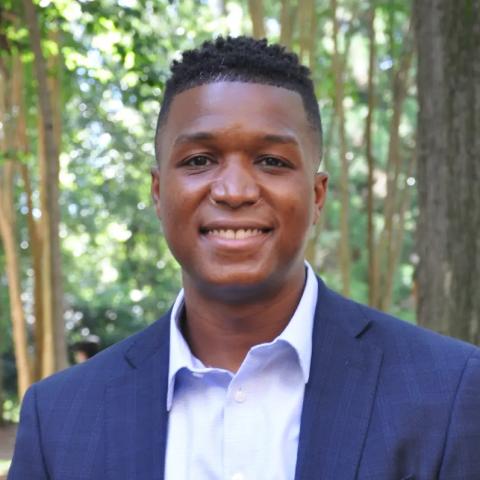
Joe F. Bozeman III is an Assistant Professor in the School of Civil and Environmental Engineering at the Georgia Institute of Technology's College of Engineering, with a courtesy appointment in the School of Public Policy. He serves as the SEI Lead for Ethics in Energy Transition and directs the Social Equity and Environmental Engineering Lab (SEEEL). His work bridges engineering practice with ethical considerations in climate change adaptation and mitigation strategies. Dr. Bozeman's educational background includes: Ph.D. in Industrial Ecology from University of Illinois at Chicago (2020) M.S. in Environmental Engineering from Wright State University (2010) B.S. in Environmental Engineering from Wright State University (2008) As an industrial ecologist, Dr. Bozeman focuses on developing ethical climate change adaptation and mitigation strategies. His research spans circularity analysis, food-energy-water nexus systems, sustainable urban systems, and life cycle assessment. His work uniquely integrates sociodemographic considerations into environmental engineering practice, examining how different demographic groups experience environmental impacts differently. This focus on systemic equity in industrial ecology applications has positioned him as a thought leader addressing the 'wicked' challenges of our time through cross-disciplinary collaboration with psychology, economic, and public health experts. Dr. Bozeman's scientific contributions have gained significant attention, with research featured in mainstream media outlets including NPR, the New York Post, Popular Science, and Free Speech TV. His work on U.S. food-consumption impacts across sociodemographic subgroups has particularly resonated with broader audiences. His publications demonstrate recognition through frequent citations and media coverage. With over a decade of experience in public and private sectors as an energy and environmental practitioner before joining Georgia Tech, Dr. Bozeman brings practical insights to his academic work. His SEEEL lab serves as a hub for integrating ethics, engineering, and community engagement, exploring innovative ways to merge technical findings with artistic expression for broader public accessibility. Dr. Bozeman maintains affiliations with multiple research centers at Georgia Tech, including Sustainable Systems, Renewable Bioproducts, Energy initiatives, and the Institute for Matter and Systems. His work on urban carbon management strategies, food-energy-water equity, and circular economy approaches demonstrates his commitment to creating more just and sustainable systems through engineering practice.