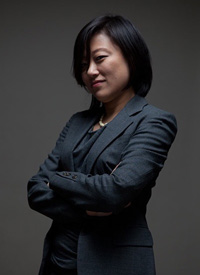
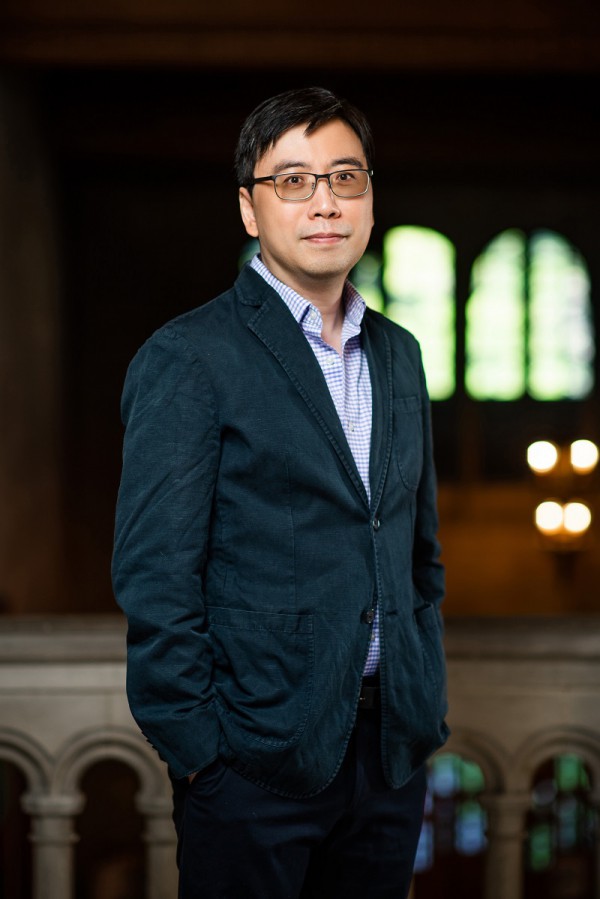
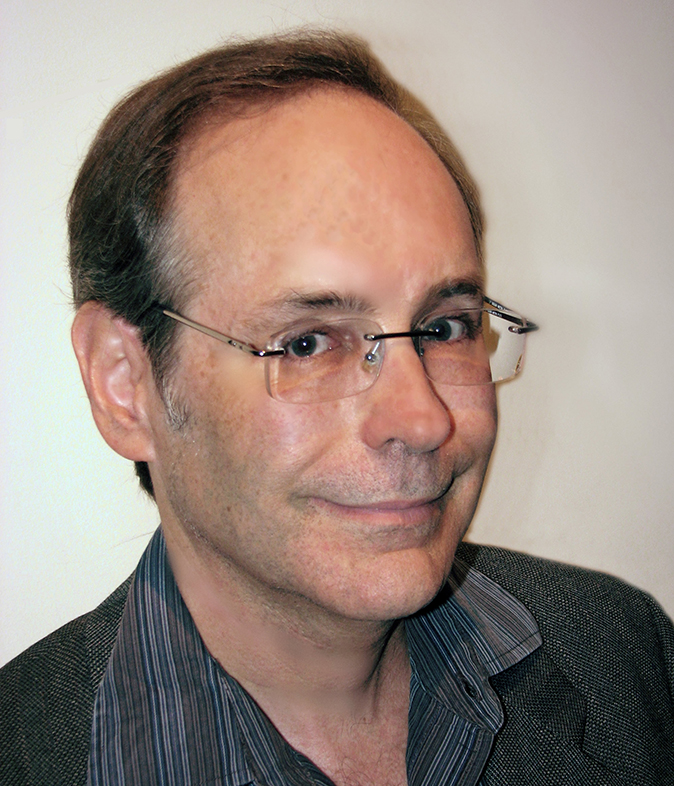
SeungJung Kim is an Associate Professor at the University of Toronto in the Department of Art History, specializing in Greek art and archaeology with cross-cultural focus on Gandharan Buddhist art. Education: PhD in Art History (Columbia University, 2014), PhD in Astrophysical Sciences (Princeton University, 2001) Key Research Areas: Greek art and archaeology Phenomenology of visual perception Time and temporality in Archaic/Classical Greek art Cross-cultural currents in Gandharan art Publications focus on East-West cultural interactions, temporal theory in art, and interdisciplinary approaches blending scientific and art historical methodologies. Awards: Meyerson Award for Excellence in Teaching (Columbia University) Administrative Service: Associate Chair and Director of Graduate Studies at University of Toronto (2021-2024).
Professor Jinhua Chen (PhD, McMaster University, 1997) is a leading scholar in East Asian Buddhism at the University of British Columbia’s Department of Asian Studies, Faculty of Arts. Holding a Canada Research Chair (2001-2011) and inducted into the Royal Society of Canada (2020), his work spans trans-regional Buddhist narratives, monastic institutions, relic veneration, and technological innovations in medieval Asian religions. Key Affiliations: UBC Buddhist Forum (Director), Peter Wall Institute for Advanced Studies (Resident Scholar), and editorial roles in Brill Book Series on East Asian Religions and Studies in Chinese Religions . Research Themes: Combines textual analysis with interdisciplinary methods to explore Buddhist sacred sites, doctrinal transmissions, and church-state dynamics. His projects include From the Ground Up (SSHRC Partnership Grant 2016-2023), examining East Asian religions through multi-media sources, and studies on ruixiang (propitious signs) in medieval Chinese prognostication. Scientific Awards: Royal Society of Canada Fellow, Canada Research Chair, SSHRC Insight Grants, Humboldt Research Fellowship, and Max Planck Institute funding. Publications: Over 30 book chapters and journal articles (2000-2016), including monographs on Fazang, Shingon-Tendai conflicts, and Buddhist sacred geography. Teaching: Courses on Chinese thought, Chan/Zen Buddhism, and Buddhist text interpretation, emphasizing methodological rigor and cross-cultural analysis. Projects: Directed international collaborations on Buddhist manuscripts, palace chapels, and relic cultures, with grants totaling over $4 million CAD.
Dr. Luke Fleming is an Associate Professor in the Department of Anthropology at the University of Montreal's Faculty of Arts and Sciences. His research focuses on comparative linguistic anthropology, particularly the typology of honorific systems, kinship-related linguistic avoidance practices, and sociolinguistic dynamics in indigenous and small-scale societies. He has authored over 20 peer-reviewed publications and led numerous research projects funded by the Social Sciences and Humanities Research Council of Canada (SSHRC) and international institutions. Teaching responsibilities include courses on sociolinguistics, linguistic anthropology, and language and culture. He supervises graduate students engaged in interdisciplinary research spanning from Sri Lanka to the Amazon basin. Current projects investigate honorific pronoun systems across Theravada Buddhist communities and Tamil language usage in South Asia. Lead researcher for SSHRC-funded projects studying honorific systems and small-scale sociolinguistics Published in Journal of Linguistic Anthropology , Language in Society , and Anthropological Linguistics Advisor to 9 graduate students since 2018 Research networks include collaborative projects with Patagonian language speakers and ongoing comparative studies linking Southeast Asian honorifics to African avoidance practices. His forthcoming book On Speaking Terms examines kinship-related linguistic avoidance worldwide. Active in program development for interdisciplinary anthropology degrees, contributing to 15 academic programs at undergraduate and graduate levels.
Professor Joshua S. Mostow is a scholar of pre-modern Japanese literature and art, specializing in text-image relationships, Heian-period studies, and gendered cultural constructions. He holds a professorship at the University of British Columbia’s Department of Asian Studies (Faculty of Arts), where he also serves as Acting Director of Language Programs. Mostow earned his doctorate in Comparative Literature and Literary Theory from the University of Pennsylvania, with additional studies at International Christian University (Tokyo), Université de Paris, and Gakushuin University. His career includes visiting roles at institutions like Heidelberg University and the University of California, Berkeley. His research focuses on intersections of literature and visual arts, particularly in Japanese pre-modern contexts. Key interests include the ideological construction of the Heian period, women’s writing traditions, and the role of sexuality in cultural identity. Major works include *Courtly Visions: The Ise Stories and the Politics of Cultural Appropriation* (2014) and *Pictures of the Heart: The Hyakunin Isshu in Word and Image* (1996). He has received prestigious awards such as the Japan Foreign Minister’s Commendation (2017) and induction into the Royal Society of Canada (2015). Mostow has authored/co-authored over 20 books, edited volumes, and numerous articles across Japanese literature, art history, and cultural studies. His work spans medieval commentaries, Edo-period print culture, and modern reception histories. He frequently lectures internationally on topics like gender representation in classical texts and the visual legacy of *The Tale of Genji*. Grants and fellowships include support from the Sainsbury Institute, Japan Foundation, and SSHRC (Canada). His contributions to Japanese studies include co-editing *The Columbia Companion to Modern East Asian Literature* (2003) and curating exhibitions on Rinpa aesthetics and Edo-period shunga. Scholarly activities further include invited lectures at institutions worldwide and participation in major international conferences.
Alicia M Turner is an Associate Professor in the Department of Humanities at York University's Faculty of Liberal Arts & Professional Studies. She holds a PhD from the University of Chicago Divinity School, alongside an MA in History of Religions and a BA in Religion and Women’s Studies. Her research focuses on the intersections of religion, colonialism, secularism, and nationalism in Southeast Asia, particularly in Myanmar/Burma. She examines Buddhist institutions and identities over the past 150 years, with emphasis on colonial-era transformations and contemporary religious dynamics. Her major work includes the book Saving Buddhism: The Impermanence of Religion in Colonial Burma , which analyzes Buddhist lay associations and the fluidity of religious concepts. Current projects include a collaborative biography of U Dhammaloka, a 19th-century Irish-born Buddhist monk who resisted British colonialism, and studies on Buddhist secularism and religious tolerance in Myanmar. Turner's professional leadership roles include serving as Editor of The Journal of Burma Studies (2007-2017), and active participation in academic organizations such as the Association of Asian Studies. She contributes to initiatives like the Inya Institute, focusing on Myanmar research and heritage. Her scholarship bridges historical analysis with contemporary issues, emphasizing how colonial frameworks shaped modern religious identities. Key themes include the role of Buddhism in nationalist movements, the impact of colonial secularism, and transnational religious networks.
Neil Dalal is an Associate Professor at the University of Alberta, holding a joint appointment in the Department of Philosophy and the Religious Studies Program. He specializes in South Asian Philosophy and Religious Thought, with expertise in Advaita Vedānta, Yoga philosophies, and Buddhist thought. His research bridges Philosophy and Religious Studies, focusing on contemplative practices, meditation, and self-inquiry in classical Indian traditions. Education: PhD in Asian Cultures and Languages (University of Texas at Austin), MA in East-West Psychology (California Institute of Integral Studies). He has also engaged in extensive fieldwork with Indian monastic renouncers and traditional scholars. Research interests include sudden vs gradual enlightenment in Advaita, meditational roles of memory, philosophy of dreaming, and Yogic approaches to well-being. Current projects explore these themes through close readings of Advaita philosophers like Śaṅkarācārya and their interpretations of Upaniṣads and Bhagavadgītā. Teaching spans undergraduate and graduate courses such as 'Happiness in Indian Philosophy,' 'Meditation and Mind in Indian Philosophy,' 'Advaita Vedānta: India’s Philosophy of Nonduality,' and courses on Hinduism, Buddhism, and Eastern Religions. He also teaches Environmental Ethics and Comparative Philosophy. No scientific awards or grants are explicitly listed in the provided texts. His academic service includes course coordination in Philosophy and Religious Studies programs.
Karine Gagné is an Associate Professor in the Department of Sociology and Anthropology at the University of Guelph. Her research, primarily conducted in the Indian Himalayas (Ladakh and Zanskar), addresses the political and cultural dimensions of human-environment interactions, with a focus on climate change, ethics of care, and citizenship. Her educational background: PhD in Anthropology, Université de Montréal, 2015 Professor Gagné's research explores how marginalized communities in the Himalayas develop technical expertise to address climate change and state abandonment. She examines the constitution of environmental knowledge, human-animal relations, and the infrastructure of citizenship. Her work bridges anthropology, environmental studies, and political ecology, emphasizing the ethics of care and the temporal dimensions of climate change. Analysis of her recent publications reveals a consistent focus on the Himalayas, addressing glacier retreat, infrastructure development, and human-animal relations. Her work shows a progression from local ethics of care to the intersection of state infrastructure and climate adaptation, with increasing attention to citizen expertise and temporalities of environmental change. Professor Gagné has secured multiple competitive research grants, including: SSHRC Insight Development Grant (2022-2024): Domesticating Wildness: Snow Leopard Conservation in the Himalayan Anthropocene ($70,981) SSHRC Insight Grant (2022-2027): Coping with Infrastructural Curves: Marginalized Citizens Challenging State Plans in India and Vietnam ($84,584) SSHRC Insight Grant (2020-2025): Decolonizing Climate Knowledge: An Ethnographic Study of Travel and Mobility in The Indian Himalayas in An Era of Climate Change ($99,643) SSHRC Insight Development Grant (2019-2022): Connecting People Positively? The Infrastructure of Mobility in Democratic India and Socialist Vietnam ($64,670) SSHRC Insight Development Grant (2018-2021): Amid Icy Ruins and Insecure Futures: Climate Change, Expertise, and The Infrastructure of Citizenship in Zanskar ($61,287) She actively supervises graduate students (Nigel Marimuthu, Tenzing Palmo, Tehzeeb Bano, and Alejandra Valentina Gonzalez Rodriguez) and offers fellowships for projects on infrastructures of mobility and snow leopard conservation. Her research team, operating within the Department of Sociology and Anthropology at the University of Guelph, engages in interdisciplinary fieldwork in the Himalayas, focusing on climate change adaptation, infrastructure, and human-animal relations. Current projects include studies on snow leopard conservation through tourism and citizen science, and the impact of infrastructural development on marginalized communities.
Angela Sheng is an Associate Professor at the School of the Arts, McMaster University. Her research focuses on Textile History , Cultural Exchange , and Art Historical Methodology , with particular emphasis on Chinese textiles, Silk Road studies, and sociocultural transformations. Selected Publications: Writing with Thread: Traditional Textiles of Southwest Chinese Minorities (2009) Reading Textiles (2020) Research Interests: Dr. Sheng explores the intersection of textile technology, cultural symbolism, and historical narratives. Her work spans from ancient silk weaving techniques to gendered labor in imperial China. Teaching: Recent courses include Gender and the Textile Arts , Intercultural Arts Along the Silk Road , and Visual Literacy , covering topics such as textile conservation, historical fashion, and cross-cultural artistic exchange.
Henry C. H. Shiu is an Assistant Professor in Chinese Buddhist Studies at the University of Toronto, affiliated with New College and Emmanuel College. He holds degrees from the University of Toronto’s Centre for the Study of Religion, including a BA, MA, and PhD. BA, Department of Religious Studies, University of Toronto MA, Centre for the Study of Religion, University of Toronto PhD, Centre for the Study of Religion, University of Toronto His research spans Mahayana Buddhism , focusing on historical and doctrinal aspects of Madhyamaka and Yogacara traditions, and the theory of Tathagatagarbha. He also explores contemporary Buddhist movements, Buddhist Chaplaincy, and Buddhism in Canada. Additional interests include Western classical music (with three publications via Oxford University Press) and Daoist texts like the Laozi and Zhuangzi. Shiu’s publications span Buddhist studies, ethics, and musicology, with a recent emphasis on Canadian Buddhist communities and cross-disciplinary intersections. He co-edited a special issue of the Canadian Journal of Buddhist Studies on Applied Buddhism and contributed to dialogues on Buddhist architecture and animal release practices. He has taught courses such as Buddhist Ethics, Buddhist Contemplative Care, and Buddhist Psychology, while serving as guest editor and receiving the Wabash Digital Salon Grant for documentary work. His affiliations include the American Academy of Religion and the International Association of Buddhist Studies.
Mark Hathaway is a Lecturer at the University of Toronto and serves in both the School of the Environment and the Department of Physical & Environmental Sciences . Additionally, he acts as a Visiting Professor at Latin American universities and faculty member at the Earth Charter Center for Education for Sustainable Development in Costa Rica. Education: PhD in Adult Education, Community Development, and Environmental Studies from University of Toronto MEd in Adult Education and Community Development from University of Toronto BSc in Mathematics from Queen’s University Research Interests: Dr. Hathaway focuses on ecological worldviews , transformative learning , and indigenous knowledge . His work bridges environmental ethics with regenerative design , emphasizing ecopsychology and permaculture principles . He explores how self-transcendent emotions and spiritual practices can shift consciousness toward sustainable living. Article Trends: His publications span ecological ethics , permaculture , indigenous wisdom , and emotional responses to crisis . Themes include anthropoharmonism , systems theory , and decolonization . Grants & Affiliations: Dr. Hathaway's SSHRC postdoctoral research and collaborations with organizations like the Pachamama Alliance and Joanna Macy's Work that Reconnects highlight his interdisciplinary approach to sustainability education.
André Laliberté is a Full Professor at the University of Ottawa's School of Political Studies , focusing on the intersection of religion and politics in East Asian societies. His work spans comparative politics, Chinese and Taiwanese politics, social policy, and political anthropology. Ph.D. (1999) and M.A. (1992) from the University of British Columbia , B.A. (1991) from Université du Québec à Montréal . His research explores Buddhist philanthropy , secularism , and welfare regimes , with fieldwork in Shanghai, Beijing, Taiwan, and Hong Kong . Recent publications analyze religion-state dynamics in China's pandemic response, filial piety's legal revival , and geopolitical challenges in Buddhist internationalism . He has supervised students across these themes and collaborated with institutions like the Groupe Sociétés, Religions et Laïcités (Paris) and Center on Religion and Chinese Society (Purdue University) .
Tracy Trothen is a Professor of Ethics jointly appointed to the School of Religion and the School of Rehabilitation Therapy at Queen's University, within the Faculty of Arts and Science. Her interdisciplinary work bridges ethics, religion, and technology, with a focus on artificial intelligence, transhumanism, human enhancement technologies, and their implications for sport, aging, and spiritual health. She holds a BA from Queen's University, an MDiv from Queen's, and a ThD from the University of Toronto. Her research explores the ethical dimensions of emerging technologies, including AI's impact on spirituality, enhancement in sports, and moral distress in caregiving roles. She has authored or edited ten books, including the ISSR-awarded Religion and the Technological Future: An Introduction to Biohacking, A.I., and Transhumanism (2021). Trothen is also a certified Clinical Spiritual Health Specialist and Supervisor-Educator with the Canadian Association of Spiritual Care. Her articles span topics like AI ethics in East Asian philosophies, anti-aging technologies' spiritual implications, and mindfulness-based interventions for cognitive decline. She addresses intersections between religion, technology, and healthcare, emphasizing marginalized perspectives in bioethics through an intersectional theological lens. Awards: ISSR Award (2021), ISSR Fellowship Key Research Themes: Human enhancement ethics, sport theology, spiritual health in aging, AI and religion Publications: Over 100 articles, 10+ books, and chapters on transhumanism, sport ethics, and caregiving Trothen's work often critiques technological utopianism, advocating for ethical frameworks that prioritize human dignity and spiritual well-being. She collaborates across disciplines to address moral challenges posed by rapid technological advancements.
Timothy Pettipiece is an Associate Professor in the Department of Religion at Carleton University, part of the College of Humanities. He holds an Hon. BA in Classical Languages from the University of Guelph (2000), an MA in Religion and Culture from Wilfrid Laurier University (2002), and a PhD in Religious Studies from Université Laval (2006). His research focuses on interdisciplinary approaches to religious cultures of Late Antiquity, particularly Gnostic and Manichaean studies, and the reception of ancient religious ideas in modern media. His teaching interests include Classics and Religion, with a specialization in Manichaean literature and the intersection of late ancient religious texts with contemporary cultural narratives. Key research areas are Coptic Manichaean homilies, Syriac Christianities in Mesopotamia, and gender roles in early religious communities. Dr. Pettipiece’s publications emphasize textual analysis of apocryphal traditions, redaction criticism in Manichaean and early Christian texts, and comparative religious studies. Recent work explores intersections between Manichaean theology and global religious movements, as well as modern reinterpretations of ancient mythologies in popular culture. He currently serves as an academic leader in Carleton’s Religion program, contributing to both undergraduate and graduate curriculum development. His office is located in 2A51 Paterson Hall, and he maintains active engagement with international scholarly networks through conferences and collaborative research projects.
Shayne Clarke is an Associate Professor at the Faculty of Religious Studies, McMaster University. His work focuses on Indian Buddhist monastic law codes (Vinaya) preserved in Sanskrit, Pali, Tibetan, and Chinese, with additional interests in humor in religious texts, manuscript studies, and East Asian religions. Primary research: Indian Buddhist monasticism, Vinaya textual analysis Key languages: Sanskrit, Tibetan, Chinese, Pali Recent projects: Survey of Tibetan Dunhuang manuscripts, edition of Vinayakārikā texts Research interests include family dynamics in monastic Buddhism, gender and ordination practices, and legal narratives in Vinaya texts. His publications examine topics like: Pregnant nuns and monastic motherhood Humor in Indian Buddhist legal codes Comparative analysis of Pārājika penance Monastic expulsion vs. local community exclusion Teaching includes graduate courses on Indian Buddhist texts (RELIGST 715, 714) and undergraduate courses like What is Buddhism? (SCAR 2K03) and Sex and the City in Buddhism (RELIGST 2BN3).
Jennifer S. Leath is an Associate Professor of Black Religions at Queen’s University, affiliated with the School of Religion and Black Studies Core Faculty. She holds a BA from Harvard University, M.Div from Union Theological Seminary, and MA, M.Phil, and PhD from Yale University. Her research focuses on the intersection of sexualities, religion, and social activism within African Diaspora communities, with emphases on Black feminist and queer theories, transnationalism, and interdisciplinary justice frameworks. Leath’s scholarship includes monographs such as From Black to Quare (and then) to Where: Theories of Justice and Black Sexual Ethics (forthcoming, Duke University Press) and Childcare Activists: Reframing Afro-Diasporic Faith from the Home to the Streets . She co-founded the Center on African American Religion, Sexual Politics & Social Justice at Columbia University and served as a Senior Fellow there. Previously, she held roles at Harvard Divinity School and Iliff School of Theology, where she directed the Master’s in Social Justice & Ethics program. Leath is actively engaged with organizations like the Society for the Study of Black Religion and the American Academy of Religion. As an ordained Itinerant Elder in the African Methodist Episcopal Church, she has pastoral experience in multiple congregations, including Campbell Chapel AME Church in Denver, CO. Her work bridges academic rigor with community-oriented activism, emphasizing abolition, spiritual activism, and interfaith dialogue.