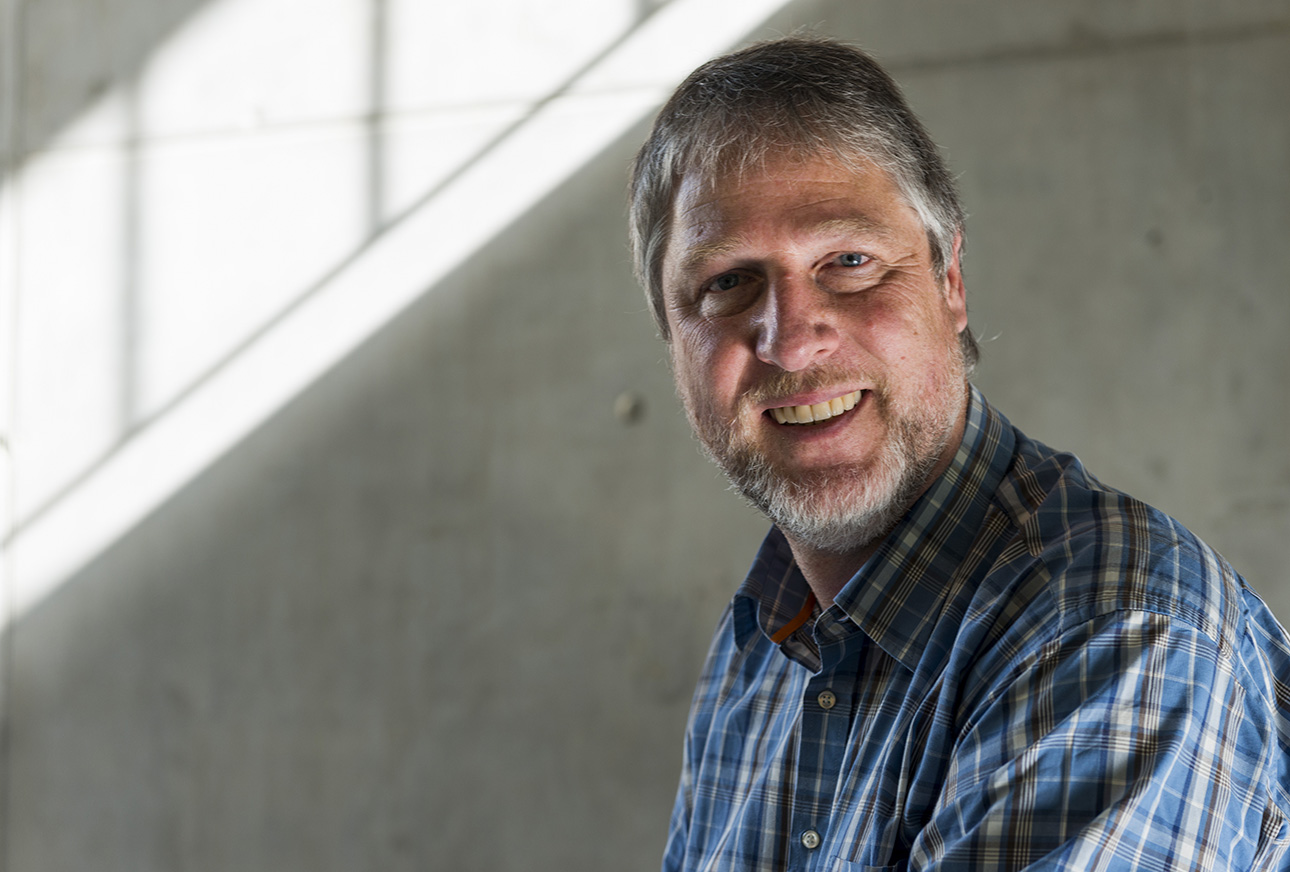
Professor Bernd Möbius is a leading academic in Phonetics and Phonology at the Department of Language Science and Technology, Saarland University. His research bridges phonetic theory with speech technology applications, focusing on text-to-speech systems, prosody modeling, and computational simulations of speech processes. Current research projects: DFG SFB 1102, C1: Information density and phonetic structure predictability DFG SFB 1102, C4: Slavic intercomprehension and surprisal theory (INCOMSLAV) Research Themes: Key areas include text-to-speech synthesis, speech prosody analysis, experimental methods in speech production/perception, information density in phonetics, and cross-linguistic studies of Slavic-Germanic languages. Scientific Contributions: Recent work explores Parkinson-induced dysarthria detection, breath noise acoustics, surprisal-driven speech behaviors, multilingual BERT models for idiomaticity, and perceptual consequences of acoustic adjustments.
Ashwani K. Gupta is a Distinguished University Professor at the University of Maryland, holding the Minta Martin Professorship in Engineering. He serves as Professor in the Department of Mechanical Engineering, Professor at the Institute of Physical Science and Technology, and Affiliate Professor in the Department of Aerospace Engineering. With over 45 years of experience in combustion engineering since graduating from Southampton University in 1970, Gupta has established himself as a leading authority in advanced combustion technologies. Dr. Gupta earned his Ph.D. from the University of Sheffield in 1973, followed by a D.Sc. from the same institution in 1986 and another D.Sc. from Southampton University in 2013. His academic journey includes six years at MIT as a research staff member and three years at Sheffield University as an independent research worker before joining the University of Maryland in 1983. Gupta's research focuses on revolutionizing combustion technology through innovations in swirl flows, high-temperature air combustion (HiTAC), and distributed combustion systems. His pioneering work on 'colorless distributed combustion' has enabled ultra-low emission combustion processes with significant applications in gas turbine engines and waste-to-energy conversion. His research spans biofuels, CO2 utilization, sulfur chemistry, waste conversion, and advanced laser diagnostics, addressing critical challenges in sustainable energy and environmental protection. Analyzing his recent publications reveals a strong emphasis on waste-to-energy conversion, biomass processing, and CO2-assisted technologies. Gupta's work demonstrates a clear trajectory toward sustainable energy solutions, with increasing integration of artificial intelligence for combustion optimization and emission control. His research bridges fundamental combustion science with practical engineering applications for cleaner energy systems. Among Gupta's numerous accolades are: Election to Fellowship of the Royal Academy of Engineering (2023) Honorary Fellowship of the Royal Aeronautical Society (2020) Recognition as one of the top 2% of scientists worldwide by Stanford University (2022-2024) Multiple prestigious medals from ASME and AIAA including the Soichiro Honda Medal (2018) and AIAA Air Breathing Propulsion Award (2014) Honorary doctorates from three international universities Gupta has secured substantial research funding throughout his career, resulting in over 850 technical papers, three books, 18 edited books, and 22 book chapters. He has delivered over 100 plenary/keynote/invited presentations at international conferences. His mentorship has shaped numerous graduate students who continue to contribute to the field of combustion engineering. Gupta directs the Combustion Laboratory at the University of Maryland, which serves as a hub for cutting-edge research in sustainable combustion technologies. The Combustion Laboratory, under Gupta's leadership, has become a center of excellence for advanced combustion research, particularly in distributed combustion systems, waste-to-energy conversion, and alternative fuels. The lab maintains strong collaborations with industry partners and international research institutions, facilitating technology transfer and practical implementation of research findings. Gupta's team employs state-of-the-art diagnostics and computational tools to advance fundamental understanding while developing practical engineering solutions for cleaner energy systems.
Mattias Heldner is Professor of Phonetics and Head of Department at the Department of Linguistics, Stockholm University. He also serves as Director of the Phonetics Laboratory where he has developed advanced recording facilities for breathing movements and voice quality dynamics in conversation. Dr. Heldner received his PhD in Phonetics from Umeå University in 2002, completed a postdoc at TeliaSonera Sweden in 2005, became Docent in Speech Communication at KTH Royal Institute of Technology in 2007, and was appointed Professor in Phonetics at Stockholm University in 2011. His research focuses on communicative behavior relevant for turn-taking in conversation and signaling of prosodic functions such as prominence and boundaries. His work spans multiple dimensions of speech communication, including: Respiratory patterns and their role in conversation flow Voice quality dynamics as turn-taking cues Prosodic functions in spontaneous speech Physiological constraints in verbal communication Acoustic properties of child speech development Neural correlates of lexical stress Dr. Heldner's recent publications demonstrate how respiratory signals provide crucial information for predicting speech activity and managing turn-taking. His research combines physiological measurements with acoustic analysis to uncover hidden aspects of conversational organization, particularly the relationship between breathing patterns and speech timing. As an educator, Dr. Heldner has taught phonetics courses for Speech and Language Pathology students at Karolinska Institutet, University of Gothenburg, and Umeå University. He currently supervises one PhD student and has successfully supervised two PhD theses to completion. Dr. Heldner has held several Swedish research grants and served as one of the Technical Program Chairs for Interspeech 2017 in Stockholm. His Phonetics Laboratory has developed innovative systems like RespTrack for measuring respiratory movements during speech with high experimental control.
Professor Kondo-Francois Aguey-Zinsou is a Professor of Chemistry at the University of Sydney, leading the MERLin (Materials Energy Research Laboratory in nanoscale) group within the School of Chemistry. He is a globally recognized expert in hydrogen technologies, with over 20 years of experience in materials science, energy storage, and fuel cell innovation. His research focuses on advancing hydrogen storage materials, metal hydrides, and nanoscale systems for sustainable energy solutions. Affiliations include membership in The Net Zero Institute and The University of Sydney Nano Institute. He has secured significant grants, including projects on hydrogen compression, fuel cell testing facilities, and sustainable electrolysis technologies. Notable collaborations involve industry partners like Verstraete D and Chen Y. Research Interests: Hydrogen storage, nanomaterials, fuel cells, catalysis, renewable energy systems, and thermochemical energy storage. Grants (selected): 2024 projects include 'Highly efficient and simplified hydrogen compression with metal hydrides' and 'Australia's fuel cells and electrolysers prototyping and testing facility.' Labs/Teams: Leads the MERLin-H2 lab (MERLin-H2.com) and collaborates with the Sydney Nano Institute. Media Presence: Featured in prominent outlets like SMH , PV Magazine , and EcoGeneration for breakthroughs in hydrogen batteries and energy storage. His publications emphasize advancements in hydrogen storage materials, nanotechnologies for energy applications, and catalytic innovations. Recent work includes studies on 3D-printed fuel cells and boron hydride monolayers for enhanced hydrogen storage.
Professor Guy Brown is Chair of Computer Science at the University of Sheffield's School of Computer Science. He holds a BSc in Applied Science (1984), PhD in Computer Science (1992), and MEd in Teaching and Learning (1997). His research focuses on Computational Auditory Scene Analysis (CASA), noise-robust speech recognition, auditory modeling, and binaural processing. Research interests include: Machine hearing systems for sound source separation Reverberation-robust speech processing Auditory scene analysis models for normal/impaired hearing Applications in robotics and healthcare technologies Publication trends show recent focus on deep learning approaches for biomedical applications including sleep apnea detection, respiratory sound analysis, and multimodal health monitoring systems using neural networks. Honors include: University Senate Award for Excellence in Teaching (2014) Microsoft Software Engineering Innovation Award (2013) He leads doctoral supervision for 15+ students and has secured research funding from EPSRC, Innovate UK, EU FP7, and AHRC. Manages the Speech and Hearing research group and has held visiting positions at international institutions including LIMSI-CNRS and ATR Japan.
Beuth University of Applied Sciences BerlinGermany
Prof. Dr. Ilona Buchem is a Professor of Communication and Media Studies at the Berlin University of Applied Sciences (BHT), Department I of Business and Social Sciences. She serves as Head of the Communication Laboratory and leads research in human-robot interaction, educational robotics, and technology-enhanced learning. Her work spans multiple interdisciplinary projects including Social Robotics, Open Virtual Mobility, and ePA-Coach, focusing on digital media for communication, collaboration, and digital sovereignty for older adults in healthcare contexts. Dr. Buchem holds a doctorate in business education from Humboldt University and a certificate in business administration from the University of St. Gallen, Switzerland. Her academic background bridges business education with digital media expertise, positioning her at the intersection of technology and communication for innovative educational approaches. Her research interests focus on human-robot interaction in educational contexts, social robotics for learning, AI applications in education, and digital media for communication and collaboration. She explores how robots can serve as educational tools in business studies, language learning, and health-related applications. Her work also investigates digital sovereignty, particularly for older adults using electronic health records, and the use of open digital credentials like Open Badges for recognizing learning achievements. The integration of gamification elements with social robots represents another significant strand of her research, enhancing student engagement and learning outcomes. Analysis of her recent publications reveals a strong focus on practical applications of social robots in educational settings, particularly examining student perceptions of different robot platforms (NAO, Pepper, Furhat). Her work increasingly integrates generative AI with robotics, exploring conversational interfaces and new learning paradigms. There's also a consistent thread examining digital literacy for seniors, especially regarding electronic health records, and innovative approaches to recognizing learning through micro-credentials and digital badges. Dr. Buchem actively supervises numerous bachelor's and master's theses across multiple programs including Business Administration: Digital Economy and Media Informatics Online. She has established a digital award system based on Open Badges to recognize outstanding thesis work with top grades. Her research is supported through various funding sources including BMBF, EU, DFG, and industry partners, with projects spanning social robotics, virtual reality applications, and digital credentialing systems that connect academic research with practical applications. She leads the Communication Laboratory at BHT and is actively involved in the 'House of Robotics' initiative at the university. Her work connects with international partners through projects like Social Robotics (EU) and Open Virtual Mobility, creating a global network for educational robotics research and development that bridges European institutions and promotes cross-cultural educational exchange.
Dr. Almila Akdag is an Assistant Professor in Human-Centered Computing at Utrecht University's Faculty of Science, Department of Information and Computing Sciences. As a Digital Humanities scholar with expertise spanning new media analysis, bibliometrics, and information visualization, she combines qualitative and quantitative methods to study humanities and social data. Research Focus Her interdisciplinary research bridges: Digital Humanities : Computational analysis of cultural artifacts including paintings, poetry, and oral histories Human-Centered AI : Developing empathetic and accessible AI systems Trauma Informatics : Analyzing breathing patterns in oral histories of trauma survivors Cultural Analytics : Studying art communities and online creative platforms Following the 2023 Turkey/Syria earthquake, she is creating an oral history archive to document collective memory of the disaster, with particular focus on Turkish, Kurdish and Syrian diaspora experiences. Awards and Recognition NWO VENI laureate for 'deviantArt: Mapping the Alternative Art World' project Co-initiator of Mellon Grant: 'Tools for Analysis and Visualization of Large Image/Video Collections for Humanities' Leadership and Service Workgroup leader of 'Visual Media and Interactivity' for DARIAH-EU Founding member of International Society for Knowledge Organization (ISKO LC Low Countries Chapter)
Associate Professor Hilde Norbakken is a vocalist, pianist, songwriter and educator at the Department of Popular Music, Faculty of Fine Arts, University of Agder (UiA). Co-director of the Centre of Excellence CreateMe , she teaches vocal and songwriting, leads the Bachelor in Popular Music programme, and maintains an active artistic career that spans concerts, album releases and theatre productions. Education & Affiliations Faculty of Fine Arts, University of Agder – Department of Popular Music CoE CreateMe – Co-director Study-programme leader – Bachelor in Popular Music Research & Artistic Focus Norbakken’s research profile is rooted in artistic development . She explores vocal technique, genre-specific interpretation, artistic identity and the craft of songwriting. Central themes include the formation of vocal and artistic character, lyric writing, ensemble interaction ( samspill ), live performance practice and the intersection between life experience and musical expression. Her creative output ranges from intimate duo albums such as Open Doors (2014) and Hold You with the Kristiansand Symphony Orchestra, to large-scale concert concepts like Lydhør – en konsertsamtale , where conversation and performance merge. She frequently collaborates with Norwegian artists as a featured vocalist, arranger and pianist, and she produces vocal performances for theatre and symphony productions. Publication Trends Across the last fifteen registered outputs (2020-2024), the work clusters around three strands: (1) live concert-talks that combine dialogue and song to deepen audience engagement; (2) album releases and singles that showcase original songwriting and vocal arrangement; and (3) production and arrangement work for theatre, jazz ensembles and symphony orchestras, highlighting her versatility as both performer and music director. Scientific & Artistic Awards No specific prizes, medals or fellowships are recorded in the supplied material. Teaching & Student Supervision Norbakken teaches individual and group vocal classes, songwriting workshops and genre studies. She is the programme leader for the Bachelor in Popular Music and is actively developing new curricula for Bachelor and Master level songwriting programmes. No named PhD or Master advisees appear in the text. Labs & Teams She is a core member of the research groups Popular Music Performance and Songwriting and Production at UiA, and through her role in CoE CreateMe she contributes to interdisciplinary projects that bridge artistic practice, technology and education.
Kyun Ho Lee is an Associate Professor in the Department of Aerospace Engineering at Sejong University, specializing in space propulsion systems, satellite thermal engineering, and computational fluid dynamics (CFD). His career spans academic research and practical development in aerospace technologies. Ph.D., KAIST (2009) M.S., Yonsei University (2000) B.S., Yonsei University (1998) His research focuses on cutting-edge aerospace technologies, including Space Propulsion , Thermal Engineering , and Inverse Heat Analysis . Recent work explores CFD modeling of propulsion plumes, rarefied gas dynamics , and optimization of FEEP thrusters for small satellites. Applications extend to green propulsion systems, waste-to-fuel technologies, and advanced emitter designs. The latest publications highlight trends in ionic monopropellants , gallium-based FEEP systems , and thermal cracking of plastic waste for sustainable aviation fuels. Collaborations span computational modeling, propulsion system development, and environmental stress testing for spacecraft.
Professor Corinne Saunders holds a faculty position in the Department of English Studies at Durham University, where she also serves as Member of the Institute of Medieval and Early Modern Studies, Co-Lead of the Affective Experience Lab within the Institute for Medical Humanities, and Co-Director of the Centre for Medical Humanities. Her academic profile bridges literary scholarship with medical humanities through institutional leadership roles. Her research centers on medieval literature with specialized focus on romance writing, medical humanities, and affect theory. Key interests include historical intersections of mind/body concepts, women's writing in medieval contexts, and old French/Middle English literary traditions. Current work examines affective experiences in medieval thought through interdisciplinary medical humanities frameworks. Publication trends reveal sustained exploration of magic's role in medieval romance alongside growing engagement with medical humanities. Recent works demonstrate methodological evolution toward collaborative, cross-disciplinary projects examining voice, breath, and beauty through historical lenses, particularly in Wellcome Trust-funded initiatives. Her scientific recognition includes: Leverhulme Research Fellowship Professor Saunders has secured significant research funding as Co-Investigator for the Wellcome Trust's 'Hearing the Voice' project and Collaborator on the 'Life of Breath' initiative, alongside AHRC-funded monograph support. She actively mentors postgraduate researchers specializing in medieval literary topics. She co-directs the Centre for Medical Humanities and leads the Affective Experience Lab, driving interdisciplinary research that connects literary analysis with medical and psychological inquiry through institutional platforms.
Jonas Braasch is a Professor at Rensselaer Polytechnic Institute's School of Architecture and Associate Director for Research at the Experimental Media and Performing Arts Center (EMPAC). He teaches in the Graduate Program in Architectural Acoustics and leads research on collaborative virtual reality, binaural hearing, auditory modeling, and sensory substitution devices. His work has been funded by NSF, NSERC, and European agencies, and he holds dual PhDs in Electrical Engineering/Information Science and Musicology. His research integrates acoustic virtual reality systems, immersive museum soundscapes, telematic music, and assistive instrument design. Recent publications focus on networked immersive environments, spatial audio techniques, museum acoustics classification, and innovations in wind instrument design for accessibility. Publications emphasize the application of deep learning to acoustic prediction and multisensory integration.
Kevin Hughes is a Senior Lecturer in the Energy Engineering Group at the Department of Mechanical Engineering, School of Mechanical, Aerospace and Civil Engineering, University of Sheffield. He holds a PhD and first degree in Chemistry from the University of Leicester (1987) and focuses on fuel combustion, fuel cells, and process modelling in carbon capture and storage (CCS) systems. His research combines experimental and theoretical approaches, including planar laser diagnostics, quantum chemistry, and CFD simulations. Education: PhD and BSc in Chemistry from University of Leicester. Research Interests: Fuel combustion, pollutant chemistry, PEM fuel cells, CCS process modelling, catalyst development, and combustion in supercritical CO2. Grant Projects: FP7-ENERGY-2010-2 (RELCOM), Gas-FACTS (EPSRC), EP/J020788/1, EP/M001482/1 (Selective EGR), TEABPP (Energy Technology Institute). Scientific Contributions Publications: Over 50 papers on fuel combustion mechanisms, fuel cell optimization, CCS systems, and alternative fuels. Collaborations: Regular work with M. Pourkashanian, D.B. Ingham, S. Michailos, and M.S. Ismail. Technical Expertise Chemical Kinetics Validation Quantum Chemistry Applications Gas Diffusion Layer Analysis Surrogate Fuel Development Supercritical Combustion
Prof. Dr. Tobias Kowatsch is an Associate Professor at the Institute for Implementation Science in Health Care, Faculty of Medicine, University of Zurich. He serves as Scientific Director of the Centre for Digital Health Interventions (CDHI) and Director of the School of Medicine at the University of St. Gallen (HSG). His research focuses on digital health interventions at the intersection of information systems, computer science, and behavioral medicine. PhD in Management (University of St. Gallen, 2016) Master in Business Informatics (2012) Master in Media and Informatics (2007) Diploma in Informatics (2005) Kowatsch develops digital health solutions such as MobileCoach (open-source platform for health interventions) and Pathmate Technologies (digital therapeutics like manoa for hypertension). His work integrates machine learning, conversational agents, and wearable technology to address non-communicable diseases and mental health challenges. His recent research trends emphasize personalized health interventions , conversational AI , and biopsychosocial monitoring using wearables. Key areas include dementia prevention , menstrual health , and cancer patient support . ISRII Poster Award (2023) Gold & Silver Awards, World Media Festivals (2023) Fitrockr & Garmin Health EMEA Research Grant (2023) Kowatsch leads the CSS Health Lab and collaborates with institutions like ETH Zurich and the Singapore-ETH Centre. His initiatives include the Precision Digital Therapeutics Summer School and industry partnerships with companies like Pathmate Technologies .
Robin S. Everhart is a tenured Professor at the Department of Psychology , Virginia Commonwealth University , and Co-Director of Graduate Studies. She specializes in Health Psychology with a focus on pediatric pulmonary diseases. Education: Ph.D., Clinical Psychology, Syracuse University Pediatric Psychology Postdoctoral Fellowship, Brown Medical School Clinical Internship, Brown Medical School B.S., Duke University Research Interests: Dr. Everhart’s work examines chronic disease management through a family systems lens, emphasizing equity, culture, and community engagement. Key areas include asthma , cystic fibrosis , mental health , and adherence behaviors in marginalized populations. Recent Publications (2025–2024): Her studies focus on Cystic Fibrosis (CF) and asthma , analyzing adherence to ETI treatment , telehealth interventions , caregiver mental health , and health disparities . Topics span qualitative frameworks for CF care , medical fear , and urban stressors . Scientific Awards: Eminent Scholar Award, College of Humanities and Sciences (2018) Outstanding Faculty Scholarship Award, VCU Department of Psychology (2017) Outstanding Teaching Award, VCU Department of Psychology (2015) Advising & Grants: Dr. Everhart has mentored students like K. D. Lohr and R. L. Holder on NIH-funded projects, including the $5.8M RVA Breathes program for urban adolescents with asthma. She also secured support from the Cystic Fibrosis Foundation and Virginia Foundation for Healthy Youth . Labs & Teams: She collaborates with the Cystic Fibrosis Foundation's PRIME Working Group and STRC , and leads the RVA Breathes randomized trial to reduce health inequities in asthma care.
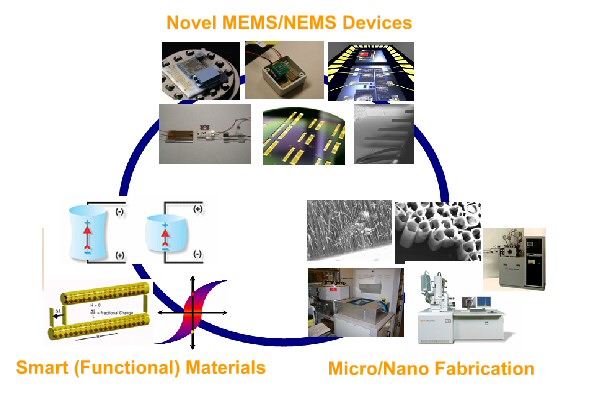
Dr. Dong-Joo (Daniel) Kim is an Alumni Professor in the Department of Materials Engineering at Auburn University's College of Engineering. He also serves as the Director of the Analytical Microscopy Center and holds an adjunct professorship at Sungkyunkwan University, South Korea. Since joining Auburn in 2003, he has built a robust research program in energy harvesting, smart materials, and thin film technologies. Ph.D., Materials Science and Engineering, North Carolina State University (2001) M.S. and B.S., Materials Science and Engineering (Ceramic), Yonsei University, Korea (1995, 1993) His research interests center on thin film and nanostructured materials , energy harvesting and conversion , smart nanomaterials for sensors and actuators , and condition monitoring systems . He has made significant contributions to the development of piezoelectric materials, MXene-based sensors, and fuel cell components. Recent publications highlight a strong trend in wearable and flexible sensors , particularly mask-integrated devices for monitoring ethanol, ammonia, CO2, and respiration. His work also spans energy materials , including fuel cells and lithium-ion capacitors, and advanced manufacturing of nanostructured films. Notable awards include: Outstanding Faculty Member, College of Engineering, Auburn University (2023) Auburn University Alumni Professorship (2013–2018) AU Alumni Engineering Council Research Award (2008) AWS Howard E. Adkins Memorial Instructor Award (2017–2018) Dr. Kim has advised numerous graduate students, many of whom have gone on to careers in industry and academia. He has secured funding from major agencies including NSF, DOE, and USDA. He leads a dynamic research group focused on developing next-generation materials for autonomous and self-powered systems. His lab leverages advanced facilities such as the Analytical Microscopy Center and focuses on interdisciplinary research bridging materials science, electrical engineering, and biomedical applications.