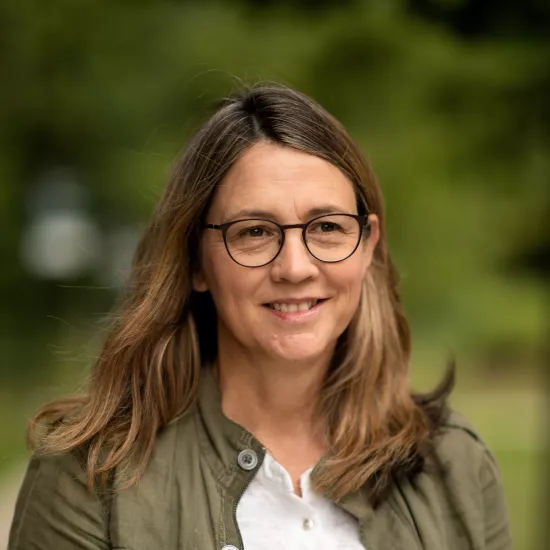
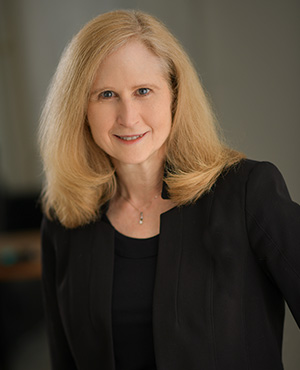
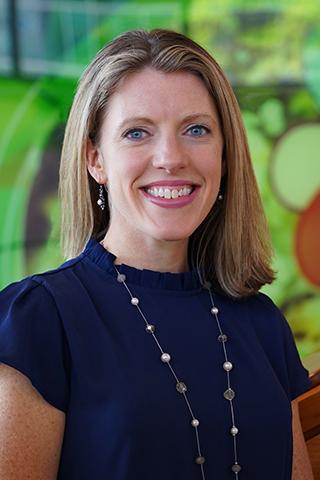
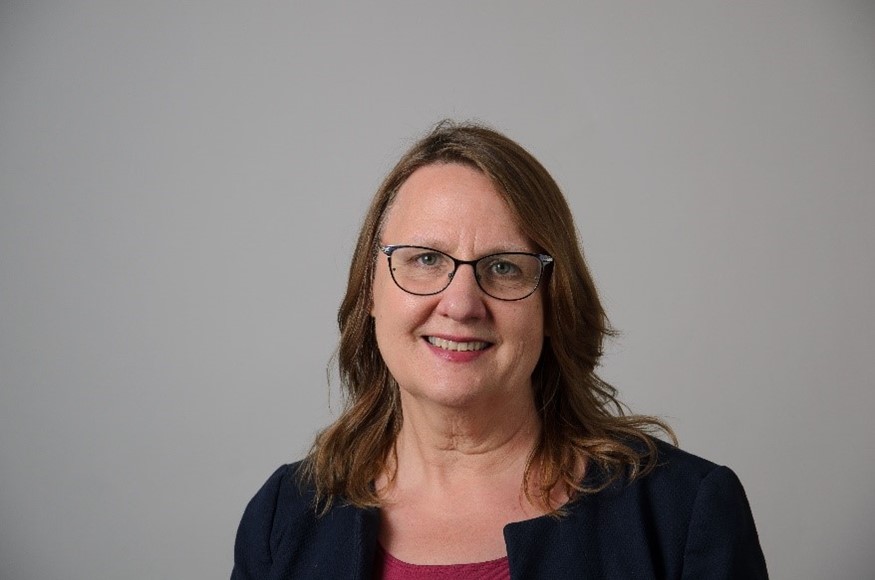
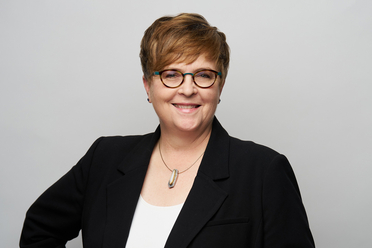
Professor Khin Than Win is a leading academic in health informatics and digital health at the University of Wollongong (UOW), holding appointments as Professor in the School of Computing and Information Technology, Head of Postgraduate Studies, and Deputy Head (Research). She also serves as Academic Program Director for UOW's Master of Health Informatics and Graduate Certificate in Health Analytics programs. Her research focuses on applying information technology to healthcare, particularly in behavior change support systems, persuasive technology, and ethical AI applications. She has supervised over 20 PhD students and holds leadership roles including Deputy Chair of UOW's Health and Medical Research Ethics Committee, and membership in international committees like the Persuasive Technology Steering Committee. Education: MBBS from Rangoon University, Master's and PhD in IT from Assumption University (Bangkok) and UOW (Australia) Research Interests: Health data analytics, AI in healthcare, privacy/security of health systems Leadership: Program/General Chair roles at ACIS and Persuasive Technology conferences Awards: Best Paper Awards (2023, 2018) Her extensive funding portfolio includes ARC grants and NHMRC projects, totaling over 24 funded initiatives. Current research explores blockchain in medical passports, AI ethics, and culturally tailored health interventions.
Tracey Galloway is an Associate Professor in the Department of Anthropology at the University of Toronto Mississauga (UTM), where she conducts critical research on Indigenous health disparities and policy interventions in northern Canada. Her work bridges medical anthropology, public health, and community-based participatory research to address systemic inequities affecting circumpolar populations. Education: PhD, McMaster University, 2008 MA (institution unspecified) BA (institution unspecified) BScN (institution unspecified) Dr. Galloway's research program centers on chronic disease risk assessment and health system improvement in Indigenous communities, with specific expertise in nutrition transition, food security, child growth patterns, and public health policy evaluation. She examines the impact of federal programs like Nutrition North Canada while developing community-led solutions for health equity. Her methodological approach combines quantitative analysis of health outcomes with qualitative community engagement, emphasizing Indigenous research sovereignty and decolonizing methodologies. Her publication record reveals consistent thematic focus across 15 recent articles, demonstrating interdisciplinary collaboration between anthropology, epidemiology, and health economics. Key trends include rigorous evaluation of colonial impacts on Indigenous food systems, innovative analysis of subsidy program effectiveness, and centering Indigenous patient experiences in healthcare design. Her work consistently prioritizes community-defined research questions and actionable policy recommendations. Dr. Galloway actively mentors graduate students including Darci Belmore, Carly Checholik, Neda Maki, and Hiliary Monteith, guiding research on Indigenous health determinants and policy interventions. While specific grant details aren't publicly enumerated, her collaborative projects involve partnerships with Indigenous communities across Northern Canada and interdisciplinary teams addressing complex health system challenges. She maintains strong community partnerships for her applied research, particularly in Nunavut and Northwestern Ontario, working directly with Anishinabeck and Inuit communities to translate findings into culturally safe health initiatives and policy reforms that address the root causes of health inequities.
Rafael Pérez-Escamilla is a Professor of Public Health (Social and Behavioral Sciences) and serves as Director of the Office of Public Health Practice, the Global Health Concentration, and the Maternal and Child Health Promotion Track at the Yale School of Public Health. He leads the Yale-Griffin CDC Prevention Research Center with over $70 million in extramural funding, focusing on improving breastfeeding outcomes, maternal-child nutrition, food security, and early childhood development through community health worker interventions. He holds a BS in Chemical Engineering from Universidad Iberoamericana (Mexico City), an MS in Food Science, and a PhD in Nutrition from the University of California, Davis. His postdoctoral training at UC Davis explored the link between nutrition and early childhood development. His research interests emphasize breastfeeding promotion , maternal and child health equity , food security measurement , and implementation science . He co-leads studies in vulnerable communities, including U.S. communities of color, and has published over 340 articles, three books, and numerous technical reports. Key publications from 2024–2025 highlight innovations in addressing food insecurity, hypertension disparities, and the evaluation of global nutrition programs. His work bridges research and practice, advocating for scalable interventions. Awards: Lifetime Achievements Award in Global Nutrition (2020) Elected to U.S. National Academy of Medicine (2019) Doctor Honoris Causa from Universidad de Guadalajara (2016) Patricia Martens Award for Excellence in Breastfeeding Research (2015) As a senior advisor to WHO, UNICEF, and U.S. federal agencies, he collaborates on global nutrition policies and measurement frameworks. His grants fund programs like the FOOD4MOMS initiative and the Criança Feliz Program in Brazil. He mentors students through the Maternal and Child Health Promotion Track and oversees Yale’s Global Health and Public Health Practice initiatives. Active in interdisciplinary teams such as the Becoming Breastfeeding Friendly (BBF) initiative and the Center for Methods in Implementation and Prevention Science (CMIPS), he promotes collaboration between academia, communities, and policymakers.
Angela Birnbaum is a Professor in the Department of Experimental and Clinical Pharmacology at the University of Minnesota College of Pharmacy. She serves as Associate Director of the Center for Clinical and Cognitive Neuropharmacology and is a Fellow of The American Epilepsy Society (FAES). Her research focuses on translational clinical pharmacology with emphasis on special populations including the elderly, pregnant women, children, and those with drug addiction. Dr. Birnbaum earned her PhD in Pharmacology (with a Neuroscience minor) from the University of Minnesota Department of Pharmacology. She completed her undergraduate studies with a Bachelor of Science and Medical Technology (BSMT) with chemistry minor from Ohio Northern University, along with a Bachelor of Biology (BS). She also completed a Medical Technology Internship at St. Rita's Medical Center and a Post-doctoral Fellowship in Clinical Neuropharmacology at the University of Minnesota. Her research program centers on pharmacokinetics and pharmacodynamics in special populations, with particular expertise in antiepileptic drugs. She investigates drug concentration variability and response across different patient groups, with significant work on medications like lamotrigine, carbamazepine, and lacosamide. Her laboratory operates as a Pharmacokinetics Laboratory Core for various grant projects and explores drug stability both in vivo and in vitro. Dr. Birnbaum's recent publications demonstrate a strong focus on pregnancy-related pharmacokinetics, particularly for antiepileptic medications, and pharmacokinetic considerations for vulnerable populations including neonates and critically ill patients. Her work combines pharmacometric modeling with clinical research to optimize drug dosing across diverse patient populations. Among her notable recognitions: Fellow of The American Epilepsy Society (FAES) Designation as Center of Excellence for Model-based Drug Development (MBDD) Certara Center of Excellence designation for her program Dr. Birnbaum has been principal investigator and collaborator on numerous research projects funded by the National Institutes of Health, pharmaceutical industry, instrumentation companies, and foundations. Her current projects include investigations into antiseizure medication exposure during pregnancy and breastfeeding, development of monoclonal antibodies to reverse fentanyl overdose, and clinical trials of multivalent opioid vaccine components. Her laboratory, the Birnbaum Laboratory for Translational Clinical Neuropharmacology, operates as both an independent research program investigating drug effects on cognition and a Pharmacokinetics Laboratory Core supporting multiple research projects. The lab incorporates Certara's Phoenix software suite into thesis and research projects, reflecting their expertise in model-based drug development.
Katherine R. Baker, M.D., is a Clinical Associate Professor of Pediatrics at the University of Rochester School of Medicine and Dentistry and part of the University of Rochester Medical Faculty Group (URMFG). She serves as the Director of Practice Innovation for Patient, Family, and Community Engagement at Golisano Children's Hospital Pediatric Practice. Her clinical focus includes newborn care, lactation support, and trauma-informed care. Education: MD from Drexel University College of Medicine (2008) Residency in Pediatrics at University of Wisconsin Hospital and Clinics (2009–2011) Internship in Pediatrics at University of Wisconsin Hospital and Clinics (2008–2009) Dr. Baker’s research emphasizes medical education, physician wellness, and the medical home model. She aims to enhance resident training in well-child and acute care settings, prepare trainees for global health work, and integrate mental health and breastfeeding support into medical home frameworks. Her work also focuses on mitigating burnout and promoting physician wellness. Scientific Awards: American Academy of Pediatrics Clinical Case Presentation Winner (2009) Alpha Omega Alpha Medical Honor Society (2007) Award for Excellence in Program for Integrated Learning (2006) Mary C. Riforgiato Scholarship Recipient (2001–2002) Phi Eta Sigma National Honor Society (1998–2002) New York State Society for Clinical Laboratory Science Student of the Year (1998–2002)
Kathleen O'Connor Duffany, PhD, MEd, is an Associate Professor of Public Health in the Department of Social and Behavioral Sciences at the Yale School of Public Health . She serves as Director of Research and Evaluation at the Community Alliance for Research and Engagement (CARE) and Co-Director of the Yale-Griffin Prevention Research Center . Her work focuses on dismantling structural barriers to health equity through community-engaged research and policy advocacy. PhD in Chronic Disease Epidemiology/Social and Behavioral Sciences (2015), Yale School of Public Health MEd in Elementary and Special Education (1995), Boston College BA in Psychology and English (1991), College of the Holy Cross Dr. Duffany leads community-based participatory evaluations across diverse public health domains including food insecurity, breastfeeding support, maternal-child health, and vaccine equity. She directs the Community Impact Lab , which connects students with local organizations for equitable practice partnerships, and provides technical assistance for health departments statewide. Her research emphasizes translating findings into policy solutions through coalition-building and structural interventions. Recent publications demonstrate expertise in produce prescription programs , nutrition interventions in food pantries , and equity-focused workforce development . She has published extensively on health disparities in Frontiers in Public Health , Maternal and Child Nutrition , and International Journal of Environmental Research and Public Health , with methodological strengths in qualitative evidence synthesis and community-clinical linkages . Current projects examine person-centered food assistance models and structural determinants of mental wellbeing . At Yale, she teaches Community Health Program Evaluation to MPH and PhD students and leads annual Evidence-Based Public Health trainings for Connecticut health professionals. Her leadership roles include mentoring Vaccine Equity Fellows and directing formative evaluations of statewide health initiatives.
Katherine Elizabeth Chetta, M.D., serves as an Assistant Professor of Pediatrics in the College of Medicine at the Medical University of South Carolina (MUSC), practicing neonatology at Shawn Jenkins Children's Hospital in Charleston. Her clinical focus centers on critically ill newborns in the Neonatal Intensive Care Unit (NICU), with specialized expertise in preterm infant care and nutritional management. Dr. Chetta completed her educational journey with a B.S. in Chemistry (Honors) from the University of Kansas (2005), followed by her M.D. from Baylor College of Medicine (2009) where she earned Alpha Omega Alpha (AOA) distinction and High Honors. She completed Pediatrics Residency (2013) and Neonatology Fellowship (2016) at Baylor College of Medicine and the University of Texas Health & Science Center in Houston. Her research program investigates critical aspects of neonatal nutrition, particularly the biochemical properties of human milk and its role in preventing gastrointestinal disorders. Key focus areas include necrotizing enterocolitis (NEC) pathogenesis, free fatty acid metabolism in preterm milk, maternal vitamin D impacts on infant immunity, and quality improvement initiatives for human milk utilization. Collaborations span the Digestive Disease Research Center Core and Darby Children's Research Institute at MUSC, integrating laboratory science with clinical epidemiology. Analysis of her 15 most recent publications reveals dominant research trajectories: (1) Human milk composition and storage effects on infant outcomes, (2) NEC risk stratification through clinical/laboratory markers and imaging, (3) Social determinants of growth in preterm infants, and (4) Microbiome interactions with milk components. Her work bridges basic science (in vitro cytotoxicity studies) with clinical implementation (NICU quality improvement). Scientific recognition includes: Induction into Alpha Omega Alpha (AOA) Honor Medical Society Dr. Chetta actively collaborates with multidisciplinary teams across MUSC's research infrastructure, though specific grant details aren't provided in source materials. Her mentorship extends to medical trainees within the neonatology division, focusing on translational research methodologies. Current projects emphasize standardizing NEC diagnostic protocols and optimizing human milk feeding systems for vulnerable infants. She contributes to laboratory-based investigations at the Darby Children's Research Institute, particularly studying HAMLET complexes in human milk and their effects on intestinal cell metabolism. Her clinical work directly informs ongoing quality improvement initiatives aimed at increasing mother's own milk usage rates in the NICU.
Dr. Ruth F. Lucas, PhD, RNC, CLS, is an Associate Professor at the University of Connecticut School of Nursing. Her research focuses on breastfeeding equity through biopsychosocial and molecular mechanisms, infant breastfeeding biomechanics, and pain self-management. Education: PhD in Nursing from University of Illinois at Chicago (2011) Dr. Lucas leads projects translating the PROMPT study for WIC-eligible populations and testing biomedical lactation devices for real-time intraoral pressure measurement. Her work integrates genetic factors (e.g., COMT and OXTR variants) with social determinants of health, particularly in African American communities. Her recent research trends span genomics education for nurses, maternity care deserts in the U.S., breastfeeding self-efficacy metrics, and global lactation disparities. Current efforts include competency frameworks for genomics nurse educators and meta-ethnographies on diverse breastfeeding experiences. Contact: ruth.lucas@uconn.edu
University of Massachusetts Chan Medical SchoolUnited States
Margaret G.K. Parker, MD, MPH is a Professor at UMass Chan Medical School in the Department of Pediatrics and also holds a position in the Department of Population and Quantitative Health Sciences at the T.H. Chan School of Medicine. She practices at UMass Memorial Medical Center in Worcester, Massachusetts, where she focuses on neonatal care, breastfeeding support, and addressing health disparities among vulnerable populations. Dr. Parker received her BS in Biochemistry & Cell Biology from the University of San Diego, her MPH from Harvard University School of Public Health, and her MD from Albert Einstein College of Medicine. Her educational background has prepared her for a career focused on the intersection of clinical care, public health, and health equity. Dr. Parker's research primarily focuses on neonatal care, breastfeeding practices, health disparities, and social determinants of health. She has conducted extensive research on racial and ethnic disparities in mother's milk provision among mothers of preterm infants, communication practices for non-English speaking families in neonatal care units, and interventions to support vulnerable populations including low-income mothers and those with opioid use disorder. Her work often examines how social factors impact infant health outcomes and how healthcare systems can better address these challenges through quality improvement initiatives and policy changes. Her publication trends reveal a consistent focus on health equity in neonatal care, with growing emphasis on social determinants of health screening and intervention in the NICU setting. Recent work shows increased attention to financial support programs for low-income families, communication barriers for non-English speakers, and specialized care approaches for infants exposed to substances prenatally. Dr. Parker has been involved in numerous interdisciplinary research collaborations across pediatrics, public health, and social services to address complex challenges in infant care. Her work has been cited extensively, demonstrating significant impact in her field, particularly in the areas of breastfeeding disparities and safe sleep practices. She leads research teams focused on quality improvement in neonatal care, with particular attention to equity and addressing disparities. Her recent projects include evaluating the CuddleCard protocol for financial support to low-income mothers of preterm infants and developing communication strategies for non-English speaking families in the NICU.
Dr. Tanvir Huda is a Senior Lecturer in Public Health at the University of Sydney's Sydney School of Public Health, within the Faculty of Medicine and Health. He holds an NHMRC Senior Research Fellow position and has extensive experience in global health research, particularly in low-income settings. His work focuses on maternal and child health, nutrition, health equity, and universal health coverage. Dr. Huda has secured significant funding from agencies like NHMRC, Gates Foundation, and WHO, leading major studies such as the Shonjibon trial evaluating cash transfers and nutrition interventions in Bangladesh. Education: PhD in Public Health (University of Sydney, supported by Endeavour Postgraduate Award) MSPH from University of Alabama at Birmingham via AIDS International Training Research Fellowship (Fogarty NIH) Research Interests: Dr. Huda tests innovative solutions for health inequities, including nutrition-sensitive interventions, social safety nets, and mobile health technologies. Current projects include evaluating childhood stunting reduction in Bangladesh and exploring Lactoferrin applications for anemia. Grants & Awards: NHMRC grants totaling over $6 million Gates Foundation and MRC funding ($348k+) Teaching: Teaches in the Master of International Public Health program, emphasizing participatory learning in cluster randomized trials and health systems. Advising: Supervises research on maternal-child nutrition inequalities (e.g., Miranda HENDRY's project). Collaborates on grants like the SSEAC Ignition Grant for climate-sensitive undernutrition analysis.
Debbi Marais is a Professor (Teaching Focussed) at the University of Warwick within the Warwick Medical School and Health Sciences department. She serves as the Director of Postgraduate Education and is a Principal Fellow of the UK Higher Education Academy , demonstrating strategic leadership in enhancing teaching quality, curriculum development, and student mentorship. With over 25 years of experience in higher education, she has held academic positions at Stellenbosch University , University of Aberdeen , and University of Warwick . Her expertise spans teaching, assessment, program coordination, quality assurance, and reflective practice. Marais’ research interests include pedagogical innovation , with a focus on technology-enhanced teaching and employability & professionalism , as well as public health nutrition covering infant and young child feeding , nutrition transition , and global health . She employs mixed methods in her research and has contributed to understanding exclusive breastfeeding barriers , maternal obesity trends in Africa, and Arabic weight-loss app design . Her work often intersects with technology-enhanced health education and interdisciplinary collaboration . Her recent publications highlight qualitative studies on food-based dietary guidelines in Kenya and South Africa, mobile health interventions for weight loss, and educational innovations in medical and nutrition training. These works reflect her commitment to global health equity and digital pedagogy , with recurring themes in African and Southeast Asian health contexts. She emphasizes participatory research methods and policy translation in maternal and child nutrition. Scientific Awards Principal Fellow of the UK Higher Education Academy Marais has supervised postgraduate research students (PhD and Masters) and contributed to curriculum reform through collaborative international projects. She has secured external funding for research and demonstrated interdisciplinary expertise in nutrition , public health , and health education .
University of North Carolina at Chapel HillUnited States
Elizabeth "Beth" Mayer-Davis is the Dean of The Graduate School and the Cary C. Boshamer Distinguished Professor of Nutrition and Medicine at the University of North Carolina at Chapel Hill. She holds joint appointments in the Gillings School of Global Public Health and the School of Medicine, where she previously served as Chair of the Department of Nutrition for eight years. As Dean of The Graduate School, she oversees more than 160 degree-offering programs and over 10,000 graduate students at UNC Chapel Hill. Dr. Mayer-Davis earned her educational credentials from prestigious institutions: Ph.D. in Epidemiology from the University of California, Berkeley (1992) Master of Public Health with honors from the University of Colorado School of Medicine (1986) B.S. in Dietetics from the University of Tennessee (1980) Dr. Mayer-Davis is an internationally recognized expert in diabetes research with a career focused on the epidemiology and natural history of type 1 and type 2 diabetes in children and adults. Her research addresses how nutrition impacts diabetes risk and complications, with particular emphasis on culturally and regionally diverse populations. Her primary current focus is on type 1 diabetes in youth and young adults, examining diabetes self-management and energy balance/weight management for individuals with type 1 diabetes. She employs innovative methodologies including large epidemiological studies, clinical trials, and adaptive intervention designs, often incorporating communication technologies to enhance patient-centered care. Analysis of Dr. Mayer-Davis's recent publications reveals consistent focus on diabetes epidemiology across diverse populations, with particular attention to youth-onset diabetes, health disparities by race and ethnicity, and innovative interventions for diabetes management. Her work frequently addresses the intersection of obesity and diabetes, particularly in type 1 diabetes where this comorbidity has been historically understudied. The research demonstrates methodological sophistication through the use of advanced statistical techniques, continuous glucose monitoring data, and adaptive trial designs to address complex questions in diabetes care. Dr. Mayer-Davis has received numerous professional honors and appointments: Cary C. Boshamer Distinguished Professorship at UNC President for Health Care and Education for the American Diabetes Association (2011) Member of the 2020 Dietary Guidelines Advisory Committee Appointee to President Obama's Advisory Group on Prevention, Health Promotion and Integrative and Public Health Co-director of the Nutrition Obesity Research Center funded by NIH Throughout her career, Dr. Mayer-Davis has been deeply committed to mentoring the next generation of researchers, having supervised dozens of graduate students. She has secured over $45 million in research funding, including as Principal Investigator for the Carolina site of the landmark SEARCH for Diabetes in Youth study and the Nutrition for Precision Health Consortium initiative. Her leadership extends to national scientific committees and professional organizations, where she has shaped diabetes research and care standards. She is particularly dedicated to promoting diversity, equity, and inclusion in graduate education and research. Dr. Mayer-Davis co-directs the UNC Nutrition Obesity Research Center, a NIH-funded center that has received continued support through multiple funding cycles. She also leads the Carolina site of the SEARCH for Diabetes in Youth study, a large multi-center national study that has been tracking diabetes incidence and trends in youth for over two decades. Her research team includes epidemiologists, nutritionists, statisticians, and clinicians working collaboratively to address critical questions in diabetes prevention and management.
University of North Carolina at Chapel HillUnited States
Catherine Sullivan, MPH, RDN, LDN, IBCLC, RLC, FAND, is an Assistant Professor and Director of the Carolina Global Breastfeeding Institute (CGBI) within the Department of Maternal and Child Health at the University of North Carolina at Chapel Hill's Gillings School of Global Public Health. She leads CGBI's initiatives in breastfeeding-friendly healthcare, childcare, communities, and lactation training. Sullivan holds roles as Principal Investigator (PI) and Co-PI on projects like the EMPower Breastfeeding Initiative and ENRICH Carolinas. She coordinates the Mary Rose Tully Training Initiative, a CAAHEP-accredited lactation program. Her service includes roles on the US Breastfeeding Committee and North Carolina Maternity Center review committees. Education: MPH in Nutrition (UNC-Chapel Hill, 2000), BS in Dietetics (East Carolina University, 1997). Prior experience includes State Breastfeeding Coordinator in NC (2006–2013), WIC Director, and faculty/clinician at East Carolina University's Brody School of Medicine. Research focuses on breastfeeding practices' impact on healthcare and community systems. Key areas include lactation training, maternity care improvement, and breastfeeding advocacy. Recent work includes evaluating pandemic-adapted breastfeeding education and analyzing breastfeeding support systems in hospitals. Awards highlight her clinical excellence, teaching, and advocacy, including the 2025 Judith Lauwers Award and 2017 Fellow of the Academy of Nutrition and Dietetics. Advising & Grants: Sullivan leads initiatives like ENRICH Carolinas and RISE: Lactation Training Model. She collaborates with agencies like the CDC and the Duke Endowment. Her work bridges clinical practice, policy, and community health. Labs/Teams: Carolina Global Breastfeeding Institute (CGBI) is central to her work, focusing on global breastfeeding advocacy and training programs.
Megan Reynolds is an Associate Professor in the Department of Sociology and Criminology at the University of Utah, where she has served since 2014, first as an Instructor, then as Assistant Professor (2014-2022), and currently as Associate Professor (2022-present). Her academic work spans sociology, public health, demography, and policy analysis, with a focus on understanding how social structures, power relations, and policy environments shape population health outcomes and health disparities. Dr. Reynolds' educational background includes: PhD in Sociology from Duke University (2014) MA in Applied Sociology from University of Massachusetts-Boston (2005) BA in Political Science from Johnson State College (2001) Her research primarily focuses on the political economy of health, examining how social policies, welfare state arrangements, and power relations influence health outcomes across populations. She has made significant contributions to understanding the relationship between social safety nets and health outcomes, the health of immigrant populations, and the theoretical frameworks connecting power to health inequalities. Her work integrates perspectives from sociology, public health, political science, and epidemiology to address critical questions about health disparities and the social determinants of health. Dr. Reynolds' scholarly output reveals consistent focus on the intersection of social policy and population health, with particular attention to how welfare state arrangements, labor market conditions, and social safety nets affect health outcomes. Her recent work has increasingly emphasized theoretical development, particularly through her Health Power Resources Theory, which provides a framework for understanding how power relations shape health inequalities. She has also made substantial contributions to understanding immigrant health, particularly the 'healthy migrant effect' and how it varies across different immigrant populations and over time in the United States. Among her notable recognitions is the Loan Repayment Program for Health Disparities Research award from the National Institute on Minority Health and Health Disparities (NIMHD). She has served in leadership roles within the American Sociological Association, including on the Medical Sociology Section Council and as a member of the Dissertation Award Selection Committee. Dr. Reynolds has secured multiple research grants examining topics such as the relationship between economic security policies and birth outcomes, health of aging Mexicans on both sides of the border, and the effects of social safety net generosity on birth weight. Her research portfolio demonstrates a commitment to understanding how policy interventions can address health disparities and improve population health outcomes, particularly for vulnerable populations.
Audrey Lyndon is the Executive Vice Dean and the Vernice D. Ferguson Professor in Health Equity at NYU Rory Meyers College of Nursing. She holds a PhD from the University of California, San Francisco, and is a renowned expert in maternal health equity, patient safety, and nursing workforce development. Her leadership and research have significantly advanced understanding of nurse-sensitive outcomes and disparities in maternal care. Her educational background includes: PhD, University of California, San Francisco MS, University of California, San Francisco BA, University of California, Santa Cruz Prof. Lyndon's research centers on maternal health equity, community health engagement, and nursing workforce development. She has pioneered studies on patient safety in maternity and neonatal care, including clinician-parent communication, nurse-sensitive outcomes, and severe maternal morbidity. Her work on the CMQCC Obstetric Hemorrhage Toolkit has set national and international standards. She investigates how neighborhood disinvestment, rurality, and systemic inequities affect maternal outcomes, and she leads community-driven initiatives to support survivors of severe maternal morbidity. Her research consistently emphasizes qualitative and health services methodologies to address women's health disparities. Her recent publications reveal a strong focus on reducing cesarean birth rates through improved nurse staffing, understanding racial disparities in peripartum cardiomyopathy, enhancing interprofessional teamwork via simulation training, and addressing mental health screening gaps during pregnancy. Her work spans epidemiology, health policy, clinical practice, and community engagement, reflecting a multidisciplinary approach to maternal health equity. Her scientific honors include: Vernice D. Ferguson Professor in Health Equity (2021) PhD Program Mentor of the Year, UCSF (2019) Fellow, American Academy of Nursing (2012) Award of Excellence in Research, AWHONN (2011) Prof. Lyndon is actively mentoring future nurse scientists and clinicians from underserved communities, aiming to build equitable pathways into nursing and clinical specialties. She leads major research projects such as Holistic Care Partners , a Black woman-led nurse navigation program, and investigations into racial-ethnic disparities in severe maternal morbidity. Her work is supported by agencies like the Agency for Healthcare Research and Quality (AHRQ), and she collaborates across disciplines to improve maternal and neonatal outcomes. She is a key member of several professional organizations, including the American Academy of Nursing, American Nurses Association, and Association of Women’s Health, Obstetric and Neonatal Nurses (AWHONN), and serves as an Educational Affiliate of the American College of Obstetricians and Gynecologists (ACOG). Her research has been widely covered in media outlets, highlighting the impact of adequate nurse staffing on cesarean rates and the urgent need for Black midwives in the U.S.