The University of Texas Medical Branch at GalvestonUnited States
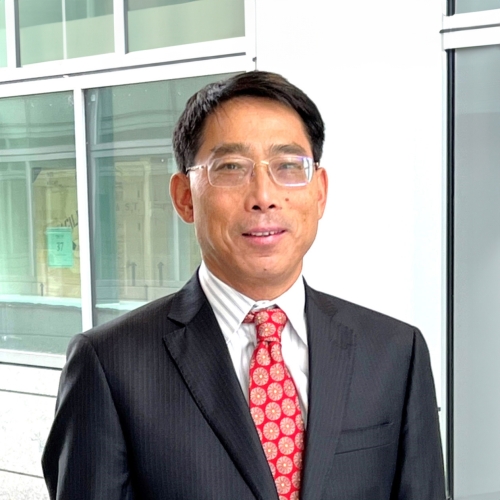
Dr. Fnu Aakash serves as Interim Director of Hematopathology and Assistant Professor in the Department of Pathology at the University of Texas Medical Branch. His research focuses on hematopathology, oncology diagnostics, and clinical significance of neoplastic disorders. With an h-index of 55, Aakash has contributed significantly to cancer classification systems through publications in Modern Pathology and American Journal of Surgical Pathology. His recent work includes developing international consensus guidelines for myelodysplastic neoplasms and characterizing non-neoplastic changes associated with breast implants. Research collaborations span multiple institutions including MD Anderson Cancer Center, with specialization in malignant hematology and lymphoma diagnostics.
Professor Faye Rogers serves as Professor of Therapeutic Radiology at Yale University School of Medicine, holding multiple leadership positions including Associate Cancer Center Director for YCC Collaborative Excellence, Vice Chair for Collaborative Excellence in Therapeutic Radiology, Associate Director of the Yale MD-PhD Program, and Director of the Yale BioMed Amgen Scholars Program. Her work bridges radiation oncology, DNA repair mechanisms, and cancer therapeutics within Yale's comprehensive cancer research ecosystem. PhD from University of Maryland at Baltimore (1998) Postdoctoral Fellow at Yale School of Medicine Dr. Rogers' research focuses on the intersection of DNA repair mechanisms and cancer therapeutics, with particular expertise in triplex DNA structures, genomic instability, and targeted cancer therapies. Her work explores how DNA damage responses can be leveraged for therapeutic benefit, especially in breast neoplasms and other malignancies. Through her leadership in the DNA Damage and Genome Integrity program, she investigates novel approaches to disrupt cancer cell survival mechanisms while sparing healthy tissue. Her research has significant implications for radiation oncology, particularly in developing more precise and effective radiation-based treatments. Analysis of Dr. Rogers' publication record reveals a consistent trajectory in DNA repair mechanisms and cancer therapeutics, with increasing focus on translational applications. Her work demonstrates expertise in triplex DNA structures, RAD51 inhibition, and synthetic lethality approaches. Recent publications show a shift toward more clinically applicable research, particularly in targeting DNA repair pathways in specific cancer subtypes like IDH1-mutant cancers and PTEN-deficient glioblastomas. Her collaborative work with Peter Glazer and others demonstrates strong interdisciplinary connections between radiation oncology, molecular biology, and drug development. Leadership in Diversity, Equity & Inclusion Award (Yale School of Medicine, 2022) Translational Science Research Prize (Yale Cancer Center, 2022) Kingsley Fellowship in Medical Research Carl Storm Underrepresented Minority Fellowship NCI Research Supplement to Promote Diversity in Health-Related Research As Associate Director of the Yale MD-PhD Program and Director of the Yale BioMed Amgen Scholars Program, Dr. Rogers plays a pivotal role in mentoring the next generation of physician-scientists and supporting underrepresented minorities in biomedical research. Her leadership in collaborative excellence initiatives demonstrates commitment to fostering interdisciplinary research teams across Yale's scientific ecosystem. Through the YCC Collaborative Excellence program, she has secured significant funding for innovative cancer research that bridges basic science and clinical applications, particularly in the areas of DNA repair targeting and radiation oncology. Dr. Rogers leads research within Yale's Therapeutic Radiology department, with strong connections to the Radiobiology program and the Yale Cancer Center. Her work is integrated with the Program in Translational Biomedicine and the Yale Combined Program in the Biological and Biomedical Sciences. Through the BioMed Amgen Scholars Program, she provides critical research opportunities for undergraduate students, particularly those from underrepresented backgrounds, fostering talent in DNA repair research and cancer therapeutics.
Sally B. Coburn, PhD, MPH, is an Assistant Scientist in the Department of Epidemiology at the Johns Hopkins Bloomberg School of Public Health. Her research focuses on cancer outcomes and etiology in people living with HIV, with a strong emphasis on health disparities, longitudinal data, and the use of electronic health records (EHR) in large collaborative studies such as the North American AIDS Cohort Collaboration on Research and Design (NA-ACCORD) and IeDEA. PhD, Johns Hopkins University, 2021 MPH, George Washington University, 2015 BS, George Washington University, 2013 Her research interests include HIV, AIDS, HIV and aging, cancer outcomes and risk factors, health disparities, EHR data, and collaborative study design. She employs epidemiologic and statistical methods to understand mechanisms of disease and population-level implications for people with HIV in North America. The trends in her recent publications (2021–2025) reflect a strong focus on cancer risk, comorbidities, and treatment outcomes in HIV populations. Her work spans breast cancer, non-AIDS-defining cancers, anemia, statin use, and hormonal health in women with HIV. She frequently collaborates on large cohort studies and contributes to understanding the long-term health impacts of HIV and antiretroviral therapy. No scientific awards or prizes are mentioned in the provided text. Sally Coburn is actively involved in research grants and collaborative projects, particularly through NA-ACCORD and IeDEA. While no formal advisees are listed, her role as a researcher suggests mentorship within collaborative teams. She contributes to advancing public health knowledge through methodologically rigorous observational studies. She is affiliated with major research initiatives including the North American AIDS Cohort Collaboration on Research and Design (NA-ACCORD), which enables large-scale, multi-site epidemiological research on HIV and associated conditions.
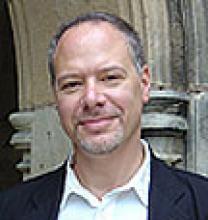
Steven B. Smith is the Alfred Cowles Professor of Political Science at Yale University, where he has taught since 1984. His academic career includes leadership roles such as Director of Graduate Studies in Political Science, Director of the Special Program in the Humanities, and Acting Chair of Judaic Studies. Research focuses on the history of political philosophy Special attention to the ancients vs. moderns, religion and politics, and theories of representative government The 14 listed publications span 2014-2025 and include topics in pathology, oncology, and medical diagnostics, though their relevance to Smith's political science expertise remains unclear. His teaching includes the acclaimed course Introduction to Political Philosophy , and he has received awards such as the Lex Hixon '63 Prize for Teaching Excellence (2009). Ralph Waldo Emerson Prize from Phi Beta Kappa Lex Hixon '63 Prize for Teaching Excellence (2009)
Judith Litvin Daniels is an Associate Professor at Temple University's Lewis Katz School of Medicine, specializing in Biomedical Education and Data Science. She chairs the Curriculum Committee, serves as Vice Chair of Education, and acts as Ombudsperson and Educator across Medical, Dental, Podiatry, and Graduate levels. PhD in Nutrition-Biochemistry, University of North Carolina Post-doctoral Fellowships at Cornell University Medical School and University of Virginia Her research spans cellular and molecular developmental biology, focusing on avian heart development, cardiac progenitor cells, and the role of Periostin-Like-Factor (PLF) in bone-heart connections. Recent work explores PLF's role in bone formation and disease. Key article trends include cardiac development , bone biology , extracellular matrix proteins , and inflammatory responses . Collaborative studies address clinical applications in traumatic brain injury and cancer biology. She has mentored students at all academic levels, with many winning regional/national awards, and organized faculty mentorship workshops. Publications highlight collaborations in Cell Molecular Life Sciences , J Cell Biochemistry , and Development . Labs and teams at Temple University focus on integrating molecular biology with translational research, particularly in the Fels Cancer Institute for Personalized Medicine.
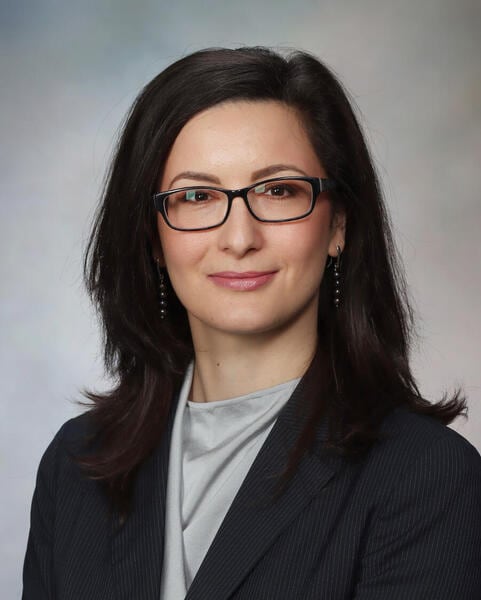
Dr. Natalia Buza is a Professor of Pathology at Yale School of Medicine with a distinguished career specializing in gynecologic and breast pathology. She serves as Director of Women's Health Pathology and Director of both the Gynecologic Pathology and Women's Health Pathology Fellowship Programs at Yale. Dr. Buza earned her medical degree from the University of Pecs Med and Health Science Center in Hungary, followed by residency and fellowship training at Yale University, where she joined the faculty in 2010. Professor of Pathology, Yale School of Medicine Director, Pathology Center of Excellence for Women's Health, Anatomic Pathology Director, Gynecologic Pathology Fellowship Program Director, Women's Health Pathology Fellowship Program Secretary, International Society of Gynecological Pathologists (ISGyP) Dr. Buza's research focuses on gestational trophoblastic disease, ovarian neoplasms, and uterine cancers, with particular expertise in morphological and microscopic analysis of gynecological pathologies. Her work bridges diagnostic pathology with clinical applications, contributing significantly to precision medicine approaches in gynecologic oncology. She has authored over 160 publications, including review articles, book chapters, and a textbook on Intraoperative Frozen Section in Gynecologic Pathology. Her recent publications demonstrate a strong focus on molecular characterization of endometrial and ovarian cancers, HER2 testing methodologies, gestational trophoblastic disease diagnostics, and targeted therapies for gynecologic malignancies. Dr. Buza's work frequently incorporates advanced molecular techniques like STR genotyping and next-generation sequencing to improve diagnostic precision and treatment selection. The Averill A. Liebow Award for Excellence in the Teaching of Pathology Residents (2016) Dr. Buza serves as Section Editor for Archives of Pathology and Laboratory Medicine and Pathology and Oncology Research, and sits on the editorial boards of Modern Pathology, International Journal of Gynecological Pathology, and Human Pathology. She is a domain expert for the International Collaboration on Cancer Reporting datasets on Gestational Trophoblastic Tumors and Endometrial Cancer, and frequently serves as course faculty for major pathology organizations including ASCP and USCAP.
Shaomeng Wang is a Warner-Lambert/Parke-Davis Professor of Medicine, Medical Director, and holds professorships in Internal Medicine, Pharmacology, and Medicinal Chemistry at the University of Michigan's Medical School and College of Pharmacy. He specializes in cancer biology, pharmacology, and drug development with a focus on molecular degraders like PROTACs. His research includes developing therapies targeting MDM2, STAT proteins, and androgen receptors for cancers such as breast, prostate, and pancreatic cancers. He leads projects at the Rogel Cancer Center and Center for Computational Medicine and Bioinformatics. Recent work includes novel degraders for IKZF2, SMARCA2, and CBP/p300, demonstrating efficacy in tumor regression and immunotherapy. His publications emphasize translational research bridging basic science and clinical applications. Education: PhD in relevant field (not explicitly stated in text) Affiliations: Medical School, College of Pharmacy, Rogel Cancer Center, Center for Computational Medicine and Bioinformatics (CCMB) Grants/Projects: Multiple NIH-funded projects on molecular degraders (implied via publication outputs) Labs/Teams: Leads drug discovery teams focusing on cancer immunotherapy and targeted therapies Research interests emphasize molecular mechanisms of cancer progression, development of targeted therapies, and PROTAC-based degraders to overcome drug resistance. Recent studies highlight tumor microenvironment modulation and immune checkpoint strategies.
Dr. Alyssa R. Goldbach is a Clinical Assistant Professor in the Lewis Katz School of Medicine at Temple University, specializing in Diagnostic Radiology with a focus on Breast Imaging. She holds a Doctor of Osteopathic Medicine (DO) from the Philadelphia College of Osteopathic Medicine and completed advanced training through a Breast Imaging Fellowship at the University of Pennsylvania and a Diagnostic Radiology Residency at Temple University Hospital. Her research centers on Breast Imaging , encompassing diagnostic techniques, ultrasound applications, and oncologic radiology. She investigates topics such as microcyst management, neoplasms in multimodal imaging, and rare breast pathologies like Rosai-Dorfman disease. Her work also extends to musculoskeletal radiology, endocrine imaging, and gynecologic device complications. Dr. Goldbach's publications reflect a consistent focus on refining diagnostic protocols in radiology. Her 2021 article establishes guidelines for ultrasound standardization, while earlier works (2018–2020) analyze breast abnormalities, rib neoplasms, and rare conditions using advanced imaging modalities. This corpus demonstrates her commitment to evidence-based clinical practice and radiology education.
University of California, San FranciscoUnited States
Adam Olshen, PhD, MA is a Professor in the Department of Epidemiology & Biostatistics at the University of California, San Francisco School of Medicine. His research program bridges advanced statistical methodology with cancer genomics and clinical applications, focusing on developing computational approaches to analyze complex genomic data and understand cancer biology and patient outcomes. Dr. Olshen's research spans multiple critical areas in computational biology and cancer genomics. He is best known for developing the circular binary segmentation algorithm, a foundational method for analyzing DNA copy number data that has become standard in cancer genomics research. His work consistently applies sophisticated statistical models to address biological questions, particularly in cancer research where he examines tumor biology, treatment response mechanisms, and patient symptomatology. Recent work demonstrates expertise in multi-omic analyses, single-cell sequencing methodologies, and machine learning applications for understanding cancer stem cells, treatment resistance mechanisms, and symptom biology. His research has particular strength in translating complex genomic data into clinically relevant insights. Analysis of Dr. Olshen's recent publications reveals a strong focus on applying cutting-edge computational methods to understand cancer biology at increasingly granular levels. His work spans multiple cancer types including breast cancer, leukemia, prostate cancer, and others, with particular attention to genomic alterations, epigenetic changes, and their relationship to clinical outcomes. A notable trend is the application of advanced computational techniques to analyze single-cell and multi-omic data to uncover novel biological insights about cancer heterogeneity, progression, and symptom biology. His publications frequently appear in high-impact journals across computational biology, oncology, and clinical medicine. Dr. Olshen maintains an active collaborative research program across UCSF, working extensively with clinicians and basic scientists to apply sophisticated statistical methods to complex biological questions. His work has contributed significantly to the development of novel biomarkers, improved understanding of cancer biology, and better methods for analyzing genomic data in clinical contexts. He has been instrumental in numerous studies examining the relationship between genomic alterations and clinical outcomes, as well as the development of novel computational methods for genomic data analysis that have been widely adopted by the research community.
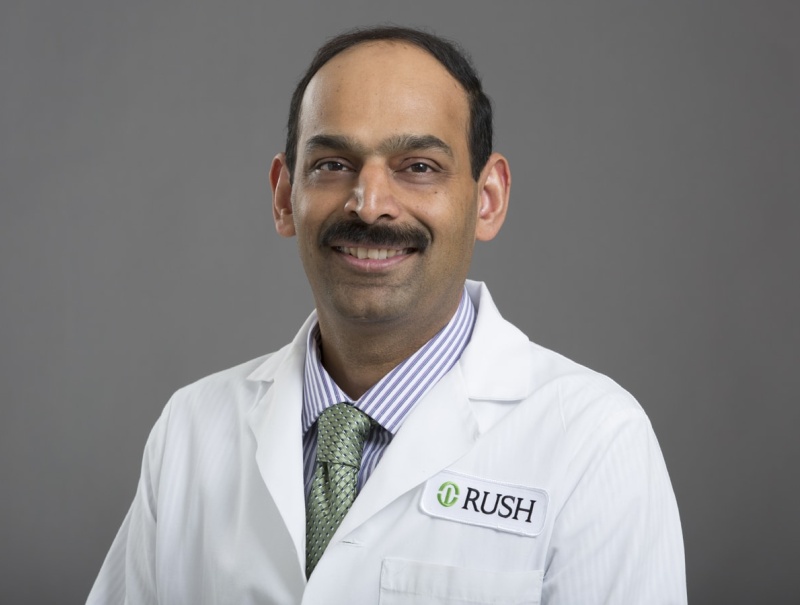
Jitesh Pratap is an Associate Professor in the Department of Anatomy & Cell Biology at Rush Medical College, Rush University. He earned his PhD from Panjab University in India and conducts research on bone metastasis in advanced cancers, focusing on cellular and molecular interactions between cancer and bone cells. Research Focus: Growth factor signaling (e.g., IGF-1R) and cancer cell metabolism in bone metastasis Grants: Metavivor Foundation and American Society of Bone and Mineral Research Laboratory: https://www.rushu.rush.edu/research/departmental-research/cell-molecular-medicine-research/laboratory-jitesh-pratap-phd Pratap's work explores how transcription factors like Runx2 regulate metastatic cancer cell survival in the bone microenvironment. His studies integrate genetics, molecular biology, and bio-imaging to analyze paracrine signaling networks and metabolic stress responses. His research has been cited in publications related to bone neoplasms, autophagy, and cell movement. Collaborators include researchers such as Carl Maki, Lei Duan, and Jeffrey Borgia in Rush University's Anatomy & Cell Biology Department.
Dr. Isis W. Gayed is an Adjunct Professor in the Radiology & Imaging Sciences department. She is a board-certified nuclear medicine physician with additional certification in nuclear cardiology. Education: MBBS from Faculty of Medicine, University of Khartoum Fellowship at Baylor College of Medicine Residency at Baylor College of Medicine Internship at Hahnemann University Hospital Graduate Training at Michener Institute School of Applied Health Sciences Post-Graduate Training at Toronto General Hospital Research Interests: Nuclear medicine applications in cancer imaging (PET-CT, SPECT/CT) Cardiovascular imaging in oncology patients Diagnostic accuracy of imaging modalities Lymphatic mapping and sentinel node detection Functional imaging for treatment planning Endocrine and parathyroid imaging Publication Trends: Over 20 peer-reviewed articles in clinical nuclear medicine Focus areas: oncology imaging, cardiovascular nuclear medicine, diagnostic techniques Collaborative research with surgical and oncology departments Methodological improvements in SPECT/CT and PET-CT applications Longitudinal studies on radiation therapy outcomes Technical innovations in parathyroid and breast cancer imaging Professional Background: Board certifications in nuclear medicine and nuclear cardiology Extensive clinical training across North America Primary research focus on hybrid imaging modalities (SPECT/CT, PET/CT) Contributions to cancer imaging guidelines and treatment protocols
Mayo Clinic College of Medicine and ScienceUnited States
Miglena K. Komforti, D.O. is a Physician Scientist in the Department of Laboratory Medicine and Pathology at the Mayo Clinic in Jacksonville, Florida. With expertise in breast pathology , gynecologic pathology , and diagnostic precision , she bridges clinical practice and research. Education: Medical degree (Nova Southeastern University), Fellowship (Montefiore Medical Center, Duke University) Professional Memberships: Florida Society of Pathologists, United States and Canadian Academy of Pathology Research Interests focus on breast cancer diagnostics, HER2 testing, and rare pathologies. Her work addresses challenges in surgical pathology, including acinar/tubule formation in carcinomas and metastatic differentiation. She contributes to immunohistochemistry standardization and multimodal imaging correlation . Scientific Awards : Above and Beyond Teamwork Award (2024) Above and Beyond Recognition Program (2024) Employee Recognition Program (2023) Mentorship includes guiding a Phlebotomy student toward anatomic pathology and contributing to educational case studies (e.g., Ductal Carcinoma In Situ). Her publications span breast tumor biology , endometrial cancer , and rare clinical-pathological phenomena .
University of California, San FranciscoUnited States
Dr. Madhumita Sushil is an Assistant Professor in the Department of Medicine at the University of California, San Francisco School of Medicine. She holds a PhD in Computational Linguistics from the University of Antwerp (2021) and completed her postdoctoral training in Clinical NLP in Prof. Atul Butte's lab at UCSF in 2024. Her educational background includes a B.Tech in Computer Science and Engineering from VIT University (2013) and an M.Sc. in Language Science and Technology from Saarland University (2016). Dr. Sushil's research focuses on the intersection of natural language processing, artificial intelligence, and clinical medicine. Her work spans multiple healthcare domains including oncology, emergency medicine, pharmacology, and social determinants of health. She has published extensively on large language models in clinical settings, developing methods for clinical text analysis, patient risk assessment, and treatment outcome prediction. Her recent publications demonstrate her expertise in applying cutting-edge NLP techniques to real-world clinical challenges across various medical specialties. Her scholarly output shows a clear trajectory of increasing impact, with 11 publications in 2024 and 2 in 2025 already. These works appear in high-impact journals including JAMA Network Open, Nature Medicine, and JAMIA. Dr. Sushil frequently collaborates with key researchers at UCSF including Travis Zack, Christopher Williams, and Prof. Atul Butte, indicating strong institutional integration within UCSF's medical informatics ecosystem. Natural Language Processing in Clinical Settings Large Language Models for Medical Applications Clinical Decision Support Systems Analysis of Social Determinants of Health through Text Mining Oncology Informatics and Radiology Report Analysis Pharmacovigilance through Clinical Text Mining Dr. Sushil's work demonstrates a strong commitment to methodological rigor in applying AI to healthcare, with particular attention to reliable clinical implementation and validation of NLP systems across multiple institutions and clinical contexts.
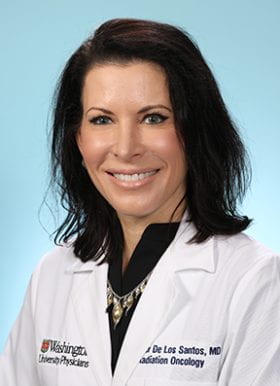
Jennifer De Los Santos, MD is a Professor of Radiation Oncology at Washington University School of Medicine in St. Louis. She serves in the Department of Radiation Oncology and is part of the Siteman Cancer Center. Dr. De Los Santos is a nationally recognized expert in breast cancer although her current clinical and research focus centers on cancers of the head and neck. She has held leadership positions including Chairman of Radiation Oncology and Cancer Center Director at Grandview Cancer Center in Birmingham, Alabama, and has led national studies in breast cancer through the TBCRC and NRG oncology groups. Dr. De Los Santos' educational background includes a BS in Psychology from Emory University (1991), an MD from the University of Florida (1995), and completed her residency in Radiation Oncology at MD Anderson Cancer Center (2001). Her research interests span breast cancer treatment, radiation therapy techniques, and head and neck cancers, with particular focus on developing paradigm-shifting treatment approaches and translational work to define populations who may successfully proceed with these approaches. Her publication record demonstrates consistent productivity with 68 research outputs and 2973 citations. Recent work shows a strong focus on breast cancer staging systems, pathological response prediction, and innovative treatment approaches including novel combinations of targeted therapies with radiation. Her research often involves large national clinical trials through NRG Oncology and other cooperative groups. Dr. De Los Santos has served in leadership roles at the Translational Breast Cancer Research Consortium (TBCRC), the University of Alabama at Birmingham, and has been involved in numerous national clinical trials that have shaped breast cancer treatment guidelines. Her work bridges clinical practice and research, with emphasis on improving outcomes for cancer patients through innovative treatment approaches and better understanding of treatment response predictors.
Dr. Don X. Nguyen is an Associate Professor of Pathology and Medical Oncology at Yale School of Medicine, where he joined the faculty in 2010. He holds a primary appointment in the Department of Pathology and a secondary appointment in Medical Oncology and Hematology. Dr. Nguyen also serves as Co-Leader of the Cancer Signaling Networks program at the Yale Cancer Center. Dr. Nguyen earned his B.Sc. in Microbiology and Immunology from McGill University in 1998, followed by a Ph.D. in Microbiology & Immunology from the University of Rochester in 2004. He completed his post-doctoral training at the Memorial Sloan Kettering Institute before joining Yale. Dr. Nguyen's research focuses on the biology of cancer metastasis, with particular expertise in central nervous system metastasis. His laboratory has made significant contributions to understanding cell lineage control during tumor progression, epigenetic regulation of cell-cell communication in disseminating tumor cells, and the mechanistic links between drug resistance and brain metastasis. His work spans Epigenomics, Genomics, Inflammation, Neoplasm Metastasis, and Tumor Microenvironment. Dr. Nguyen has received numerous honors including the Class of 1961 Cancer Research Award (2021), the Yale Cancer Center Basic Research Prize (2013), the Stewart Trust Scholar award (2013), the IASLC Young Investigator Award (2012), and the Yale Center for Clinical Investigation Scholar award (2011). As an educator and mentor, Dr. Nguyen oversees a research laboratory with multiple postdoctoral fellows, research scientists, and graduate students. His lab is part of several collaborative research initiatives including the Yale Cancer Center, the Yale Stem Cell Center, and the SPORE in Lung Cancer. Dr. Nguyen also serves as a Sub Investigator on clinical trials including 'Determining Mechanisms of Sensitivity and Resistance to Anti-Cancer Therapy for Advanced Lung Cancer.' The Nguyen Lab is located in the Brady Memorial Laboratory at Yale School of Medicine, where they investigate the cellular and molecular origins of invasive cancers, with a particular focus on lung cancer metastasis. Their approach seeks to understand how the biology of cancer metastasis relates to normal physiological processes.