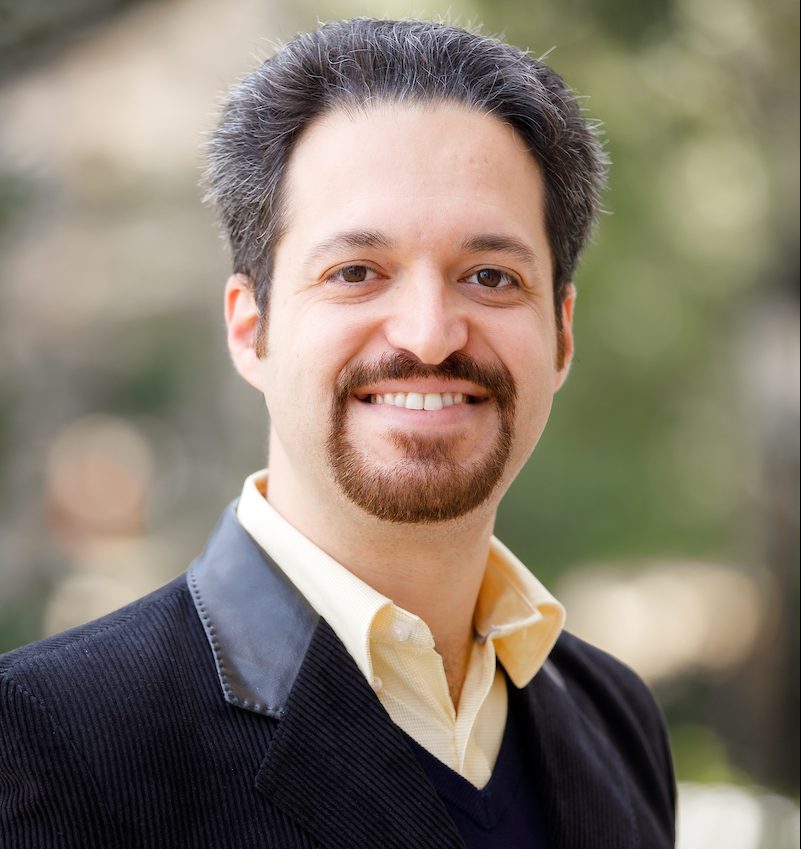
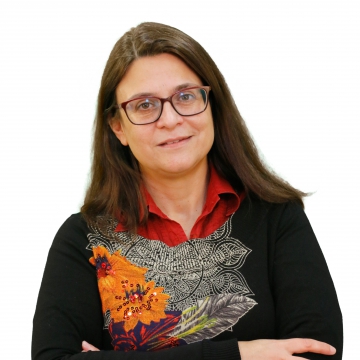
Ali Pakniyat is an Assistant Professor in the Department of Mechanical Engineering at the University of Alabama's College of Engineering. He joined UA in 2021 after postdoctoral positions at Georgia Tech and University of Michigan. His academic background includes a PhD in Electrical Engineering from McGill University, an MS from Sharif University of Technology, and a BS from Shiraz University, all in Mechanical Engineering. His research focuses on theoretical and applied aspects of control systems, including: Deterministic and stochastic optimal control Nonlinear and hybrid dynamical systems Multi-agent coordination and mean field games Applications in robotics, automotive systems, and MEMS Dr. Pakniyat's publications demonstrate consistent focus on advancing control theory methodologies, with recent emphasis on stochastic systems, multi-agent networks, and novel applications in aerial/marine drones. His work frequently integrates mathematical rigor with practical engineering challenges. Awards and Honors: Graduate Excellence Award in Engineering Canadian Marconi Graduate Award McGill Engineering Doctoral Award (MEDA) GERAD Doctoral Fellowship He currently teaches courses including Nonlinear Control Systems, Advanced Linear Control, and Intermediate Dynamics at UA. While specific student advisees aren't listed, his research involves mentoring in control systems and robotics.
Prof. Dr. Remigijus Paulavičius is a Senior Researcher, Professor, and Group Leader at the Blockchain and Quantum Technologies Group of Vilnius University. He earned his Doctor of Science degree in Computer Science in 2010 from Vilnius University's Institute of Mathematics and Informatics, focusing on global optimization with simplex subdomains under the supervision of Dr. J. Žilinskas. Research Interests : His work bridges global optimization methods with blockchain and quantum computing. Key areas include non-convex bilevel programming, derivative-free optimization algorithms (e.g., DIRECT), and applications in blockchain scalability, consensus protocols, and quantum circuit design. Scientific Awards : Best Paper Award, Journal of Global Optimization (2014) Funding from Lithuanian State Science and Studies Foundation for doctoral students (2007–2009) Member, Young Academy of the Lithuanian Academy of Sciences (since 2019) Projects & Leadership : Leads research on blockchain simulators, quantum machine learning frameworks, and optimization toolboxes (e.g., DGO, DIRECTGO). Involved in international collaborations and conference committees, including AIChE and EUROPT. Publications : Over 70 works on global optimization algorithms, blockchain applications, and quantum computing, with recent focus on generative AI, energy consumption in blockchains, and reproducibility in machine learning.
Marta Cristina Parracho Cançado Corvo is a Principal Researcher and former Associate Professor at NOVA School of Science and Technology, Portugal, affiliated with CENIMAT's Soft and Biofunctional Materials Group (SBMG). She holds a PhD in Chemistry with specialization in Organic Chemistry and has conducted post-doctoral research on CO2 capture and NMR techniques. Education: PhD and degree in Chemistry from NOVA School of Science and Technology. Research Focus: Development of ionic liquid-derived materials (ion gels, poly(ionic liquids)) for CO2 capture/utilization, energy applications, and artwork cleaning, alongside NMR spectroscopy method development for polymer and composite analysis. Technical Expertise: High-pressure NMR, diffusion and relaxation protocols, nuclear Overhauser effect spectroscopy, solid-state NMR imaging. Her publications highlight collaborations on solvent systems for biomass processing, CO2 sorption mechanisms, and polymer modifications. She currently holds two CEEC positions and maintains international partnerships in materials science research.
Hadi Mohammadigoushki is an Associate Professor in the Department of Chemical and Biomedical Engineering at the FAMU-FSU College of Engineering. He also serves as NMR Staff at the National High Magnetic Field Laboratory as an affiliate. His research group, founded in August 2016, focuses on the intersection of Chemical Engineering, Mechanical Engineering, Material Science and Physics. Dr. Mohammadigoushki received his BS-MS from Amirkabir University of Technology in 2009, followed by a Ph.D. in Chemical Engineering from the University of British Columbia, Canada in 2014. He completed his postdoctoral training at UC Berkeley in 2016 before joining the FAMU-FSU College of Engineering faculty. His research primarily centers on soft matter physics and complex fluid dynamics , with specific expertise in rheology, flow-induced instabilities, locomotion in complex environments, NMR spectroscopy, and interfacial science. His laboratory combines experimental and theoretical approaches including Rheometry, Digital Particle Image Velocimetry, Particle Tracking Velocimetry, Fluorescence Microscopy, NMR diffusometry, and MR Velocimetry to investigate the connection between molecular and macroscale properties of soft materials. His work has significant applications in energy, oil & gas, and biotechnology sectors. Analysis of Dr. Mohammadigoushki's recent publications reveals a strong focus on understanding the behavior of complex fluids, particularly wormlike micellar solutions and yield stress fluids. His research spans fundamental investigations of shear banding phenomena, locomotion dynamics in non-Newtonian fluids, and advanced characterization techniques using NMR spectroscopy. There's a clear progression toward increasingly complex systems and applications, including biological interfaces and magnetic field effects on fluid behavior. 2021: Nominated for Outstanding Teaching Award, Florida State University 2020: CAREER award, National Science Foundation 2017: Young Faculty Award, Florida State University 2013: John Grace Graduate Award, University of British Columbia, Canada Dr. Mohammadigoushki has mentored numerous students at various levels, including current PhD candidates, undergraduate researchers, and past students who have gone on to successful careers in academia and industry. His research group actively participates in outreach programs to encourage female and underrepresented students to pursue STEM fields, including the Florida Young Scholar Program, Family STEM nights, and laboratory visits for middle and high school students. The Mohammadigoushki Research Group operates state-of-the-art facilities for studying soft matter and complex fluids, with particular emphasis on rheological characterization and flow visualization techniques. The group maintains strong collaborations with the National High Magnetic Field Laboratory and other research institutions, enabling cutting-edge investigations at the interface of multiple scientific disciplines.
Dr. Frank Waller is a Researcher at the Chair of Pharmaceutical Biology , Julius-Maximilians-University Würzburg since 2009. His work focuses on plant-microbe interactions , particularly the molecular mechanisms of plant pathogen resistance and the role of sphingolipids in stress responses . He leads a research group investigating programmed cell death and endophytic fungal colonization of plant roots. PhD in Biology (University of Freiburg) Postdoc at Nara Institute of Science and Technology, Japan Habilitation in Plant Physiology at Justus Liebig University Giessen His research demonstrates that phytosphingosine inhibits pathogen growth while studying Serendipita indica and Serendipita herbamans endophytes that enhance systemic pathogen resistance and yield in host plants. Current projects analyze sphingolipid metabolism and fusarium resistance mechanisms in wheat. The group maintains an improved growth medium for Serendipita indica propagation. DFG-funded project on sphingobase metabolism (2019) Previous support from Alexander von Humboldt Foundation Collaborations with Japanese Society for the Promotion of Science International projects with East Asia Scholarship Program Key findings include: Phytosphingosine's role in pathogen inhibition Endophyte-induced systemic resistance mechanisms Stress-dependent colonization dynamics
Erwin Frey is a Professor of Theoretical Physics at the Faculty of Physics, Ludwig Maximilian University of Munich (LMU), where he leads the Frey Group. His research focuses on the physics of living systems, statistical physics, and emergent phenomena in complex systems. He is particularly known for his interdisciplinary approach connecting theoretical physics with biological processes. His research interests encompass statistical physics, biophysics, and nonequilibrium systems, with specific focus on active matter, self-organization in biology, and the fundamental principles underlying complex biological systems. His work bridges theoretical physics with biological applications, exploring how physical principles govern living systems at various scales. Frey's research group investigates diverse phenomena including protein pattern formation, cell division mechanisms, morphogenesis, and synthetic biology. His work demonstrates how fundamental physical principles can explain complex biological processes, with applications ranging from bacterial cell division to immune system organization. His scientific contributions include significant advances in understanding pattern formation in biological systems, particularly the Min protein system in E. coli and thymic architecture development. His group's work shows how robust spatial organization emerges from simple physical principles in living systems. As an educator, Frey teaches advanced topics in theoretical physics, including his lecture series on 'Nonequilibrium Field Theories and Stochastic Dynamics,' which covers Langevin equations, Fokker-Planck formalism, and path integrals with applications to active matter and soft condensed matter physics. He actively collaborates with experimental groups, including Suckjoon Jun's lab at UCSD, and participates in international research networks and conferences, such as the upcoming conference on 'Emerging Trends in Physics of the Cell' at TUM in October 2025.
Andreas Buttenschön is an Assistant Professor in Applied Mathematics at the University of Massachusetts Amherst, affiliated with the Department of Mathematics and Statistics. His research bridges mathematical analysis with biological systems, focusing on cellular dynamics, non-local modeling, and computational methods. Key research areas: Applied Mathematics, Mathematical Biology, Computational Biology, and Non-local Modeling Teaches advanced courses like Math 456 (Mathematical Modeling) , Math 725 (Functional Analysis) , and Math 545 (Applied Linear Algebra) His publications explore interdisciplinary topics such as cell polarization, collective migration, and cytoskeletal dynamics. Notably, his work integrates numerical methods with biological applications, including finite difference schemes for partial differential equations and stochastic simulations for cellular processes. Recent projects emphasize continuum models for cell clusters and bifurcation analysis in polarized systems.
Gautam Iyer is a Professor in the Department of Mathematical Sciences at Carnegie Mellon University. His research intersects partial differential equations and probability theory , with applications to fluid mechanics, mixing phenomena, and mathematical finance. Current research focuses on mixing-diffusion interactions , high-dimensional sampling , and anomalous diffusion in various flow models. He has worked on diverse topics including Bose-Einstein condensation , Q-tensor models for liquid crystals , and stochastic-Lagrangian formulations of Navier-Stokes equations. His recent publications (2023-2025) analyze: Dissipation enhancement in cellular flows and advective systems Residual diffusivity in Bernoulli map models Enhanced mixing in Langevin dynamics and nonlinear PDEs Anomalous diffusion in comb-like structures and random flows Major awards include: NSF CAREER Award (2013-18) Alfred P. Sloan Research Fellowship (2013-15) Simons Fellowship (2016-17) NSF RTG Grant (2024-29) and multiple collaborative NSF grants He has advised students in topics ranging from heat transfer dynamics to financial stochastic calculus , with their work often appearing in journals like SIAM Journal on Mathematical Analysis and Nonlinearity . His teaching spans advanced mathematics courses including Stochastic Calculus , Partial Differential Equations , and Markov Chains .
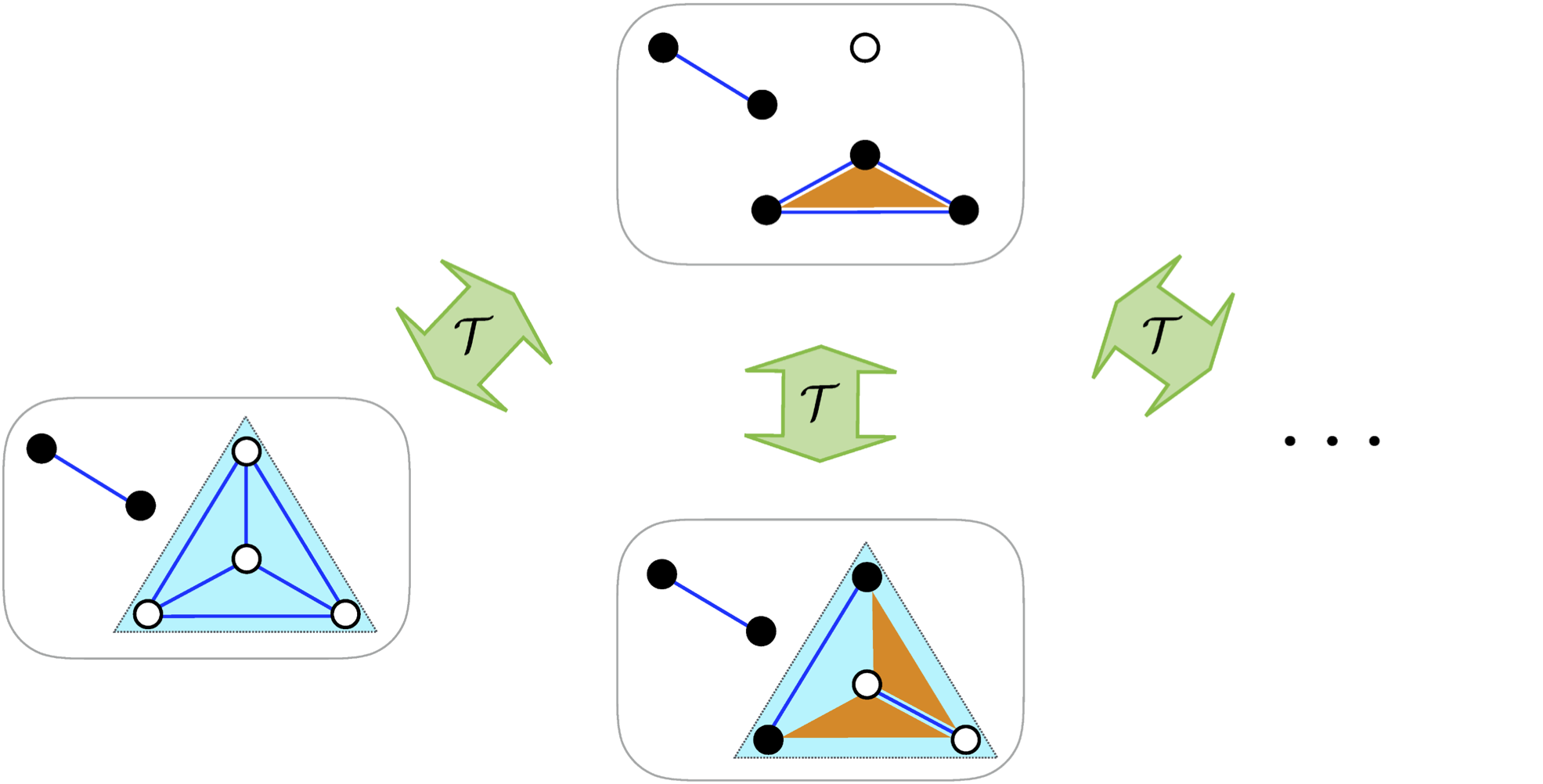
Prof. Dr. Benedikt Wirth is a Professor of Mathematics at the University of Münster, Germany, affiliated with the Institute for Analysis and Numerics within the Department of Mathematics and Computer Science. He is an active researcher and educator specializing in optimization and calculus of variations, with significant contributions to mathematical imaging and shape analysis. His research interests include image processing, scientific computing, numerical analysis, optimization, shape spaces, geodesics in shape space, variational methods, elastic deformation, and optimal transport. Wirth has developed innovative mathematical frameworks for shape analysis, particularly focusing on Riemannian metrics for shape spaces and variational approaches to shape comparison and optimization. His recent publications (2023-2025) demonstrate continued leadership in mathematical optimization, with particular focus on PET reconstruction, dimension reduction techniques, manifold embeddings, and branched transport theory. His work bridges theoretical mathematics with practical applications in medical imaging and computer vision, showing particular strength in connecting geometric analysis with computational methods. CRC 1450 - A05: Targeting immune cell dynamics by longitudinal whole-body imaging and mathematical modelling CRC 1450 - A06: Improving intravital microscopy of inflammatory cell response by active motion compensation EXC 2044 - C1: Evolution and asymptotics EXC 2044 - C2: Multi-scale phenomena and macroscopic structures EXC 2044 - C3: Interacting particle systems and phase transitions EXC 2044 - C4: Geometry-based modelling, approximation, and reduction Prof. Wirth actively supervises numerous bachelor's and master's students, with over 40 theses completed under his guidance since 2015. His teaching portfolio includes courses on inverse problems, numerical methods for partial differential equations, shape spaces, optimization, and optimal transport. He has consistently maintained an active research program while contributing significantly to the education of the next generation of mathematicians.
Fukashi Kohori is an Assistant Professor at Waseda University's School of Advanced Science and Engineering, Faculty of Science and Engineering, Department of Applied Chemistry. His research focuses on biomedical engineering with particular emphasis on membrane technology, crystallization processes, and artificial organ development. Dr. Kohori received his Ph.D. from Waseda University's Graduate School, Division of Science and Engineering, Major in Applied Chemistry (2000). Prior to that, he completed his undergraduate studies at Waseda University School of Science and Engineering, Department of Applied Chemistry (1996). Dr. Kohori's research spans several critical areas in biomedical engineering. His primary focus is on membrane technology applications for medical devices, particularly hemodialysis systems and artificial organs. He has made significant contributions to understanding crystallization phenomena relevant to medical conditions such as gout and kidney stones. His work on membrane crystallization methods has provided new insights into protein crystal formation and pathological crystal formation in the human body. Additionally, he has pioneered research on artificial gills using oxygen carrier solutions, exploring both thermal and photoresponsive mechanisms for oxygen transfer. Analysis of Dr. Kohori's publication record reveals a strong trajectory from fundamental membrane science toward increasingly clinically relevant applications. His early work focused on computational analysis of blood and dialysate flow in dialyzers, membrane fouling, and endotoxin trapping mechanisms. Over time, his research evolved to address specific medical conditions through crystallization studies related to gout and kidney stone formation. His most recent work demonstrates sophisticated membrane crystallization techniques for protein analysis and pathological crystal inhibition, showing the translational potential of his research. Dr. Kohori has received notable recognition for his work, including: Society of Chemical Engineers Kanto Branch Director's Award (1999) Conference on Challenges for Drug Delivery and Pharmaceutical Technology, Graduate Student / Postdoc Award (1998) Dr. Kohori has successfully mentored numerous graduate students who have become co-authors on his publications, including Saya Ueda, Momoko Oda, and Chihiro Ozono. His research has been supported by significant grants including a Japan Society for the Promotion of Science Grant for "Development of a new type oxygen concentrator using photoresponsive gas carrier solution" (2008-2010) and "Development of A Light-responsive Artificial Gill" (2004-2006). Current projects include "Elucidation of the mechanism of urolithiasis and its inhibition using a membrane crystallizer that mimics kidney" (2016-2019) and "Development of a new crystallization method using the liquid-liquid interface as a crystallization field" (2024). Dr. Kohori is affiliated with multiple professional societies including The Society of Polymer Science, Japan; The Membrane Society of Japan; The Society of Chemical Engineers, Japan; and ERA-EDTA (European Renal Association - European Dialysis and Transplant Association). His research laboratory appears to focus on membrane technology applications for biomedical problems, particularly crystallization phenomena in medical contexts and artificial organ development.
Clélia de Mulatier is an Assistant Professor at the University of Amsterdam , affiliated with both the Institute for Theoretical Physics and the Informatics Institute . She leads research at the intersection of statistical physics, information theory, and computer science , focusing on theoretical and numerical methods for complex systems . Her work spans collaborations with experimentalists in neuroscience and biology , and she actively participates in educational programs across multiple Dutch universities. Research Labs : Computational Soft Matter Lab, Computational Science Lab Affiliations : Dutch Institute for Emergent Phenomena (DIEP), Netherlands Platform Complex Systems (NPCS) Her research develops minimally complex spin models for high-order data analysis , applying exact Bayesian model selection to uncover hidden variable communities in binary datasets. This work has produced open-source tools like MinCompSpin and MinCompSpin_Greedy for different system sizes. Publications demonstrate expertise in tensor networks for dimensional reduction , epidemic modeling , and branching random walks in confined environments . Teaching includes Python programming , complex systems theory , and statistical inference for physics students across multiple institutions. She serves as program committee member for International Conference on Computational Science and organizes academic discussions through initiatives like Behind the CV: story from a Physicist .
Ari Pekka Mähönen is a Full Professor at the University of Helsinki's Faculty of Biological and Environmental Sciences, where he leads research on plant vascular development. Previously, he served as Group Leader at the University of Helsinki's Institute of Biotechnology from 2009 to 2022 and completed postdoctoral research at Utrecht University's Department of Biology from 2006 to 2009. Professor Mähönen's research focuses on the molecular mechanisms of vascular cambium development in plants, particularly in Arabidopsis thaliana. His work investigates how plant hormones like auxin and cytokinins regulate secondary growth, stem cell maintenance, and cell differentiation. He has made significant contributions to understanding cambium stem cell identity, positioning mechanisms, and the hormonal regulation of cell fate decisions during plant development. Analysis of his recent publications reveals a strong emphasis on the molecular regulation of plant secondary growth, with particular attention to the vascular cambium as a bifacial stem cell niche. His research spans multiple subfields including plant cell biology, hormone signaling, transcriptional regulation, and computational approaches to understanding plant development. Professor Mähönen has received significant recognition for his work, with 87 publications accumulating over 60,000 reads and 8,383 citations. His research has been supported by various grants including an HFSP grant from 2007-2009. His laboratory provides opportunities for students and researchers interested in plant developmental biology, with a focus on advanced techniques in molecular genetics, imaging, and computational analysis of plant development. The lab maintains strong international collaborations, reflecting the global significance of his research on fundamental plant developmental processes.
Ari Pekka Mähönen is a Professor in the Organismal and Evolutionary Biology Research Program at the University of Helsinki's Faculty of Biological and Environmental Sciences, based at the Viikki Plant Science Centre (ViPS). He serves as a supervisor in multiple doctoral programs including Sustainable Use of Renewable Natural Resources, Integrative Life Science, and Plant Sciences. His research focuses on plant developmental biology, with particular emphasis on cambium development using Arabidopsis thaliana root as a model system. His work spans plant physiology, molecular genetics, and vascular biology, investigating how plants regulate secondary growth, stem cell maintenance, and tissue patterning. His laboratory maintains an active research program with substantial publications in high-impact journals. Analysis of his recent publications reveals a strong focus on vascular development, stem cell regulation, and the molecular mechanisms controlling plant growth. His work frequently appears in top-tier journals including Nature , Science , and Nature Plants , demonstrating significant contributions to understanding plant stem cell biology and vascular development. Scandinavian Plant Physiology Society (SPPS) Early Career Award (2015) The best thesis award from Viikki Research Group Organization (2006) Finnish Academy of Science Award for outstanding doctoral dissertation (2006) Helsinki University Biomedical Thesis Award (2006) University of Helsinki award for outstanding doctoral thesis (2006) Professor Mähönen actively supervises doctoral students and postdoctoral researchers while leading multiple significant research projects. His current research is supported by prestigious grants including Future Forests, Carbon Tree from Novo Nordisk Fonden, Uncovering Turgor Sensing from European Commission, Gates Ag One, and TreeBio from the Academy of Finland. His laboratory maintains a strong international presence through collaborations and invited presentations at major conferences worldwide. Based at the Biocenter 3 in Viikki, Helsinki, his research group operates within the vibrant plant science community of the Viikki Plant Science Centre, contributing significantly to understanding fundamental mechanisms of plant growth and development.
Piotr Jan Garbaczewski is a Professor of Physics at the University of Opole, Poland, where he serves as the Head of the Institute of Physics. Previously, he held professorial positions at the University of Zielona Góra (1998-2006) and the University of Wrocław (1971-1998). His research spans multiple areas of theoretical and mathematical physics, with particular focus on: Stochastic processes and random dynamics Quantum mechanics and fractional quantum mechanics Non-equilibrium statistical mechanics Lévy flights and stable processes in bounded domains Diffusion processes with non-conservative drifts Mathematical aspects of quantum potentials Garbaczewski's recent publication record shows consistent output in prestigious journals, with notable work on killing versus branching processes, non-conservative diffusion, and Lévy processes in bounded domains. His research demonstrates a strong connection between stochastic processes and quantum mechanical systems, particularly through the lens of non-Hermitian quantum mechanics and fractional calculus. His scientific achievements include: h-index (WoS Citations): 7 Total Impact Factor: 31.499 Total SNIP: 15.42 Total CiteScore: 28.41 Total ministerial score: 1,210 Throughout his career, Garbaczewski has maintained active collaborations with researchers across Poland and internationally, contributing significantly to the field of mathematical physics through both theoretical developments and practical applications of stochastic processes in physical systems.
Lavy Khoushinsky serves as Assistant Professor in the Marketing Department at Laval University's Faculty of Administrative Sciences, where he maintains an active research program bridging analytical marketing, artificial intelligence, and consumer behavior. His work addresses critical contemporary challenges including ideological polarization in markets, healthcare access barriers, and ethical AI implementation. His educational foundation includes a Ph.D. from Smith School of Business, Master's in Sustainable Energy Policy from Carleton University, and Bachelor's in Communication from Concordia University. This interdisciplinary background informs his research approach that integrates technical marketing analytics with social impact considerations. Professor Khoushinsky's research program demonstrates remarkable thematic evolution from sustainable transportation (2019) through banking experience innovation (2020-2021) to his current focus on AI-consumer interactions in contested spaces. His 14 publications (2019-2025) reveal three dominant trajectories: AI-Mediated Consumer Interactions (50% of recent work): Examining chatbots, healthcare navigation systems, and accountability frameworks Ideological Market Dynamics (30%): Analyzing niche marketing in polarized environments and consumer discourse patterns Technology Adoption Barriers (20%): Studying privacy paradoxes, e-waste responsibility, and mixed-reality banking experiences His methodological approach combines computational linguistics with experimental design to address complex marketing phenomena. Through his teaching portfolio spanning Marketing Principles to AI applications, Professor Khoushinsky prepares students for evolving marketing landscapes. His course development emphasizes practical analytical skills while addressing contemporary ethical challenges in digital marketing. The collaborative nature of his publication record (80% co-authored) indicates strong team-based research practices and interdisciplinary connections across institutions.