Thomas Anthopoulos is Professor of Emerging Optoelectronics at the University of Manchester's Department of Electrical and Electronic Engineering. His research focuses on next-generation optoelectronic technologies including organic and perovskite photovoltaics, printed electronics, and neuromorphic computing systems. Research interests span scalable nanomanufacturing of electronic devices, with emphasis on organic semiconductors, metal-oxide transistors, graphene diodes, and perovskite-based computing architectures. Key application areas include renewable energy, biosensors, flexible electronics, and neuromorphic systems. Recent publications demonstrate strong focus on advanced materials for optoelectronics, including record-efficiency organic photovoltaics (20.5%), neuromorphic computing elements, flexible oxide transistors, and novel biosensing platforms. Research consistently bridges fundamental materials science with device engineering. Supervises PhD projects on third-generation photovoltaics and scalable nanomanufacturing. Organizes international conferences including IEC TC 119 Printed Electronics events at the Henry Royce Institute. Research contributes to UN Sustainable Development Goals through renewable energy and advanced materials innovation.
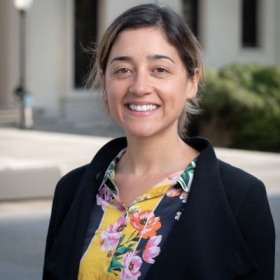
Stephanie Nelli is an Assistant Professor of Cognitive Science at Occidental College, appointed in 2021. Her research integrates neuroscience and machine learning to explore computational principles underlying human learning and decision-making processes. She holds a B.A. from the University of North Carolina at Chapel Hill and a Ph.D. from the University of California, San Diego. Dr. Nelli's research focuses on understanding how the brain's neural networks enable rapid learning and adaptive decision-making. Key areas include studying alpha oscillations' role in visual processing, the interplay between sensory evidence accumulation and cognitive control, and the theoretical implications of deep learning for cognitive models. Her work often employs EEG and computational modeling to bridge gaps between human neuroscience and artificial intelligence. Recent publications highlight topics such as neural knowledge assembly in humans and artificial systems, the impact of alpha frequency on visual perception, and the neurochemical effects of ethanol on subcortical brain regions. While no specific awards are listed, her contributions reflect interdisciplinary innovation at the intersection of cognitive science and computational neuroscience. Office hours are held weekly on Tuesdays from 4:30-5:30pm and Wednesdays from 2:00-4:00pm in Swan Hall #223. She can be reached via email at nelli@oxy.edu .
Alessio Franci is Lecturer in Electrical Engineering and Computer Science at the University of Liege, where he co-founded the ULiege Neuroengineering Lab. His research bridges mathematics, neuroscience and engineering through brain-inspired computing paradigms. Funded by a WEL-T Starting Grant, his work develops neuromorphic controllers and biomorphic systems for robotics and intelligent sensing. Research explores: neurocomputational principles of decision-making; neuromodulation in adaptive systems; and degenerate coding in neural circuits. Publications apply nonlinear dynamics to opinion formation, neural coding, and neuromorphic hardware design, demonstrating consistent innovation in theoretical frameworks. Honors include the WEL-T Starting Grant supporting his investigations into neuronal degeneracy and physiological mechanisms. Current work emphasizes real-world applications in robotics through spiking neural controllers and embodied neuromodulation strategies.
Wolfgang Maass is a Professor at the Institute of Machine Learning and Neural Computation at Technische Universität Graz . His research focuses on computational neuroscience, neuromorphic engineering, and machine learning, with an emphasis on understanding how biological neural networks process information and inspire artificial systems. He has contributed extensively to the development of spiking neural networks, synaptic plasticity models, and neuromorphic hardware. Education: Dipl.-Ing. (Diploma in Engineering), Dr.rer.nat. (PhD in Natural Sciences) Affiliations: Institute of Machine Learning and Neural Computation, TU Graz Key research interests include: Neural network models for cognitive functions Biologically plausible learning algorithms Neuromorphic computing and hardware implementations Computational principles of cortical microcircuits Recent work highlights the integration of biological principles into artificial intelligence, including studies on synaptic plasticity (BTSP), spiking neural networks for image recognition, and energy-efficient neuromorphic systems. His research bridges theoretical neuroscience and applied machine learning, with a focus on systems that emulate brain-like functionality. He has presented at major conferences such as the International Convention on the Mathematics of Neuroscience and AI and has authored over 200 publications. His work has been recognized for its interdisciplinary impact, advancing both neuroscience and AI fields.
Antonio Guerrero is an Associate Professor in Applied Physics at Jaume I University and Principal Investigator of the Active Materials and Systems Research (AMSY) group at the Institute of Advanced Materials (INAM). His work focuses on developing novel materials for electronic devices, with emphasis on memristors, photovoltaics, and energy applications. Education: Bachelor of Chemistry, University of Alcalá de Henares (2002) Ph.D. in Organometallic Chemistry, University of East Anglia, UK (2006) Guerrero's research centers on three interconnected domains: memory devices (memristors/transistors for neuromorphic computing), photovoltaics (perovskite/organic solar cells), and energy materials . His approach integrates materials synthesis, device fabrication, and fundamental characterization to understand ion transport mechanisms in halide perovskites. This interdisciplinary work bridges chemistry, physics, and engineering to address stability challenges in next-generation electronics. Analysis of his 2023-2025 publications reveals dominant trends in perovskite-based memristors for neuromorphic systems (60% of articles), photovoltaic innovations (25%), and sustainable energy materials (15%). Key advancements include engineering perovskite compositions for resistive switching control, developing organic-inorganic hybrid electrolytes for synaptic transistors, and creating scalable manufacturing techniques for solar cells. His work consistently explores the role of ion migration in device performance. Professional Recognition: Panel member of ERC Consolidator program Regular reviewer for Science, Nature Energy, and Energy & Environmental Science As Principal Investigator of the AMSY group, Guerrero mentors students across all levels and evaluates international research proposals. His leadership has yielded over 110 publications (h-index 53), three patents, and significant contributions to perovskite device physics. He actively collaborates with European research networks and industry partners through INAM's technology transfer initiatives. The AMSY group operates within INAM's advanced laboratories, utilizing specialized equipment for materials synthesis, thin-film deposition, and nanoscale device characterization. Current projects focus on ion migration dynamics in perovskites, flexible memristor arrays, and enzymatic PET recycling processes, with strong ties to Spain's neuromorphic computing roadmap.
BOHI Amine is a Lecturer-Researcher at CESI , affiliated with the Engineering and Numerical Tools research team. He holds a PhD in Computer Science from the University of Toulon (2013–2017), focusing on Fourier descriptors inspired by the human visual cortex for maritime surveillance. His academic background includes a Research Master in Computer Science (University of Fez, Morocco, 2009–2011) and a Bachelor's in Mathematics and Computer Science (University of Fez, 2006–2009). Research Interests: Machine Learning, Deep Learning, Signal and Image Processing, 3D Shape Analysis, and applications in Computer Vision and Digital Health. Current projects include developing emotional interaction solutions for neurodegenerative patients (collaboration with VyV3 Bourgogne) and multimodal emotion recognition systems. Education Activities: Teaches Computer Science and Engineering Sciences at various levels, including Integrated Preparatory Cycle, Engineering Cycle, and Specialized Bachelor's Degree. Specializes in Algorithms, Programming, Operations Research, and Web Development. Advising & Collaborations: Supervised over 10 research internships across institutions like the University of Limoges, Marrakech, and Aix-Marseille University. Notable projects include AI-driven facial emotion recognition, multimodal pain assessment, and EEG/ECG monitoring systems on Raspberry Pi. Collaborates with institutions such as the Timone Neuroscience Institute and Institut Fresnel. Publications: Authored 5 peer-reviewed journal articles and 9 conference papers (2017–2024). Key contributions include deep learning approaches for emotion recognition in elderly patients, medical imaging segmentation, and biomechanical modeling of cortical folding patterns.
Dr. Roderick Melnik is a Professor and Tier 1 Canada Research Chair in Mathematical Modelling at Wilfrid Laurier University, Canada. He previously held positions at the University of Southern Denmark. His research focuses on coupled systems, multiscale phenomena, and their applications in biomedicine, nanotechnology, and environmental sustainability. He develops advanced mathematical models and computational tools to address interdisciplinary challenges, particularly in neurodegenerative diseases, nonlocal dynamics, and stochastic processes. Melnik leads the M3AI® Lab, collaborating globally on projects ranging from brain network models to energy-saving technologies. His work emphasizes the development of constructive mathematical procedures for solving complex coupled processes, including partial differential equations and stochastic systems. Research Interests : His expertise spans coupled multiscale phenomena, nonlocal and far-from-equilibrium dynamics, stochastic networks, and environmentally friendly technologies. He applies these methods to neurodegenerative diseases (e.g., Alzheimer’s and Parkinson’s), nanoscale systems, and sustainable energy solutions. Recent trends in his articles highlight advancements in Bayesian physics-informed neural networks, astrocyte roles in disease progression, and data-driven brain network analysis. Awards : Tier 1 Canada Research Chair (2011–present) Advising & Grants : He advises students like PhD candidate Hina Shaheen and collaborates with researchers globally. His grants support projects such as predictive multiscale materials design and interdisciplinary bioscience alliances. Labs/Teams : Head of the M3AI® Lab, focusing on coupled systems and complex networks. The lab hosts events like the XI International Conference on Coupled Problems in Science and Engineering.
Wenhao Zhang is an Assistant Professor in the Lyda Hill Department of Bioinformatics at UT Southwestern Medical Center, with a secondary appointment in the Peter O’Donnell Jr. Brain Institute. He holds the Lupe Murchison Foundation Scholar in Medical Research award. His research bridges computational neuroscience and biomedicine, focusing on neural circuits' role in information processing and developing brain-inspired algorithms. He collaborates with experimental neuroscientists, psychologists, and computer scientists to translate theoretical insights into practical applications. Education: B.E. in Biomedical Engineering from Shanghai Jiao Tong University (2009), Ph.D. in Theoretical Neuroscience from the Institute of Neuroscience, Chinese Academy of Sciences (2016). Postdoctoral training includes the University of Chicago (2020–2021), University of Pittsburgh (2018–2020), Carnegie Mellon University (2016–2017), and Hong Kong University of Science and Technology (2015–2016). Research interests center on biologically plausible normative theories for information processing in neural circuits and artificial systems. Key areas include Bayesian inference, multisensory integration, neural circuit dynamics, and the development of brain-inspired machine learning algorithms. His work employs methods like nonlinear dynamics, Bayesian inference, and information theory to study how perception and decision-making emerge from neural circuits. Recent publications emphasize theoretical frameworks for neural computation, such as motion planning circuits using Lie group theory, inhibitory interneurons' role in Bayesian sampling efficiency, and grid cells' spatial representation mechanisms. His lab also explores place cell dynamics and recurrent network models for equivariant representations. Scientific Award: Lupe Murchison Foundation Scholar in Medical Research Zhang advises PhD students including Armand Rathgeb, Zimei Chen, Yi Ren, and Eryn Sale, as well as visiting scholars like Junfeng Zuo and Xinruo Yang. His lab collaborates with institutions such as UCLA, Peking University, and the University of Rochester. Funding includes travel grants for students, e.g., Eryn Sale’s 2024 Cosyne award. He directs the Computational Neuroscience Lab (CNL) at UT Southwestern, which combines normative theories with biologically detailed models to study neural circuit principles underlying cognition. The lab actively pursues interdisciplinary research, using techniques from mathematics and computer science to inform experimental neuroscience and vice versa.
Stanislav M. Mintchev serves as Professor of Mathematics within the Department of Mathematics at The Cooper Union for the Advancement of Science and Art's Albert Nerken School of Engineering. With active teaching responsibilities for Fall 2024 including Linear Algebra and Calculus I, he maintains a prominent research profile in applied mathematics with specific focus on dynamical systems theory and its applications to biological and physical systems. Dr. Mintchev earned his Doctor of Philosophy degree in Mathematics with specialization in dynamical systems from New York University's Courant Institute. Prior to his graduate training, he completed bachelor of science degrees with honors in both Physics and Mathematics at The George Washington University in Washington, DC. His academic journey reflects a strong foundation in both theoretical and applied mathematical sciences. Mintchev's research program centers on the study of organization phenomena in spatially extended dynamical systems, with particular emphasis on traveling wave solutions that constitute perfectly transmitted signals across media. His work bridges rigorous analytical techniques from geometry, analysis, and probability theory with computational simulations, focusing on oscillation models from mathematical biology. He has developed significant expertise in pulse-coupled phase oscillator networks derived from mathematical neuroscience, examining existence and stability properties of traveling wave solutions. Additionally, he applies dynamical systems concepts to statistical data mining, pattern recognition, and machine learning, demonstrating the interdisciplinary reach of his mathematical approaches. Analysis of his publication record reveals a consistent research trajectory focused on neural oscillator networks and traveling wave phenomena. His recent work (2022-2024) shows increasing application to biological neural systems, particularly examining resilience mechanisms in neuronal networks and V1-inspired visual cortex models. Throughout his career, Mintchev has maintained a strong connection between theoretical mathematical frameworks and their practical applications in neuroscience, with publications spanning prestigious journals including Chaos, Nonlinearity, and the Journal of Mathematical Neuroscience. As an educator, Dr. Mintchev has taught a comprehensive range of mathematics courses including Introduction to Linear Algebra, Differential Equations, Probability, and all three introductory Calculus courses. He also offers independent study courses in point-set and algebraic topology, and assists with Cooper Union's Putnam Examination preparation. His teaching philosophy emphasizes connecting abstract mathematical concepts with their concrete applications in science and engineering, reflecting his own research approach. Future course offerings will include Numerical Methods, Boundary Value Problems, and Dynamical Systems, expanding opportunities for students to engage with advanced mathematical topics. Dr. Mintchev maintains active research collaborations with mathematicians including Bastien Fernandez, Bernard Ambrosio, and others in the dynamical systems community. His professional affiliations include the Society for Industrial and Applied Mathematics, American Mathematical Society, and Mathematical Association of America, demonstrating his engagement with the broader mathematical community. Though no formal laboratory is mentioned, his work involves computational modeling and theoretical analysis of dynamical systems, likely conducted through computational resources at The Cooper Union.
Mark Daley is a full Professor in the Department of Computer Science at Western University, with cross-appointments in Biology, Epidemiology & Biostatistics, Electrical & Computer Engineering, Applied Mathematics, and Statistics & Actuarial Science. He holds affiliations with the Rotman Institute of Philosophy, Western Institute for Neuroscience, and Vector Institute for Artificial Intelligence. As Vice-President, Research at CIFAR, he leads strategic research initiatives and advises on national research priorities. His research bridges theoretical computer science, artificial intelligence, and neuroscience, focusing on computational methods for understanding natural and machine intelligence. Research Interests: His work emphasizes biomarker discovery for critical illnesses (e.g., sepsis, traumatic injury), AI-driven diagnostics, and modeling complex biological systems using connectome-based approaches. He explores interdisciplinary applications of machine learning in healthcare, neuroscience, and pandemic response. Notable projects include developing metabolomic and proteomic signatures for disease diagnosis and predicting clinical outcomes. Key Projects: Directs the Computational Convergence Lab, advancing AI and computational tools for biomedical research. Leads the COMPASS-COVID-19-ICU study and contributes to global efforts analyzing SARS-CoV-2 variants and long-COVID biomarkers. Has pioneered computational frameworks integrating connectome data into reservoir computing architectures. Administrative Roles: Previously served as Associate Vice-President (Research) at Western University and chaired Compute Ontario. Current roles include strategic leadership in national research infrastructure and digital governance. His work emphasizes ethical AI implementation and data privacy in healthcare tech.
Friedmann Pulvermueller serves as Professor of Neuroscience of Language and Pragmatics at the Free University of Berlin and leads the Brain Language Laboratory. His work bridges neurobiology, linguistics, and computational modeling to decode the neural basis of human language processing. His research centers on category-specific semantic circuits distributed across cortical areas, where modality-specific neural networks enable correlation-based semantic learning. Key emphases include: Action-related mechanisms for symbol understanding Neurophysiological evidence for grounded cognition Feature correlation models in conceptual representation Multimodal integration in language processing Neuropsychological validation of semantic theories Brain-constrained neural network simulations Recent work explores how brain-inspired neural architectures explain semantic grounding in large language models, demonstrating how object-type feature correlations form concrete concept representations through interlinked neuronal assemblies. His laboratory actively investigates the transition from perceptual experience to verbal labeling in cognitive systems. As Head of the Brain Language Laboratory, Pulvermueller directs experimental and theoretical research using combined neuroimaging, neuropsychological, and computational approaches to model language acquisition and processing. The lab focuses on translating neural circuit principles into biologically plausible AI frameworks while maintaining empirical grounding in human cognition.
Ksenia Fedorova is a University Lecturer at Leiden University's Centre for the Arts in Society (LUCAS), where she is affiliated with the Modern and Contemporary cluster and the Environmental Humanities sub-cluster. Her academic work bridges philosophy, media studies, and artistic practice, with a particular focus on the intersections between aesthetics, digital culture, and technological experience. Her educational background is impressive and international, with a PhD in Philosophy/Aesthetics from institutions in St. Petersburg and Ekaterinburg, Russia (2014), and a PhD in Cultural Studies from the University of California, Davis (2017). She also holds an MA in Philosophy from Ural State University, Russia (2005) and an MA in Art History from the University of Colorado, Boulder (2007). Dr. Fedorova's research interests span aesthetics , art theory , art and science , digital culture , media art , new media , phenomenology , and the human digital world , with particular emphasis on affect theory , the technological sublime , and locative media . Her work explores how digital technologies reshape human perception, cognition, and our relationship with the environment. Her recent publications demonstrate a consistent focus on the intersections between artistic practice and scientific inquiry, particularly examining how media technologies create new forms of perception and experience. Her book "Tactics of Interfacing: Encoding Affect in Art and Technology" (MIT Press, 2020) represents a significant contribution to the field, while her numerous journal articles explore topics ranging from sensory substitution to proprioception in digital environments. Her work frequently examines the "technological sublime" - the awe-inspiring, boundary-pushing experiences created by new media technologies. Short-listed for Innovation and Kandinsky awards for "Media: Between Magic and Technology" (2014) As an educator, Dr. Fedorova teaches across multiple programs including Art History (BA), Arts, Media and Society (BA), Urban Studies (BA), and several MA programs including Arts and Culture, Contemporary Art in a Global Perspective, and Museums and Collections. She has supervised PhD candidates including Jose Hopkins Brocq and Anders Ottosson. Her research projects often involve interdisciplinary collaborations that bridge artistic practice with scientific inquiry, particularly examining how locative media, augmented reality, and other digital technologies create new forms of perception and environmental awareness. Her work suggests that these technologies don't merely mediate our experience but fundamentally transform how we relate to ourselves, each other, and the world around us.
Peter Dayan serves as Managing Director and Professor in the Department of Computational Neuroscience at the Max Planck Institute for Biological Cybernetics in Tübingen, Germany, where he leads research initiatives at the intersection of neuroscience and artificial intelligence. His position encompasses strategic oversight of the department's scientific direction and operational management. Dr. Dayan's research program fundamentally explores computational principles of brain function, with concentrated expertise in reinforcement learning algorithms, decision-making processes, and neural network modeling. His work bridges theoretical machine learning frameworks with biological plausibility, particularly investigating how Bayesian inference and predictive coding operate in neural systems. This cross-disciplinary approach has established foundational contributions to understanding learning mechanisms in both biological and artificial agents. As head of the Department of Computational Neuroscience, he directs a research ecosystem focused on decoding neural computation through mathematical modeling, simulation, and experimental collaboration. The department maintains strong ties with Tübingen's neuroscience community and international AI research networks, fostering innovation in neuro-inspired computing architectures and cognitive modeling frameworks.
Himanshu Fulara serves as Assistant Professor in the Department of Physics at Indian Institute of Technology Roorkee. His research focuses on experimental condensed matter physics with emphasis on quantum spintronics, nanomagnetism, and energy-efficient nanodevices. He leads the department's Condensed Matter Physics Lab and holds multiple administrative roles including Professor-in-charge of the lab and Coordinator for BSMS Physics program. His research interests span Experimental Condensed Matter Physics , Quantum Spintronics & Nanomagnetism , and Energy-efficient Nanodevices . Key specialties include Spin-Torque and Spin Hall Nano-Oscillators, Skyrmions, Micromagnetic Modelling, Brain-Inspired Computing, and Thin Films/Multilayers. His work demonstrates significant innovation in neuromorphic computing applications and voltage-controlled spintronic devices. Analysis of his recent publications reveals strong focus on spin Hall nano-oscillators (SHNOs) for neuromorphic applications, skyrmion dynamics, and voltage-controlled magnetism. His work frequently appears in high-impact journals including Nature Materials, Nature Nanotechnology, and Science Advances, with notable contributions to memristive control of SHNO synchronization and ultra-low current nano-oscillators. Honors and awards include: Max-Planck Postdoctoral Fellowship (2014) University of Gothenburg Postdoctoral Scholarship (2017) Best Project Award at IIT Delhi (2013) Senior Research Fellowship from CSIR-UGC (2011) He actively supervises PhD students including Shikhar Jugran (Novel Spin-Orbit Torque Materials), Hind Prakash (Magnetic skyrmions), and Arunima TM (Nano-constriction based SHNOs). His current research is funded by SERB (INR 33.11 lakh) and SRIC, IIT Roorkee (INR 20 lakh), both as sole PI. He has delivered numerous invited talks at international conferences including APS March Meetings and INTERMAG. Administratively, he serves on multiple committees including Departmental Purchase Committee, Institute Level Tinkering Committee, and Anti-Ragging Squads. He coordinates departmental initiatives for Tinkering & Mentoring and BSMS Physics programs.
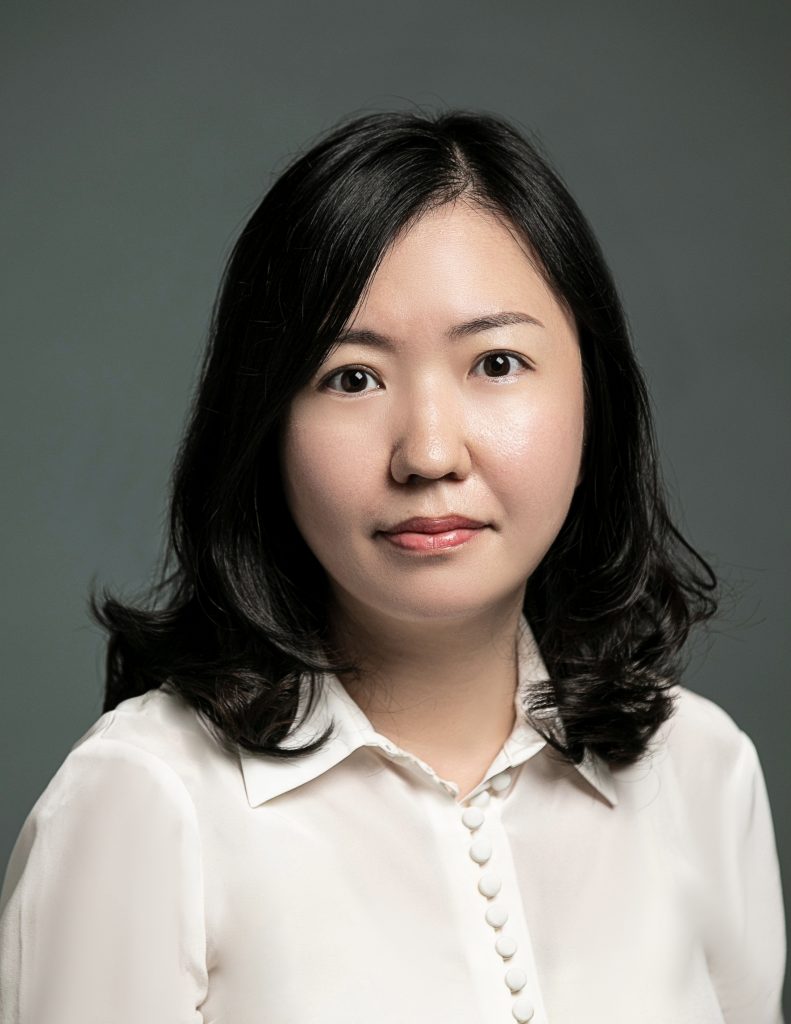
Dr. Chenchen Liu is an Assistant Professor in the Department of Computer Science and Electrical Engineering at the University of Maryland, Baltimore County (UMBC). She leads the Computing Compass Laboratory and focuses on high-performance computing for machine learning, brain-inspired computing with hardware-software co-design, and novel non-volatile memory technologies. Education: Ph.D., Electrical and Computer Engineering, University of Pittsburgh, 2017 M.S., Electrical and Computer Engineering, Peking University, 2013 Research Interests: Her work emphasizes optimizing neural networks for efficiency, enhancing AI security against adversarial attacks, and advancing neuromorphic systems using memristor and ReRAM technologies. Recent publications address multi-tenant DNN inference, edge computing frameworks, and latency-aware GPU optimization. Her articles highlight innovations in neuromorphic hardware, federated learning, and defense against adversarial attacks. Ongoing efforts include designing robust AI systems for autonomous driving and edge environments.