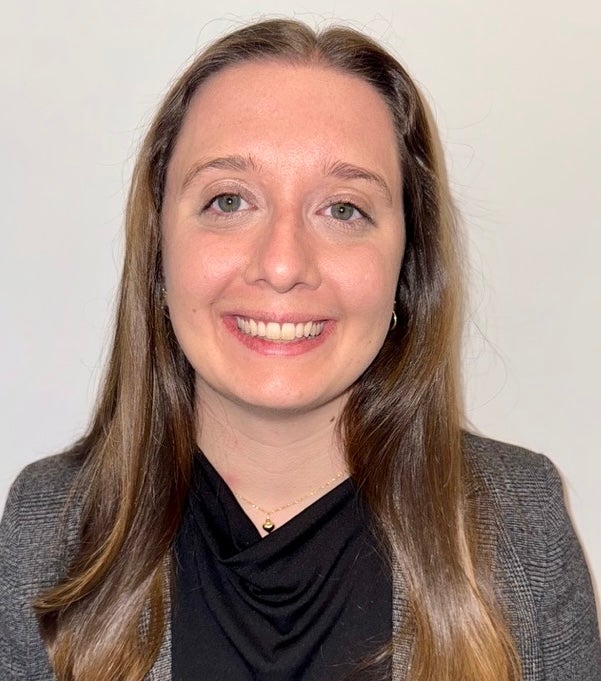
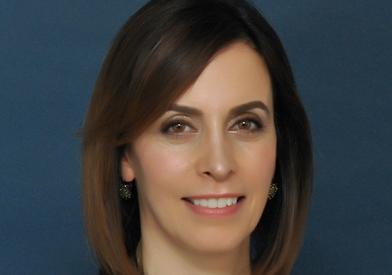
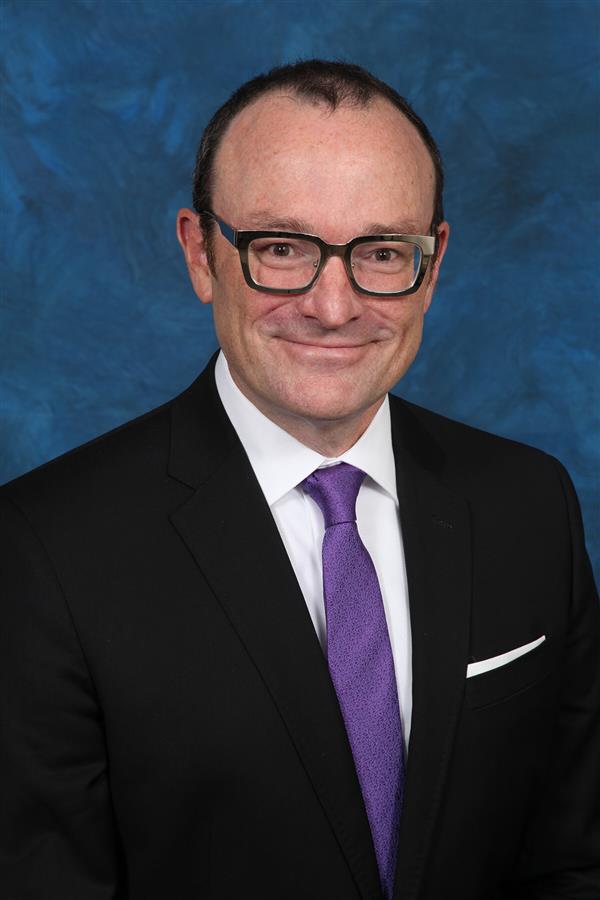
Andre Levchenko is the John C. Malone Professor of Biomedical Engineering at Yale University, with secondary appointments in the Department of Neurosurgery and affiliations with the Cancer Signaling Networks, Immunology, and the Yale Program in Neurodevelopment and Regeneration. His research focuses on systems biology, signal transduction, and cell-cell communication, utilizing microfluidics and computational modeling to study cancer progression, stem cell behavior, and neurological disorders. PhD, Columbia University MEng, Moscow Institute of Physics and Technology Levchenko's work explores how cells process dynamic signals to make critical decisions, particularly in glioblastoma migration, organoid development, and cardiovascular tissue engineering. His lab develops innovative microfluidic platforms and mathematical models to dissect multicellular communication and signaling networks. Recent publications highlight his contributions to understanding YAP-driven cancer invasion , NOTCH signaling in angiogenesis , and metabolic regulation of hypoxia responses . He has pioneered methods for organoid modeling and single-cell analysis , advancing precision in biological signaling studies. Scientific Awards : Computational Molecular Biology Post-Doctoral Fellowship (Burroughs Wellcome Fund) National Academies Keck Futures Conference Invitee Distinguished Guest Lecturer, University of Virginia American Asthma Foundation Early Excellence Award Fellow, American Institute for Medical and Biological Engineering Levchenko leads the Levchenko Lab at the Yale Systems Biology Institute, collaborating with institutions like Mayo Clinic and Yale Cancer Center. His research has received recognition in Faculty of 1000 and multiple journal highlights.
Mayo Clinic College of Medicine and ScienceUnited States
Dr. John A. Copland III is a Professor of Cancer Biology and Biochemistry & Molecular Biology at Mayo Clinic in Jacksonville, Florida. He leads the Cancer Biology and Translational Research Laboratory, focusing on molecular mechanisms of carcinogenesis, tumor progression, and development of targeted cancer therapies. Education: PhD in Physiology & Endocrinology (Medical College of Georgia), MS in Endocrinology (Medical College of Georgia), BS in Chemistry (Columbus College), with postdoctoral training at University of Texas Medical Branch. Research interests center on: Identifying tumor suppressor genes (e.g., RhoB, TBR3, GATA3) and oncogenes (e.g., FOXO3a, SCD1, NPTX2). Developing patient-derived xenografts and live cell models for personalized medicine. Designing SCD1 inhibitors via in silico modeling for clinical trials. Recent publications highlight his work on SCD1 inhibition in leukemia and thyroid cancer ImmunoPET imaging of thyroid tumors CRISPR-identified drug synergies in cholangiocarcinoma Patient-specific combination therapies using xenograft models
Dana Pe'er is a Professor and Chair of the Computational and Systems Biology Program at the Sloan Kettering Institute (SKI) of Memorial Sloan Kettering Cancer Center. She is also an Investigator of the Howard Hughes Medical Institute and holds the Alan and Sandra Gerry Endowed Chair. Dr. Pe'er leads an interdisciplinary research group that combines advanced genomics approaches with machine learning to address fundamental questions in biomedical science, with particular focus on cancer biology, developmental biology, and immunology. Dr. Pe'er earned her PhD from Hebrew University in Jerusalem, Israel. Her academic journey includes a postdoctoral fellowship with George Church at Harvard Medical School. Before joining Memorial Sloan Kettering Cancer Center in 2016, she held faculty positions at Columbia University. Dr. Pe'er's research focuses on understanding cellular plasticity, the consequences of intra-tumor heterogeneity, cancer evolution and metastasis, and the mechanisms by which regulatory circuits go awry in disease. Her lab combines single-cell and spatial profiling technologies with machine learning approaches to investigate gene regulation, cellular plasticity, and cell-cell communication in the contexts of cancer, immunity, and development. They are particularly interested in how organisms develop from a single cell to generate diverse cell types, how epigenetic control rewires during development, and how cells communicate to execute multicellular responses. Analysis of Dr. Pe'er's recent publications reveals a strong focus on developing computational methods for single-cell and spatial genomics data analysis. Her work spans cancer types including pancreatic, prostate, colorectal, and breast cancer, with emphasis on tumor heterogeneity, metastasis mechanisms, and cellular plasticity. A significant portion of her research involves creating novel algorithms and tools like CellRank, REUNION, and SEACells that enable researchers to extract meaningful biological insights from complex genomic datasets. 2023 Class of 2023 Inductee - American Academy of Cancer Research (AACR) Academy 2023 Innovator Award - International Society for Computational Biology (ISCB) 2021 Fellow - International Society for Computational Biology (ISCB) Howard Hughes Medical Institute Investigator (2021) 2019 Ernst W. Bertner Memorial Award - University of Texas MD Anderson Cancer Center 2016 Lenfest Distinguished Faculty Award - Columbia University 2014 Director's Pioneer Award - National Institutes of Health 2014 Overton Prize - International Society for Computational Biology (ISCB) Dr. Pe'er is known for her dedicated mentorship approach, describing herself as "a mama bear" who cares deeply about her trainees while expecting independence, innovation, and hard work. She mentors numerous PhD students and postdocs in her lab. Her HHMI Investigator award provides approximately $9 million over seven years, enabling ambitious research directions. She also collaborates extensively with the Single-cell Analytics and Innovation Lab (SAIL) at MSK to generate new data from emerging technologies, working closely with wet-lab collaborators at MSK and beyond to apply computational methods to cutting-edge datasets across multiple disease areas. The Pe'er Lab is an interdisciplinary group of computational biologists with diverse backgrounds ranging from pure mathematics to clinical medicine. They work closely with wet-lab collaborators to apply their computational methods to cutting-edge datasets across cancer, immunology, and developmental biology. The lab is described as open, supportive, collaborative, and fun, with access to world-class facilities at the Sloan Kettering Institute. Dr. Pe'er's work continues to push the boundaries of computational biology and cancer research, with the ultimate goal of developing more effective, personalized therapies for cancer patients.
Dr. Rong Fan is the Harold Hodgkinson Professor of Biomedical Engineering and Professor of Pathology at Yale University. His research focuses on developing and applying single-cell and spatial omics technologies to study immune systems, cancer, and aging. His lab has pioneered technologies like the IsoCode microchip for high-throughput protein profiling, and spatial multi-omics platforms (e.g., DBiT-seq, spatial-ATAC-seq) to analyze tissue complexity at cellular resolution. He co-founded IsoPlexis, Singleron Biotechnologies, and AtlasXomics to commercialize these innovations. Education: PhD in Chemistry from UC Berkeley (2006), B.S. in Applied Chemistry from University of Science and Technology of China (1999). Postdoctoral training at Caltech before joining Yale in 2010. Research interests include CAR-T cell therapy optimization, spatial epigenomics, and multi-omics integration. Key achievements include discovering biomarkers predictive of CAR-T efficacy and defining spatial genomic landscapes in cancer and neuroinflammation. Awards: NSF CAREER Award, Packard Fellowship, election to AIMBE, CASE, and NAI. Serves on advisory boards for Bio-Techne and Yale Ventures. Active in training future scientists via the Yale Biomedical Engineering and Yale School of Medicine programs.
Scott Michael Lindhorst, MD, is an Assistant Professor in the Department of Neurosurgery at the Medical University of South Carolina (MUSC) College of Medicine. He holds a dual appointment in the Division of Hematology/Medical Oncology within the Department of Medicine. Dr. Lindhorst specializes in neuro-oncology, focusing on central nervous system lymphomas, gliomas, and meningiomas, while also managing brain metastases through clinical trials. Education: BS in Microbiology from University of Florida (2001), MD from University of South Alabama College of Medicine (2005) Training: Residency in Internal Medicine, Fellowship in Hematology/Medical Oncology (University of Alabama at Birmingham), Fellowship in Neuro-Oncology (Duke University Medical Center) His research centers on immuno-oncology , glioblastoma therapy , and epigenetic cancer treatments , with a strong emphasis on clinical trials for novel therapies. Recent publications explore hypermutation in cancer , immune checkpoint inhibition , and programmed necrosis in glioblastoma . Dr. Lindhorst is board-certified in internal medicine, hematology, medical oncology, and neuro-oncology. Clinical practice includes CNS lymphomas , gliomas , meningiomas , and brain metastases , with dedicated clinical trials to advance treatment options.
Kelsey Swingle is an Assistant Professor of Bioengineering at Rice University, where she leads the Swingle Lab at the intersection of biomaterials science, immune engineering, and reproductive biology. Her research focuses on engineering therapeutic and vaccine technologies with translational potential. Ph.D. in Bioengineering from the University of Pennsylvania B.S.E. in Biomedical Engineering from Case Western Reserve University Dr. Swingle’s research explores the design of lipid nanoparticles (LNPs) and nucleic acid therapeutics for women’s health applications, including pre-eclampsia, preterm birth, and gynecologic cancers. Her work integrates bioengineering principles with immune modulation strategies to develop targeted therapies. The trends in her publications highlight advancements in LNP elasticity optimization for placental mRNA delivery, targeted systemic RNA delivery to the brain, and in utero gene editing applications. Her lab prioritizes interdisciplinary approaches to overcome biological barriers in women’s health. 2025 Solomon R. Pollack Award for Excellence in Graduate Bioengineering Research 2024 Muriel Joan Drew Hege Award for Women in Cellular Immunotherapy Research 2024 Penn Engineering Outstanding Teaching Award 2023 Gordon Research Conference Travel Award 2022 Society for Biomaterials STAR Award 2020 NSF Graduate Research Fellowship The Swingle Lab collaborates with the Texas Medical Center to develop precision nanomedicines. Her team employs in vitro, ex vivo, and in vivo models to study biomaterial interactions with female-specific tissues, emphasizing translational research and inclusive scientific communication.
Dr. Nika Danial is an Associate Professor of Cell Biology at Harvard Medical School and the Department of Cancer Biology at Dana-Farber Cancer Institute. She leads the Danial Lab, investigating metabolic mechanisms that regulate cellular adaptation to stress, with a focus on fuel utilization in health and disease. Dr. Danial holds additional roles as Co-Director of the NCI-funded T32 Training Program in Cancer Chemical Biology and Metabolism. Her research integrates biochemistry, mouse models, and metabolomics to study metabolic contributions to cancer, diabetes, and neurological disorders. Education: PhD from Columbia University (1999), postdoctoral training at Harvard Medical School and Dana-Farber under Dr. Stanley Korsmeyer. Key research areas include mitochondrial dynamics, glucose metabolism pathways, and the interplay between inflammation and metabolic signaling. The lab has pioneered studies on how metabolic flexibility impacts disease progression in pancreatic islets, lymphoma subtypes, and neuronal excitability. Publications highlight discoveries in mitochondrial fatty acid oxidation regulation, urea cycle anti-inflammatory mechanisms, and metabolic signatures in cancer subtypes. Her work has implications for developing therapies targeting metabolic vulnerabilities in diseases like diffuse large B-cell lymphoma and type 1 diabetes. The Danial Lab emphasizes rigorous training for the next generation of scientists through mentorship programs and interdisciplinary collaboration.
Mihir Gupta, MD, is an Assistant Professor of Neurosurgery at Yale School of Medicine. As a fellowship-trained spine surgeon with dual expertise in neurosurgery and orthopedics, he performs both traditional and minimally invasive procedures for complex spinal disorders including degenerative conditions, deformities, tumors, infections, and trauma-related issues. Dr. Gupta also specializes in revision spine surgeries for patients with persistent or new problems following previous operations. Dr. Gupta's educational background includes a BA from Harvard College, an MD from Stanford University School of Medicine, neurosurgical residency at the University of California San Diego, postdoctoral studies at Harvard Medical School, and an orthopedic spine surgery fellowship at Johns Hopkins University. His clinical philosophy emphasizes understanding each patient's unique story through thorough evaluation and physical examination before developing personalized treatment plans. His research interests focus on understanding how genetics contribute to different spinal disorders and how care can be personalized. Dr. Gupta's publications demonstrate expertise across multiple domains including brain tumor diagnostics (particularly CNS lymphoma and glioblastoma), spine surgery outcomes, gender diversity in academic medicine, and neuroimmunology. His work often bridges clinical practice with molecular diagnostics, emphasizing rapid testing methods that accelerate treatment decisions for brain tumor patients. Dr. Gupta collaborates extensively with multidisciplinary teams including physical therapists, pain management specialists, anesthesiologists, and interventional radiologists to develop comprehensive treatment approaches. He emphasizes that surgery is often the last resort, prioritizing nonsurgical options when appropriate. His clinical work at Yale Medicine focuses on highly personalized spine procedures using advanced robotics, navigation, and minimally invasive techniques to tailor solutions for individual patients.
Efstathios (Stathis) Karathanasis is a Professor in the Department of Biomedical Engineering at Case Western Reserve University, holding joint appointments in the Case School of Engineering and the School of Medicine . He serves as the Associate Chair of the Department of Biomedical Engineering and is a member of the Cancer Imaging Program at the Case Comprehensive Cancer Center. His research focuses on integrating nanotechnology with oncology, immunotherapy, and molecular imaging to advance cancer treatment and diagnostics. Education: PhD in Biomedical Engineering, University of Houston (2005) Bachelor of Science in Biomedical Engineering, Aristotle University of Thessaloniki, Greece (1999) Research Interests: Cancer nanotechnology and targeted drug delivery Immunotherapy approaches for solid tumors and pediatric cancers Molecular imaging techniques for cancer diagnosis and treatment monitoring Development of multifunctional nanoparticles for theranostic applications His laboratory, the Cancer Nanotechnology Laboratory , explores how nanotechnology can improve understanding and treatment of cancer, particularly through innovations in nanoparticle design and tumor microenvironment modulation. Grants and Funding: While specific grants are not listed, his research on nanomedicine and immunotherapy is likely supported by NIH or other major biomedical research funding bodies. Labs & Teams: He leads the Cancer Nanotechnology and Immunotherapy Lab , part of the Case Comprehensive Cancer Center, which collaborates with multidisciplinary teams to translate nanotechnology into clinical applications.
Brian Kavanagh, MD, MPH is a Professor and Department Chair of Radiation Oncology at the University of Colorado Anschutz Medical Campus School of Medicine. He serves as Department Chair and maintains clinical practice at multiple UCHealth locations including the University of Colorado Cancer Center, Cherry Creek Medical Center, Longs Peak Medical Center, and the Rocky Mountain Gamma Knife Center. His leadership extends to serving as Chair of the American Society for Radiation Oncology since 2017. MD, Tulane University School of Medicine (1988) MPH, Tulane University (1988) BSE, Tulane University (LA) (1984) Internship: Tulane University Program (1989) Residency: Duke University Hospital Program, Radiation Oncology (1993) Dr. Kavanagh's research primarily focuses on stereotactic body radiation therapy (SBRT), functional lung avoidance radiation therapy using 4DCT-ventilation imaging, and treatment of brain metastases from oncogene-driven lung cancers. His work bridges clinical practice, medical physics innovation, and outcomes research, with particular emphasis on optimizing radiation therapy techniques while minimizing toxicity. Recent publications demonstrate his leadership in developing novel approaches to image-guided radiation therapy, including antiscatter grid technology for CBCT imaging and functional avoidance techniques for lung cancer treatment. Analysis of Dr. Kavanagh's recent publications (2019-2024) reveals a strong focus on precision radiation therapy for lung cancer and brain metastases. His research spans technical innovations in medical physics (such as 2D antiscatter grid development), clinical trials evaluating functional avoidance radiation therapy, and studies examining outcomes for patients with oncogene-driven cancers. A significant portion of his work addresses the integration of radiation therapy with targeted therapies for lung cancer with brain metastases, reflecting the evolving treatment paradigms in this field. Top Doctor, 5280 Magazine (2023) Dr. Kavanagh has been instrumental in developing national radiation oncology curriculum frameworks through stakeholder consensus processes. His leadership in the American Society for Radiation Oncology has positioned him to influence practice guidelines and educational standards in the field. His research has been supported through multi-institutional clinical trials and collaborations with major cancer centers across the United States. Dr. Kavanagh leads research efforts in the Rocky Mountain Gamma Knife Center and contributes to the University of Colorado Cancer Center's radiation oncology program. His work with 4DCT-ventilation imaging has established a clinical research program focused on functional avoidance radiation therapy, which aims to preserve lung function while effectively treating tumors.
James S. Duncan is the Ebenezer K. Hunt Professor of Biomedical Engineering at Yale University, with additional appointments in Electrical & Computer Engineering and Radiology & Biomedical Imaging. His research focuses on biomedical image processing, quantitative image analysis using geometrical models, and applications in cardiac function and neuro-structure analysis. He has pioneered image-guided interventions and developed computational frameworks for medical imaging challenges. He holds a Ph.D. from the University of Southern California. His work integrates AI, deep learning, and statistical decision-making to advance medical imaging technologies. Notable contributions include advancements in 3D image segmentation, deformable models, and MRI-based tumor response assessment. Dr. Duncan has received prestigious awards, including IEEE Fellow (2001) and induction into the American Institute for Medical and Biological Engineering (2000). His recent research spans AI-driven hemodynamics modeling, trustworthy healthcare AI guidelines, and molecular MRI innovations in immunotherapy monitoring. He collaborates across disciplines to address challenges in cardiovascular, neuroimaging, and oncological applications.
University of Illinois Urbana-ChampaignUnited States
Brendan A. Harley is the Robert W. Schaefer Professor in Chemical and Biomolecular Engineering at the University of Illinois at Urbana-Champaign (UIUC), with a joint appointment in the Carl R. Woese Institute for Genomic Biology. His research focuses on developing biomaterials to replicate complex tissue microenvironments, enabling insights into cell behavior during development, disease, and regeneration. He holds leadership roles in academic and professional organizations, including editorial positions for Science Advances and Tissue Engineering . Harley earned his SB from Harvard University (2000), SM/ScD from MIT (2002, 2006), and completed postdoctoral studies at Boston Children’s Hospital. **Education**: Sc.D., Massachusetts Institute of Technology, 2006 S.M., Massachusetts Institute of Technology, 2002 S.B., Harvard University, 2000 **Research Interests**: Engineering dynamic, spatially-patterned biomaterials to mimic extracellular matrices Regenerative repair of musculoskeletal tissues Biomaterial models of cancer microenvironments (e.g., glioblastoma) Artificial bone marrow systems for hematopoietic stem cell studies Harley’s work has produced over 100 peer-reviewed articles and co-authored a textbook Cellular Materials in Nature and Medicine . His lab develops materials for clinical applications, including osteochondral defect repair and craniofacial bone regeneration. Notable honors include the NSF CAREER Award (2013), AAAS Fellowship (2014), and AIMBE Fellowship (2019). **Awards/Recognition**: Fellow, AAAS (2014) Young Investigator Award, Society for Biomaterials (2014) Campus Distinguished Promotion Award, UIUC (2018) His research group emphasizes translational outcomes, with projects spanning biomaterial design, cancer modeling, and stem cell engineering. Collaborations include industry partners like Orthomimetics (acquired by TiGenix) and foundational studies on tumor microenvironments.
Olga G. Troyanskaya is a Professor of Computer Science and the Lewis-Sigler Institute for Integrative Genomics at Princeton University. She serves as Deputy Director for Genomics at the Simons Center for Data Analysis, Simons Foundation, NYC. Her research focuses on computational biology, integrating diverse high-throughput genomic datasets to model molecular pathways in health and disease. Professor of Computer Science and Lewis-Sigler Institute for Integrative Genomics Deputy Director for Genomics, Simons Center for Data Analysis Research Interests: Troyanskaya’s work addresses challenges in bioinformatics, including algorithm development for gene expression analysis, regulatory network modeling, and disease mechanism interpretation. She combines computational methods with experimental validation using S. cerevisiae as a model organism. Scientific Trends: Recent publications emphasize single-cell multiomics, deep learning for transcriptional regulation, cancer immunotherapy design, and epigenomic analysis of immune responses. Key themes include computational modeling of genetic networks, disease-specific pathway analysis, and high-resolution omics frameworks. Collaborative roles in autism, Alzheimer’s, kidney disease, and cancer research Developed tools like HumanBase for data-driven predictions
University of California, San FranciscoUnited States
Jacob Young, MD, is an Assistant Professor in the Department of Neurological Surgery at the University of California, San Francisco (UCSF) School of Medicine and a Principal Investigator in the UCSF Brain Tumor Center. His clinical practice focuses on neurosurgical management of adult brain tumors including gliomas, metastatic tumors, and meningiomas, utilizing advanced brain mapping techniques to preserve critical motor, language, and sensory functions during resection. Dr. Young's educational background includes a BS in Neuroscience from Duke University (2012), an MD from the University of Chicago Pritzker School of Medicine where he was elected to Alpha Omega Alpha Honor Medical Society (2017), and a neurosurgery residency at UCSF (2017-2024). His research program integrates laboratory investigations with clinical trials to address fundamental challenges in brain tumor treatment. His primary research interests center on understanding glioblastoma immune microenvironment dynamics and developing innovative therapeutic strategies. Key focus areas include: First-in-human clinical trials of novel immunotherapies Focused ultrasound-mediated blood-brain barrier disruption to enhance drug delivery Longitudinal molecular profiling of tumor evolution during treatment AI-driven tools for patient care navigation and clinical trial assessment Prospective outcomes research through the RANO resect group and NeuroPoint Alliance His work bridges fundamental tumor biology with translational applications to overcome treatment resistance. Analysis of Dr. Young's 15 most recent publications (2023-2025) reveals a strong emphasis on surgical innovation, tumor immunology, and molecular characterization. Key trends include: development of prognostic classification systems for resection extent, investigation of glioma-neuronal circuit interactions driving immunosuppression, and optimization of drug delivery strategies. His collaborative work within the RANO consortium establishes evidence-based surgical guidelines while his lab's focus on microenvironmental factors informs next-generation immunotherapies. Dr. Young has received significant recognition including: Chan-Zuckerberg Physician Scientist Fellowship (2021-2022) ASCO Young Investigator Award (2022-2023) Andrew J. Lockhart Focused Ultrasound Fellowship (2023) Multiple Harold Rosegay Teaching Awards from UCSF Howard Naffziger Award for Clinical Excellence His research is supported by NIH, NCI, Focused Ultrasound Foundation, and AANS grants. As lab director, Dr. Young mentors a diverse team including PhD candidates like Edward Valenzuela (DSCB program) and specialists in immunology and neuro-oncology. His lab participates in the RANO resect group, ENCRAM research program, and NeuroPoint Alliance to advance clinical protocols. Current projects include developing intraoperative focused ultrasound prototypes, single-cell analysis of tumor evolution, and AI tools for patient navigation through care pathways. Future work focuses on translating microenvironment discoveries into combination therapies targeting treatment resistance mechanisms.
Gerald Quon is an Associate Professor in the Department of Molecular and Cellular Biology at the University of California, Davis. He is affiliated with the Genome Center and participates in multiple graduate programs, including Integrative Genetics and Genomics, Neuroscience, Computer Science, Biostatistics, and Biomedical Engineering. Education: PhD in Computer Science from the University of Toronto (2012) MSc in Biochemistry from the University of Toronto (2006) Research Interests: Dr. Quon applies computational approaches to genetics and genomics problems, focusing on the genetics of human disease , models of cell population dynamics , and neurogenomics . His lab builds neural network models to understand how genetic variation affects disease risk through molecular and cellular phenotypes, with applications to obesity, Alzheimer’s disease, psychiatric disorders, and Rett syndrome. Recent Research Trends: Recent publications highlight work in neuroplasticity , single-cell multimodal analysis , brain evolution , morphological variation modeling , and microbiome-based classification . His team combines sequencing and imaging technologies to model cellular interactions and gene expression dynamics. Scientific Awards: NIH New Innovator Award (2021) Grants & Collaborations: He received NSF funding (2019) for computational tools in single-cell analysis and collaborates across disciplines, including neuroscience, biomedical engineering, and computational biology. His lab develops software like scProjection , siVAE , and scAlign .