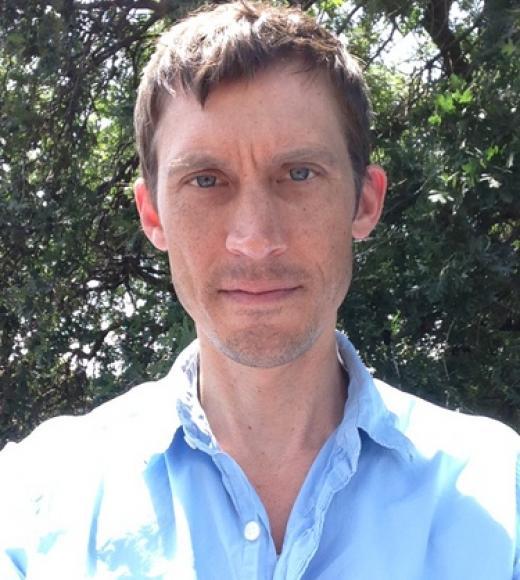
Lee Miller is a Professor in the Department of Neurobiology, Physiology, and Behavior at the University of California, Davis, College of Biological Sciences. His research integrates neural engineering, physiology, and computational methods to develop communication restoration technologies and investigate sensory processing mechanisms. His primary research interests include neural engineering for speech neuroprosthetics, electrophysiological analysis of speech production, auditory neuroscience, and geometric approaches to neuromuscular signal decoding. He employs surface electromyography (EMG), electroencephalography (EEG), and computational modeling to study brain-machine interfaces for speech restoration and multisensory integration. Recent publications reveal a dominant focus on EMG-based speech neuroprostheses, with geometric and topological analysis of neuromuscular signals emerging as a key methodology. His lab has pioneered non-invasive approaches to speech articulation decoding, created standardized EMG databases, and investigated neural mechanisms of attention in speech-in-noise processing. This work bridges engineering innovation with fundamental neuroscience to address communication disorders. Professor Miller leads the Miller Lab at UC Davis, which specializes in neural engineering for communication restoration. The lab develops real-time speech synthesis systems from neural signals and investigates the physiological basis of speech production and perception using multimodal recording techniques.
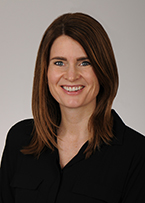
Anna Levina is an Assistant Professor for Computational Neuroscience at the University of Tübingen , affiliated with the Department of Computer Science under the Faculty of Science. Her research focuses on the self-organization of neuronal activity, critical dynamics in neural networks, and the excitation/inhibition balance in cortical circuits. Current positions: Assistant Professor (since 2018), Group Leader (2017-2018), Equality Officer (Computer Science) Previous roles: IST Fellow (2015-2017), Associated Researcher (2011-2015), Postdoc/PI (2011-2015), Postdoc (2008-2011) Her research integrates mathematical modeling , statistical physics , and computational neuroscience to study criticality phenomena, neural avalanches, and adaptive network dynamics. Key interests include: Self-organized criticality in neural systems Excitation/Inhibition balance mechanisms Network topology and dynamics Timescale analysis in neural processing Stochastic modeling of neural activity Recent publications reveal trends in understanding critical dynamics across biological and artificial networks, with applications to memory systems, sensorimotor integration, and disease modeling. She has received recognition as an IST Fellow .
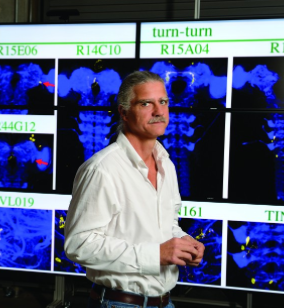
Kara Leyzac is an Associate Professor in the Department of Otolaryngology - Head and Neck Surgery at the Medical University of South Carolina . Her work focuses on cochlear implants and hearing loss, with particular emphasis on optimizing implant function and understanding cochlear health's role in auditory outcomes. She holds dual doctoral degrees (AuD/PhD) and is affiliated with the MUSC College of Medicine. Research interests include cochlear implant efficacy, neural health preservation, and patient decision-making regarding implantation. Her work spans clinical trials (e.g., phantom percept treatments) and systematic reviews of long-term outcomes. Over 37 publications highlight contributions to auditory neuroscience, implant design, and rehabilitation strategies. No scientific awards were explicitly mentioned in the provided texts. Advising and grants sections remain unspecified due to lack of detailed information. Active research areas include electrode placement effects, auditory training protocols, and patient-specific outcomes in adult cochlear implant users.
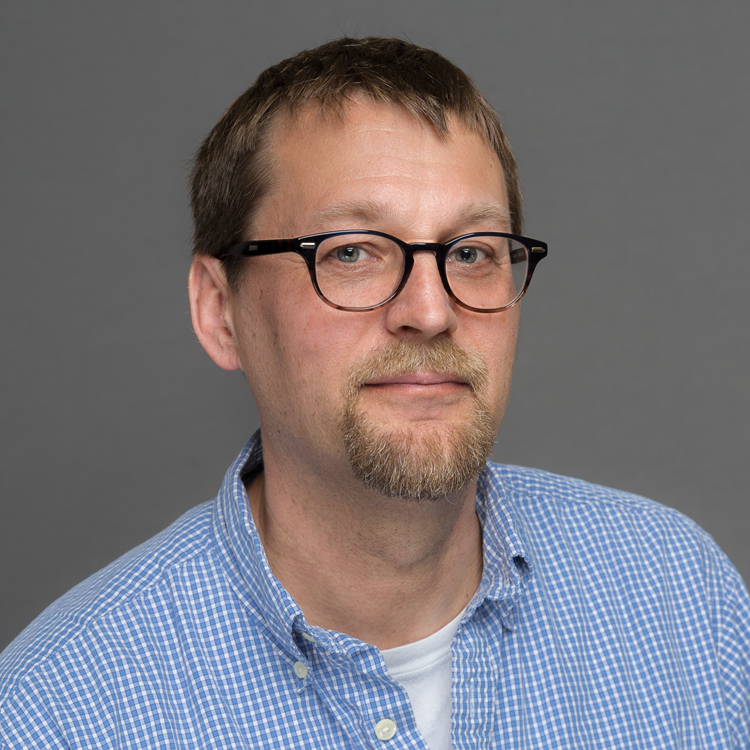
Edward Awh is a Professor at the University of Chicago in the Department of Psychology, specializing in cognitive neuroscience, working memory, and attentional mechanisms. His research explores the neural basis of memory storage, spatial attention, and the interplay between cognitive systems using EEG and neuroimaging techniques. University of Chicago, Department of Psychology NIH R01 grants on working memory and ADHD Research Interests: Awh investigates discrete resource limits in working memory, the role of alpha oscillations in attention, and neural mechanisms underlying memory encoding and retrieval. His work addresses how the brain manages distractor suppression, spatial representations, and the relationship between attention and memory capacity. Scientific Trends: Recent publications focus on content-independent memory encoding, EEG decoding of attentional processes, and the intersection of sustained attention with memory performance. His studies frequently employ human behavioral experiments, EEG analysis, and computational modeling. Grants: Principal Investigator on multiple NIH R01 grants, including projects on working memory states (R01MH087214), perceptual interference in ADHD (R01MH077105), and attentional control mechanisms.
Zhenhong Li is a Lecturer in Robotics and Control at the University of Manchester, holding an EPSRC Fellowship in physical human-robot interaction. He earned his B.Eng. from Huazhong University of Science and Technology (2013), and M.Sc. and Ph.D. in Control Engineering from the University of Manchester (2014 and 2019). Before joining Manchester in 2023, he was a Research Fellow in Rehabilitation Robotics at the University of Leeds (2019–2023). His research focuses on control technologies for human-robot systems, with applications in healthcare and industry. Key areas include physical human-robot interaction for rehabilitation, brain-computer interfaces, and neuromusculoskeletal modeling. He leads the Neurorobotics Lab (NRL) at Manchester and collaborates with healthcare professionals, industries, and designers via EPSRC/STFC/Wellcome Trust funding. Notable achievements include the 2019 Best Paper Award for Unmanned Systems and the 2020 EPS International Academic Pump-priming Award. In 2025, he was elected as a Senior Member of the IEEE. He actively organizes conferences and special issues, including the 2025 IEEE UK Robotics Conference and a Frontiers special issue on intelligent rehabilitation technology. Dr. Li supervises PhD candidates in robotics and control, emphasizing interdisciplinary approaches to human-robot interaction. His lab develops cutting-edge technologies like assistive exoskeletons and adaptive control systems for healthcare and industrial applications.
Robert E. (Rob) Kass is the Maurice Falk University Professor of Statistics and Computational Neuroscience at Carnegie Mellon University, holding joint appointments in the Department of Statistics & Data Science, Machine Learning Department, and Neuroscience Institute. His research spans Bayesian statistics, neural data analysis, and computational neuroscience. Kass earned a B.A. in Mathematics from Antioch College, a Ph.D. in Statistics from the University of Chicago, and has been at CMU since 1981. He has served as Department Head of Statistics (1995–2004) and Interim Co-Director of the CNBC (2015–2018). His work focuses on statistical methods for neuroscience, particularly analyzing spike train data and identifying cross-brain interactions. Notable contributions include co-authoring Analysis of Neural Data and foundational articles on Bayesian inference. Kass has received prestigious awards such as the National Academy of Sciences membership and COPSS Distinguished Achievement Award. Research interests include computational neuroscience, statistical modeling of neural systems, and interdisciplinary education. He has advised numerous students and co-organized major workshops like the Statistical Analysis of Neuronal Data series. Kass’s work emphasizes the interplay between statistical rigor and scientific insight, bridging theoretical and applied domains. Education: B.A. in Mathematics, Antioch College Ph.D. in Statistics, University of Chicago Postdoctoral Fellow, Princeton University Scientific contributions include advancements in spike train analysis, Bayesian model assessment, and statistical methods for brain connectivity. His work on neural synchrony and population coding has influenced both theoretical and applied neuroscience.
Bérénice Benayoun, PhD is an Associate Professor at the USC Leonard Davis School of Gerontology , with secondary appointments in the Department of Molecular and Computational Biology (USC Dornsife College of Letters, Arts and Sciences) and the USC Norris Comprehensive Cancer Center . Her research bridges aging biology , epigenetics , and sex differences using vertebrate models like the African turquoise killifish and machine learning . Education : École Normale Supérieure (BSc, MSc), Paris Diderot-Paris 7 University (PhD in Genetics and Cell Biology) Her lab investigates epigenome and transcriptome remodeling during aging , focusing on how biological sex influences these processes. Key themes include inflamm-aging , genomic instability , and immune senescence , with applications in neurodegeneration and reproductive longevity . Recent publications highlight sex-dimorphic gene regulation in neutrophils , macrophages , and brain aging , alongside novel insights into transposable elements and MOTS-c mitochondrial signaling . She pioneers the use of single-cell transcriptomics and multi-omics in aging research. Scientific awards include: 2024 Vincent Cristofalo Rising Star in Aging Research Award 2023 AGHE Rising Star Early Career Faculty Award 2023 USC Mentoring Award 2023 Rising Star in Reproductive Biology 2021 Nathan Shock New Investigator Award 2019 Rosalind Franklin Young Investigator Award Her editorial roles include Geroscience , Translational Medicine of Aging , and eLife . She mentors students across PhD programs in Biology of Aging , Neuroscience , and Molecular Medicine , as well as Master's and undergraduate trainees.
Carey E. Priebe is a Professor in the Department of Applied Mathematics and Statistics at the Whiting School of Engineering, Johns Hopkins University. He maintains strong affiliations with multiple research centers including the Johns Hopkins University Center for Imaging Science, the Mathematical Institute for Data Science, and the Human Language Technology Center of Excellence. His academic career spans several decades with significant contributions to statistical methodology and theory. Dr. Priebe's research focuses on computational statistics, statistical pattern recognition, and statistical inference for high-dimensional and graph data. His work bridges theoretical statistics with practical applications in areas such as brain connectome mapping, network analysis, and image processing. He has made significant contributions to spectral graph theory, graph matching, and vertex nomination, with applications ranging from neuroscience to national security. His publication record demonstrates consistent contributions to statistical methodology, with a notable emphasis on graph-based statistical methods. His research trajectory shows increasing focus on network data analysis, particularly in the last decade, with applications to brain mapping and connectome analysis as evidenced by his NSF BRAIN Initiative grant and Nature publication. 2013 Erskine Fellow (University of Canterbury) 2011 McDonald Award for Excellence in Mentoring and Advising 2010 ASA SDNS Distinguished Achievement Award 2009 Erskine Fellow (University of Canterbury) 2008 National Security Science and Engineering Faculty Fellow 2008 Pond Award for Excellence in Teaching NSF BRAIN EAGER grant recipient (2014) Professor Priebe has supervised an extensive number of doctoral students whose work spans statistical methodology, network analysis, and machine learning. His students have secured positions at prestigious institutions including academia (University of Wisconsin, Boston University), government research labs, and major technology companies (Microsoft, Facebook, Amazon). His research has been supported by significant grants from NSF, DARPA, and other agencies focused on national security applications and fundamental statistical methodology development. He maintains active collaborations across multiple disciplines and institutions, as evidenced by his numerous conference presentations and visiting appointments including at The Alan Turing Institute and The Isaac Newton Institute. His work bridges theoretical statistics with practical applications in neuroscience, security, and data science.
Gunnar Blohm is an Assistant Professor in the Department of Biomedical and Molecular Sciences at Queen's University, affiliated with the School of Medicine and Faculty of Health Sciences. His research focuses on sensorimotor neuroscience, particularly 3D sensorimotor control, eye-hand coordination, and computational modeling of neural processes. He holds a Ph.D. from Université Catholique de Louvain and has held postdoctoral positions at York University and his alma mater. Cross-appointed to the School of Computing, Department of Psychology, and Department of Mathematics and Statistics, he is also Vice-Director of the Connected Minds initiative. His research integrates behavioral experiments, brain imaging (MEG/EEG), and patient studies to understand how sensory information is transformed into goal-directed actions. Key areas include visuomotor transformations, multisensory integration, and Bayesian processes in neural computations. Blohm leads the Computational Sensorimotor Neuroscience Lab, emphasizing collaborative projects like Neuromatch Academy and contributions to open science initiatives. Affiliated with Queen's Centre for Neuroscience Studies and Ingenuity Labs, his work bridges computational approaches with clinical applications, aiming to develop frameworks for understanding brain dysfunction and clinical tools. His recent articles explore topics like saccade dynamics, pupil responses, and generative adversarial collaborations in scientific discourse.
Prof. Raimon Jané Campos is a leading figure in biomedical signal processing at the Universitat Politècnica de Catalunya (UPC) and Universitat de Barcelona (UB). As co-director of UPC's Biomedical Signal and System Group (CREB) and coordinator of the Biomedical Engineering PhD Programme, he bridges engineering and clinical applications. His work focuses on respiratory and sleep disorder diagnostics, with significant contributions to COPD and sleep apnea monitoring through wearable devices and machine learning. PhD in Biomedical Engineering (UPC, 1989) Visiting researcher at Université de Nice-Sophia Antipolis Vice-president of Spanish Society of Biomedical Engineering Research spans respiratory mechanics , sleep-disordered breathing , acoustic biomarkers , bioimpedance , and machine learning in biomedical contexts . His 2025 work on microcalorimetric pathogen classification and 2024 spiking neural networks for apnea detection demonstrate cutting-edge integration of computational methods with physiological monitoring. Articles from 2017-2024 reveal consistent focus on non-invasive diagnostics , cardiorespiratory synchronization , and smartphone-based health solutions . Awarded the Barcelona City Technology Research Award (2005) and serving on the International Advisory Board for Physiological Measurement since 2010, his career combines academic leadership with real-world clinical translation through IBEC's technology transfer initiatives.
Zhi-Pei Liang is the Franklin W. Woeltge Professor in the Department of Electrical and Computer Engineering at the University of Illinois at Urbana-Champaign, with joint appointments in the Department of Bioengineering, Beckman Institute for Advanced Science and Technology, and Coordinated Science Laboratory. His research spans biomedical engineering, medical imaging, and signal processing with a focus on advancing magnetic resonance imaging and spectroscopy technologies. His educational background includes a Ph.D. in Biomedical Engineering from Case Western Reserve University (1989) and a B.S. in Electrical Engineering from South-China University of Technology (1982), followed by postdoctoral training at UIUC (1989-1991). Professor Liang's research interests center on magnetic resonance imaging and spectroscopy , with particular emphasis on ultrafast imaging techniques , model-based reconstruction methods , and the integration of physics-based modeling with machine learning . His pioneering work on SPICE (SPectroscopic Imaging by exploiting spatiospectral CorrElation) has revolutionized high-resolution metabolic brain imaging by enabling label-free molecular imaging through the marriage of spin physics and machine learning. His research spans pattern recognition, parameter estimation, image formation theory, and algorithms for medical imaging applications. Analysis of his recent publications reveals a strong focus on high-resolution metabolic imaging , particularly using SPICE methodology to map brain metabolism with unprecedented detail. His work bridges fundamental physics of magnetic resonance with advanced computational methods to overcome traditional limitations in imaging speed and resolution. Current research directions include J-resolved spectroscopic imaging, deuterium-based metabolic mapping, and multimodal integration of PET and MRSI for studying neurological disorders. Elected to International Academy of Medical and Biological Engineering (2012) Gold Medal, International Society for Magnetic Resonance in Medicine (2022) Technical Achievement Award, IEEE Engineering in Medicine and Biology Society (2014) Fellow, National Academy of Inventors (2021) Author of influential book 'Principles of Magnetic Resonance Imaging' (1999) President of IEEE Engineering in Medicine and Biology Society (2011-2012) Professor Liang has advised numerous students and postdocs in biomedical imaging research and has received multiple teaching honors including the Ronald W. Pratt Outstanding Teaching Award (2005) and multiple listings among UIUC's Excellent Teachers. His research has been supported by various grants from NIH, NSF, and other funding agencies. He leads the SPICE (Spectroscopic Imaging by exploiting spatiospectral Correlation) research group which focuses on developing novel imaging techniques that combine physics-based modeling with machine learning for ultrafast metabolic imaging. His laboratory, part of the Beckman Institute's Integrative Imaging Theme, collaborates extensively with clinical researchers at Carle Illinois College of Medicine and other institutions to translate advanced imaging techniques into clinical applications for neurological disorders, cancer, and metabolic diseases. Current projects focus on high-resolution mapping of brain metabolism in Alzheimer's disease, stroke, and brain tumors using novel MR spectroscopic imaging techniques.
Prof. Stephen Mayhew is a Professor at Aston University's School of Life & Health Sciences, affiliated with the College of Health and Life Sciences. He leads the Cognition & Neuroscience Research Group (CNRG) and contributes to the Aston Research Centre for Health in Ageing. His research focuses on multimodal neuroimaging (EEG/fMRI/MRI/MEG) to study brain activity in health and cognition, particularly negative BOLD responses and their role in neural inhibition and behavior. Recent work includes investigating task-demand effects on BOLD responses, brain state dynamics during rest, and neurovascular coupling methods. Education & Affiliations: Affiliated with Aston University's School of Life & Health Sciences Member of CNRG and Health in Ageing Centre Research Interests: His work explores collaborative/antagonistic brain networks, lifespan changes in brain function, and the functional significance of negative BOLD responses. Techniques include fMRI, EEG, and advanced neuroimaging analysis methods like fractal dimension and laminar 7T MRI. Key Contributions: Published over 30 peer-reviewed articles on neuroimaging and brain networks Systematic reviews on neurovascular coupling and transcranial Doppler methods Labs & Teams: Active in CNRG and collaborates across disciplines in health sciences and bioengineering.
Helmut H. Strey is an Associate Professor in the Department of Biomedical Engineering at Stony Brook University. His research focuses on micro- and nanotechnologies for quantitative biology , including single-cell analysis, cancer metabolism modeling, and functional MRI data analysis. He holds academic appointments since 2008 and has pioneered technologies like tumor-on-a-chip and optical decoders for translation stages. Education: PhD in Biophysics (Technical University München, 1993), postdoctoral training at NIH (1994-1998). Awards include the NSF CAREER Award (2000-2005), Dillon Medal (2003), and Weston Visiting Professorship (2020). Research interests span cell-to-cell variability , Warburg effect in cancer , and Bayesian analysis of time-series data . His lab develops tools for 3D tumor microenvironments, MRI-compatible drug delivery systems, and biomimetic neural circuit models. Teaching includes advanced numerical methods in biomedical engineering, quantitative biology, and biomolecular analysis. Active in open hardware projects, including microfluidics controllers and IoT devices for health monitoring.
Chao Liu is a Research Scientist at CNRS (French National Center for Scientific Research) since 2008, affiliated with the DEXTER team and the Department of Robotics, LIRMM at University of Montpellier, France. He earned his Ph.D. in Electrical & Electronic Engineering from Nanyang Technological University, Singapore (2006). Current research focuses on surgical robotics , haptics , teleoperation , and nonlinear control theory with applications in computer vision. His work addresses challenges in robotic-assisted telesurgery, including: Stable and transparent human-robot interaction through wave variable compensators and passivity filters Physiological motion compensation using spatio-temporal LSTM and dual Kalman filters EMG-based motion recognition for surgical skill assessment 3D soft-tissue reconstruction with stereo-endoscopes and deep learning Dr. Liu leads European and French projects like: TS2RT (CNRS-funded): Safer teleoperation with motion compensation ROBACUS (ANR-funded): Needle positioning with MPC control HaTUMoCo (CNRS-funded): Haptic teleoperation with uncertainty handling ARAKNES (EU-funded): Microrobotic systems for endoluminal surgery Scientific honors include Senior Member of IEEE and Member of Sigma Xi . He supervises Ph.D. and Master's students working on topics such as concentric tube robot optimization, haptic teleoperation, and EMG-based force estimation. Dr. Liu serves on IEEE Technical Committees for Telerobotics and Haptics , and as Technical Editor of IEEE/ASME Transactions on Mechatronics.
Eduardo Mercado III is a Professor in the Department of Psychology at the University at Buffalo, College of Arts and Sciences. His research focuses on bioacoustics, cognitive psychology, and marine ecology, particularly the vocal behavior of humpback whales and its implications for understanding human impact on marine ecosystems. He is also known for his work in perceptual learning, autism spectrum disorder, and comparative cognition. Scientific Awards Guggenheim Fellowship Harvard Radcliffe Institute Fellowship Research Trends His recent publications emphasize bioacoustic analysis of humpback whale songs, including their spectral entropy, cyclical variations, and adaptive adjustments to anthropogenic noise. Additional work explores perceptual learning mechanisms in autism, neural network modeling for acoustic classification, and cognitive processes in canines and rodents. Projects Mercado’s “Singers as Sentinels” project combines acoustic analysis of humpback whale songs with public awareness initiatives about ocean noise pollution. The project will produce a book, Why Whales Sing and Dolphins Don’t , and a web-based interface for public engagement.