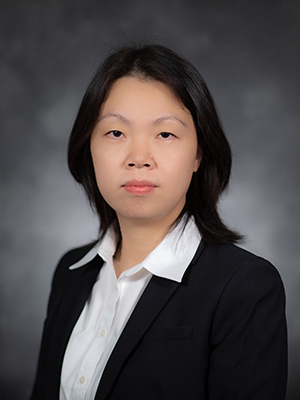
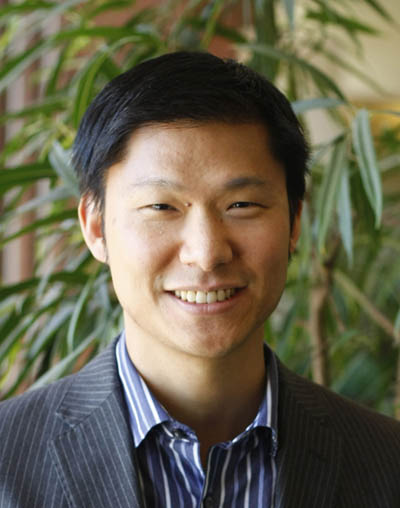
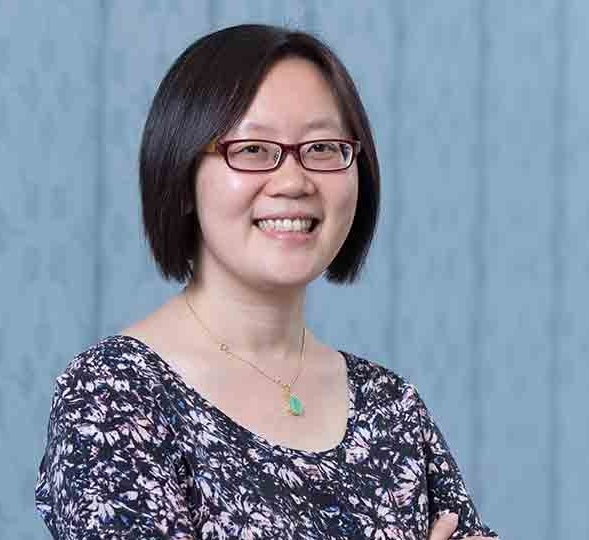
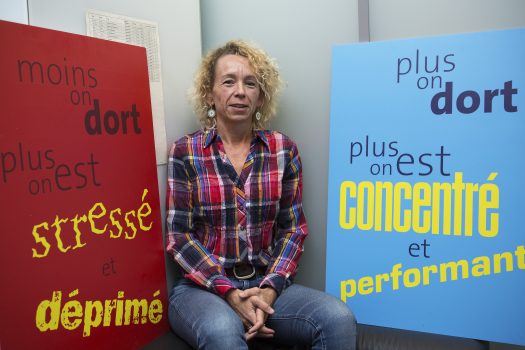
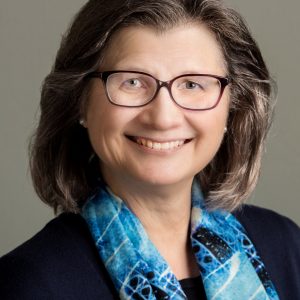
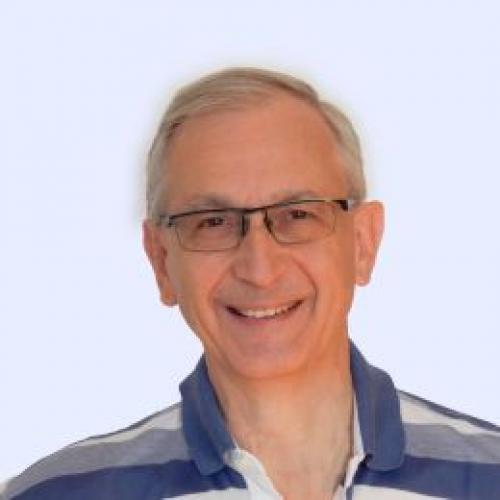
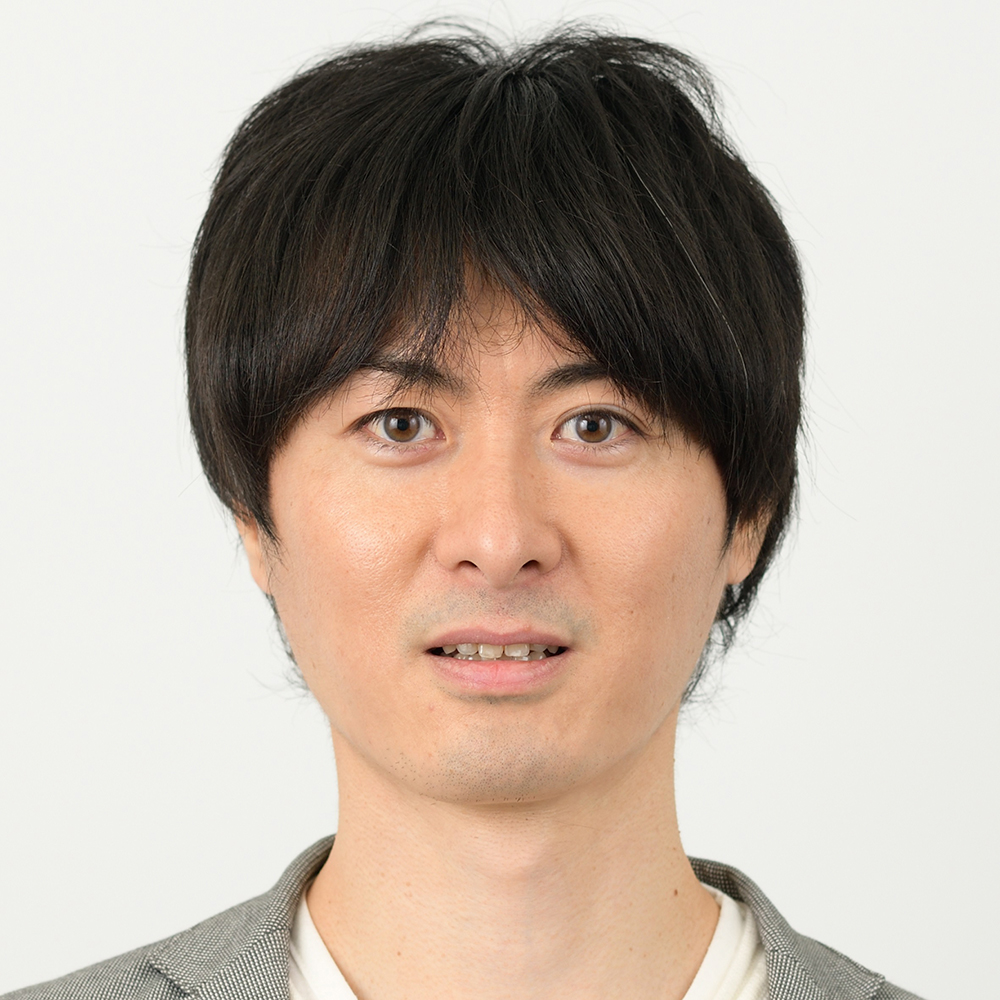
Dr. Richard Jiang is a Senior Lecturer (Associate Professor) at Lancaster University's School of Computing and Communications. His research focuses on Artificial Intelligence, Neurocomputing, Quantum AI, Privacy Computing, and Medical Computing. He has pioneered secure pattern recognition in encrypted domains and quantum neuromorphic computing. With over £1M in research grants from EPSRC and others, he has authored 100+ publications and supervised over 20 PhD students. Dr. Jiang's work includes the Face2Brain method for neurodegenerative assessment and explainable models for brain aging analysis. He contributes actively to academic committees, editorial boards, and conferences like the World Conference on eXplainable AI. His research spans ethical AI frameworks, quantum algorithms for medical imaging, and privacy-preserving biometric systems.
Dr. Jingjing Qiu is an Associate Professor in the Department of Mechanical Engineering at Texas A&M University (TAMU), leading the Advanced Materials & Manufacturing (AM²) Lab. Her research focuses on advanced manufacturing, nanomaterials, multifunctional composites, sustainable materials, energy harvesting, and healthcare applications. She holds a Ph.D. in Industrial & Manufacturing Engineering from Florida State University (2008), and M.S./B.S. degrees in Materials Science from Beihang University (2004/2001). Prior to academia, she gained 1 year of industrial experience as a Quality Engineer at SAIC Motor. Research interests include AI-driven nanomaterials synthesis, low-carbon manufacturing processes, and biomedical innovations such as drug delivery systems for brain tumors. The AM² Lab emphasizes interdisciplinary collaboration in materials science, data science, and sensor integration for energy and medical devices. Recent work highlights include AI-assisted microplastics removal, thermoelectric energy harvesting via graphene aerogels, and neuromorphic computing systems. Her team actively pursues postdoctoral and PhD candidates for research in energy/healthcare materials, requiring expertise in nanomaterials characterization (e.g., SEM, XPS, electrochemical techniques) and interdisciplinary problem-solving. Lab facilities support cutting-edge fabrication and testing of functional materials. Publications span over 15 years, with recent trends in sustainable manufacturing, soft robotics, and bio-inspired materials. Ongoing projects include DOE-funded initiatives on rare earth recycling and low-carbon ceramic production. No scientific awards are explicitly listed in the provided texts.
Scott Fraundorf is an Associate Professor in the Department of Psychology at the University of Pittsburgh, affiliated with The Dietrich School of Arts & Sciences and the MAPLE Lab at the Learning Research and Development Center (LRDC). His research focuses on psycholinguistics, memory systems, cognitive aging, metacognition, and educational technology. He holds a Ph.D. from the University of Illinois at Urbana-Champaign and has been recognized with an NSF Graduate Research Fellowship (2007-2011) and inclusion in the List of Teachers Ranked as Excellent by Students ("Outstanding"). Key research themes include the role of prosody and disfluency in language processing, cognitive aging effects on memory, and the application of statistical modeling to study decision-making and learning strategies. His work bridges experimental psychology with real-world educational interventions, such as adaptive grammar instruction tools and investigations into digital literacy practices among adolescents. Recent publications emphasize cognitive mechanisms underlying expertise retention in medical professionals and the impact of exercise on memory preservation in older adults. He collaborates on projects analyzing how contrastive linguistic cues (e.g., pitch accent, beat gestures) influence online discourse comprehension and long-term memory encoding. Labs/Teams: MAPLE Lab (Memory, Attention, Processing, Learning, Education) Grants: NSF Graduate Research Fellowship Advising: Advises graduate student Jessica Macaluso
Ronald Coifman is the Sterling Professor of Mathematics and Professor of Computer Science at Yale University. His research focuses on nonlinear analysis, scattering theory, complex analysis, numerical analysis, and their applications in data science, signal processing, and biomedical imaging. He holds the National Medal of Science and is a member of the National Academy of Sciences and the American Academy of Arts and Sciences. Coifman's work bridges pure mathematics and applied sciences, emphasizing harmonic analysis, manifold learning, and data-driven modeling. His contributions include foundational advancements in wavelet theory, diffusion maps, and nonlinear dimensionality reduction techniques. Key innovations include the development of empirical intrinsic geometry for analyzing complex systems and the use of Wasserstein distances in high-dimensional data analysis. His academic portfolio includes over 250 publications since the 1960s, spanning topics from theoretical mathematics to practical medical diagnostics. Notable applications include methods for stroke detection, medical imaging analysis, and anomaly detection in dynamic systems. Coifman collaborates across disciplines, integrating computational methods with domain-specific challenges in biology, chemistry, and engineering. Education: Ph.D. in Mathematics from the University of Geneva (1965) Awards: National Medal of Science (2001), Member of NAS (1993), Member of AAAS (2006) Key Projects: Development of diffusion maps, manifold learning algorithms, and empirical geometry frameworks Coifman's current research explores the intersection of machine learning and mathematical analysis, with recent focus on intrinsic data organization, emergent dynamical models, and scalable computational methods for large datasets.
Frank Tong is a Professor of Psychology at Vanderbilt University in the College of Arts and Science. He leads an active research laboratory investigating the neural mechanisms of human visual perception, cognition, attention, and working memory. His work integrates behavioral experiments, high-resolution fMRI, and computational modeling to decode how visual information is represented and maintained in the brain. Department: Department of Psychology Office: Wilson Hall, Room 531 Email: frank.tong@vanderbilt.edu Phone: 615-322-1780 Education: B.S. in Psychology, Queen's University, Kingston, Canada (Advisor: Barrie Frost) Ph.D. in Psychology, Harvard University (Advisors: Ken Nakayama, Nancy Kanwisher) Postdoctoral Fellow, UCLA (McDonnell-Pew Fellowship, Advisor: Steve Engel) Frank Tong's research centers on understanding how early visual representations interact with higher cognitive functions such as attention and working memory. He has developed pioneering fMRI decoding methods to reconstruct visual features like orientation and object categories from brain activity patterns in the human visual cortex. His lab has demonstrated how these techniques can reveal the neural bases of visual working memory and object-based attentional selection. Current work includes using deep convolutional neural networks as models of human visual processing. His recent publications show a consistent focus on decoding mental states, visual features, and memory contents from brain activity, particularly using fMRI pattern analysis. The research spans visual working memory, attentional modulation, scene perception, and the application of machine learning to neural data. These studies frequently appear in top journals such as Nature , Nature Neuroscience , and Annual Review of Psychology . Scientific Awards: McDonnell-Pew Training Fellowship (1999) Robert K. Root Preceptorship, Princeton (2003) Scientific American Top 50 Award (2004) Young Investigator Award, Cognitive Neuroscience Society (2006) Chancellor's Award for Research, Vanderbilt (2008) Young Investigator Award, Vision Sciences Society (2009) Troland Research Award, National Academy of Sciences Frank Tong has advised numerous graduate students and postdoctoral fellows, many of whom have gone on to successful academic and research careers. His lab has received significant research funding to support its work in cognitive neuroscience and brain imaging. He has also served on the editorial board of the Annual Review of Psychology and as a board member of the Vision Sciences Society, reflecting his leadership in the field. He teaches undergraduate courses including Psy 3760 (Mind and Brain), Psy 3765 (Social Cognition and Neuroscience), and Psy 3780 (The Visual System). His lab continues to explore the interplay between early visual processing and higher cognition using advanced neuroimaging and computational techniques.
Olivia Cheung is an Assistant Professor of Psychology and Global Network Assistant Professor at New York University Abu Dhabi (NYUAD), affiliated with the Division of Science and the Department of Psychology. She leads the Objects and Knowledge Laboratory (OAK Lab), which is also associated with the Center for Brain and Health at NYUAD. Education: BSSc, Chinese University of Hong Kong PhD, Vanderbilt University Postdoctoral Training: Harvard Medical School, CIMeC (Trento, Italy), Harvard University Her research focuses on cognitive neuroscience and visual cognition, particularly how experience and learning shape perception. She investigates how visual and conceptual knowledge interact to influence representations of objects, faces, words, musical notations, and scenes. Her lab employs behavioral experiments, functional magnetic resonance imaging (fMRI), and computational modeling to explore perceptual expertise and category selectivity in the brain. Her recent publications (2022–2024) reveal a consistent focus on high-level vision, with studies on holistic face and word processing, neural and computational models of category recognition, ensemble perception of animacy, and social judgments from faces (e.g., election prediction). These works, presented at Vision Sciences Society (VSS), demonstrate interdisciplinary methods and collaborations with students and international researchers. Olivia Cheung teaches courses such as Capstone Projects in Computer Science and Psychology, and Concepts and Categories: How We Structure the World , reflecting her interdisciplinary approach. She mentors undergraduate researchers, many of whom have co-authored conference posters. Her lab, the OAK Lab, fosters research on the intersection of perception, knowledge, and expertise.
Prof. Sophie Schwartz is a leading neuroscientist at the University of Geneva , where she heads the Sleep & Cognition Lab within the Faculty of Medicine . Her research integrates neuroimaging (fMRI, hd-EEG, MEG) , behavioral testing , and computational modeling to unravel the neural mechanisms underlying memory consolidation , emotion processing , and dreaming during sleep, while also developing clinical interventions to enhance sleep in neurological and psychiatric disorders.
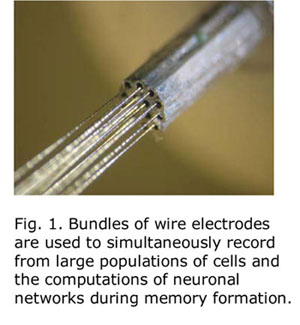
Stefan Leutgeb is a Professor in the Department of Neurobiology at the University of California San Diego (UCSD), affiliated with the School of Biological Sciences. His research focuses on the neural mechanisms underlying long-term memory storage, particularly the role of coordinated neuronal activity and synaptic plasticity in hippocampal and cortical networks. His work investigates how spatial and nonspatial information is encoded, how memory systems degrade in aging and neurodegenerative disorders like dementia, and the translational implications of these findings. Key research areas include hippocampal ensemble dynamics, temporal organization of neuronal activity, and the impact of Alzheimer’s-related proteins (e.g., APP) on neural networks. Leutgeb employs multi-electrode recordings, optogenetics, and computational modeling to study these processes. His lab has discovered critical mechanisms such as pattern separation in the dentate gyrus and the role of theta oscillations in memory encoding. Notable recent contributions include studies on how hippocampal network dysfunction due to APP expression disrupts spike timing ( 2022 ), theta oscillation roles in memory phases ( 2021 ), and the necessity of dentate gyrus activity for spatial working memory ( 2018 ). Despite no explicitly listed awards, his prolific publication record reflects significant contributions to systems neuroscience. Leutgeb’s research also explores cognitive aging and cross-species comparisons of neural processes. His lab emphasizes translational research, aiming to bridge basic neuroscience discoveries with clinical applications for neurodegenerative diseases. Current projects include investigating hippocampal ensemble dynamics during memory retention and developing biomarkers for cognitive flexibility.
Dr. Arno Onken is a Lecturer (Assistant Professor) in Data Science for Life Sciences at the School of Informatics, University of Edinburgh, where he is also affiliated with the Institute for Adaptive and Neural Computation. He leads a research group focused on developing machine learning and statistical methods for modeling neural activity and analyzing large-scale neuroscience data. His work bridges artificial intelligence and computational neuroscience. His research interests lie at the intersection of machine learning, statistics, and neuroscience. He develops flexible probabilistic models such as copulas and Gaussian processes, deep learning architectures like Vision Transformers for brain activity prediction, and matrix/tensor factorization techniques for dimensionality reduction in neural datasets. His group aims to uncover interpretable structure in complex neural recordings and understand how behavior and cognition are encoded in population activity. The recent publications reflect a strong trend in combining modern deep learning with classical statistical modeling to analyze large-scale neural recordings. His work spans from foundational methods in copula modeling and information theory to applications in predicting visual cortex responses and modeling brainstem-hippocampus interactions across sleep states. The research has been published in top venues including NeurIPS, CVPR, eLife, and PLoS Computational Biology. Dr. Onken actively supervises PhD students and has developed several open-source scientific software packages, including the Mixed Vine Toolbox and Population Spike Train Factorization Toolbox. He teaches core courses in Machine Learning and Pattern Recognition and Data Mining and Exploration at the University of Edinburgh.
Almira Vazdarjanova is a Professor at the Medical College of Georgia, Augusta University, with academic appointments in the Department of Pharmacology and Toxicology and the Department of Neurology. Her work bridges neuroscience, pharmacology, and behavioral research, focusing on translational models of stress, memory, and feeding behavior. Education: Ph.D. in Biological and Biomedical Sciences, University of California - Irvine, 2000 M.S. in Biology/Biological Sciences, University of California - Irvine, 2000 B.S. in Biology/Biological Sciences, University of California - Irvine, 1995 Her research interests include neuropharmacology, behavioral neuroscience, sex differences in anxiety and fear, PTSD modeling, memory mechanisms, and hypothalamic regulation of feeding . She uses rodent and primate models to explore neural circuits underlying cognition and emotion. Her work integrates molecular, systems, and behavioral approaches to understand brain function and dysfunction. Recent publications highlight her focus on fear extinction, anxiety assessment tools, working memory enhancement via neuromodulation, and predictive models of PTSD . These studies reflect a strong trend toward translational neuroscience with implications for psychiatric and neurological disorders. Scientific Awards: VA Merit Award, VHA (2018) Integrity Award, AU Core Values, Augusta University (2017) Authentic Leadership for Women Academy, Augusta University (2017) VA Merit Award, VHA (2013) National Research Service Award, NIH (2003) Dr. Vazdarjanova has served on multiple graduate and faculty committees, including the Graduate Student Committee, MCG Faculty Affairs Committee, and Grievance Committee (where she served as Chair). She has been an ad hoc reviewer for the Society for Neuroscience. She teaches core medical and graduate courses such as Pharmacology & Therapeutics , Medical Physiology , Neuroscience I , and Neuropharmacology . While specific students are not listed, her role in seminars and tutorials suggests active mentorship. She is affiliated with the The Graduate School and participates in institutional research governance through the Partnership Council Committee on Research. There is no indication of part-time status, retirement, or emeritus designation.
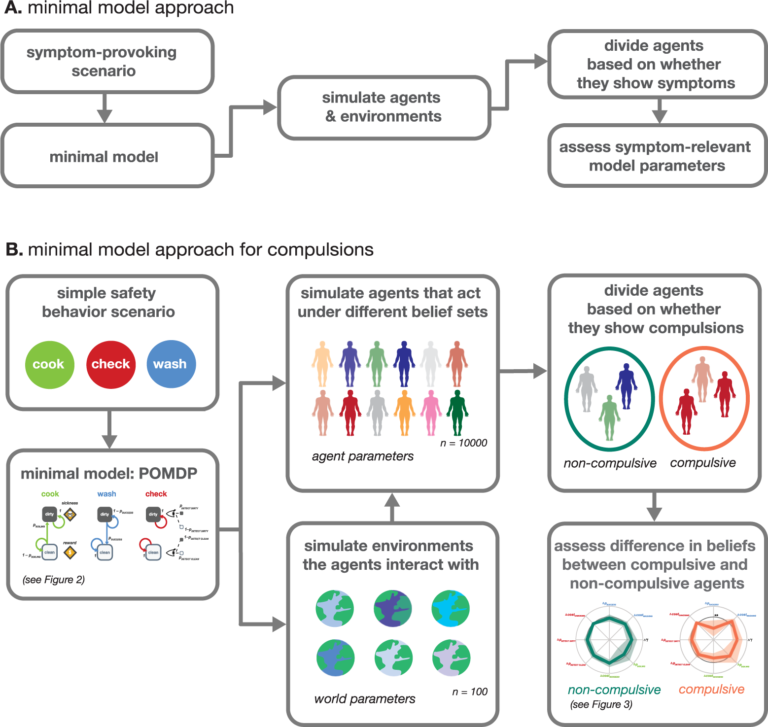
Dr. Frederike Petzschner is an Assistant Professor at the Department of Psychiatry and Human Behavior and the Carney Institute for Brain Science at Brown University. She directs the Carney Brainstorm Program, focusing on translating computational brain science to clinical and commercial applications. Her research explores embodied intelligence, emphasizing the bidirectional brain-body interactions that influence perception, emotion, and well-being. Education: PhD in Systemic Neuroscience from Ludwig-Maximilians University Munich (2013) MS in Physics with Honors from University of Würzburg (2009) BS in Physics from University of Würzburg (2008) Research Interests: Frederike integrates mathematical models, behavioral experiments, and brain imaging to study brain-body-world dynamics in healthy individuals and patients with psychosomatic symptoms, Disordered Gambling, Obsessive-Compulsive Disorder, and Chronic Pain. Her work spans Computational Psychiatry, Interoception, and Neuroimaging. Trends in Publications: Recent articles analyze belief formation in mental health, reward processing, and spatial cognition. These studies employ computational modeling, behavioral neuroscience, and translational approaches to address clinical and cognitive challenges. Scientific Awards: MIT Prize (2024) Pitch Competition Winner for SOMA App (2023) Leadership and Collaborations: She leads the Carney Brainstorm Program and collaborates with institutions like the University of Zurich and ETH Zurich. Her work intersects with digital ecology through membership in Germany’s national council for digital ecology (Rat für digitale Ökologie) and global engagement via the WEF Global Shapers alumni network.
Tohru Fukai is a Professor and holds the Barbara A. Schnuck Endowed Chair in Translational Medicine at the Medical College of Georgia, Augusta University, where he serves in the Department of Pharmacology and Toxicology. His research is centered at the Vascular Biology Center, where he leads a productive laboratory investigating the molecular mechanisms of oxidative stress and dysfunctional copper metabolism in cardiovascular and metabolic diseases. Dr. Fukai earned his MD in 1988 and PhD in Medical Science in 1995, both from Kyushu University in Japan. Following his medical and doctoral training, he completed postdoctoral fellowship at Emory University School of Medicine in Atlanta from 1995-1999. His research focuses on oxidative stress in cardiovascular and metabolic disease pathogenesis, particularly investigating the role of extracellular SOD (ecSOD, SOD3) and copper transport proteins. His lab has pioneered research on copper transport proteins CTR1, Atox1, and ATP7A in regulating vascular function, demonstrating their critical roles in hypertension, vascular remodeling, inflammatory angiogenesis, atherosclerosis, and diabetes. Notably, his team discovered that copper chaperone Atox1 functions as a copper-dependent transcription factor regulating cell proliferation and inflammatory responses. Analysis of Dr. Fukai's recent publications reveals a strong focus on the intersection of redox signaling, copper metabolism, and vascular function. His work increasingly explores how oxidative stress and copper transport mechanisms contribute to conditions like diabetes, atherosclerosis, Alzheimer's disease, and ischemic injury. A prominent theme across his recent work is the role of protein modifications (particularly sulfenylation and SUMOylation) in regulating vascular responses to oxidative stress, with significant implications for therapeutic interventions. Dr. Fukai's scientific achievements have been recognized with numerous awards including the Barbara A. Schnuck Endowed Chair in Translational Medicine (2017), World Science Leaders in Human Biology Program (2021), and multiple Circulation Research Reviewer Awards. He has served on editorial boards for prestigious journals including Scientific Reports, Journal of Molecular and Cellular Cardiology, and American Journal of Physiology-Heart and Circulatory Physiology. As a mentor, Dr. Fukai has advised numerous graduate students and postdoctoral fellows, including several who have received AHA awards and trainee recognition. He serves on various committees including the VBC post-doc evaluation committee and the CNVAMC Subcommittee for Research Safety. His lab has secured significant funding, including a recent $11.3 million NIH grant for vascular disease research. Dr. Fukai leads an active research group at the Vascular Biology Center comprising senior research associates, assistant research scientists, postdoctoral fellows, and graduate students working collaboratively on multiple projects related to copper transport, redox signaling, and vascular disease mechanisms. His lab has made seminal contributions to understanding how copper transport proteins function as key regulators of vascular antioxidant enzymes and as unexpected signaling molecules in inflammatory disease processes.
Maryellen L. Giger, Ph.D. is the A.N. Pritzker Distinguished Service Professor of Radiology, Committee on Medical Physics, and the College at the University of Chicago. She serves as Vice-Chair of Radiology (Basic Science Research) and was the immediate past Director of the CAMPEP-accredited Graduate Programs in Medical Physics/Chair of the Committee on Medical Physics. Her career spans over 30 years of pioneering research in computer-aided diagnosis, machine learning, and deep learning applications in medical imaging. Dr. Giger's research focuses on computational image-based analyses for cancer risk assessment, diagnosis, prognosis, and response to therapy, particularly in breast cancer, lung cancer, prostate cancer, lupus, bone diseases, and more recently, COVID-19. Her work has evolved from developing computer-aided diagnosis systems to utilizing 'virtual biopsies' in imaging genomics association studies for discovery. She has made significant contributions to quantitative imaging, radiomics, and AI applications in medical imaging, with emphasis on translating research into clinical practice. Her publication record shows a clear trajectory from foundational work in computer vision for medical imaging to cutting-edge AI and deep learning applications. The recent publications demonstrate her leadership in large-scale collaborative efforts like the Medical Imaging and Data Resource Center (MIDRC), focus on health equity through AI analysis, and expansion into diverse applications including gynecological imaging, lung cancer screening, and trauma assessment. Her work consistently bridges technical innovation with clinical relevance. Dr. Giger has received numerous prestigious honors including membership in the National Academy of Engineering, the William D. Coolidge Gold Medal (the highest award from AAPM), and being named one of the 50 most impactful medical physicists in the last 50 years. She is a Fellow of multiple professional societies including AAPM, AIMBE, SPIE, SBMR, and IEEE. Her 2019 TIME magazine recognition for QuantX, the first FDA-cleared machine-learning-driven system for cancer diagnosis, highlights her translational impact. As an educator and mentor, Dr. Giger has guided over 100 graduate students, residents, and medical students throughout her career. She has secured substantial research funding including NIH R01 grants and serves as contact PI for the NIH NIBIB-funded & ARPA-H-funded Medical Imaging and Data Resource Center (MIDRC). Her leadership extends to former presidencies of the American Association of Physicists in Medicine and SPIE, and she was the inaugural Editor-in-Chief of the SPIE Journal of Medical Imaging. Dr. Giger co-founded Quantitative Insights, Inc. through the University of Chicago's New Venture Challenge, which developed QuantX - the first FDA-cleared AI system for cancer diagnosis. She leads the Medical Imaging and Data Resource Center (MIDRC), a critical resource for AI development in medical imaging that received the 2023 DataWorks Prize. Her research laboratory bridges engineering, physics, and clinical medicine to develop and validate quantitative imaging biomarkers and AI tools for precision medicine.
Daniele Caviglia serves as Full Professor in the Department of Naval, Electrical, Electronic and Telecommunications Engineering at the University of Genoa, Italy. He holds the position of Coordinator for the Master's Degree in Electronic Engineering and teaches advanced courses including Radio Frequency Electronics, Electronic Devices, and Electronic Systems for Telecommunication across both Bachelor's and Master's programs. His research program focuses on ultra-low-power electronics for biomedical and environmental applications, with three primary thrusts: (1) nW-scale circuit design for bio-signal processing and neural interfaces, (2) advanced beamforming techniques in medical ultrasound imaging, and (3) energy harvesting systems for autonomous environmental monitoring. His group has pioneered inverter-based OTAs achieving sub-10nW operation and developed novel genetic algorithm-optimized apodization methods for plane-wave ultrasound imaging. Recent publications (2024-2025) reveal strong thematic continuity with increasing emphasis on practical implementations - particularly sea wave energy harvesters for environmental buoys and satellite microwave link systems for rainfall monitoring in urban settings. The work consistently bridges fundamental circuit innovation with real-world medical and environmental applications, maintaining high impact in IEEE and Elsevier journals.
Kantaro Fujiwara serves as Associate Professor at the Graduate School of Medicine, The University of Tokyo, with concurrent appointments at the International Research Center for Neurointelligence (IRCN) and the Department of Mathematical Informatics, Graduate School of Information Science and Technology. He also manages the Data Science Core infrastructure for IRCN. His academic background includes a Ph.D. in Information Science and Technology from the University of Tokyo (2008), followed by postdoctoral research at the University of Tokyo (JSPS) and University of Cambridge, then assistant professorships at Saitama University and Tokyo University of Science before joining the University of Tokyo faculty. Dr. Fujiwara's research bridges computational neuroscience and neural data analysis through mathematical modeling of neural networks, development of neural data analysis methodologies, and exploration of brain-inspired machine learning. His work extends to biological information processing with specific applications in pancreatic beta cell modeling for diabetes research, establishing connections between theoretical frameworks and experimental neuroscience. His publication record (2017-2023) reveals consistent interdisciplinary contributions applying echo state networks, recurrence analysis, and nonlinear dynamics to neural data classification, physiological signal processing, and disease modeling. These works demonstrate strong integration of computer science, neuroscience, and biomedical engineering methodologies to solve complex neurobiological problems. As Data Science Core Manager at IRCN, he oversees computational infrastructure and software resources that enable advanced neurointelligence research across the University of Tokyo ecosystem, providing critical support for data-intensive neuroscience projects.