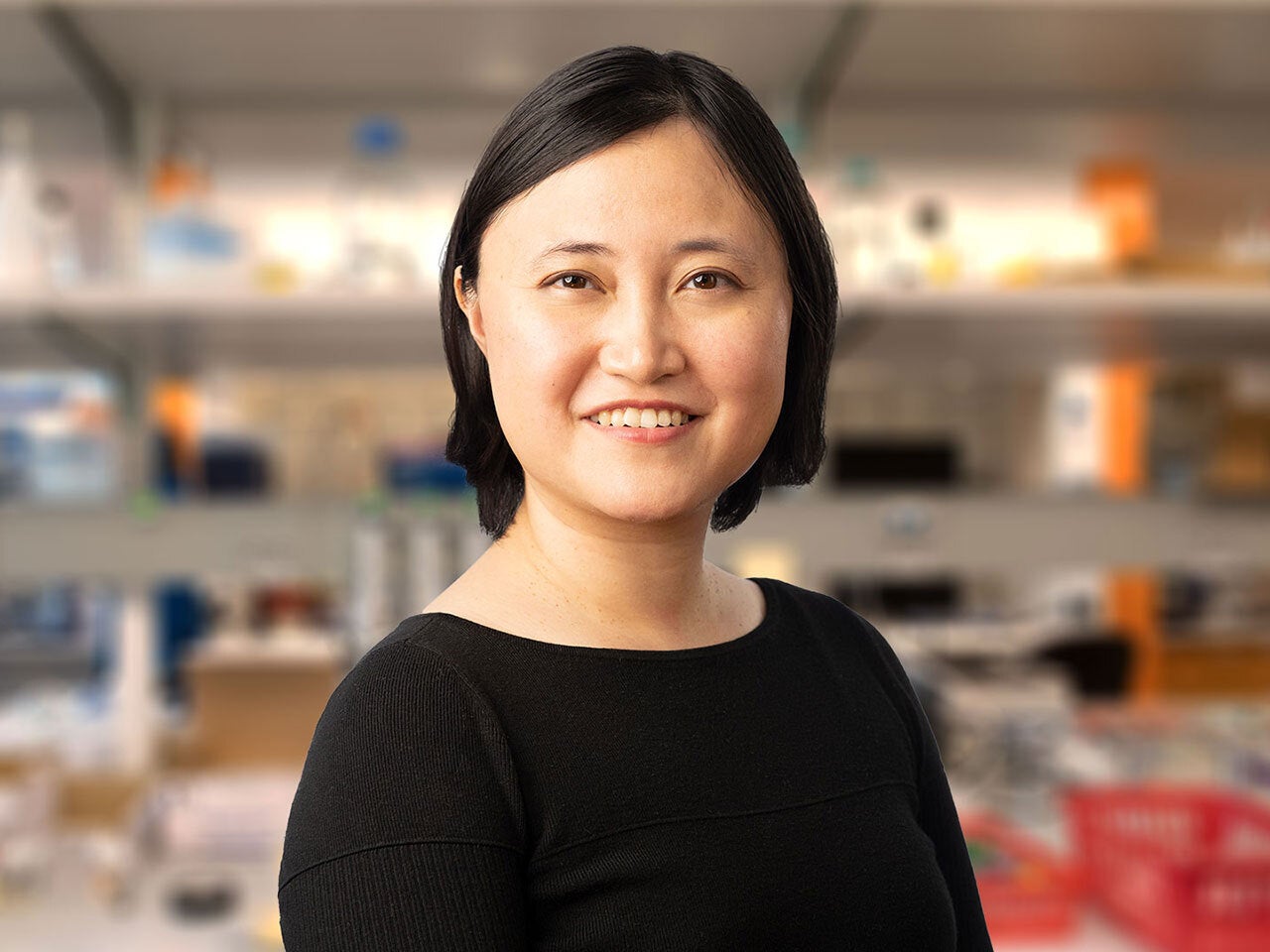
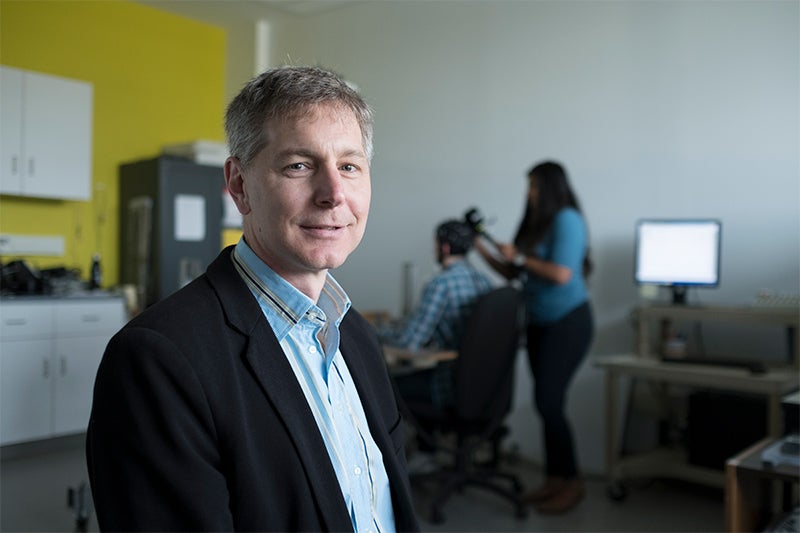
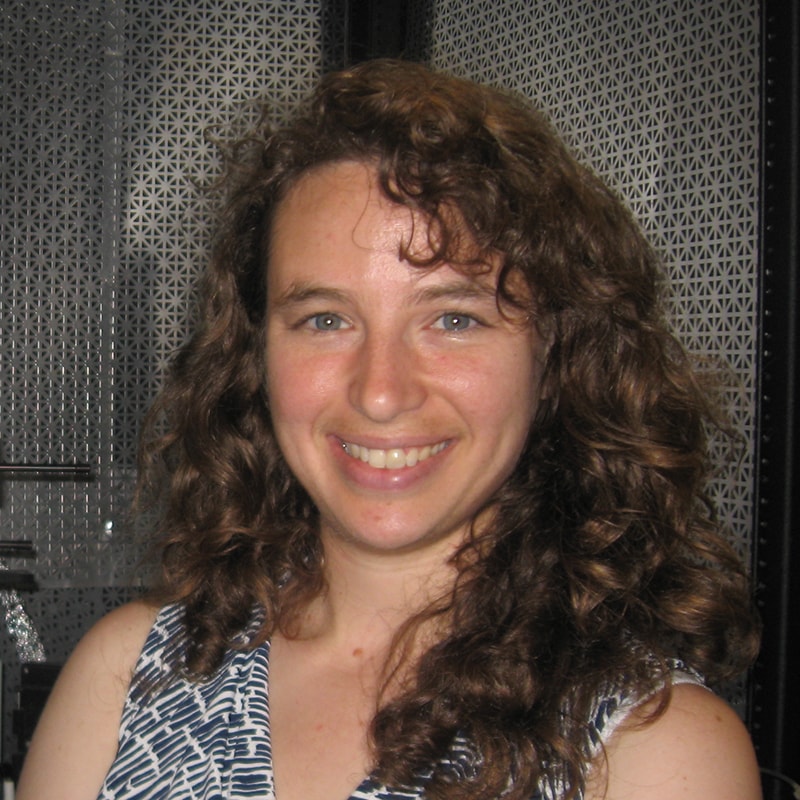
Weei-Chin Lin is a Professor at Baylor College of Medicine , affiliated with the Department of Medicine and cross-appointed to the Department of Molecular & Cellular Biology and Duncan Cancer Center . His research focuses on Cancer Biology , Molecular Biology , and Biochemistry , particularly mechanisms of DNA damage response, oncogenic pathways, and therapeutic targeting. Selected publications highlight work on TopBP1 in cancer, PARP inhibitors , EGFR regulation , and 14-3-3 proteins . Key themes include synthetic lethality , checkpoint control , ubiquitination , and metastasis mechanisms . Scientific awards include NIH grants, NIH BCO Study Section member (2025-2029) Cancer Center pilot awards Leukemia & Lymphoma Society Scholar (2006-2011) His work bridges translational oncology and molecular mechanisms , with clinical implications for chemotherapy resistance and novel cancer therapies .
Helen Hou is an Assistant Professor in Neuroscience at Cold Spring Harbor Laboratory, where she leads research on neural control of facial expressions. Her lab investigates how the brain orchestrates motor control in natural behaviors through brainstem pathways. Research combines electrophysiology, imaging, and computational approaches to study emotion expression conserved across mammals. Current projects examine facial nucleus circuitry and its modulation by emotional states, with implications for affective disorders. Honors include the Helen Hay Whitney Fellowship and NARSAD Young Investigator Award. Public engagement includes collaborations with performing artists exploring science-emotion connections.
Dr. Kavitha Gowrishankar is a Senior Lecturer in Immunology at the University of Sydney's School of Medical Sciences, under the Faculty of Medicine and Health. She is affiliated with the Westmead Institute for Medical Research, Kids Research (The Children's Hospital Westmead), and Sydney Cancer Partners. Her research focuses on adoptive cell therapy, CAR T-cells for cancers like leukemia, lymphoma, multiple myeloma, and pediatric solid tumors (sarcoma, brain cancer), as well as T cell receptor engineering and HIV viral reservoir eradication. She has pioneered the use of piggyBac transposase for T-cell genetic modification and investigated combination therapies targeting melanoma and other malignancies. Academic Background: PhD in Immunology (University of Sydney, 2005–2008) Research Training (Indian Institute of Science, India, 1992–1995) Master of Science in Bio-Medical Genetics (University of Madras, India, 1990–1992) Bachelor of Science in Botany (University of Madras, India, 1987–1990) Schooling in India (1975–1987) Research Interests: Her work bridges basic immunology and translational applications. She explores CAR T-cell engineering for pediatric and adult cancers, particularly targeting the tumor microenvironment and latent HIV reservoirs in CD4 T cells. Key innovations include optimizing transposon tools for CAR insertion and developing strategies to enhance CAR T-cell efficacy against solid tumors. She also investigates epigenetic regulators (e.g., BET/HDAC inhibitors) to combat melanoma resistance mechanisms. Articles Trends: Recent publications emphasize CAR T-cell safety (e.g., lymphoma risks), novel CAR designs (e.g., piggyBat transposase), and combination therapies targeting HIV reservoirs. Her work spans preclinical studies to clinical trials, with a focus on melanoma, myeloma, and pediatric sarcomas. She frequently collaborates on projects involving T-cell receptors and interferon modulation strategies. Awards: APA Scholarship (2005–2008) CSIR Research Fellowship (India, 1992–1995) Gold Medallist in M.Sc. (Bio-Medical Genetics, 1992) Gold Medallist in B.Sc. (Botany, 1990) Advising & Grants: Supervises PhD students in CAR T-cell applications for HIV and pediatric sarcomas. Leads grants including the E2CAR Trial (Phase I clinical trial for EphA2-targeted CAR T-cells in sarcoma), and collaborations targeting dual-specific CAR T-cells for HIV eradication. Her grants reflect a mix of preclinical and clinical translational research. Labs & Teams: Active in the Westmead Institute for Medical Research and Kids Research. Collaborates with the Sydney Cancer Partners consortium, focusing on novel cellular therapies and cross-disciplinary oncology solutions.
Eduardo Navarrete Sanchez is an Associate Professor at the University of Padua, Italy. His research focuses on understanding how language and cognition interact, particularly in areas such as psycholinguistics, bilingualism, and language production. His work integrates experimental psychology, neurolinguistics, and cognitive neuroscience to explore topics like foreign language effects on social judgment, the neural basis of bilingualism, and the role of language in attention and decision-making. Key research interests include: Psycholinguistics Cognitive Science Bilingualism and Multilingualism Neurological Language Disorders Social and Cognitive Effects of Language His recent publications (2023–2025) highlight trends in examining language-accent credibility effects, cross-linguistic decision-making, and neurobiological underpinnings of bilingual language control. He has contributed to advancements in understanding how sociolinguistic factors influence perception and behavior, including studies on foreign language effects on social norms and deception detection mechanisms. Eduardo’s work bridges theoretical models of speech production with clinical applications, such as developing neuropsychological assessment tools for acquired brain injuries. His research often employs methods like pupillometry, electrophysiological recordings, and neuroimaging to study language processing dynamics.
Christopher L. Asplund is an Associate Professor at the National University of Singapore (NUS), affiliated with the Department of Biomedical Engineering and Yale-NUS College. He serves as Head of Studies for Psychology at Yale-NUS and holds courtesy appointments in NUS Psychology, Institute for Digital Medicine (WiSDM), Centre for Sleep and Cognition, and Duke-NUS Neuroscience & Behavioural Disorders program. His research explores attentional control, consciousness, and the neural basis of cognition through behavioral experiments, fMRI, and EEG. Research Focus: Understanding attentional states and their modulation by surprise Investigating individual differences in attention, including ASD/ADHD Exploring surprise's role in learning and pain perception Developing digital therapeutics for cognitive training Examining how consciousness and intelligence emerge from neural networks Methodological Expertise: Behavioral experimentation, functional neuroimaging (fMRI, EEG), eye-tracking, and physiological measures.
Dr Bo Yao is a Senior Lecturer at Lancaster University's Department of Psychology, Fylde College. His research focuses on the cognitive neuroscience of language and inner speech, exploring neural mechanisms underlying inner speech's role in cognition and mental health. He employs methods like EEG, fMRI, eye tracking, and computational modeling. Yao supervises 4 postgraduate students and leads the Language, Inner Speech, and Neuroscience (LISN) Lab. Research Interests: Inner speech's neural basis, auditory verbal hallucinations, embodied cognition, and psycholinguistics. Recent work examines rhythmic foundations of thought and emotional processing in language. His 2025 publications highlight innovations in parafoveal preview benefits and predictive coding frameworks. Publications span cognitive neuroscience, psycholinguistics, and neuroimaging, with a focus on reading comprehension, speech processing, and emotional word analysis. His work bridges phenomenological experience with neural mechanisms, using meta-analyses and experimental paradigms. Advising and Labs: Supervises students in language cognition and inner speech research. The LISN Lab develops interdisciplinary approaches to understand language and consciousness.
W. Richard Staines is a Professor in the Department of Kinesiology at the University of Waterloo, Canada. He leads the Sensorimotor Integration and Neuroadaptive Plasticity (SINAPs) Lab, focusing on understanding how the brain processes and integrates sensory inputs to guide motor behavior, particularly in healthy populations and those recovering from brain injury. His work combines neuroimaging and neurophysiological techniques to study neural mechanisms underlying movement control and adaptation. Education : BSc in Human Kinetics from the University of Guelph PhD in Kinesiology from the University of Guelph Research Interests : His research explores sensorimotor integration, neuroplasticity, and the effects of brain injury on sensory-motor systems. Key areas include the role of aerobic exercise in enhancing neural plasticity, the impact of cannabis use on neurological conditions like multiple sclerosis, and the modulation of somatosensory processing in post-concussion recovery. Dr. Staines also investigates cerebellar contributions to motor adaptation and cortical reorganization post-stroke. Publications : His work spans over 130 peer-reviewed articles, including studies on cannabis abstinence effects, cerebellar modulation of motor activity, and the long-term impacts of concussion. Recent studies highlight the use of neuroimaging to map neural pathways involved in sensory gating and motor learning. Awards & Grants : While no explicit awards are listed, his extensive publication record reflects sustained research excellence. He has secured grants to support projects on neuroplasticity and rehabilitation strategies post-injury. Teaching & Supervision : Dr. Staines teaches courses in human anatomy, clinical neurophysiology, and neuroscience. He supervises graduate students in MSc and PhD programs, offering opportunities in his lab for thesis research, co-op placements, and postdoctoral fellowships. Labs & Teams : His SINAPs Lab collaborates with clinical and academic partners to advance translational research in neurorehabilitation and sensorimotor neuroscience.
Chiara Spironelli is an Associate Professor at the University of Padua, Italy. Her research focuses on cerebral plasticity in neurological patients, language lateralization using EEG, and electrophysiological correlates of emotional processing and visuo-spatial attention. She explores how empathy modulates emotional stimulus processing and investigates brain structural alterations in psychiatric disorders like schizophrenia and major depressive disorder. Her work integrates neuroimaging techniques (fMRI, EEG) to study functional connectivity, particularly between cognitive networks and the cerebellum. Key interests include gender differences in affective processing, the role of posture on brain activity, and the impact of mood induction tasks on neural responses. She has contributed to understanding linguistic reorganization in aphasia and the neurobiological basis of psychopathic traits. Publications emphasize EEG-based analyses of emotional responses, resting-state connectivity, and clinical applications in neuropsychiatric conditions. Her research highlights interdisciplinary approaches bridging cognitive neuroscience, clinical psychology, and neurology.
Dr. Muhammad Shahid Javaid is a postdoctoral research fellow in the Department of Neuroscience at the School of Translational Medicine, Monash University. He completed his PhD from Monash University and has presented his research on national and international platforms. His research focuses on: Development of precision medicines using human stem cell-based in vitro epilepsy models Biological reprogramming of patients' blood cells into stem cells Converting stem cells into brain cells, neurons, and 3D brain organoids Creating personalized 'disease-in-a-dish' models for patients with medically intractable epilepsy Bioinformatics-based computer-aided medicine design His recent publications demonstrate expertise in integrating in vitro human iPSCs-derived neuron and in vivo animal approaches for anti-seizure compound screening, developing human in vitro models of epilepsy using stem cells, conducting molecular docking studies for redox balance regulation in epilepsy, analyzing sex differences in adverse drug reactions from antiseizure medications, and performing in silico analysis of stem cell differentiation mechanisms. His awards include: Gold Medal (2016) Monash Graduate Scholarship (MGS) (2018) Monash International Tuition Scholarship (MITS) (2018) Dr. Javaid has been actively involved in research projects related to patient-specific disease models for Homer1 gene mutations, pre-clinical evaluation of adenosine A1 receptor modulators for drug-resistant epilepsy, intracerebral delivery of Neuropeptide Y for epilepsy treatment, and drug screening using patient-specific iPSCs-derived neurons. He also served as an Authorised Officer and Public Health Officer at the Department of Health (Victoria) from February 2021 to June 2022, demonstrating his commitment to public health applications of his research.
Lou Brundin is a Professor/Senior Physician at Karolinska Institutet , leading the Stemcells and inflammation research group within the Department of Clinical Neuroscience. He holds academic appointments including Head of the Neurology Section since 2011 and has been a Professor since 2008. Education: MD (Karolinska Institutet, 1987), PhD in Sensory Physiology (1991), and postdoctoral training at the University of Sussex (1991–1992). His career includes roles as Vice President of R&D at Karolinska Hospital (2001–2003) and Director of Studies in Neurology since 2004. Research Focus: Neural stem cell biology, neuroinflammation, and multiple sclerosis (MS). His group investigates mechanisms of neural repair through stem cells and inflammatory pathways, aiming to enhance CNS regeneration. Key areas include oligodendrocyte remyelination, nitric oxide effects on neurogenesis, and mesenchymal stem cell therapies. Publications: Over 50 peer-reviewed articles, with recent work on T cell autoantigens in MS, mesenchymal stem cell trials, and neuroinflammatory mechanisms. His research bridges clinical neurology and experimental neuroscience. Awards: 2009 Swedish Society of Neurology's Golden Hammer Teaching Prize for educational excellence. Advising & Leadership: Supervised 5 PhD students and co-supervised 3. Currently mentors 2 PhD students and 3 postdocs. Active in academic governance, including national neurology curriculum boards. Labs/Teams: Leads a 10-member interdisciplinary team combining neurology, neurosurgery, and neurobiology. Collaborates on translational projects like the MESEMS clinical trial for MS therapies.
Dr. Darya Frank is a Royal Society University Research Fellow at the Division of Psychology Communication and Human Neuroscience at the University of Manchester. She leads research into neural mechanisms of memory formation and ageing, using techniques like virtual reality, MRI, and computational modeling. Her work contributes to UN Sustainable Development Goals related to education and health. Education: PhD in Neuroscience, University of Manchester (2019) MSc in Cognitive Neuroscience, University College London (2015) External Roles: Marie Curie Research Fellow, Universidad Politécnica de Madrid (2022–2024) Postdoctoral Researcher, Universidad Politécnica de Madrid (2019–2022) Research Interests: Her lab investigates adaptive memory formation , neuromodulation , and memory reactivation . They employ behavioral tasks, neuroimaging, and computational models to study how emotions, surprise, and expectations shape memory processes. Current projects include modeling dopamine's role in brain-state dynamics (funded by a 2025 PhD project). Articles Overview: Recent work explores emotional salience's impact on memory flow (2024), structural brain changes in ageing (2022), and surprise's temporal effects on memory encoding (2022). These studies highlight interdisciplinary approaches linking cognitive psychology with neuroscience. Awards: Royal Society University Research Fellowship (2024) Marie Skłodowska-Curie Individual Fellowship (2022) Grants & Labs: Accepting PhD students (e.g., dopamine neuromodulation project) and planning additional funded positions (Q3 2025). Collaborates with platforms like Dementia@Manchester and Digital Futures to advance translational neuroscience.
Dr. Kiran Soma is a Professor in the Department of Psychology at the University of British Columbia (UBC) and a member of the Djavad Mowafaghian Centre for Brain Health and the Graduate Program in Neuroscience. He investigates how steroid hormones regulate neural circuits, behavior, and immune function, with a focus on neurosteroids and immunosteroids. Education: PhD in Psychology from the University of Washington (2000), BA from Stanford University. Research Interests : Dr. Soma’s work spans behavioural neuroscience , neuroendocrinology , and neuroethology , examining how hormones like glucocorticoids, estrogens, and androgens influence aggression, executive function, and stress responses. His lab employs advanced techniques such as LC-MS/MS for steroid profiling and collaborates with experts in immunology, nutrition, and cancer research. Recent Publications highlight the impact of maternal diet on offspring steroid levels, the role of neurosteroids in aggression and brain function, and mechanisms of glucocorticoid synthesis in immune tissues. His studies often bridge comparative animal models (songbirds, rodents) with human applications , such as stress biomarker development. Scientific Awards : Killam Award for Excellence in Mentoring (2020) APS James McKeen Cattell Fellowship (2017) AAAS Fellow (2015) Killam Faculty Research Prize (2012) Killam Faculty Research Fellowship (2010) Advising & Grants : Dr. Soma has mentored numerous PhD, Master’s, and undergraduate students, including AAAS Fellows and Killam recipients. His research is supported by CIHR , NSERC , CFI , and HHMI , with a focus on cutting-edge infrastructure like the lab’s LC-MS/MS system . Labs & Collaborations : The Soma Laboratory at UBC studies neurosteroids and immunosteroids using multidisciplinary approaches. The lab collaborates with institutions globally, including the University of Rennes and NIH, and provides steroid analysis services via ultrasensitive LC-MS/MS.
Dr. Aryn Gittis is an Associate Professor in the Department of Biological Sciences and Neuroscience Institute at Carnegie Mellon University. Her lab investigates the neural basis of motor control, focusing on basal ganglia circuits in health and disease using optogenetics, electrophysiology, and behavioral assays. Research spans computational neuroscience, motor disorders, and neural circuit dynamics. Her work explores how basal ganglia organization shapes movement, with emphasis on Parkinson's pathophysiology and therapeutic neuromodulation. Research integrates molecular, physiological, and systems-level approaches to decode circuit mechanisms. Recent publications center on deep brain stimulation, Parkinson's disease models, basal ganglia circuitry, and neural oscillations. Trends include therapeutic applications of circuit-specific neuromodulation and computational analysis of motor pathways. Students Advised: Current advisees include Isabella Salas-Allende (MD/PhD), with recent graduates Dr. Mary Cundiff, Dr. Katrina Nguyen, and Dr. Brian Isett contributing to key publications. Laboratory: The Gittis Lab employs optogenetics, electrophysiology, and behavioral methods to study basal ganglia function and develop interventions for movement disorders.
Caroline Runyan is an Associate Professor in the Department of Neuroscience at the University of Pittsburgh, affiliated with the Dietrich School of Arts and Sciences. Her research focuses on understanding the circuit mechanisms controlling information flow between brain regions, particularly how networks filter irrelevant sensory information and integrate inputs with internal brain states. She employs advanced techniques such as two-photon imaging, optogenetics, and genetic labeling in mice performing perceptual tasks. Key areas include state-dependent processing across cortical hierarchies, inhibitory subcircuit control, and neuromodulatory influences on sensory processing. Her work aims to elucidate disruptions in network communication relevant to disorders like schizophrenia and addiction. Education: Ph.D. in Neuroscience from the Massachusetts Institute of Technology (2012). Research Interests: Neuronal circuit dynamics in sensory and association cortices Role of inhibitory interneurons in information processing Neuromodulatory modulation of cortical activity Context-dependent neural signaling Lab Activities: The Runyan Lab is located in Langley Hall and actively investigates experimental approaches to map and manipulate neural circuits. Current projects explore excitatory-inhibitory population dynamics, sensory gating mechanisms, and state-dependent signal transmission. Lab Members: Includes PhD students (Constanza Bassi, Akhil Bandi), postbac researchers (Jordyn Miller, John McCann), and alumni contributors (Christian Potter, Christine Khoury).
J. Tiago Goncalves is an Associate Professor in the Dominick P. Purpura Department of Neuroscience at the Albert Einstein College of Medicine. His research focuses on understanding the circuit physiology of the hippocampus, particularly how environment, aging, and inflammation influence memory and learning. He pioneered in vivo two-photon calcium imaging techniques to study adult neurogenesis in the dentate gyrus (DG), linking neuronal plasticity to cognitive functions. Research Interests: His work examines the role of adult-born neurons in spatial memory encoding, mechanisms underlying age-related cognitive decline, and neuro-immune interactions in hippocampal function. Key areas include: Neuronal development and synaptic plasticity Environmental influences on neurogenesis Microglia and neuro-immune pathways Transcriptional profiling of neural circuits Publications: Recent work highlights improvements in spatial encoding precision by adult neurogenesis and age-related deficits in neural representation accuracy. His lab also developed novel behavioral assays for assessing spatial memory in mice. Advising & Grants: No specific student names or grant details were explicitly listed in the provided text. The lab focuses on collaborative projects involving imaging, molecular biology, and electrophysiology techniques. Labs/Teams: His laboratory employs cutting-edge in vivo imaging and genomics approaches to study hippocampal circuits, with a focus on linking molecular mechanisms to cognitive processes.