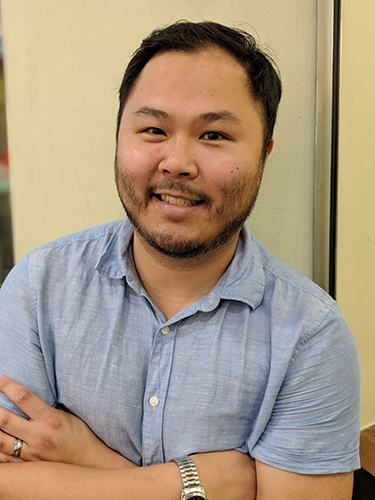
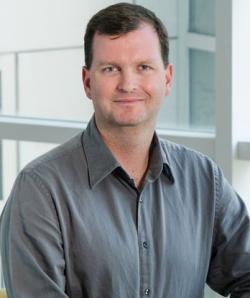
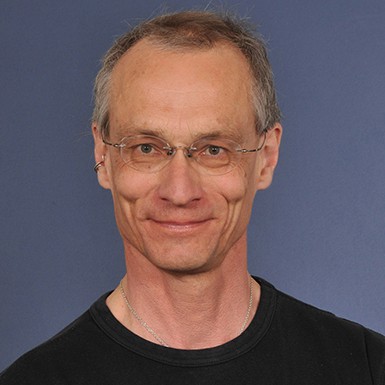
Jed Elison is the Irving B. Harris Professor of Child Development and Distinguished McKnight University Professor at the University of Minnesota’s Institute of Child Development. His research focuses on developmental social neuroscience, structural brain development, and early autism detection. BA in Psychology and English (2005), University of Utah PhD in Psychology (2011), University of North Carolina-Chapel Hill Postdoc in Social Neuroscience (2013), California Institute of Technology Elison’s work examines how attentional orienting drives early cognitive and social development using eye tracking and neuroimaging (MRI, DWI). Key areas include autism , emerging psychopathology , and white matter microstructure . Recent studies model longitudinal trajectories in ASD and explore social-emotional competence. His 2025 articles address infant brain imaging datasets, gesture-vocabulary relationships in autism, and adaptive functioning in corpus callosum agenesis. Collaborative work spans Developmental Science , Pediatrics , and Autism Research . Irving B. Harris Professor of Child Development Distinguished McKnight University Professor Elison advises PhD students in the Cognition and Neurodevelopmental Studies (CNS) Lab, collaborating with Dr. Megan Swanson. The CNS Lab investigates infant brain-behavior associations, particularly in high-risk populations like those with corpus callosum agenesis or congenital CMV . Techniques include MRI , EEG , and behavioral assessments.
Wilson Miller serves as Associate Professor of Radiology and Medical Imaging within the Department of Radiology and Medical Imaging at the University of Virginia School of Medicine. His research bridges advanced medical imaging physics with clinical pulmonary and neurological applications, maintaining active collaborations across radiology, pulmonology, and neurosurgery departments. Dr. Miller's research program centers on two transformative domains: hyperpolarized gas MRI for pulmonary disease characterization and focused ultrasound for neurological interventions. In pulmonary imaging, he pioneers hyperpolarized xenon-129 and helium-3 MRI techniques to map regional lung function in COPD, asthma, and lung transplantation, identifying novel imaging biomarkers for early disease detection and treatment monitoring. His neurological work develops focused ultrasound protocols for blood-brain barrier opening to enhance therapeutic delivery for cerebral cavernous malformations and brain tumors, with recent publications demonstrating lesion regression and improved drug penetration. Analysis of his 2023-2025 publications reveals accelerating integration of molecular techniques with imaging, particularly transcriptomic analysis of rejection in lung transplants and immune response mapping in glioblastoma. His work increasingly emphasizes multimodal assessment combining hyperpolarized gas MRI with histological and molecular validation, while maintaining a secondary research thread in spin-polarized fusion physics for energy applications. Scientific Awards: No specific awards documented in source materials Dr. Miller actively mentors graduate students and postdoctoral researchers within the Medical Imaging PhD program, though individual advisee names were not provided in source texts. His research program likely operates through NIH-funded R01 grants from the National Heart, Lung, and Blood Institute (NHLBI) and National Institute of Neurological Disorders and Stroke (NINDS), supported by collaborative infrastructure from the University of Virginia's Radiology Research Division. His laboratory operates advanced 3T MRI systems with hyperpolarized gas delivery capabilities and preclinical focused ultrasound platforms, collaborating with the UVA Brain Immunology and Glia Center and Lung Repair and Regeneration Consortium. Current projects include developing AI-enhanced analysis of hyperpolarized gas MRI for COPD endotyping and optimizing microbubble parameters for focused ultrasound-mediated drug delivery to brain lesions.
Claudia Buß is a University Professor (W3) at the Institute of Medical Psychology, Charité – Universitätsmedizin Berlin, where she has been serving since 2019. She also holds an Adjunct Professor position in the Department of Pediatrics at the University of California Irvine School of Medicine since 2022, having previously served as Adjunct Associate Professor (2016-2022) and Adjunct Assistant Professor (2013-2016). Additionally, she is a faculty member at both the Berlin School of Mind & Brain and the Einstein Center for Neurosciences in Berlin. Dr. Buß received her psychology education at the University of Trier, Germany, and completed her PhD in Psychobiology at the University of Trier and McGill University in Montreal, Canada in 2006. She conducted postdoctoral research in the Department of Psychiatry and Human Behavior at the University of California Irvine, USA, before becoming an Assistant Professor in the Department of Pediatrics at the same institution from 2010-2012. Professor Buß's research focuses on the pre- and postnatal programming of health and illness across the lifespan, with particular emphasis on brain development. Her work investigates how maternal stress during pregnancy affects fetal development and disease vulnerability, including the intergenerational transmission of early childhood stress and trauma effects. She employs advanced imaging techniques such as MRI and EEG to examine stress effects on the brain and cognitive performance throughout life. Her extensive publication record demonstrates a consistent trajectory in understanding how maternal factors—including cortisol levels, inflammatory markers like IL-6, and childhood trauma history—influence fetal and newborn brain development. These studies frequently connect prenatal exposures to specific brain structures (amygdala, hippocampus, hypothalamus) and subsequent behavioral outcomes in children. Her recent work has expanded to examine multiple simultaneous exposures ("poly-exposures") and their cumulative effects on neurodevelopment. 2017: Elected Member, Academy of Behavioral Medicine Research (ABMR) 2015: Curt Richter Award of the International Society for Psychoneuroendocrinology (ISPNE) for "distinguished early to mid-career scientific contributions at the interface of health-related biological and psychological processes" As a principal investigator, Professor Buß leads research examining the developmental origins of health and disease, with particular focus on how early life experiences shape brain development and long-term health outcomes. Her work bridges basic science and clinical applications, investigating both biological mechanisms (endocrine, inflammatory) and psychological factors that influence the maternal-fetal interface. She collaborates extensively across institutions, as evidenced by her dual appointments in Berlin and California, and her involvement with the Berlin School of Mind & Brain and Einstein Center for Neurosciences. Professor Buß's laboratory utilizes a multidisciplinary approach combining psychological assessment, biological sampling, and advanced neuroimaging to investigate how maternal experiences become biologically embedded and transmitted across generations. Her team employs ecological momentary assessment methods to capture real-time stress experiences during pregnancy, providing a more accurate picture of maternal exposures than retrospective reports.
Sheng Sang is an Assistant Professor in the Department of Engineering Sciences at Bethany Lutheran College. His research lies at the intersection of Mechanical Engineering and Biomedical Engineering, with a strong emphasis on machine learning applications in composite materials and elastic metamaterials. His research interests include: Mechanical & Biomedical Engineering Machine Learning on Composites Elastic Metamaterials and Composites Optimization of Medical Devices Finite Element Modeling and Simulation Dr. Sang's recent publications demonstrate a consistent focus on integrating deep learning techniques with mechanical systems, particularly in predicting composite microstructures, tracking particles in complex systems, and optimizing wave propagation in metamaterials. His work frequently employs 3D CNNs and other neural architectures to solve inverse problems in material science. Scientific awards and recognition include: Dr. Lehtola Fellowship Research Grant ($9,000, PI), 2021–2023 Graco Engineering Lab Development Grant ($60,000), 2020–2022 He has been actively involved in teaching a wide range of engineering courses such as Fluid Mechanics, Solid Mechanics, Thermodynamics, and Computer-Aided Design. His research is supported by external grants, indicating active supervision and project leadership. Dr. Sang has collaborated with researchers across disciplines, including neuroscience and medical imaging, particularly in studies involving deep brain stimulation and fMRI. He is affiliated with research teams working on: Active elastic metamaterials design Machine learning for material characterization Optimization of biomedical devices using swarm intelligence Development of advanced simulation tools for composite systems
Professor Allan Rennie serves as Professor in Manufacturing Engineering at Lancaster University's School of Engineering and holds the administrative position of Associate Dean for Engagement within the Faculty of Science and Technology. With a career spanning over 30 years since initiating work in additive manufacturing during the mid-1990s, he has established himself as a leading figure in industrial applications of advanced manufacturing technologies across diverse sectors. His research expertise centers on Additive Manufacturing , Engineering Design , and Manufacturing Process Optimization , with current specializations including design for additive manufacturing (as co-leader of the UK's EPSRC DfAM Network), industrial digitalisation of manufacturing processes, and innovative tooling development using metallic and hybrid approaches. Rennie has significantly contributed to Engineering Education , particularly examining the integration of business and management principles into engineering curricula and analyzing the impacts of online/hybrid delivery modes on student engagement and graduate employability following the COVID-19 pandemic. Recent publication trends reveal Rennie's dual focus on practical manufacturing applications and scholarly analysis of technological evolution. His 2025 bibliometric study maps a decade of Design for Additive Manufacturing research, while his structural analysis of musical instruments demonstrates cross-disciplinary applications of manufacturing techniques. These works reflect his commitment to both advancing manufacturing technology and documenting its academic trajectory through rigorous analysis. Professor Rennie actively supervises PhD candidates including Jenny Roberts, Eunike Sembiring, and Joe Taylor while leading substantial research projects such as the EPSRC DfAM Network (2020-2023), Automating Design for Additive Manufacture with AI (2023-2024), and multiple Engineers in Business Competitions. His extensive grant portfolio spans industrial digitalization, sustainable manufacturing, and educational innovation, with notable projects including RENDER (powder recycling), TecHnology and EntrepreneUrship Education, and Production Capable Additive Manufacturing of Polymers. Rennie contributes to Lancaster's research ecosystem through affiliations with the Centre for Global Eco-innovation, Energy Lancaster initiative, and the Lancaster Product Development Unit. These platforms enable him to bridge academic research with industrial applications across multiple sectors, particularly supporting his work on sustainable manufacturing practices, technology commercialization, and industry engagement strategies that translate research into real-world impact.
John G Georgiadis is the Interim Chair and R. A. Pritzker Professor of Biomedical Engineering at Illinois Institute of Technology's Armour College of Engineering. He holds affiliations with the Illinois Tech Digital Medical Engineering and Technology (IDMET) Research and Education Center. His academic journey includes a Ph.D. (1987) and M.S. (1984) in Mechanical Engineering from UCLA, and a Diploma in Mechanical Engineering from the National Technical University of Athens (1983). Georgiadis’ research focuses on aging-related changes in the brain and skeletal muscle, leveraging MRI and computational models. Key projects include intramyocellular biotransport, cerebral microvasculature imaging, and multiscale brain mechanics. He has pioneered advancements in magnetic resonance elastography (MRE) for non-invasive tissue stiffness measurement, contributing to clinical applications in neurology and cardiology. His awards include the NSF Presidential Young Investigator Award (1991–1997) and Fellow status in the American Institute for Medical and Biological Engineering. Georgiadis has authored over 150 peer-reviewed publications and holds multiple patents in medical device technology and imaging techniques. His work bridges biomechanical engineering, computational imaging, and clinical diagnostics, with implications for aging populations and chronic disease management. Professional memberships include the Biomedical Engineering Society, IEEE, and AIMBE. His labs focus on translational research, integrating advanced imaging modalities with biomechanical principles to address complex biomedical challenges.
Professor David Bannerman is a leading academic in Behavioral Neuroscience at the University of Oxford's Department of Psychiatry. He heads the Behavioural Neuroscience Unit, focusing on neural mechanisms underlying anxiety, learning, and memory. His research integrates neurophysiological, genetic, and pharmacological approaches to study neuropsychiatric disorders such as Alzheimer’s, schizophrenia, and sleep disturbances. Education: BSc (Hons) and PhD qualifications are listed. His research interests span synaptic plasticity, neurodegenerative processes, and the neurobiology of fear/anxiety. Notable areas include the role of orexin pathways in anxiety, tau protein effects on spatial cognition, and the impact of psychedelics like 5-MeO-DMT on neural states. He also investigates sleep spindles’ role in brain state regulation and the consequences of SSRI discontinuation on serotonergic systems. Recent work emphasizes Alzheimer’s disease mechanisms (e.g., amyloid β’s synaptic effects), schizophrenia models (NMDA receptor dysfunction), and the neuroplasticity linked to working memory training. His lab employs cutting-edge techniques, including optogenetics and in vivo neural recordings, to dissect complex behaviors and circuit-level dysfunction. His publications highlight interdisciplinary approaches, bridging basic neuroscience with translational research. Key themes include: synaptic dysfunction in neurodegeneration, environmental influences on neurobehavioral outcomes (e.g., magnetic fields), and the neurobiological basis of psychiatric symptomatology.
Martin Ostoja-Starzewski , Ph.D. (McGill), is a Professor of Mechanical Science & Engineering at the University of Illinois at Urbana-Champaign , with affiliate appointments at the Beckman Institute and National Center for Supercomputing Applications . His research spans continuum mechanics , stochastic wave propagation , and fractal media , focusing on scaling laws and the statistical-to-representative volume element transition. 2006–Present: Professor, UIUC 2001–2005: Canada Research Chair, McGill University 2023: Rothschild Distinguished Visiting Fellow, University of Cambridge 2022: Member, European Academy of Sciences and Arts 2024: Academia Europaea Foreign Member His work pioneered continuum mechanics with spontaneous second law violations and tensor random fields for stochastic PDEs. He authored four foundational books, including Tensor-Valued Random Fields for Continuum Physics (2019), and edited 16 special issues. Recent 2025–2023 articles explore odd elasticity , fractal thermodynamics , and stochastic wavefronts , bridging non-equilibrium thermodynamics to granular Couette systems . Scientific accolades include the Worcester Reed Warner Medal (2018) and ASME , AAM , SES fellowships. As part-time faculty at Beckman Institute (2008–Present), he integrates bioimaging with mechanics across electrosurgery and traumatic brain injury modeling.
Jonathan Y. Huang, PhD, serves as an Assistant Professor in the Department of Epidemiology at the University of Hawaiʻi at Mānoa, focusing on translating epidemiological research into actionable public health interventions through rigorous quantitative methods. His academic credentials include: PhD in Epidemiology with Certificate in Public Health Genetics from the University of Washington, Seattle MPH in Community-Oriented Public Health Practice from the University of Washington, Seattle BSc in Biochemistry and English Literature from the University of Virginia Dr. Huang’s research examines social and biological determinants of early child health and development, with specific emphasis on environmental contaminant effects, exposome social determinants, placental multi-omic pathways, paternal health influences, and mHealth interventions for expectant couples. His methodological expertise strengthens causal inference in life-course epidemiology. Publication trends reveal consistent contributions to environmental-child health interfaces, with recent work addressing pandemic impacts on children, socioeconomic exposome mapping, and multi-omic mediation analysis across international birth cohorts. He directs competitively funded birth cohort studies across four continents and holds editorial positions at the International Journal of Epidemiology (Associate Editor) and Fertility & Sterility (Methodological Editor), reflecting his methodological leadership.
Haipeng Liu is an Assistant Professor in the Centre for Intelligent Healthcare at Coventry University. His research focuses on cardiovascular system modeling, biosignal processing, wearable nanosensors, and AI-driven diagnostics. He has supervised over 100 research outputs and holds editorial roles in journals like Frontiers in Physiology and Electronics . His work bridges clinical needs with technological innovation, particularly in healthcare technology and cardiovascular diagnostics. Research Interests: Computational modeling of cardiovascular systems, AI-enhanced diagnostics, wearable sensors, and medical imaging. Key Awards: British Heart Foundation Travel Award (2019), First Prize in National Mathematics Competition (2011). Collaborations: Active in global research networks, including the World Stroke Organization. His recent work emphasizes machine learning applications in cardiology and stroke diagnostics, with publications in Physics of Fluids , European Journal of Radiology , and Frontiers in Genetics . He is a sought-after advisor for PhD students exploring healthcare technology.
Dr. Chris A. Flask is a Professor at the Case Western Reserve University School of Medicine, with joint appointments in Radiology, Pediatrics, and Biomedical Engineering. He serves as Co-Director of the Imaging Research Core and Associate Director of the Medical Scientist Training Program, while also contributing to the Cancer Imaging Program at the Case Comprehensive Cancer Center. Research Focus Quantitative Magnetic Resonance Imaging (MRI) MRI Physics and Pulse Sequence Design Lung Imaging in Cystic Fibrosis Kidney Imaging in Polycystic Kidney Disease, Sickle Cell Disease, and Diabetic Nephropathy Liver Imaging for Inflammation and Fibrosis Scientific Recognition Distinguished Investigator Award 2023 from The Academy for Radiology and Biomedical Imaging Research Reviewer with Distinction for Magnetic Resonance in Medicine Semi-Finalist for ISMRM Young Investigator Award 2013 His recent publications focus on pH-responsive imaging agents, MR fingerprinting techniques, and applications in pediatric and adult diseases. Dr. Flask's work bridges technical MRI innovation with clinical translation across multiple organ systems.
Dr. Xi Chen is an Assistant Professor in the Department of Integrative Neuroscience at Stony Brook University. He holds a Ph.D. from the University of Texas at Dallas (2019). His research focuses on cognitive aging, Alzheimer’s disease (AD) biomarkers, and the interplay between brain structure/function and cognitive decline. Dr. Chen employs multi-modal neuroimaging techniques (e.g., MRI, PET) to investigate neural mechanisms underlying age-related cognitive changes and AD progression. His work emphasizes early detection of AD pathology and resilience factors in aging populations. Education: Ph.D., University of Texas at Dallas, 2019 Research Interests: Dr. Chen explores individual differences in cognitive aging, AD biomarkers, and successful aging through multi-modal approaches. Key topics include amyloid and tau pathology’s impact on memory and brain function, socioeconomic disparities in cognitive health, and the role of prior knowledge in memory retention. His lab uses advanced imaging techniques to identify early biomarkers for interventions targeting neurodegenerative diseases. Publications Trends: Recent studies highlight the lab’s focus on tau pathology’s role in cognitive decline, functional MRI correlates of memory in aging populations, and the predictive value of biomarkers like plasma p-tau217 for AD progression. These works underscore the lab’s commitment to bridging basic neuroscience and clinical applications for early AD detection. Lab & Collaborations: Dr. Chen leads the Cognitive Health and Neurodegeneration Lab, which integrates quantitative modeling, neuroimaging, and clinical data to advance understanding of aging and AD. Collaborative efforts include studies on metacognition, cortical thickness, and tauopathy’s effects on cognition.
Prof. Michael N. Smolka is a Professor in the Department of Psychiatry and Psychotherapy, focusing on neuro-cognitive mechanisms underlying addictive behaviors. His research employs longitudinal approaches to study addiction development, maintenance, and recovery, integrating computational modeling of behavior with functional MRI to map brain systems. Key areas include executive functions, decision-making, learning, and motivation. He contributes to research consortia such as SFB 940 and TRR 265. Research interests emphasize brain-behavior interactions in mental health, with studies on genetic risk factors, environmental influences, and neuroimaging correlates of psychiatric disorders. His work bridges clinical psychiatry with cutting-edge computational methods, aiming to develop diagnostic tools and personalized interventions. Recent studies explore machine learning applications for predicting substance use disorders and eating disorders, alongside investigations into developmental trajectories of brain morphology and cognitive control mechanisms. Publications highlight interdisciplinary approaches, linking genetic, environmental, and neurobiological factors to addictive behaviors and mental health outcomes. His contributions to frameworks like brain-derived nosology and diathesis-stress models reflect his commitment to advancing translational research in psychiatry.
Stephen Cheung is a Senior Lecturer at the School of Economics, The University of Sydney, with affiliations to the Brain and Mind Centre. He serves on the Editorial Board of the Journal of Economic Psychology Deputy Chair of the University's Human Research Ethics Committee Research Fellow at IZA Institute of Labor Economics (since 2008) Research Fellow at the ARC Centre of Excellence for Children and Families over the Life Course (since 2015) His research focuses on Experimental Economics and Economic Psychology , particularly Decision-making under risk and time Reference-dependent preferences Team behavior in markets Behavioral interventions in financial decisions From his experimental studies , key trends emerge in Portfolio framing effects Conditional cooperation mechanisms Present bias across reward domains Market expectation formation Scientific recognition includes Two Australian Research Council Discovery Grants Teaching Excellence Awards from two University faculties Fellow of the Higher Education Academy His experimental methodology combines lab experiments with meta-analytic approaches, particularly evident in his analyses of quasi-hyperbolic discounting and disposition effect experiments. Collaborative work spans interdisciplinary teams in behavioral economics and market experiments.
Henrik Jeldtoft Jensen is a Professor of Mathematical Physics and leads the Centre for Complexity Science at Imperial College London. His work spans multiple disciplines, focusing on the statistical mechanics of complex systems, with applications in physics, biology, neuroscience, and finance. Professor, Mathematical Physics Leader, Centre for Complexity Science Institution: Imperial College London His research interests lie at the intersection of theoretical physics and complex systems. He is best known for developing the Tangled Nature Model of evolving ecosystems, which has been extended into financial modeling through the Tangled Finance approach. His work in brain dynamics involves analyzing fMRI and EEG data using tools from statistical physics. He has made significant contributions to self-organized criticality and stochastic dynamics of complex systems, particularly in condensed matter and evolutionary contexts. The recent publications reflect a strong trend toward interdisciplinary complexity science, integrating concepts from physics, biology, economics, and neuroscience. Keywords across these works include complexity, statistical mechanics, dynamical systems, and network theory, with subfields ranging from neural avalanches to financial instability and biodiversity modeling. Henrik Jensen is the author of two influential books: Self-Organized Criticality and Stochastic Dynamics of Complex Systems (with Paolo Sibani), which have been widely cited across disciplines. He has supervised numerous PhD and postdoctoral researchers through the Centre for Complexity Science, though specific names are not listed. His research has been supported by grants from UK research councils and international collaborations, particularly in interdisciplinary complexity projects. He is affiliated with the Centre for Complexity Science, a multidisciplinary research hub at Imperial College London that brings together physicists, mathematicians, biologists, and social scientists to study complex adaptive systems.