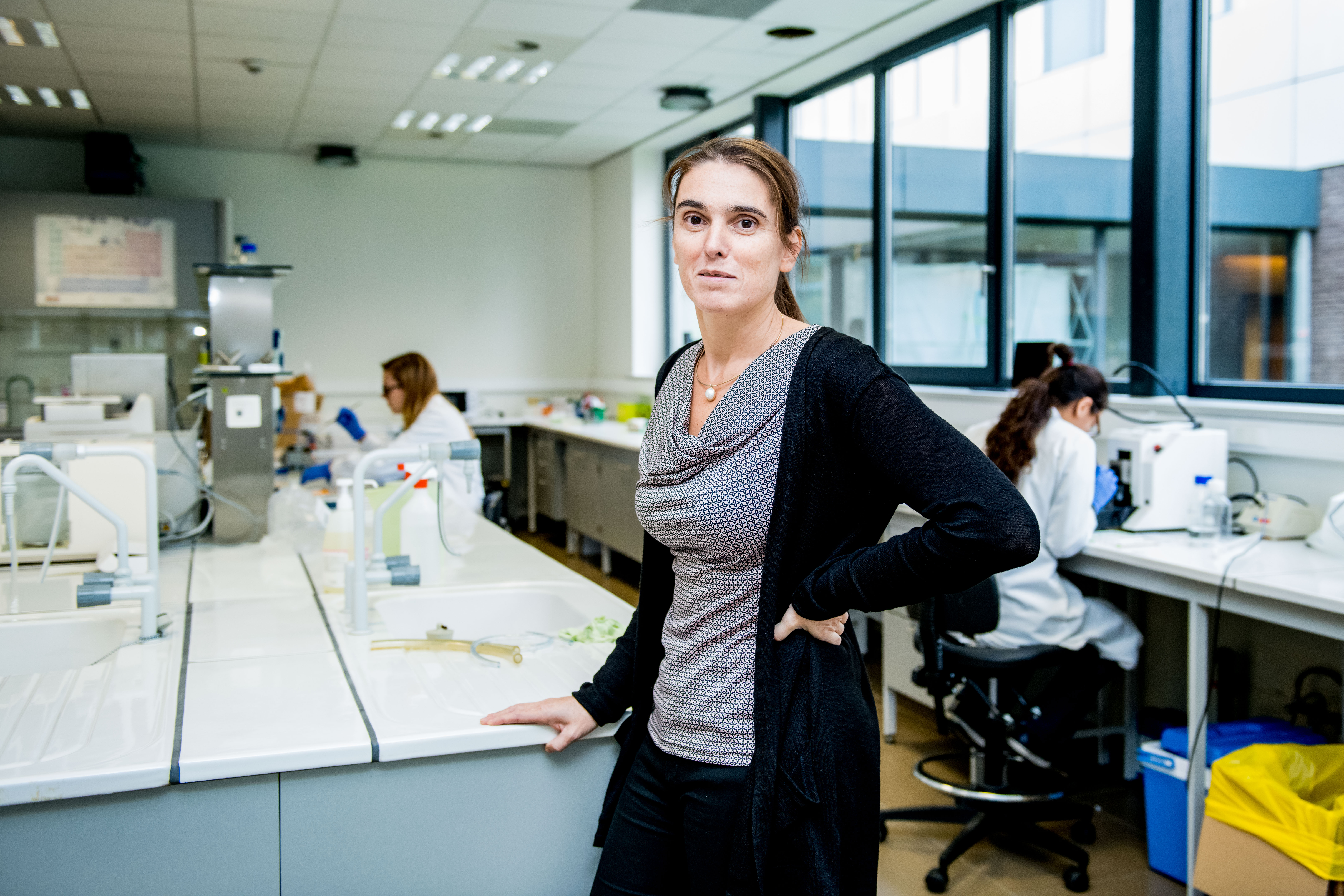
Prof. Marcy Zenobi-Wong is a Full Professor at ETH Zurich's Department of Health Sciences and Technology, specializing in biofabrication and tissue engineering. Her research focuses on cartilage regeneration using advanced biomaterials, including nanofilm coatings and 3D printing techniques. She holds patents in tissue engineering and has pioneered methods like filamented light (FLight) biofabrication for creating anisotropic tissues. Her academic journey includes a B.Sc. from MIT (1985), M.Sc. and Ph.D. from Stanford (1987, 1990), followed by postdoctoral work at the University of Michigan. She leads the Biofabrication Group at ETH, developing therapies for joint repair and regenerative medicine. Courses taught include Biomedical Engineering and Materials and Mechanics in Medicine . Research highlights include engineered hydrogels for cartilage protection, CRISPR-driven gene editing in chondrocytes, and biohybrid neural interfaces. Her work bridges material science, cell biology, and clinical applications, with a focus on translational medicine. Collaborative projects involve creating elastic cartilage grafts for microtia reconstruction and volumetric printing of complex tissue constructs.
Prof. Dr. Kenan Aycan is a Professor of Anatomy at Ahi Evran University's Faculty of Medicine, Department of Basic Medical Sciences, where he has served since 2019. He also holds the position of Department Head since 2020. Previously, he worked at Erciyes University as a School Director from 2011-2016. His academic career spans over four decades with significant contributions to anatomical sciences. Dr. Aycan earned his PhD in Basic Medical Sciences from Ege University's Faculty of Medicine (1983-1986) following his Bachelor's degree in Science from Ege University's Faculty of Science (1970-1975). He also holds a Certificate of Use of Experimental Animals from Erciyes University (2008). His research focuses on anatomical morphology, vascular structures, and developmental processes. Dr. Aycan has pioneered anatomical techniques including the 'Aycan's method' for corrosion preparations. His work spans comparative anatomy across various species, morphometric analyses of anatomical structures, and investigations into teratogenic effects and protective agents. He has extensively studied the foramen magnum using golden ratio principles, vascular anatomy of reproductive organs in ruminants, and auditory ossicles in sheep. Analysis of his recent publications (2021-2025) reveals consistent focus on anatomical methodology development, morphometric studies of key anatomical structures, vascular anatomy investigations, and research on developmental processes and teratology. His work often employs plastic injection and corrosion techniques, CT imaging, and comparative approaches across human and animal models. Dr. Aycan has mentored numerous graduate students, serving as primary advisor for over 20 Master's and PhD theses covering diverse anatomical topics from vascular variations to developmental studies. His collaborative network includes researchers like Tufan Ulcay, Burcu Kamaşak, and others across Turkish institutions.
Hyunghoon Cho is an Assistant Professor at Yale School of Medicine in the Department of Biomedical Informatics & Data Science, with a secondary appointment in the Department of Computer Science. He received his PhD in Electrical Engineering and Computer Science from MIT (2019) and MS/BS in Computer Science from Stanford University (2013). His research focuses on computational challenges in biomedical data privacy, single-cell genomics, and network biology. Assistant Professor (Primary): Biomedical Informatics & Data Science Assistant Professor (Secondary): Computer Science Appointments: Yale School of Medicine | Broad Institute (Schmidt Fellow) Research Themes: Privacy-Enhancing Technologies for genomic and health data Scalable AI/ML tools for omics data analysis Structured biological modeling for system-level discovery His work includes secure GWAS, transcriptomic privacy assessment, and sfkit - a federated genomic analysis toolkit. He received the NIH Director's Early Independence Award and leads NSF-funded projects on confidential genome analytics. Awards: NIH Director's Early Independence Award Lab Members: Haris Smajlović (Postdoc), Vincent Angelo (CBB MS), Denis Loginov (Senior Software Engineer), Lucy Zheng (CBB PhD)
Carina Mallard is Professor of Experimental Perinatal Brain Injury Research and Pro-Vice-Chancellor at the University of Gothenburg since July 2023, where she oversees research infrastructure and chairs the Research Board. She previously served as Deputy Vice-Chancellor (2021–2023) and Head of Core Facilities (2018–2021). Her academic career began with a Physiology degree from Lund University and a PhD in Pediatrics at the University of Auckland (1995), followed by a professorship appointment in 2006. Her research focuses on perinatal brain injury , particularly in premature infants , investigating neuroinflammatory mechanisms maternal dietary interventions neurovascular unit dynamics microglia activation long-term consequences of maternal obesity . Recent publications highlight her work on neonatal rodent models , transcriptomic profiling , and anti-inflammatory therapies . Key themes include RNA degradation , mitochondrial protection , and immune-neurovascular interactions . She has supervised 20 doctoral students since 2004 and collaborates internationally with institutions like King's College London. Contact details include two institutional emails and physical addresses across Gothenburg's biomedical campuses. Her leadership roles span research strategy, doctoral education, and EU-level scientific initiatives.
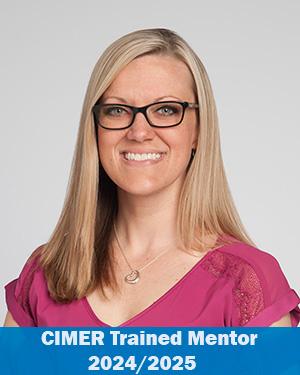
Jessica Williams, PhD is an Assistant Professor in the Department of Neurosciences at the Cleveland Clinic Lerner Research Institute (LRI) with additional faculty appointments at Case Western Reserve University, Kent State University, and Cleveland State University. She serves as the Cleveland Clinic liaison for Kent State University and represents the Clinic on the Executive Council for the Brain Health Institute and the Biomedical Sciences Graduate Program Executive Committee. Education: Postdoctoral Fellowship in Neuroimmunology, Washington University School of Medicine (2017) Ph.D. in Immunology, The Ohio State University (2011) M.S. in Physiology, Purdue University (2006) B.S. in Biology/Chemistry, Lindenwood University (2004) Dr. Williams' research focuses on neuroimmune interactions during multiple sclerosis, particularly examining regional responses of CNS glia to immune stimuli and astrocyte-immune crosstalk. Her lab employs murine MS models, primary human and murine cell analyses, and MS patient lesion assessment to investigate cytokine-mediated neuroprotection and CNS repair mechanisms. Recent work highlights protective astrocyte functions mediated by traditionally deleterious cytokines. Analysis of her 15 most recent publications reveals consistent focus on neuroimmune crosstalk in MS, with increasing emphasis on astrocyte heterogeneity, cytokine signaling (particularly IFNγ), and novel therapeutic targets like immunoproteasomes. Key themes include regional CNS differences in immune responses, glial cell repair mechanisms, and translating basic findings into potential MS therapies. Scientific Awards: Lerner Research Institute Excellence in Education Award (2022) Mentor of the Year Award (2023) Dr. Williams actively mentors the next generation of scientists as evidenced by her CIMER Trained Mentor certification and the graduation of PhD student Brandon Smith. Her research is supported by significant funding from the NIH, National MS Society, W.M. Keck Foundation, Brain Health Research Institute, and Neurological and Vision Impact Area. She regularly serves on study sections for the NIH, National MS Society, and Department of Defense. The Williams Laboratory investigates the interplay between immune and central nervous systems during MS, with current projects examining cytokine-mediated neuroimmune crosstalk for CNS repair and regionally distinct glial responses to inflammation. The lab employs advanced techniques including murine MS models and primary human cell analyses to identify novel therapeutic pathways for MS patients.
Professor Guy Williams is a leading academic at the University of Cambridge with a focus on imaging science and clinical neurosciences, affiliated with Downing College and the Wolfson Brain Imaging Centre . Holding a PhD in Physics from his initial Natural Sciences degree, he specializes in nuclear magnetic resonance (NMR) and MRI techniques for brain imaging. Education: BA, PhD in Physics His research centers on non-invasive imaging of brain structure and function, particularly in traumatic brain injury (TBI) and dementia. His work involves developing novel MRI pulse sequences and advanced data analysis algorithms, including AI-based diagnostic tools. He leads studies on white matter integrity post-trauma, longitudinal dementia assessment, and applications of MRI in disorders of consciousness and addiction. Recent publications highlight collaborations in traumatic brain injury outcomes, AI-guided dementia prediction, and neuroimaging of post-COVID cognitive deficits. His team's work on ultra-high field laminar fMRI and distortion correction methods has advanced clinical neuroscience applications. Key techniques include diffusion tensor imaging (DTI), 7 Tesla MRI, and positron emission tomography (PET/MR). His research spans from basic NMR physics to clinical translation, with a strong emphasis on multi-site studies and real-world diagnostic implementation.
Zion Zibly, MD, MBA is an Associate Professor in the Department of Neurosurgery at Yale School of Medicine . He holds multiple leadership roles including Director of the Center of Neuromodulation , Director of the Center of Neurosurgical Cancer Pain , and Head of Stereotactic & Functional Neurosurgery and the Focused Ultrasound Institute . Previously served as Chair of Neurosurgery at Sheba Medical Center after graduating from Technion’s Faculty of Medicine (MD) and Coller School of Management (MBA). Research Interests: Specializes in Neuromodulation for movement disorders (Parkinson’s, tremors, dystonia), Deep Brain Stimulation , Gene Therapy for pediatric neurodegenerative conditions, Oncological Neurosurgery , and Neurological Pain Management . Combines Functional Neurosurgery with Focused Ultrasound technology. Scientific Contributions: Participated in pioneering Alzheimer’s brain stimulator procedures and Gene Therapy applications. Active member of the North American Association of Functional Neurosurgery and Israeli Neurosurgical Society . Clinical Expertise: Implantation of electrostimulators for Parkinson’s and essential tremor, treatment of Benign/Malignant CNS Tumors , and management of Neurological Pain Conditions . Affiliated with Yale Cancer Center and Center for Brain & Mind Health .
Professor Hanadi Sleiman is a renowned academic in the Department of Chemistry at McGill University, specializing in DNA-based nanomaterials and their applications in drug delivery and supramolecular chemistry. She holds leadership roles, including Director of the NSERC CREATE training program in Nucleic Acids and President of the International DNA Nanotechnology Society (ISNSCE). Her research focuses on engineering DNA nanostructures for targeted therapies, such as cancer treatments, and advancing materials chemistry through DNA-functionalized systems. Education: Ph.D. in Chemistry, Stanford University (1990) Postdoctoral Fellow, University of Louis Pasteur (1993) Research Interests: Professor Sleiman’s work combines synthetic chemistry with DNA self-assembly to create programmable materials. Her lab designs DNA cages for drug encapsulation, explores DNA-minimal approaches to scalable materials, and integrates DNA with nanoparticles, polymers, and metals for biomedical applications. Key areas include cancer therapy, biosensors, and enzyme mimics. Awards & Honors: Fellow of the Royal Society of Canada (2017) Killam Research Fellowship (2018) R. U. Lemieux Award in Organic Chemistry (2018) William Dawson Scholar Award (2004–2012) Grants & Collaborations: She directs the NSERC CREATE program and collaborates with institutions like the Quebec Centre for Advanced Materials (QCAM) and the McGill Centre for Structural Biology (CRBS). Her training initiatives emphasize nucleic acid therapeutics and diagnostics. Labs & Teams: Her Sleiman Group at McGill develops innovative DNA architectures in the Otto Maass laboratory, with a focus on translational research for clinical applications.
Prof. Ilse Dewachter is the head of the Biomed Neuroscience research group at Hasselt University (UHasselt), specializing in Alzheimer’s therapy and prevention for over 25 years. Her work focuses on multi-targeted therapies targeting tau, inflammation, and ApoE, alongside pioneering research into disease prevention via blood-based biomarkers. Recent studies explore a protective APOE3ch mutation that halted Alzheimer’s progression in a patient, offering hope for new treatments. Research Interests: - Alzheimer’s disease mechanisms (Abeta, tau, inflammation) - Multi-target therapies and biomarker development - Neurodegenerative disease prevention strategies - Genetic mutations impacting disease progression Articles Overview: Her most recent work (2025-2022) addresses neuroinflammation, tau propagation models, and AI-driven neuroimaging. Key themes include APOE genetics, blood-brain barrier dynamics, and exercise impacts on cognition. Funding & Grants: Current projects require significant investment for advanced biomarker equipment and clinical trials. A notable €300,000 grant funded research on brain lipid metabolism’s role in Alzheimer’s. Labs & Teams: Leads the BIOMED Neuroscience group at UHasselt, collaborating internationally on preclinical models and drug development.
Ka I Ip is an Assistant Professor at the Institute of Child Development , University of Minnesota. As director of the D.A.N.C.E. Lab , Dr. Ip employs multimodal methods including neuroimaging, cortisol assays, and cross-cultural experiments to study emotion regulation and developmental psychopathology. PhD in Developmental Psychology (University of Michigan) Susan Nolen-Hoeksema Postdoctoral Fellow (Yale University) Research focuses on how cultural contexts and early adversity shape emotional development, with particular attention to racial-ethnic minorities and immigrant families . His work applies findings to social policy reform and health equity initiatives. Recent publications analyze neighborhood socioeconomic impacts on brain development , discrimination effects in bilingual adolescents , and cortisol dynamics in immigrant families . Key journals include Biological Psychiatry and Developmental Psychology . APA Editor’s Choice Article (2024) Yale Health Equity Research Finalist (2022) Accepting PhD students for Fall 2026. Collaborates with teams in neuroimaging , cross-cultural research , and pediatric biomarker studies .
Prof. Dr. Silvia Schneider is a distinguished Professor of Clinical Child and Adolescent Psychology at Ruhr University Bochum, where she serves as Director of the Research and Treatment Center for Mental Health (FBZ). She also coordinates the Bochum-Marburg site of the German Center for Mental Health (DZPG). Previously, she held professorial positions at the University of Basel, where she served as Dean of the Psychology Faculty. Her academic career spans over three decades with significant contributions to child and adolescent mental health research. Dr. Schneider earned her doctorate from Philipps-University Marburg in 1992 with highest honors (summa cum laude) for her dissertation on "Psychological Transmission of Panic Syndrome." She completed her habilitation at Technical University Braunschweig in 2002. Her academic qualifications include board certification as a Psychological Psychotherapist (1999) and specialized credentials in behavioral therapy for children and adolescents (1998). Dr. Schneider's research primarily focuses on the etiology, prevention, and treatment of emotional disorders in childhood and adolescence. Her work examines familial transmission of emotional disorders, clinical baby and infant research, and diagnosis of mental disorders across the lifespan. She has pioneered research on anxiety disorders, particularly separation anxiety, and has developed innovative treatment approaches including exposure-based therapies. Her current work increasingly integrates neurobiological perspectives with clinical interventions, examining brain-behavior relationships in anxiety disorders through neuroimaging studies. Her extensive publication record demonstrates a consistent focus on child and adolescent mental health, with recent work expanding into digital interventions, virtual reality therapies, and large-scale multicenter studies examining anxiety disorders from both clinical and neurobiological perspectives. Her research bridges basic science with clinical application, maintaining a strong focus on evidence-based interventions for children and families. Visiting Professor at Anxiety and Depression Research Center, UCLA (2015-2016) Visiting Scholar at Center for the Treatment and Study of Anxiety, University of Pennsylvania (2009-2010) Honorary Professorship at University of Surrey Roehampton (2003-2010) Swiss National Science Foundation Professorship (2003-2006) DFG Habilitation Scholarship (1998-2001) Cassianeum Educational Foundation Dissertation Prize (1994) Dr. Schneider has successfully secured substantial research funding from major German and international funding bodies including the German Research Foundation (DFG), German Federal Ministry of Education and Research (BMBF), and Swiss National Science Foundation. Her current projects include "The Role of Parents in Child Development in the Context of Immigration" (DFG), "Mobile Research Laboratory" (DFG), and "Improving Mental Health in Refugee Families" (BMBF). As Director of the FBZ, she leads a large interdisciplinary team conducting cutting-edge research while providing evidence-based clinical services. As Director of the Research and Treatment Center for Mental Health (FBZ) at Ruhr University Bochum, Dr. Schneider oversees a comprehensive research infrastructure supporting studies from basic developmental science to clinical interventions. The FBZ serves as a hub for interdisciplinary collaboration across psychology, psychiatry, and neuroscience, with particular strengths in anxiety disorders research, early intervention, and innovative treatment approaches including digital health solutions.
Markus Friedrich is a Professor in the Department of Biological Sciences at Wayne State University, affiliated with the College of Liberal Arts and Sciences. His research focuses on insect development, gene family evolution, and arthropod visual systems, with a particular interest in cave-adapted species. He has held roles including Editor-in-Chief of the Molecular Biology and Genomics Section for the journal Insects and advised on the Australian Research Council project DP230100731 (2023-2024). Education: PhD in Zoology from Ludwig-Maximilians-Universität München (1995), postdoctoral training at Caltech (1996–1999). His research interests span comparative genomics, evolutionary developmental biology, and the genetic basis of sensory adaptations. Notable work includes studies on opsin gene evolution, cave animal adaptations, and the genomic basis of arthropod diversification. Recent publications highlight discoveries in harvestmen relict eyes, horseshoe crab Pax6 homologs, and cave beetle sleep behavior. Teaching includes courses like BIO4220 Biological Dimensions of Evolutionary Psychology and BIO1500 Basic Life Diversity . He has supervised numerous students and volunteers, fostering a dynamic research lab environment. His work integrates genomic, developmental, and evolutionary approaches to unravel mechanisms of trait evolution in insects. Grants/Awards: Australian Research Council funding, editorial leadership in entomology journals. Labs/Teams: The Friedrich Lab focuses on evolutionary genetics, with projects involving Tribolium beetles, cave organisms, and comparative genomics.
Sonia Mayoral is the Robert J. and Nancy D. Carney Assistant Professor of Neuroscience at Brown University. Her research focuses on studying cell-cell interactions in the brain, particularly the development and function of oligodendrocytes – glial cells critical for myelin formation. She explores how these cells contribute to myelination, remyelination processes, and their roles in neurological disorders like multiple sclerosis. Her work integrates cellular neuroscience, immunology, and drug screening methodologies. Research interests include glial cell biology, neuron-glial interactions, and the molecular mechanisms governing myelin repair. She investigates how environmental cues and signaling pathways regulate oligodendrocyte differentiation and function. Notable projects involve developing high-throughput screening platforms for MS therapeutics and studying sex-specific responses to neurodegenerative challenges. Her lab’s recent work includes clinical trials (Re-WRAP) evaluating Bazedoxifene for remyelination in women, and fundamental studies on regulatory T cell roles in myelin regeneration. She also examines how mechanical stimulation and epigenetic changes influence oligodendrocyte behavior. Her research bridges basic science and translational efforts, aiming to advance treatments for myelin-related disorders. Dr. Mayoral’s lab is active at Brown University, with a dedicated website detailing ongoing projects and collaborations. While no specific grants or students are listed here, her work reflects a strong focus on interdisciplinary approaches to neurodegenerative disease mechanisms.
Miler T. Lee is an Associate Professor at the University of Pittsburgh , focusing on gene regulation during early embryonic development through high-throughput experimental and computational genomics. He earned his Ph.D. in Genomics and Computational Biology in 2009 from the University of Pennsylvania under Dr. Junhyong Kim, followed by postdoctoral work with Dr. Antonio Giraldez at Yale University. Joining the university in 2016, his research spans maternal-to-zygotic transition (MZT), RNA stability, pluripotency networks, and evolutionary developmental biology, utilizing model organisms like zebrafish, Xenopus, and Hydractinia symbiolongicarpus. Key Research Themes: Maternally inherited RNA dynamics during embryogenesis Mechanisms of RNA degradation and transcriptome remodeling Evolution of pluripotency networks in hybrid species Role of zinc signaling in fertilization barriers Computational tools for RNA regulation and sensing Scientific Awards: Pan-American Society for Evolutionary Developmental Biology Junior Faculty Award (2024) Outstanding New Investigator – International Xenopus Board (2023) Basil O'Connor Scholar – March of Dimes (2017-2019) Recent publications highlight his work on enhancer classification, RNA degradation mechanisms, and cross-species MZT comparisons. His lab develops innovative methods like RESA for regulatory sequence analysis and studies evolutionary divergence in RNA localization patterns. While the articles span computational and experimental approaches, they consistently address RNA's role in cellular identity, developmental timing, and evolutionary adaptation. Applications include understanding pluripotency, designing RNA biosensors, and elucidating fertilization barriers. Prospective Ph.D. students are encouraged to contact him for opportunities in gene regulation, development, evo-devo, and computational genomics.
Gagan Wig is an Associate Professor at the University of Texas at Dallas, School of Behavioral and Brain Sciences, with adjunct appointments in Psychiatry at UT Southwestern Medical Center. He directs the Wig Neuroimaging Lab, focusing on brain network connectivity across lifespan, healthy/pathological aging, and brain health disparities. His research employs structural/functional MRI, DTI, and TMS to study large-scale brain networks and their relationship to memory and attention. Professional preparation includes: Post-doctoral Associate in Neurology, Washington University School of Medicine (2012) Post-doctoral Associate in Psychology, Harvard University (2009) Ph.D. in Cognitive Neuroscience, Dartmouth College (2006) B.S. in Behavioral Neuroscience, University of British Columbia (2001) Research explores how brain networks change during aging and how socioeconomic status moderates these changes. His work reveals that education protects against brain network decline and that participant diversity is crucial for advancing brain aging research. Publications focus on neuroimaging of lifespan changes, Alzheimer's biomarkers, socioeconomic impacts on brain health, and methodological innovations in network analysis. Recent work demonstrates how functional network organization supports cognition despite Alzheimer's pathology and how data quantity affects network segregation measures. Awards include the Understanding Human Cognition Scholar Award from James S. McDonnell Foundation (2006). He has received significant funding including a $2.9M NIH grant studying socioeconomic links to Alzheimer's susceptibility and DARPA support for novel data sonification approaches.