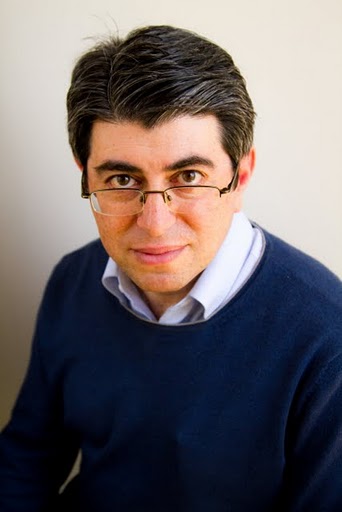
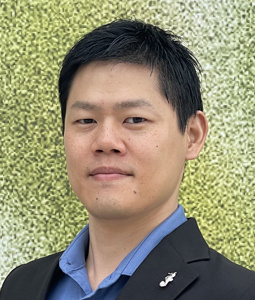
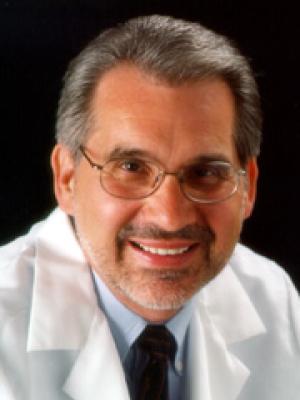
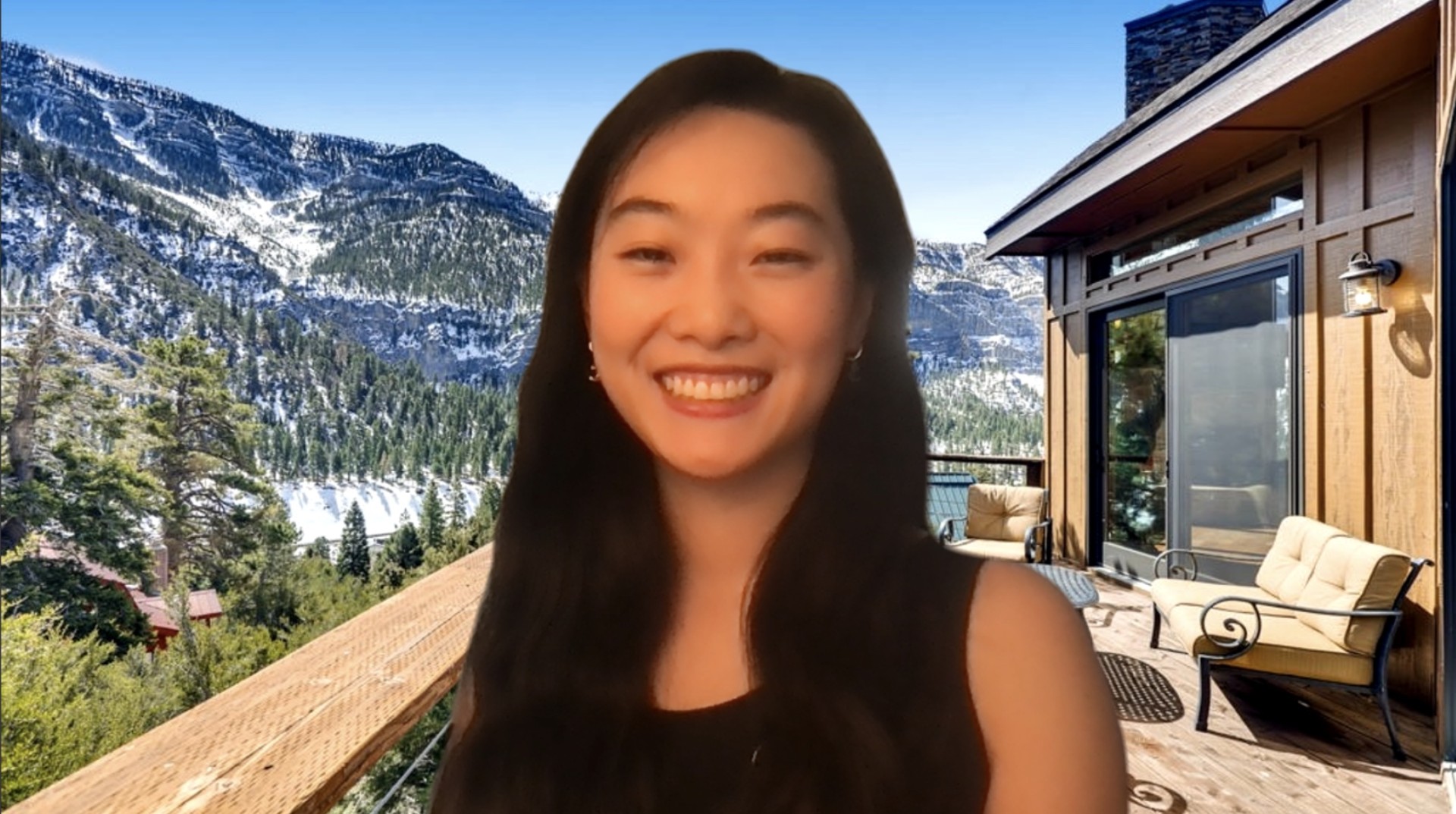
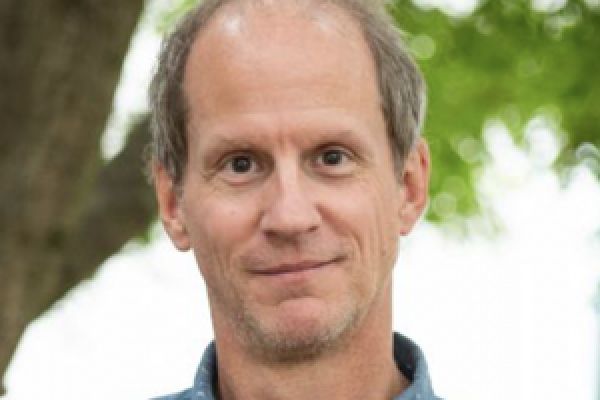
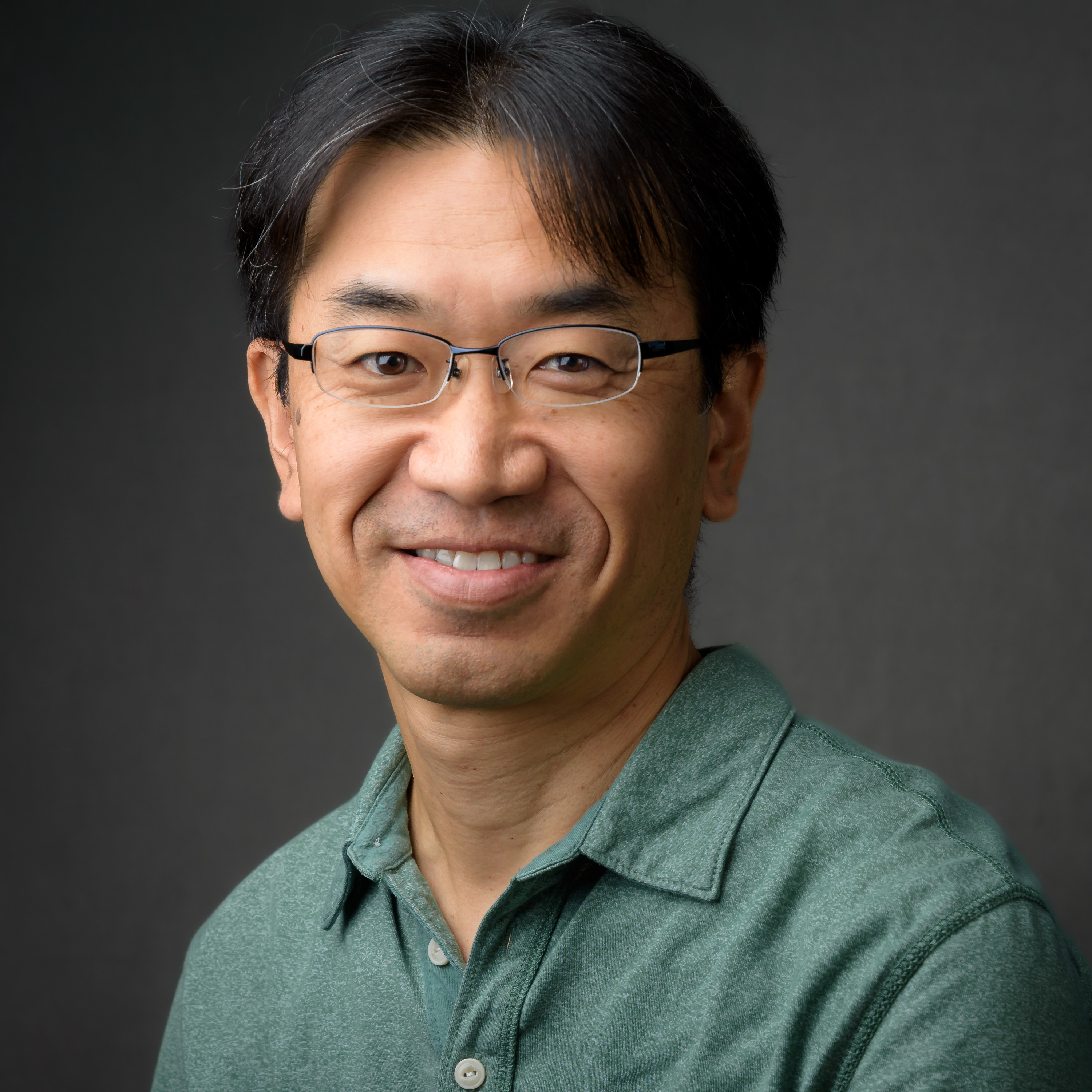
Dr. Emmanuel Stamatakis is a Senior Research Associate at the University of Cambridge, affiliated with the School of Clinical Medicine and the Division of Anaesthesia. He maintains research ties with the Centre for Speech, Language, and the Brain (CSLB) while focusing on neuroimaging, consciousness studies, and traumatic brain injury (TBI) mechanisms. Institution: University of Cambridge Primary Affiliation: School of Clinical Medicine, Division of Anaesthesia Research Affiliation: Centre for Speech, Language, and the Brain (CSLB) Academic Rank: Research Fellow His research spans neuroscience, neuroimaging, and anaesthesia, with particular emphasis on: Consciousness dynamics under pharmacological and pathological conditions Functional and structural brain connectivity in TBI and delirium Neural mechanisms of anaesthetic agents Evolutionary and comparative neuroscience of brain states Long-term outcomes after neurological trauma Neurotechnology applications in clinical settings Recent publications reveal trends in: Quantifying consciousness through functional gradients and harmonic decomposition Linking anaesthesia-induced neural changes to clinical outcomes Exploring genetic and inflammatory factors in TBI recovery Multi-modal imaging approaches to neurological disorders Translational studies bridging animal models and human conditions Methodological advancements in brain network analysis
Wendy Heller is a Professor of Psychology at the University of Illinois at Urbana-Champaign, affiliated with the Cognitive Neuroscience Group at the Beckman Institute (part-time), Gender and Women's Studies, Biomedical and Translational Sciences, and the Institute for Sustainability, Energy, and Environment. She previously served as Director of Clinical Training and Department Head in the Psychology Department, and as Provost Fellow for diversity initiatives. B.A. in Spanish and Psychology with Honors, University of Pennsylvania M.A. and Ph.D. in Biopsychology, University of Chicago Her research focuses on neural mechanisms of emotion-cognition interactions in psychopathology, particularly anxiety and depression. Using fMRI, EEG, and ERP methods, she investigates brain lateralization, network connectivity, and top-down emotional regulation. A pioneer in inclusive science , she integrates equity considerations into psychology research frameworks. The 2010-2025 publications demonstrate sustained contributions to anxiety/depression neuroscience , with recurring themes in executive dysfunction , emotion regulation , neural plasticity , and transdiagnostic models . Her work bridges clinical psychology and cognitive neuroscience through methodological innovations in machine learning applications to neuroimaging. Scientific recognition includes: Larine Y. Cowan Make a Difference Award (2010) Arnold O. Beckman Research Award (2013) Executive Officer Distinguished Leadership Award (2019) PRESIDENT’S EXECUTIVE LEADERSHIP PROGRAM (2019-20) LAS Impact Award (2021) As director of the Cognitive & Affective Neuroscience of Psychopathology (CANOPY) Lab , she leads research on brain mechanisms in mental health, funded by NIMH and NIDA. Her team employs multi-modal approaches combining behavioral tasks, neuroimaging, and clinical assessments.
Lubo Zhang, PhD, is a Professor in the Pharmacology Division at Loma Linda University School of Medicine, serving as Director of the Center for Perinatal Biology. With over 386 publications and 13 NIH-funded projects, his work focuses on hypoxia adaptation, epigenetic programming, and maternal-fetal cardiovascular interactions. Education: PhD in Biology from Iowa State University (1990) Research Interests: Zhang's research investigates hypoxia-induced vascular dysfunction, microRNA regulatory mechanisms in pulmonary hypertension, and epigenetic modifications from prenatal exposures. His team explores calcium signaling pathways in uterine artery adaptation and mitochondrial oxidative stress in pregnancy complications. Recent Publications: 2024-2025 work highlights hypoxia's role in maternal vascular tone, microRNA-210's regulation of mtROS in pulmonary hypertension, and epigenetic consequences of maternal e-cigarette exposure. Key findings connect prenatal nicotine to adult cardiovascular vulnerability and identify TET2 as a critical mediator of hypoxia responses. Awards: Recipient of the Loma Linda University Adventist Health Sciences Center Centennial Vanguard Award (2006) Funding: Research funded by NIH (NICHD, NHLBI), National Science Foundation (MRI acquisition), and institutional grants. Projects include multi-omics approaches to fetal hypoxia adaptation and development of advanced imaging techniques for neonatal brain injury.
Associate Professor Socrates Dokos is Deputy Head of the Graduate School of Biomedical Engineering at UNSW Sydney. His research focuses on computational modeling of electrical and mechanical properties in excitable tissues, with over 160 publications and a sole-authored textbook on Modelling Organs, Tissues, Cells and Devices . He leads interdisciplinary work combining computational modeling, systems identification, and experimental electrophysiology. Current IEEE EMBC Editor for Computational Systems & Synthetic Biology Member of EMBS Technical Committee on Therapeutic Systems and Technologies Key research areas involve Cardiac electrical and mechanical function modeling Retinal neural stimulation simulations Electroconvulsive therapy (ECT) optimization Biomechanical modeling of tissues and devices Parameter optimization for ionic cell models Cardiovascular-rotary blood pump interactions His recent publications demonstrate expertise in multi-scale biological modeling, cardiac hemodynamics, retinal prosthetics, and therapeutic neuromodulation techniques. He actively engages in developing standards for the Modeling Markup Language (MML) framework. Contact: Room 506, Samuels Building (F25), UNSW Sydney. Email: s.dokos@unsw.edu.au . ORCID: 0000-0002-7399-2712
Dr. Elena Antonova is a Senior Lecturer in Psychology at Brunel University London's Department of Life Sciences within the College of Health, Medicine and Life Sciences. She holds a PhD in Cognitive Psychology from King's College London and has held postdoctoral and academic positions at the Institute of Psychiatry, Psychology and Neuroscience (IoPPN) and the University of Hertfordshire. Her research bridges contemplative neuroscience and AI, focusing on mindfulness-based interventions for mental health, neural dynamics in meditation, and applications to schizophrenia and healthy aging. Education: BSc (UCL, 2000), PhD (IoPPN, 2004) Affiliations: Visiting Researcher at IoPPN, Senior Visiting Research Fellow at University of Hertfordshire's Adaptive Systems Research Group Her work integrates neuroimaging (fMRI, EEG), psychophysiology, and computational methods to study mindfulness expertise and its clinical applications. Recent projects include Mindfulness-based Environmental Sustainability (MiBEST) and Using mindfulness to reduce schizophrenia vulnerability , funded by the British Academy and the United States Air Force Office of Scientific Research. Key publications analyze neural substrates of mindfulness, Long-COVID cognitive effects, and AI risk mitigation via neurophenomenology. Her 2024 articles explore brain structure in COVID-19 survivors, sensory processing in meditators, and paranoia reduction in schizotypy populations. Scientific Recognition: Templeton Positive Neuroscience Fellowship (2011-2013) Elected Honorary Research Fellow, Mind and Life Institute (2017) Chair, European Varela Awards Review Panel Public engagement includes BBC documentaries and features on mindfulness neuroscience. She collaborates with Prof. Veena Kumari, Prof. Chrystopher Nehaniv, and institutions like King's College London and University of Hertfordshire.
Yuki Ogawa is an Assistant Professor in the Department of Biological Sciences at the University of South Carolina , affiliated with the College of Arts and Sciences . Her research focuses on the molecular mechanisms governing neuronal structure and connectivity, particularly the role of the axon initial segment (AIS) in synaptic formation and neuropsychiatric disorders like autism spectrum disorders . Her lab employs proteomics , adeno-associated viral vectors , and CRISPR genome editing to study AIS development and synapse maintenance. They also prioritize biochemical tool development to address unresolved neuroscience questions. Key collaborators include Matthew Rasband and Elisa V. de Freitas . Recent publications explore K2P K+ channel clustering , TRIM46 function , and localized gene transfer methods . The lab's work intersects neurobiology , cellular dynamics , and neuroengineered therapies , with implications for neuropsychiatric disease mechanisms. For inquiries, contact her at yuki.ogawa@sc.edu or visit the Ogawa Lab Website .
Dr. Lee S. Berk is the Associate Dean of Research at the School of Allied Health Professions and an Associate Research Professor in the Department of Pathology and Human Anatomy at the School of Medicine , Loma Linda University . His research spans psychoneuroimmunology , focusing on the physiological effects of mirthful laughter , humor , and neuroendocrine responses on stress, immune function, and brain health. Dr. Berk has served on numerous committees, including the Loma Linda University Health Research Oversight Committee and Board of Directors of the American College of Lifestyle Medicine . He has been an Editorial Board Member for the Journal of Physical Therapy and Rehabilitation and Advances in Mind-Body Medicine . His advisory roles include mentoring doctoral candidates Olivia Moses and Micheline Vargas . Over his career, Dr. Berk has been extensively featured in media outlets (e.g., CNN , NPR , Newsweek ) and has contributed to over 150 peer-reviewed publications. His work explores EEG gamma wave modulation , anti-oxidant effects on autism , and exercise interventions for inflammation and metabolic health . Current projects include studies on brain health , type 2 diabetes , and religious cognitive-behavioral therapy outcomes.
Shichun Ling is a Faculty member at the School of Criminal Justice and Criminalistics, California State University, Los Angeles. She holds a Ph.D. in Criminology from the University of Pennsylvania and a B.A. in Psychology and Social Behavior from the University of California – Irvine. Ph.D., Criminology – University of Pennsylvania B.A., Psychology and Social Behavior – University of California, Irvine Her research bridges biopsychosocial, neurocriminology, and developmental criminology to study antisocial behavior, psychopathy, and callous-unemotional traits. She examines autonomic functioning, brain structure/function, and societal perceptions of criminal justice. Recent publications explore resting heart rate interactions with empathy, HPA axis responsivity, and neurointerventions in offenders. Her work has been featured in PBS NOVA and The Future is Fantastic. 17 peer-reviewed articles (11 first-authored) 3 book chapters (2 first-authored) She teaches courses including Biopsychosocial Criminology, Statistics in Criminal Justice, and Theories in Criminal Justice. Office: Room 250, Hertzberg-Davis Forensic Science Center.
John Darrell Van Horn is a Professor at the University of Virginia, holding dual appointments in the School of Data Science and the Department of Psychology . He joined UVA in 2019 and is actively engaged in research and teaching, including mentoring capstone projects in the M.S. in Data Science program and teaching brain mapping with MRI. Education: Ph.D. in Psychology, University of London M.S. in Electrical and Computer Engineering, University of Maryland, College Park B.A. in Psychology, Eastern Washington University Dr. Van Horn's research centers on human neuroimaging and the application of data science to understand brain health and disease. His work integrates high-performance computation , multivariate statistics , network theory , and image processing to extract meaningful patterns and biomarkers from brain imaging data. He is a strong advocate for FAIR data principles and open science , promoting transparency and reproducibility in neuroscience research. His publications span top journals including Science , Nature , Nature Neuroscience , NeuroImage , and Biological Psychiatry , reflecting a sustained impact in the fields of neuroscience and data science. The body of work demonstrates a consistent focus on computational modeling of brain structure and function, with applications in psychiatry and cognitive neuroscience. Scientific Recognition: Fellow, Organization for Human Brain Mapping (OHBM) Dr. Van Horn has served as a mentor for capstone research projects in the M.S. in Data Science program. While specific grant funding is not detailed, his research has been widely disseminated and featured in both academic and popular media, indicating successful funding and recognition. His prior academic roles at UCLA, USC, Dartmouth, and NIH fellowships underscore a distinguished career trajectory. He is affiliated with the broader neuroscience and data science communities through publications, open science advocacy, and professional recognition. His lab or research group is not explicitly named, but his work clearly involves advanced computational analysis of neuroimaging datasets, likely involving collaborative teams focused on brain mapping and data sharing initiatives.
Dr. Katherine Beck is an NIHR Clinical Lecturer at King’s College London’s Institute of Psychiatry, Psychology & Neuroscience and an Honorary Consultant Psychiatrist at South London and Maudsley NHS Foundation Trust. She completed her PhD on neuroimaging in psychosis funded by Rosetrees Trust and Royal College of Psychiatrists. Her research focuses on schizophrenia neurobiology, glutamate systems, and treatment-resistant psychosis. Education: PhD (King’s College London), Medical Degree. Research interests include neuroimaging techniques (PET/MRI), glutamate dysregulation in schizophrenia, and novel drug development targeting neural circuits. She leads studies on NMDA receptors, clozapine efficacy, and psychedelic drugs’ psychiatric implications. Key awards include Royal Society of Medicine and Schizophrenia International Research Society recognitions. She developed a specialized service for treatment-resistant schizophrenia patients and collaborates internationally across 15 countries.
Hiroshi Nishiyama is an Associate Professor in the Department of Neuroscience at the University of Texas at Austin. His research focuses on synaptic plasticity and circuit reorganization in the mammalian cerebellum, with implications for learning, memory, and brain injury recovery. Education: B.S., Kyoto University (1992–1996) M.S., Kyoto University (1996–1998) Ph.D., Kyoto University & RIKEN Brain Science Institute (1998–2002) Postdoctoral Research, Johns Hopkins University (2002–2008) His work explores how cerebellar circuits are refined during development, reorganized in adulthood through learning, and rewired after injury. Techniques include electrophysiology , optogenetics , and long-term in vivo imaging of synaptic dynamics. Recent publications highlight mechanisms of Purkinje cell ablation , lesion-induced axonal sprouting , and dendritic translocation in synaptic competition. These studies span developmental neuroscience , neurotrauma , and neurodegenerative models . The Nishiyama Lab investigates cerebellar circuits as critical nodes in brain-wide functional architecture, bridging motor control and broader neurological disorders.
Jeffrey Hutsler is an Associate Professor in the Department of Psychology at the University of Nevada, Reno, affiliated with the Institute of Neuroscience. His research focuses on the microanatomical organization of the human brain, particularly in individuals with autism spectrum disorders. Ph.D. in Physiological Psychology, University of California, Davis (1993) M.A. in Physiological Psychology, University of California, Davis (1991) B.A. in Psychology, San Jose State University (1988) Hutsler's research explores cortical layering, dendritic spine densities, white matter diffusion, and subplate abnormalities in autism. He integrates histological assessments with neuroimaging techniques to study structural and functional brain differences. His recent publications (2025-2011) emphasize autism-related cortical anomalies, visual processing, hemispheric specialization, and computational modeling. Key trends include the use of fNIRS and diffusion MRI to link structural changes to behavioral symptoms. Slifka-Ritvo Award for Innovation in Autism Research (2010) Vada Trimble Outstanding Mentor Award (2013) Hutsler has mentored numerous students through courses like Human Neuropsychology, Developmental Neuropsychology, and the Neuropsychology of Autism. His work often involves collaborations in neuroimaging, developmental neuroscience, and autism research.
Ivy E. Dick, PhD is an Associate Professor in the Department of Pharmacology & Physiology at the University of Maryland School of Medicine. Her laboratory is located in Howard Hall Room 511B, with office space in BRB 5031. Dr. Dick leads a research team focused on understanding the biophysical properties of calcium channels and their role in both cardiac and neurological disorders. Dr. Dick began her career as an electrophysiologist at Merck, where she characterized voltage-gated sodium channels. In 2004, she joined the Calcium Signals Lab at Johns Hopkins as a graduate student under Dr. David Yue, focusing on calmodulin regulation of voltage-gated calcium channels. After completing her PhD, she continued her research in the same lab as a post-doctoral researcher and later as a Research Associate before joining the University of Maryland faculty. Dr. Dick's research centers on voltage-gated calcium channels (CaV), particularly their regulation by calmodulin and how disruptions in this regulation lead to channelopathies like Timothy Syndrome (LQT8). Her work examines the critical balance of calcium entry into heart, smooth muscle, and brain cells, focusing on the two major forms of feedback regulation: voltage-dependent inactivation (VDI) and calcium-dependent inactivation (CDI). Her laboratory employs a range of techniques including whole-cell and single-channel patch clamp electrophysiology, molecular biology, calcium and FRET imaging, tissue culture with induced pluripotent stem cells (iPSCs), and CRISPR gene editing. Analysis of Dr. Dick's recent publications reveals a strong focus on calcium channelopathies, particularly those involving CACNA1C (LQT8/Timothy Syndrome) and calmodulin mutations. Her work spans both cardiac and neurological manifestations of these channelopathies, with increasing use of iPSC-derived cardiomyocytes and neurons for disease modeling. Recent publications show expansion into gene editing approaches for rare disease modeling and potential therapeutic strategies. Dr. Dick has received notable recognition for her work, including: Paul F. Cranefield Award from the Society of General Physiologists (2023) for the paper 'CaV1.2 channelopathic mutations evoke diverse pathophysiological mechanisms' John C. Hemmeter Scholar appointment (2016) Dr. Dick has played a significant role in high-impact research, including work that contributed to re-examining the conviction of Kathleen Folbigg, who was convicted of murdering her children but may have had a genetic explanation related to calmodulin mutations. Her laboratory at the University of Maryland School of Medicine investigates the biology of excitable cells in both the heart and brain, with current projects using electrophysiological recording, patient-derived iPSCs, brain organoids, and calcium imaging. The Dick laboratory is part of a collaborative research environment focused on understanding calcium dynamics in health and disease, with implications for disorders ranging from cardiac arrhythmias to schizophrenia. Her team works at the intersection of basic biophysics and clinical applications, aiming to translate mechanistic understanding into potential therapeutic interventions for calcium channelopathies.
Alexandros Poulopoulos, PhD, serves as Associate Professor in the Department of Pharmacology & Physiology at the University of Maryland School of Medicine. His research integrates synthetic biology with developmental neuroscience to pioneer molecular therapeutics for neurogenetic disorders through advanced CRISPR-based genome editing technologies. Education: BSc in Biology, University of Athens, Greece (2003) PhD in Neuroscience, University of Göttingen, Germany (2008) Postdoctoral Fellow, Max Planck Institute for Experimental Medicine (2009) Postdoctoral Fellow (EMBO fellow), Massachusetts General Hospital (2012) Postdoctoral Fellow (HFSP fellow) and Research Associate, Harvard University (2016) Dr. Poulopoulos' research focuses on cortical development, synaptogenesis, and neurogenetic disease mechanisms. His lab develops precision CRISPR agents like Cas9-RC for in vivo somatic genome editing, targeting conditions including epilepsy, autism, schizophrenia, and neurodegeneration. Key investigations explore mTOR signaling pathways, cell adhesion molecules (particularly Neuroligin), and CRISPR delivery systems using in utero electroporation. His work bridges fundamental synaptic biology with therapeutic applications for brain disorders. Analysis of recent publications (2023-2025) reveals three dominant research trajectories: 1) Advancement of prime editing technologies for modeling rare epilepsies (particularly GRIN2A-related disorders), 2) Elucidation of synaptic organization mechanisms through phosphorylation-dependent neuroligin localization and axon guidance principles, and 3) Development of novel delivery platforms including focused ultrasound-mediated blood-brain barrier penetration and nanoparticle systems. These efforts demonstrate a clear progression from basic synaptic biology toward clinically translatable genome editing therapies. Scientific Awards: NIH TARGETED Challenge, phase II winner (2025) Society for Neuroscience Greater Baltimore Chapter President (2024) GPILS Teacher of the Year Award, University of Maryland (2020) NIH Director's New Innovator Award (2019) Harvard Distinction in Teaching Award (2015) Human Frontier Science Program Fellowship (2012) EMBO Fellowship (2010) Max Planck Society Otto Hahn Medal (2009) Dr. Poulopoulos leads the Poulopoulos Lab (poulab.org), which operates within the University of Maryland's Center for Innovative Medicine. His team comprises postdoctoral fellows, graduate students, and research technicians focused on CRISPR agent development and neurogenetic disease modeling. Current funding includes NIH New Innovator Award support for precision genome editing platforms and recent success in the NIH TARGETED Challenge for rare epilepsy therapeutics. He actively mentors PhD candidates through the Graduate Program in Life Sciences (GPILS) and serves as course director for advanced neuroscience modules. The lab employs cutting-edge approaches including single-cell transcriptomics of neuronal compartments, in utero prime editing, and light-sheet imaging of developing cerebellar circuits. Collaborations with clinical neurologists at UMMC and industry partners accelerate translation of their CRISPR-Cas9-RC system toward correcting genomic lesions in neurodevelopmental disorders, with particular emphasis on patient-specific epilepsy models.
Eleni Andreou is a Professor and Associate Professor at the University of Nicosia within the School of Life and Health Sciences , teaching and coordinating Nutrition/Dietetics programs since 1992. She practices as a private clinical dietitian in Cyprus since 1991 and holds a Doctorate in Professional Studies from Middlesex University (2006-2011), focusing on behavioral modification, diabetes, obesity, and cognition-sleep relationships. B.Sc. (Summa Cum Laude) in Dietetics from Youngstown State University (1990) Postgraduate clinical training at Youngstown State University and Southside & Northside Memorial Hospital (1992) Doctorate in Professional Studies (Clinical Dietetics, Nutrition Sciences, Health Education) from Middlesex University (2011) Her research spans behavioral nutrition , chronic disease management , and cognition-sleep interactions , with recent work including chrono-nutrition effects on cognitive function, carbohydrate periodization for physical fitness, and pandemic-induced lifestyle changes . She contributes to public health policy through her roles in Cyprus Diabetes Association , CySPEN , and as a Scientific Advisor for health organizations. She authored the textbook Antioxidants in Health and Disease (2015) and over 75 research outputs. Key scientific contributions include h-index of 13 with 640 citations (Scopus) and fellowship in the United Kingdom Higher Education Academy. She leads nutrition research projects and consults food/pharmaceutical companies , while serving as President of Cyprus Dietetic and Nutrition Association , CySPEN , and Cyprus Atherosclerosis Association . Her work aligns with UN Sustainable Development Goals (SDGs 2,3,4) and has active collaborations across Europe and Cyprus .