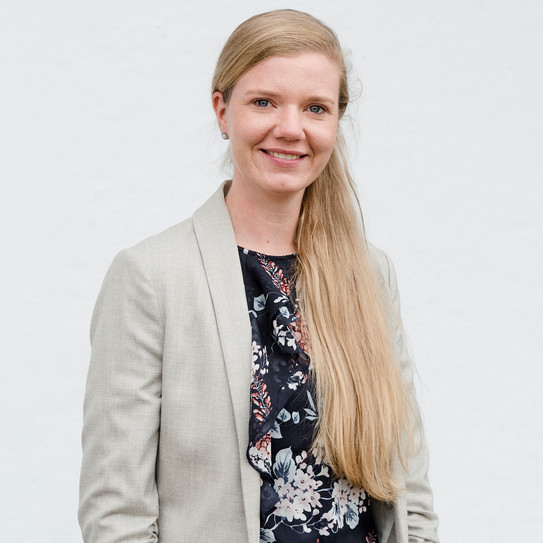
Changiz MohiyeddiniView profile
Professor
Changiz Mohiyeddini serves as Professor of Foundational Medical Studies at Oakland University William Beaumont School of Medicine, where he teaches core courses including "Brain and Behavior", "Psychopathology", "Clinical-Health Psychology", "Personality Psychology", and "Advanced Quantitative Methods". He holds significant editorial leadership as Assistant Field Chief Editor for Frontiers in Psychology, Specialty Chief Editor for Health Psychology, and Associate Editor for Psychology for Clinical Settings, with 266 edited publications and 6 edited research topics documented. His research centers on critical intersections of health psychology and medical education, particularly addressing moral injury frameworks, resilience mechanisms in healthcare contexts, and cross-cultural competency development. Recent work investigates AI-driven assessment tools, pandemic-responsive curriculum adaptations, and statistical methodologies for improving medical examination quality, reflecting urgent real-world applications in clinical training environments. Analysis of his 2023-2024 publications reveals concentrated innovation in educational technology (including ChatGPT applications for pharmacology questions), trauma psychology, and globalized healthcare training. This body of work consistently bridges theoretical psychology with practical medical education challenges, emphasizing student feedback integration, cultural competence, and assessment reliability during systemic disruptions like the COVID-19 pandemic. Scientific Awards: No awards documented in available materials Advising and Grants: While editorial leadership demonstrates scholarly influence, specific information regarding student mentorship, research grants, or funded projects was not provided in the source materials. His longitudinal study on student feedback integration suggests active engagement with educational research methodologies. Labs and Teams: No dedicated research laboratories, collaborative teams, or institutional research centers were mentioned in the available documentation, though his editorial roles indicate broad cross-institutional academic networks.