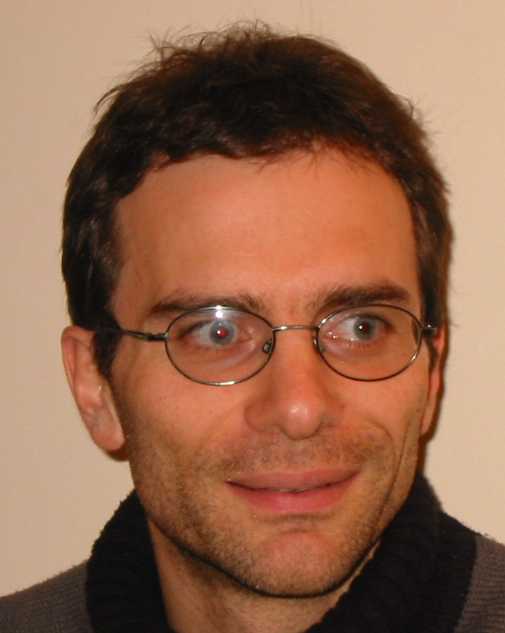
Mauricio AntunesView profile
Assistant Professor
Mauricio Antunes is an Assistant Professor in the Department of Biological Sciences and a member of the BioDiscovery Institute at the University of North Texas (UNT), where he joined in 2018 after serving as a Research Assistant Professor at Colorado State University. His work pioneers plant synthetic biology to engineer plants with novel traits for environmental sensing and improved bioproduction. Education: B.S. in Agronomy from Universidade Federal de Viçosa, Brazil M.S. in Crop Sciences from Universidade Federal de Viçosa, Brazil Ph.D. in Plant Molecular Biology from Purdue University under Nick Carpita and Tom Hodges Dr. Antunes' research focuses on developing synthetic biology tools for plant engineering. Key areas include: Synthetic transcriptional/post-transcriptional control systems modulated by specific inputs Small RNAs as mobile signaling molecules in plants Complex genetic circuits for enhanced plant production Re-wiring metabolic pathways like phenylpropanoid biosynthesis His publication analysis (2016-2024) shows consistent innovation in plant synthetic biology, with recent emphasis on Boolean logic gates for environmental sensing, RNA signaling mechanisms, and metabolic pathway engineering. Key trends include the development of tunable promoters, microRNA mobility studies, and biosensors for plant metabolites. Scientific Awards: No scientific awards listed for Dr. Antunes Dr. Antunes actively mentors graduate students and secures research funding: Current Students: Jordan LaChance (PhD), Md Shoyeb (PhD), Jesseca Hemminger (PhD) Former Students: Stephanie Amack (MS), Charles Anderson (MS), Armin Tutnjic (MA) Current Grant: The Welch Foundation ($240,000, 2021-2024) for 'Establishing biochemical determinants of microRNA long-distance mobility in plants' The Antunes Lab, part of UNT's BioDiscovery Institute, comprises postdocs, graduate students, and undergraduates collaborating on plant synthetic biology projects. The team maintains strong interdisciplinary connections within UNT and with external partners like Colorado State University, focusing on translating synthetic biology tools into agricultural and biotechnological applications.