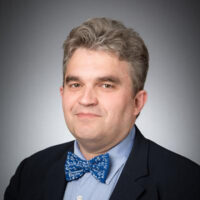
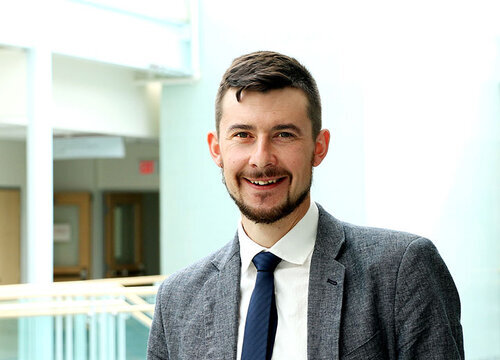
Aleksandar Jeremic is an Associate Professor in both the Electrical & Computer Engineering department and the McMaster School of Biomedical Engineering at McMaster University. His research focuses on biomedical signal processing, statistical signal processing, and biometrics, with applications in healthcare and biomedical systems. He holds a Dipl. Ing. from the University of Belgrade, and an M.S. and Ph.D. from the University of Illinois at Chicago. His expertise spans physiological signal analysis (e.g., ECG/EEG), medical imaging, and machine learning for biomedical applications. He has authored over 50 technical articles and two book chapters, and has been recognized with a teaching award from the McMaster Electrical and Computer Engineering Society (2018). He supervises graduate students in both theoretical and applied research areas. Dr. Jeremic teaches advanced courses such as Biomedical Signal Modeling and Processing and Advanced Probability and Random Processes , emphasizing practical applications of signal processing in healthcare. His work includes clinical implementations like neonatal seizure monitoring software and microwave imaging for breast cancer detection.
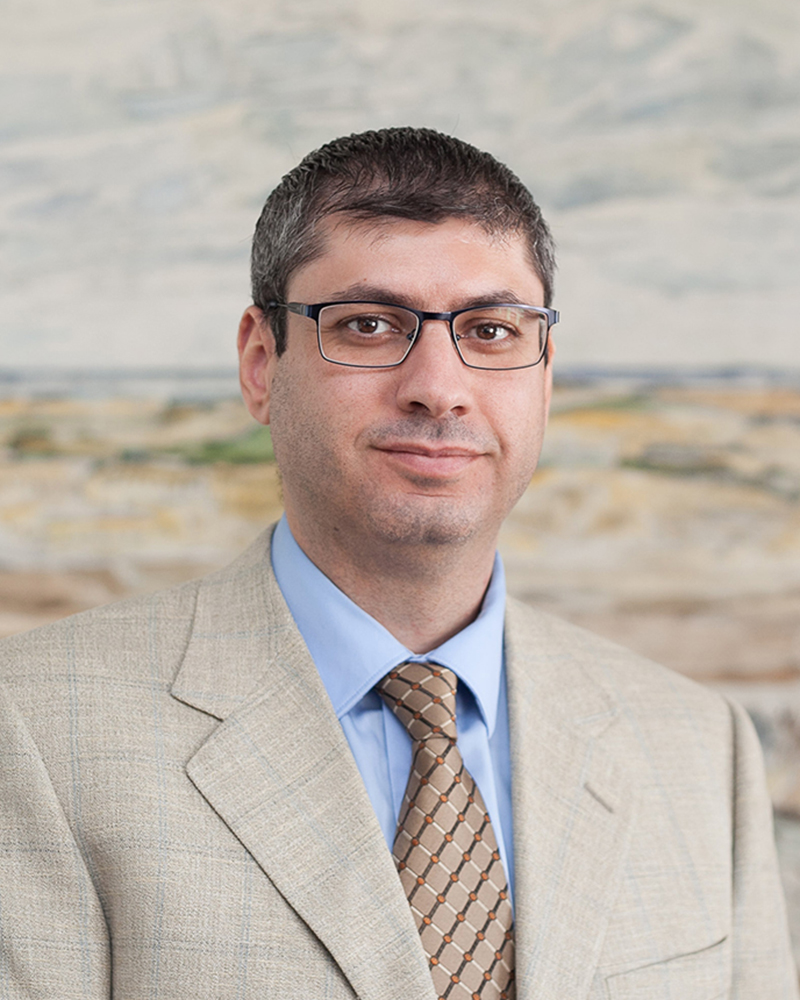
Houman Savoji is an Associate Professor in the Department of Pharmacology and Physiology at the Faculty of Medicine, University of Montreal. He is also a full-time researcher at the CHU Sainte-Justine Research Center and principal investigator in regenerative medicine, organs-on-chip, and bioprinting at TransMedTech Institute. Dr. Savoji received his PhD in Biomedical Engineering from the Institute of Biomedical Engineering at Polytechnique Montréal in 2016. He then completed a postdoctoral fellowship at the Institute of Biomaterials and Biomedical Engineering at the University of Toronto. His research expertise combines advanced manufacturing technologies (micro- and nano-fabrication, 3D bioprinting, microfluidics, cell electrospinning) with functional and composite materials for applications in tissue engineering, regenerative medicine, and organs-on-chip. His work focuses on the design, development, optimization, implementation, and characterization of innovative functional biomaterials using emerging engineering technologies, with particular emphasis on cardiac tissue engineering and biomimetic pulmonary heart valves for pediatric patients. Dr. Savoji has published extensively on biomaterials, tissue engineering, 3D bioprinting, and organ-on-chip technologies. His recent publications demonstrate expertise in viscoelastic characterization of soft tissues, engineering immune responses to biomaterials, ceramic engineering for biomedical applications, and advanced 3D bioprinting techniques for cardiac and vascular tissue engineering. 2017-2020, Postdoctoral Research Grant, CIHR 2017-2019, Postdoctoral Research Grant, FRQNT 2017-2018, Human Society of International Grant, Human Toxicity Assessment Project 2016, CR-CHUM Research Center Award 2015, Star Student-Researcher Award, FRQNT 2014-2015, Jane and Frank Warchol Fellowship, Society of Vacuum Coaters Foundation 2013, Institute of Textile Science Award 2012-2015, Excellence Doctoral Scholarship for Foreign Students, FRQNT Dr. Savoji has supervised Master's students including Ines Barrakad (2024) working on 'Advanced manufacturing technologies versus molding of corneal implants: 3D printing vs molding of a Keratoprosthesis' and Zineb Ajji (2023) researching 'Development of perfusable patches by 3D bioprinting for potential application in cardiac tissue regeneration.' He has secured numerous research grants from organizations including CIHR, NSERC, FRQNT, FRQS, MITACS, and others for projects related to 3D bioprinting of cardiac tissues, biomimetic heart valves, and other tissue engineering applications. The Savoji Laboratory, located within the Department of Pharmacology and Physiology and Institute of Biomedical Engineering of the Faculty of Medicine of the University of Montreal, the Research Center of the CHU Sainte-Justine (CHUSJ), and the TransMedTech Institute, focuses on multidisciplinary research involving 3D bioprinting using stem-cell derived human cardiac cells to fabricate functional cardiac tissues for transplantation and drug discovery applications.
Panagiota (Nota) Klentrou is a Distinguished Professor and Dean of the Faculty of Applied Health Sciences at Brock University, specializing in Kinesiology. Her research focuses on exercise physiology , bone development , and the health implications of sport training in youth , particularly examining cellular mechanisms linking exercise, diet, and lifelong bone health. Supported by NSERC, CIHR, Osteoporosis Canada, and the International Gymnastics Federation Education: PhD, FCSEP (Fellow of the Canadian Society of Exercise Physiology) Her work spans bone physiology , inflammatory responses to exercise , and sclerostin-mediated tissue cross-talk , with recent studies exploring the impact of obesogenic diets , acute exercise , and nutritional interventions on skeletal growth and adaptation. Key findings include the role of sprint interval training in modulating adipose tissue Wnt signaling and the effects of dairy consumption on bone turnover markers. Scientific Awards & Distinctions Fellow, Canadian Society for Exercise Physiology (CSEP), 2020 Marilyn Rose Graduate Leadership Award, 2017 TVO's Best Lecturer nominee, 2010 Chancellor’s Chair for Research Excellence, Brock University, 2009 Award for Distinguished Research & Creative Activity, Brock University, 2006 Dr. Klentrou actively supervises graduate and undergraduate students in projects related to bone physiology , inflammation , and exercise adaptation , and collaborates with organizations like Osteoporosis Canada and the International Gymnastics Federation.
Dr. Kevin J. Deluzio is an Associate Professor in the Department of Mechanical and Materials Engineering at Queen's University and serves as Dean of Smith Engineering. He holds a cross-appointment in the Centre for Health Innovation and is affiliated with the Canadian Orthopaedic Research Society and multiple biomechanics societies. His research focuses on musculoskeletal health, biomechanics of human locomotion, and knee osteoarthritis treatment evaluation. Dr. Deluzio earned his BSc (1988), MSc (1990), and PhD (1997) from Queen's University, followed by postdoctoral training at Harvard University. He previously held a faculty position at Dalhousie University, establishing the Dynamics of Human Motion Laboratory. Education: Bachelor of Science (Honours) in Mathematics and Engineering, Queen's University (1988) Master's of Science in Mechanical Engineering, Queen's University (1990) Doctor of Philosophy in Mechanical Engineering, Queen's University (1997) Post-doctorate in Orthopaedic Biomechanics, Harvard University (1999) Research Interests: Dr. Deluzio investigates biomechanical factors of musculoskeletal diseases (e.g., knee osteoarthritis), non-invasive therapies, and surgical treatments like total knee replacement. His work involves markerless motion capture systems and collaborations between engineering and medicine through the Human Mobility Research Centre at Kingston General Hospital. Grants & Awards: While no specific awards are listed, his research has been supported through academic appointments and institutional affiliations. Labs & Teams: Directs the Dynamics of Human Motion Laboratory and collaborates at the Human Mobility Research Centre, integrating engineering and medical expertise to advance musculoskeletal health solutions.
Dr. Ahmad Al-Dissi is an Associate Professor in the Department of Veterinary Pathology at the University of Saskatchewan. His expertise spans toxicology and veterinary pathology, with a focus on toxin effects on animal/human health and liver regeneration. He holds a BVetSc from Jordan University of Science and Technology, followed by MSc and PhD degrees in Veterinary Pathology and Toxicology from the University of Saskatchewan, and is a Diplomate of the American College of Veterinary Pathologists. Research interests include ergot alkaloid-induced vascular effects in sheep, liver regeneration mechanisms via metallothionein expression in domestic animals, and environmental toxin impacts on animal health. His team uses arterial tissue bath systems and molecular techniques to investigate vascular physiology and liver disease. Key publications address ergot alkaloid toxicity, mineral deficiencies in cattle, and metallothionein expression in chronic liver diseases. Awards include the Diplomate certification from ACVP. Ongoing work explores groundwater contaminant effects and novel lanthanum compounds for bone resorption disorders. Laboratory activities involve collaborative projects on toxin mechanisms, with a focus on developing in vitro models for endocrine disruptor assessment. His research bridges basic science and clinical veterinary applications, contributing to both animal and human health understanding.
Geoff Dover is an Associate Professor in the Department of Health, Kinesiology and Applied Physiology at Concordia University, where he has served since 2008 after directing the Graduate Athletic Training program at the University of Florida. A Certified Athletic Therapist and Certified Athletic Trainer, his research centers on biopsychosocial mechanisms of pain perception and disability, with emphasis on chronic low back pain and athlete rehabilitation. His academic credentials include: PhD from the University of Florida MS from the University of Florida Diploma in Sports Injury Management from Sheridan College BSc in Human Kinetics from the University of Guelph Dr. Dover implements biopsychosocial models to investigate how psychological factors like catastrophizing and fear avoidance interact with functional limitations in chronic pain development. His work identifies risk factors for heightened pain perception and reduced functionality across diverse populations, utilizing innovative tools such as infrared thermography for objective pain assessment and fracture healing monitoring. This research addresses the societal burden of chronic pain through improved clinical outcomes in musculoskeletal disorders. Analysis of his 2020-2024 publications reveals consistent focus on chronic low back pain mechanisms, athlete concussion recovery, and psychological determinants of rehabilitation outcomes. His methodology emphasizes randomized controlled trials, systematic reviews, and psychometric validation of assessment tools, with practical applications in athletic therapy settings. Key trends include quantifying fear avoidance behaviors, evaluating novel interventions like aquatic exercise, and establishing correlations between pain catastrophizing and physiological responses. Scientific Awards: No scientific awards were documented in the provided materials As a thesis supervisor for MSc and PhD candidates in Health and Exercise Science, Dr. Dover mentors graduate students through the Athletic Therapy Research Laboratory. This facility investigates pain perception variability, recovery trajectories, and functional adaptations in both athletic and general populations, with specialized focus on pain-related fear measures. His lab bridges clinical practice and research through partnerships with Concordia's Perform Centre.
Dr. Jean-Philippe St-Pierre is an Assistant Professor in the Department of Chemical and Biological Engineering at the University of Ottawa's Faculty of Engineering. He holds a Ph.D. in Materials Science and Engineering from the University of Toronto (2011), an M.Eng. in Biomedical Engineering from McGill University (2004), and a B.A.Sc. from the University of Ottawa. His research focuses on developing advanced biomaterials for tissue regeneration and 3D bioprinted tissue models to enhance understanding of physiological/pathological processes and therapeutic selection. Education: Ph.D., Materials Science and Engineering, University of Toronto (2011) M.Eng., Biomedical Engineering, McGill University (2004) B.A.Sc., University of Ottawa Research Highlights: Design of biomaterials for cartilage repair and vascular network formation 3D bioprinting of hydrogel-based constructs Biomechanical studies of aortic tissue and GAG modulation Development of biosensors for pathogen detection Publications Trends: Recent work emphasizes glycosaminoglycan (GAG) mechanics in vascular systems, 3D bioprinting of vascularized tissues, and polyphosphate-based drug delivery systems. His articles span biomaterial characterization, biomechanical modeling, and translational applications in regenerative medicine. Awards: No specific awards mentioned in available texts. Labs/Teams: Leads the Biomaterials Lab focusing on tissue regeneration strategies and advanced bioengineering technologies. Collaborates on projects involving bioreactors, nanomaterials, and biomedical diagnostics.
Sung Kim is an Associate Professor at The University of Western Ontario, where he leads the Kim Lab (http://www.kimlab-uwo.com/). He holds a PhD from the University of British Columbia and completed his postdoctoral training at The Scripps Research Institute in San Diego. His research focuses on understanding epigenetic and signaling mechanisms governing macrophage responses to microbes, tissue injury, and cancer. His work investigates how macrophages adapt to environmental cues through epigenetic reprogramming, particularly in contexts of immune tolerance (e.g., to commensal bacteria) and immune dysregulation (e.g., in tumors). Key areas include histone acetylation-mediated tolerance to bacterial components like lipopolysaccharides, and transcription factor roles in tumor-associated macrophage behavior. Publications highlight contributions to understanding anthrax toxin pathogenesis, probiotic immunomodulation (via Lactobacillus rhamnosus), and mechanisms of cytokine regulation (e.g., IL-1β, G-CSF). His lab employs genetic, biochemical, and cellular approaches to dissect signaling pathways in macrophage plasticity. Notable research tools include quasi-haploid RAW 264.7 cell mutagenesis systems and in vivo models of colitis and probiotic efficacy. Current projects aim to translate epigenetic insights into therapeutic strategies for inflammatory diseases and cancer immunotherapy.
Dr. Jonathan Farthing is a Professor in the College of Kinesiology at the University of Saskatchewan, where he conducts research focused on human performance, healthy aging, management of chronic conditions, and neuromuscular physiology. His work centers on adaptations to acute and chronic strength training, with particular expertise in "cross-education" effects—where training one limb enhances strength in both trained and untrained limbs. His recent research has expanded into clinical applications of cross-education following injuries. Dr. Farthing earned his academic credentials entirely from the University of Saskatchewan: a B.Sc. in Kinesiology (1999), M.Sc. in Kinesiology (2002), and Ph.D. in Kinesiology (2006). His research spans several key areas including neuromuscular adaptations, biomechanics & motor control, bone health, and clinical applications of cross-education effects. His work often examines neuroimaging adaptations to eccentric exercise training and the mechanisms behind strength transfer between limbs. His extensive publication record shows consistent scholarly output since 2003, with recent emphasis on clinical applications of cross-education, adaptations to unilateral training across age groups, and nutritional interventions for performance enhancement. His work bridges fundamental neuromuscular physiology with practical clinical rehabilitation applications, particularly for ACL reconstruction patients and those recovering from limb immobilization. Dr. Farthing teaches several courses at the University of Saskatchewan including KIN 808.3 (Data Analysis in Kinesiology), KIN 226.3 (Exercise Physiology II), and honors thesis courses (KIN 490.3 and KIN 494.6). His teaching reflects his research expertise in exercise physiology, data analysis, and research methodology within kinesiology.
Dr. Elizabeth Condliffe is an Assistant Professor at the University of Calgary's Cumming School of Medicine, Department of Clinical Neurosciences, specializing in Physical Medicine and Rehabilitation. She holds adjunct roles in the Faculty of Kinesiology and is a Full Member of the Hotchkiss Brain Institute. Her clinical and research work focuses on neurorehabilitation strategies for children and adults with cerebral palsy and neurodisabilities, emphasizing robotic technologies, neurophysiological tools, and exercise interventions to enhance motor function and quality of life. Education: PhD in Biomedical Engineering, University of Alberta (2021) MD, University of Toronto (2008) MS in Biomedical Engineering, Boston University (2004) BSE in Mechanical & Aerospace Engineering, Princeton University (2002) Research Interests: Dr. Condliffe leads the Pediatric Onset Neuromotor Impairment (PONI) Lab, exploring robotic walking aids, neurostimulation, and clinical tools to address movement impairments. Key areas include: Robotic exoskeletons for bone/muscle health Neuroplasticity mechanisms in cerebral palsy Brain stimulation for motor recovery Adapted physical activity impacts on family dynamics Labs & Networks: She co-leads the Movement Impairment team in the RESTORE Network, participates in the NonInvasive Neurostimulation Network (N3), and is part of the Vi Riddell Pediatric Pain & Rehabilitation Centre.
Catherine Laporte is a Professor at the Department of Electrical Engineering, École de Technologie Supérieure (ÉTS), Montreal, Canada. She leads research at the LATIS – Health Information Processing Laboratory, focusing on integrating medical images and physiological signals for healthcare innovation. Department: Electrical Engineering Research Lab: LATIS – Health Information Processing Laboratory Her research spans Medical Imaging , Computer Vision , and Speech Sciences , specializing in ultrasound applications for health technologies and intelligent systems. Key areas include: Medical image analysis and segmentation Ultrasound probe navigation and deformation correction 3D anatomical modeling (spine, tongue) Biomechanical studies of bone growth and tissue response Computer vision for healthcare applications Recent publications emphasize robust AI-driven ultrasound analysis for spinal deformities, tongue movement in speech therapy, and biomechanical modeling of bone growth. Her work combines deep learning , real-time segmentation , and multi-modal imaging (MRI, CT, 3D ultrasound). Students under her supervision have completed theses on topics like smart ultrasound systems , 3D vocal tract analysis , and biofeedback for language learners , often co-directed with experts in biomedical engineering and speech sciences. Laporte’s lab, LATIS, collaborates with institutions like the Center for Advanced Studies in Sleep Medicine (Montreal) and McGill University’s interdisciplinary programs, advancing health technologies and intelligent systems for clinical applications.
Dr. Marie-Josée Brouillette is an Associate Professor in the Department of Psychiatry at McGill University's Faculty of Medicine and Health Sciences. She serves as a Scientist at the Research Institute of the McGill University Health Centre (RI-MUHC) on the 5252 de Maisonneuve site, focusing on the Infectious Diseases and Immunity in Global Health Program and the Centre for Outcomes Research and Evaluation . Research Focus: Psychosocial aspects of HIV infection and post-COVID syndrome, emphasizing cognition and mood regulation, their impact on quality of life, and clinical interventions. Key Projects: Positive Brain Health Now Study (840+ participants across Canada) and post-COVID syndrome research with self-management resources. Methodology: Longitudinal cohort studies, neuropsychological assessments, blood/saliva biomarker analysis, interdisciplinary collaborations (neurology, epidemiology, HIV clinics, community groups). Contact: marie-josee.brouillette@mcgill.ca
Samuel Veres is an Associate Professor and Associate Dean of Science in the Division of Engineering at Saint Mary's University. He leads the Veres Lab, focusing on biomedical structure-function relationships in tissues and biomaterials. His work integrates engineering, physics, biology, and medicine to study tissue development, aging, and repair. Dr. Veres holds a PhD and is a Professional Engineer (PEng). His research emphasizes collagen-based biomaterials, tendon mechanics, and tissue regeneration. Recent projects include developing mineralized collagen scaffolds for bone repair and analyzing tendon nanostructure under mechanical stress. Key achievements include the ISSLS PRIZE IN BASIC SCIENCE 2020 for work on intervertebral disc nanostructure. His lab actively mentors undergraduate, Master's, and PhD students, with current openings available. Equipment and collaborations: The Veres Lab operates at Saint Mary's and Dalhousie Universities in Halifax, Canada, leveraging advanced imaging and mechanical testing technologies. Research focuses on translational applications for musculoskeletal health and regenerative medicine.
Prof. Guy Van Vliet is a Full Professor in the Department of Pediatrics at the University of Montreal and Chief of the Endocrinology Service at CHU Sainte-Justine. He completed medical school at the Free University of Brussels (1976), followed by pediatric residency and a fellowship at UCSF (1980-1983). His research focuses on molecular mechanisms of congenital hypothyroidism, neonatal screening, and pediatric endocrine disorders, with over 220 publications. He has pioneered studies on thyroid disorders in children and contributed to international guidelines for congenital hypothyroidism management. Education: Medical Doctorate (Free University of Brussels, 1976), Pediatric Endocrinology Fellowship (UCSF, 1980-1983). Research Interests: Molecular pathophysiology of congenital hypothyroidism, genetic basis of endocrine disorders in children, neonatal screening efficacy, and long-term outcomes of thyroid hormone replacement. He emphasizes translational research connecting molecular findings to clinical care, particularly in pediatric endocrinology. Key Articles: Focus on improving screening protocols, understanding genetic mechanisms in thyroid disorders, and optimizing treatment strategies for congenital hypothyroidism. Recent work critiques overdiagnosis risks in premature infants and explores redefining diagnostic criteria based on molecular insights. Awards: Not explicitly listed in provided texts. Advising/Grants: Advised numerous students and led collaborative projects on endocrine disorders. Active in clinical trials and guideline development for congenital hypothyroidism. Labs/Teams: Affiliated with the Azrieli Research Center at CHU Sainte-Justine, focusing on pediatric endocrine research and translational medicine.
Dr. Kati Pasanen is an Associate Professor in the Faculty of Kinesiology at the University of Calgary, and holds affiliations with the McCaig Institute for Bone and Joint Health and Alberta Children's Hospital Research Institute. She specializes in sport injury prevention, particularly focusing on ACL injury mechanisms in female athletes and biomechanical risk factors. Pasanen directs the Clinical Biomechanics Lab and co-leads the Integrative Neuromuscular Sport Performance Lab, conducting research on training interventions, wearable technology applications, and injury epidemiology. Education: PhD in Injury Prevention (University of Tampere, 2009) MSc in Physiotherapy/Health Sciences (University of Jyväskylä, 2005) BSc in Physiotherapy (Karelia University of Applied Sciences, 1999) Research Interests: Her work integrates clinical, biomechanical, and epidemiological approaches to prevent sport injuries in team sports. Key areas include neuromuscular training programs, movement biomechanics, and the application of wearable technology for injury risk assessment. She has pioneered studies on hip/core strengthening interventions for novice runners and examines psychosocial factors influencing athlete injury susceptibility. Awards: Physiotherapist of the Year (Finnish Association of Physiotherapists, 2017) Sports Medicine Research Award (Finnish Society of Sport Sciences, 2008) Advising & Grants: While specific grant details are not listed, her research has been supported by large-scale trials (e.g., Run RCT) and international collaborations. She advises on evidence-based injury prevention strategies and mentors through directed studies in wearable tech and motion capture. Labs & Teams: Leads the Clinical Biomechanics Lab and collaborates with the Integrative Neuromuscular Sport Performance Lab to advance translational research in injury prevention and athlete performance optimization.