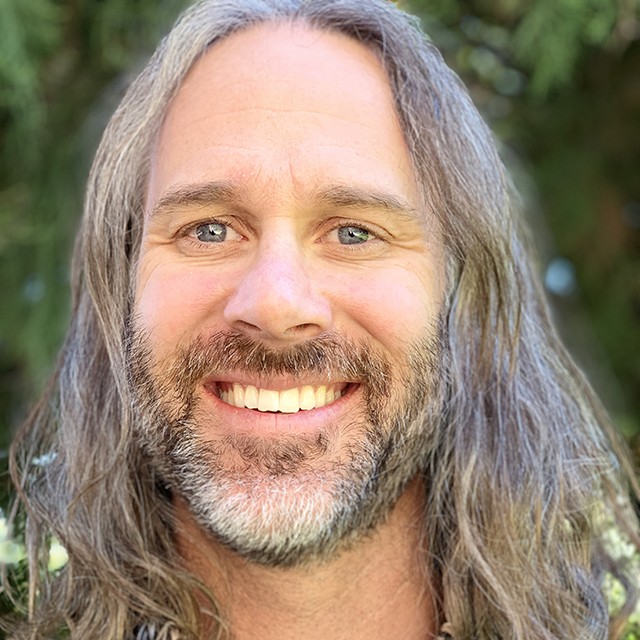
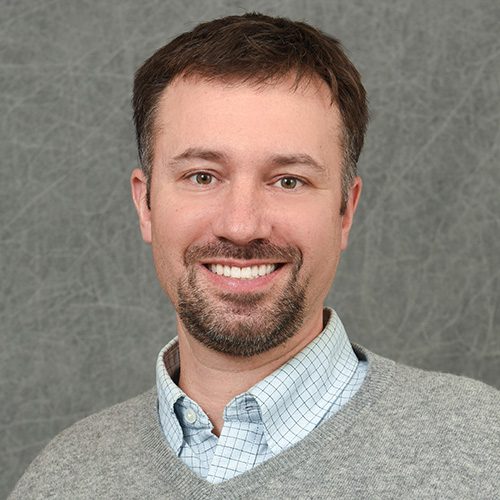
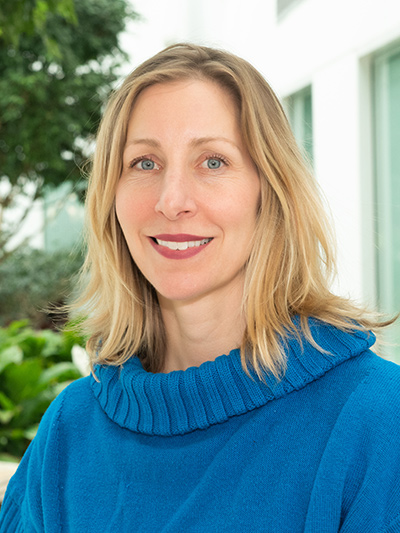
Jeffrey G. Baguley is a Teaching Professor in the Department of Biology at the University of Nevada . Holding a Ph.D. in Marine Science from the University of Texas at Austin and a B.A. in Biology from Linfield College, he has conducted postdoctoral research at the Baruch Institute for Marine and Coastal Science. Education : B.A. in Biology, Linfield College (2000) Ph.D. in Marine Science, University of Texas at Austin (2004) Research Focus : Baguley's work examines marine meiobenthic ecology across three key areas: Deep-sea ecology: Biodiversity assessment and community structure analysis in northern Gulf of Mexico Polar ecology: Spatial-temporal dynamics of extreme environment communities Ecotoxicology: Contaminant impacts on meiobenthic populations through field studies and mesocosm experiments
Myrna Dawson is a Professor and Research Leadership Chair in the Department of Sociology & Anthropology at the University of Guelph, within the College of Social & Applied Human Sciences. She holds the Canada Research Chair in Public Policy in Criminal Justice and directs the Centre for the Study of Social and Legal Responses to Violence (CSSLRV), established in 2005. Her research focuses on lethal/non-lethal violence, particularly intimate partner violence, and legal/social responses to victimization. Dawson is a global leader in femicide studies, co-directing the Canadian Domestic Homicide Prevention Initiative and founding the Canadian Femicide Observatory for Justice and Accountability. She advises international bodies like the United Nations and has authored/co-authored influential publications on violence prevention and gender-based violence frameworks. Education: PhD in Sociology, University of Toronto (2001) Research Interests: Dawson’s work addresses femicide, domestic homicide, gender-based violence, and policy development. She examines systemic barriers to victim safety in rural/remote areas, comparative criminal justice outcomes, and the role of hate crime legislation. Her research often intersects with intersectionality, migration, and global human rights frameworks. Key Contributions: Her work has influenced Canadian policy through initiatives like the Domestic Violence Death Review Committee (2005–2020). Internationally, she collaborates with institutions in Australia, Latin America, and Europe to advance violence prevention strategies. Recent articles highlight challenges in defining femicide globally and improving data collection to inform policy. Scientific Awards: Canada Research Chair in Public Policy in Criminal Justice Labs/Teams: CSSLRV, Canadian Femicide Observatory, Canadian Domestic Homicide Prevention Initiative Advising: Supervises graduate students in Sociology and Criminology (listed in full description).
Professor Trisha Peel is a full Professor and Deputy Director (Research) in the Department of Infectious Diseases at Monash University and Alfred Health, Australia. She leads the Antimicrobial Stewardship Services at Epworth and Alfred Healthcare and is actively involved in large-scale clinical trials and implementation science. Her work spans Monash University, Alfred Health, and Epworth HealthCare, with ongoing collaborations with the Mayo Clinic. Monash University – Faculty of Medicine, Nursing and Health Sciences, Department of Infectious Diseases Alfred Health – Infectious Diseases Unit Epworth HealthCare – Antimicrobial Stewardship Physician Mayo Clinic – Research Collaborator Trisha Peel holds a PhD and is an NHMRC L1 Fellow. Her research is centered on antimicrobial resistance, surgical site infection prevention, and antimicrobial stewardship . She leads the Surgical Infection Research Group, which conducts translational research from bench to bedside, integrating microbiology, genomics, and clinical trials to improve surgical outcomes and reduce antimicrobial misuse. Her recent publications highlight work on infection control in low-resource settings, contamination risks in clinical trials, imaging of bone infections, and global collaboration in surgical research. The articles reflect a strong focus on practical, evidence-based interventions with policy impact, particularly in infection prevention and antibiotic use optimization. Scientific Awards: Australian Postgraduate Award (2010) NHMRC Postgraduate Scholarship (2010) Royal Australasian College of Physicians Richard Kemp Memorial Fellowship (2013) Priscilla Kincaid-Smith Development Research Grant (2016) NHMRC Research Excellence Award (2018) ACTA Trial of the Year (for the ASAP Trial) Professor Peel has secured significant competitive grants from national bodies such as the NHMRC and the Department of Health and Aged Care. Her leadership in trials like CALIPSO and TRIGS demonstrates her role in shaping global surgical infection guidelines. She mentors early-career researchers and is accepting PhD students in antimicrobial stewardship and health services research. Her lab, the Surgical Infection Research Group, fosters interdisciplinary collaboration across infectious diseases, surgery, public health, and digital health.
Karl Wegmann is a Professor and Associate Head of the Marine, Earth and Atmospheric Sciences (MEAS) department at North Carolina State University. He holds a faculty fellowship at the Center for Geospatial Analytics. His research focuses on Earth surface processes, integrating geospatial analysis with field investigations to study landscape responses to tectonic and climatic forces. Key areas include geomorphology, active tectonics, paleoseismology, and geoarchaeology. Education: Ph.D. (2008, Lehigh University), M.S. (1999, University of New Mexico), B.A. (1996, Whitman College). Research emphasizes landslide dynamics, paleoclimatic reconstructions, and planetary geoarchaeology. Notable projects include studies in Mongolia, Greece, and the Pacific Northwest. He teaches courses in geology, natural hazards, and field geology. His work bridges disciplines, applying remote sensing and machine learning to geohazard assessment and cultural heritage preservation. Scientific achievements include the 2023 NCSU Outstanding Teaching Award. Ongoing research explores lunar anthropocene frameworks and Martian surface processes. Collaborative projects involve students in global fieldwork and innovative geospatial methodologies.
Dr. Mary C. Schroeder is an Associate Professor in the Department of Pharmacy Practice and Science at the University of Iowa College of Pharmacy, with an appointment in the Division of Health Services Research. Her expertise spans health economics, outcomes research, and healthcare quality improvement, with a focus on cancer and cardiovascular disease treatment decision-making. She holds a BS in Physics from Texas A&M University and a PhD in Economics from Emory University. Her research examines how information, incentives, and uncertainty influence treatment choices and population health outcomes. Key areas include cancer disparities, implementation science for rural healthcare networks, and optimizing cancer registry data utilization. Dr. Schroeder has contributed to projects like the Greater Plains Collaborative's PCORnet integration and rural cancer network development. Awarded the Collegiate Teacher of the Year, she actively engages in educational initiatives. Her recent work addresses geographic access to cancer care, body weight impacts on breast cancer treatment, and adherence to lung cancer screening protocols. Dr. Schroeder collaborates across disciplines to bridge gaps between clinical practice and policy, emphasizing real-world data applications. Her publications analyze disparities in HER2 testing, vitamin D's role in breast cancer outcomes, and the clinical significance of extramammary findings in breast MRI. She leads efforts to improve rural hospital accreditation through data-driven interventions and evaluates treatment disparities in neoadjuvant endocrine therapy responses among racial groups.
Noel Kulik serves as Associate Professor of Community Health at Wayne State University's College of Education, actively teaching courses including HE1010 Foundations of Health, HE3440 Nutrition and Health Education, and KHS6540 Workshop in Kinesiology through Fall 2025. Holding a Ph.D. in Public Health from UNC Chapel Hill's Gillings School, Dr. Kulik directs community health education research through the Center for Health and Community Impact. Ph.D. in Public Health, Gillings School of Global Public Health, University of North Carolina at Chapel Hill Dr. Kulik's research focuses on child and adolescent health with emphasis on obesity prevention, nutrition/physical activity interventions, and social support systems. Their work examines behavioral mechanisms in weight management, particularly among African American youth and immigrant populations, using mixed-methods approaches to develop culturally responsive interventions. Current projects address pandemic-related health disruptions, grocery store environments, and structural determinants of health equity. Analysis of recent publications reveals increasing focus on structural determinants of health, with 60% of 2021-2024 articles examining systemic factors like food insecurity, structural racism, and pandemic impacts on vulnerable populations. Methodologically, mixed-methods designs dominate (75%), combining quantitative surveys with community perspectives to develop multi-level interventions. Recipient of $2.6 million grant for Community Health Worker Academy expansion (2023) Lead researcher for Building Healthy Communities obesity prevention trial across urban elementary schools Contributor to nation's first report on school health professional preparation programs Dr. Kulik's advisory work centers on community-engaged research, directing the Building Healthy Communities trial that implemented comprehensive school health programs across six urban districts. Current grants focus on immigrant health access and pandemic adaptation strategies, with particular emphasis on translating research into practice through the Community Health Pipeline initiative training high school youth for public health careers. Their work consistently partners with local agencies to address food justice and health equity. As Research Faculty for the Center for Health and Community Impact, Dr. Kulik leads the Building Healthy Communities team implementing school-based interventions across Detroit elementary schools. Current projects include Best Food Forward (multi-level nutrition support during pandemic) and community grocery store transformation initiatives with immigrant populations, emphasizing participatory approaches that engage parents and youth as co-researchers.
Dr. Jason Deska is an Associate Professor in the Department of Psychology at Toronto Metropolitan University, Faculty of Arts. He leads the Social Perception and Intergroup Relations Lab and teaches courses in social psychology and social cognition. He earned his PhD from Miami University and completed postdoctoral training at the University of Toronto. His research centers on how social categories such as race, gender, and socioeconomic status, combined with individual features like facial appearance and body shape, shape person perception and contribute to prejudice, stereotyping, and systemic inequality. His work often explores mechanisms of dehumanization and discriminatory decision-making in social contexts. Dr. Deska's recent publications reveal a strong focus on race, gender, and bodily cues in shaping social judgments. Key themes include racial phenotypicality, responses to sexual assault disclosures, housing discrimination against exonerees, and gendered patterns in humanness attribution. His work spans experimental social psychology, forensic contexts, and health disparities, often using empirical methods to expose subtle biases. Dr. Deska supervises MA and PhD students in psychology and is actively engaged in research that bridges theory and social justice implications. While no specific grants are listed, his sustained publication record indicates active funding and research productivity. The Social Perception and Intergroup Relations Lab serves as the primary research hub for his investigations into person perception and intergroup dynamics.
Minsu Park is an Assistant Professor of Social Research and Public Policy at New York University Abu Dhabi (NYUAD), with affiliate status at the Center for Data Science at New York University (NYU). He holds a PhD in Information Science from Cornell University, where he was advised by Michael W. Macy and Mor Naaman. His academic work bridges computational techniques and social science theory, focusing on cultural consumption, social networks, and human-centered data science. PhD in Information Science, Cornell University His research centers on understanding how individuals form cultural preferences through social and psychological mechanisms, particularly in domains like music, food, fashion, and science. He leverages large-scale digital trace data—including social media, streaming platforms, and physiological signals from smart devices—to model behavior. His interdisciplinary approach draws from sociology, social computing, and data science, aiming to uncover both individual and global patterns in cultural dynamics. Key themes include variety-seeking behaviors, affective preferences, and the interplay between social position and taste. The 15 most recent publications reflect a strong trend toward using computational methods to explore sociocultural phenomena. Topics span affective preference rhythms in music, testing sociological theories like cultural omnivory, imputing user attributes from digital behavior, and enhancing model interpretability. These works are published in high-impact venues such as Nature Human Behaviour and ICWSM, indicating recognition in both computer and social sciences. Minsu Park is deeply committed to responsible data science, addressing issues like algorithmic bias, transparency, fairness, data privacy, and research ethics. He emphasizes mixed-methods approaches and critical reflection on data generation and usage. Published in Nature Human Behaviour Presented at ICWSM Focus on ethical and interpretable AI Advocate for reproducibility and data curation He mentors students through capstone projects in computer science and teaches courses such as Human-Centered Data Science and Textual Analysis for the Social Sciences. While specific grants are not detailed in the text, his research program suggests involvement in interdisciplinary, data-intensive projects likely supported by academic or scientific funding bodies. His technical expertise includes Python, R, machine learning frameworks (TensorFlow, Keras), and tools like Gephi and AWS. He leads or contributes to research initiatives involving smartwatch-based data collection, surname-based ethnicity matching, and global music consumption analysis, as evidenced by his public GitHub repositories. These projects highlight his commitment to open science and collaborative research.
Arya Varthi, MD, is an Associate Professor in the Department of Orthopaedics & Rehabilitation at Yale School of Medicine, where he also serves as the Spine Surgery Fellowship Director. He is a board-certified orthopaedic surgeon specializing in minimally invasive and open spine surgeries of the cervical, thoracic, and lumbar spine, treating conditions including trauma, deformity, tumors, and degenerative disorders. Associate Professor of Orthopaedics & Rehabilitation, Yale School of Medicine Spine Surgery Fellowship Director Board Certified, American Board of Orthopaedic Surgery Member, North American Spine Society Education and Training: BA, Economics, University of Chicago (Phi Beta Kappa) MD, University of Connecticut School of Medicine Residency, Orthopaedic Surgery, Yale New Haven Hospital Fellowship, Spine Surgery, Rush University Medical Center Dr. Varthi's research is centered on spine surgery outcomes, with a focus on minimizing complications and improving patient recovery. His work spans epidemiological studies on spinal injuries, risk factor analysis for surgical complications, and evaluations of emerging treatments such as semaglutide in diabetic patients undergoing spine fusion. He investigates the impact of comorbidities like sickle cell disease, lupus, and obstructive sleep apnea on surgical outcomes, contributing to more personalized and safer care. His 15 most recent publications reflect a strong trend in clinical outcomes research, particularly in anterior cervical discectomy and fusion (ACDF), posterior lumbar fusion, and the management of complex spine pathologies. The articles emphasize patient safety, complication prevention, and the use of national databases and multicenter collaborations to drive evidence-based practice. Key themes include risk stratification, perioperative optimization, and the evaluation of new technologies and pharmacological interventions in spine care. Scientific Awards and Honors: Todd Albert Scholar Award, AANS Spine Summit (2025) Ogilvie Spine Research Award, Yale School of Medicine (2018) Golden Apple Fellow Award, Rush University Medical Center (2017) Yale Power Day Resident Award (2016) AOA Resident Leadership Forum, American Orthopaedic Association (2015) Dr. Varthi is actively involved in clinical education and mentorship as the fellowship director, shaping the next generation of spine surgeons. He collaborates extensively with colleagues such as Dr. Jonathan N. Grauer and Dr. Daniel R. Rubio, contributing to both research and national presentations. He has no reported grants listed in the text, but his research is supported through institutional affiliations and professional society recognition. Labs and Teams: Dr. Varthi is affiliated with the Yale Spine Center and the Spondyloarthritis Program, working within multidisciplinary teams that integrate orthopaedics, neurology, and physical medicine to provide comprehensive spine care. His research is conducted in collaboration with frequent co-authors at Yale, forming a robust clinical research group focused on advancing spinal surgery practices.
Laurie Denyer Willis is a Senior Lecturer in Medical Anthropology at the University of Edinburgh, School of Social and Political Science. Her research bridges sensory ethnography with studies of religion, global health politics, and suburban governance, focusing on Brazil, Uganda, and Thailand through collaborative projects like Antimicrobials In Society (AMIS). She co-directs the British Academy-funded Feminist Cities CoLab, examining feminist activism and urban violence in Latin America. Education: PhD in Medical Anthropology, McGill University (2018); MSc in Urban Studies and Planning, Massachusetts Institute of Technology Her work explores the intersections of bodies, governance, and capitalism, with a focus on antibiotic resistance (AMR) in African and Southeast Asian contexts and the affective dimensions of Evangelical Christianity in Brazil. Key themes include post-colonialism, racial politics, and the sensory politics of health and religion. Recent publications analyze antibiotic entanglements in Kampala, the political economy of 'Quick Farming' in peri-urban Uganda, and her book Go with God , which examines suburban Evangelicalism in Rio de Janeiro. Her ethnographic methods prioritize multimodal and sensory approaches to understanding urban life and health practices.
Ran Blekhman is a Professor at the University of Chicago in the Department of Medicine-Genetic Medicine within the Biological Sciences Division. His research focuses on understanding the complex interplay between human genomics and microbiome interactions through high-throughput genomics, computational biology, and population genetics. Current institution: University of Chicago Research themes: Host-microbiome coevolution, Gene regulation, Global microbiome patterns His recent work involves host-microbiome dynamics , including studies on human milk variation, colorectal cancer-microbiome links, and longitudinal multi-omics in IBS. He leads NIH-funded projects like the Human Microbiome Compendium (R01LM013863) and Population Genomics of Host-Microbiome Interactions (R35GM128716). Key article trends show expertise in gut microbiome analysis (42% of publications), genetic regulation (35%), and cross-species studies (28%). Scientific awards include the prestigious McKnight Land-Grant Professor title (2018-2020). His lab has mentored numerous researchers including Dr. Sambhawa Priya (DFI Fellow), Dr. Kelsey Johnson (NIH K99 awardee), and Dr. Rich Abdill. The lab actively studies human-microbiome symbiosis , with recent expansions to the University of Chicago campus and ongoing recruitment of postdocs, graduate students, and technical staff.
Justin Solomon is an Associate Professor in the Department of Electrical Engineering & Computer Science at Massachusetts Institute of Technology, where he serves as Principal Investigator of the Geometric Data Processing Group. He maintains dual affiliations with the Computer Science and Artificial Intelligence Laboratory (CSAIL) and the MIT Center for Computational Science and Engineering (CCSE), reflecting his interdisciplinary research bridging theoretical mathematics with practical applications in graphics and machine learning. His research interests center around geometric data processing, computational geometry, and optimal transport theory, with significant contributions to computer graphics, machine learning, and computer vision. Solomon's work spans fundamental mathematical theory to practical implementations, particularly in shape analysis, 3D reconstruction, and geometric deep learning. His research demonstrates consistent innovation in developing algorithms that bridge discrete and continuous geometry with applications in graphics, vision, and AI. The publication trends reveal Solomon's evolving research trajectory from foundational work in geometry processing toward increasing integration with modern machine learning techniques. His recent work shows strong emphasis on diffusion models, geometric deep learning, and applications of optimal transport in AI, with significant contributions to SIGGRAPH, NeurIPS, and ICML proceedings. The research demonstrates both mathematical rigor and practical impact, with applications spanning character animation, 3D reconstruction, and generative AI. Amazon Research Award (2017) for Large-Scale Geometrically-Structured Sampling Amazon Research Award (2023) for Lightweight Algorithms for Generative AI Ben Wegbreit Prize for Best Undergraduate Honors Thesis Firestone Medal for Excellence in Undergraduate Research Boothe Prize for Excellence in Writing 2nd place, SGP best paper awards (2010) Solomon has secured substantial research funding through awards like the Amazon Research Awards and maintains active collaborations across academia and industry. His group has produced numerous influential publications with students and collaborators, contributing significantly to both theoretical foundations and practical implementations in geometric data analysis. His textbook "Numerical Algorithms" demonstrates his commitment to education alongside research. As Principal Investigator of the Geometric Data Processing Group, Solomon leads a research team focused on developing mathematical foundations for analyzing and processing geometric data. The group maintains strong connections with both theoretical mathematics and practical applications, working at the intersection of computer graphics, machine learning, and computational geometry. Their work has significant implications for fields ranging from computer animation to medical imaging and scientific computing.
Marie Vandewalle is a Research Fellow at the Department of Conservation Biology and Social-Ecological Systems within the Helmholtz Centre for Environmental Research - UFZ . She leads the Biodiversity Science-Policy Interface Working Group and contributes to the UFZ Science Policy Expert Group. Current Roles : Expert for EU Biodiversity Platform (2024-present) Scientific Co-coordinator of BioAgora (Horizon Europe, 2022-present) Work Package Lead in EmpowerUs (Horizon Europe) Task Lead in Eco-Ready (Horizon Europe) Partner in RESTOREID (Horizon Europe) Leadership Roles : Head of Eklipse Management Body (2020-present) ALTER-Net Management Board Member (2017-present) Convener of ALTER-Net Summer School (2016-present) Research Focus : Vandewalle specializes in Biodiversity , Ecosystem Services , and Science-Policy-Society Interface . Her work emphasizes: Transformative science-policy frameworks Stakeholder engagement in conservation Nature-based solutions for sustainability Network-of-networks approaches Knowledge synthesis for policy briefs Scientific Contributions span 15+ years, with key publications on: Science-policy interface mechanisms Global biodiversity knowledge synthesis Functional trait ecology Ecosystem service quantification Land use impacts on biodiversity Participatory environmental governance
Carla Cevasco is Associate Professor of American Studies at Rutgers University–New Brunswick, within the School of Arts and Sciences. Her research explores food, medicine, material culture, and the body in colonial North America, with a focus on hunger, gender, and race. Education: Ph.D. in American Studies, Harvard University A.M. in American History, Harvard University B.A. in English and American Literatures, Middlebury College Her scholarship investigates how Indigenous peoples and colonial settlers experienced and responded to hunger, as seen in her award-winning book Violent Appetites: Hunger in the Early Northeast (2022). She is currently working on Young and Hungry , a history of infant and child feeding in the U.S. Her research spans interdisciplinary fields including early American history, gender studies, medical humanities, and food studies. She also engages in public scholarship, contributing to The Atlantic , TIME , and Nursing Clio . The 15 most recent articles reflect a strong thematic focus on hunger, food systems, and embodiment in early America, often analyzing intersections of race, gender, and colonial power. Her work combines archival research with material culture analysis and public engagement, contributing to both academic and broader historical discourse. Scientific Awards: Early Career Faculty Fellow, Institute for the Study of Global Racial Justice at Rutgers (2024–25) Carla Cevasco mentors students in American Studies and advises on topics related to early American history, food, and gender. Though specific grants are not listed, her fellowship and publications suggest active research funding. She teaches courses including Introduction to American Studies, Learning from the Past: Early America and the 21st Century, and a Seminar in American Studies. She contributes to interdisciplinary academic communities at Rutgers, particularly in racial justice and public history. She is involved in scholarly networks that bridge history, American studies, and public humanities, though no formal lab or research team is mentioned in the provided texts.
Dr. Julia K. Boehm is an Associate Professor of Psychology at Chapman University’s Crean College of Health and Behavioral Sciences. She received her Ph.D. from the University of California, Riverside, and completed a postdoctoral fellowship at Harvard T.H. Chan School of Public Health. Her research explores the interplay between psychological well-being and cardiovascular health, focusing on optimism, life satisfaction, and biological pathways. Ph.D., Psychology, University of California, Riverside Postdoctoral Fellow, Harvard T.H. Chan School of Public Health Her work investigates how positive psychological traits influence cardiovascular outcomes through behavioral and biological mechanisms. Key areas include optimism, emotional vitality, and psychosocial factors affecting cardiometabolic risk. Recent studies analyze affect variability, self-esteem, and health equity. Selected publications highlight longitudinal analyses of well-being and cardiovascular health, mixed-methods approaches, and interventions to enhance psychological well-being. These span journals like Health Psychology , Affective Science , and Circulation Research . Dr. Boehm’s research has been funded by the National Institute on Aging and the American Heart Association. She collaborates with scholars across disciplines to examine developmental pathways and health promotion strategies.