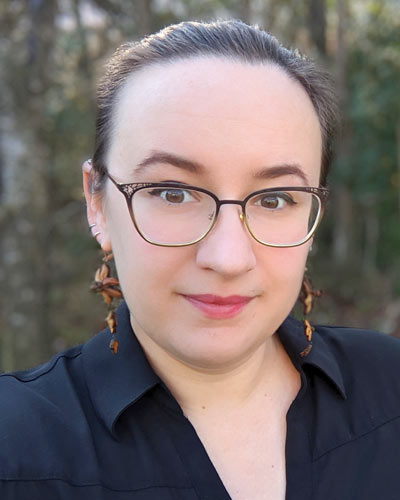
Anny Gano is a Researcher in the Psychology Department at Binghamton University. Her work focuses on neuroimmune mechanisms underlying alcohol's effects across critical life stages, including prenatal, adolescent, and aging phases. She investigates how alcohol exposure alters brain responses to stress, illness, and re-exposure, with particular attention to sex differences and individual histories. Education: Post-Doctoral Fellowship at Medical University of South Carolina; PhD, MS from Binghamton University; BA from Rutgers University. She collaborates closely with the Developmental Exposure Alcohol Research Center (DEARC), using rodent models combined with molecular techniques (RT-PCR, RNAseq, immunofluorescence) to study lifelong health outcomes. Research interests include neuroimmune interactions, 'whole-body neuroscience,' and translational strategies for intervention. Her awards include the 2020 ACER Journal Award for Early Career Investigators. Key findings highlight how alcohol disrupts developmental trajectories via neuroimmune pathways, with implications for pharmacological and behavioral interventions. Work spans basic science (molecular mechanisms) to translational research (health outcomes) across lifespan stages.
Frances Meeten holds dual academic roles as a Visiting Clinical Senior Lecturer at the University of Sussex and a Clinical Psychologist Senior Lecturer at King's College London. She completed her BSc in Psychology at the University of Sussex in 2002, followed by a Masters in Research Methods (2005) and a DPhil (2009), both at Sussex. Her doctoral work, funded by the Economic and Social Research Council, explored cognitive processes in anxiety disorders. In 2017, she earned a DClinPsy from King's College London. Meeten's research focuses on mechanisms underlying mood and anxiety disorders, integrating cognitive, behavioral, and psychophysiological approaches. She leads a Medical Research Council-funded project (2022–2025) investigating heart rate variability biofeedback combined with cognitive interventions for generalized anxiety disorder. She is an Associate Editor for the Journal of Experimental Psychopathology and collaborates with the ENIGMA-Anxiety Working Group on large-scale neuroimaging studies. Clinically, she works at Sussex Partnership NHS Foundation Trust's Obsessive Compulsive Disorder Clinic. Her work bridges experimental psychopathology and clinical practice, emphasizing translational research to develop novel therapies. Education: BSc in Psychology, University of Sussex (1999–2002) Masters in Research Methods, University of Sussex (2004–2005) DPhil, University of Sussex (2005–2009) DClinPsy, King's College London (2014–2017) PGCert in Higher Education, University of Sussex (2021) Research Interests: Mechanisms of anxiety/mood disorders, cognitive-behavioral interventions, neuroimaging, psychophysiology, translational research Her grants include a MRC New Investigator Grant (2022–2025) exploring biofeedback and cognitive interventions. She has published extensively on topics like interpretation bias, cardiac function, and neuroimaging correlates of anxiety. Meeten’s work also addresses clinical applications such as exposure therapy and resilience building in mental health settings.
Lopa Misra, D.O. is an Associate Professor in the Department of Anesthesiology and Perioperative Medicine at Mayo Clinic Alix School of Medicine, Mayo Clinic. She serves as Director of Orthopedic and Regional Anesthesia and Department Diversity Leader, with extensive involvement in medical education through roles on the Admissions Committee, as Faculty Preceptor for Phoenix Street Medicine, and as Co-Leader of the MS-4 Pharmacology Boot Camp. Dr. Misra's research focuses on regional anesthesia techniques, perioperative pain management, and critical issues of diversity, equity, and inclusion in medicine. Her work examines sex- and gender-based differences in chronic postsurgical pain, racial disparities in anesthesiologist compensation, and women's representation in academic anesthesiology publishing. She has published extensively in high-impact journals on topics ranging from magnesium sulfate efficacy in multimodal analgesia to psychedelic therapies for chronic pain management. Her 15 most recent publications (2021-2025) reveal a strong emphasis on both clinical anesthesia research and systemic issues in medicine. The articles span technical aspects of regional anesthesia and pain management while increasingly addressing diversity, equity, and inclusion topics, reflecting her dual commitment to clinical excellence and addressing healthcare disparities. Her research methodology includes randomized controlled trials, national surveys, and observational studies across multiple medical domains. 2024 Top Doc Award Recipient, Anesthesiology and Perioperative Medicine (Phoenix Magazine) 2023 Top Doc Award Recipient, Anesthesiology and Perioperative Medicine (Phoenix Magazine) 2021 Top Doc Award Recipient, Anesthesiology and Perioperative Medicine (Phoenix Magazine) 2018 Dancing with the Stars, 1st Place (National Kidney Foundation) Multiple academic honors from Western University of Health Sciences and Arizona State University Dr. Misra actively mentors medical students through the Wilson Scholar Program and serves as Faculty Advisor for the Mayo Clinic Arizona Chapter of the American Medical Women's Association. She chairs the Institutional Recruitment for IgniteMed and serves on multiple committees addressing physician well-being and diversity. Her leadership extends to the American Society of Regional Anesthesia and Pain Medicine, where she serves on the Committee on Regional Anesthesia and Pain Medicine and as a Member of the Abstract Review Subcommittee. She leads the Enhanced Recovery After Surgery Interest Group and contributes to quality improvement through the Mayo Clinic Quality Academy Planning Committee. Her departmental leadership as Diversity Leader and previous role as Vice Chair of the Clinical Practice Committee demonstrate her commitment to creating inclusive clinical and educational environments.
Eric Van Nostrand is an Assistant Professor in the Department of Biochemistry and Molecular Biology at Baylor College of Medicine, and a member of the Therapeutic Innovation Center. His research focuses on RNA processing regulatory networks, particularly how RNA binding proteins (RBPs) regulate RNA processing in health and disease. He holds a PhD from Stanford University School of Medicine (2012), a BS from MIT (2005), and completed a postdoctoral fellowship at UC San Diego (2020). Research interests include RNA genomics technologies, mechanisms of RNA processing, host-viral interactions, and bioinformatics. His group develops innovative methods like chimeric eCLIP to map RBP interactions and study their roles in viral replication, cancer, and physiological processes. Key projects investigate how viruses hijack host RNA processing systems, and how dysregulated mRNA translation drives breast cancer progression. Notable contributions include defining snoRNA-target interactions using chimeric eCLIP, uncovering roles for SNORD89 in spliceosome biogenesis, and identifying novel RBP functions in pluripotent stem cells. He is also involved in industry collaborations, serving as co-founder and advisor to Eclipse BioInnovations. Publications span high-impact journals like Nature, Genome Biology, and Cell Reports, with a focus on RNA biology, viral mechanisms, and translational applications. His work bridges computational and experimental approaches to advance understanding of RNA's role in disease and therapeutic development.
Richard E. Lloyd is a Professor in the Department of Molecular Virology and Microbiology at Baylor College of Medicine. He serves as a Member of the Dan L Duncan Comprehensive Cancer Center and holds additional roles such as Faculty Senator. His research focuses on enterovirus-host interactions, stress granule dynamics, and the role of persistent viral infections in Type 1 Diabetes (T1D). Dr. Lloyd leads projects in the TEDDY study and the nPOD-V consortium, investigating environmental and viral triggers for T1D. His work bridges virology, immunology, and molecular biology, with a focus on enteroviruses' impact on cellular stress responses and autoimmunity. Research Interests: Dr. Lloyd’s lab explores how enteroviruses manipulate cellular translation and RNA granules (stress granules/P-bodies), which interface with innate immune pathways. Key areas include the molecular mechanisms of G3BP1-mediated stress granule formation, viral evasion strategies, and persistent infections in pancreatic tissues linked to T1D. Collaborations with experts like Dr. Joseph Petrosino and Dr. Mary Estes extend into virome analysis, microbiome studies, and experimental models of beta-cell infection. Scientific Contributions: Over 20 peer-reviewed articles highlight his work on viral proteinases (e.g., 3Cpro), stress granule assembly, and the TEDDY study’s virome analysis linking enterovirus exposure to autoimmunity. His research has advanced understanding of integrated stress responses and their role in immune activation against pathogens. Advisees & Collaborations: Dr. Lloyd mentors graduate students and postdoctoral fellows, with notable alumni including Miguel Zamora and Michelle Joachims. His lab collaborates with institutions globally, including the University of South Florida and the Network for Pancreatic Organ Donors (nPOD). Labs & Projects: The Lloyd Lab is part of Baylor’s Molecular Virology & Microbiology program, focusing on enterovirus biology, T1D etiology, and RNA granule dynamics. Projects include modeling persistent viral infections in pancreatic organoids and analyzing virome data from over 19,000 human samples.
Alex Heckert is a Professor of Sociology at Indiana University of Pennsylvania (IUP), located within the College of Education and Human Services . He formerly served as chairperson of the Sociology Department and is currently the Doctoral Coordinator for the Administration and Leadership Studies PhD Program on the Indiana Campus. He also serves as the Director of Training for the Mid-Atlantic Addiction Research and Training Institute (MARTI). Education: PhD in Sociology – University of Iowa MA in Sociology – University of Iowa BA in Sociology and Political Science – Frostburg State University Research Interests: His scholarly work spans a wide range of sociological subfields. He is particularly known for his work in family sociology , deviance , crime and delinquency , research methods , statistics , and medical sociology . His research often integrates methodological, theoretical, and applied perspectives. Notably, his collaborative work with Ed Gondolf on family violence has contributed to improving predictions of abuse and reassault among batterer program participants. Alongside Druann Heckert, he introduced an integrated typology of deviance that has reshaped traditional conceptualizations in the field. Research Trends: His recent publications reflect a strong focus on rural health disparities , substance abuse , disability studies , and gender roles . His ethnographic work on opioid use in rural Appalachia, and his exploration of intensive mothering in the context of autism, highlight his commitment to addressing pressing social issues through rigorous sociological inquiry. Scientific Contributions: Alex Heckert is the co-author of over 50 peer-reviewed articles in leading journals, book chapters, and encyclopedia entries. He has presented extensively at national and international conferences. His work has been supported by grants from the National Institute of Justice and the National Science Foundation. Advising and Grants: He has supervised numerous doctoral dissertations and master’s theses. His funded research includes projects on predicting abuse among batterers, evaluating inclusion programs for children with disabilities, and NSF-supported instrumentation grants. He continues to mentor students in the Administration and Leadership Studies PhD Program. Labs and Teams: As Director of Training for MARTI, Alex Heckert plays a pivotal role in shaping addiction research and training initiatives across the Mid-Atlantic region. His involvement in both academic and applied research settings underscores his dual commitment to scholarly excellence and community impact.
Efstathios Konstantinidis is a Professor in the Department of Mechanical Engineering at the University of Western Macedonia (UoWM), Greece. He joined the faculty in 2004 as adjunct staff and became permanent in 2009, advancing through ranks to his current position since 2021. His expertise lies in fluid mechanics, particularly separated and unstable flows around bluff bodies, and their applications in aeronautical, mechanical, and ocean engineering. He holds a Ph.D. in Fluid Dynamics from King’s College London (2001) and has served as Visiting Research Fellow there (2005–2008). Education: Ph.D., Fluid Dynamics, King’s College London (2001) M.Sc., Chemical Process Engineering, University College London (1997) Diploma, Chemical Engineering, Aristotle University of Thessaloniki (1996) Research focuses on vortex dynamics, flow-induced vibrations, wind/tidal energy capture, and heat transfer in tube bundles. He employs advanced techniques like PIV/LDA and computational methods (RANS, LES). His work includes developing a theoretical framework for flow-structure interactions and fluid force modeling. He is an active reviewer for major journals and evaluator for European funding bodies. Teaching includes undergraduate courses (Fluid Mechanics II, Heat Transfer) and postgraduate programs (Flow-Structure Interactions, Advanced Measurement Techniques). He leads the biennial Panhellenic conference FLOW and contributes to scientific committees. His research has been recognized through a patent from the Greek Patent Office (OBI) and over 100 peer-reviewed publications. Labs/Teams: Engaged with fluid dynamics research groups at UoWM and international collaborations through his advisory roles and conference organizing.
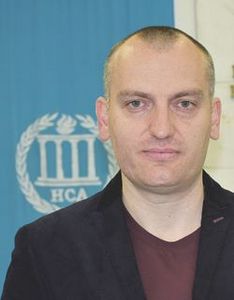
Associate Professor Todor Marinov serves at the National Sports Academy Vasil Levski within the Faculty of Pedagogy's Department of Theory of Physical Education. Since 2016, he has held the rank of Associate Professor and currently acts as Deputy Dean. His responsibilities include coordinating educational processes and managing professional development for academic staff. His research focuses on physical education theory, sports training methodologies, and behavioral psychology in athletic contexts. Key areas include emotional intelligence development in sports professionals, motor skill acquisition across age groups, and conflict resolution strategies in educational settings. Publication trends show consistent focus on psychological aspects of sports performance, pedagogical methodologies, and physiological adaptations. Recent works emphasize emotional intelligence applications in sports education and biomechanical analyses of athletic performance. Authored monographs: Formation of Adequate Readiness in Students for Survival in Crisis Situations (2015) and Basics of Physical Education. Theory and Methodology (2020) Participated in international projects including MOVE (Movement Valorize Europe) and SEE - Countries for Integrity of Football Clubs As Head of multiple specializations for Physical Education teachers, he oversees curriculum development and accreditation processes. He maintains active participation in academic governance through membership in the PhD Program Council and Academic Council.
Dr. Girish Ganjyal is a Professor and Extension Food Processing Specialist at Washington State University (WSU), affiliated with the College of Agricultural, Human, and Natural Resource Sciences (CAHNRS) and the Department of Food Science & Human Nutrition. He has over 22 years of expertise in the food industry and academia, focusing on food processing, safety, and ingredient utilization. He established WSU’s Food Processing Extension and Research program in 2013, collaborating with farmers, processors, and regulatory bodies across global networks. Education: Ph.D., Food and Bioprocess Engineering, University of Nebraska-Lincoln Research Interests: His work emphasizes extrusion processing, cereal grains, and plant-based ingredients. Key areas include optimizing processing technologies for pulses, quinoa, and other crops, with an emphasis on quality, safety, and scalability. He has pioneered advancements in food safety protocols and extension training for industry professionals. Key Achievements: Over 115 peer-reviewed articles and 5 U.S. patents. 34 graduate students advised and 46 undergraduate trainees. Mentored projects resulting in commercialized products across industries. Trained over 7,925 professionals through extension programs. Awards: Sahlin Faculty Excellence Award (2023) Stanley Watson Award (2021) Young Scientist Research Award (2012) Grants & Extension: Dr. Ganjyal’s programs address technical challenges for food businesses, offering training and regulatory support. His interdisciplinary approach integrates industry, academia, and policy. Labs/Teams: Leading WSU’s Food Processing Extension unit, he collaborates with agricultural and food science teams to advance innovation in food systems.
Farid Chakhssi is a **Lecturer** in Psychology, Health & Technology and holds a **Senior Researcher** position at GGNet since October 2014. His work focuses on mental health interventions for personality disorders, autism spectrum disorders, and forensic psychiatric populations. He has contributed to research on compassion therapy, narrative interventions, and biocueing techniques. **Research Interests**: His expertise includes personality disorders, emotion regulation, behavioral therapy, and clinical interventions for marginalized populations. He explores topics like self-criticism reduction, recovery-focused therapies, and innovative treatments for forensic patients. **Recent Trends in Articles**: His recent work emphasizes compassion-based therapies, biocueing for body awareness, and narrative approaches to patient recovery. He also investigates risk factors in forensic settings and the efficacy of art therapy in personality disorder management. **Affiliations**: Active on the Medical Research Ethics Committee Twente since 2017. Collaborates internationally on studies involving mental health interventions and forensic psychiatric care. **Labs/Teams**: Associated with GGNet, focusing on applied research in clinical psychology and forensic mental health.
Victoria Ojeda is a Professor in the Herbert Wertheim School of Public Health & Human Longevity Science at the University of California San Diego (UCSD). Her research focuses on addressing health disparities among marginalized populations, particularly justice-involved adults, migrants, and individuals with mental health challenges. She has led numerous NIH-funded studies, including a recent RCT testing health literacy interventions to reduce disparities in access to care among justice-impacted adults. Education & Training: B.A. Psychology & Spanish, Brandeis University M.P.H. Public Health, UCLA Ph.D. Public Health, UCLA Postdoctoral Fellowship in Mental Health Services, Harvard Medical School Research Interests: Victoria's work emphasizes improving healthcare access for vulnerable groups through interventions addressing social determinants of health. Key areas include health literacy, reentry programs for justice-involved individuals, and mental health service delivery for youth with serious mental illness. Her projects often involve collaboration between academia, government, and community organizations to create sustainable solutions. Grants & Funding: NIH R01MD016959: Health Literacy Intervention for Justice-Involved Adults NIH R01MD011528: Peer Support for Youth with Serious Mental Illness California Board of State and Community Corrections: Warm HandOff Program BSCC 850-22: Prosocial Skills for Violence Prevention Her research has been supported by over $10M in NIH grants since 2016. Labs & Teams: Dr. Ojeda leads the UCSD RELINK program, a trauma-informed initiative providing health and reentry coaching for youth exiting jail. She collaborates with the California Border Health Collaborative and binational programs addressing migrant health issues in Tijuana.
Luisa Sartori is an Associate Professor at the University of Padua, with research focusing on the intersection of neuroscience, motor control, and social cognition. Her work investigates the kinematic and neurophysiological aspects of human action through multidisciplinary approaches. Her research spans corticospinal excitability modulation during action observation, facial expression dynamics, and the neural correlates of social interaction. She has extensively studied reach-to-grasp movements, motor priming, and the impact of social intentions on motor execution. Her publications reveal a strong emphasis on motor cortex function, kinematic analysis of social behaviors, and the neurophysiological basis of complementary actions. She utilizes techniques including transcranial magnetic stimulation (TMS), fMRI, and multimodal movement tracking.
Charles Lindholm was a distinguished Professor of Anthropology at Boston University from 2011, previously serving in the University Professors Program since 1990. His academic journey began with degrees (BA, MA, PhD) at Columbia University. Lindholm specialized in the anthropology of emotion, charisma, and cultural identity, with fieldwork in Pakistan's Swat Valley among the Pukhtun. His research explored social organization, politics, kinship, and religion, culminating in seminal works like Generosity and Jealousy (1982) and Charisma (1990). He also authored influential textbooks such as Culture and Authenticity (2008) and comparative studies on the Middle East and America's societal dynamics. Lindholm's work emphasized cross-cultural comparisons, examining themes like equality, leadership, and authenticity. His recent focus included life history narratives and the anthropology of emotion. Beyond academia, he was an avid photographer, painter, and gardener, reflecting his interdisciplinary curiosity. Lindholm mentored numerous students, including Keping Wu (PhD, 2007), leaving a legacy of intellectual rigor and mentorship. Education: PhD in Anthropology, Columbia University MA in Anthropology, Columbia University BA in Anthropology, Columbia University Research Interests: Lindholm's work bridged theoretical and applied anthropology, focusing on charismatic leadership , cultural authenticity , and comparative societal structures . His fieldwork in Pakistan explored Pukhtun social dynamics, while later works addressed American identity and Middle Eastern cultural patterns. He critically examined concepts like 'equality' in the U.S. and Middle East, linking political systems to emotional frameworks. His later writings explored fashion as cultural expression , Slow Food movements , and the role of art in anthropology. Publications Trends: Lindholm's articles (post-2010) reflect his evolving focus on global cultural phenomena, including Islamic sects, fashion symbolism, and 21st-century social movements. His 2024 work on Islamic sects and Tariqa highlights his deep engagement with religious structures, while 2020's Anthropology of Charisma consolidates decades of leadership theory. Recent pieces on Renaissance fashion and Middle Eastern gender studies demonstrate his interdisciplinary reach. He consistently linked micro-level cultural practices to broader societal trends. Awards & Recognition: Though no specific awards are noted, Lindholm's prolific output and influence in anthropology were widely acknowledged. Colleagues celebrated his mentorship and intellectual generosity, as evident in posthumous tributes emphasizing his 'appreciation for life's beauty and curiosity'. Advising & Legacy: Lindholm supervised at least one doctoral student (Keping Wu) and inspired generations of anthropologists. His teaching combined theoretical depth with creative expression, encouraging students to explore art and scholarship synergies. He contributed to Boston University's academic community through interdisciplinary collaborations and departmental leadership.
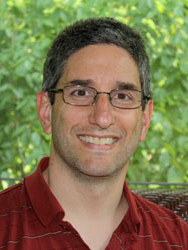
Robert J. Duronio is a Professor of Biology and Genetics, and Chair of the Department of Biology at the University of North Carolina at Chapel Hill. He is also affiliated with the Lineberger Comprehensive Cancer Center and the Integrative Program for Biological and Genome Sciences. His research focuses on the epigenetic and cell cycle-regulated mechanisms controlling genome structure and function in Drosophila, particularly the interplay between chromatin organization, histone gene expression, and DNA replication during development. Duronio's work employs genetic, genomic, and cell biological approaches to study the histone locus body, a phase-separated nuclear body critical for histone mRNA biosynthesis and cell cycle progression. His research group investigates how histone gene transcription is temporally and spatially coordinated with S-phase progression, as well as the roles of histone variants and post-translational modifications (e.g., H3K4, H3K36, H4K20) in regulating chromatin structure and Polycomb-mediated gene silencing. Recent studies highlight the plasticity of cell cycle control during development and the functional consequences of histone locus body dysregulation on genomic stability. Affiliations: School of Medicine, Department of Biology, Department of Genetics Labs: Duronio Lab (focused on developmental cell cycle control and epigenetic mechanisms)
Peter De Deyn is a Professor of Neurology at the University of Groningen's Faculty of Medical Sciences and holds concurrent positions as Professor at the University of Antwerp's Laboratory Neurochemistry & Behaviour and Neurologist at ZNA Middelheim & Memory Clinic in Antwerp. He serves as Scientific Director of both the Alzheimer Research Center Groningen and Institute Born-Bunge in Antwerp, while leading editorial roles including Editor-in-Chief of Clinical Neurology and Neurosurgery . His educational background includes: Diploma in Medicine (1978) from Free University of Brussels M.D. (1982) from Free University of Brussels MSc in Medical and Pharmaceutical Sciences (1987) from Free University of Brussels MSc in Neuropsychiatry (1987) from Free University of Brussels PhD in Neurology (1989) from University of Antwerp De Deyn's research centers on dementia mechanisms and diagnostics, with primary focus on Alzheimer's disease, vascular dementia, frontotemporal dementia, and dementia in Down syndrome. His work integrates neuroimaging, neurochemistry, and biomarker development to address critical gaps in early detection and differential diagnosis, particularly for vulnerable populations including those with intellectual disabilities. Current investigations emphasize neuroinflammation pathways and genetic risk factors in neurodegenerative processes. His 2025 publication portfolio reveals three dominant research thrusts: advanced diagnostic methodologies for dementia in special populations (particularly intellectual disabilities), neuropathological mechanisms across Alzheimer's, Down syndrome, and Parkinson's, and computational approaches to Alzheimer's prediction. These works collectively advance precision diagnostics while addressing previously underserved patient groups. De Deyn leads significant research initiatives including the €2.1M ERC-funded project "Peripheral targeting of TNFR1 and Lcn2 as treatments for Alzheimer’s disease" (2022-2026) and previously directed "Stimulation of TNFR receptor 2 as therapeutic for Alzheimer's" (2018-2022). His supervisory role encompasses 12 graduate students and postdoctoral researchers across Dutch and Belgian institutions. He directs the Alzheimer Research Center Groningen laboratory specializing in neurochemical analysis of dementia biomarkers and co-chairs the Trisomy 21 Research Society Committee for Science & Society. His clinical teams at UMCG and ZNA Middelheim integrate research with memory clinic operations, while his leadership in the Dementietafel Groningen initiative drives regional dementia care innovation.