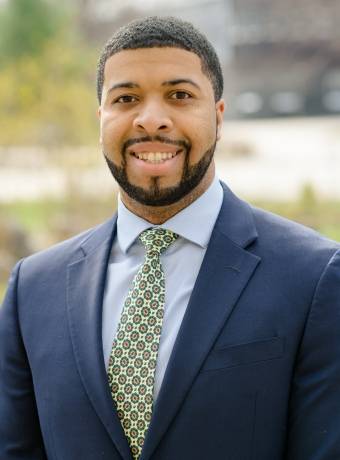
Sigmund LolandView profile
Professor
Sigmund Loland is a Professor of Sports Philosophy and Sport and Ethics at the Department of Sport and Social Sciences, Norwegian School of Sport Sciences (NIH). He has held significant leadership positions including Rector of NIH (2005-2013), President of the International Association for the Philosophy of Sport (2000-2003), and President of the European College of Sport Science (2006-2013). Currently, he serves on WADA's Ethics Committee (since 2004), the IOC's committee for social science and humanities research (since 2013), and as a consulting professor at The International Olympic Academy in Olympia, Greece (since 2001). Loland's research focuses on sports philosophy, sport and ethics, epistemology and movement, and the history of ideas of sport. His scholarly work examines performance-enhancing technology and doping in sports, the value of sports for individuals and society, and the Olympic movement. He has published extensively across top journals in sports philosophy and ethics, with particular emphasis on youth sports ethics, concussion prevention, and sustainability in elite sports in his most recent work. His extensive publication record shows a consistent focus on ethical dilemmas in sports, particularly regarding performance enhancement. Recent articles analyze social dimensions of sustainable youth sports, athletic identity construction, nutritional supplements framing, concussion prevention, and biosemiotic perspectives on sporting sites. His work bridges theoretical philosophy with practical applications in sports governance and policy. IAPS Distinguished Scholar Award (2009) NIH Student Rose (2013) International Fellow, American Academy of Kinesiology and Physical Education (2004-) Olympic Chair at Universities of Leuven and Ghent, Belgium (2017) Honorary Doctorate from University of Bern, Switzerland (2022) NIH Research Award (2024) Loland has supervised numerous doctoral students and collaborated extensively with international researchers across disciplines including sociology, psychology, medicine, and philosophy. His research has been supported by multiple grants focusing on ethics in sports, doping prevention, and youth sports development. He has been instrumental in shaping anti-doping policies through his work with WADA and IOC committees. His recent research agenda emphasizes the sustainability of elite sports systems and ethical considerations in emerging technologies affecting athletic performance.