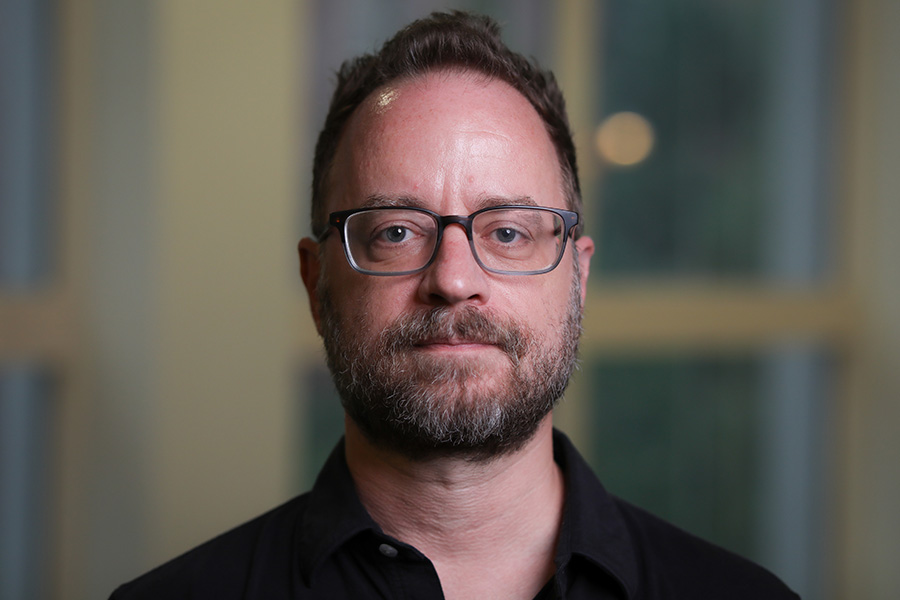
Jesse Cougle is a Professor of Psychology at Florida State University, focusing on anxiety disorders , obsessive-compulsive and related disorders (OCRD), and problematic anger . He leads the Cougle Lab, which develops computerized treatments and investigates distress intolerance , courage , and transdiagnostic factors . Education: University of Texas at Austin (2008), Oxford University (postgraduate) Research: Cognitive-behavioral mechanisms in anxiety disorders, technology-based interventions for social anxiety and BDD, and biological processes in problematic anger Students: Mentoring Tapan Patel, James Zech, Victoria Swaine, and others His work spans interpretation bias modification , safety behavior reduction , and 'not just right' experiences in OCRD. Recent publications emphasize digital interventions for mental health and distress tolerance as a key transdiagnostic factor. Scientific Awards: President’s New Researcher Award (ABCT) Graduate Faculty Mentor Award (FSU) He serves as Editor-in-Chief of the Journal of Obsessive-Compulsive and Related Disorders and holds editorial roles in major journals. The Cougle Lab explores anxiety , perfectionism , and appearance-related psychopathology through multimodal research .
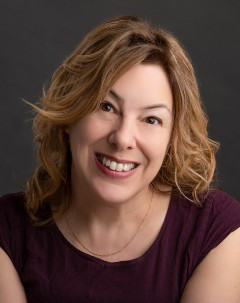
Dr. April Nowell is a Professor of Anthropology in the Department of Anthropology at the University of Victoria's Faculty of Social Sciences, specializing in Paleolithic archaeology, cognitive archaeology, and the archaeology of children. Currently on leave, she leads internationally recognized research projects across Europe, the Levant, Australia, and Africa while actively accepting graduate students. She earned her PhD from the University of Pennsylvania and has developed expertise in Neanderthal lifeways, Paleolithic art, and hominin life histories. Her academic journey reflects deep engagement with both theoretical frameworks and fieldwork across diverse geographical contexts. Nowell's research examines how prehistoric societies structured knowledge transmission, childhood development, and symbolic expression. Her groundbreaking work on finger flutings in Australian caves reveals children's roles in Paleolithic storytelling traditions, while her analysis of Levantine wetland ecosystems demonstrates how Pleistocene humans adapted to environmental shifts. She challenges conventional narratives about Neanderthal cognition and has pioneered methodologies for reconstructing prehistoric childhood experiences through skeletal and material evidence. Her recent publications show consistent innovation in archaeological methodology, particularly in digital documentation of rock art and interdisciplinary approaches to human development. Key trends include integrating bioarchaeological data with cognitive models, examining material culture as evidence of social learning, and analyzing environmental archives to understand human dispersal patterns. Her scientific recognition includes: 2023 EAA Book Prize for Growing Up in the Ice Age: Fossil and Archaeological Evidence of the Lived Lives of Plio-Pleistocene Children Nowell secures major research funding including Social Sciences and Humanities Research Council grants supporting her Azraq Basin project in Jordan and Koonalda Cave research in Australia. She mentors graduate students in Paleolithic theory while collaborating with Indigenous communities and international scholars on field projects spanning five continents. Her work bridges academic research and public engagement through TEDx talks and media appearances examining science communication. She directs field programs at Jordan's Azraq Basin wetlands and Australia's Koonalda Cave, working with multidisciplinary teams including geochronologists, bioarchaeologists, and Traditional Owners to investigate Pleistocene human adaptation and cultural transmission.
Erwin Schoof is an Associate Professor at the Department of Biotechnology and Biomedicine , Technical University of Denmark. He leads the Cell Diversity Lab and focuses on advancing proteomics and mass spectrometry technologies. Expertise in single-cell proteomics , stem cell niches , and bioinformatics . Active in myelofibrosis and leukemia research , with applications in UN Sustainable Development Goals . Research Trends from 2025–2024 include: Machine learning-driven peptide sequencing (InstaNovo, InstaNexus). Single-cell resolution tools for mapping hematopoietic stem cells and tumor microenvironments . Biomarker discovery in chronic diseases and respiratory conditions . Supervision : Mentors multiple PhD students on single-cell proteomics , omics data analysis , and biotherapeutic production . Labs & Collaborations : Collaborates with international teams on plasma proteomics , 3D bioengineering , and advanced mass spectrometry workflows .
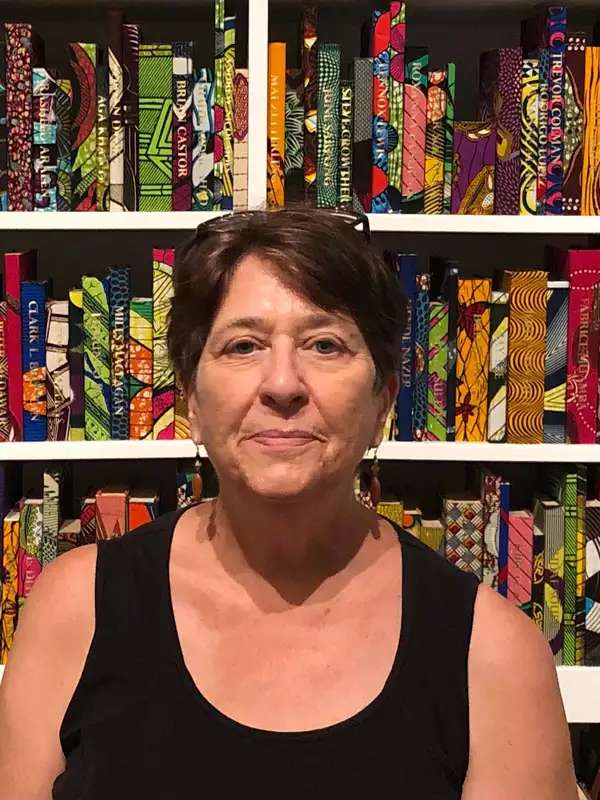
Lesley A Sharp is the Barbara Chamberlain & Helen Chamberlain Josefsberg ’30 Professor of Anthropology at Barnard College. She holds a joint appointment as Senior Research Scientist in Sociomedical Sciences at the Mailman School of Public Health (Columbia University) and is a Fellow of the Center for Animals and Public Policy at Tufts University's Cummings School of Veterinary Medicine. Her research spans medical anthropology, bioethics, and human-animal relations, with fieldwork in the U.S., Anglophone countries, and Madagascar. Education : Joint Ph.D. from UC Berkeley/UCSF, M.A. from UC Berkeley, B.A. from Brandeis University Sharp's academic focus encompasses the symbolics of the human body, youth and identity politics in postcolonial Africa, organ transplantation ethics, and the moral consequences of experimental science. Her recent work examines human-animal interactions in laboratory research and carceral healthcare settings. Her publications bridge Medical Anthropology , Science and Technology Studies , and Animal Ethics . Key themes include the commodification of bodily materials, ethical dilemmas in transplantation, and interspecies responsibility in biomedical innovation. Scientific Awards : Guggenheim Fellowship (2020), Wellcome Medal (2019), Leah M. Ashe Prize (2022), New Millennium Book Award (2008), MASA Mentor Award (2019) Sharp has received external grants from the Wenner-Gren Foundation and Barnard College, with research exploring the moral economies of biotechnology , postcolonial African identity , and bioethical frontiers . Her academic leadership includes teaching awards and endowed chair positions.
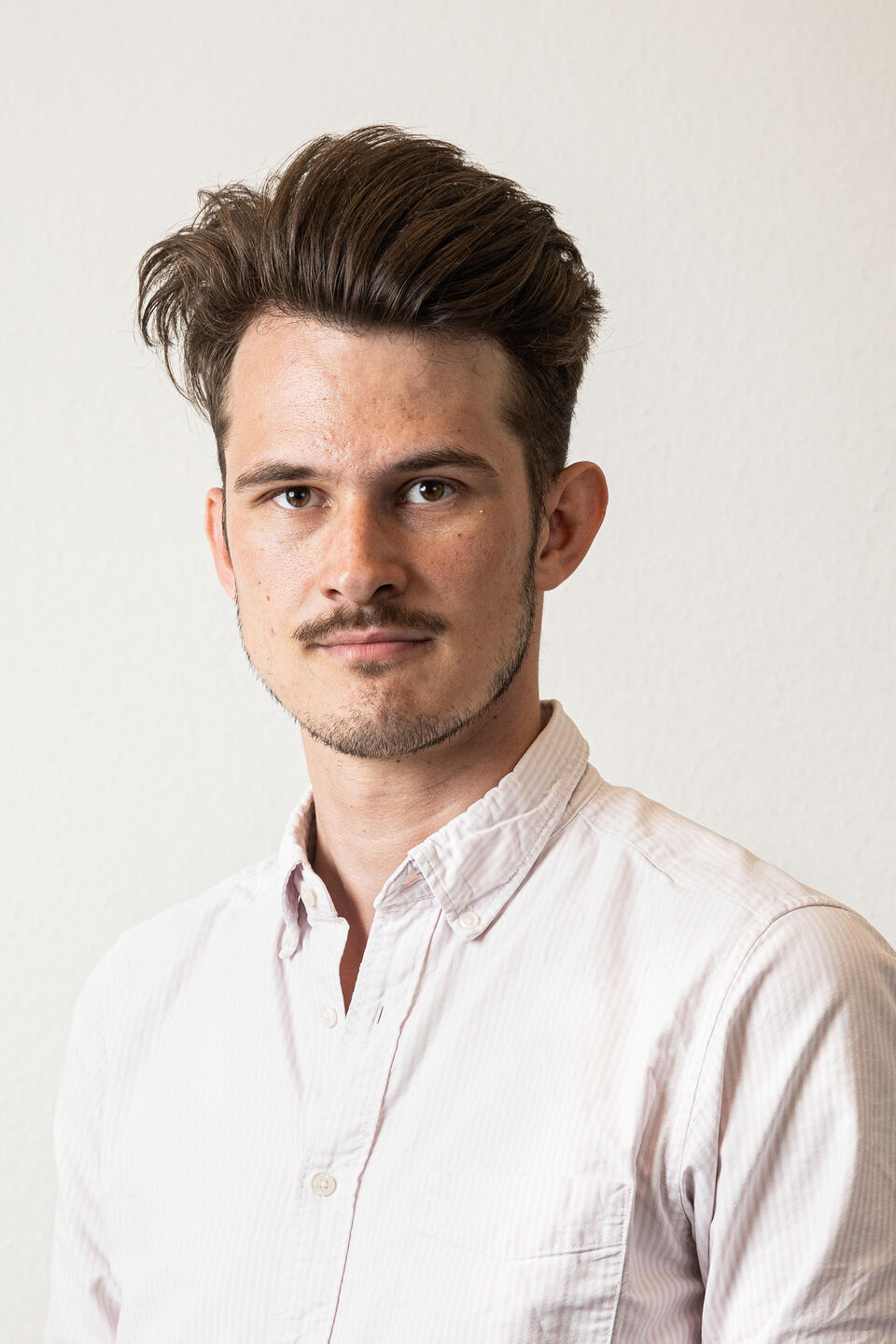
Konrad Kollnig is an Assistant Professor at Maastricht University’s Faculty of Law, specializing in the intersection of law and technology. He leads the RegTech4AI project, which combines legal and technical methods to address challenges in the AI and digital platforms sector. His academic background includes a PhD and MSc from the University of Oxford and a BSc from RWTH Aachen, with his PhD thesis winning the prestigious Stefano Rodotà Award 2024. Research focuses on market power analysis in digital platforms, ethical AI governance, and privacy-preserving technologies. He developed the TrackerControl app (200,000+ downloads) to expose app tracking practices. His work has influenced EU, OECD, US FTC, and other regulatory bodies, and been featured in Forbes, Wired, and New Scientist. Key achievements include winning the United Nations Privacy Competition 2022 and the Best Student Privacy Paper Award 2022. He holds a five-year RegTech4AI project grant (€2.1M) funding six researchers. Talks and collaborations span institutions like Georgetown University, CNIL, and the Council of Europe. His interdisciplinary approach bridges computer science, law, and policy to address systemic risks in digital ecosystems.
Anne Berit C. Samuelsen serves as Associate Professor at the Department of Pharmacy, University of Oslo, where she also holds the position of Head of Education. Her academic foundation includes a Cand.pharm. degree and Dr.scient. doctorate, establishing her expertise in pharmaceutical sciences. Her research centers on polysaccharides from natural sources—particularly higher plants, cereals, and fungi (Basidiomycota)—with specialized focus on β-glucans. Key interests include carbohydrate chemistry, pharmacognosy, and the development of biopolymer-based pharmaceutical applications. Her work bridges fundamental structural characterization with practical drug delivery solutions, notably through liposome coating technologies and immunomodulatory compound development. Recent publications reveal a strong trajectory in fungal polysaccharide research, particularly with Pleurotus eryngii and Albatrellus ovinus species. Her team employs advanced techniques like diffusion-ordered NMR spectroscopy to analyze polysaccharide structures while investigating biological activities related to immune receptor binding (Dectin-1, Toll-like receptors) and therapeutic applications. This work demonstrates consistent output in high-impact journals including Carbohydrate Polymers and ACS Applied Bio Materials . She actively contributes to academic instruction through courses such as FARM1150 (Pharmaceutically Oriented Biochemistry), FARM3100 (Pharmacognosy), and FARM5200 (Use of Biopolymers in Pharmaceuticals). Her leadership extends to the Bioactive Natural Substances and Health Effects (BioNatH) research group and the Glyconor Consortium, where she investigates natural product applications for health improvement.
Bonnie Effros is Professor and Head of the Department of History at the University of British Columbia since 2022. With a PhD from UCLA and BA from Brandeis, her academic journey spans prestigious roles at University of Liverpool, University of Florida, Binghamton University, and Southern Illinois University. A Fellow of the Royal Historical Society and recipient of the French Colonial Historical Society’s Alf Andrew Heggoy Book Prize, she shapes historical discourse through her work on archaeology, gender, and colonial legacies. PhD, History, UCLA (1994) MA, History, UCLA (1990) BA, History, Brandeis University (1987) Her research bridges late antique/early medieval archaeology and 19th-century antiquarianism , focusing on France and its colonial possessions. Recent projects examine Père Camille de la Croix ’s contested Christian archaeology in France and Salomon Reinach ’s assimilation politics. She connects material culture to gender dynamics, Christian conversion debates, and colonial power structures through extensive fieldwork in Vatican archives and French/British collections. Key trends in her 15 most recent publications include: analyzing 19th-century museum-building in Algeria; investigating gender through Merovingian burial practices; and exploring colonial narratives via artifact circulation. Her work often intersects with museum studies , gender archaeology , and historiographical critique . French Colonial Historical Society’s Alf Andrew Heggoy Book Prize (2019) SSHRC Insight Development Grants (2023-2025, 2025-2027) Royal Historical Society Fellowship University of Florida’s International Educator of the Year (2014) As a graduate supervisor, Effros mentors students in late antique/early medieval European history with colonial contexts, emphasizing Latin proficiency and multilingual research. She co-edits the Brill Series on the Early Middle Ages and Studies in Late Antiquity , while serving on the Medieval Academy of America’s Council. Her pandemic-era work on Liverpool silversmith Joseph Mayer’s collections demonstrates continued engagement with cultural patronage and museum provenance issues.
Mehmet Karahan is an Associate Professor in the Department of Cardiovascular Surgery at Gaziantep University Faculty of Medicine. He specializes in cardiovascular surgery with a focus on mechanical circulatory support, left ventricular assist devices (LVAD), heart transplantation, and endovascular procedures. His clinical and research work centers on innovative approaches to treating complex cardiac conditions. His educational background includes: Medical License (English Program): Hacettepe University Faculty of Medicine (2004-2011), Turkey Specialization in Cardiovascular Surgery: Health Sciences University, Ankara High Specialized Health Application and Research Center (2012-2017), Turkey Dr. Karahan's research interests span multiple areas within cardiovascular medicine. He has made significant contributions to the field of mechanical circulatory support, particularly focusing on left ventricular assist devices (LVAD) and their applications in both adult and pediatric patients. His work explores minimally invasive approaches to LVAD implantation, management of complications, and integration with other cardiac procedures. Additionally, he has expertise in endovascular aortic repair techniques, including complex cases involving traumatic injuries and challenging anatomies. His research also extends to heart transplantation, anticoagulation management, and thrombophilia in vascular disease. Analysis of Dr. Karahan's recent publications reveals a strong focus on advancing mechanical circulatory support technologies, particularly LVAD systems. His work addresses critical challenges in the field including pediatric applications, minimally invasive techniques, management of complications like pump thrombosis, and integration with other cardiac procedures. He has also made significant contributions to endovascular aortic repair, developing innovative techniques for complex cases. His research demonstrates a multidisciplinary approach that bridges surgical innovation with patient-centered outcomes. Dr. Karahan is an active member of several professional organizations: European Association for Cardio-Thoracic Surgery (EACTS) - Member since 2024 International Society for Heart and Lung Transplantation (ISHLT) - Member since 2023 National Association of Vascular and Endovascular Surgery - Member since 2020 Turkish Cardiovascular Surgery Association - Member since 2014 He has served as an editor for The Turkish Journal of Thoracic and Cardiovascular Surgery (2025). His clinical work involves complex cardiovascular procedures, with a particular emphasis on innovative approaches to mechanical circulatory support and endovascular interventions. Dr. Karahan has presented his research at numerous national and international conferences, contributing to the advancement of cardiovascular surgical techniques. His professional experience includes positions at Gaziantep University, Ankara Bilkent City Hospital, and Turkey High Specialization Hospital. He has also gained international experience through observer positions at Paracelsus Medical University-Nuremberg Clinic, Hannover Medical School, University of Geneva, and Harvard University.
Dana Small, PhD is a Senior Scientist at the RI-MUHC and Professor in the Department of Neurology and Neurosurgery at McGill University . Her research is centered in the Metabolic Disorders and Complications Program within the Centre for Translational Biology . Her research focuses on understanding how body and mind work together to optimize behavior, particularly through neuroimaging, metabolic, and behavioral studies of ingestive behavior. She investigates how modern food environments affect brain evolution and eating behavior. The 15 most recent publications show a consistent focus on food reward mechanisms (2025), nutrient-brain interactions (2024), addiction-genetics relationships (2023), and neural processing of taste and reward (2020-2023). These works appear in high-impact journals like Cell Metabolism and Science .
Yuval Noah Harari is a historian, philosopher, and lecturer at the Department of History at the Hebrew University of Jerusalem. Born in Haifa, Israel in 1976, he received his PhD from the University of Oxford in 2002. He is best known as the author of the internationally acclaimed books Sapiens: A Brief History of Humankind (2014), Homo Deus: A Brief History of Tomorrow (2016), 21 Lessons for the 21st Century (2018), Nexus: A Brief History of Information Networks from the Stone Age to Artificial Intelligence , and the Unstoppable Us children's series. Harari's research focuses on macro-historical questions including the relationship between history and biology, the essential difference between Homo sapiens and other animals, justice in history, historical directionality, human happiness throughout history, and the ethical questions raised by science and technology in the 21st century. His work bridges history, biology, philosophy, and economics, taking both macro and micro perspectives to understand not only what happened and why, but also how it felt for individuals. His books have sold over 45 million copies in 65 languages, with Sapiens alone selling 25 million copies since its publication. He is considered one of the world's most influential public intellectuals today. Harari has given keynote speeches at major international forums including the World Economic Forum in Davos and has presented as a digital avatar in a TED talk. Sapiens spent 96 consecutive weeks in the top 3 of the Sunday Times bestseller list Co-founded Sapienship, an international social impact company focused on education and storytelling, with his husband Itzik Yahav Regularly speaks at major international events on topics of technology, history, and the future of humanity Harari's recent work focuses on the challenges of the information age, particularly the crisis of truth and trust in an era of disinformation and artificial intelligence. He explores how humans can navigate the complex ethical questions raised by emerging technologies while maintaining democratic values and human dignity.
David N. Langelaan is an Associate Professor in the Department of Biochemistry and Molecular Biology at Dalhousie University, within the Faculty of Medicine. He holds a PhD from Dalhousie University and has been a department member since 2016. His research focuses on structural biology, protein-protein interactions, cellular signaling, and protein engineering. Key projects include hydrophobin characterization and engineering, studying MITF's role in melanoma and development, and analyzing rhodoquinone biosynthesis in anaerobic environments. Education: PhD, Dalhousie University. Research Themes: Structural biology, protein assemblies, microbial biochemistry, cancer biology. His lab employs techniques like NMR spectroscopy, X-ray crystallography, and isothermal titration calorimetry. Current lab members include graduate students (Raymond He, Trilok Neupane) and honours students (Alex Bouchard, Janani Venkat). Funding is provided by agencies such as NSERC, CFI, and the Dalhousie Medical Research Foundation. Publications highlight contributions to antimicrobial mechanisms, transcription factor signaling, and hydrophobin self-assembly. Recent work examines MITF coactivator interactions and rhodoquinone biosynthesis pathways in bacteria.
Rebecca L. Walker is a Professor in the Department of Philosophy (College of Arts and Sciences) and a Professor of Social Medicine in the School of Medicine at the University of North Carolina at Chapel Hill. She also serves as Core Faculty in the Center for Bioethics and is an Adjunct Professor in Public Policy. Her research focuses on biomedical ethics, particularly animal research, phase I clinical trials, and genomic ethics. Dr. Walker holds a Greenwall Foundation post-doctoral fellowship in bioethics and health policy (completed in 2001), and has held visiting faculty positions at the University of Michigan. She teaches courses on bioethics, virtue ethics, and the philosophy of medicine at both undergraduate and graduate levels, and contributes to the medical school curriculum in social and health systems. Her academic leadership roles include serving on UNC’s Animal Care and Use Committee, co-directing the Hospital Ethics Service’s education program, and leading NIH-funded grants such as the CMORE project on healthy volunteer research ethics. She is a Hastings Center Fellow (2021) and has authored/co-edited influential works like Of Mice and Primates: Virtue Ethics and Animal Research (2025) and The Social Medicine Reader (2019). Dr. Walker’s research spans ethical issues in biotechnology, distributive justice in healthcare, and the moral status of nonhuman animals. Her recent projects include a study on correctional health care providers’ professional challenges and a National Human Genome Research Institute grant examining incidental enhancements in gene editing technologies. She actively engages in policy debates around genomic screening, animal welfare, and translational research ethics. Her awards and recognitions include the Hastings Center Fellowship, which acknowledges her contributions to ethical scholarship in health, science, and technology. Her work bridges philosophical theory with applied ethics, emphasizing virtue ethics and interdisciplinary collaboration across medicine, policy, and the social sciences.
Prof. Dr. Sven Heidenreich is a full Professor of Business Administration, specializing in Technology and Innovation Management at the University of Saarland. He leads an active research group and holds a prominent position in the German-speaking academic community, with consistent recognition in national and international rankings. University: University of Saarland Department: Business Administration Research Focus: Technology and Innovation Management Email: sven.heidenreich@uni-saarland.de His research centers on innovation processes, particularly consumer integration, co-creation, resistance to innovation, and sustainable business models. He employs a quantitative-empirical approach to study individual and organizational aspects of innovation, with applications in digital services, video games, and green innovation. The recent publications reflect a strong trend in understanding consumer behavior in innovation contexts, including greenwashing, leapfrogging, co-creation, and the role of personality in entrepreneurial success. His work frequently appears in high-impact journals such as Journal of Product Innovation Management , R&D Management , and Technological Forecasting and Social Change . Top 0.5% researcher worldwide in Innovation Management (ScholarGPS 2024) JPIM Outstanding Reviewer Award 2023 Multiple appearances in WirtschaftsWoche Economist Rankings (2018–2024) Finalist, Best Paper Award, IRCSM 2024 Prof. Heidenreich supervises doctoral researchers and has led significant research projects, including the DFG-funded TRIP project on integrating different consumer types into new product development. His team includes postdocs, junior professors, and scientific staff, indicating active mentorship and collaborative research. He also collaborates with researchers across Europe and beyond. He leads the DFG project TRIP and has secured funding from major German research bodies. His lab focuses on empirical studies involving consumer panels, student experiments, and idea competitions to validate innovation theories in realistic settings.
Dr. Sumsun Naher is a Senior Lecturer in the Department of Engineering at City, University of London , where she has worked since 2013. Previously, she served as Lecturer and Research Development Officer at Dublin City University (2006–2013) and as Scientific Officer at Bangladesh Council of Scientific & Industrial Research (1998–2000). Her academic career includes a Post Graduate Diploma in Academic Practice from City, University of London. PhD , School of Mechanical & Manufacturing Engineering, Dublin City University MSc , Materials & Metallurgical Engineering, Bangladesh University of Engineering and Technology BSc , Materials & Metallurgical Engineering, Bangladesh University of Engineering and Technology Her research focuses on semi-solid processing , laser processing , simulation & modelling of materials technologies , and materials characterisation . Recent work explores cellulose nanofiber-based water filters for antibiotic removal and phase change materials in geothermal energy systems. Key article trends reveal expertise in: Laser Surface Modification of metals and composites Advanced Casting Methodologies and semi-solid metal forming Nanoparticle Reinforcement in metal matrix composites Thermal Modelling for energy systems Sustainable Material Solutions in water treatment and energy Computational Materials Science via finite element analysis Naher has received the DCU Invent Commercialisation Award (2011) and holds fellowships from IMechE , Institute of Materials, Minerals & Mining , and Advance Higher Education Authority . She actively reviews for funding bodies and examines PhD theses internationally. As an organiser of the ESAFORM Conference and co-organiser of its Additive Manufacturing symposium since 2017, she contributes to academic leadership. Her professional roles include Board of Directors for the European Association of Materials Forming and participation in EU COST Action projects (Thixoforming, Thixosteel, Nanostructured Materials).
Prof. Torsten Ochsenreiter is a Group Leader at the Institute of Cell Biology, University of Bern, and part of the Multidisciplinary Center for Infectious Diseases (MCID). His research focuses on molecular parasitology, particularly on trypanosomes and malaria parasites, utilizing advanced microscopy techniques to study fundamental biological processes. His primary research interests include mitochondrial biogenesis, kinetoplast genome maintenance, RNA editing mechanisms, and cytoskeletal dynamics in Trypanosoma brucei . He investigates how mitochondrial DNA is segregated during cell division and how post-translational modifications regulate parasite transmission. His work bridges cell biology, structural biology, and infectious disease research to understand pathogenic mechanisms in neglected tropical diseases. Analysis of his recent publications reveals a consistent focus on the tripartite attachment complex (TAC), mitochondrial genome inheritance, and expansion microscopy applications. His research demonstrates how structural adaptations in parasite organelles enable survival and transmission, with significant implications for developing novel therapeutic strategies against African sleeping sickness and malaria. No scientific awards were mentioned in the provided text. Prof. Ochsenreiter advises students and leads an active research team at the University of Bern. The Ochsenreiter lab provides opportunities for undergraduate and graduate students to engage in cutting-edge parasitology research, though specific grant funding details were not provided in the text. The Ochsenreiter lab operates within the Institute of Cell Biology and specializes in molecular parasitology techniques including expansion microscopy, cryo-electron tomography, and genetic manipulation of trypanosomes. The team investigates mitochondrial biology and cytoskeletal organization to uncover vulnerabilities in parasite life cycles.