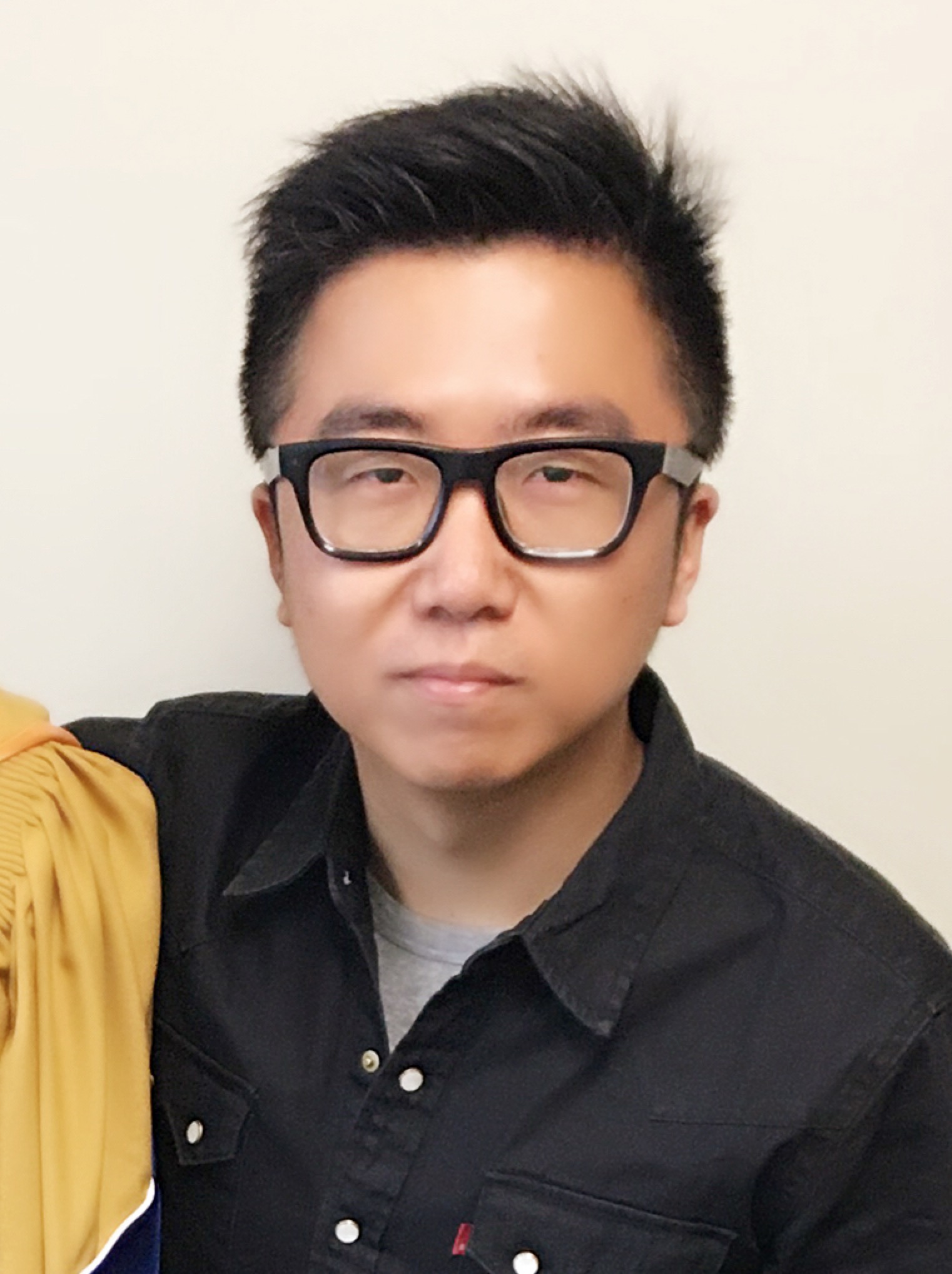
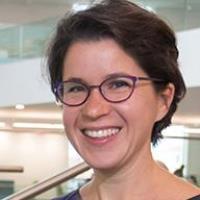
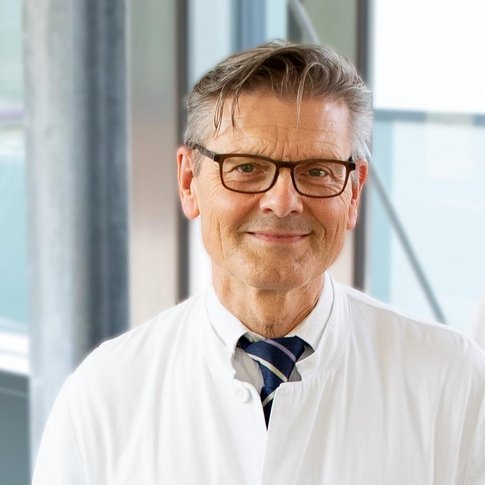
Dr. Sotirios Stathakis is Chief of Physics at the Mary Bird Perkins Cancer Center (2023–Present) and Associate Director of the Medical Physics Division at the University of Texas Health Science Center San Antonio (2017–2022). He holds an Adjunct Professor position at Louisiana State University's Department of Physics and Astronomy (2023–Present). His expertise lies in radiation oncology and medical physics, with a focus on patient-specific quality assurance, dose verification, and advanced treatment techniques like adaptive radiation therapy and SBRT. Education: Ph.D., Medical Physics, University of Patras (2005) M.S., Medical Physics, University of Aberdeen (1997) B.S., Physics (minor in Mathematics and Computer Science), University of Waterloo (1995) Research Interests: Patient-specific quality assurance Daily dose verification Treatment planning techniques Adaptive radiation therapy Stereotactic body radiation therapy (SBRT) Automation and workflow optimization in radiation oncology Publications: Over 20 peer-reviewed articles since 2020, focusing on topics like Monte Carlo simulations, AI-driven beam analysis, and AAPM task group recommendations for IMRT verification. Key themes include improving dose accuracy, equipment validation, and clinical implementation of advanced radiation technologies. Grants & Awards: Not explicitly listed in provided text. Labs/Teams: Collaborates with institutions like Fox Chase Cancer Center, South Texas Veterans Health Administration, and LSU on medical physics research and clinical applications.
Dr. Regina Y. Baker is a Clinical Associate Professor of Surgery in the Division of Plastic and Reconstructive Surgery at the Keck School of Medicine of USC. She holds faculty positions at USC University Hospital, USC/Norris Comprehensive Cancer Center, LAC-USC Medical Center, Huntington Memorial Hospital, and Childrens Hospital of Los Angeles. Her clinical expertise spans breast reconstruction, adolescent breast surgery, body contouring, complex reconstructive surgery, and aesthetic surgery, with a focus on women’s health. She founded the Adolescent Breast Center (ABC) at Childrens Hospital of Los Angeles, addressing congenital and adolescent breast disorders, and leads burn reconstruction efforts at the Southern California Regional Burn Center. Education: MD from Keck School of Medicine, followed by plastic surgery residency at USC. Teaching: Actively involved in mentoring medical students and residents. Her research interests include surgical innovations in reconstructive procedures, wound healing, and regenerative medicine. Dr. Baker’s publications reflect her contributions to breast surgery techniques, stem cell applications, and laser technology in medicine. Awards: Recognized as one of Pasadena Magazine’s Top Doctors in 2010. She collaborates with USC bariatric surgeons to offer post-weight loss body contouring and maintains affiliations across multiple top-tier medical institutions.
Anup Basu is a Professor in the Department of Computing Science at the University of Alberta. His research focuses on computer graphics, computer vision, and multimedia communications. He holds an B.S. in Math & Statistics from the Indian Statistical Institute (1980), an M.E. in Computer Science from the Indian Statistical Institute (1983), and a Ph.D. in Computing Science from the University of Maryland (1990). His work emphasizes Quality of Service (QoS) in multimedia delivery for e-commerce and telelearning, adaptive bandwidth monitoring, and 3D visualization tools. He pioneered foveated image compression and stereo visualization techniques, contributing to MPEG-4 coding standards. He leads major initiatives like the ASRA/TelePhotogenics/IBM 3D Medical Imaging project ($2M+ funding) and developed patented SHR Stereo/3D scanning technologies. Awards include the American Neurological Association Fellowship. He has held leadership roles as General Chair for IEEE International Conferences on SMC (2017), Multimedia & Expo (2013), and SMC (2014). His research integrates interdisciplinary collaborations across universities and industry partners, leveraging advanced equipment like the CAVE system for immersive visualization.
Susanne Schötz is an Associate Professor of Phonetics at Lund University's Centre for Languages and Literature and a Researcher at the Lund University Humanities Lab. She is also the project manager for Cat-human communication research and a member of the LU Profile Area: Natural and Artificial Cognition. Her research focuses on phonetic variation in three main areas: dialectal variation in Swedish and other languages, paralinguistic variation related to age, emotion, attitude and health condition, and phonetic variation in human-animal communication, particularly cat-human communication. She has led several research projects including Melody in human–cat communication (Meowsic), Cat–Human Communication, and studies on Estonian Swedish and Swedish vowel articulation using articulography. Dr. Schötz teaches courses at the speech and language pathology and audiology programs at Lund University. Her work with cats has gained significant attention, including winning the Ig Nobel Prize in Biology in 2021 for research on cat-human communication. Her research output demonstrates strong trends in animal communication, particularly focusing on the acoustic properties of cat vocalizations and how humans perceive and interpret these sounds. She combines traditional phonetic analysis with innovative approaches to study cross-species communication, making significant contributions to both linguistics and animal behavior studies. Scientific Awards: The Ig Nobel Prize in Biology (2021) Årets Mäster (Master of the Year) (2020) Vetenskapssocieteten Lunds universitet (2016) Vetenskapssocieteten i Lund: Stipendium för betydande insats inom humanistisk forskning (2007) Dr. Schötz has supervised research projects and students in phonetics and human-animal communication. Her work has been supported by various research funds including MAW, SKK och Agrias forskningsfond, and the Pufendorf IAS. She is in charge of the articulographs in the Humanities Lab, which are essential for her research on speech production and articulation. She is actively involved in the Lund University Humanities Lab, contributing to its mission of interdisciplinary research in the humanities through her expertise in phonetics and communication studies.
Cheng Zhang is an Associate Professor (with Tenure) in Information Science and a Field Member in Computer Science at Cornell University. He directs the Smart Computer Interfaces for Future Interaction (SciFi) Lab , focusing on integrating human-centered AI with advanced sensing technologies to empower everyday wearables. Ph.D. in Computer Science, Georgia Institute of Technology (2020) M.S. in Software Engineering, Chinese Academy of Sciences B.S. in Software Engineering, Nankai University His research examines how to solicit information on and around the human body to address real-world challenges in interaction, health sensing, and activity recognition. He builds novel sensing systems spanning hardware prototypes, algorithm design (machine learning and physics-based modeling), and high-impact applications in accessibility and health. Article Trends : His recent work includes low-power, minimally intrusive wearables (e.g., EchoForce for muscle activity tracking, Ring-a-Pose for hand poses, SeamFit for smart clothing) using acoustic sensing and machine learning. The 15 most recent articles span 2025–2023, with applications in silent speech, authentication, and pose estimation. Scientific Awards : NSF CAREER Award Ubicomp 10-Year Impact Award Best Paper Honorable Mentions at ISWC’24 and ISWC’23 Advising : Mentored Ph.D. students like Ruidong Zhang (Qualcomm Fellowship recipient) and Ke Li, with research featured in Cornell Chronicle and IEEE Spectrum .
Prof. Dr. Angelika Braun is a full Professor of Phonetics at the University of Trier since October 2009, with a career spanning forensic phonetics, sociophonetics, and cross-cultural speech analysis. She previously held roles at the Bundeskriminalamt (Wiesbaden/Düsseldorf) and Philipps-Universität Marburg, where she habilitated in Phonetics and Speech Processing (2000). Her work bridges academic research with forensic practice. Research Focus: Her Sociophonetics (language and emotions, gender-specific speech) Forensic Phonetics (speaker identification, voice analysis) Contrastive and Hawaiian Phonetics Speech prosody and toxin effects (smoking, alcohol) Intercultural dubbing studies Academic Contributions: Over 15 recent articles explore voice quality, emotional speech, forensic age estimation, and cross-cultural dubbing effects. Key conferences include Interspeech, International Congress of Phonetic Sciences, and ISCA. Her work appears in journals like Forensic Linguistics and The Phonetician . Scientific Honors: Fellow of the American Academy of Forensic Sciences (AAFS) Founder Member and former Chairperson of the International Association for Forensic Phonetics (IAFP) Life-Member of the International Phonetic Association (IPA) Leadership roles in ISPhS and GAL Practical Impact: Developed the Almeida-Braun Transcription System for dialect analysis and contributed to forensic audio enhancement protocols (e.g., Rodney King case). Serves as reviewer for Language and Speech , Forensic Linguistics , and JIPA . Collaborates on longitudinal studies of vocal aging and speaker identification.
Prof. Peter Vink is a Professor of Environmental Ergonomics at TU Delft's Faculty of Industrial Design Engineering (IDE), specializing in comfort and human-centered design for transportation systems. His work focuses on improving comfort in aircraft and automotive interiors, with notable contributions to seat design, noise/vibration mitigation, and sustainable aviation innovations like the Flying-V project. He holds leadership roles in projects such as ComfDemo and collaborates with industries like BMW and aerospace firms. Awards include the Crystal Cabin Award 2023 and Officer in the Order of Orange-Nassau (2023). Vink has advised 27 PhD students and is an acclaimed educator, winning the Pluim Award for inspiring teaching. His research integrates scientific rigor with practical applications, bridging academia and industry to enhance human well-being in travel environments. Affiliations: TU Delft IDE, Human-Centered Design Department Key Projects: Flying-V aircraft interior design, turboprop cabin demonstrator, BMW seat contour research Research Interests: Environmental ergonomics, sustainable aviation, seat and cabin design, passenger comfort metrics, and human factors in transportation systems. His work addresses challenges like zero-emission aircraft ergonomics and balancing lightweight materials with comfort needs. Awards: Crystal Cabin Award 2023 (aircraft interiors) Officer in the Order of Orange-Nassau (2023) Hal W. Hendrick Award (2011) for ergonomics contributions Most Inspiring Teacher (Pluim Award, 2021) Advising & Grants: Supervised 27 PhD students, with ongoing projects in aviation ergonomics and sustainable design. Collaborations with BMW, aerospace firms, and EU-funded initiatives like ComfDemo. Active in editorial roles for journals like Applied Ergonomics and Work . Labs/Teams: Leading IDE's research on vehicle comfort, collaborating with TU Delft's Aerospace Engineering faculty on projects like the Flying-V. Involved in developing emotion-aware car seats and smartphone-friendly ergonomic chairs.
Antoanela Garbacea, DDS, MSD, is an Assistant Professor in the Department of Restorative Dentistry at the School of Dentistry, Loma Linda University. She holds advanced training in prosthodontics and is actively engaged in clinical research related to digital dentistry and implant-supported prostheses. Doctor of Dental Surgery (DDS), University of Medicine and Pharmacy, Timisoara (1998) Master of Science in Dentistry (MSD), Loma Linda University (2012) Postdoctoral Certificate in Prosthodontics, Loma Linda University (2012) Dr. Garbacea's research focuses on digital workflows in prosthodontics, including CAD/CAM technology, digital impressions, implant scan accuracy, and prosthetic rehabilitation techniques. Her work bridges clinical innovation with practical applications in restorative and implant dentistry. The recent trend in her publications (2011–2024) emphasizes digital dentistry, particularly in the areas of digital scan trueness, 3D printing, virtual planning, and the use of CAD/CAM for fixed and complete dentures. Her studies often involve clinical reports, technique descriptions, and collaborative investigations into improving prosthetic outcomes. She has contributed to numerous peer-reviewed journals such as The Journal of Prosthetic Dentistry , Journal of Prosthodontics , and Journal of Oral Implantology , with a consistent focus on enhancing precision and patient outcomes in restorative procedures. Dr. Garbacea has served as an investigator on a completed internal research project at Loma Linda University titled Effect of Splinting Implant Scan Bodies Intraorally on The Trueness of Complete Arch Digital Impressions (2021–2023), demonstrating her leadership in advancing digital prosthodontic protocols. She frequently collaborates with key faculty in implant dentistry and prosthodontics. While no formal advising or grant funding beyond the internal project is explicitly mentioned, her extensive publication record and active research engagement suggest ongoing contributions to clinical education and innovation in restorative dentistry.
Dana Cobzas is an Associate Professor at the MacEwan University in the Department of Computer Science , with adjunct appointments at the University of Alberta. Her academic journey includes a PhD in Computer Science (University of Alberta, 2004) MSc in Mathematics (Babes-Bolyai University, 1998) BSc in Mathematics (Babes-Bolyai University, 1997) . Her research focuses on imaging and computer vision , particularly mathematical models for medical image processing . Key areas include Medical image segmentation and registration 3D modeling from uncalibrated images Sparse classification for population studies Dynamic vision (tracking and modeling) Medical applications in neuroimaging and oncology . She has developed advanced techniques like deep learning-integrated level set methods and FEM-based segmentation. Scientific recognition includes: NSERC Discovery Grant (2015, 2010) Best Vision Paper at IEEE ICRA 2005 Best Student Paper at Vision Interface 2003 . She is actively involved in teaching and mentoring , with experience supervising senior students’ independent studies and contributing to collaborative projects in robotics and biomedical engineering .
Dr. Kelly L. Lockwood is an Associate Professor in the Department of Kinesiology at Brock University, within the Faculty of Applied Health Sciences. Her research focuses on sport biomechanics, exercise physiology, and athlete development, particularly in on-ice sports like hockey. She collaborates with industry to enhance sport equipment engineering, exploring material properties and design to improve athlete performance. Dr. Lockwood teaches courses such as Coaching Theory, Advanced Coaching Theory, and Harnessing Athletic Potential. She is a Learning Facilitator for the National Coaching Certification Program (NCCP) and the Founder & President of The Skating Lab Inc., a consultancy focused on sport science applications. Her research interests include skating mechanics, long-term athlete development (LTAD), and equipment design optimization. She has contributed to peer-reviewed presentations and publications on topics like blade alignment effects in goaltenders, skate boot design limitations, and relative age effects in hockey player development. Dr. Lockwood’s work bridges theoretical frameworks with practical applications, impacting both athletic training and equipment innovation. Professional affiliations include the Canadian Society of Exercise Physiology (CSEP), International Society of Biomechanics of Sport (ISBS), and the International Skating Union (ISU). Her academic contributions emphasize translating sport science into actionable strategies for coaches, athletes, and equipment manufacturers.
Norwegian University of Science And TechnologyNorway
Ole Andre Øiseth is a Professor at the Department of Structural Engineering, Norwegian University of Science and Technology (NTNU), specializing in structural dynamics with focus on bridges and marine structures. He leads the structural mechanics research group. Research Interests: Wind Engineering Bridge Aerodynamics Structural Health Monitoring Operational Modal Analysis Fluid-Structure Interaction Extreme Load Analysis Key Contributions: Developed nonlinear force models for bridge aerodynamics Advanced Kalman filter techniques for wind load identification Environmental contour methods for bridge design Automated monitoring systems for long-span bridges
Peter M. Vogt serves as Professor and Head of the Department of Plastic, Hand and Reconstructive Surgery at Hannover Medical School, where he also directs the Burn Center. His clinical leadership spans reconstructive surgery using autologous tissue, peripheral nerve surgery, and aesthetic procedures. Dr. Vogt's research focuses on wound healing , tissue engineering , regenerative biology , and burn treatment . His work integrates clinical trials with translational approaches to improve outcomes in complex reconstructive cases. Recent publications emphasize infection management in hand surgery, burn reconstruction techniques, and biomaterial applications in skin regeneration. His scientific contributions have earned prestigious recognitions including the Langenbeck Award, National Biotechnology Award, and the Mowlem Lecture honor. Professional memberships span the American Association of Plastic Surgeons, European Burn Association, and multiple German surgical societies. As an educator, Dr. Vogt has held academic appointments since 1991 including Research Fellow at Harvard Medical School and Full Professor at Hannover since 2001. His clinical expertise covers trauma reconstruction, congenital malformations, and functional restoration after nerve paralysis.
Louis S. Constine, M.D. is a Professor and Philip Rubin Professor of Radiation Oncology at the University of Rochester Medical Center's School of Medicine and Dentistry. He is a radiation oncologist with clinical and scientific expertise in lymphomas, sarcomas, all pediatric malignancies, and cancer survivorship, particularly focusing on the acute and chronic effects of chemotherapy and radiation therapy on normal tissues. Dr. Constine is actively involved in multiple national and international cancer research groups and is currently accepting new patients at the Wilmot Cancer Center in Rochester, NY. MD from Johns Hopkins University School of Medicine (1973) Residency in Radiation Oncology, Stanford University Medical Center (1978-1981) Fellowship in Pediatric Hematology-Oncology, Seattle Children's Hospital (1976-1978) Residency in Pediatrics, Stanford University Medical Center (1975-1976) Residency in Pediatric Genetics, UCSF Medical Center Moffitt-Long Hospitals (1973-1975) Dr. Constine's research primarily focuses on the long-term effects of radiation therapy in pediatric cancer survivors, with special emphasis on normal tissue complications. His work spans radiation dosimetry, late effects management, and survivorship guidelines development. He has been instrumental in establishing international standards for monitoring and preventing radiation-induced complications in childhood cancer survivors through his leadership in the Pediatric Normal Tissue Effects in the Clinic (PENTEC) initiative. His research has significantly contributed to understanding the dose-volume relationships for various normal tissues in children receiving radiation therapy. His recent publications (2024-2025) demonstrate a strong focus on comprehensive reviews of late effects in childhood cancer survivors through the PENTEC initiative, covering multiple organ systems including thyroid, kidney, metabolic syndrome, neurocognitive effects, and more. His work also includes clinical trials for pediatric Hodgkin lymphoma, innovative approaches to radiation therapy delivery (such as audiovisual immersion techniques), and international collaborations developing standardized surveillance guidelines for cancer survivors. The breadth of his publications shows his leadership in translating research findings into practical clinical guidelines for long-term follow-up care. Dr. Constine has received numerous prestigious awards throughout his career, reflecting his contributions to both clinical care and research: Educator of the Year (2018, 2011) America's Most Honored Professionals--Top 1% (2017) Albert Nelson Marquis Lifetime Achievement Award (2017-2018) Philip Rubin Professor of Radiation Oncology and Pediatrics (2013) Patient- and Family-Centered ICARE High Performance Award (2012-2013) Multiple teaching awards including the Philip Rubin-Mayer Mitchell Teaching Award (2005, 2001, 1997) America's Top Doctors for Cancer (2007-2017) Dr. Constine serves as the Radiation Chair of the Lymphoma Committee in the Southwest Oncology Group and holds leadership positions in multiple national and international organizations focused on childhood cancer survivorship. He chairs the Pediatric Quantitative Analysis of Normal Tissue Effects in the Clinic ASTRO/AAPM initiative and serves on the Children's Oncology Group Late Effects Steering Committee. His grant funding includes an ROI evaluating long-term cardiac toxicities in Hodgkin lymphoma survivors and membership on the steering committee for the NCI-supported Childhood Cancer Survivorship Study. His international work includes participation in United Nations task forces on radiation effects in children and International Atomic Energy Agency initiatives for pediatric radiation oncology in low-income countries. Dr. Constine leads the Pediatric Normal Tissue Effects in the Clinic (PENTEC) initiative, an international collaboration that has produced numerous comprehensive reviews on radiation dose-volume-response relationships for children with cancer. Through this work, he has established himself as a world leader in understanding and mitigating the late effects of radiation therapy in pediatric cancer survivors. His collaborative efforts span multiple institutions and countries, focusing on developing evidence-based guidelines for long-term follow-up care of childhood cancer survivors.
Mayo Clinic College of Medicine and ScienceUnited States
John J. Lucido, III, Ph.D., is a Medical Physicist at the Mayo Clinic in Rochester, Minnesota, specializing in Radiation Oncology . He is affiliated with the Mayo Clinic College of Medicine and Science and actively involved in clinical research, education, and global medical physics initiatives. Education: Ph.D. in Medical Physics (2013) - University of British Columbia M.S. in Mathematical Physics (2008) - Rutgers University B.S.E. in Engineering Physics - Electrical Engineering (2008) - University of Michigan Dr. Lucido's research focuses on advanced radiation therapy techniques , including: Automated treatment planning systems Dosimetric characterization of novel radiation devices Machine learning applications in organ-at-risk segmentation Clinical decision tools for spine stereotactic body radiation therapy (SBRT) Quality assurance protocols for radiation delivery His publications highlight the integration of Monte Carlo simulations , deep learning , and radiobiological modeling to optimize radiation therapy for complex cases such as pregnant patients, ultracentral lung cancers, and skin electron beam therapy. Scientific awards and honors include: Teacher of the Year - Radiation Physics (Mayo Clinic, 2022) International Graduate Student Fellowship (University of British Columbia, 2009) Graduate Aid in Areas of National Need Fellowship (Rutgers University, 2005) Certified Therapeutic Medical Physicist (American Board of Radiology, 2016) Dr. Lucido actively contributes to professional societies as a Voting Member of the Society of Directors of Academic Medical Physics Programs (SDAMPP) , Chair of the Eclipse Scripting and Automation Group , and International Consultant for C/CAN - Kumasi City Radiotherapy Project . He also serves on multiple Mayo Clinic committees related to education and quality assurance. His work emphasizes global radiation therapy standardization and educational infrastructure development , particularly in underserved regions like Ghana. Recent projects include automated testing platforms for treatment planning scripts and customizable radiation shields for skin therapy.
Gobert Lee is a Lecturer in Statistical Science at the College of Science and Engineering, Flinders University, and a Full Member of the Medical Device Research Institute. His work bridges artificial intelligence with medical imaging and biomedical engineering. Primary Affiliations: Flinders University, Medical Device Research Institute Academic Role: Lecturer in Statistical Science Research Interests: Lee specializes in applying machine learning and deep learning to medical imaging challenges, particularly focusing on: Computer-aided diagnosis (CAD) for breast cancer detection Whole-body CT segmentation and computational human anatomy Construction of human voxel models for radiation dose calculation Statistical pattern recognition in radiologic studies His research aligns with UN Sustainable Development Goals in Digital Health and has produced significant work in: CT/MRI translation using generative models (CycleGAN) Superpixel-based segmentation techniques Texture analysis for tumor classification Radiation dosimetry modeling Pediatric imaging challenges Scientific Network: Collaborations span multidisciplinary areas including: Medical imaging analysis Biomedical engineering AI for healthcare applications Climate resilience projects Key trends in his publications (2018-2023) show increasing focus on: Deep learning architectures for cross-modality imaging Automated segmentation of complex anatomical structures Statistical optimization in noisy/dense imaging environments Integration of AI with radiation safety protocols