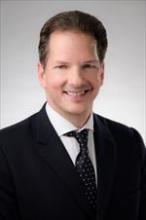
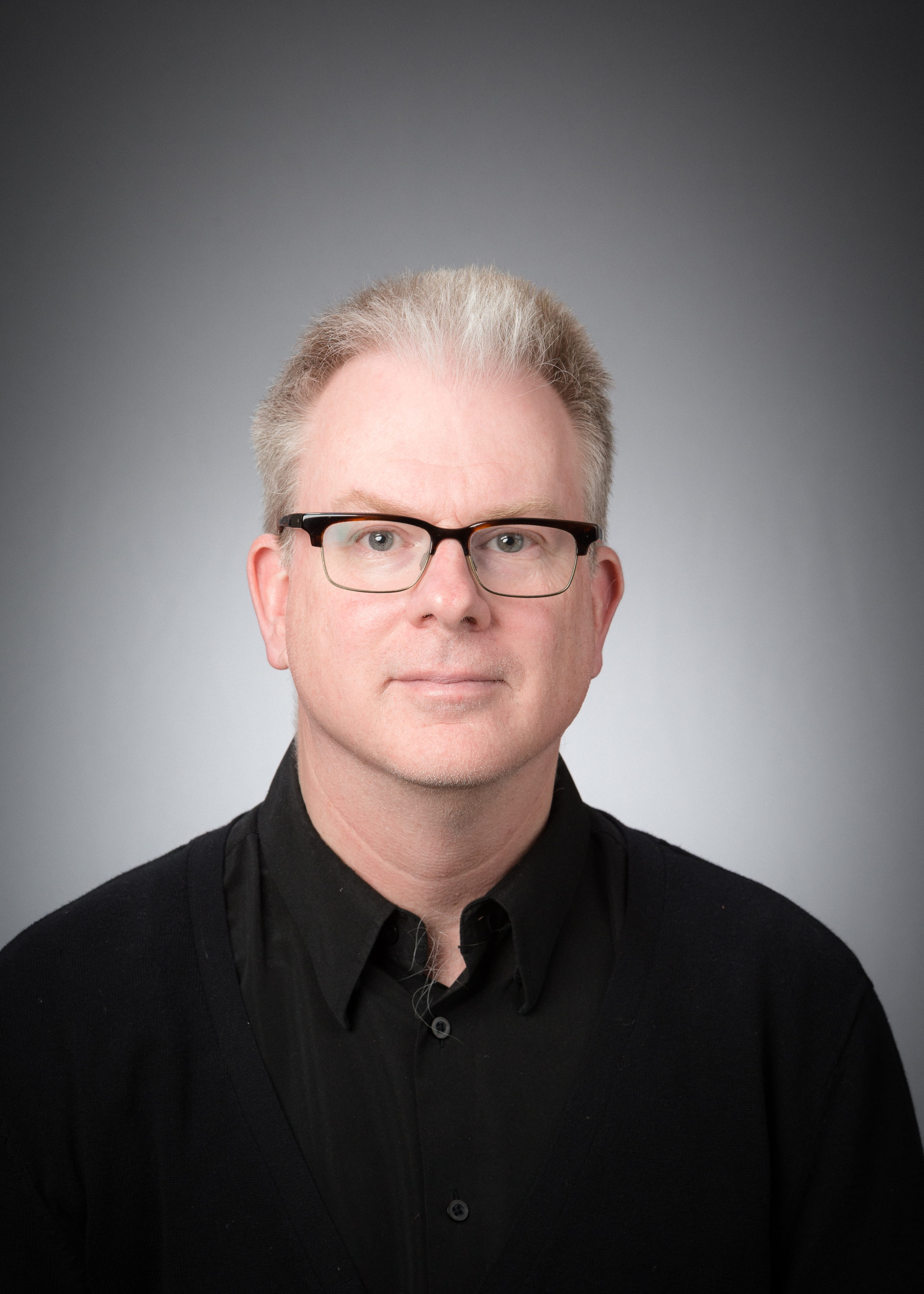
Dr. Annalies Denoble is an Assistant Professor of Obstetrics, Gynecology & Reproductive Sciences at Yale School of Medicine. She specializes in maternal-fetal medicine, focusing on high-risk pregnancies, particularly those complicated by cardiovascular disease. Her research addresses gaps in understanding maternal heart disease, hypertension, and vaccine safety during pregnancy. Education: MD and MSc in Clinical Research, University of Michigan Medical School (2014) Bachelor of Arts in French Studies, Duke University (2008) Research Interests: Her work centers on cardiovascular complications in pregnancy, including hypertension, heart failure, and congenital heart disease. She collaborates with Yale's multi-disciplinary Pregnancy Heart Team to optimize care for patients with cardiac conditions. Her studies also investigate vaccine safety, preeclampsia, and maternal mortality reduction strategies. Recent Research Trends: Her publications highlight late-onset postpartum hypertension, vaccine safety in pregnancy, and hypertension progression during and after pregnancy. She emphasizes extending postpartum care and improving risk prediction models for adverse cardiac events. Awards: Recognized as a 'Top Doctor' in Yale Ob/Gyn Physicians for 2025. Collaborations & Clinics: Dr. Denoble works with the Pregnancy Heart Team and Yale Medicine's Maternal-Fetal Medicine unit. She sees patients at locations in New Haven, New London, and Waterbury, CT.
University of California, San FranciscoUnited States
Christopher Ames is a Clinical Professor in the Departments of Neurological Surgery and Orthopaedic Surgery at the University of California San Francisco (UCSF). He serves as Director of Spinal Deformity & Spine Tumor Surgery, Co-Director of the UCSF Spine Center, Director of the California Deformity Institute, and Director of the Spinal Biomechanics Laboratory. With over 200 annual spinal deformity cases, he specializes in complex procedures for scoliosis, kyphosis, and spinal tumors, pioneering innovative techniques including the transpedicular approach and AI decision support tools. Developed first cervical spine deformity classification Created Adult Deformity Frailty Index and Invasiveness Index Recipient of multiple Scoliosis Research Society awards His research, funded through studies like the ROSE Study and Telomere Study, focuses on spinal biomechanics, surgical outcomes, and AI integration in spine surgery. He has published over 600 peer-reviewed articles and serves as Spine Section Lead Editor for Operative Neurosurgery . Scientific Awards: Hibbs Award (3×) Goldstein Award Whitecloud Award Top Doctors (Neurosurgery & Cancer) US News Top 1% Neurosurgeons
Anna Corinna Cagliano is a Full Professor at the Department of Management and Production Engineering (DIGEP) , Polytechnic University of Turin . She is a member of the CARS@PoliTO Interdepartmental Center for Automotive Research and Sustainable Mobility, and serves as Deputy Coordinator of the Doctoral College in Management and Production Engineering . Research Interests: Industrial and manufacturing engineering, logistics, supply chain management, project risk analysis, healthcare logistics, and ICT applications in logistics. Scientific Affiliation: AIDI Italian Association of Industrial Plant Teachers since 2016. Research Trends: Her publications focus on the intersection of Industry 4.0 , lean manufacturing , and sustainability in logistics. Key areas include automated storage systems , digital twins in intra-logistics , and COVID-19 impacts on supply chains . She emphasizes ICT tools and risk management across industrial and healthcare contexts. Teaching Roles: She lectures on Industry 4.0 for Production Systems and Plants and Manufacturing Systems at the Master’s and Bachelor’s levels in Automotive and Management Engineering. She also supervises PhD students in Management and Production Engineering . PhD Students: Simone Preziosa (2024–ongoing) Abror Hoshimov (2019–2023) Mahsa Mahdavisharif (2019–2023)
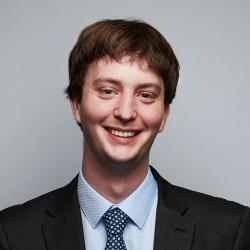
Alton Russell is an Assistant Professor at the Department of Epidemiology, Biostatistics and Occupational Health, Faculty of Medicine and Health Sciences, McGill University. He serves as an Affiliate Investigator at the Research Institute of the McGill University Health Centre (RI-MUHC) and is affiliated with the Quantitative Life Sciences program. His research focuses on data-driven decision modeling to optimize healthcare resource allocation through methods in decision analysis, simulation, health economics, and machine learning. PhD in Management Science and Engineering (2021), Stanford University MSc in Management Science and Engineering (2018), Stanford University BSc in Industrial Engineering (Health Systems concentration) and Interdisciplinary Studies (Global Health and Sustainability concentration) (2014), North Carolina State University Russell's research program develops advanced models for blood safety, pediatric kidney disease management, opioid crisis interventions, and infectious disease surveillance. His lab (D3Mod) integrates individual-level data with machine learning and Bayesian statistics to address heterogeneity in patient populations and policy impacts. His work emphasizes open science practices, with publications and code archived via DOIs. Current research themes include personalized donor risk assessment, emergency service optimization, and harmonization of serosurveillance data. Russell teaches advanced decision modeling (EPIB 676) and economic evaluation of health programs (PPHS 528) at McGill.
Richard Lyon is a Professor in Pre-Hospital Emergency Medicine at the University of Surrey's School of Health Sciences. He serves as a Consultant in Emergency Medicine and Pre-hospital Care at the Royal Infirmary of Edinburgh and Clinical Lead for Medic One flying squad, with roles in Kent, Surrey & Sussex Air Ambulance and the UK International Search & Rescue Team. His research focuses on trauma care, resuscitation, and innovative EMS technologies like video livestreaming for dispatch decision-making. He has led projects on out-of-hospital cardiac arrest strategies, hyperoxia management, and mechanical CPR in air ambulances. Lyon has received prestigious awards, including the European Resuscitation Council’s top research award and an MBE for services to emergency medicine. He contributed to national guidelines and deployed internationally, such as during the Nepal Earthquake (2015). Recent studies include evaluating HEMS crew fatigue, pediatric trauma transport during the pandemic, and lactate-based transfusion algorithms. Publications span 2018–2025, emphasizing evidence-based practices in pre-hospital critical care. Education: MD from Edinburgh University with a doctorate on out-of-hospital cardiac arrest strategies. Early career as a volunteer fireman influenced his focus on emergency care. Research Interests: Pre-hospital trauma and resuscitation HEMS operational effectiveness Technology integration in emergency response (e.g., video livestreaming) Critical care transport innovations Publications Trends (2020–2025): Focus on optimizing HEMS dispatch accuracy, minimizing scene times, and evaluating advanced interventions like ECPR and freeze-dried plasma. Studies highlight hyperoxia risks in trauma patients and dispatch algorithms for aging populations. Awards: European Resuscitation Council Top Research Award BMJ Emergency Medicine Team of the Year MBE (2021) Grants & Labs: Leads the SEE-IT feasibility trial on video livestreaming for EMS. Collaborates with NHS Trusts and international organizations on trauma guidelines. Active in the Resuscitation Council (UK) Executive Committee.
Mayo Clinic College of Medicine and ScienceUnited States
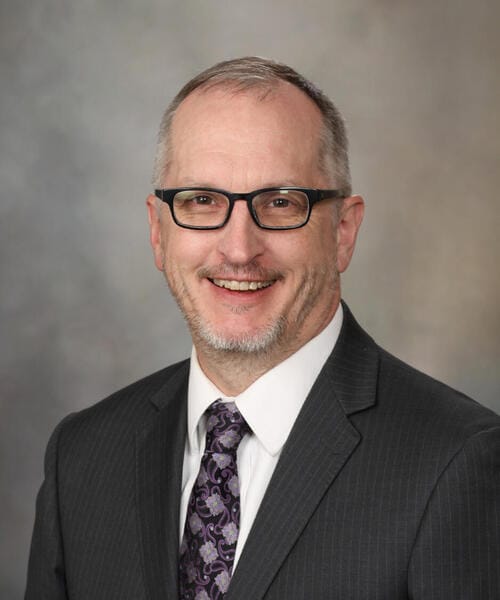
Allan B. Dietz is a Professor of Laboratory Medicine and Pathology at Mayo Clinic College of Medicine and Science. He serves as Co-Director of the Human Cellular Therapy Lab at Mayo Clinic's Center for Regenerative Biotherapeutics, with dual appointments in the Department of Immunology and Division of Transfusion Medicine. 1986: BA in Biology and Chemistry from University of Northern Iowa 1992: PhD in Genetics from Texas A&M University 1993: Postdoctoral Fellowship at USDA Agricultural Research Service His research spans cellular immunotherapy, stem cell biology, and regenerative medicine , with a focus on dendritic cell vaccines for cancers (CML, melanoma, glioblastoma), monocyte immunosuppression mechanisms, and mesenchymal stromal cell applications in GVHD and tissue repair (ALS, Crohn’s, renal stenosis, diabetes). Recent work includes microfluidic bioreactor development for cell therapy manufacturing and immune profiling for cancer patients. Key publications from 2024-2025 include: Microfluidic bioreactors for dendritic cell production Pembrolizumab-ibrutinib melanoma trials Mesenchymal stem cells in spinal cord injury Multiorgan transplant immune management guidelines Awarded: 2017 Mayo Clinic Team Science Award 1997 Voyles Fellowship in Stem Cell Biology 1991 Carrington Award for Cell Biology Active in regulatory committees including FDA-compliant cell therapy oversight and ISCT North American meetings. Integrates laboratory findings with clinical workflows through Mayo Clinic's CCaTS and Center for Individualized Medicine programs.
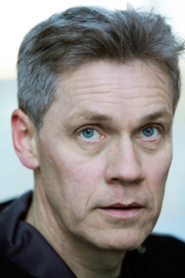
Christer Malm is a Professor at Umeå University's Department of Community Medicine and Rehabilitation, Section of Sports Medicine. His research spans molecular muscle adaptation, anti-doping technologies, and physical performance optimization for firefighters and athletes. Primary Affiliation: Umeå University, Sweden Key Focus Areas: Exercise physiology, proteomics, anti-doping, muscle disease mechanisms Research Interests: Muscle Adaptation: Revisiting the damage-repair hypothesis using proteomic screening to study cytoskeletal remodeling. Anti-Doping: Developing proteomic methods to detect autologous blood doping and investigate erythrocyte breakdown mechanisms. Work Capacity: Establishing physiological benchmarks for Swedish firefighters through extensive testing. Musculoskeletal Diseases: Comparative proteomic analysis of trapezius, vastus lateralis, and extraocular muscles to uncover disease resistance mechanisms. Exercise Impact: Exploring how physical activity modulates immunity in health and disease contexts. Scientific Contributions: Over 20 years of publications in Journal of Sports Sciences , PLOS ONE , and Scandinavian Journal of Medicine & Science in Sports , including studies on anabolic steroid effects and cold climate physiology. Ongoing Projects: PhD studies on blood doping detection, firefighter performance limits, and cross-country skiing physiology. Contact: christer.malm@umu.se
Lise Estcourt is an Associate Professor of Haematology and Transfusion Medicine at the University of Oxford and Medical Director for Transfusion at NHS Blood and Transplant (NHSBT). She holds roles as Clinical Lead for the Systematic Reviews Initiative, Director of the NHSBT Clinical Trials Unit, and NIHR IAT Lead for NHSBT. Her work spans academic research and healthcare leadership, focusing on improving transfusion practices and clinical outcomes. Education: MB BChir, MA (Cantab), MA (MEL), MSc, DLSHTM, DPhil, FRCP, FRCPath Affiliations: Cochrane Haematology (Coordinating Editor), Editor of Transfusion Medicine journal Her research emphasizes safe blood component use, platelet transfusions in haematological malignancies, and bleeding risk factors. She leads systematic reviews, clinical trials, and translational studies to optimize transfusion medicine protocols. Recent work includes evaluating immunomodulatory therapies for sepsis and convalescent plasma efficacy in pandemic scenarios. As a leader in clinical trials and quality improvement, Dr. Estcourt drives initiatives to enhance transfusion safety and evidence-based practices across global healthcare systems.
Yorg Al Azzi, M.D. serves as Associate Professor in the Department of Medicine (Nephrology) at Albert Einstein College of Medicine, Montefiore Medical Center, Bronx, NY. A UNOS-certified transplant nephrologist board certified by the American Board of Internal Medicine and American Board of Nephrology, his clinical expertise spans kidney and pancreas transplantation with active practice at Montefiore's Rosenthal Pavilion. Medical Education: Universite Saint Joseph Faculte de Medecine - Beirut Residency: Staten Island University Hospital Fellowship: Columbia University Medical Center, Mount Sinai Hospital Dr. Al Azzi's research centers on transplant nephrology with emphasis on COVID-19 impacts in kidney transplant recipients , deceased donor kidney allocation , and long-term transplant outcomes . His work investigates novel interventions for HIV-positive organ acceptance, pediatric kidney allocation optimization, and post-transplant complications like hyperkalemia, frequently employing multidisciplinary approaches to address critical gaps in transplant medicine. Recent publications (2023-2025) reveal a strategic focus on high-impact clinical challenges including infectious disease transmission in transplantation, organ allocation equity, and policy-driven interventions. His studies in Transplantation Proceedings , Journal of Heart and Lung Transplantation , and The Lancet Microbe demonstrate methodological diversity spanning case reports, single-center experiences, and public health investigations that directly inform transplant policy and practice. Fellow of the American Society of Nephrology (FASN) As Director for Nephrology rotations at Albert Einstein College of Medicine, Dr. Al Azzi mentors internal medicine residents and previously guided medical students through the ASN STAR program. His research has garnered significant attention with publications referenced in policy sources, picked up by news outlets, and generating substantial scholarly discussion on platforms like X and Mendeley. He collaborates extensively with Montefiore's transplant surgery, infectious disease, and critical care teams to advance clinical protocols for complex transplant scenarios, particularly in emerging infectious disease contexts and resource optimization for organ utilization.
Samuel McDermott is an Associate Teaching Professor at the Department of Chemical Engineering and Biotechnology , University of Cambridge. He serves as the Sensor CDT Programme Manager , focusing on interdisciplinary research in healthcare, biotechnology, and open-source hardware. His research spans machine learning applications in medical imaging , laboratory automation , and web-of-things (WoT) integration for scientific equipment. Recent work emphasizes federated learning in healthcare, blood cell morphology classification, and low-cost diagnostic tools. Key article trends include: deep diffusion models for malaria detection , open-source microscopy platforms like OpenFlexure, and AI-driven clinical data generalization . His projects often combine 3D-printed hardware and IoT-enabled laboratory systems .
Jason Shahin is an Assistant Professor at the Department of Medicine , Faculty of Medicine and Health Sciences , McGill University . He serves as an Investigator at the Research Institute of the McGill University Health Centre (RI-MUHC) , specifically within the Translational Research in Respiratory Diseases Program . His academic and clinical work bridges critical care medicine and respiratory medicine at the McGill University Health Centre (MUHC) . Research Focus: Dr. Shahin specializes in risk prediction in intensive care units (ICU) , with particular emphasis on prediction tools for complex populations , including the chronic critically ill and potential organ donors . His work integrates clinical data science with translational approaches to improve ICU outcomes. Article Trends: His publications span critical care medicine , sepsis , mechanical ventilation , and organ donation . Recent studies focus on machine learning applications , probiotics in infection prevention , and blood conservation strategies in ICU settings. Key Collaborations: He contributes to large-scale trials like the LOVIT , PROSPECT , and FORECAST studies, collaborating with networks such as the Canadian Critical Care Trials Group and REVA Network .
Mayo Clinic College of Medicine and ScienceUnited States
Eapen K. Jacob, M.D. is a Professor in the Department of Laboratory Medicine and Pathology at Mayo Clinic in Rochester, Minnesota. He serves as Chair of the Cell Therapy Fellowship Directors Working Group and is actively involved in multiple committees including the MW Cellular Molecular and Bispecifics Steering Committee and the DLMP Clinical Practice Committee. Dr. Jacob received his medical degree from Mayo Medical School in 1998. His extensive training includes fellowships in Transfusion Medicine (2009) and Hematopathology (2007) at Mayo Clinic, a Visiting Clinician position in Transfusion Medicine and Cell Therapy at University of Minnesota Hospital & Clinic (2008), and multiple residency programs in Anatomic and Clinical Pathology, Surgical Pathology, and Ophthalmology at Mayo Clinic. Dr. Jacob's research focuses on Transfusion Medicine, Hematopathology, and Cellular Therapy. His work spans stem cell transplantation, immunohematology, blood banking, and autoimmune hemolytic anemia. He has made significant contributions to understanding cold agglutinin disease, stem cell processing techniques, and CAR-T cell therapy. His research often bridges laboratory medicine with clinical applications, particularly in the context of bone marrow transplantation and blood disorders. Analysis of Dr. Jacob's recent publications reveals a strong focus on cellular therapy, stem cell transplantation, and transfusion medicine. His work addresses critical challenges in cell processing, cryopreservation techniques, and the immunological aspects of transplantation. There is a clear trend toward innovative approaches in CAR-T therapy and the optimization of stem cell transplantation protocols, reflecting the evolving landscape of hematologic malignancy treatment. 2025 DLMP Innovation and Leadership in Education Award Consultant Faculty Nomination 2024 DLMP Innovation and Leadership in Education Award Consultant Faculty Nomination 2020 Innovation Award DLMP Translational Research, Innovation and Test Development Office 2017 Excellence Through Teamwork Award 2005 Best Case Presentation College of American Pathologists National Meeting 2004 Co-Chief Resident 2004 Gastrointestinal Pathology Society Award for clinical research Dr. Jacob plays a significant role in medical education as Chair of the Cell Therapy Fellowship Directors Working Group and has been instrumental in developing fellowship training programs for cellular therapy laboratory directors. His leadership extends to multiple committees focused on cell therapy, transfusion medicine, and laboratory pathology. While specific grant information isn't detailed in the provided text, his extensive publication record and leadership roles suggest substantial research funding support. Dr. Jacob is actively involved with Mayo Clinic's Cellular Therapy Laboratory and Transfusion Medicine services. He collaborates with the Bone Marrow Transplant Program and works closely with the Translational Research, Innovation and Test Development Office (TRITDO). His work impacts patient care through innovations in stem cell processing, blood product management, and cellular therapy applications.
Douglas G Down is a Professor in the Department of Computing and Software at McMaster University . He leads the Resource Allocation and Stochastic Systems Lab (RASSL) and serves as co-PI of the Computing Infrastructure Research Centre (CIRC) . Education: Ph.D., University of Illinois at Urbana-Champaign His research focuses on stochastic modelling , scheduling , and performance evaluation of computer systems, with recent work on intelligent control of data centers , thermal-aware workload management , and data-driven resource allocation for healthcare systems. Publications span queueing theory , energy-aware scheduling , and machine learning applications in logistics. Recent scholarly trends include deep learning for pandemics (2023-2025), stochastic optimization of cooling systems (2024), and hybrid models combining queueing theory with AI (2023). He has pioneered frameworks like MGST for scheduling in heterogeneous grids and contributed to cache locality improvements in Hadoop systems. Scientific Awards: Nominated for Best Paper at MASCOTS 2013
Dr. Emma C. Koesters is an Assistant Professor of Clinical Surgery at the Keck School of Medicine of the University of Southern California. She specializes in Plastic and Reconstructive Surgery with a focus on breast reconstruction, extremity reconstruction, and lymphatic surgery. As Co-director of Keck Medicine's Lymphedema Program, she offers specialized surgical interventions for lymphedema, a common complication of breast cancer treatment. Dr. Koesters received her medical degree from the Weill Cornell College of Medicine, where she was first exposed to reconstructive surgery. She completed an integrated plastic surgery residency at the Keck School of Medicine of USC and pursued additional fellowship training in supermicrosurgery at the University of Chicago Medical Center to focus on physiologic surgery for lymphedema. Her research interests span multiple areas of reconstructive surgery: Breast Reconstruction: Including DIEP flap surgery, immediate device reconstruction, and sensory restoration through neurotization Lymphedema Surgery: Focusing on immediate lymphatic reconstruction and developing effective resources for patients Abdominal Wall Reconstruction: Investigating outcomes predictors and free flap techniques Microsurgical Considerations: Studying vascular steal phenomenon, effects of preoperative hemoglobin, and timing of radiation therapy Autoimmune Disease Management: Exploring flap-based reconstruction in patients with autoimmune conditions Dr. Koesters' publication record demonstrates a strong focus on practical clinical applications that improve patient outcomes. Her recent work examines the role of GLP-1 agonists in surgical patients, insurance coverage impacts on lymphatic reconstruction, and the development of prognostic tools like the Smile Index for cleft palate severity. She emphasizes a comprehensive approach to women's health and breast cancer reconstruction, using advanced microsurgical techniques to tailor procedures to individual patient needs. Her scientific contributions include: Developing the Smile Index as a prognostic severity scale for unilateral cleft palate Investigating the relationship between preoperative hemoglobin levels and microsurgical outcomes Examining the optimal timing for free flap reconstruction following radiation therapy Advocating for the value of reconstructive surgeons in academic medical centers Dr. Koesters believes in working closely with patients to understand their individual goals and optimize postoperative outcomes. She states: "I believe in a comprehensive approach to women's health and breast cancer reconstruction. I use the latest tools available in microsurgery to tailor surgery to each patient's needs and not only restore, but enhance quality of life. Every patient's journey is unique, and I strive to be a long-term partner and advocate for all my patients."
Kenneth R. Ziegler is a Clinical Associate Professor of Surgery (part-time) at the University of Southern California, affiliated with Keck School of Medicine and Keck Medicine of USC. He specializes in Vascular Surgery, Endovascular Therapy, Aortic Disease, and General Surgery, with particular expertise in aortic aneurysms, peripheral arterial disease, limb salvage, and carotid artery interventions. Education and Training: Details about his education are not explicitly provided in the text, but he is noted as fellowship-trained in vascular surgery with board certification in Vascular Surgery. Research Interests: Dr. Ziegler focuses on optimizing vascular reconstruction in chronic/acute ischemia, patient-centered surgical strategies, and translational research in vein graft adaptation. His work extends to interdisciplinary care models, complications of endovascular procedures, and functional outcomes in limb preservation. Article Trends: His publications emphasize endovascular innovations for complex aortic pathologies, perioperative blood management, and limb salvage techniques. Key themes include fenestrated endograft modifications, stenting approaches for dissected arteries, and the role of biological patches in reconstructive surgery. Awards: None explicitly listed in the provided texts. Advising & Grants: No formal advisees or grant details are disclosed. However, his involvement in surgical training and clinical research suggests active mentorship within his department. Labs/Teams: He collaborates with the interdisciplinary limb preservation service at USC and participates in Keck Medicine’s vascular surgery teams, focusing on integrated care approaches for complex vascular cases.