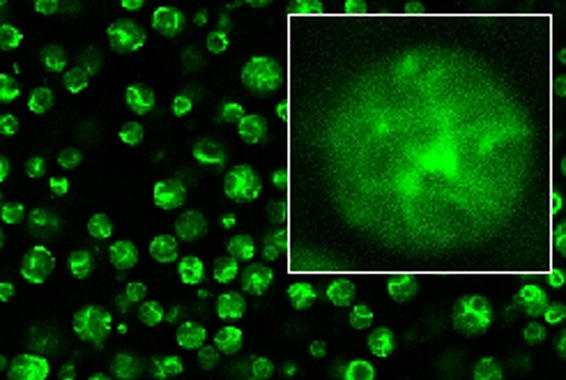
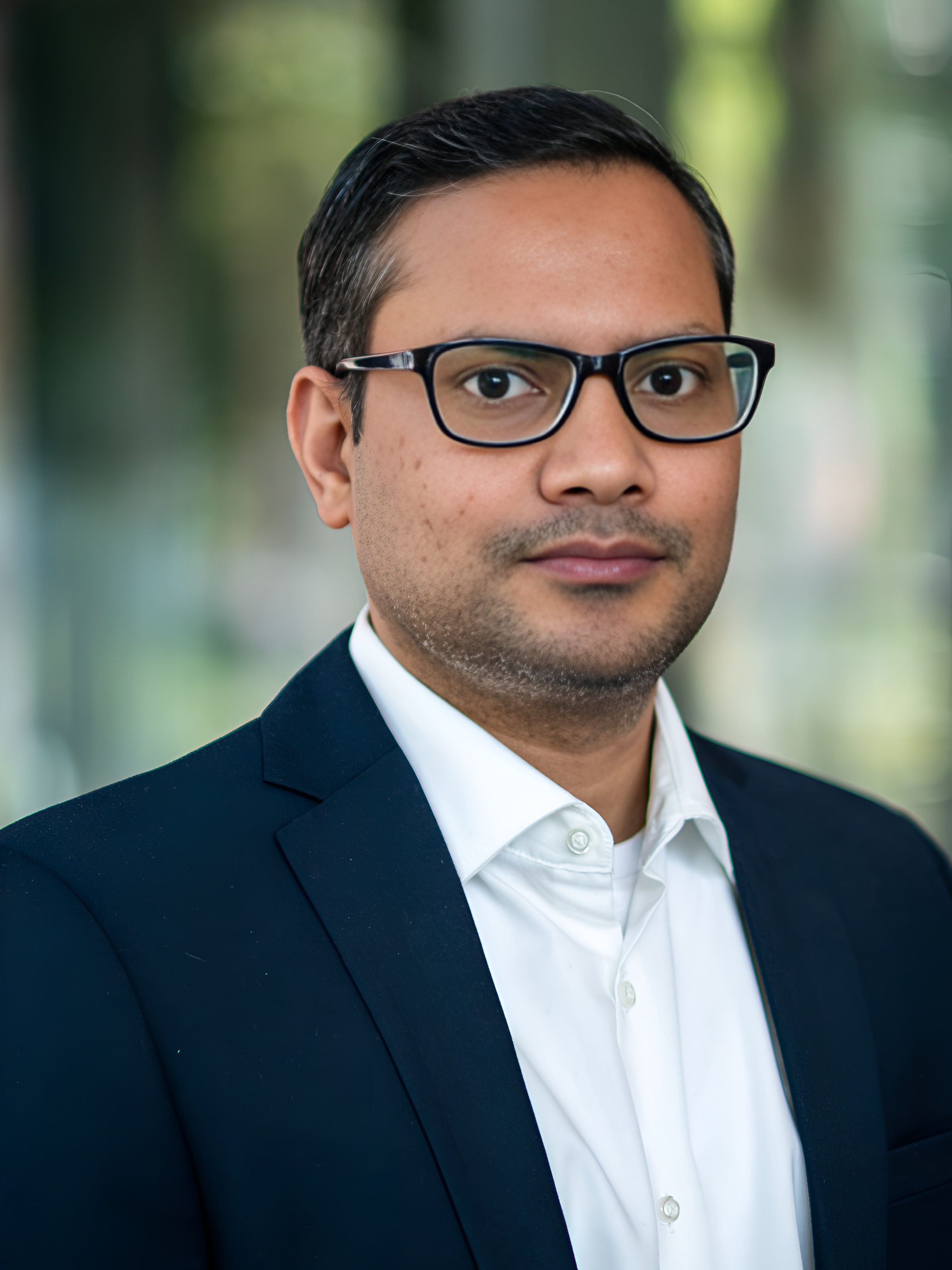
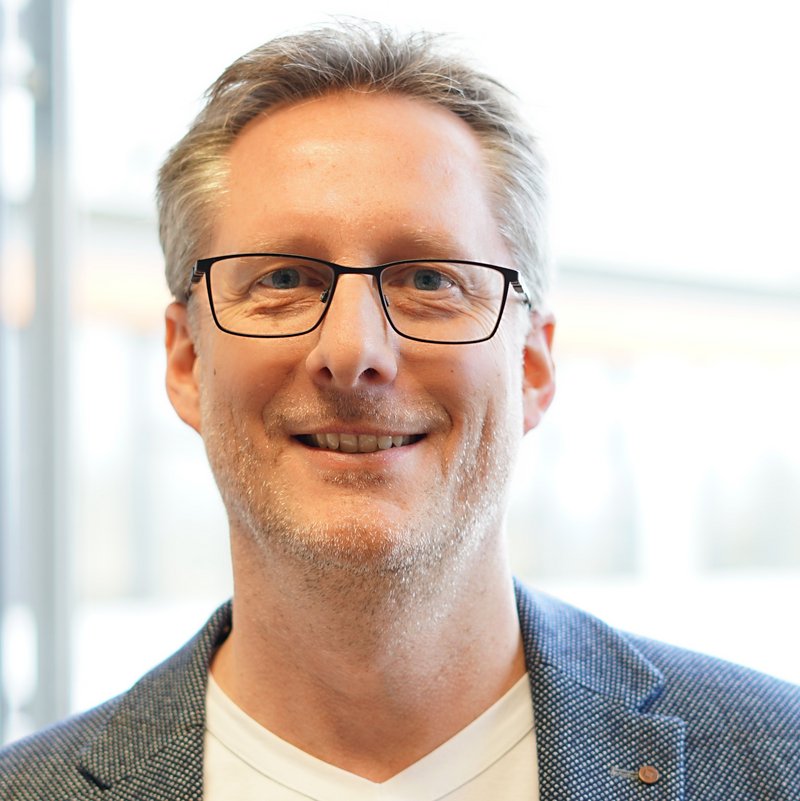
Francesca Bottanelli is an Assistant Professor at the Department of Biology, Chemistry, Pharmacy at Freie Universität Berlin. She leads the Bottanelli Group focusing on membrane trafficking mechanisms, combining advanced microscopy techniques with molecular biology approaches. Her research explores cargo transport pathways, organelle dynamics, and the role of ARF GTPases in intracellular trafficking. Education : PhD in Biological Sciences, University of Leeds (2011), Advisor: Dr. Jürgen Denecke MSc in Plant, Food and Environmental Biotechnology, University of Milan (2006) BSc in Plant Biotechnology, University of Milan (2004) Research Focus : Bottanelli’s work integrates STED super-resolution microscopy with CRISPR-based technologies to study membrane organization. Key areas include: Actin-driven plasma membrane compartmentalization ARF GTPase regulation in endosomal recycling Development of biosensors for phosphoinositide signaling Dynamic ER-to-Golgi transport mechanisms Publications Trends : Recent work emphasizes novel imaging tools (e.g., Pitstop inhibitors, TurboID tagging) and functional insights into membrane trafficking pathways. Her 2025 FAB-CRISPR method represents an innovative gene editing approach for mammalian cells. Laboratory : The group maintains state-of-the-art microscopy facilities and collaborates on projects involving viral entry mechanisms and organelle crosstalk. Open positions focus on postdoctoral research and PhD training in structural immunology and molecular cell biology.
Prof. Dr. Rainer Haag is a Professor of Organic Chemistry at the Institut für Chemie und Biochemie within the Fachbereich Biologie, Chemie, Pharmazie at Freie Universität Berlin. His research focuses on nanocarriers, functional dendritic architectures, and antifouling surfaces with applications in drug delivery and biomedical engineering. He leads a prominent research group in the UniCat Excellence Cluster, contributing to projects like multivalent nanoparticles and polymer-supported catalysis. Research Interests Haag's work spans nanomaterials design, catalytic systems, and biomaterials. Key areas include: Design of pH-responsive microgels for cell encapsulation Development of dendritic polyglycerol-based polymers for biosensors Stabilization of metal nanoparticles using core-multishell architectures Enantioselective catalysis using immobilized metal complexes Publications & Patents With over 200 peer-reviewed articles, Haag has authored influential studies on graphene-based nanomaterials, dendronylated proteins, and catalytic nanoparticle systems. He holds patents for: Immobilized transition metal catalysts for asymmetric hydrogenation Microgel systems for controlled cell release Nanoparticle stabilization using dendritic templates Lab & Collaborations His group collaborates with BioSupraMol, a DFG-funded core facility for analytical chemistry. Research facilities include state-of-the-art labs for polymer synthesis, catalytic testing, and nanomaterial characterization.
Dr. Ciaran Fowley is the Head of Nanofabrication and Analysis at the Institute of Ion Beam Physics and Materials Research within the Helmholtz Center Dresden-Rossendorf (HZDR). His research focuses on advanced nanofabrication techniques, spintronics, and magnetic materials, with applications in semiconductor photonics, biosensors, and quantum technologies. He leads projects involving ion beam patterning, metamaterial-resonator coupling, and single-photon emitter development. Key research areas include deterministic spin orbit torque switching, nanobiosensor design for SARS-CoV-2 detection, and wafer-scale fabrication of telecom photon emitters. His work integrates materials science, nanotechnology, and quantum physics to advance next-generation electronic and optoelectronic devices. Publications highlight contributions to magnetic vortex dynamics, ion-implantation effects, and coherent coupling of metamaterials with quantum systems. His team collaborates on projects supported by HZDR’s infrastructure, including the Dresden High Magnetic Field Laboratory and the CASUS Center for Advanced Systems Understanding.
Katherine J. Kuchenbecker is the Director of the Haptic Intelligence Department at the Max Planck Institute for Intelligent Systems in Stuttgart, Germany, and an Honorary Professor at the University of Stuttgart. She previously held a tenured position as an Associate Professor at the University of Pennsylvania. Her research focuses on haptic interfaces and sensing systems, enabling users to interact with virtual and distant objects through touch. She earned her Ph.D. in Mechanical Engineering from Stanford University and completed postdoctoral research at Johns Hopkins University. Her academic journey includes leadership roles such as co-chair of the IEEE Technical Committee on Haptics and associate editorships for major conferences. She has received numerous awards, including the NSF CAREER Award (2009), IEEE Academic Early Career Award (2012), and elevation to IEEE Fellow (2021). Her work spans applications in medical robotics, teleoperation, and human-robot interaction. Kuchenbecker’s research emphasizes translating haptic technology into real-world applications, such as surgical training, tactile feedback in virtual environments, and assistive devices. Her team’s contributions include innovations in wearable haptic devices and tactile sensing for robots. She frequently delivers keynote addresses and chairs international conferences, furthering the field’s global impact. Her publications highlight advancements in haptic feedback systems, surgical robotics, and biomimetic sensors. She also advocates for diversity and leadership in academia, serving as Spokesperson for the International Max Planck Research School for Intelligent Systems since 2017.
Dr. Jan Barowski is a Senior Academic Councillor (Senior Lecturer) at the Department of High Frequency Systems within the Faculty of Electrical Engineering and Information Technology at Ruhr University Bochum. His research focuses on millimeterwave radar systems, THz sensing, and advanced material characterization techniques. He leads a team developing innovative solutions in high-frequency systems, including FMCW radar imaging, antenna design, and biosensor applications. Barowski's work integrates interdisciplinary approaches combining radar technology, signal processing, and electromagnetic engineering. Recent projects include fluidic THz time delay systems, ultrawideband robotic antenna measurements, and dielectric waveguide-based biosensors. His team collaborates extensively on industrial applications like non-destructive material testing and 3D imaging. He is actively involved in academic committees and has authored/co-authored numerous articles in top journals/conferences like IEEE Transactions on Microwave Theory and Techniques, European Microwave Conferences, and International Radar Symposia. His research emphasizes practical applications in fields such as biomedical sensing, industrial monitoring, and telecommunications.
Jan Kristof Dausien is a Researcher at the Microwave Systems department within the Faculty of Electrical Engineering and Information Technology at Ruhr-University Bochum. His work focuses on advanced microwave and terahertz technologies, including sensor development, dielectric waveguide systems, and radar applications. He collaborates with Prof. Ilona Rolfes and other researchers in projects such as KI-ROJAL, PINK, and Terahertz-NRW. Research Interests: Design and characterization of dielectric waveguides for THz systems FMCW radar techniques for material imaging and ranging Integration of fluidic components into THz sensors Automated robotic antenna measurement systems Non-destructive testing using radar tomography Publications highlight his contributions to THz biosensors, environmental signal propagation studies, and innovative waveguide splitter designs. His work bridges theoretical simulations with practical applications in antenna systems and material characterization. Lab/Team: Part of the Microwave Systems team, contributing to projects like PluTO+, 6GEM, and Plaque-CharM. Collaborates with Fraunhofer Heinrich Hertz Institute (FHR) on sensor technologies.
Dr. Yingke Wu serves as Group Leader of the Nanodiamond Group at the Max Planck Institute for Polymer Research (MPIP) in Mainz, Germany, a position he assumed in 2022 after completing his doctorate at the same institution. His academic qualifications include: Bachelor of Science in Polymer Materials and Engineering from Hebei University of Technology (Tianjin, China), 2014 Master of Science in Polymer Science and Engineering from Sichuan University (Sichuan, China), 2017 Doctorate from the Max Planck Institute for Polymer Research under Prof. Tanja Weil, 2021 Dr. Wu's research pioneers the application of nanodiamond quantum sensing technology for in-situ measurement and manipulation of intracellular parameters—including temperature, pH, and radical species—in living biological systems. His work addresses critical limitations of conventional nanoscale measurement techniques by developing sensors operable under physiological conditions, bridging quantum physics, polymer science, and medical diagnostics to solve fundamental challenges in understanding biological complexity. Analysis of his 2021-2022 publications reveals a concentrated research trajectory advancing nanodiamond-based quantum sensing for biomedical applications, with emphasis on hydrogen peroxide detection, intracellular thermometry, and light-controlled theranostic platforms. These works demonstrate cross-disciplinary innovation spanning chemistry, materials engineering, and clinical medicine, particularly in developing real-time intracellular monitoring tools for dynamic biological processes. Dr. Wu actively contributes to Collaborative Research Center SFB1279, which investigates the human peptidome for novel antimicrobial and anti-cancer therapeutic development. The Nanodiamond Group operates at the forefront of quantum biotechnology, developing next-generation sensing platforms that could transform fundamental biological research and clinical diagnostics through precise nanoscale environmental monitoring in living cells.
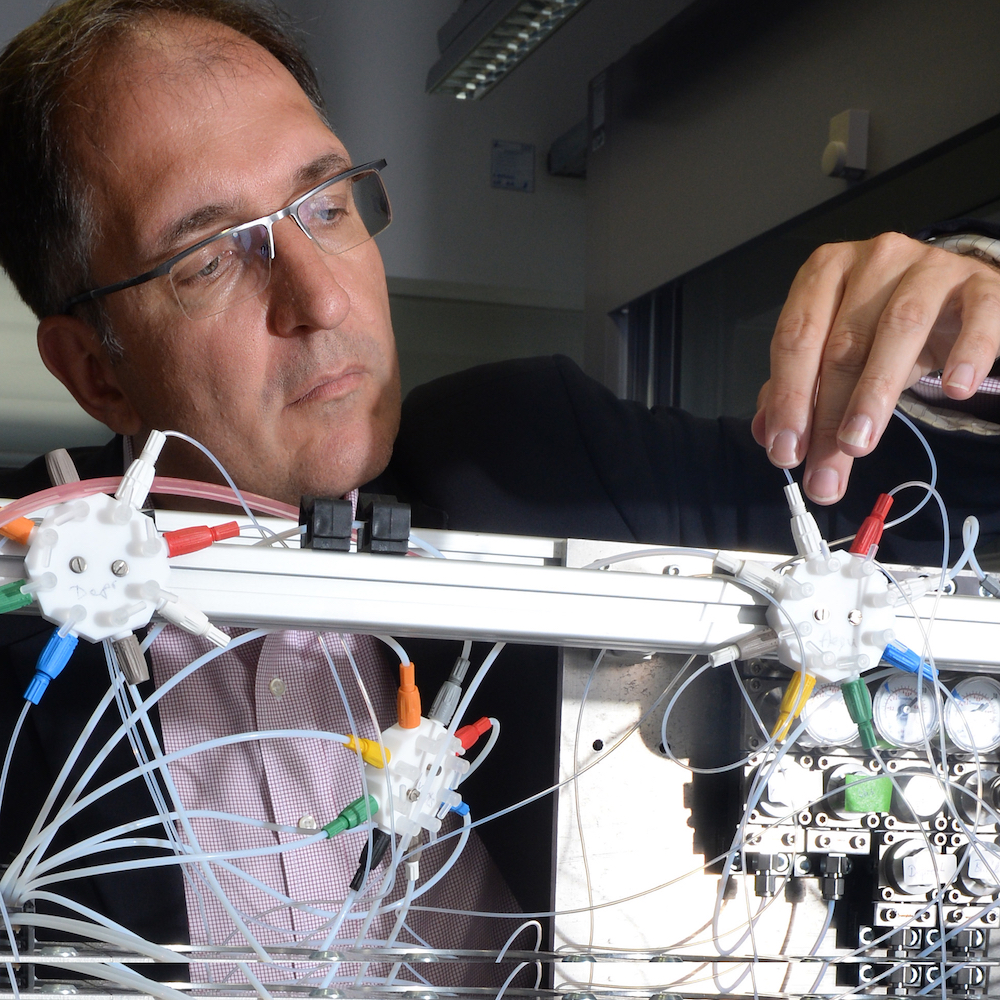
Peter H. Seeberger is Director at the Max-Planck Institute for Colloids and Surfaces in Potsdam, Professor at the Freie Universität Berlin, and honorary Professor at Potsdam University. He previously served as Affiliate Professor at the Sanford-Burnham Institute for Medical Research (2003-2014) and Professor at ETH Zurich. Since 2021, he has been Vice President of the German Research Foundation (DFG), and since 2023 has served as Founding Director of the Center for the Transformation of Chemistry with €1.25 billion funding. His research spans glycosciences, carbohydrate chemistry, vaccine development, and continuous flow synthesis. Seeberger developed the chemical basis for automated glycan assembly, enabling the synthesis of complex polysaccharides up to 100-mers. His work has opened new pathways for synthetic glycoconjugate vaccines against pathogens including Streptococcus pneumoniae, Clostridium difficile, and Klebsiella pneumoniae. He also pioneered continuous photochemical processes for artemisinin production to combat malaria. Seeberger's recent publications reveal a strong trend toward applying glycobiology to vaccine development, diagnostics, and nanotechnology. His work increasingly focuses on translating basic research into clinical applications, with several vaccine candidates in human trials. The integration of continuous flow chemistry with glycan synthesis represents a major technological advancement in his field. ACS Award for Affordable Green Chemistry (2021) Stifterverband Science Prize (2017) Körber European Science Award (2007) Arthur C. Cope Young Scholar Award (2003) Elected to Berlin-Brandenburg Academy of Sciences (2013) Over 40 international awards total Seeberger's laboratory has produced over 690 peer-reviewed articles, 5 books, and 60+ patent families. His research has spawned multiple spin-off companies including Vaxxilon AG (acquired by Idorsia), Tacalyx, ArtemiFlow, and GlycoUniverse. As editor of the Beilstein Journal for Organic Chemistry since 2009, he promotes open access publishing. His work on the Center for the Transformation of Chemistry represents a major funding initiative to reshape chemical research and industry. Seeberger leads the Biomolecular Systems department at the Max Planck Institute, which includes research groups focused on automated glycan assembly, glycoconjugate vaccine development, and continuous flow synthesis. His Center for the Transformation of Chemistry represents a major collaborative effort across German research institutions with significant government funding.
Maria Fyta serves as a Professor of Biotechnology at RWTH Aachen University's Faculty of Biology, leading research in the Department of Biotechnology from her lab in the Biology Building (Worringerweg 3, Aachen). Her work bridges computational physics, nanotechnology, and molecular biology to develop next-generation biosensing platforms. Her research focuses on nanopore-based DNA/protein sequencing , utilizing 2D materials (graphene, MoS 2 , h-BN) and nanodiamond functionalization for single-molecule detection. Key projects include ionic liquid catalysis systems , computational alloy design , and molecular dynamics simulations of biomolecular translocation. Recent work emphasizes machine learning integration for signal analysis and materials discovery. Analysis of her 15 most recent publications reveals dominant trends in Nanopore engineering for biomolecular sensing Computational materials design of 2D systems and alloys Machine learning applications in nanofluidics While no specific scientific awards are documented in the provided materials, her extensive publication record demonstrates significant contributions to nanotechnology and biophysics. Professor Fyta's group develops advanced simulation frameworks for biomolecular translocation and collaborates on experimental validation of nanoscale devices. Current efforts focus on enhancing read-out capabilities in functionalized nanopores and designing bio-mimetic sequencing platforms.
Dr. Manish Kumar is a Scientist in the Department of Microbial Biotechnology at the Helmholtz Centre for Environmental Research - UFZ in Leipzig, Germany. His research focuses on the Biohybrid Solar Power Plant (BISON) project, working on electrochemical system integration and characterization for sustainable energy solutions that bridge biological and electrochemical components. Dr. Kumar received his Dr. rer. nat. (PhD) from Leibniz Universität Hannover, Hannover School for Nanotechnology, with a dissertation rated 'Very Good.' Prior to his doctoral studies, he earned a Master of Technology with Distinction in Nanotechnology from Pondicherry University and a Bachelor of Engineering in Electronics Engineering from RGPV. His primary research interests center on developing sustainable energy solutions through the intersection of electrochemistry, nanotechnology, and biotechnology. Dr. Kumar specializes in creating advanced materials for energy storage applications, particularly focusing on carbon nanofibers derived from renewable sources like lignin. His work on the Biohybrid Solar Power Plant (BISON) project aims to establish electrochemical configurations with low cost and high energy efficiency for solar energy conversion. His research bridges the gap between material science and biological systems to create innovative solutions for renewable energy challenges, with particular emphasis on microbial electrochemical technologies. Analysis of Dr. Kumar's publication record reveals a strong progression from fundamental materials synthesis to applied research on biohybrid systems. His work consistently explores the use of renewable precursors like lignin to create carbon-based nanomaterials for energy storage. Over time, his research has evolved toward more integrated approaches that combine microbial systems with electrochemical devices, reflecting the growing importance of sustainable bioprocesses in energy technology development. Dr. Kumar has received the Society for Biomaterials Award from Charlotte, NC, USA, recognizing his contributions to biomaterials research, particularly his work on protein immobilization using electrospun fibers which has important applications in biosensors and biomedical devices. As a Scientist at UFZ, Dr. Kumar contributes significantly to the Systems Biotechnology research group's mission of sustainable production of chemicals and green energy carriers. His expertise in electrochemical systems and materials science supports the group's work on manipulating redox balances and developing microbial electrochemical technologies. His current involvement in the BISON project demonstrates his role in substantial research initiatives focused on renewable energy solutions and biohybrid technology development. Dr. Kumar works within the Systems Biotechnology group at UFZ, which employs an interdisciplinary approach combining quantitative physiology, systems metabolic engineering, and microbial electrochemical technologies. The group works with photoautotrophic cyanobacteria as 'farmers' to provide redox power and organic carbon, and metabolically engineered microbes as 'laborers' for production. His research on electrochemical integration directly supports the group's four-pillar approach that includes modeling of metabolism, advanced analytics, in-depth physiology studies, and microbial electrochemical technologies.
Dr. Jochen Kieninger is a Researcher at the University of Freiburg's Faculty of Engineering, currently affiliated with the Chair of Electrical Measurement Technology and Embedded Systems led by Prof. Rupitsch. He holds a Dr.-Ing. in Microsystems Engineering from the University of Freiburg. His career includes roles as a research assistant, research group leader, and Senior Academic Councilor, with notable stints at the Chair of Sensors and the Freiburg Institute for Advanced Studies (FRIAS). His research focuses on electrochemical sensors, biosensors, and microsensor systems for biomedical engineering and neurotechnology. Key areas include metabolic monitoring in cell cultures and organ-on-chip systems, electrochemical methods for MEMS applications, and microtechnology fabrication (e.g., dry resists, electroplating). He teaches courses like Electrochemical Methods for Engineers and BioMEMS , and authored the textbook Electrochemical Methods for the Micro- and Nanoscale . Recent publications span innovations in sensor design for environmental monitoring (e.g., glyphosate detection), neuroimplant stability, and IoT-enabled potentiostats like FreiStat. His work bridges microfabrication, biomedical applications, and renewable energy systems.
Dr. Pierre Picchetti is a Junior Research Group Leader and Liebig Fellow at the Karlsruhe Institute of Technology (KIT) 's Institute of Nanotechnology , leading the Cluster-Based Materials research unit focused on Multifunctional Nanomaterials for Healthcare Applications . His work spans advanced nanosensor development, supramolecular chemistry, and targeted drug delivery systems. Institution: Karlsruhe Institute of Technology (KIT) Unit: Cluster-Based Materials - Multifunctional Nanomaterials for Healthcare Applications Contact: pierre.picchetti@kit.edu | Phone: +49 721 608-28933 Dr. Picchetti's research integrates Nanotechnology , Supramolecular Chemistry , and Biomedical Engineering to create innovative solutions for food safety , drug delivery , and medical diagnostics . Key methodologies include Surface Enhanced Raman Scattering (SERS) , indicator displacement assays , and stimuli-responsive nanocarriers . Recent publications highlight 2025 breakthroughs in nanosensor design for food contaminants and plant-based detection systems , alongside 2024 advancements in polymersome-encapsulated chemosensors and light-triggered drug release platforms. His SERS-based mycotoxin sensors and cucurbit[7]uril assays demonstrate precision in complex biological environments. Scientific Awards: Liebig Fellow Current projects emphasize biofluid-applicable sensors , gold nanoparticle anticancer therapies , and environmentally responsive nanomaterials , reflecting his commitment to translating nanoscience into real-world applications.
Prof. Günther Proll is a W2-Professor for Technology and Innovation Management at Reutlingen University's School of Life Sciences, leading the Internship Office (Career Service). He has been affiliated since October 2023. Previously, he held roles as a lecturer at Eberhard Karls University Tübingen, co-founded Biametrics GmbH, and served as Senior Scientist at BioCopy GmbH. Research focuses on biosensors (e.g., reflectometric arrays), point-of-care testing, water analysis, and bio-intelligent systems. His work bridges analytical chemistry with digitalization. Professional roles include leadership in the 'Sensors' faculty committee and memberships in the German Chemical Society (DGCH). Teaching includes courses on pharmaceutical industries, entrepreneurship, bioanalytics, microscopy, and innovation processes at both bachelor and master levels. Recent publications (2024-2025) emphasize sensor technologies and their applications in drug screening and environmental monitoring.
Gianaurelio Cuniberti is a Professor and Chair for Materials Science and Nanotechnology at the Technical University of Dresden (TU Dresden), Germany. He is affiliated with the Institute of Materials Science, the Max Bergmann Center for Biomaterials, and the Center for Advancing Electronics Dresden (CfAED). His interdisciplinary research bridges physics, materials science, and nanobiotechnology. His research focuses on molecular electronics , nanobiotechnology , biosensors , and phonon engineering . He explores quantum effects in chiral molecules, develops hemocompatible electrochemical sensors, and investigates charge transport in novel 2D carbon materials such as graphynes. His work integrates computational modeling with experimental validation. Recent publications highlight trends in chiral spin selectivity , real-time biomedical sensing , and reversible polymer networks . His team contributes datasets like MORE-Q for olfactory receptor engineering, underscoring a strong commitment to open science and computational materials design. Biosensors Molecular Electronics Nanobiotechnology Phononics Environmental Nanotech Electrochemical Sensing Prof. Cuniberti actively collaborates with researchers across Europe and beyond, advising on advanced materials for biomedical and electronic applications. He leads a multidisciplinary lab focused on translating nanoscale phenomena into functional devices. His group participates in major initiatives related to bio-integrated electronics and sustainable nanomaterials.
Prof. Dr. Nikola Sakač is affiliated with the Faculty of Chemical Engineering and Technology at the University of Zagreb, Croatia. His research spans analytical chemistry, sensor development, food safety, and sustainable methodologies in science and education. He actively collaborates with researchers across Europe, particularly in Croatia, Italy, and Slovenia. His research interests focus on analytical and environmental chemistry , particularly in developing potentiometric sensors , microfluidic systems , and green analytical methods . His work addresses real-world challenges in food safety (e.g., mycotoxin detection), water quality monitoring , and promoting sustainability in higher education . Nikola Sakač employs advanced materials such as nanocomposites and ionic liquids in sensor design. The recent publications show a strong trend toward interdisciplinary research, combining chemistry, engineering, and environmental science. His work integrates nonlinear modeling, biosensing, and sustainable technologies, reflecting a commitment to innovation and environmental responsibility in scientific practice. Scientific Awards: No awards explicitly mentioned in the provided text. Advising and Grants: While no students or grants are listed, his frequent co-authorship with early-career researchers and participation in multidisciplinary projects suggest active mentorship and potential grant involvement in EU or national research programs related to food safety and environmental monitoring. Labs and Teams: Nikola Sakač is likely part of research teams focused on analytical chemistry and sensor development at the University of Zagreb, possibly collaborating with the Department of Food Technology and environmental engineering groups. His work with microfluidics and biosensors indicates engagement with advanced instrumentation and sustainable lab practices.