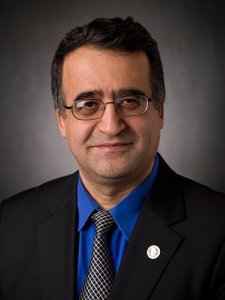
Jonathan ConwayView profile
Assistant Professor
Jonathan Conway is an Assistant Professor in the Department of Chemical and Biological Engineering at Princeton University and an associated faculty member of the High Meadows Environmental Institute (HMEI). He leads the Conway Lab, which focuses on engineering plant-microbe interactions for applications in bioagriculture, bioenergy, and biochemical industries. Education: B.S. Chemical Engineering, University of Notre Dame (2011) M.S. Chemical Engineering, North Carolina State University (2013) Ph.D. Chemical Engineering, North Carolina State University (2017) Postdoctoral Fellow, University of North Carolina Chapel Hill & Howard Hughes Medical Institute (2017-2021) Research Interests: The Conway Lab develops genetic engineering approaches for non-model bacteria at plant-microbe interfaces. Key research areas include: chemical signaling between plants and microbes, microbiome impacts on plant immunity, environmental stress responses in agricultural systems, and enzymatic degradation of lignocellulosic biomass using thermophilic bacteria. The lab employs bacterial genetics, systems biology, and biomolecular engineering to create technologies for sustainable bioindustries. Publication Trends: Recent work demonstrates strong emphasis on molecular mechanisms of plant-microbe communication (2020-2024), enzyme characterization in biomass degradation (2024-2025), and development of synthetic microbial communities for climate resilience (2024). Earlier research focused on extremophile enzymology and metabolic engineering (2012-2019). Student Advising: Currently mentors 4 graduate students and 8 undergraduates. Alumni include 9 former advisees who graduated between 2022-2024. The lab actively recruits students through Princeton's Chemical Engineering graduate program and undergraduate research initiatives. Laboratory: The Conway Lab develops microfluidic systems for root microbiome studies and genetic tools for engineering plant-associated bacteria. Current projects include designing thermophilic microbial consortia for consolidated bioprocessing and characterizing bacterial immune evasion strategies.