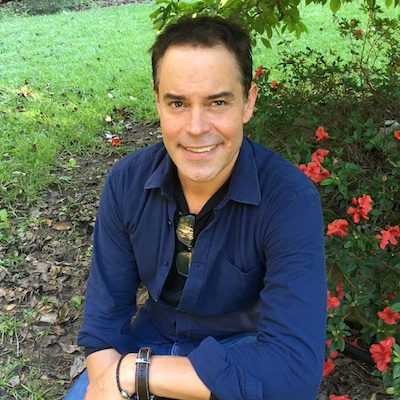
Rajesh Seth is a Professor in Civil and Environmental Engineering at the University of Windsor's Faculty of Engineering. His research focuses on organic waste conversion to bioenergy, advanced water treatment technologies, and environmental contaminant monitoring. Current investigations include ozonation processes, microbial remediation, and contaminant fate modeling in wastewater systems. With extensive publications in environmental engineering, his recent work spans UV disinfection, life cycle assessment of anaerobic digestion, and wastewater surveillance for public health. Collaborative projects include microbial water quality modeling in the Great Lakes region and development of advanced oxidation processes for toxin removal.
James J Leahy is an Associate Professor in the Department of Chemical Sciences at the University of Limerick, affiliated with the Bernal Institute and Dairy Processing Technology Centre (DPTC). His research focuses on thermochemical conversion of biomass/waste into biofuels and chemicals, catalysis for bio-oil upgrading, and sustainable biorefinery processes. He leads a multidisciplinary team of chemists and engineers, leveraging lab-to-pilot scale experimentation to optimize feedstock processing. Notable contributions include collaborations with industry stakeholders leading to biofuel startups in Ireland's midwest region. Research interests emphasize gasification, pyrolysis, and hydrolysis pathways for lignocellulosic materials, alongside development of novel catalysts and pre-treatment methods. Leahy has secured significant funding from EU frameworks, national agencies, and industry partnerships. His work aligns with UN SDG 7 (Affordable Clean Energy) and SDG 12 (Responsible Consumption). Advising and Funding: Supervises a research group engaged in bioenergy innovation. Active in major EC-funded projects on bioenergy systems. Collaborates with universities/research institutes across Europe to enhance renewable energy research impact. Facilitates knowledge exchange through industry partnerships, contributing to both national and international research networks. Labs/Teams: Leads biofuel process development team at the Bernal Institute, focusing on pilot-scale validation of bioenergy systems. Involved in cross-disciplinary initiatives bridging chemical engineering and environmental science.
Dr. Venkatesh Meda is a Professor and Graduate Chair of Biological Engineering in the Department of Chemical and Biological Engineering at the University of Saskatchewan. He holds adjunct roles at institutions like QUT, Australia, and is affiliated with the Global Institute for Food Security and the Global Water Security Institute. His research focuses on post-harvest processing, bioproducts, and sustainable technologies, with emphasis on novel microwave and electrostatic applications for food and biomaterials. Dr. Meda has published over 100 peer-reviewed articles, supervised numerous students, and pioneered innovations in food engineering and biofuel production. He has received prestigious awards, including CSBE Fellow and SES Educator of the Year. Current projects include microwave-assisted lentil processing, AI-driven ingredient manufacturing, and electrostatic fractionation of plant components. Education: PhD (Bioresource Engineering, McGill University, 2002); MBA (Cape Breton University, 2017). He is a registered Professional Engineer (APEGS) with over two decades of industry-academia collaborations spanning Canada, India, and Europe. Research interests span post-harvest technologies, bioprocessing, and circular economy strategies. Recent work explores tribo-electrostatic separation for plant-based ingredients and microwave-assisted extraction systems. His lab, equipped with state-of-the-art electromagnetic energy processing tools, drives global food security solutions through sustainable innovation. Awards include CSBE-SCGAB John Clark Award (2013), Glenn Downing Award (2018), and EIC-Fellow (2023). Grant-funded projects address biofuel pelletization, cyanogenic toxin reduction, and aquafaba functionalization. He actively collaborates with international partners to translate research into industrial applications. Labs/Teams: 'Electro-magnetic Energy Applications' lab (microwave bio-processing and sensing); affiliated with cross-disciplinary initiatives like the Global Water Security Institute.
Prof. Gabriele Pannocchia is a Full Professor at the Department of Civil and Industrial Engineering at the University of Pisa, where he has held roles from Assistant (2006–2015) to Associate (2015–2020) before becoming Full Professor in 2020. He also serves as President of the School of Engineering since November 2022. His research focuses on process modeling, control optimization, and advanced control strategies for industrial systems. He teaches courses in Reaction Engineering, Process Simulation, and Advanced Process Control at the MS level in Chemical and Energy Engineering programs. Education: Laurea (1998) and PhD (2002) in Chemical Engineering from the University of Pisa. PostDoc at the Department of Chemical Engineering (2002–2006). Key research interests include Model Predictive Control (MPC), process optimization, and data-driven modeling for energy systems, industrial automation, and sustainability. He has contributed to advancements in valve stiction mitigation, economic MPC formulations, and Industry 4.0 integration in chemical processes. Editorial Roles: Senior Editor for Journal of Process Control , Associate Editor for Automatica and Processes . Organized international conferences such as IFAC DYCOPS 2013 and IFAC ADCHEM 2021. His work integrates theoretical developments with practical applications in energy, chemical, and environmental engineering sectors. Notable projects include developing MPC tools for industrial PLCs, optimizing lithium-ion battery recycling, and enhancing sustainability of waste-to-energy systems through advanced control methodologies. His research emphasizes bridging computational models with real-world industrial challenges.
Adrian Tsang is a Professor and Director of the Center for Functional and Structural Genomics at Concordia University . His work focuses on fungal genomics and biotechnology, particularly the sustainable conversion of biomass into valuable industrial and health-related products. PhD in Molecular Biology, York University Research Interests: Structural and functional genomics of filamentous fungi; identification and production of enzymes for biomass conversion and antimicrobial applications; gut microbiome analysis in livestock; and development of fungal platforms for biomanufacturing of enzymes and metabolites. His team utilizes genomic and proteomic approaches to study fungal systems relevant to biofuels, pharmaceuticals, and agricultural health. Publications Overview: Adrian's recent work spans genetic characterization of fungal development, enzyme discovery for lignocellulose breakdown, and microbial interactions in plant disease resistance. Key areas include Aspergillus niger gene regulation, thermophilic fungal secretomes, and lignocellulosic bioconversion. Labs & Teams: He leads the Center for Functional and Structural Genomics, focusing on interdisciplinary fungal research at Concordia University.
Dr. Alfred Fernandez-Castane is a Senior Lecturer in Chemical and Biochemical Engineering and Principal Investigator at Aston University's Energy and Bioproducts Research Institute (EBRI) and Aston Institute of Materials Research (AIMR). His research focuses on developing sustainable bioprocesses for high-value products through microbial biotechnology. Education includes: PhD in Biotechnology, Universitat Autònoma de Barcelona MSc in Advanced Biotechnology, Universitat Autònoma de Barcelona BSc Biology, Universitat de Barcelona Research interests center on magnetosome biosynthesis, biodegradable polymers, enzyme engineering, and biomass conversion technologies for circular bioeconomy applications. Recent publications demonstrate advances in bacterial nanomaterial production, waste valorization, and bioprocess optimization, with emerging applications in sustainable packaging and biofuels.
Dr. Marta Granollers Mesa is Senior Lecturer and Deputy Head of the Chemical Engineering and Applied Chemistry Department at Aston University's College of Engineering and Physical Sciences. She holds a PhD in Chemical Engineering from Universitat de Barcelona and is a Senior Fellow of the Higher Education Academy (SFHEA). Her research focuses on developing heterogeneous catalysts for sustainable chemical production and biofuel synthesis from biomass. Research interests include: Design of catalytic systems for biorefinery applications Kinetic modeling of reaction processes Characterization of porous materials Continuous reactor design for biomass conversion She teaches Reaction Engineering, Industrial Catalysis, and supervises final year design projects. Dr. Granollers Mesa serves on the Education Specialist Group committee of the Institution of Chemical Engineers (IChemE).
Patricia Thornley is a Professor and Director of the Energy and Bioproducts Research Institute (EBRI) at Aston University's College of Engineering and Physical Sciences. Her work focuses on bioenergy systems, life cycle assessment (LCA), greenhouse gas (GHG) balances, and policy frameworks for sustainable energy transitions. She holds a PhD in gasification plant performance from the University of Ulster and a BSc in Physics from Durham University. As Editor-in-Chief of Biomass and Bioenergy , she actively shapes academic discourse in the field. Her research addresses critical challenges such as net-zero waste management, sustainable aviation fuels, and the decarbonization of industrial sectors. Recent work emphasizes biomass utilization in Sub-Saharan Africa, UK policy alignment with climate goals, and the mitigation potential of rice straw biogas. Thornley advocates for integrated approaches to bioenergy deployment that balance environmental, economic, and social dimensions. Her advising activities include supervising PhD candidates exploring process modeling, techno-economic analysis, and policy impacts of bioenergy systems. Collaborations span global institutions, with a focus on developing sustainable biorefineries and assessing BECCS (Bioenergy with Carbon Capture and Storage) efficacy. EBRI serves as a hub for interdisciplinary research, fostering innovation in renewable energy and circular economy strategies.
Prof. Maurice Collins is a Professor of Materials Science at the University of Limerick's School of Engineering, affiliated with the Bernal Institute, Health Research Institute, and Centre for Battery and Energy Materials Research. He holds a PhD (2007) and MSc (2002). His research focuses on biomaterials, hydrogels, biobased carbon fibers, and 3D printing materials, with 171+ publications and €25M+ in grants. He leads EU projects like LIBRE and VIBES, and has 8 PhD students and 6 postdocs. Awards include the Marie Curie Actions Award (2005) and Bernal Institute Senior Researcher of the Year. His teaching includes polymer therapeutics and biomedical engineering courses, emphasizing research-led pedagogy. He serves on editorial boards of Carbohydrate Polymers and reviews for over 40 journals. Key projects involve lignin-derived carbon fibers, sustainable energy storage, and biomedical scaffolds. Recent work addresses biofouling prevention and thermoelectric materials. Grants: 25M+ in competitive funding (EU, industry) Patents: 9 filed; 2 licensing agreements Citations: >7,500 (h-index 51) Labs/Teams: Principal Investigator at Bernal Institute, SFI AMBER, and BioRBiC centers. His work aligns with UN SDGs for sustainable industry and health.
Witold Kwapinski is a Professor at the Department of Chemical Sciences and a member of the Bernal Institute at the University of Limerick. His research focuses on energy and natural resources, with expertise in thermo-chemical processes, biorefinery systems, bio-oil upgrading, and waste management. He has held visiting lectureships at institutions including Cambridge University, Lodz Technical University, and Aalto University. His work aligns with UN Sustainable Development Goals, particularly in sustainable energy and resource efficiency. Key contributions include advancements in pyrolysis, biochar production, and catalytic processes for biofuel development. Dr. Kwapinski has received several awards, including the Marie Curie Fellowship and the Rector Excellence Scholarship. His research also emphasizes environmental applications, such as nutrient recovery from agricultural waste and adsorption processes for pollutant removal. With over 159 publications, he has contributed to fields like hydrothermal carbonization, fluidized bed gasification, and photocatalytic degradation of antibiotics. His teaching spans chemical engineering fundamentals, and his external roles include positions at the University of Manchester and Otto von Guericke University Magdeburg. Collaborative projects often involve interdisciplinary approaches to sustainable technologies, combining experimental and computational methods.
Dr. Christopher Brigham is an Associate Teaching Professor in Bioengineering at the University of Massachusetts Dartmouth. He holds a PhD from Tufts University School of Medicine and a BS in Chemical Engineering from Villanova University. His research focuses on microbial biotechnology with applications in sustainable materials and energy. Key research areas include: Bioplastic production using engineered microorganisms Metabolic engineering of Ralstonia eutropha for biofuel synthesis Waste valorization for biopolymer feedstocks Microbial genetics and fermentation optimization Biomedical material development from biopolymers His publication record demonstrates consistent work on polyhydroxyalkanoate (PHA) production systems, with recent studies on terpolymer synthesis from volatile fatty acids, egg yolk waste conversion, and metabolic engineering for isobutanol co-production. He secured $737,449 from the Massachusetts Life Sciences Center for the SouthCoast Biomanufacturing Training Program. Teaching includes Bioengineering Capstone Design and graduate courses in biomedical engineering principles, biostatistical analysis, and biological modeling.
Matthew W. Parrow, PhD, is an Associate Dean for Academic Administration at the Klein College of Science and a Professor in the Department of Biological Sciences at the University of North Carolina at Charlotte. His research focuses on eukaryotic microbiology, harmful algal blooms, and biotechnology applications. He holds a PhD in Plant & Microbial Biology from North Carolina State University (2003) and a BS in Biology from the University of North Carolina at Chapel Hill (1992). His work includes studies on dinoflagellates like Karlodinium veneficum and Pfiesteria species, emphasizing cell cycle dynamics, mixotrophy, and toxin production. Dr. Parrow’s awards include the Luigi Provasoli Award (2015) and the Theodore L. Jahn and Eugene C. Bovee Award (2007). He teaches courses such as Eukaryotic Microbiology and Biology of Algae. His research spans microbial ecophysiology, phylogenetics, and industrial biotechnology, with patents on lignocellulosic treatments. He leads studies on harmful algal blooms and their environmental impacts, leveraging interdisciplinary approaches.
Filipe Hobi Bordon Sosa is a Junior Researcher at the Aveiro Institute of Materials (CICECO), University of Aveiro, Portugal, with a dual PhD in Chemical Engineering from University of Campinas (UNICAMP) and University of Aveiro. He serves as Principal Investigator for the FCT project PlatILPlus and collaborates on CNPq projects. PhD in Chemical Engineering (UNICAMP & UA, 2021) MSc in Chemical Engineering (UFPR, 2017) BSc in Chemical Engineering (FURB, 2015) His research focuses on green solvents (ionic liquids, deep eutectic solvents) for biomass valorization (lignin processing, bioactive extraction) and critical metal recovery from spent automotive catalysts. Recent work explores COSMO-RS modeling for solvent design and zero-waste biorefinery approaches . Scientific contributions include 37+ SCI publications and 80+ conference presentations. Key projects: GreenPATH (solvent-based plastic recycling) and 3S4Leather (leather waste valorization via additive manufacturing). Environmental and Economic Analysis of Oregano Oil Microparticles Path2Green: 12 green extraction principles Sustainable Phytosterol Extraction from Codium tomentosum Supervises PhD students João Vitor Fabian and Rita Moreira Carvalho. Active in COST Action CA17128 for lignin valorization and has developed patented technologies for lignocellulosic composites and triterpenic acid extraction from eucalyptus bark.
João Manuel Costa Araújo Pereira Coutinho is a Full Professor and Director of CICECO at the University of Aveiro , specializing in green solvents , biorefinery processes , and circular economy technologies . His work focuses on Developing aqueous-based solvents for waste recycling Recovery of critical metals from electronic waste Valorization of lignin and biomass into value-added compounds His research group (PATH) integrates deep eutectic solvents (DES) and ionic liquids to advance sustainable separation methods. Recent publications highlight trends in CO2 capture membranes Plastic waste recycling Biomass-derived materials He leads projects such as GreenPATH (FCT-funded) and ILIMITED (EU), with patents on lignocellulosic composites and paraffin deposit prediction . His supervisions include 10+ PhD students and 4 MSc students, reflecting his mentorship in green chemistry.
Christopher Okonkwo is an Assistant Teaching Professor of Biotechnology at the Roux Institute at Northeastern University. He specializes in bioprocess development and metabolic engineering, with a focus on converting agricultural and industrial waste into valuable bioproducts and biochemicals. Okonkwo holds a PhD in Animal Sciences (Biotechnology) from The Ohio State University (2017), along with master's and bachelor's degrees in Biochemistry from the University of Nigeria. His research group employs metabolic engineering and genome editing techniques to enhance microbial strain capabilities for waste valorization. Key areas of expertise include bioprocess optimization, genetic engineering of Clostridium species for solvent production, and sustainable fermentation systems. Okonkwo has extensive experience teaching laboratory courses in experimental design, biopharmaceutical production, and molecular cell biology. Publications highlight advancements in 2,3-butanediol production from agricultural residues, solventogenesis in Clostridium, and biochar applications in fermentation systems. He contributes to peer review for leading journals and is an active member of the American Society for Microbiology. Advising and grants: Okonkwo has mentored students in bioprocess development projects but no formal advisee名单 is listed. His work aligns with Northeastern's interdisciplinary approach to solving global environmental challenges through biotechnology innovation.

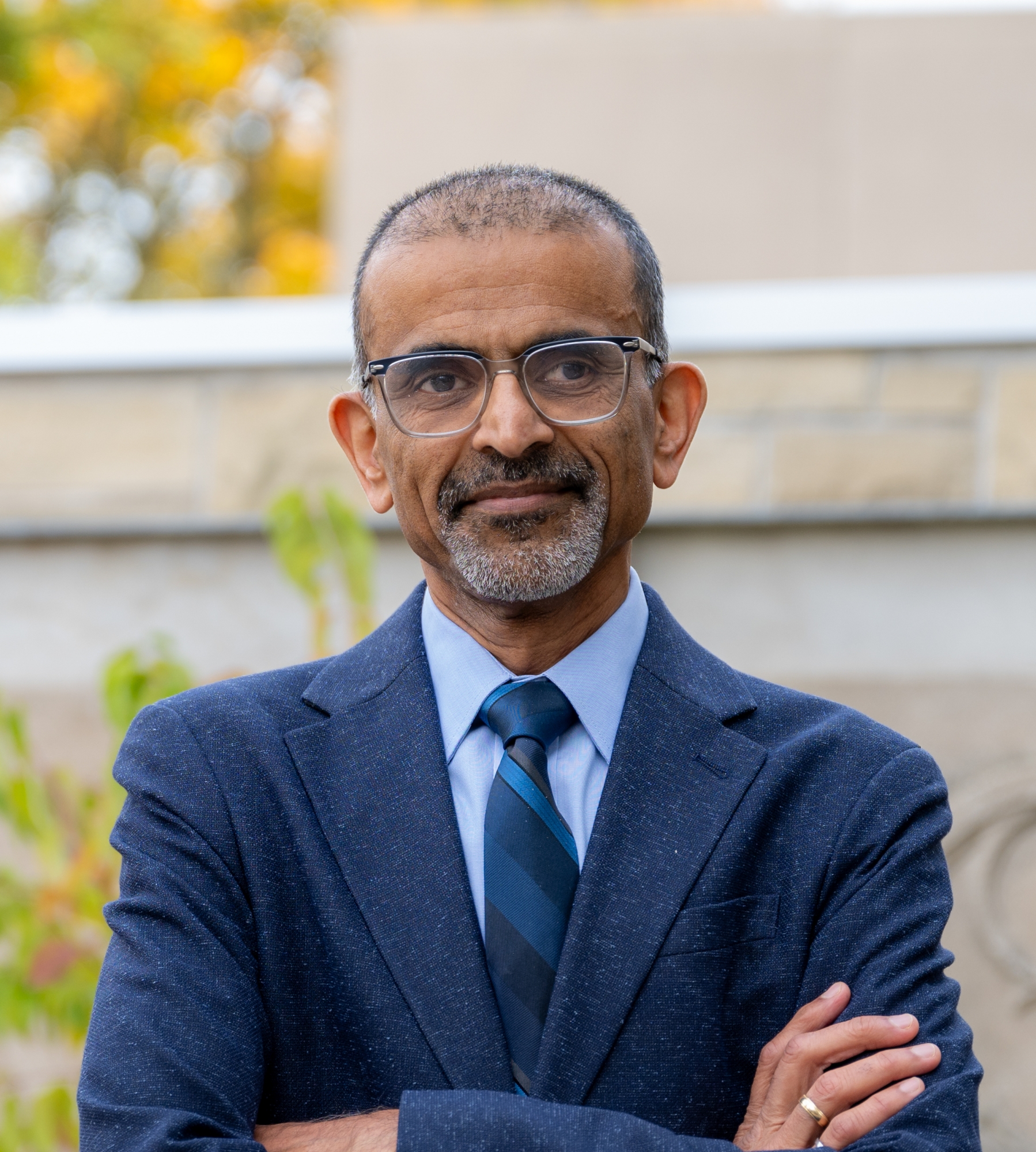

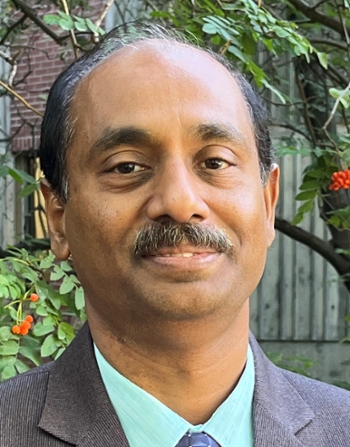


/prod01/production-cdn-pxl/media/umassdartmouth/profiles/engineering/bioengineering/ChristopherBrigham-1.jpg)