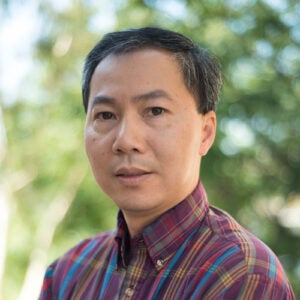
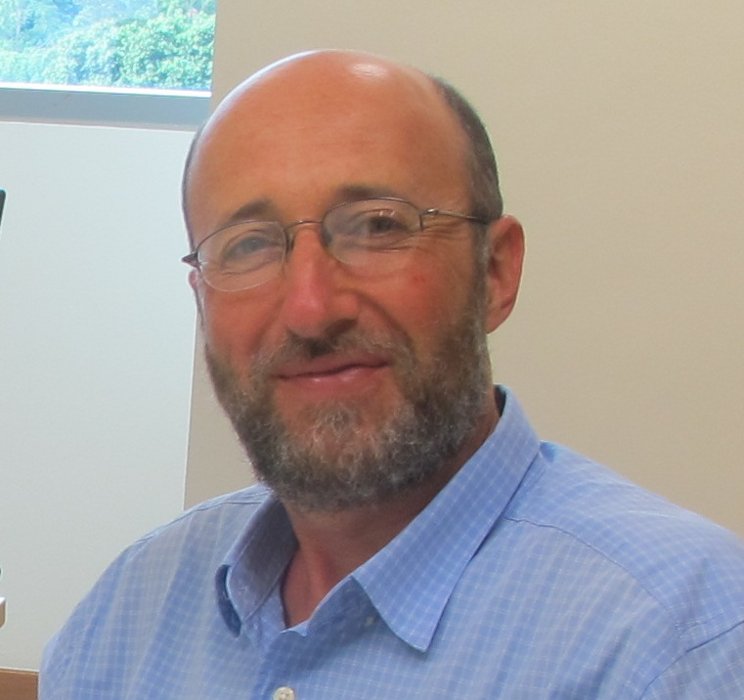
Yujia Zhang is a Tenure Track Assistant Professor at the School of Engineering , École Polytechnique Fédérale de Lausanne (EPFL), leading the Laboratory for Bio-Iontronics (BION) since January 2025. His work focuses on developing iontronic biointerfaces and hybrid intelligent systems for biomedical applications. Academic Affiliations: EPFL School of Engineering, STI-SMT SMT-ENS PhD program committee Research Themes: Droplet-based iontronics, synthetic tissues, advanced manufacturing Research Trends from his publications emphasize microscale droplet iontronics , soft energy systems , and biohybrid interfaces , with applications in neurostimulation , tumor modeling , and biomedical devices . Scientific Awards : 2023: Early-career Research Scientist Representative, UK Parliamentary & Scientific Committee 2022: Excellent Doctoral Dissertation, Chinese Academy of Sciences 2021: Outstanding Doctoral Thesis, Chinese Institute of Electronics 2020: Special Prize for President Scholarship, Chinese Academy of Sciences Academic Contributions include mentoring PhD students and teaching microfabrication technologies. His lab develops 3D-printed synthetic tissues and droplet networks for interactive biological communication.
Professor Peter Z. Qin is a faculty member in the Department of Chemistry at the University of Southern California (USC), affiliated with the USC Dornsife College of Letters, Arts and Sciences. His research focuses on understanding nucleic acid recognition mechanisms, genome engineering, and CRISPR-Cas systems, employing advanced techniques like Site-Directed Spin Labeling (SDSL) and electron paramagnetic resonance (EPR) spectroscopy. Qin earned his Ph.D. from Columbia University (1999) and B.S. from Peking University (1991). Research interests include structural dynamics of nucleic acids, protein-nucleic acid interactions, and CRISPR-mediated DNA cleavage mechanisms. His work bridges physical chemistry and biochemistry, with applications in diagnostics, therapeutics, and gene editing. Notable contributions involve elucidating CRISPR-Cas9 and Cas12a mechanisms, DNA-unwinding checkpoints, and the role of bridge helices in target discrimination. Recent publications (2021–2025) emphasize CRISPR-Cas systems, DNA dynamics, EPR-based instrumentation, and molecular mechanisms of genome editing. His group develops tools like dual-mode EPR spectrometers and phosphorothioate-based RNA labeling techniques. The lab actively publishes in high-impact journals and collaborates on translational projects like CRISPR-engineered mouse models. Prof. Qin’s work is supported by grants and collaborations, though specific funding details are not listed. His lab maintains a dedicated website detailing ongoing research and methodologies.
Professor Kenneth A Lindsay is an Honorary Senior Research Fellow at the University of Glasgow's School of Mathematics & Statistics. His work bridges mathematical biology, biophysics, and financial econometrics, with a focus on stochastic processes and computational modeling. Key contributions include advancements in compartmental modeling of neurons, Fokker-Planck equation solutions for stochastic differential equations, and applications in energy market forecasting. He has authored/co-authored over 25 peer-reviewed articles and edited the influential 2005 book Modeling in the Neurosciences . Collaborations with researchers like David Brillinger, Adrian Hurn, and Jonathan Rosenberg highlight interdisciplinary expertise. His research addresses topics ranging from dendritic branching patterns to econometric optimization techniques. Publications span journals such as Biological Cybernetics , Journal of Financial Econometrics , and European Journal of Heart Failure . Notable work includes modeling electricity price spikes and analyzing magnetic field effects on nerve excitability. Lindsay's edited volumes and book chapters further underscore his role in advancing neuroscience and quantitative finance methodologies. His academic contributions reflect a commitment to mathematical rigor applied to real-world systems, with applications in biomedical engineering, energy economics, and computational neuroscience.
Prof. Juan Carlos Cuevas is a Professor of Theoretical Nanophysics at the Universidad Autónoma de Madrid (UAM). He holds a PhD in Physics from UAM (1999) and has led research groups in molecular electronics and nanoscience. His work focuses on superconductivity, quantum transport, and radiative heat transfer at the nanoscale. Key areas of research include: theoretical analysis of molecular junctions, superconducting nanostructures, and near-field thermal phenomena. Cuevas has co-authored influential books such as *Molecular Electronics* (World Scientific, 2017) and pioneered studies on single-molecule conductance and quantum interference effects. Recent contributions include discoveries on phonon interference in molecular junctions (2025), thermodynamic uncertainty relations in superconductors (2025), and advanced machine learning approaches for radiative heat optimization (2024). His work bridges theoretical models with experimental insights from scanning tunneling microscopy and nanofabrication techniques.
Alex Mogilner is a Professor of Mathematics and Biology at New York University's Courant Institute and Department of Biology. His research focuses on computational and mathematical modeling of cellular processes, including cell motility, mitosis, actin dynamics, and galvanotaxis. He collaborates closely with experimentalists to bridge theoretical and empirical cell biology. Education: Ph.D., Applied Mathematics, University of British Columbia, Canada (1995) Ph.D., Physics, USSR Academy of Sciences (1990) M.Eng., Engineering Physics, Ural Polytechnic Institute, USSR (1985) Research Interests: Mathematical modeling of molecular machines in cells Mitotic spindle dynamics and chromosome segregation Actin-myosin contraction mechanisms Galvanotaxis and electrotaxis in cell migration Cellular biophysics and mechanochemical processes Selected Publications Highlights: Developed models for mitotic spindle assembly and error correction Investigated mechanisms of cell polarization and turning Studied actin network contraction and cytoskeletal dynamics Explored galvanotactic cell migration in electric fields Labs/Teams: Leads a computational modeling lab at NYU, collaborating with experimental groups globally in cell biology, biophysics, and systems biology.
Zhou Zhou is an Assistant Professor (tenure track) in Neuronic Engineering at KTH Royal Institute of Technology's Department of Biomedical Engineering and Health Systems. He is affiliated with the Digital Futures Faculty, a cross-disciplinary research center focusing on digital technologies for societal challenges. His research focuses on neurotrauma prevention, prediction, and protection through computational modeling, machine learning, and biomechanical validation. Dr. Zhou holds a PhD from KTH (2019) and completed postdoctoral training at Stanford University, specializing in sports safety and concussion prevention. His work is supported by VINNOVA, Swedish Research Council, and others. He received the 2025 Göran Gustafsson Prize for young researchers. Research interests include in silico modeling, fluid mechanics, and safety standardization for helmets. Zhou teaches courses such as Biomechanics and Neuronics (HL2035/CH213V) and leads labs in human and animal neurotrauma modeling. He seeks postdoctoral candidates for rat neurotrauma research. Education: PhD in Biomedical Engineering, KTH (2019); Postdoc at Stanford University (Sports Safety) Key Projects: InSilicoHealth ITN, helmet evaluation via virtual testing Labs/Teams: Neuronic Engineering Division, Digital Futures Collaboratory
Brandon Karchewski is an Associate Head (Undergraduate) and Teaching Professor in the Department of Earth, Energy and Environment at the University of Calgary. He earned his PhD in Civil Engineering from McMaster University and teaches courses including Engineering Geology, Computational Methods, and Natural Disasters. His research program focuses on: Computational methods in geophysics and geomechanics Geoscience education innovation Climate change impacts on frozen soils Inverse modeling applications Karchewski has pioneered virtual field experiences and developed open-source tools for modeling climate impacts on permafrost. His educational research examines metaphor use in geoscience communication and field pedagogy. Recent computational work includes Python-based permafrost modeling and stochastic inversion methods for biogeochemical transport. He leads the geophysics field school program emphasizing team-based learning. Award recognition includes: Geoscience Teaching Award (2019) Best Poster Award for teaching innovation research (2018) Team Teaching Excellence award (2016) Multiple teaching assistant awards
Luke Adams is a Research Fellow in Medicinal Chemistry at Monash University's Faculty of Pharmacy and Pharmaceutical Sciences. His academic profile indicates active research spanning structural biology, chemical biology, and drug discovery with a focus on advanced spectroscopic techniques. His research interests center on NMR spectroscopy and protein-ligand interactions , with significant contributions to unnatural amino acid engineering and fragment-based drug design . Key methodologies include genetic encoding of silylated lysines, gadolinium-based EPR distance measurements, and photocaged probes for spatiotemporal control of protein function. His work bridges structural characterization with therapeutic development, particularly in epigenetic targets and enzyme mechanisms. Analysis of his publication record (2002-2025) reveals consistent output in high-impact journals including Nature Communications , Journal of the American Chemical Society , and Journal of Medicinal Chemistry . His research demonstrates strong interdisciplinary integration across biophysics , medicinal chemistry , and chemical biology , with recent emphasis on neuroinflammatory targets and bromodomain inhibitors. The work contributes to UN Sustainable Development Goals related to health and well-being. Laboratory work appears centered on protein engineering and spectroscopic methodology development, with collaborations spanning biochemistry, pharmacology, and structural biology groups at Monash University.
Sharon Lubkin is a Professor in the Department of Mathematics at North Carolina State University (NCSU). Her research focuses on modeling biological systems, continuum mechanics of tissues, and morphogenesis. She is affiliated with the Quantitative and Computational Developmental Biology research cluster and the NCSU/UNC Department of Biomedical Engineering. Dr. Lubkin holds roles such as SIAM representative to the Joint Committee on Women in Mathematics (2017-23) and former Publications Chair of the Society for Mathematical Biology (2004-2016). Education: Ph.D. in Applied Mathematics from Cornell University (1992). Research Interests: Modeling biological systems Continuum mechanics of soft tissues Mechanobiology and drug delivery Biomechanics of morphogenesis Collaborations with experimental biologists and engineers Funding: Supported by the Simons Foundation, NSF, and NIH. Advises students in Biomathematics, Applied Mathematics, Biomedical Engineering, and Mechanical Engineering. Professional Activities: National SIAM committee roles Leadership in mathematical biology organizations Active in promoting interdisciplinary collaborations
Arieh Warshel is a Distinguished Professor of Chemistry and Biochemistry at the University of Southern California’s Dornsife College of Letters, Arts and Sciences. He holds the Dana and David Dornsife Chair in Chemistry and is a Nobel Laureate in Chemistry (2013) for pioneering multiscale simulation methods for biological molecules. His work integrates quantum mechanics and molecular mechanics (QM/MM) to model enzymatic reactions and biological processes. Warshel earned a B.S. from the Technion in Israel (1966), M.S. and Ph.D. from the Weizmann Institute (1967, 1969). He joined USC in 1976 and has since led groundbreaking research in theoretical chemistry, including studies of enzyme catalysis, molecular motors, ion channels, and drug design. His research focuses on computational modeling of biological systems, emphasizing electrostatic effects, proton/electron transfer, and protein dynamics. Key contributions include the EVB (Empirical Valence Bond) method and the QM/MM approach, which revolutionized simulations of enzymatic reactions. Current projects involve multiscale modeling of G-proteins, ion pumps, and molecular machines. Warshel has authored over 500 publications, including seminal works on enzyme catalysis, electrostatic interactions, and molecular dynamics. His honors include membership in the U.S. National Academy of Sciences, the Royal Society of Chemistry’s Honorary Fellowship, and the Biophysical Society’s Founders Award. He oversees a research group with expertise in computational chemistry, mentoring postdocs like Ashim Nandi (plastic-degrading enzymes) and graduate students (e.g., Aoxuan Zhang, Lingfeng Hu). His lab uses advanced computing resources, including 38 dedicated nodes on USC’s HPC cluster, to simulate biological systems at unprecedented scales.
Prof. Michael N. Smolka is a Professor in the Department of Psychiatry and Psychotherapy, focusing on neuro-cognitive mechanisms underlying addictive behaviors. His research employs longitudinal approaches to study addiction development, maintenance, and recovery, integrating computational modeling of behavior with functional MRI to map brain systems. Key areas include executive functions, decision-making, learning, and motivation. He contributes to research consortia such as SFB 940 and TRR 265. Research interests emphasize brain-behavior interactions in mental health, with studies on genetic risk factors, environmental influences, and neuroimaging correlates of psychiatric disorders. His work bridges clinical psychiatry with cutting-edge computational methods, aiming to develop diagnostic tools and personalized interventions. Recent studies explore machine learning applications for predicting substance use disorders and eating disorders, alongside investigations into developmental trajectories of brain morphology and cognitive control mechanisms. Publications highlight interdisciplinary approaches, linking genetic, environmental, and neurobiological factors to addictive behaviors and mental health outcomes. His contributions to frameworks like brain-derived nosology and diathesis-stress models reflect his commitment to advancing translational research in psychiatry.
Anirban Chakraborti is a Professor at the School of Computational and Integrative Sciences, Jawaharlal Nehru University (JNU), New Delhi, India, where he has been a faculty member since 2014. He previously held academic positions at École Centrale Paris (France) as Chercheur Senior (Associate Professor) and Chargé de Recherche (Assistant Professor), and earlier roles at Banaras Hindu University, Brookhaven National Laboratory (USA), and Helsinki University of Technology (Finland). He is a leading figure in the interdisciplinary field of econophysics and complex systems. Education: Diplôme d’Habilitation à Diriger des Recherches (2013), Université Pierre et Marie Curie – Paris VI, France (Physics) Ph.D. in Physics (2003), Saha Institute of Nuclear Physics, Jadavpur University, India Post-M.Sc. in Physics (1999), Saha Institute of Nuclear Physics, Jadavpur University, India (Ranked First) M.Sc. in Physics (1998), University of Calcutta, India (Ranked First) B.Sc. in Physics (1996), Scottish Church College, University of Calcutta, India His research interests lie at the intersection of physics, economics, and data science. He is particularly known for pioneering work in econophysics , including the statistical mechanics of money, wealth distribution, agent-based market models, and network-based analysis of financial and social systems. He also works on complex systems , computational finance , statistical physics , and nanosciences , with applications in sensing and imaging. His work often involves modeling socio-economic phenomena using tools from statistical physics. His recent publications span topics such as financial fluctuations, wealth inequality, network analysis of conflicts, order book dynamics, and nanomaterial characterization. These works reflect a strong trend toward interdisciplinary research combining physics, economics, and data analytics, with a focus on real-world applications in finance, inequality, and social systems. Scientific Awards: Indian National Science Academy Young Scientist Medal (2009) He has advised Ph.D. students such as Kiran Sharma and leads the ETC (Experimental-Theoretical-Computational) Lab at JNU, which brings together physicists, computer scientists, and mathematicians. The lab has been involved in international collaborations, including projects funded by the Estonian Ministry of Education and Research and consultancies with TCS Innovation Labs and DONO Consulting. His research has been supported through grants and collaborative projects, reflecting strong industry and global academic engagement.
Ted Hupp is Chair of Cancer Research and Professor of Cancer Research at the University of Edinburgh's Institute of Genetics and Cancer, where he leads the Edinburgh Cancer Research Centre. His laboratory focuses on developing next-generation technologies for drug discovery in cancer, with particular emphasis on cancers of unmet clinical need including oesophageal adenocarcinoma and sarcomas. Dr. Hupp's research interests center on understanding cancer progression pathways, particularly those involving p53 mutation, which is one of the most common genetic changes in cancer development. His lab employs biophysical, biochemical, and proteomic approaches to develop novel molecular insights into clinically relevant cancer progression pathways. His work spans three main research programs: drugging protein-protein interactions to activate the p53 tumour suppressor, investigating the secretory pathway as a driver in oesophageal cancer, and developing immunotherapeutics, monoclonal antibodies, and vaccinology platforms. Analysis of his recent publications reveals a strong focus on proteogenomics, protein science, and translational applications. His work increasingly integrates canine models for comparative medicine, proteomic approaches to understand protein synthesis dynamics, and novel antibody development for cancer therapeutics. The research shows a clear trajectory toward personalized cancer immunotherapies and vaccine development based on neoantigen landscapes. Professor Hupp has successfully secured funding from major organizations including BBSRC, Medical Research Scotland, The Technology Strategy Board, British Council, European Union Development Fund, Wellcome Trust, and Cancer Research UK. His current projects include optimization of synthetic antibody libraries, selection and characterization of anti-peptide synthetic antibodies, CRISPR-based genome-wide approaches for identifying vulnerabilities in canine oral melanoma, and the KATY project focused on clinical knowledge systems. He advises multiple PhD students including Kamila Pawlicka, Estefania Esposito, Vanessza Fentor, Sinem Gul, and Mishal Tariq. His research group collaborates extensively with scientists across the University of Edinburgh, Cambridge University, Masaryk Cancer Institute in Brno, and the Indian Institute for Science in Bangalore. The lab maintains expertise in protein science, post-translational modifications, phage antibody libraries, RNA editing, p53 pathway science, and proteogenomics.
Professor Titus Sebastiaan van Erp is affiliated with the Department of Chemistry at the Norwegian University of Science and Technology (NTNU), where he has worked since 2016. His research focuses on advancing molecular simulation techniques to study complex biological and industrial processes without approximations, particularly through path sampling methods for rare events. 2016 – Present: Professor, NTNU 2012 – 2016: Associate Professor, NTNU 2006: Centre-of-Excellence Fellow, Leuven 2004: Marie Curie Fellow His research develops innovative methodologies like RETIS and REPPTIS to enhance simulation accuracy and expand accessible time/system scales. He has supervised students in DNA denaturation, electron transfer reactions, and protein folding studies. Recent publications analyze NaCl dissociation, ABL-imatinib kinetics, and permeation mechanisms. His work involves Python-based PyRETIS software development and collaborations across computational chemistry, biophysics, and materials science. 2025: NaCl Dissociation via Predictive Power Path Sampling 2025: RETIS/REPPTIS for Biomolecular Kinetics 2024: PyRETIS 3 for Boundary-Free Rare Events Scientific recognitions include: Centre-of-Excellence Fellowship (2006) Marie Curie Fellowship (2004) He has advised multiple students in masters theses on molecular simulation, including projects on DNA unwinding, electron transfer, and protein folding. His lab integrates algorithm development with applications in chemical reactions, biomolecular systems, and nanoscale materials.
Jaap M.J. den Toonder is a Professor in the Department of Microsystems at Eindhoven University of Technology (TU/e), where he chairs the Microsystems research section. His work bridges technology and biology through biologically inspired innovations. Current research focus: Microfluidics, Soft Microrobotics Notable funding: ERC Advanced Grant (2019) Affiliations: hDMT Institute, ICMS Core Member Academic Background: MSc in Applied Mathematics (cum laude), Delft University of Technology PhD in Mechanical Engineering (cum laude), Delft University of Technology Research Trends: Recent articles emphasize magnetic microactuation, particle manipulation, and organ-on-chip cancer models. Collaborative work spans biomedical devices, energy applications, and sustainable technology. Scientific Awards: ERC Advanced Grant recipient (2019) Netherlands Academy of Engineering Fellow (2023) Education & Outreach: Authored over 140 papers, 45 patents, and 60+ invited lectures. Founded and directs TU/e's Microfab/lab facility for advanced microsystem development.