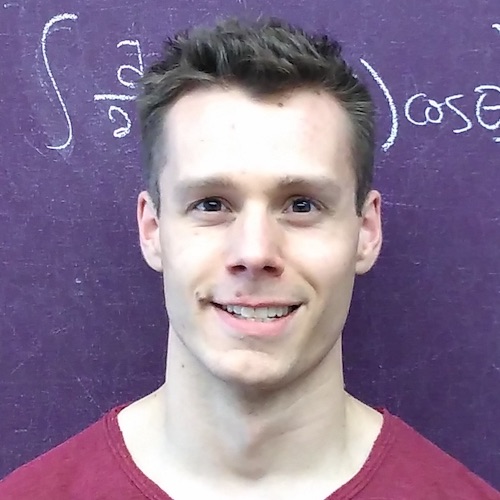
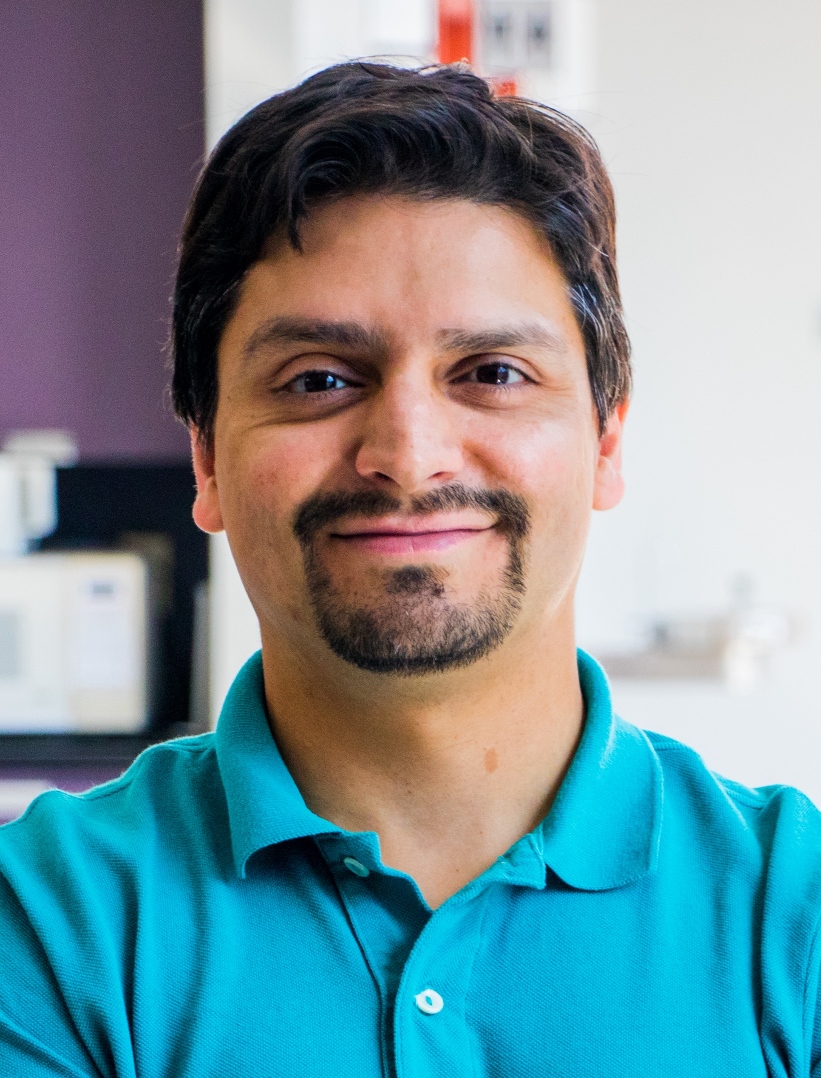
Peter McGrath is an Assistant Professor in the Department of Mathematics at North Carolina State University (NC State), part of the College of Sciences. His research focuses on geometric analysis, minimal surfaces, and partial differential equations. He holds a PhD in Mathematics from Brown University (2017). His expertise spans Ordinary Differential Equations, Partial Differential Equations and Analysis, and Topology, Geometry, and Mathematical Physics research groups. McGrath’s work explores advanced topics such as spectral geometry, free boundary problems, and geometric flows. His recent research emphasizes minimal surface constructions, topological asymptotics, and applications of eigenvalue optimization. Notable contributions include studies on free boundary minimal surfaces in the unit ball and advancements in understanding the Canham problem in biomembrane modeling. McGrath is affiliated with NC State’s Department of Mathematics, located at 2108 SAS Hall, Raleigh, NC. His contact information includes pjmcgrat@ncsu.edu and office SAS Hall 3248.
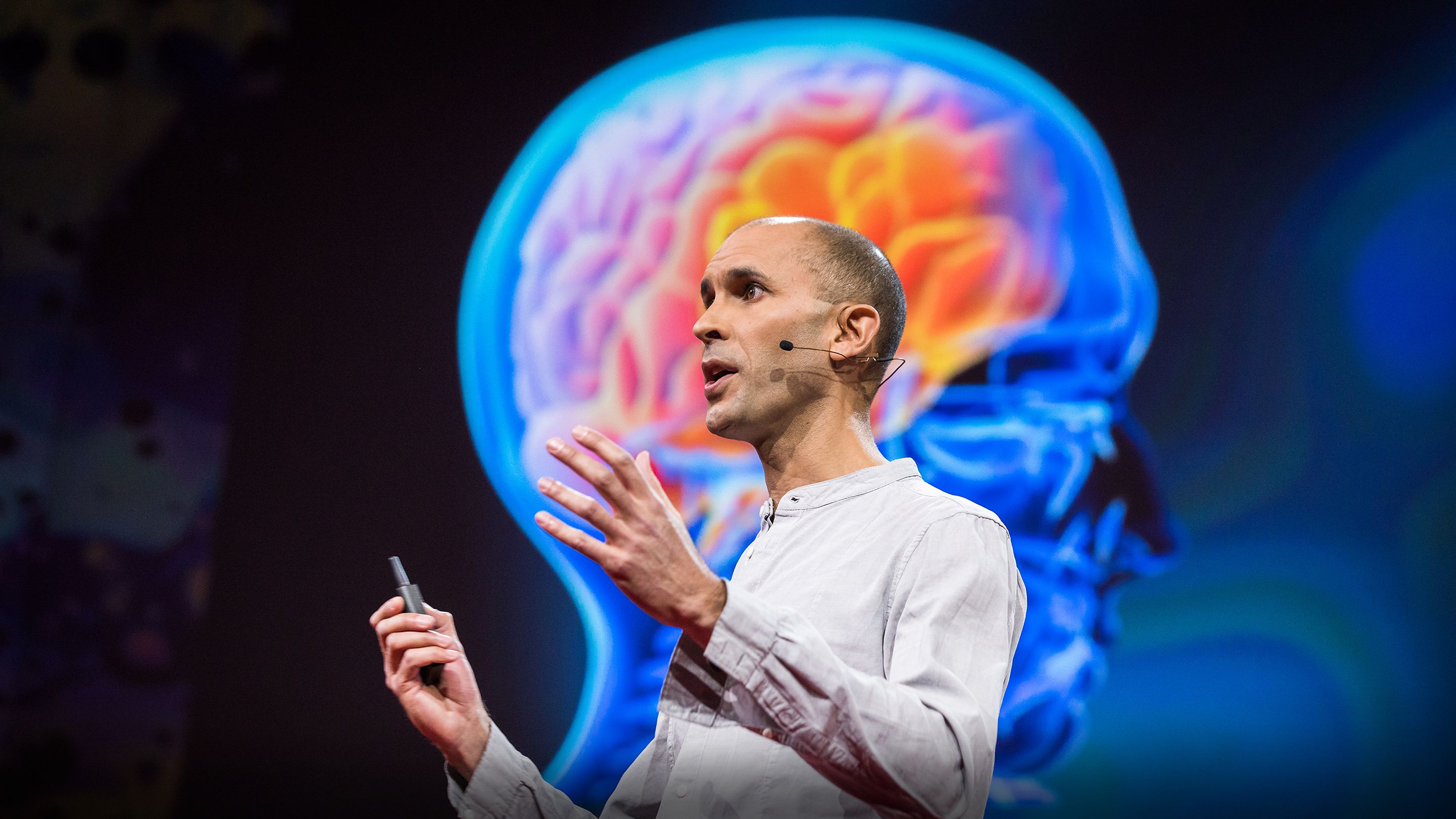
Professor Anil Seth is a leading cognitive and computational neuroscientist at the University of Sussex, where he holds a professorship in the School of Engineering and Informatics. He is Director of the Sussex Centre for Consciousness Science and Co-Director of the CIFAR Program on Brain, Mind, and Consciousness and the Leverhulme Doctoral Scholarship Programme. His research bridges neuroscience, psychology, philosophy, and AI to investigate the biological basis of consciousness and selfhood. His research interests include: Predictive processing approaches to perception Virtual and augmented reality in self-experience studies Mathematical modeling of perception and emergence Machine learning applications in subjective perception modeling Interoception and selfhood Neural mechanisms of conscious experience The recent publications reflect a strong focus on consciousness, neural dynamics, predictive models, and interdisciplinary approaches. Trends include the use of computational modeling, neurophenomenology, causal analysis, and the ethical implications of emerging neurotechnologies. His work increasingly integrates large language models and data-driven methods for analyzing subjective experience. His scientific awards include: Segerfalk Award Perspectives Award Highly Cited Researcher (Web of Science, 2019–2022) Royal Society Michael Faraday Prize (2023) Seth has secured substantial research funding from the European Research Council (ERC), EPSRC, Wellcome Trust, CIFAR, and the Sackler Foundation. He has supervised numerous research projects and doctoral students through interdisciplinary programs. He leads the Dreamachine project and has been an Engagement Fellow with the Wellcome Trust. He serves on editorial boards including Philosophical Transactions of the Royal Society B and is Editor-in-Chief of Neuroscience of Consciousness . He leads a multidisciplinary research group at the Sackler Centre, bringing together psychologists, mathematicians, neuroscientists, computer scientists, and philosophers. His team conducts innovative research using virtual reality, neuroimaging, and computational modeling to explore the nature of consciousness and self.
Amit Singer is a Professor of Mathematics at Princeton University, specializing in computational methods for structural biology and cryo-electron microscopy (cryo-EM). His work focuses on developing mathematical frameworks and algorithms for analyzing large-scale microscopy datasets, particularly in 3D reconstruction and heterogeneity analysis of molecular structures. He leads research in manifold learning, optimal transport, and harmonic analysis, with applications to cryo-EM, signal processing, and inverse problems. Research interests include: (1) Mathematical methods for cryo-EM, including particle alignment, density map analysis, and subspace-based reconstruction techniques; (2) Development of rotation-invariant representations for imaging problems; (3) Application of machine learning and optimization to biomedical imaging challenges. His contributions bridge pure mathematics (e.g., harmonic analysis, manifold theory) with applied computational techniques for real-world microscopy data. Key trends in his recent articles (2023–2025) include advancements in multi-reference alignment methods, Wasserstein distance-based image registration, and overcoming particle detection limitations in cryo-EM. He also explores sparsity constraints, autocorrelation analysis, and novel algorithms for handling heterogeneous datasets. These methods improve resolution and reduce computational costs in analyzing molecular structures at atomic scales. Notable contributions include the ASPiRE software package for steerable PCA, and foundational work on synchronization problems in cryo-EM orientation estimation. His research often addresses algorithmic scalability and robustness to noise in experimental setups.
Chris Chipot is a Researcher and former Research Director at the CNRS, affiliated with the University of Lorraine. He holds adjunct faculty positions at the University of Illinois (Department of Physics) and the University of Chicago (Department of Biochemistry and Molecular Biology). He directs an Associate International Laboratory between CNRS and the University of Illinois at Urbana-Champaign. His expertise spans theoretical chemistry, molecular dynamics simulations, and membrane protein studies. Education: PhD in Theoretical Chemistry (1994, Henri Poincaré University, France) with a fellowship from Roussel Uclaf Institute. Habilitation (2000, University of Lorraine). Research Interests: Focuses on protein-ligand binding free energies, membrane protein dynamics, computational methods for molecular simulations, and biophysical techniques. His work integrates theoretical approaches with experimental validations, particularly in drug design and membrane biology. Publications: Recent articles highlight advancements in free-energy calculations, membrane protein dynamics, and scalable molecular dynamics software (NAMD). His research bridges computational and experimental biophysics, addressing challenges in structural biology and drug discovery. Awards: Fellowship from the Roussel Uclaf Institute during PhD studies. Advising & Grants: Leads collaborative projects via the CNRS-UIUC lab, fostering international research partnerships. His work has been supported by institutional and international grants, though specific funding details are not detailed here. Labs/Teams: Directs the CNRS-UIUC Associate International Laboratory, promoting interdisciplinary research in computational biophysics and membrane protein studies.
Graham Dobereiner is an Associate Professor and Robert L. Smith Early Career Professor in the Department of Chemistry at Temple University's College of Science and Technology. He received his Ph.D. from Yale University (2011) and completed postdoctoral research at MIT (2012-2014) after earning his B.S. from Brandeis University (2007). His research group develops novel homogeneous transition metal catalysts for synthetic chemistry applications spanning fine chemicals manufacturing, petrochemical processing, and drug discovery. The work integrates organometallic chemistry principles, combining organic molecular diversity with inorganic compound reactivity. Research areas include catalytic isomerization, oxidative synthesis, ligand design, and mechanistic studies of transition metal complexes. Analysis of his recent publications demonstrates strong emphasis on reaction mechanism elucidation, catalyst design for stereoselective transformations (particularly Z-selective isomerizations), and development of novel catalytic systems for sustainable synthesis. His group employs computational and experimental approaches to advance synthetic methodology.
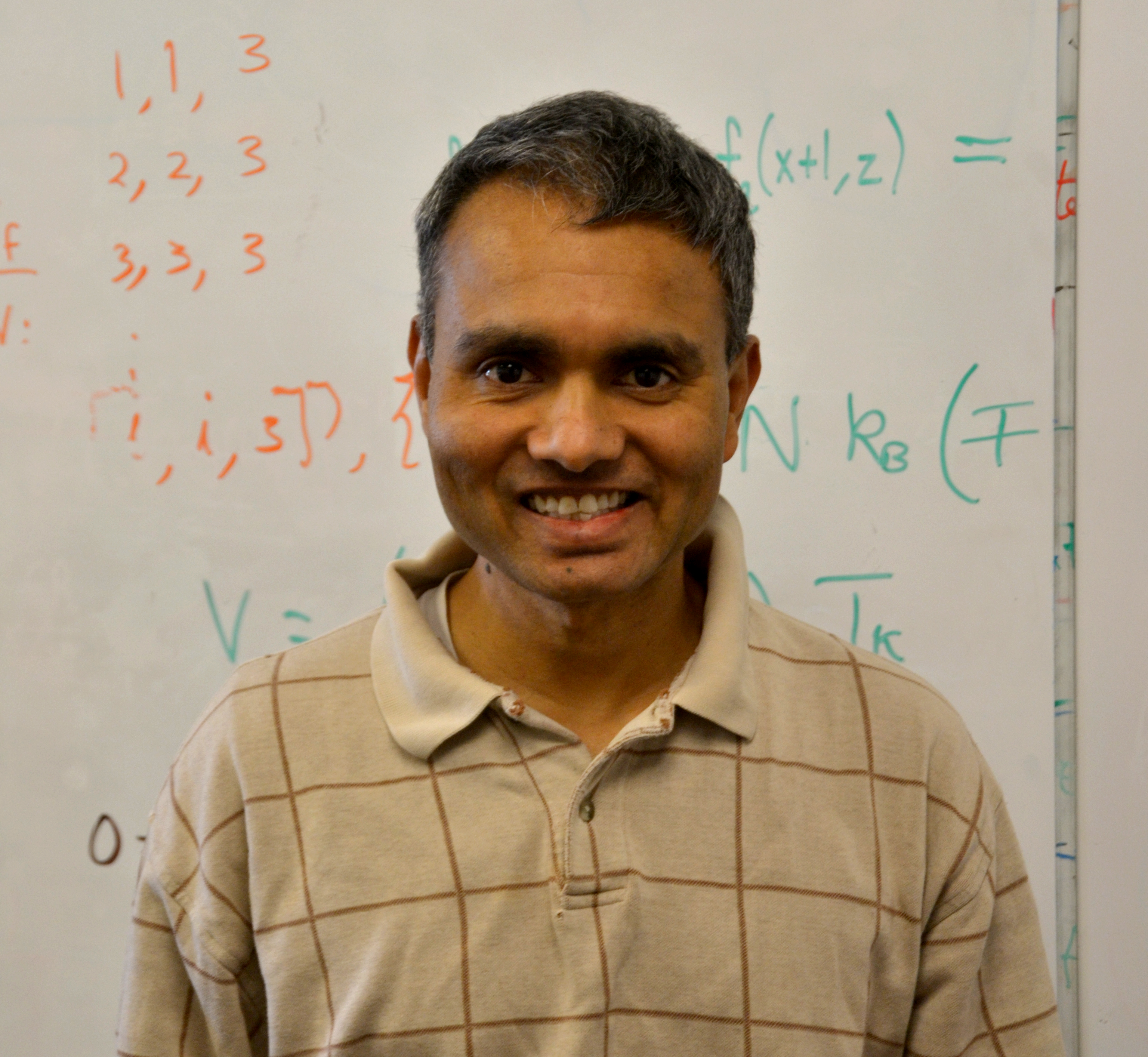
Shubho Banerjee is a Professor of Physics at Rhodes University, where he has been affiliated since 2002. He teaches both introductory and advanced physics courses, and his research focuses on electrostatics, mathematical physics, and material science. A native of India, he earned his BS and MS from the Indian Institute of Technology, Kanpur, and his PhD from Carnegie Mellon University, following a post-doctoral appointment at the University of Maryland, College Park. Education : BS and MS from Indian Institute of Technology, Kanpur; PhD from Carnegie Mellon University His research explores fundamental aspects of electrostatic interactions, including analytical solutions for conducting spheres and orbital stability. He has contributed to mathematical physics through asymptotic expansions and zeta function analysis. Recent publications span electrostatics, mathematical physics, and statistical mechanics, with a focus on analytical modeling and asymptotic methods. His work combines theoretical physics with applications in electrical engineering and material science.
Roberto A. Chica is a Full Professor in the Department of Chemistry and Biomolecular Sciences at the University of Ottawa, Faculty of Science. His research focuses on computational and experimental protein engineering, particularly in designing novel enzymes and fluorescent proteins for biotechnological applications. He develops advanced algorithms for protein design and investigates enzyme dynamics using molecular modeling and structural biology approaches. Key research interests include biocatalysis, structural biology, and the application of computational methods to engineer proteins with tailored functions. His lab integrates experimental protein chemistry with computational simulations to understand catalytic mechanisms and design proteins for industrial and biomedical uses. Recent work emphasizes ensemble-based computational enzyme design, exploring how conformational landscapes influence catalytic efficiency. His articles highlight advancements in artificial enzyme creation, substrate specificity modulation, and fluorescent protein optimization. Chica’s contributions bridge fundamental biochemistry with applied innovations in protein engineering. Notable achievements include the design of bright red fluorescent proteins via computational approaches and the development of biosensors for protein expression monitoring. His research has implications for drug discovery, biocatalytic synthesis, and personalized medicine.
Santiago F. González is a Group Leader at the Institute for Research in Biomedicine (IRB) in Bellinzona, Switzerland, and an extraordinary professor at the University of Italian Switzerland (USI). He earned dual PhDs in microbiology (University of Santiago de Compostela, Spain) and immunology (University of Copenhagen, Denmark), followed by postdoctoral work (2007–2011) at Harvard Medical School's Immune Disease Institute under Michael Carroll. PhD in Microbiology, University of Santiago de Compostela PhD in Immunology, University of Copenhagen His research focuses on immune system dynamics during respiratory viral infections, vaccination, and cancer metastasis. Key areas include influenza recognition , lymph node inflammation , and immune cell behavior in vivo. He pioneered studies on C-type lectin receptors (e.g., SIGN-R1) in viral immunity and epigenetic modulators for inflammation. Recent publications highlight his work in epigenetic drug development , nanovaccines , and computational tools for immune cell tracking. His group uses two-photon intravital microscopy and spatial-temporal modeling to dissect immune responses. Scientific awards include three EU Marie Curie Fellowships (2004–2013), enabling his transition to independent research. His collaborations span Harvard, USI, and European institutions, with grants from the EU and Swiss research bodies. His lab at IRB, established via the 2013 Marie Curie Career Integration Grant , develops novel imaging approaches and therapeutic strategies for infectious and immune-mediated diseases.
Li Tang is an Associate Professor with tenure at École polytechnique fédérale de Lausanne (EPFL), affiliated with the Institute of Bioengineering (IBI) and the Institute of Materials Science and Engineering (IMX) within the School of Engineering (STI). She leads the Laboratory of Biomaterials for Immunoengineering, focusing on developing innovative strategies at the intersection of immunology, materials science, and cancer therapy. Her work bridges fundamental research and clinical translation, with multiple ongoing clinical trials based on CAR-T cell therapies developed in her lab. B.S. in Chemistry, Peking University (2003–2007) Ph.D. in Materials Science and Engineering, University of Illinois at Urbana-Champaign (2007–2012) Postdoctoral Fellow, MIT (2013–2016) Her research lies at the forefront of immunoengineering, integrating chemical, metabolic, and mechanical approaches to modulate immune responses. Key areas include cancer immunotherapy, immune metabolism, mechano-immunology, and biomaterials. She investigates how physical and biochemical cues can reprogram T cells, overcome exhaustion, and enhance tumor targeting. Her work emphasizes multidimensional immunity-disease interactions, aiming to develop safer and more effective therapies for cancer and autoimmune diseases. The recent publications highlight a strong trend in engineering immune cells (especially CAR-T) for enhanced durability and function, using advanced biomaterials and metabolic reprogramming. There is a clear focus on overcoming challenges in solid tumors, modulating the tumor microenvironment, and translating findings into clinical applications. The use of nanoparticle delivery, single-cell analysis, and biomechanical cues are recurring themes across her work. Notable scientific awards include: Friedrich Miescher Award (2025) ERC Starting Grant (2018) MIT TR35 Innovators Under 35 (China Region, 2020) Nano Research Young Innovator Award (2018) Biomaterials Science Emerging Investigator (2019) Materials Horizons Emerging Investigator (2020) Li Tang actively mentors PhD students across multiple doctoral programs (EDBB, EDMS, EDMX) and has advised numerous graduates who have gone on to prestigious postdoctoral and faculty positions. She is involved in significant research grants, including an Innosuisse project with Novochizol SA, and her lab is supported by competitive funding. She teaches core courses such as Immunoengineering and Next-Generation Biomaterials, shaping the next generation of scientists. Her lab fosters interdisciplinary collaboration and innovation, with active projects in chemical, metabolic, and mechanical immunoengineering, as well as CAR-T cell development. She is the Principal Investigator of the Tang Lab, which includes postdoctoral fellows, PhD students, and technical staff. The lab is actively recruiting and has a strong publication and clinical translation record. Tang Lab is also involved in multiple MA/BA training projects and promotes student engagement in cutting-edge research. The lab’s discoveries are being translated into clinical trials, reflecting a strong commitment to translational science.
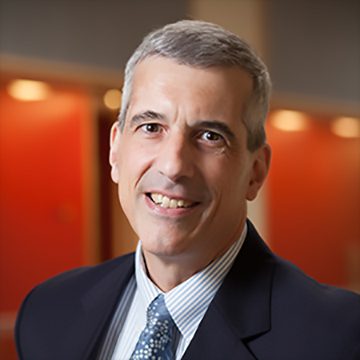
Peter Doerschuk is a Professor in the Department of Electrical and Computer Engineering at Cornell University's College of Engineering. He joined Cornell in July 2006 after serving on the faculty at Purdue University in both Electrical and Computer Engineering and Biomedical Engineering. His educational background includes: B.S. in Electrical Engineering, MIT (1977) M.S. in Electrical Engineering, MIT (1979) Ph.D. in Electrical Engineering, MIT (1985) M.D., Harvard Medical School (1987) Peter Doerschuk's research focuses on biological and medical systems through the lens of computational nonlinear stochastic systems. His work spans biomedical imaging , signal and image processing , statistical modeling , and computational inverse problems in biophysics . He develops high-performance algorithms and software systems that integrate accurate physical models with computational efficiency. His research addresses problems across multiple spatial scales—from 3D virus reconstruction using electron microscopy to modeling whole-body ethanol pharmacokinetics. The recent publications highlight a strong trend in computational biomedical imaging and physiological modeling . Key areas include 3D reconstruction of heterogeneous biological structures, cryo-EM dynamics analysis, and physiologically based pharmacokinetic modeling. The work consistently combines advanced statistical and machine learning methods with domain-specific physical models, particularly in virology and neurovascular physiology. His scientific awards and honors include: Fellow, American Institute for Medical and Biological Engineering (AIMBE) University Faculty Scholar, Purdue University Motorola Excellence in Teaching Award Ernst A. Guillemin Thesis Prize (MIT) Department of Biomedical Engineering Faculty Service Award (Purdue) Dr. Doerschuk has advised graduate students, including Keyuan Xu, whose M.Eng. thesis at MIT received the prestigious Ernst A. Guillemin Thesis Prize. His research has been supported through academic grants and collaborations with institutions such as The Scripps Research Institute and Indiana University School of Medicine. He has developed parallel software systems for high-performance computing applications in biophysics and biomedical signal processing. His research has involved collaboration with multiple labs and teams, including work with Professor J. E. Johnson at The Scripps Research Institute on virus structure determination and with Professor S. J. O’Connor at Indiana University on ethanol pharmacokinetics modeling. These interdisciplinary teams integrate expertise in engineering, medicine, and computational science to solve complex biomedical problems.
Anna Levina is an Assistant Professor for Computational Neuroscience at the University of Tübingen , affiliated with the Department of Computer Science under the Faculty of Science. Her research focuses on the self-organization of neuronal activity, critical dynamics in neural networks, and the excitation/inhibition balance in cortical circuits. Current positions: Assistant Professor (since 2018), Group Leader (2017-2018), Equality Officer (Computer Science) Previous roles: IST Fellow (2015-2017), Associated Researcher (2011-2015), Postdoc/PI (2011-2015), Postdoc (2008-2011) Her research integrates mathematical modeling , statistical physics , and computational neuroscience to study criticality phenomena, neural avalanches, and adaptive network dynamics. Key interests include: Self-organized criticality in neural systems Excitation/Inhibition balance mechanisms Network topology and dynamics Timescale analysis in neural processing Stochastic modeling of neural activity Recent publications reveal trends in understanding critical dynamics across biological and artificial networks, with applications to memory systems, sensorimotor integration, and disease modeling. She has received recognition as an IST Fellow .
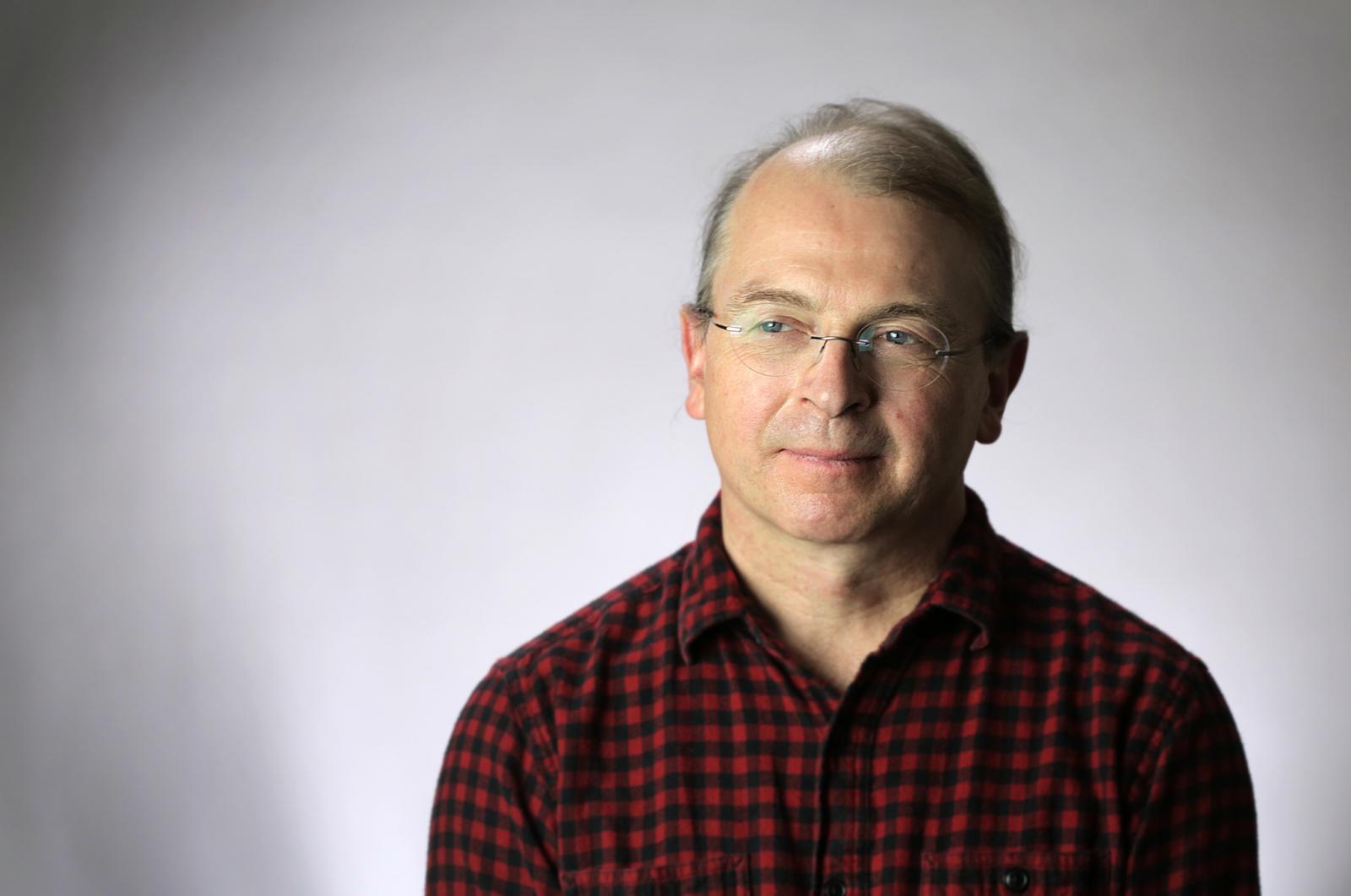
Seth Lloyd is a Professor in the Department of Mechanical Engineering at the Massachusetts Institute of Technology (MIT), with adjunct appointments at the Santa Fe Institute since 1988 and as a Fellow at the Institute for Scientific Interchange since 2000. His research spans quantum information science, quantum control theory, and complex systems analysis. His educational background includes: B.A. from Harvard University (1982) M. from the University of Cambridge (1984) Ph.D. from Rockefeller University (1988) Lloyd's work focuses on quantum computation, quantum communications, and quantum limits to control and sensing. He has pioneered research in quantum algorithms, quantum metrology, and applications of quantum information to complex biological and physical systems. His research bridges theoretical physics, computer science, and engineering, with over 200 publications and two patents in quantum information processing. Analysis of his recent publications reveals dominant trends in quantum machine learning, quantum metrology, and quantum communication protocols, with increasing interdisciplinary applications in quantum biology and quantum gravity. His work consistently explores fundamental limits of quantum information processing. His scientific awards include: Lindbergh Fellow (1994) Finmeccanica Professorship (1996) Edgerton Prize (2001) Fellow of the American Physical Society (2007) Quantum Communication, Measurement, and Computation Prize (2012) Lloyd serves on the editorial board of Quantum Information Processing and holds significant MIT service roles including Course 2 Undergraduate Committee coordinator and membership on the Institute Foreign Scholarships Committee. He teaches advanced courses in quantum information, dynamics, and computational methods, shaping the next generation of quantum scientists and engineers. As a member of the American Physical Society, he maintains active research collaborations across quantum information science, with ongoing work in quantum algorithms and quantum-enhanced sensing technologies.
Dr. Igor V. Pivkin is a Full Professor at the Institute of Computing within the Faculty of Informatics at the Università della Svizzera italiana (USI) in Lugano, Switzerland. His academic journey includes degrees from Novosibirsk State University (B.Sc./M.Sc. Mathematics), Brown University (M.Sc. Computer Science and Ph.D. Applied Mathematics), and postdoctoral research at MIT's Department of Materials Science and Engineering. His research focuses on multiscale/multiphysics modeling , numerical methods , and large-scale simulations of biological and physical systems. Key areas include biophysics, cellular/molecular biomechanics, stochastic modeling, and coarse-grained molecular simulations. He leverages high-performance computing (HPC) and particle-based methods to address complex biological phenomena. His work spans diverse applications, from understanding cellular mechanosensitivity and biofilm engineering to modeling cancer cell behavior and red blood cell dynamics in the spleen. His contributions bridge computational science, biotechnology, and biomedical research. He has published extensively in top-tier journals, with recent work advancing automated biofilm analysis, deep learning for microbial classification, and systems biology approaches to metal bioleaching. His lab collaborates on interdisciplinary projects, emphasizing computational innovation for real-world biological challenges.
Ana Damjanovic is an Assistant Research Professor in the Thomas C. Jenkins Department of Biophysics at Johns Hopkins University (JHU), affiliated with the Zanvyl Krieger School of Arts & Sciences. Her research focuses on ion channels, protein and membrane electrostatics, and computational biophysics. She holds a Ph.D. in Physics from the University of Illinois at Urbana-Champaign, where she studied quantum physics of photosynthetic light harvesting under Prof. Klaus Schulten. Subsequent postdoctoral research included work on photosynthesis with Prof. Graham Fleming at UC Berkeley, and molecular dynamics studies of protein ionization at JHU. Her current lab investigates ion channel mechanisms, protonation dynamics, and electrostatic effects in biological systems using advanced computational tools. Group members include graduate student Nauman Sultan (co-supervised with NIH's Bernard Brooks) and undergraduates Marianne Ri and Vivek Booshan. Past advisees include Ada Chen (now a NIH postdoc) and Maggie Li. Key research contributions include developing pH replica exchange methods, protein pKa prediction using machine learning, and structural-functional studies of voltage-gated sodium channels. Her work has been published in high-impact journals like Proceedings of the National Academy of Sciences and Biophysical Journal . Lab affiliations include the Computational Biophysics Group at JHU, with access to cutting-edge simulation techniques and experimental validation platforms. Ongoing projects explore ion channel selectivity, membrane protein dynamics, and computational modeling of protonation-dependent phenomena.
Laura Munoz is an Associate Professor in the School of Mathematics and Statistics at the Rochester Institute of Technology (RIT), within the College of Science. She holds a BS from the California Institute of Technology and a Ph.D. from the University of California at Berkeley. Her research focuses on mathematical biology, dynamical systems, applied control theory, and cardiac electrophysiology, with a particular emphasis on understanding mechanisms underlying cardiac arrhythmias through mathematical modeling and computational methods. Her work explores topics such as ephaptic coupling in cardiac tissue, controllability of cardiac alternans, and the role of calcium dynamics in arrhythmogenesis. Recent studies include analyzing discordant alternans mechanisms and their link to ventricular fibrillation, as well as developing state estimation techniques for cardiac ionic models using Kalman filters. Munoz has published extensively in journals like Physical Review Letters , Chaos , and Computers in Biology and Medicine , and has presented at conferences such as the SIAM Conference on the Life Sciences. Munoz currently teaches courses such as Linear Algebra, Complex Variables, Mathematical Modeling I, and Mathematical Biology, emphasizing the application of mathematical tools to real-world biological systems. Her research integrates principles from applied mathematics, control theory, and computational biology to advance understanding of cardiac physiology and disease.