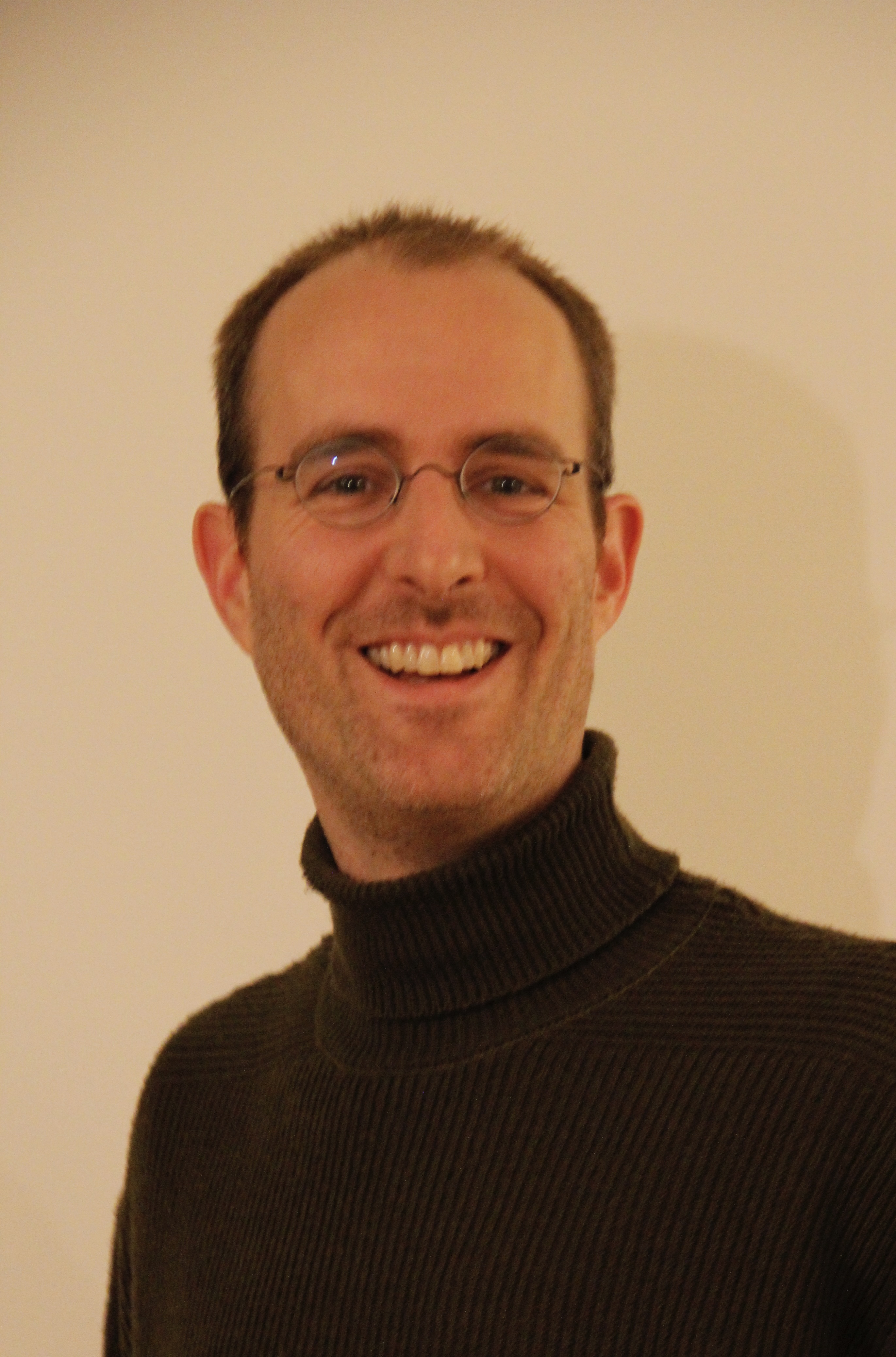
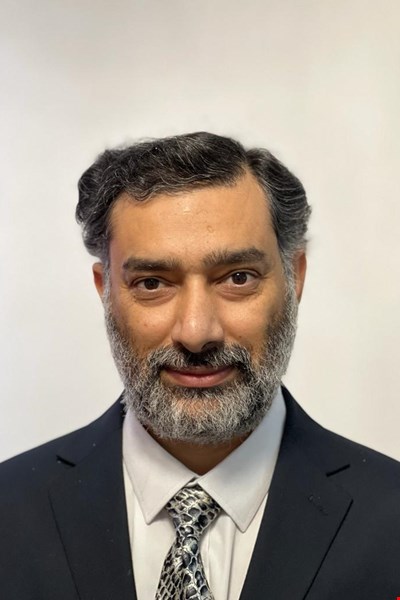
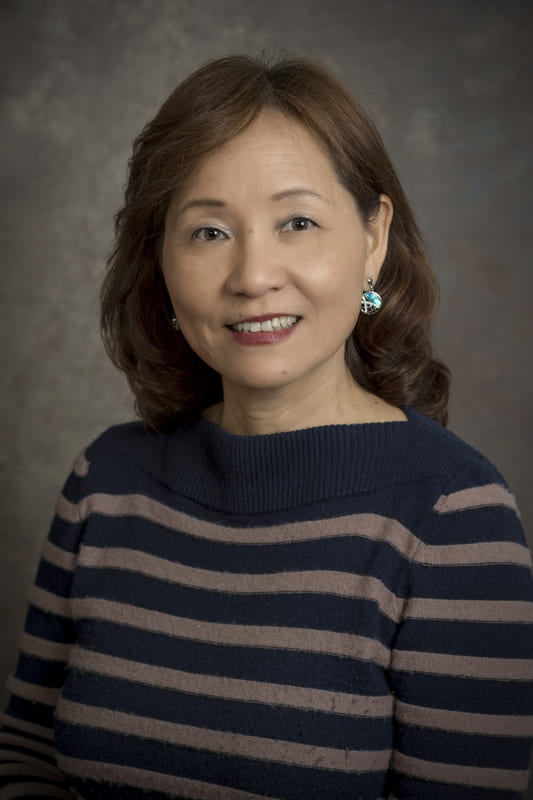
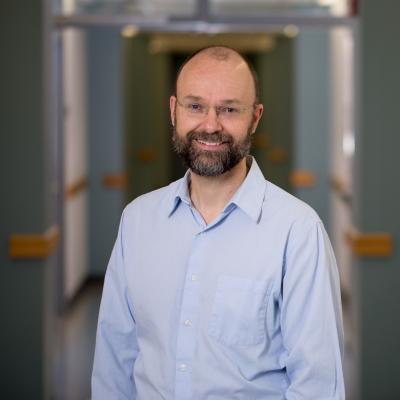
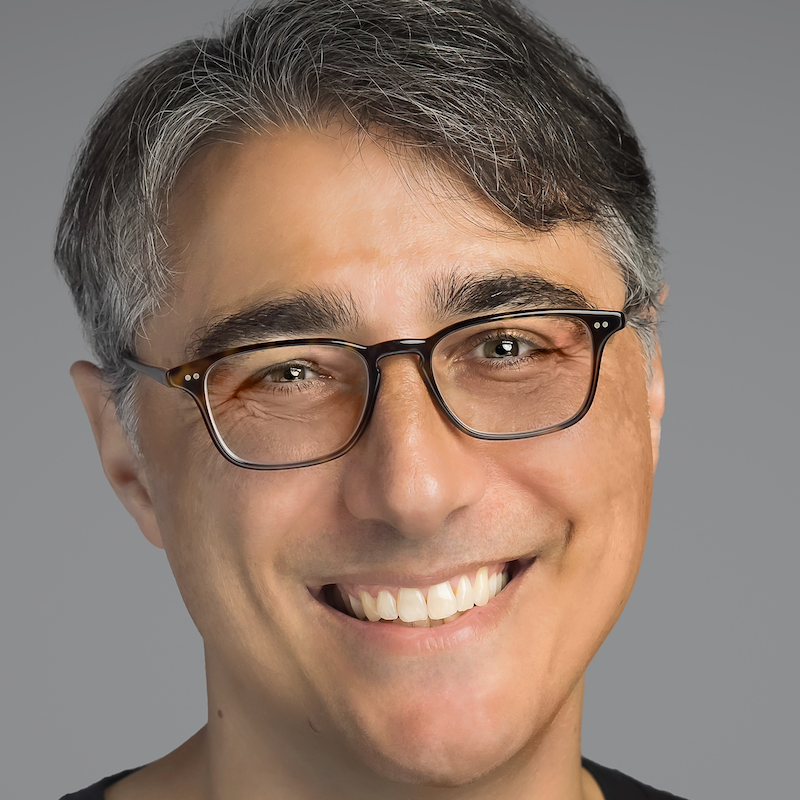
Professor David Clifton is the Royal Academy of Engineering Chair of Clinical Machine Learning at the University of Oxford’s Institute of Biomedical Engineering. He leads the Computational Health Informatics (CHI) Lab, focusing on AI-driven healthcare solutions with a strong emphasis on translational research in low- and middle-income countries (LMICs). His work spans digital health technologies, medical imaging analysis, and AI ethics. Clifton holds multiple fellowships, including from the Alan Turing Institute and Fudan University. Key affiliations include co-directorship of the Oxford-CityU Centre for Cardiovascular Engineering and involvement in the Wellcome Trust’s Flagship Centre in Vietnam. His research has been commercialized through spinouts like OBS Medical and Oxehealth. Notable projects include AI tools for non-invasive vital sign monitoring and pandemic response strategies using audio-based health data. Clifton’s awards include the IEEE Early Career Award (2022) and the Vice-Chancellor’s Innovation Prize. His lab’s Suzhou branch focuses on open-source digital health research using public datasets. Current research themes include multimodal data integration, generative AI in healthcare, and equitable AI deployment across global health systems.
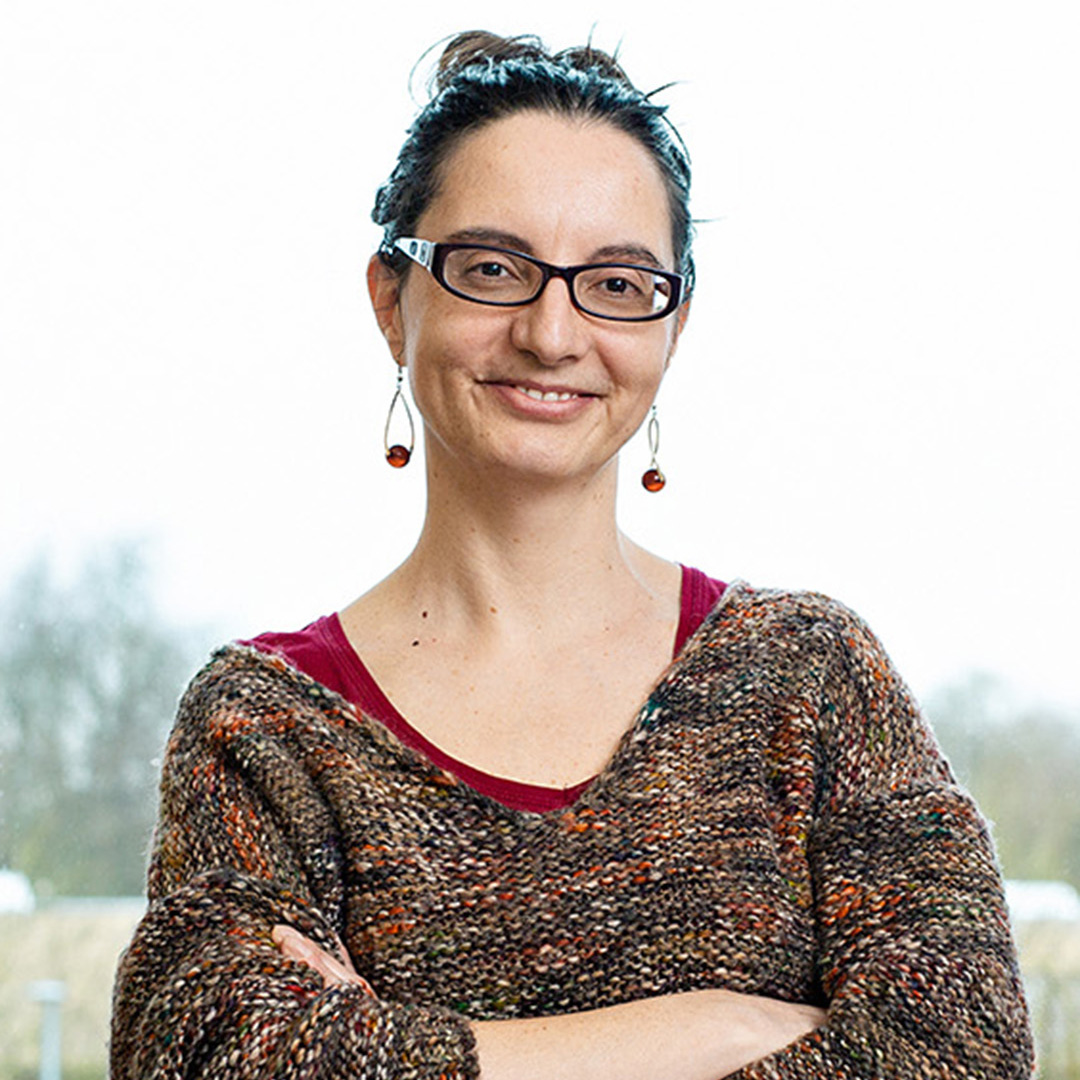
Stéphanie P. Lacour is a Full Professor at the School of Engineering, École Polytechnique Fédérale de Lausanne (EPFL), where she holds the Foundation Bertarelli Chair in Neuroprosthetic Technology. She leads the Laboratory of Soft Bioelectronic Interfaces (LSBI) and is affiliated with multiple departments including INX-STI, STI-SMT, SV-SSV, and AVP-DLE-EDOC. Since 2025, she has served as EPFL’s Vice-President for Support to Strategic Initiatives, overseeing institutional research strategy. Her research is centered at Campus Biotech in Geneva, where she was the founding director of the Neuro-X Institute. PhD in Electrical Engineering, INSA Lyon, France (1998–2001) Postdoctoral Research, Princeton University and University of Cambridge Joined EPFL in 2011 Her research focuses on soft bioelectronic interfaces that seamlessly integrate with biological tissues. She pioneers the development of stretchable, compliant electronics for implantable and wearable applications, using techniques from MEMS and microelectronics adapted to elastomeric substrates. Her work enables long-term, minimally invasive neural interfacing for applications in neuroprosthetics, rehabilitation, and health monitoring. Key innovations include soft electrocorticography arrays, liquid metal sensors, and encapsulation methods for chronic implants. Her recent publications span high-impact journals such as Nature , Science Robotics , Advanced Materials , and Nature Nanotechnology , covering topics like neural stimulation, soft robotics, wireless implants, and hydrogel-based interfaces . The work demonstrates a strong trend toward multimodal, closed-loop, and translational neurotechnologies with real-world clinical potential. Scientific Awards: No scientific awards explicitly mentioned in the provided text. She advises a large cohort of PhD students and postdoctoral researchers, many of whom have completed their theses under her supervision. Her team has received funding for projects in neural interfacing, bioelectronics, and soft robotics. She is actively involved in teaching courses such as Soft Microsystems Processing and Devices and Neural Interfaces . Lacour leads the Laboratory of Soft Bioelectronic Interfaces (LSBI) , a multidisciplinary research team focused on the fabrication, characterization, and in vivo evaluation of soft bioelectronic systems. The lab collaborates extensively across EPFL and with clinical partners to translate technologies from bench to bedside.
Thomas Demeester is an Associate Professor at the Internet Technology and Data Science Lab (IDLab), Ghent University - imec, Belgium. Appointed as Assistant Professor in 2019, he leads an AI research group focused on health applications and drug design, co-directing the Text-to-Knowledge research cluster with Prof. Chris Develder. His educational background includes: M.Sc. in Electrical Engineering from Ghent University (2005), completed with thesis work at ETH Zurich Ph.D. in Computational Electromagnetics from Ghent University (2009), funded by Research Foundation - Flanders (FWO) Demeester's research spans artificial intelligence with emphasis on deep learning and neuro-symbolic methods. Current tracks include energy-based models (Hopfield Networks, Deep Equilibrium Models), diffusion models for drug design, and clinical reasoning systems. His work bridges NLP, healthcare informatics, and generative AI with strong industry partnerships. Recent publications (2023-2025) reveal strategic expansion from NLP into health-centric AI: BioLORD biomedical encoders (2023), synthetic medical data frameworks (UAI/NeurIPS 2024), and novel diffusion model guidance (ICLR 2025). This evolution demonstrates convergence of generative modeling, clinical data analysis, and protein design. He actively mentors 24 PhD students across diverse AI domains: Current Research: Conversational agents, emotion analysis, clinical reasoning, antibody design, and diffusion model optimization Recent Graduates: Interpretable language models, biomedical semantics, task-oriented dialogue, and social media knowledge extraction Research is supported by imec funding and collaborations with Flemish biotech companies, building on his post-doctoral experience securing media-sector projects. Within IDLab, he co-leads the Text-to-Knowledge cluster driving NLP innovations for healthcare, legal, and economic applications.
Dr. Matloob Khushi serves as a Senior Lecturer in Computer Science at Brunel University London's College of Engineering, Design and Physical Sciences. With over 25 years of combined academic and industry experience, his work bridges theoretical AI advancements with practical applications in finance, healthcare, and public health domains. His research has established significant collaborations with international banks, healthcare institutions, and technology startups. Dr. Khushi earned his PhD in AI and Data Science from the University of Sydney, developing novel algorithms for genomic data analysis. His postdoctoral research at the Children's Medical Research Institute (2014-2017) pioneered AI-based diagnostic tools for medical condition detection. More recently, he developed bioinformatics tools for environmental assessment under a UKRI NEC grant. Research Focus FinTech Innovation : Creator of the SS Ratio (incorporating volatility and drawdown sensitivities), advanced portfolio optimization models, and synthetic data generation techniques for fraud detection and credit risk assessment Bioinformatics Leadership : Developer of AI tools for genomic analysis and early cancer detection, featured in SBS News and The Daily Telegraph Public Health NLP : Architect of systems for vaccine misinformation detection, mental health monitoring, and health surveillance on social media His publication portfolio shows consistent growth from foundational bioinformatics work to current multimodal AI applications, with increasing interdisciplinary collaboration across finance and healthcare sectors. Awards and Recognition Ranked among Stanford/Elsevier's top 2% of global AI scientists Recipient of Best Paper Awards from IEEE Transactions on Computational Social Systems and PeerJ Media recognition for cancer detection research by major news outlets Mentorship and Teaching Dr. Khushi has supervised six PhD candidates to completion and over 100 postgraduate dissertations. He teaches CS3002 Artificial Intelligence and mentors students in Final Year Projects. His supervision focuses on Deep Learning/NLP for FinTech prediction and Public Health Surveillance applications, emphasizing practical implementation of theoretical concepts.
Cathy Wu is a distinguished academic holding the Unidel Edward G. Jefferson Chair in Engineering and Computer Science at the University of Delaware. She serves as Director of the Center for Bioinformatics & Computational Biology (CBCB), Data Science Institute (DSI), and Protein Information Resource (PIR). Her roles include professorships in the Departments of Computer & Information Sciences and Biological Sciences. Education: BS in Plant Pathology (National Taiwan University, 1978), MS and PhD in Plant Pathology (Purdue University, 1982–1984), and a second MS in Computer Science (University of Texas at Tyler, 1989). She completed postdoctoral training in Molecular Biology at Michigan State University (1985–1986). Research interests focus on computational biology, bioinformatics, and data science with emphasis on protein informatics, biological text mining, ontology development, gene-disease-drug networks, and machine learning applications. She leads initiatives in integrating FAIR principles into biological databases like UniProt and InterPro. Her work bridges computational methods with biomedical challenges, including cancer genomics, epigenetic regulation, and proteomic analyses. She has spearheaded educational programs such as the Online Graduate Certificates in Applied Bioinformatics and Biomedical Informatics and Data Science. Her contributions include over 290 peer-reviewed publications (48,000+ citations, h-index 71) and authored/co-authored four books on bioinformatics. She directs multidisciplinary research teams and collaborates internationally on projects like the HALO study on ovarian cancer genetics. Awards and recognition are implied through her leadership roles and academic appointments, though specific prizes are not listed here. Her grants and funding support large-scale initiatives in bioinformatics infrastructure and translational research.
Andrew McCallum is a Distinguished Professor and Director of the Center for Data Science at the University of Massachusetts Amherst. He holds a PhD in Computer Science from the University of Rochester (1995) and a BS from Dartmouth College (1989). His research focuses on machine learning, natural language processing, and information extraction, with applications to scientific literature and knowledge base construction. He has pioneered work on conditional random fields and probabilistic databases, and led the development of systems like Rexa, an advanced research paper search engine. Affiliations: Center for Data Science, Center for Intelligent Information Retrieval, Computational Social Science Institute Key Projects: OpenReview.net, Unified Information Extraction, Automated Knowledge Base Construction His work emphasizes extracting actionable knowledge from unstructured text, with contributions to social network analysis, entity resolution, and semi-supervised learning. McCallum has over 300 publications and has received awards including the NSF ITR Grant, IBM Faculty Partnership Awards, and ACM/AAAI Fellowships. He has advised numerous students and served as ICML General Chair (2012). Recent Research Trends: Probabilistic box embeddings, case-based reasoning for knowledge bases, scalable clustering algorithms, and applications in biomedical informatics.
Pengtao Xie is an Associate Professor (tenured) in the Department of Electrical and Computer Engineering at UC San Diego, with cross-appointments in the Division of Biomedical Informatics and affiliations across multiple schools and institutes including the Halıcıoğlu Data Science Institute, School of Biological Sciences, and Skaggs School of Pharmacy. His research bridges human-inspired machine learning and healthcare applications. Education: PhD in Machine Learning, Carnegie Mellon University (2018) MS from Tsinghua University BS from Sichuan University Research Interests: His work focuses on machine learning inspired by human learning strategies , including learning by testing, interleaving, self-explanation, and teaching. These techniques are applied to large language models , foundation models , healthcare , and biomedicine . Recent efforts emphasize generative AI for medical image segmentation and protein function prediction. Scientific Awards: NIH MIRA Award (2025) NSF Career Award (2024) Best Graduate Teacher Award, ECE UCSD (2023) ICLR Notable-Top-5% Paper (2023) Global Top-100 Chinese Young Scholars in AI (2022) Tencent Faculty Award (2021) AMIA Doctoral Dissertation Award Finalist (2020) Siebel Scholarship (2014) Teaching & Mentorship: He has developed and taught courses such as Deep Generative Models , Probabilistic Graphical Models , and Linear Algebra and Applications . He actively mentors PhD, master's, and undergraduate students, with alumni now at CMU, Stanford, Mila, and industry roles. Labs & Teams: He leads a research group within the Center for Machine-Intelligence, Computing and Security and collaborates with the Institute for Genomic Medicine and Institute of Engineering in Medicine at UC San Diego.
James Zou is an Associate Professor of Biomedical Data Science at Stanford University, with courtesy appointments in Computer Science and Electrical Engineering. His research focuses on advancing machine learning methodologies for healthcare applications, emphasizing reliability, fairness, and statistical rigor. He holds a Ph.D. from Harvard University and has held positions at Microsoft Research, Cambridge University (as a Gates Scholar), and UC Berkeley (Simons Fellow). Zou leads the Stanford Data4Health hub and is a Chan-Zuckerberg Investigator. His work spans AI-driven diagnostics, spatial transcriptomics, and ethical AI frameworks. Key achievements include the EchoNet AI system for echocardiography and foundational contributions to data valuation (e.g., Data Shapley). Awards include the Sloan Fellowship, NSF CAREER Award, and Google/Tencent AI awards. Education: Ph.D., Harvard University (2014); Postdoctoral roles at Microsoft Research, Cambridge, and Berkeley. Research Interests: Machine learning for healthcare, algorithmic fairness, interpretable AI, spatial omics, and translational bioinformatics. His lab develops tools like TextGrad (PyTorch for text agents) and frameworks for evaluating medical AI systems. Recent work addresses LLMs in peer review and clinical decision-making. Grants/Grants: Supported by NSF, Sloan Foundation, Chan-Zuckerberg Initiative, and industry partnerships (Google, Amazon, Adobe). Advises on over 20 doctoral students, many contributing to high-impact papers in Nature , Science , and top conferences (NeurIPS, ICML). Leads collaborations in cardiology, oncology, and veterinary medicine. Labs/Teams: Stanford AI Lab, Stanford Data4Health, and interdisciplinary groups in precision medicine. Active in open-source projects like FrugalML and MetaViz.
Fernando De la Torre is a Courtesy Professor in the Department of Electrical and Computer Engineering at Carnegie Mellon University, with an affiliation to the Robotics Institute where he has been a research faculty member since 2005. He holds a Ph.D. in Electronic Engineering from Ramon Llull University (2002). His research focuses on machine learning and computer vision, with applications in human health, augmented/virtual reality, generative models, and data-centric methodologies. He directs the Human Sensing Laboratory, which explores technologies for human behavior analysis and health monitoring. Notable contributions include founding FacioMetrics LLC (acquired by Meta), advancing facial recognition and 3D human digitization, and developing frameworks for robust visual models. His work bridges theory and practice, with over 225 peer-reviewed publications and editorial roles, including Associate Editor for IEEE Transactions on Pattern Analysis and Machine Intelligence. Recent research trends emphasize generative AI applications in satellite imagery analysis, VR/AR rendering optimizations (e.g., Gaussian splatting), and clinical motion recognition for healthcare. His projects often intersect with industry, addressing challenges in wearable health monitoring and immersive technologies. His lab collaborations span academia and industry, focusing on scalable solutions for 3D human modeling, adversarial robustness, and multimodal data fusion. Key achievements include pioneering work on 3D face animation from speech and garment reconstruction from single images.
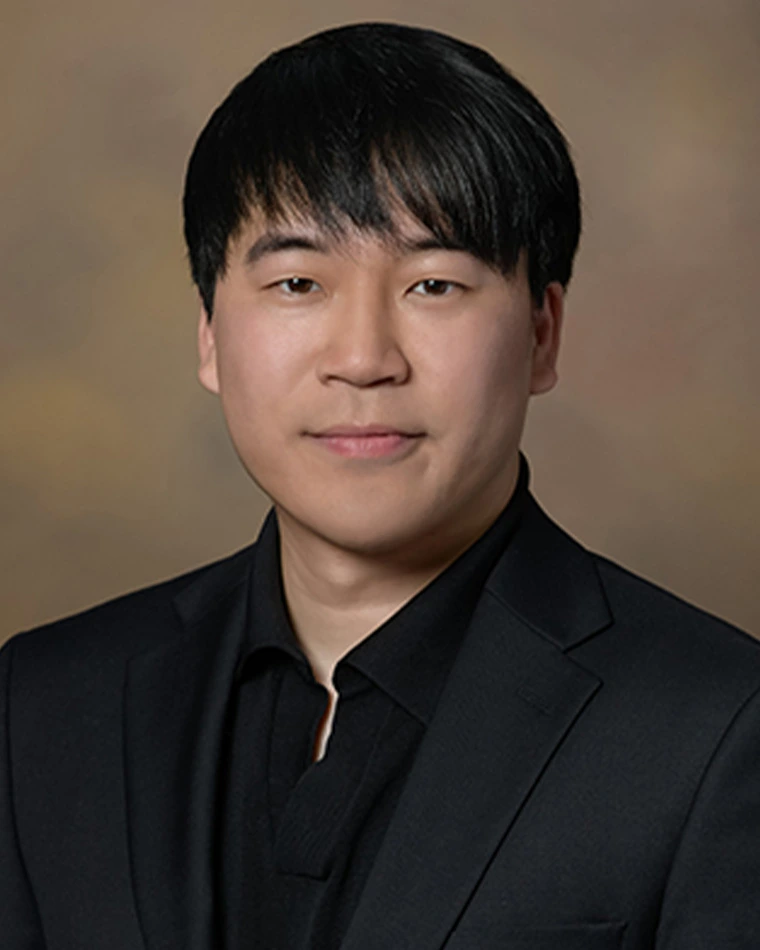
Eung-Joo Lee is an Assistant Professor in the Department of Electrical and Computer Engineering at the University of Arizona, where he also holds affiliations with the Department of Ophthalmology and Vision Science, the BIO5 Institute, and the UA Cancer Center. He serves as an adjunct professor at the University of Nebraska–Lincoln and is a member of the Graduate Faculty. Dr. Lee leads the Vision Systems and Intelligence (VSI) Laboratory and contributes to interdisciplinary research bridging engineering and medicine. Education: PhD in Electrical and Computer Engineering, University of Maryland, College Park, 2021 MS in Electrical Engineering, Korea Advanced Institute of Science and Technology (KAIST), Daejeon, South Korea, 2015 BS in Electrical Engineering, University of Texas at Dallas, 2013 Dr. Lee's research centers on developing computationally efficient and interpretable deep learning models for real-time, low-resource environments, particularly in computer vision and medical imaging. His work addresses perception and decision-making challenges in autonomous and medical systems. He applies cross-disciplinary expertise in engineering and medicine to create lightweight AI solutions. Although no specific publications are listed in the provided text, his research direction suggests strong engagement in areas such as embedded AI, medical image analysis, and real-time computer vision systems, likely published in top-tier venues in machine learning and biomedical engineering. Scientific Service and Recognition: Associate Editor, Journal of Signal Processing Systems (Springer) Editorial Board Member, Scientific Reports (Nature Portfolio) Reviewer for IEEE Transactions on Pattern Analysis and Machine Intelligence, Medical Image Analysis, Nature Machine Intelligence, and others Active participant in major conferences including NeurIPS, CVPR, MICCAI, AAAI, and SPIE Dr. Lee advises research through the VSI Laboratory and contributes to academic leadership via service on the Scientific Advisory Committee for the Body and Imaging Center at the University of Arizona. He has served on numerous program committees, organized workshops, and chaired sessions at international conferences, demonstrating growing leadership in the academic community. He is actively involved in interdisciplinary research collaborations, including past work with Children’s National Hospital and the U.S. Army Research Laboratory, and continues to bridge gaps between engineering and clinical applications.
Steve Whittaker is Professor of Human-Computer Interaction at the University of California at Santa Cruz. He conducts interdisciplinary research at the intersection of social science and computer science, focusing on how technology affects human memory, communication, and personal information management. His current research explores human-centric AI systems, mental health technologies, and digital identity. His research interests center on designing interactive systems that support human needs in digital environments. He investigates how people manage digital information, remember personal experiences through lifelogging, and interact with conversational agents and social robots. His work emphasizes computational well-being, affective computing, and the social implications of technology use. He has made foundational contributions to the fields of personal information management (PIM), computer-mediated communication (CMC), and human-robot interaction. The recent publications reflect a strong trend toward mental health technology, human-AI interaction, and digital well-being. His work spans from theoretical models of emotion and memory to practical systems for mental health apps, chatbots, and immersive visualization. He frequently publishes in top-tier venues such as CHI, CSCW, and IUI, often in collaboration with researchers across disciplines. Lifetime Research Achievement Award from SIGCHI Fellow of the Association for Computational Machinery (ACM) Member of the CHI Academy Lasting Impact Award from ACM CSCW Best Paper Award at CSCW10 Best Paper Award at CHI07 Honourable Mention at ACM CHI 2020 Multiple best paper nominations at CHI, CSCW, and IUI MIT Siegel Prize Steve Whittaker has supervised numerous PhD and Master’s students, though specific names are not listed in the provided text. His research has been funded by major grants from NSF, NIH, and industry partners, enabling long-term studies on digital behavior and system development. He is Editor of the journal Human Computer Interaction and has authored over 200 peer-reviewed publications. His most recent book, The Science of Managing Our Digital Stuff (MIT Press), co-authored with Ofer Bergman, synthesizes decades of research on personal information management. He leads a vibrant research lab at UC Santa Cruz that focuses on human-centered computing, where students and collaborators work on projects involving AI, mental health, digital memory, and social interaction. The lab has produced influential work on lifelogging, email management, telepresence robots, and algorithmic transparency. The team employs mixed methods, combining qualitative studies with system design and evaluation.
Cecilia Mascolo is a Professor of Mobile Systems at the University of Cambridge , specifically in the Department of Computer Science and Technology . She co-directs the Centre for Mobile, Wearable System and Augmented Intelligence and is a Fellow of Jesus College, Cambridge . Her research focuses on mobile systems , machine learning for mobile health , and earable technology . She has been awarded prestigious grants such as the ERC Advanced Research Grant (2019-2025) and the EPSRC Open Research Fellowship (2025-2030). Currently on sabbatical at Harvard University , her work bridges systems and machine learning for health applications. Education: PhD in Computer Science from the University of Bologna, Italy. Previous Affiliation: Faculty at University College London before 2008. Her research spans mobile and wearable systems for health and behavior monitoring, focusing on on-device machine learning , uncertainty-aware models , and audio-based diagnostics . Key areas include federated learning , edge computing , and respiratory disease progression analysis via wearables. She explores earable technology for physiological monitoring, gait analysis, and even toothbrushing tracking using in-ear sensors. Her recent publications highlight advancements in earable-based health monitoring , including heart rate estimation , respiratory rate detection , and ECG analysis using machine learning. She emphasizes longitudinal health data from consumer devices, advocating for scalable diagnostics beyond traditional clinical standards. Scientific Awards: ERC Advanced Research Grant EPSRC Open Research Fellowship Best Paper Award - IEEE Percom 10-Year Impact Award - ACM Ubicomp Computer Laboratory Ring Hall of Fame Best Paper Award Student: Andrea Ferlini - ACM SIGMOBILE Doctoral Dissertation Runner-up She leads the Mobile Systems Research Laboratory , mentoring a team of 15 researchers (postdocs and PhD students), and has graduated over 25 PhD students. Her teaching includes Mobile Health courses at the University of Cambridge, and she serves as Director of Studies for Computer Science at Jesus College.
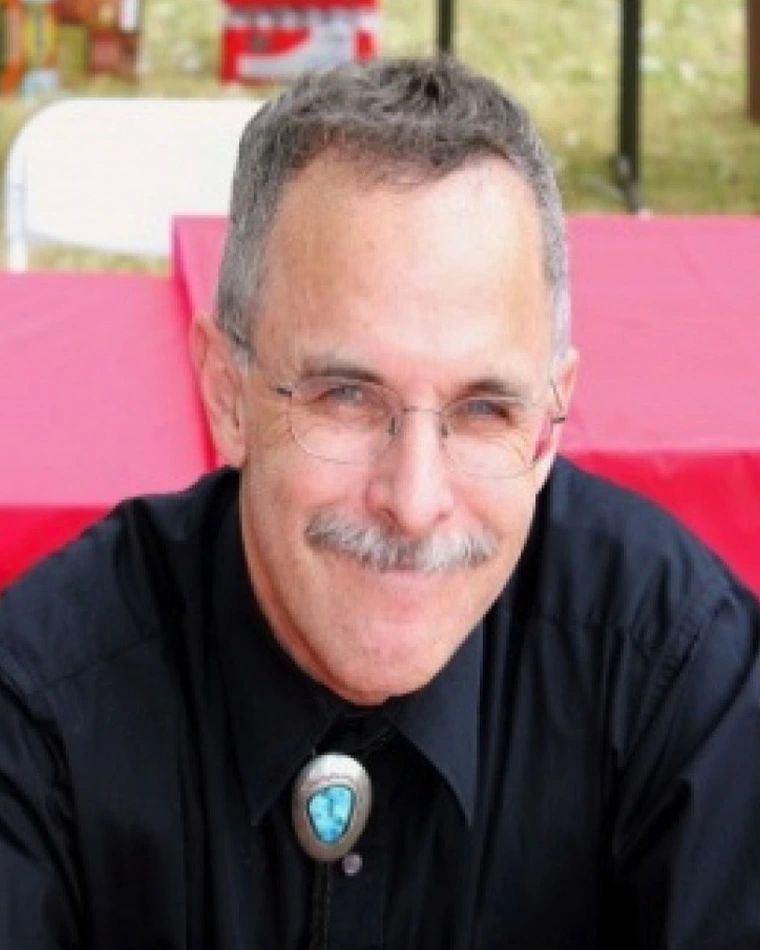
Douglas A. Loy is a full Professor at the University of Arizona with joint appointments in the Department of Materials Science and Engineering and the Department of Chemistry and Biochemistry, and additional affiliations with the BIO5 Institute and the School of Mining and Mineral Resources. A fifth-generation Arizonan, he earned his BS in Chemistry from the University of Arizona (1983), MS in Chemistry from Northern Arizona University (1986), and PhD in Organic Chemistry from the University of California, Irvine (1991). Before returning to academia he spent 14 years at Sandia National Laboratories and then led the Polymer and Nanomaterials Synthesis Team at Los Alamos National Laboratory. Research Interests Sol-gel & polysilsesquioxane chemistry: fundamental studies and unconventional routes to hybrid organic-inorganic materials. Tetrazine polymer chemistry: synthesis, click modification, and application in antioxidant foams and UV-stable sunscreens. 3-D printing of glasses & ceramics: additive manufacturing of micro-optics, multi-refractive-index glass objects, and transparent devices using silica and silsesquioxane resins. Energy & biomaterials: new materials for energy storage, polymer-ceramic bone scaffolds, and smart packaging films. Across more than 70 recent publications (2012-2025), the dominant themes are advanced additive manufacturing of specialty glasses and ceramics, design of photochemically stable sunscreen systems, and development of multifunctional polymer-ceramic composites for biomedical and energy applications. The work integrates molecular-level organic synthesis with macro-scale materials processing, enabling applications ranging from holographic micro-optics to lunar in-situ resource utilization. Scientific Awards & Recognition While specific honors are not listed in the provided text, Loy is described as a “distinguished member of technical staff” at Sandia National Laboratories, indicating prior recognition for his research achievements. Funding & Collaborative Teams At the University of Arizona his group pursues federally and industrially funded projects spanning NSF, DOE, and NASA programs, particularly in advanced manufacturing and energy materials. He collaborates closely with the BIO5 Institute for biomedical applications and with the School of Mining and Mineral Resources for resource-based materials research. No explicit student lists are included in the text. Laboratory & Facilities Loy’s laboratories are located in Mines and Metallurgy 338B at the University of Arizona, equipped for sol-gel synthesis, polymer processing, and state-of-the-art 3-D printing instrumentation including multi-photon lithography systems for micro-optics fabrication.
Associate Professor Mohammad Saadatfar is affiliated with the School of Civil Engineering at The University of Sydney. His research focuses on meso-scale materials, combining experiments with simulations to address challenges in environmental science, biomedical engineering, and advanced materials design. Key areas include the study of cellular solids, granular materials, and meta-materials. His work integrates physics, engineering, and biology, with applications to CO₂ geo-sequestration, bone implants, and mechanical meta-materials. He uses X-ray tomography, FE simulations, and topological analysis to explore material behavior. Recent publications span topics like additive manufactured foams, CO₂ flow dynamics in sandstone, and biomimetic wood structures. His contributions highlight interdisciplinary approaches to material science and engineering challenges. No scientific awards or student advisement details are explicitly mentioned in the provided text.
Michalis Vazirgiannis is a Professor at LIX, École Polytechnique (France) leading the Data Science and Mining (DaSciM) group. With academic backgrounds in Physics (Athens University), AI (Heriot-Watt University), and Informatics (Athens University), he has conducted research at Fraunhofer, Max Planck MPI, and INRIA/FUTURS while teaching at institutions across Greece, France, China, and Spain. His research spans Machine/Deep Learning for Graphs (GNNs, graph kernels, embeddings) Text Mining & NLP (Graph-of-Words, biomedical text analysis) Combinatorial Optimization for pandemic forecasting and energy systems Event/Anomaly Detection in time series and sensory data Industrial collaborations with Airbus, Google, Tencent, and BNP . He has supervised 29 completed PhD theses, published over 250 papers, and received prestigious awards including Marie Curie and Tencent Rhino-Bird Fellowships. His team leads the ANR-HELAS Chair (2020-2025) focusing on heterogeneous data deep learning.