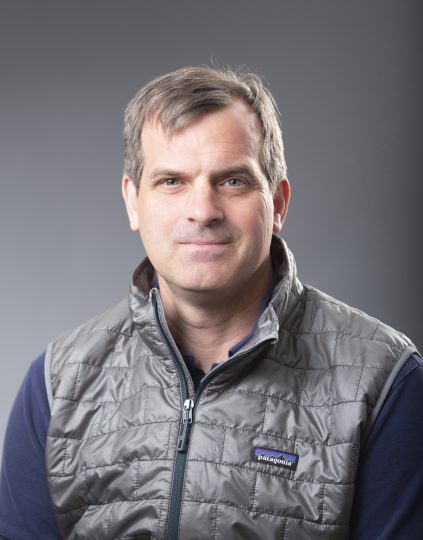
Hyunghoon Cho is an Assistant Professor at Yale School of Medicine in the Department of Biomedical Informatics & Data Science, with a secondary appointment in the Department of Computer Science. He received his PhD in Electrical Engineering and Computer Science from MIT (2019) and MS/BS in Computer Science from Stanford University (2013). His research focuses on computational challenges in biomedical data privacy, single-cell genomics, and network biology. Assistant Professor (Primary): Biomedical Informatics & Data Science Assistant Professor (Secondary): Computer Science Appointments: Yale School of Medicine | Broad Institute (Schmidt Fellow) Research Themes: Privacy-Enhancing Technologies for genomic and health data Scalable AI/ML tools for omics data analysis Structured biological modeling for system-level discovery His work includes secure GWAS, transcriptomic privacy assessment, and sfkit - a federated genomic analysis toolkit. He received the NIH Director's Early Independence Award and leads NSF-funded projects on confidential genome analytics. Awards: NIH Director's Early Independence Award Lab Members: Haris Smajlović (Postdoc), Vincent Angelo (CBB MS), Denis Loginov (Senior Software Engineer), Lucy Zheng (CBB PhD)
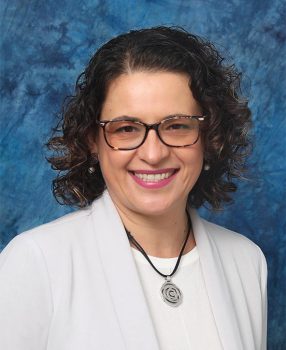
Brenton Faber is a Humanities & Arts Professor affiliated with the Department of Biomedical Engineering at Worcester Polytechnic Institute (WPI) . He holds a B.A. in Political Science & English from the University of Waterloo (1992), an M.A. in English from Simon Fraser University (1993), and a Ph.D. in English from the University of Utah (1998). His research focuses on healthcare delivery for uninsured populations, medical writing, and the application of allostasis theory to healthcare systems. He volunteers as a practicing paramedic with rural ambulance squads and urban clinics. Education: B.A. (University of Waterloo), M.A. (Simon Fraser), Ph.D. (University of Utah) Faber’s lab investigates human factors in medical diagnosis and patient care, emphasizing pre-hospital care and clinical report analysis. His work integrates allostasis concepts to address chronic health conditions and patient decision-making. Current projects include a free urban clinic’s electronic database initiative and a 'food is medicine' program targeting hypertension/diabetes patients. He advises an undergraduate research team and co-founded the 'Medical Mystery' series in WPI’s student newspaper. His recent publications span healthcare logistics, emergency medicine, and discourse analysis. Notable works include The End of Genre (2022) and studies on community paramedicine optimization (2023). While no formal awards are listed, his contributions to medical communication and patient advocacy are central to his scholarly identity. Advising focuses on interdisciplinary teams addressing public health challenges. Collaborative grants are not explicitly mentioned, but his work with free clinics and paramedic squads highlights community-oriented engagement. His lab’s activities emphasize translational research bridging humanities and biomedical engineering disciplines.
Margaret Karagas, PhD is the inaugural Department Chair and James W. Squires Professor of Epidemiology at the Geisel School of Medicine at Dartmouth College, with a secondary appointment as Professor of Community and Family Medicine. She also serves as Director of both the Children's Environmental Health and Disease Prevention Research Center and the Center for Molecular Epidemiology at Dartmouth. Her leadership extends to the NIH-funded Environmental Influences on Child Health Outcomes (ECHO) Program, which encompasses over 90,000 participants across the United States. Dr. Karagas earned her PhD from the University of Washington in 1990 and has established herself as a leading researcher in environmental epidemiology. She collaboratively developed an innovative cross-disciplinary postdoctoral and graduate program in Quantitative Biomedical Sciences (QBS) that integrates epidemiology, bioinformatics, and bistatistics. Her research focuses on interdisciplinary studies investigating environmental exposures, host factors, and biological mechanisms affecting health from infancy through adulthood, with particular emphasis on under-studied rural populations. Dr. Karagas employs high-dimensional analytic tools along with biomarkers and sensors to study the exposome, genetic susceptibility, and biological response. Her work has uncovered adverse cardiometabolic, neurodevelopmental, and immune-related health outcomes associated with drinking water contaminants, food-borne toxicants (including in infant first foods), and exposures from woodstoves. Analysis of her recent publications reveals a strong focus on environmental health impacts across the lifespan, with significant contributions to understanding how environmental exposures affect child development, chronic disease risk, and health disparities. Her work frequently employs advanced molecular and analytical techniques to assess environmental exposures and their biological consequences. Dr. Karagas serves on numerous prestigious international consensus panels and committees, including those for the United Nations, World Health Organization, International Agency for Research on Cancer, European Food Safety Authority, US National Institutes of Health, and National Academies of Science, Engineering and Medicine. As an academic leader, she has mentored diverse investigators at all career stages and established innovative training programs. Her research has directly contributed to practice and policy changes regarding environmental health threats. She maintains active collaborations across multiple centers at Dartmouth including the Dartmouth Toxic Metals Superfund Research Program and Dartmouth SYNERGY.
Beth Smith, PT, DPT, PhD is an Associate Professor of Pediatrics and Biokinesiology & Physical Therapy at the University of Southern California. She directs the Infant Neuromotor Control Laboratory, where she leads research on neural control of movement during infancy and develops interventions for infants with or at risk for developmental delay. Dr. Smith's research focuses on several critical areas in pediatric development: Neural mechanisms underlying infant motor development Application of wearable sensor technology for objective movement measurement Early identification of developmental delays through quantitative analysis Evaluation of intervention effectiveness for at-risk infants Cross-cultural studies of infant development in diverse settings including rural Guatemala Her work demonstrates a strong integration of technology and clinical practice, with recent publications highlighting innovative approaches to measuring infant movement in natural environments. Dr. Smith's research on algorithmic detection of developmental disabilities using wearable sensors represents a significant advancement in early identification methods. Her studies on telehealth administration of developmental assessments have gained particular relevance following the COVID-19 pandemic, potentially expanding access to early intervention services globally. As director of the Infant Neuromotor Control Laboratory, Dr. Smith oversees a research program that bridges neuroscience, engineering, and clinical practice to improve outcomes for infants with developmental challenges. Her work has important implications for developing evidence-based interventions that can be implemented across diverse healthcare settings.
Associate Professor Abdul Ihdayhid is a Research Leader in Cardiovascular Biology at the Curtin Medical School , Curtin University, within the Faculty of Health Sciences. His work focuses on advanced cardiac imaging techniques, particularly coronary CT angiography, fractional flow reserve modeling, and AI integration in cardiovascular diagnostics. Key Research Areas: Cardiovascular imaging, artificial intelligence applications, aortic stenosis interventions, and ethical implications of AI in medicine. Recent Publications: Analysis of high-risk coronary plaque, telehealth adaptations during pandemics, and AI-driven CAC scoring innovations. Collaborations: Extensive partnerships with institutions across Australia and New Zealand on multicenter studies like the Australian-New Zealand SCAD cohort. His 2024-2025 work emphasizes machine learning for plaque quantification and ethical frameworks in AI implementation. Email: Abdul.Ihdayhid@curtin.edu.au
Emma Dunlop is a Research Fellow at the Strathclyde Institute of Pharmacy and Biomedical Sciences (SIPBS), University of Strathclyde, within the Faculty of Science. She has been part of the Pharmacoepidemiology & Healthcare Research Group (PEHCR) since 2010, specializing in qualitative research methods with a focus on patient-centered healthcare applications. Her educational background includes: Honours degree in Psychology, University of Strathclyde (2009) MPhil, Strathclyde Institute of Pharmacy & Biomedical Sciences (2024) Post Graduate Certificate in Knowledge Exchange, University of Strathclyde COSCA qualification in Counselling Skills, Napier University Dunlop's research centers on patient reported outcome measures (PROMs) in cancer care, digital health innovation, and improving services for vulnerable populations including refugees, prison populations, and individuals with mental health conditions. Her work emphasizes patient and public involvement (PPI) in research design and implementation, particularly through qualitative methodologies. Her 2025 publications reveal a strong thematic focus on pharmacy practice transformation, with recurring exploration of stigma reduction in substance dependency treatment, preceptorship program development for advanced pharmacy practice, and systematic implementation of PROMs in Scottish cancer care pathways. Scientific recognition includes: SIPBS Athena Swan Researchers' Prize (2019) Scottish Pharmacist Award for Innovation & Change in Pharmacy Practice (2015) She has supervised MPharm, MSc, and PhD students while securing significant funding from Scottish Government, NHS Scotland, Public Health Scotland, and industry partners including Boots PLC. Major projects include the Cancer Medicines Outcomes Programme (CMOP-PHS) and the Macmillan Rural Palliative Care Pharmacist Practitioner Project. Dunlop co-chairs the Scottish Cancer PROMs Advisory Group and leads the STRATHLab organizational unit, driving collaborative initiatives between academia, NHS, government bodies, and community stakeholders.
Geoffrey Handsfield is an Assistant Professor at the University of North Carolina at Chapel Hill, holding appointments in the Department of Orthopaedics and the Lampe Joint Department of Biomedical Engineering. His work integrates advanced medical imaging, computational modeling, and mechanical experimentation to improve clinical orthopaedic medicine and understand musculoskeletal form and function. Educated at East Carolina University (B.S. Physics, Summa Cum Laude with Mathematics Minor), the University of Virginia (Ph.D., Biomedical Engineering), and as a Whitaker Postdoctoral Scholar at the University of Auckland, his research focuses on musculoskeletal MRI, computational modeling of muscle-tendon interactions, and pediatric cerebral palsy rehabilitation. Education: Ph.D., Biomedical Engineering, University of Virginia, 2014 Postdoctoral Fellowship, Auckland Bioengineering Institute, 2014–2016 (Whitaker Scholar) B.S., Physics (Summa Cum Laude), Mathematics Minor, East Carolina University, 2008 Research Interests: Dr. Handsfield’s lab pioneers techniques like ultra-high contrast MRI and 3D ultrasound to study muscle-fascia interactions, tendon mechanics, and pediatric cerebral palsy. Key areas include: Image-based computational models for personalized musculoskeletal analysis Muscle architecture and regeneration in children and athletes Biomechanical interventions for cerebral palsy rehabilitation Non-invasive muscle profiling for clinical decision-making Awards: Aotearoa Early Career Research Fellow, Robertson Foundation Early Career Research Award, Australia-New Zealand Orthopaedic Research Society Whitaker Postdoctoral Scholar Academic All-American in Swimming & Diving (2007–2008) Advising & Grants: While specific grant details are not listed, his lab’s focus on pediatric cerebral palsy and musculoskeletal modeling suggests involvement in NIH-funded or foundation-sponsored research. No formal advisees are listed in the provided data. Labs & Teams: His interdisciplinary lab collaborates with clinicians and engineers to translate imaging and modeling innovations into clinical practice, focusing on tools like the dSIR MRI sequence and high-dimensional muscle clustering for athlete and pediatric populations.
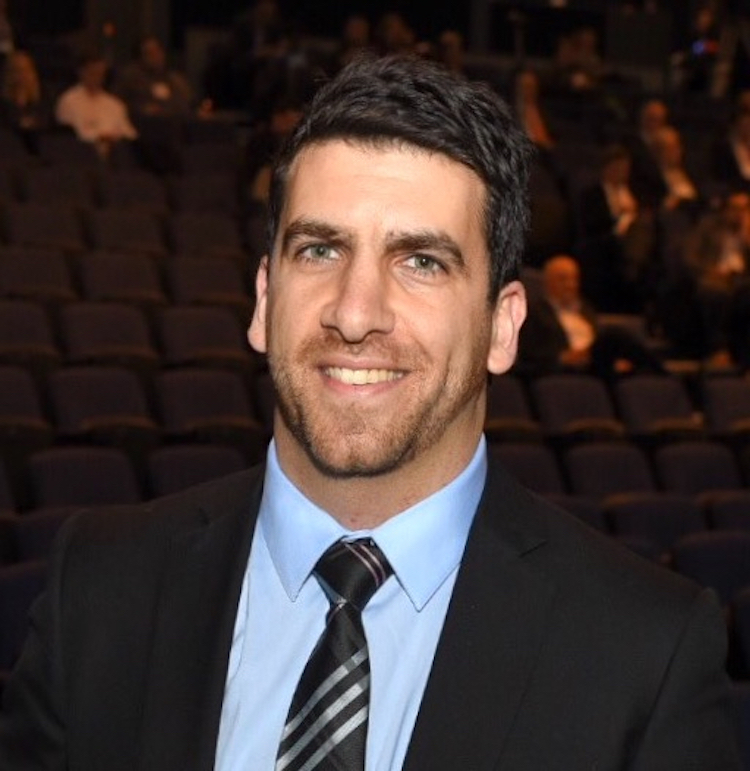
Dr Ritika Tiwari is a Senior Lecturer in Public Health at the York St John University London Campus. She holds over 14 years of experience in public health across South Asia, Africa, and Europe, with prior affiliations to India’s National Health Mission, South Africa’s Stellenbosch University, and the UK’s University of Greenwich. At York St John, she serves as Semester Lead for the MSc Public Health program, leading modules on Health Economics and Public Health for an Ageing Population. Her research focuses on Human Resources for Health (HRH), emphasizing equitable health workforce distribution and universal health coverage. Key areas include geo-spatial inequities in healthcare access, workforce planning models, and policy interventions. Her work has contributed to South Africa’s 2030 HRH Strategy and analyses of dentist shortages, nephrologist deficits, and health workforce trends in India and South Africa. Publications span journals, policy reports (e.g., South African Health Reforms, 2022), and media features on oral health crises and health worker shortages. Dr Tiwari’s academic contributions bridge policy, education, and practice, aiming to strengthen health systems through evidence-based strategies.
Danielle Levitt, PhD, CSCS*D, serves as an Assistant Professor in the Department of Kinesiology & Sport Management at Texas Tech University and is actively affiliated with the Institute for One Health Innovation. Her research program focuses on metabolic health, investigating how lifestyle factors contribute to dysfunction in health and disease while developing targeted intervention strategies to improve clinical outcomes. Dr. Levitt's core research interests include: Skeletal muscle physiology and bioenergetics Alcohol misuse and its metabolic consequences Glycemic control mechanisms Inter-organ crosstalk in disease states Cardiometabolic risk in vulnerable populations (e.g., people living with HIV, first responders) Exercise physiology interventions Analysis of her recent publications reveals dominant themes in alcohol-pathogen interactions, skeletal muscle regeneration under metabolic stress, and cardiometabolic risk modulation. Her work frequently employs SIV-infected macaque models to study HIV-alcohol comorbidities, explores mTOR signaling pathways in muscle adaptation, and investigates dietary impacts on viral pathogenesis including SARS-CoV-2 susceptibility. Methodologically, she integrates molecular biology, exercise physiology, and epidemiological approaches across diverse populations. No scientific awards were mentioned in the provided documentation. Information regarding Dr. Levitt's graduate student advising, grant funding history, or specific laboratory resources was not included in the source materials. Her research appears to operate through collaborative frameworks within the Institute for One Health Innovation. Dr. Levitt maintains active research operations at Texas Tech University's Institute for One Health Innovation, where she contributes to interdisciplinary initiatives addressing complex health challenges at the human-animal-environment interface through metabolic and physiological research.
Dr. Naomi Lee is an Associate Professor at Northern Arizona University in the Department of Chemistry and Biochemistry . Her research spans vaccinology , biochemistry , and STEM education with a focus on reducing health disparities in Native American communities . She leads the Lee Lab Research Group , which develops novel peptide-based therapeutics for HPV vaccines, cardiovascular disease prevention, and opioid addiction mitigation through methamphetamine hapten vaccines. Her work integrates Indigenous perspectives in public health research, particularly addressing vaginal microbiome variations contributing to cervical cancer disparities. She pioneers culturally relevant education programs to increase access for historically excluded students in STEM, evidenced by her Chemistry and Culture Workbook and collaborations with the Partnership for Native American Cancer Prevention . The 15 most recent publications demonstrate expertise in vaccinology , microbiome research , and health equity frameworks . Key subfields include virus-like particle engineering , opioid immunotherapy , Indigenous workforce development , and structural peptide optimization . Her team has received numerous scientific awards including the NIH NINDS Exceptional Summer Student Award , AISES Professional of the Year , and Barry Goldwater Scholarships for mentees. Student mentorship spans PhD candidates like Tawnjerae Joe at the University of Arizona, postdoctoral fellows such as Krystal Charley, and undergraduate researchers including Amaya Pablo working on silver nanocluster conjugation and Caleb Rice developing methamphetamine vaccines. Former students have pursued advanced degrees at institutions like Stanford , Johns Hopkins , and Kansas University . Lead researcher in NIH-funded HPV vaccine development Co-investigator in Community Health Representative programs for clinical trial trust-building Director of 4CSCC (Four Corners Science and Computing Club)
Luke Davis, MD is an Associate Professor of Epidemiology (Microbial Diseases) and Medicine (Pulmonary, Critical Care & Sleep Medicine) at Yale School of Public Health , with affiliated roles at Yale Institute for Global Health and Yale Medicine . He directs the Implementation Science Track and leads international research programs focused on tuberculosis (TB) and HIV. Education : MD (Vanderbilt University), AB (Princeton University), MAS in Clinical Research (University of California San Francisco), Fellowship in Pulmonary & Critical Care (UCSF) Clinical Practice : Attending physician at Yale-New Haven Hospital's Medical ICU and Winchester TB Clinic Research Focus : Implementation science strategies to improve TB and HIV diagnosis, treatment, and stigma reduction across Uganda, South Africa, Colombia, Mongolia, and the United States. Key projects include: Uganda : HIV-TB household contact investigations, gene-expression profiling for biomarker development, Xpert MTB Ultra evaluation Colombia : Cali TB contact investigation using design thinking Mongolia : Zero TB Initiative quality assessments Connecticut : COVID-19 contact tracing analysis Publication Trends (15 most recent): 50% focus on TB-HIV coinfection and implementation trials in Sub-Saharan Africa 30% on digital health technologies for infectious disease management 20% on geriatric care innovations and medical education Collaborations : Frequent co-authors include Sheela Shenoi , Salome Charalambous , and Donna Spiegelman . Research spans biomedical engineering integration, stigma reduction frameworks, and quality improvement methodologies.
Matt Havrda is an Associate Professor in Biomedical Sciences and Associate Dean for Research and Scholarship at the University of New England College of Osteopathic Medicine. He earned his Ph.D. from the Graduate School of Biomedical Science and Engineering at the University of Maine and leads a research program focused on the molecular basis of Parkinson’s disease and neuroinflammation. Research Interests: Dr. Havrda's work centers on understanding how environmental exposures interact with the innate immune system to drive neurodegeneration, particularly in Parkinson’s disease. His research integrates molecular biology, immunology, and translational neuroscience, using cellular and animal models as well as patient-derived biofluids and post-mortem tissues. Key areas include NLRP3 inflammasome signaling, epigenetic regulation via DNA methylation, and identification of early biomarkers for disease progression. Publication Trends: His recent publications demonstrate a consistent focus on neuroinflammation, inflammasome activation, and gene-environment interactions in Parkinson’s disease. The studies utilize longitudinal human data, genetic models, and environmental toxin exposures to uncover mechanisms of disease and potential therapeutic targets. Scientific Awards: Ruth L. Kirschstein National Research Service Award (NINDS) Dartmouth SYNERGY Scholar Award for Clinical and Translational Research Target Validation Award from the Michael J. Fox Foundation Advising and Grants: While specific advisees are not listed, Dr. Havrda leads an active research laboratory. His work is currently supported by the National Institute for Environmental Health Sciences, indicating sustained federal funding for his investigations into environmental impacts on neurological disorders. Labs and Teams: Dr. Havrda collaborates extensively with interdisciplinary teams, including epidemiologists, immunologists, and neuroscientists. His lab employs cutting-edge techniques in molecular biology and epigenetics to study neurodegeneration, contributing to both basic science and clinical translation in Parkinson’s disease research.
Andrea De Vizcaya Ruiz is a Professor in the Department of Environmental and Occupational Health at the University of California, Irvine (UCI) School of Public Health . She is Graduate Program Director for Environmental Health Sciences and leads research at key centers including the Center for Occupational and Environmental Health (COEH) , Air Pollution Health Effects Lab (APHEL) , and AirUCI Atmospheric Integrated Research Unit . Her expertise spans environmental toxicology, nanotoxicology, and air pollution health impacts , with a focus on particulate matter (PM), microplastics, and nanomaterials. Educational Background: Bachelor's in Veterinary Medicine, National Autonomous University of Mexico (UNAM) Doctorate in Toxicology, University of Surrey, UK Research Interests center on toxic effects of environmental pollutants , including: Health impacts of particulate matter (PM2.5/PM10) Toxicokinetics of nanomaterials Oxidative stress and inflammation mechanisms Health equity in environmental exposure Neurotoxic and cardiorespiratory effects Biomarker development for toxicity assessment Recent Publications highlight her work on PM-induced nephrotoxicity, nanoparticle neurotoxicity, and synergies between urban pollutants and metabolic stressors . Her studies frequently employ in vitro and in vivo models to dissect toxicity pathways. Scientific Awards: 2011 Young Investigator Award, Society of Toxicology, USA 2015 1st place BioNanoTechnology Award, Cinvestav and Neolpharma Inc., Mexico City Student Mentorship includes advising PhD and MSc students like Aidee Solorio Rodriguez and Josefina Poblano Bata, with their work presented at international conferences including the International Nanotoxicology Congress and IUTOX Trainee Awards. Labs & Collaborations: She actively collaborates with research groups in Mexico, the Netherlands, Canada, and the US, integrating toxicology, aerosol science, and public health to address evolving biotechnology challenges. Her advisory roles for the Mexican Ministry of Health and Environment further demonstrate her policy impact.
Dr. Sisira Edirippulige is an Associate Professor at the University of Queensland , affiliated with the Centre for Online Health and Centre for Health Services Research within the Faculty of Health, Medicine and Behavioural Sciences . Fields of Research: Telehealth and Digital Health Biomedical Engineering Applications Mental Health Interventions Health Tech Startup Analysis Recent Research Trends: His work focuses on digital mental health tools for children and adolescents , telemedicine scalability in India , fem-tech innovation , and neuroscience-informed teacher training programs . He has published extensively on telehealth infrastructure, health tech entrepreneurship, and cross-cultural studies of singlehood. Supervision: Actively supervises PhD candidates in projects related to telemedicine frameworks, AI in patient communication, and digital health equity. Former students have completed work on topics like gestational diabetes management , health tech scaling , and stress management apps .
Elizabeth Slate is a Professor in the Department of Statistics at Florida State University. Her expertise includes longitudinal data analysis, experimental designs, and Bayesian modeling. She focuses on interdisciplinary applications in biomedical research, particularly in musculoskeletal biomechanics, clinical trial design, and public health disparities. Her work bridges statistical methodology with real-world clinical and epidemiological challenges. Research Interests: Her research spans Bayesian statistical methods, causal inference, and the analysis of complex biomedical datasets. Key areas include biomechanical modeling of joint disorders, risk factor analysis for chronic diseases, and the development of innovative statistical frameworks for clinical trials and observational studies. She has contributed to understanding the structural-functional relationships in musculoskeletal tissues and the sociocultural determinants of health behaviors in underserved populations. Publications Trends: Recent work emphasizes Bayesian borrowing of historical data in basket trials, explainable AI in medical imaging, and the biomechanical correlates of TMJ disorders. She also investigates longitudinal health outcomes in diabetes and HPV vaccination uptake among marginalized groups. Methodologically, her articles address causal mediation, sensitivity analysis, and mixed-scale data integration. Grants and Advising: While specific grant details are not listed, her publication record indicates sustained funding in interdisciplinary health research. No advising information is explicitly provided in the source text. Labs/Teams: Collaboration networks likely span biomedical engineering, public health, and clinical departments, though formal affiliations are not detailed here.




/prod01/yorksjacuk/media/content-assets/staff-profile-images/Ritika-Tiwari.jpg)