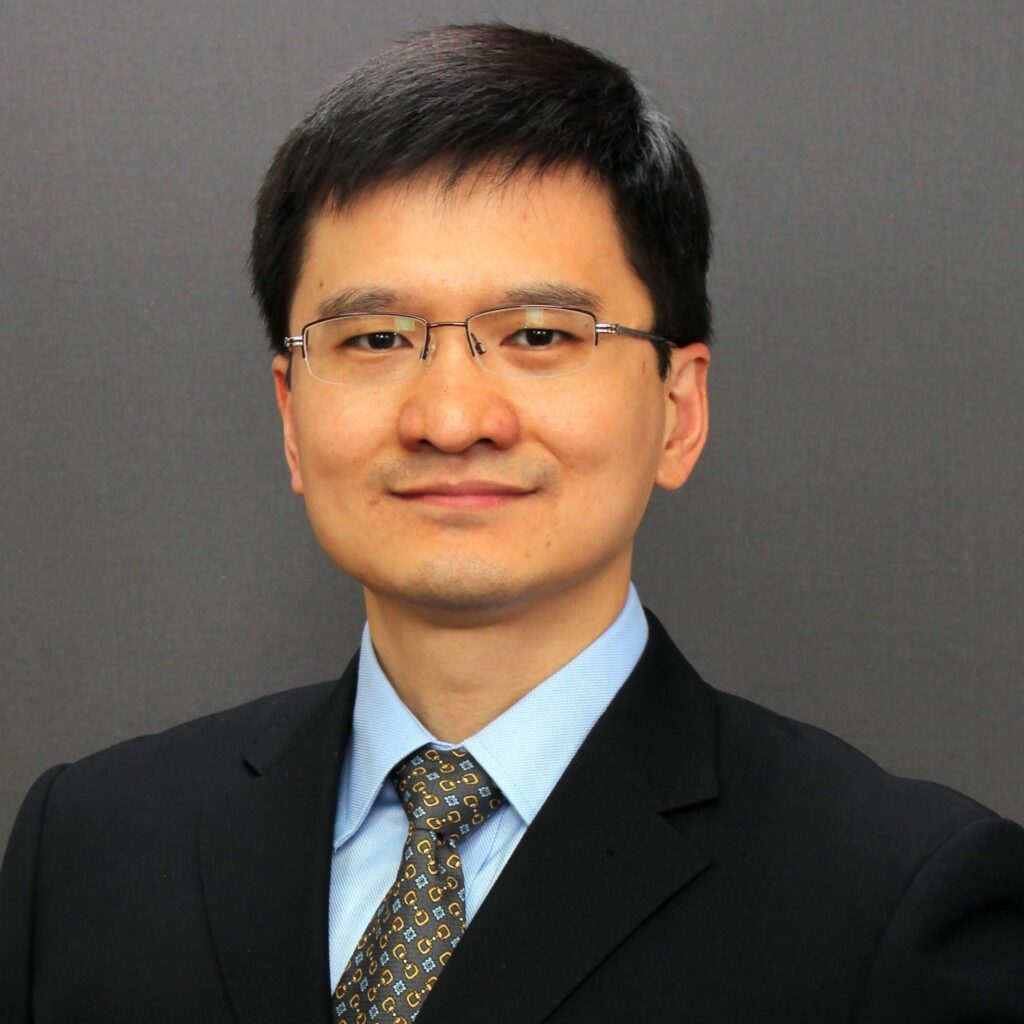
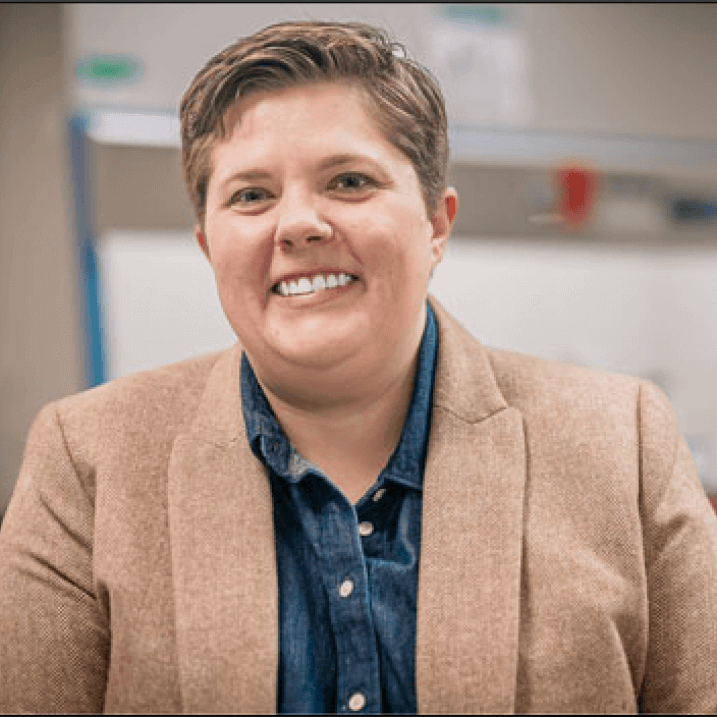
Peyman Karami is a Postdoctoral Researcher at the Laboratory of Biomechanical Orthopedics (LBO) within École Polytechnique Fédérale de Lausanne (EPFL)'s College of Engineering . Research focuses on adhesive hydrogels for cartilage repair and orthopedic applications Investigates biomimetic stimuli (hydrostatic pressure, temperature) in chondrocyte homeostasis Develops ligin-based multifunctional hydrogels for sustainable biomedical applications Expertise in mechanobiology and thermomechanical regulation of tissue-engineered constructs Scientific Contributions: Leads 15+ publications on hydrogel technologies for cartilage regeneration, thermomechanical stimulation effects, and lignin functionalization, including breakthrough work in NIR-light photocuring , malacic trachea repair , and biomimetic temperature gradients . Current Research Trends: Prioritizes injectable adhesive hydrogels , noninvasive tissue repair , and multi-functional biomaterials that couple mechanical and biochemical cues for enhanced regeneration.
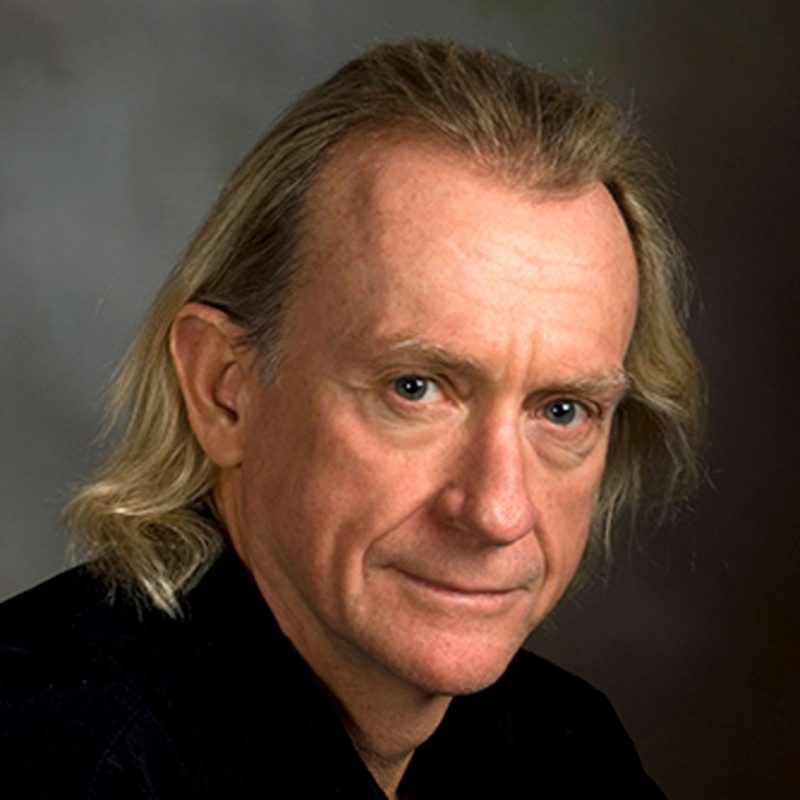
Yuzhe Yang is an Assistant Professor of Computational Medicine and Computer Science at UCLA, with a visiting research scientist role at Google Health. He holds a PhD in Computer Science from MIT (2024), advised by Dina Katabi, and a B.S. with honors from Peking University. Research Focus: Machine learning for healthcare, medical AI fairness, and AI-driven biomedical discovery Key Contributions: Ten Notable Advances (Nature Medicine) and Ten Crucial Advances (The Lancet Neurology) His lab develops Trustworthy Learning Algorithms and Generalist Health Models that integrate Multimodal Data for personalized health coaching. Notable projects include AI-based Parkinson's Disease Biomarkers via nocturnal breathing and Foundation Models for Equitable Medicine . Recent publications at ICLR 2025 (wearable foundation models), Nature Medicine 2024 (medical AI fairness), and Science Advances 2025 (vision-language medical bias) highlight his interdisciplinary work. He serves on ML4H workshops and reviews for top conferences like NeurIPS and ICML. Awards include Forbes 30 Under 30 , Takeda Fellowship , and Baidu PhD Fellowship . Advising opportunities: Recruiting PhD students (CS/CompMed) and postdocs in AI for health. Lab: Health Intelligence Lab (HAIL)
Qi Long is a Professor at the University of Pennsylvania, holding joint appointments in the Department of Biostatistics, Epidemiology and Informatics (Perelman School of Medicine), Department of Computer and Information Science (School of Engineering and Applied Science), and Department of Statistics and Data Science (The Wharton School). He serves as Founding Director of the Center for Cancer Data Science, Associate Director of the Penn Institute for Biomedical Informatics, and Associate Director for Quantitative Data Science at the Abramson Cancer Center. His research bridges statistical and machine learning (ML/AI) method development with biomedical applications, focusing on precision medicine and population health. Education : Ph.D. (2005) and M.S. (2003) in Biostatistics from University of Michigan; B.S. (1998) in Computer Science from University of Science and Technology of China. Research interests include: Robust statistical and ML/AI methods for big health data (-omics, EHRs, imaging, mHealth) Multimodal data integration and subgroup heterogeneity analysis Missing data, causal inference, Bayesian methods, and clinical trials Data privacy, algorithmic fairness, and responsible AI in healthcare Foundation models and agentic AI for biomedicine His publications focus on privacy-preserving AI, fairness-aware ML, and integrative models for multi-omics and EHRs. Recent work explores LLMs and watermark detection in hybrid human-AI settings. Scientific Awards : Elected fellow: AAAS, ASA, IMS, ISI, AMIA He leads large NIH- and ARPA-H-funded initiatives, directing statistical coordinating centers for national clinical trials. His lab trains numerous PhD/Master’s students and postdocs, many of whom hold prestigious academic or industry positions.
Justin P. Haldar is a Professor in the Ming Hsieh Department of Electrical and Computer Engineering at the University of Southern California (USC), with a joint appointment in the Department of Biomedical Engineering. He co-directs the Biomedical Imaging Group and serves as Director of the Signal and Image Processing Institute. His affiliations include the Dornsife Cognitive Neuroscience Imaging Center, the Brain and Creativity Institute, and the Dynamic Imaging Science Center. Education : B.S. and M.S. in Electrical Engineering (2004, 2005), Ph.D. in Electrical and Computer Engineering (2011) from the University of Illinois at Urbana-Champaign. His research focuses on computational imaging, inverse problems, and magnetic resonance imaging (MRI), with an emphasis on constrained image reconstruction, parameter estimation, and novel data acquisition strategies. His work combines physical modeling, high-dimensional signal structures, and fast computational algorithms to address MRI's limitations in speed, noise, and cost. Recent publications analyze challenges like the 'hidden noise' problem in MR reconstruction (2025) and innovations in dynamic imaging. His research has enabled faster MRI exams and next-generation imaging techniques by exploiting dimensionality's 'blessings' while mitigating its 'curses.' Scientific awards : NSF CAREER Award (2014) IEEE ISBI Best Paper Award (2010) IEEE EMBC First-Place Student Paper Award Haldar's leadership roles include Chair of the IEEE Signal Processing Society's Technical Committee on Computational Imaging and editorial positions at IEEE Transactions on Computational Imaging and Magnetic Resonance in Medicine . He actively mentors students and develops novel MRI approaches at USC's Michelson Center for Convergent Bioscience.
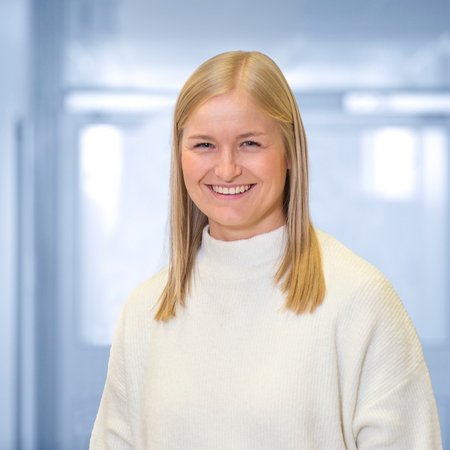
Laura Alvarez is a Junior Chair (Tenure Track) at the University of Bordeaux since 2022, conducting research at the Paul Pascal Research Center (CRPP), a joint CNRS-University of Bordeaux unit. Her office is located at B-224, 115 Avenue du Dr Albert Schweitzer, 33600 Pessac, France, with contact via (+33) 05 56 84 30 27 or laura.alvarez-frances@u-bordeaux.fr. She leads the BIO 2.0 team's research on active matter and colloidal systems. Her educational trajectory includes: PhD at University of Bordeaux and KU Leuven (2013-2016) under Prof. MP Lettinga and Dr. Eric Grelet Postdoctoral research at ETH Zurich (2017-2021) with Prof. Lucio Isa SNSF Spark postdoctoral fellowship (2020-2021) Her research centers on Active Matter , Chemical Communication , and Bio-inspired microsystems , investigating active liposome design, colloidal-lipid membrane interactions, and collective colloidal behavior. Key methodologies include optical tweezers and microfluidics for studying enzymatic particle navigation and colloidal lattice assembly. Her publication record (2017-2023) reveals a strong focus on programmable active colloids and microfluidic applications , with significant contributions to artificial microswimmers and reconfigurable systems appearing in Nature Communications, PNAS, and Physical Review Letters. Emerging trends show increasing emphasis on biomedical applications of active matter. Key recognitions include: Spark postdoctoral grant (SNSF, 2020) IdEx PhD fellowship (2013) She secured major grants including ANR JCJ Project MYMESYS (2023) and France-Berkeley Fund (2023), while her mentoring role involves graduate student supervision through University of Bordeaux's tenure-track framework. As BIO 2.0 team lead at CRPP, she directs experimental work on active colloidal particles using microfluidic platforms and optical manipulation, maintaining active collaborations with ETH Zurich, University of Bordeaux, and international partners across Europe.
Chris Fuller, Ph.D., is the Samuel Langley Distinguished Professor of Engineering at the College of Engineering , Virginia Tech. He leads the Vibrations and Acoustics Laboratory (VAL) , focusing on active/passive noise control systems, metamaterials, and their application to aerospace, medical devices, and industrial machinery. Education: Ph.D. (1979) and B.E. (1974) from the University of Adelaide, Australia. Research Interests: Structural acoustics, adaptive materials, machine learning in noise prediction, and biomedical acoustics (e.g., neonatal incubators). Awards: ASME Rayleigh Award (2017), NASA Team Achievement Award (1996), and Fellow of the Acoustical Society of America. Recent Publications: Highlight advancements in drone noise reduction using neural networks, metamaterials for HVAC systems, and poro-elastic materials for low-frequency noise control.
Spencer L. Bowen, Ph.D., is an Assistant Professor in the Department of Radiology at UT Southwestern Medical Center, where he is a member of the Radiology Research section and serves as a PET research scientist. His work is centered on advancing nuclear imaging technologies for clinical and research applications in oncology, neurology, and cardiology. Education: Bachelor's in Biomedical Engineering – University of Washington, Seattle Ph.D. in Biomedical Engineering – University of California, Davis Research Fellow – Massachusetts General Hospital, Charlestown, MA Dr. Bowen's research focuses on the development of advanced PET imaging systems, including dedicated breast PET/CT scanners and hybrid PET-MR technologies. He investigates image acquisition techniques, reconstruction algorithms, attenuation and scatter correction methods, and partial volume correction to improve quantitative accuracy. His work spans hardware design, software development (e.g., the Masamune processing tool), and clinical translation. His recent publications highlight innovations in cardiac and neurological PET quantification, breast imaging, and hybrid PET/MR systems. Themes include attenuation correction in PET/MR, dynamic PET modeling, and the impact of image processing on clinical interpretation. Scientific Recognition: Research featured on the cover of the Journal of Nuclear Medicine Work covered by press outlets Dr. Bowen actively contributes to the scientific community as a reviewer for leading journals including Journal of Nuclear Medicine , Medical Physics , Physics in Medicine and Biology , and IEEE Transactions on Nuclear Science and Transactions on Medical Imaging . His lab, the Bowen Lab, is engaged in ongoing research and is currently recruiting PhD graduate students, indicating active grant support and research momentum. He leads a research team focused on developing tomographic tools for precision medicine. The Bowen Lab is dedicated to creating and refining nuclear imaging technologies to enhance both clinical care and scientific discovery, with a strong emphasis on quantitative, high-resolution imaging across multiple disease domains.
Tatiana Segura is a Professor of Biomedical Engineering, Neurology, and Dermatology at Duke University's Pratt School of Engineering, where she also serves as Co-director of the Center for Biotechnology and Tissue Engineering and MPI of the T32 Biotechnology Training grant. Her research focuses on designing biomaterials to promote endogenous repair through geometry design and delivery of genes, proteins, and drugs. She has made significant contributions to the development of microporous annealed particle (MAP) hydrogels and other biomaterial systems for tissue regeneration. B.S. in Bioengineering from University of California, Berkeley (1999) Ph.D. in Chemical Engineering from Northwestern University (2004) Professor Segura's research centers on biomaterials engineering for tissue repair and regeneration. Her lab designs innovative biomaterial interventions that promote brain plasticity after stroke, enable scarless healing in skin wounds, induce tolerance of transplanted skin, and promote constructive immune responses after biomaterial implantation. She pioneered the development of microporous annealed particle (MAP) hydrogels that have become widely adopted in regenerative medicine research. Her work uniquely bridges immunology, materials science, and clinical applications to create therapeutic biomaterials that harness the body's own healing capabilities. Her recent publications demonstrate a strong focus on spatial control of biomaterial properties, with emphasis on void space analysis, immune cell recruitment, and vascularization. The research shows a progression from fundamental biomaterial characterization to increasingly sophisticated therapeutic applications, particularly in stroke recovery and wound healing. Her work integrates proteomics, lipidomics, and advanced imaging to understand the molecular mechanisms underlying biomaterial-mediated tissue regeneration. Senior Member of the National Academy of Inventors (2023) Acta Biomaterialia Silver Medal (2021) Clemson Award for Contributions to Literature (2024) 15 d/e Plenary Award from AICHE Food, Pharmaceutical, and Bioengineering Division (2018) Fellow of the American Institute for Medical and Biological Engineers (2016) Professor Segura actively mentors the next generation of scientists, currently supervising 12 graduate students, 4 postdoctoral scholars, 2 master's students, 16 undergraduates, and other trainees. Her laboratory has been continuously funded since 2008 with multiple NIH grants, including her current role as MPI of the T32 Biotechnology Training grant. She has received substantial support from the NSF (including a CAREER award), American Heart Association, and American Society of Gene and Cell Therapy. Her Segura Lab operates as a multidisciplinary team comprising engineers, biologists, and clinicians working together to translate biomaterial discoveries into clinical applications. The lab's 'MAP' technology platform has enabled numerous collaborations across Duke and other institutions, focusing on brain repair after stroke, scarless skin healing, and immune-modulating biomaterials. The lab maintains strong industry partnerships to accelerate the translation of their biomaterial technologies into clinical use.
David Latulippe is a Professor in the Department of Chemical Engineering at McMaster University. He joined McMaster in 2012 after postdoctoral work at Cornell University and a PhD at Penn State University, focusing on membrane filtration for DNA purification. His industrial experience includes roles at ZENON Environmental (now GE Water) in hollow-fiber membrane design for water treatment. Research interests include Membrane science and technology Bioprocessing of therapeutic viruses Microscale systems for biological applications Environmental engineering solutions for water treatment Current projects involve collaborations with industry partners like Ceapro and Aevitas, and the development of a biomanufacturing automation lab with Sartorius. Recent publications highlight advancements in Nanofiltration and microfiltration for viral vectors Conductive membranes for electrochemical applications Microfluidic systems for DNA analysis Environmental monitoring of biocides and microplastics Scientific recognition includes the Young Membrane Scientist Award (2014). Teaching activities focus on Fluid Mechanics (CHEMENG 2O04) and Industrial Separation Processes (CHEMENG 4M03).
Libo Chen is an Assistant Professor at Uppsala University's Department of Electrical Engineering; Solid State Electronics. His work focuses on neuromorphic tactile systems, bioinspired e-skin, and self-powered transducers. Research Interests : Neuromorphic engineering for tactile feedback Stretchable and self-healing electronics Energy harvesting for bioinspired systems Triboelectric transducers and sensors Surface chemistry of mesoporous materials Publication Trends : Over the past five years, Chen has published in interdisciplinary areas spanning Materials Science , Neuroengineering , and Chemical Physics , with a focus on tactile systems, self-healing materials, and hybrid energy applications. Labs & Teams : He is affiliated with Uppsala University's Ångström Laboratory, a hub for advanced materials and electronics research.
Reza Farivar-Mohseni is an Associate Professor at McGill University , affiliated with the Faculty of Medicine and Health Sciences and the Department of Ophthalmology and Visual Sciences . He serves as a Scientist at the RI-MUHC (Montreal General Hospital site), contributing to the Brain Repair and Integrative Neuroscience (BRaIN) Program and the Centre for Translational Biology . Research Interests: Dr. Farivar-Mohseni’s work focuses on cortico-cortical communication, information processing in the brain, and disruptions in neurological disorders like traumatic brain injury. He specializes in advancing non-invasive brain imaging (MRI) for both fundamental and clinical applications, particularly improving concussion detection and diagnosis. Publications: His research spans high-resolution MRI, visual perception, and functional imaging. Key themes include depth-cue invariance in object recognition, gamma-band neural representations, and cortical deficits in amblyopia. Recent studies (2025–2022) address computational neuroscience, vision screening tools, and neural imaging techniques. Labs & Collaborations: He collaborates with the MGH-MRI Research Platform and works within the Centre for Translational Biology , focusing on translating imaging advancements into clinical tools.
Dr. Carolin Vollenberg serves as a Post-Doctoral Researcher at the Chair of Information Systems & Transformation Management within the Faculty of Computer Science at the University of Duisburg-Essen (UDE). Her academic journey includes a PhD from the University of Muenster (2021-2025), an M.Sc. in Technical Consulting and Management from Hochschule Hamm-Lippstadt (2018-2020), and a B.Eng. in Biomedical Technology from the same institution (2014-2018). Prior to her current position, she worked as a Research Assistant at South Westphalia University of Applied Sciences and gained industry experience at Zapp Systems GmbH. PhD in Business Informatics (2021-2025), University of Muenster M.Sc. Technical Consulting and Management (2018-2020), Hochschule Hamm-Lippstadt B.Eng. Biomedical Technology (2014-2018), Hochschule Hamm-Lippstadt Research Focus: Vollenberg specializes in the governance of lightweight IT systems, digital transformation in public and healthcare sectors, and process mining applications. Her work bridges technical implementation with organizational behavior, particularly examining resistance to automation in sensitive domains like healthcare. She investigates how organizations navigate unintended consequences of technology adoption, with emphasis on RPA (Robotic Process Automation), omnichannel transformation, and data-driven process optimization. Her research methodology combines ethnographic field studies with quantitative process analysis. Publication Trends: Analysis of her 16 publications (2020-2025) reveals strong focus on healthcare IT (45% of works), public sector digitalization (30%), and foundational process management (25%). Recent output shows increasing emphasis on ethical dimensions of process mining and sustainability applications. Her collaborative work spans multiple European institutions with consistent publication in top IS conferences (ICIS, ECIS, HICSS). Best Paper nomination at HICSS-55 (2022) Associate Editor for General Track at Internationale Tagung Wirtschaftsinformatik (WI) 2025 Professional Engagement: Vollenberg actively contributes to academic discourse through editorial roles and peer review. Her industry collaborations with healthcare providers and public sector entities demonstrate applied research impact. Current projects examine virtual nursing transformations and crisis-responsive RPA implementations, reflecting her commitment to solving real-world operational challenges through information systems innovation.
Amber Doiron is an Assistant Professor and Graduate Program Director in the Department of Electrical and Biomedical Engineering at the University of Vermont (UVM), part of the College of Engineering and Mathematical Sciences. Her research focuses on developing biomaterials and nanotechnology solutions for drug delivery systems, wound care, and MRI contrast agents. Applications include combating bacterial biofilms, detecting inflammation, and studying nanoparticle-cell interactions. Doiron holds an M.S. and Ph.D. in Biomedical Engineering from the University of Texas at Austin. She completed her postdoctoral training as the T. Chen Fong Fellow in Radiology and Chemical Engineering at the University of Calgary. She also served as Chief Scientific Officer at NanoPulse Biosciences, a startup developing gold nanoparticle biomedical applications. Her research interests span biomaterials design, nanomedicine, and translational applications. Key areas include drug delivery mechanisms, magnetic resonance imaging contrast agents, and strategies to disrupt biofilm infections. She actively integrates education through courses like BME 5150 (Nanobiomaterials) and BME 2050 (Materials and Transport). Recent work explores nanoparticle-based inflammation detection, synergistic antimicrobial therapies, and cerebrovascular effects of nanoparticles. Her lab investigates ROS generation in biofilm control and metabolite-depleting materials for anti-biofilm strategies, supported by grants like the NSF CAREER award. Doiron’s educational initiatives include project-based learning approaches and STEM outreach programs aimed at expanding gender diversity in engineering. Her lab’s interdisciplinary focus bridges materials science, biomedical applications, and clinical translation.
Michael N. Economo, PhD, is an Assistant Professor in the Department of Biomedical Engineering at Boston University. His research focuses on neural circuits controlling movement, leveraging cutting-edge optical, electrophysiological, and genetic tools. He holds affiliations with Neuroscience & Neuroengineering and Photonics & Optical Systems programs. Education: PhD in Biomedical Engineering from Boston University, B.S. Biomedical Engineering and B.A. Mathematics from Duke University. Research Interests: Systems neuroscience, motor control, long-range neural circuits, computational neuroscience, neurotechnology. His lab investigates how neural circuits across brain regions coordinate movement using advanced techniques like optogenetics, in vivo imaging, and transcriptomics. Key Projects: Orofacial motor control, voltage imaging with TICO microscopy, neural circuit dissection. Technologies: Neuropixels probes, fluorescent voltage indicators, single-cell RNA sequencing. Notable Awards: NSF CAREER (2023), Scialog Fellow (2023), Whitehall Foundation Young Investigator Award (2021). Advising & Grants: Supervises graduate students (e.g., Munib Hasnain, Jackie Birnbaum) and postdocs (e.g., Vicky Moya, Yujin Han). Lab members focus on motor planning, neuromodulation, and neural dynamics. Labs/Teams: The Economo Lab collaborates on neurotechnology development and integrates interdisciplinary approaches from engineering and biology. Affiliated with BU’s Graduate Program in Neuroscience.
Maurice Heemels is a Full Professor at Eindhoven University of Technology (TU/e), leading the Control Systems Technology group. He holds additional professorships in EAISI Mobility, EAISI Foundational, EAISI Health, and EAISI High Tech Systems. His research focuses on hybrid and networked systems, emphasizing resource-aware control, event-triggered strategies, and cyber-physical systems integration. He is an IEEE Fellow and chairs the IFAC Technical Committee on Networked Systems. Academic Background: MSc and PhD in Mathematics (TU/e, 1995 and 1999, both summa cum laude ) Visiting Professorships: ETH Zurich (2001), UC Santa Barbara (2008) Industry Experience: Research & Development at Océ NV Research Interests: Hybrid Systems, Networked Control, Event-Triggered Control Model Predictive Control (MPC) in healthcare and high-tech systems Cyber-Physical Systems for applications like lithography and precision agriculture Key Contributions: Developed Hybrid Integrator-Gain (HIGS) systems and Projection-Based Control methodologies Recipient of a VICI Grant for wireless control systems research Oversaw over €7M in research funding from NWO, EU, and industry Awards & Recognition: Automatica Outstanding Service Award (2014) Best Paper Awards (EBCCSP 2017, etc.) Invited Keynote Speaker at ECC, CDC, and others Grants & Projects: Current Projects: COMEDI (Cost-effective Mechatronics), PROACTHIS (Projection-based Control) Past Projects: Fault Detection in Wafer Scanners, Drone-based Farming Labs & Teams: Active in TU/e’s Cyber-Physical Systems and Systems Engineering research groups, collaborating globally on nonsmooth dynamics and hybrid systems.